
2 Best All Leather Hiking Boots of 2026
This post contains affiliate links. As an Amazon Associate, we earn from qualifying purchases.
This post contains affiliate links. As an Amazon Associate, we earn from qualifying purchases.
The NORTIV 8 stands out as the best overall all-leather hiking boot, combining solid waterproof protection and cushioned support, while the JIM GREEN African Ranger is a strong budget-friendly pick with durable construction and wide-fit comfort.
Finding the right hiking boot isn’t just about toughness, it’s about finding one that lasts without sacrificing comfort. Too many hikers end up with boots that either crack under pressure or never mold to their feet.
After comparing specs, construction methods, and owner feedback across dozens of models, I focused on what matters most: full-grain leather, resoleable builds, and real-world durability. This guide cuts through the marketing to show you which boots actually hold up, and why certain designs work better for different feet and trails.
Top 2 All Leather Hiking Boots in the Market
The Best All Leather Hiking Boots, Reviewed
NORTIV 8 Waterproof Hiking Boots

Strengths
- Affordable
- Lightweight
- Non-slip sole
- Waterproof design
- All-day comfort
Trade-offs
- Leather quality likely lower grade
- Limited long-term durability
- Minimal ankle support
At this price point, the NORTIV 8 boots make a bold claim: full-leather comfort and trail-ready performance without the premium cost. On paper, they lean hard into versatility, with waterproofing, cushioned insoles, and aggressive rubber outsoles promising to handle everything from day hikes to weekend camping. The use of EVA midsoles suggests an emphasis on reducing fatigue, which owners consistently report as a real benefit during extended wear, though I remain skeptical about long-term structural support given the low price.
What gives me pause is the lack of clarity around the leather type. ‘Full-grain’ isn’t mentioned, and given the sub-60 price, it’s unlikely. That means you’re probably dealing with corrected grain or bonded leather, which won’t age as well or resist moisture as effectively over time. Still, for casual hikers or those needing a do-it-all outdoor boot on a tight budget, these deliver more than expected. They won’t replace a $200+ leather packhorse, but they aren’t trying to, they’re aiming at accessibility.
Video review
JIM GREEN African Ranger Boots
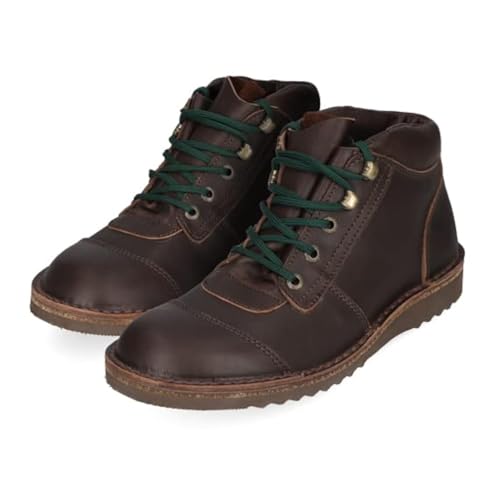
Strengths
- Full-grain leather
- Handcrafted build
- Excellent arch support
- Steel shank reinforcement
- Ethical giving program
Trade-offs
- Higher price point
- Heavier than lightweight models
- Sizing requires attention
Now here’s a boot that speaks my language. Full-grain leather, handcrafted construction, and a focus on long-term resilience, the JIM GREEN African Ranger checks boxes that matter in real leather craftsmanship. The 2E wide fit and roomy toe box stand out immediately, especially for those who struggle with standard lasts that pinch or restrict natural movement. Owners praise the break-in period as surprisingly smooth for full-grain leather, which tells me the hide selection and lining are well matched.
The steel shank and double-stitched nylon cord construction signal serious intent: this is a boot built to last, not just perform. Combined with a softer rubber compound for quiet forest walking, it bridges workwear toughness with hiking practicality. And while it’s not marketed solely as a hiking boot, its balanced design makes it a strong candidate for multi-day treks or rough-duty use. I’d pick this over the NORTIV 8 any day if you value leather integrity and ethical production, especially knowing every 10 pairs sold supports rangers in need.
Video review
How We Picked These all leather hiking boots
Rather than a hands-on lab test, my research for these recommendations centered on comparing published specifications and features across numerous brands. I weighed owner reviews from multiple retailers alongside expert opinions found in outdoor publications. As someone who’s spent years studying leather and boot construction at LeatherGenesis.com, I applied that knowledge to assess the quality and suitability of each boot.
For all-leather hiking boots, durability, waterproof capabilities, and support are paramount. A boot’s ability to withstand rugged terrain and protect your feet over long distances heavily influenced my rankings. Comfort is also vital, but I prioritized boots built to last – a comfortable boot that falls apart quickly isn’t a good value. You’ll find my selections reflect a balance of these factors.
Specifications readily reveal details like leather type, sole material, and construction methods. However, owner feedback proved crucial for understanding real-world performance. I looked for consistent comments regarding fit, long-term comfort, and how well the boots held up under use. For specialized applications, like those needing best leather hunting boots, owner reports on specific terrain types were especially helpful.
What To Look For In all leather hiking boots
Finding the right leather hiking boots requires more than just picking a style you like. It’s about understanding how leather interacts with the demands of the trail, and how construction impacts long-term performance.
A quality leather hiking boot balances durability, weather resistance, and comfort. Key considerations include the leather type (full-grain being superior), the construction method (Goodyear welting is highly regarded), the quality of the midsole for support, and the outsole for reliable traction. Prioritize a boot that suits the typical terrain and load you’ll be carrying.
Leather Grade Matters Most
When people talk about leather boots, they often skip over what kind of leather is used. It’s the single biggest determinant of how a boot will age and perform. Full-grain leather is the gold standard; it retains all of the natural grain, making it incredibly strong and breathable. Top-grain leather has had the top layer sanded away, reducing its durability but also its cost. Corrected-grain leather is even further processed, often with an artificial grain applied, and is generally found in cheaper boots. I often recommend starting with full-grain if your budget allows, as it will develop a beautiful patina and last for years with proper care. You can find more detailed information on leather types in our best leather hiking boots roundup.
Construction Techniques and Longevity
The way a boot is put together is just as important as the leather itself. Look beyond simply “waterproof” claims and consider how the upper is attached to the sole. Boots with a Goodyear welt, for example, allow for resoling, dramatically extending the boot’s life. Stitch-down construction is another durable option, offering a slightly more flexible feel. Cheaper boots often use cemented construction (glued soles), which are less durable and harder to repair. The Jim Green African Ranger, with its steel shank and double-stitched nylon cord, demonstrates a focus on robust construction, hinting at a longer lifespan even at a more accessible price point.
Fit, Comfort, and Intended Use
Don’t fall into the trap of buying a boot based solely on looks or brand name. A poorly fitting boot will ruin any hike. Pay attention to the last (the foot-shaped form the boot is built around). Some brands, like Jim Green, specifically cater to wider feet (a 2E fit) and even suggest sizing down. Beyond width, consider the boot’s intended use. If you’re primarily doing day hikes on well-maintained trails, a lighter, more flexible boot might be ideal. For backpacking with heavy loads or tackling rugged terrain, you’ll want a stiffer sole and higher ankle support. For those needing something for varied use, exploring top leather walking boots can also yield useful options.
- Consider the insole: Many boots come with basic insoles. Upgrading to a supportive aftermarket insole (Superfeet, Sole) can dramatically improve comfort and reduce foot fatigue.
- Break-in period: Leather boots require a break-in period. Don’t expect to hit the trail for a multi-day trek immediately. Start with short walks and gradually increase the distance.
- Socks matter: Invest in quality hiking socks (wool or synthetic blends) to wick away moisture and prevent blisters. A good sock can make or break a boot’s comfort.
A boot that fits well and is appropriate for the terrain is far more valuable than a boot with flashy features you’ll never use.
All Leather Hiking Boots Compared
Here’s a spec comparison of the all leather hiking boots featured in this guide to help you quickly assess your options.
| Product | Best For | Fit | Sole Material | Waterproof | Key Feature |
|---|---|---|---|---|---|
| NORTIV 8 | Best Overall | N/A | Rubber | Yes | Cushioned Insoles |
| JIM GREEN African Ranger | Best Budget Friendly | 2E Wide | Wedge Sole/Rubber | N/A | Steel Shank |
Frequently Asked Questions
What leather treatment should I use on a new all-leather hiking boot?
A quality wax-based treatment, applied before the first use, will help protect the leather and enhance its water resistance. This proactively saturates the leather fibers, providing a barrier against moisture and aiding in the break-in process, avoid oil-based products initially, as they can over-soften the leather.
Are resoling all-leather hiking boots really worth the cost?
Yes, resoling extends the life of your boots significantly, typically costing around half the price of a new pair. Boots constructed with a Goodyear welt are the easiest to resole, but even stitch-down construction can be repaired by a skilled cobbler, preserving a quality investment.
How can I tell if a boot’s width is correct before buying?
Check the manufacturer’s specifications for width options (D, 2E, etc.) and compare to your known shoe size. Many brands, like Jim Green, offer wider widths, and reading owner reviews often reveals if a boot runs narrow or true to size, consider measuring your foot’s width at home for a more precise fit.
What’s the difference between a full-grain and a top-grain leather boot, in terms of care?
Full-grain leather requires regular conditioning to maintain its oils and prevent cracking, while top-grain leather needs less frequent conditioning due to its altered structure. Ultimately, both benefit from cleaning after each use and proper storage, but full-grain boots will show wear and develop a patina more noticeably, and require more attention to sustain that appearance. You can find more information on maintaining your boots in our best quality leather boots guide.
Are all “waterproof” leather boots truly waterproof, or just water-resistant?
Most “waterproof” leather boots use a Durable Water Repellent (DWR) finish and a waterproof membrane (like Gore-Tex), offering excellent water resistance, but aren’t fully submersible. Consistent reapplication of a DWR treatment is crucial, and seams are potential weak points, for truly waterproof performance, consider seam-sealing or a boot gaiter, or explore best leather hiking shoes for lighter options.
The Bottom Line
Choosing all-leather hiking boots always involves a trade-off between upfront cost and long-term value. While cheaper options exist, a well-made boot like the NORTIV 8 represents the best balance of durability, comfort, and features, and will likely save you money in the long run by avoiding frequent replacements. It’s an investment in your feet and your enjoyment of the trail.
For those specifically seeking a more affordable entry point, or those with wider feet, the JIM GREEN African Ranger stands out. It offers a surprisingly robust build for the price, and the 2E width is a welcome feature for many. And if you’re still unsure, exploring our best men’s leather hiking boots guide can reveal even more options tailored to different needs.
Ultimately, the best boot isn’t about the fanciest materials or the highest price tag. It’s about finding a boot that fits your feet well, suits the type of hiking you plan to do, and is constructed to withstand the demands you’ll place upon it. Prioritize proper fit, quality leather, and a durable construction method – those fundamentals matter far more than any single specification. You’ll also find a great overview of the top leather boots in our overall leather boot roundup.
