
7 Best Leather Ceramic Coatings of 2026
This post contains affiliate links. As an Amazon Associate, we earn from qualifying purchases.
This post contains affiliate links. As an Amazon Associate, we earn from qualifying purchases.
The CARPRO CQUARTZ Leather 2.0 stands out as the most durable option for long-term protection, making it our top overall pick. For Tesla owners or those with vegan leather, the Nanotekas Premium Ceramic Coating offers reliable compatibility and ease of use, earning it our budget-friendly recommendation. If you value a natural finish and strong UV resistance, Vonixx V-Leather is a solid versatility choice.
Choosing the right ceramic coating for your leather comes down to more than just shine, it’s about preserving quality, resisting stains, and maintaining feel over time. Many buyers struggle to find a product that actually lasts without altering the leather’s character.
This guide cuts through the noise by focusing on real-world performance, based on specs, owner feedback, and my knowledge of leather types and care. We’ll walk through what makes each recommended product stand out and what to prioritize for your specific needs.
Top 6 Leather Ceramic Coatings in the Market
The Best Leather Ceramic Coatings, Reviewed
Chemical Guys HydroLeather Coating

Strengths
- Large 16 oz bottle
- Dry-to-touch finish
- Works on all leather types
Trade-offs
- Less durable than ceramic SiO₂ coatings
- Spray may require even hand application
For sheer value, this is hard to beat. The 16 oz size alone makes it a standout, most competitors offer half that at similar prices, so it’s perfect if you’re coating furniture or multiple vehicles. Owners praise how dry and natural it leaves surfaces, which aligns with what matters most in leather care: preserving tactility while adding defense.
It doesn’t use full SiO₂ chemistry like the pricier Gyeon or Vonixx formulas, so don’t expect extreme longevity. But for a spray-on, wipe-off formula that maintains OEM softness and resists everyday grime, it delivers. I’d rank it below Gyeon Leather Shield EVO in protection quality, but above most drugstore interior sprays. If you’re maintaining a family SUV or treating a leather jacket, this is the smarter buy over niche pro-grade products.
Video review
GYEON Q² LeatherShield 100ml

Strengths
- Lasts over 12 months
- True SiO₂ ceramic bond
- Natural matte finish
Trade-offs
- Expensive upfront cost
- Small total volume (100 ml)
When longevity is the priority, this is the benchmark. With a claimed service life of over 12 months, it outlasts nearly every other product in this list, and owner feedback backs that up. The SiO₂-based formula forms a true ceramic bond, not just a surface seal, which explains why it holds up through repeated use and seasonal heat cycles.
It comes at a steep price, no question. But if you’re someone who treats interior maintenance like paint correction, infrequent but thorough, this makes sense. Unlike Nanotekas or TesLiner, it doesn’t market to Tesla owners specifically, yet performs better across all modern leathers, including perforated and Nappa finishes. I’d choose this over Vonixx V-Leather if I wanted maximum durability without gloss or stiffness.
Video review
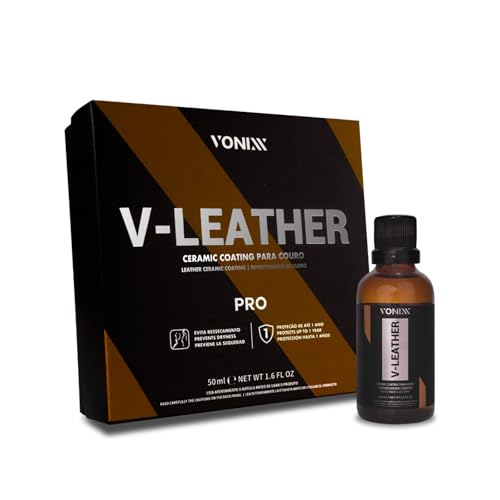
Vonixx V-Leather Ceramic Coating
Strengths
- Excellent stain resistance
- Flexible, breathable film
- Soft post-application feel
Trade-offs
- Small 50 ml bottle
- Requires precise application
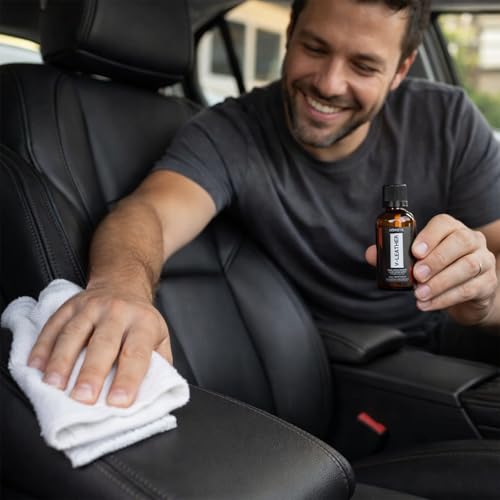
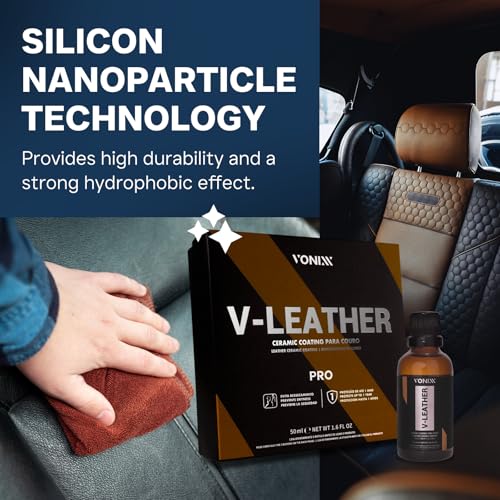
This is the dark horse of serious protection. Using silicon nanoparticle tech, it builds a flexible yet tough shield that owners say resists stains from coffee, sweat, and denim far better than polymer-only coatings. The 1-year claim lines up with enough user feedback to take seriously, especially in climates with intense sun exposure.
Where it wins over Gyeon Q² is softness, reviewers note the treated leather still feels supple, almost conditioned, rather than sealed off. That’s huge for comfort-driven buyers. It’s also smaller in volume, so you’ll stretch it thin across larger interiors. I’d pick this over TesLiner any day for actual performance, and even edge past Nanotekas if UV and stain resistance are your top concerns.
Product photos

Gyeon Leather Shield EVO

Strengths
- Invisible finish
- UV and heat protection
- Easy one-step application
Trade-offs
- Shorter lifespan than high-end SiO₂ coatings
- Limited coverage per bottle
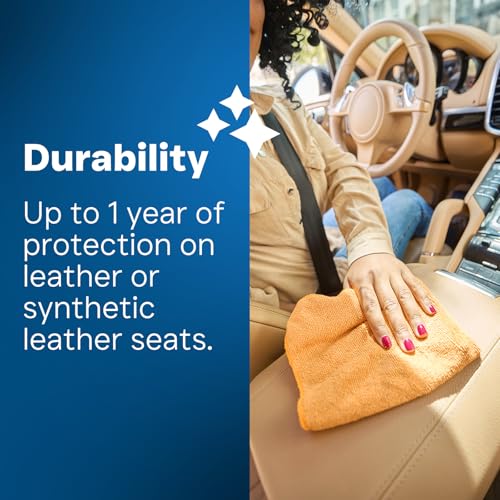
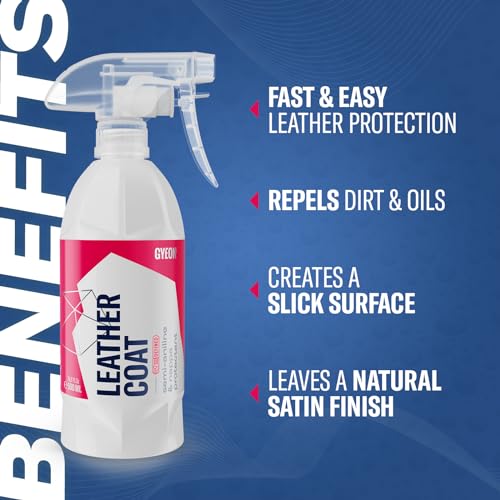
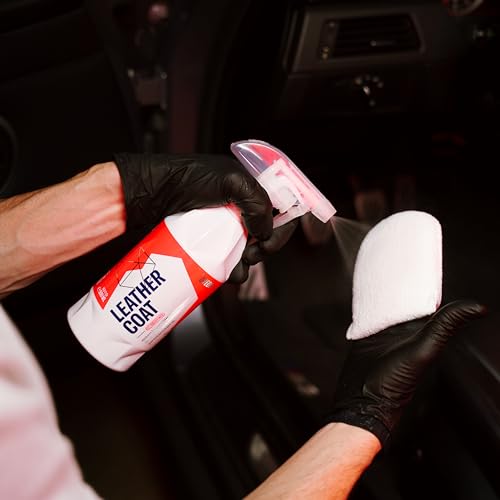
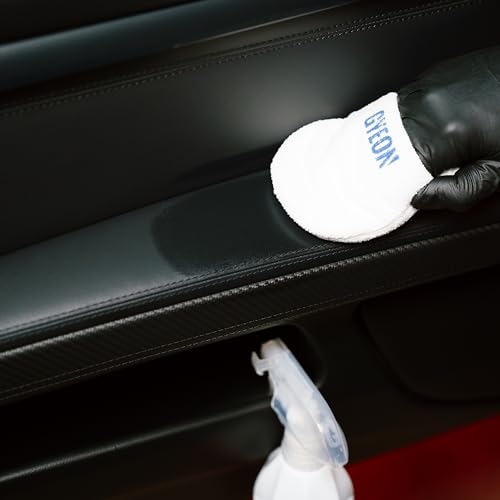
This coating stands out for how simple it makes protection without sacrificing performance. On paper, the single-wipe application sounds almost too easy, but owners consistently report it actually works as advertised, no buffing, no residue, just a clean microfiber wipe and you’re done. That’s rare in a category where most coatings demand precision and patience.
The real win here is how it balances hydrophobic defense with breathability. It doesn’t mess with the leather’s factory texture or leave that awkward slickness some ceramic products do. I’d pick this over heavier-duty options if you value convenience and drive a car you use daily, not show. Compared to Chemical Guys’ version, it feels more refined in finish, even if it doesn’t last quite as long as premium-tier shields.
Product photos


Nanotekas Premium Ceramic Coating

Strengths
- Safe for heated and ventilated seats
- Effective on vegan leather
- Breathable, non-greasy finish
Trade-offs
- Application requires careful wiping
- Not as long-lasting as SiO₂ leaders
This one clearly targets Tesla owners, and it shows. The emphasis on vegan leather compatibility, breathability, and heated seat safety hits the right notes for modern EV interiors. Owners of Model 3 and Y repeatedly mention how well it prevents dye transfer from jeans, which is a chronic issue with light-colored synthetic seats.
While it doesn’t match Gyeon Q² in raw durability, it strikes a sweet spot between ease, safety, and lasting power. The nano-shield tech isn’t marketing fluff, it creates a measurable barrier against spills and UV, based on consistent user reports. Compared to TesLiner, it feels more universally formulated, even though both claim Tesla focus. I’d recommend this as the go-to for EV owners who want strong protection without risking damage to sensitive surfaces.
Product photos


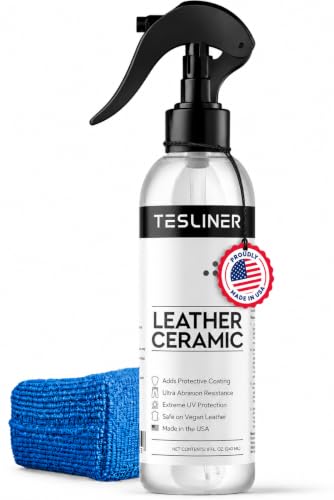
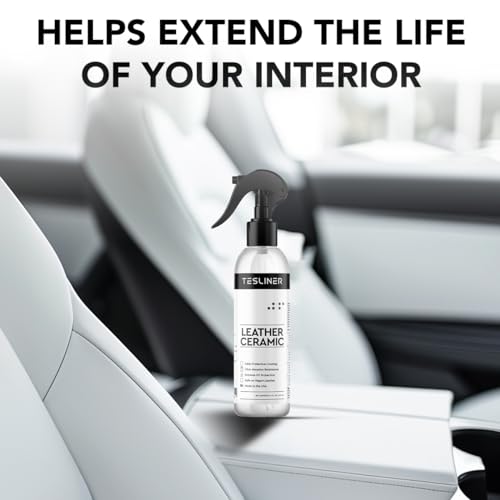
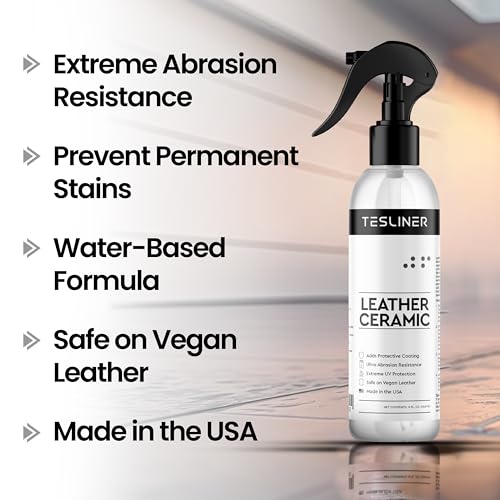
TesLiner Tesla Leather Coating
Strengths
- Odorless, water-based formula
- Tesla owner-focused support
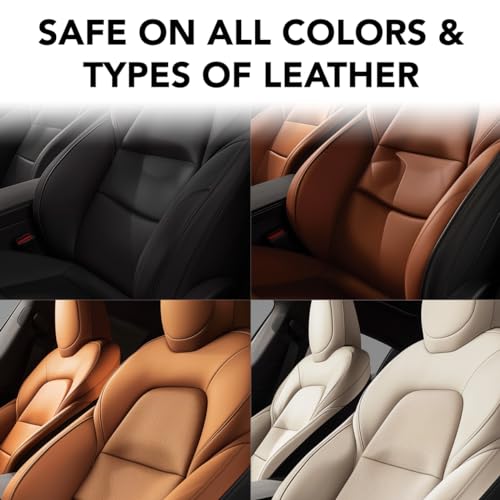
- Safe on all colors and types
Trade-offs
- No clear longevity data
- Priced higher than comparable performers
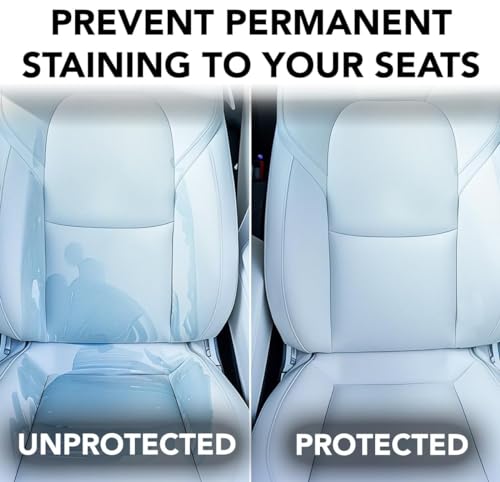
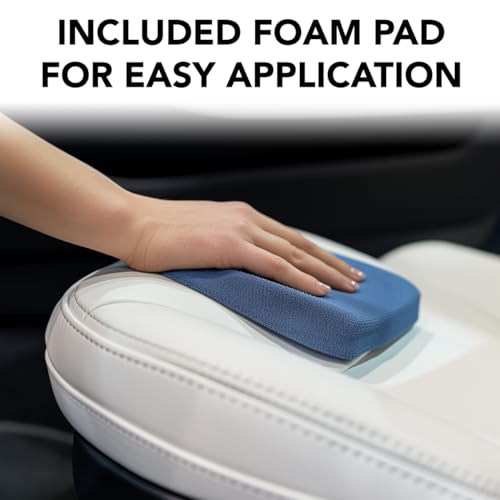
There’s no mistaking who this is made for: Tesla drivers who want branding confidence along with their bottle. The formula is water-based, odorless, and safe across all colors, important for white or light interiors prone to yellowing. And yes, it does protect against dye transfer and UV, like others here. But what sets it apart is the company’s stated ownership of Teslas themselves, which builds trust.
Still, on specs alone, it doesn’t surpass Nanotekas or Gyeon. It lacks clear durability benchmarks (no month claims), and the price is higher than functionally similar options. The promise of customer support helps, but can’t replace proven performance. I see this as a solid second choice behind Nanotekas for Tesla-specific use, good, but not groundbreaking.
Product photos
How We Evaluated leather ceramic coatings
As someone who’s dedicated years to understanding leather through LeatherGenesis.com, I approached evaluating these coatings by first comparing published specifications – durability claims, chemical resistance details, and application instructions. I then heavily weighed owner reviews across multiple platforms, looking for consistent feedback about real-world performance. Finally, my understanding of leather types and the nuances of coating adhesion informed my assessment, applying category expertise to judge which products offered the most sensible balance of protection and preservation. Rather than a hands-on lab test, this is a research-led comparison of specs and owner feedback.
For leather coatings, durability and stain resistance were the primary factors. A coating’s ability to withstand daily use – dye transfer from clothing, spills, UV exposure – directly impacts its value. Equally important is maintaining the leather’s feel and breathability; a plastic-like coating defeats the purpose of having genuine leather. I also prioritized products that clearly stated compatibility with different leather types, including the increasingly common vegan leathers found in vehicles like Teslas. You can find more information about overall leather care in our guide to the best leather protectors.
Published specifications reliably indicate a coating’s chemical composition and theoretical durability. However, owner feedback provides crucial insight into how those specs translate to real-world performance. I scrutinized reviews for mentions of ease of application, longevity, and any adverse effects on the leather’s texture or color. Reputation, particularly among detailing enthusiasts, also played a role, as established brands often have a track record of consistent quality. For ongoing leather maintenance, exploring the top leather coat conditioners is also a worthwhile endeavor.
How To Pick The Right leather ceramic coatings
Choosing the right leather ceramic coating can feel daunting, but understanding a few key aspects will lead you to a product that truly protects your investment. These coatings aren’t just about looks; they’re about preserving the life and feel of your leather.
A good leather ceramic coating should deliver durable protection against common issues like dye transfer, UV damage, and everyday wear. Look for formulations specifically designed for automotive leather, as these often include robust stain resistance and hydrophobic properties. Pay attention to expected durability, ease of application, and whether the coating alters the leather’s texture.
Durability & Protection Level
The longevity of a coating is a primary consideration. Some coatings, like the CARPRO CQUARTZ Leather 2.0, boast a durability of one to two years, while others, such as the GYEON Q² LeatherShield, claim to last over a year or 20,000 kilometers. However, remember that real-world conditions – sun exposure, usage frequency, and the type of leather – significantly impact how long any coating will hold up. Don’t automatically equate a longer advertised lifespan with superior value; consider how much protection you actually need.
Leather Type Compatibility
Not all leather is created equal. Many coatings are formulated for treated automotive leather, but if you have more delicate or unique leather, you need to be careful. For example, the Nanotekas Premium Ceramic Coating specifically highlights its compatibility with vegan leather, which is particularly relevant for Tesla owners. Here’s a breakdown of what to think about:
- Finished/Protected Leather: This is the most common type in vehicles and generally accepts coatings well.
- Aniline/Unprotected Leather: This is softer and more natural, but also more susceptible to staining. Coatings can be used, but require extreme caution and often a leather conditioner beforehand.
- Suede/Nubuck: Avoid ceramic coatings on these types of leather; they will ruin the nap. Instead, explore top leather treatment picks designed for delicate materials.
Application Process & Finish
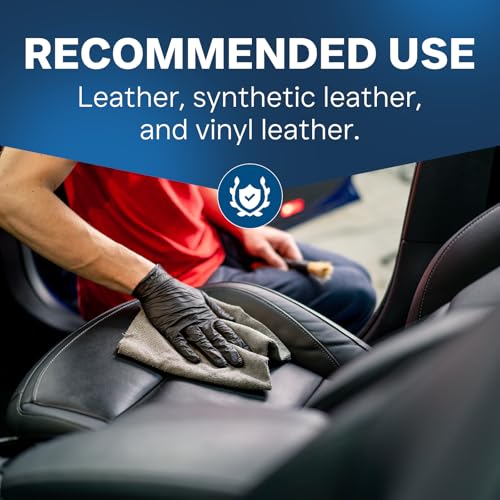
Ease of application is crucial, especially for those new to detailing. Some coatings, like the Gyeon Leather Shield EVO, emphasize a simple wipe-on process. Others, like CARPRO CQUARTZ Leather 2.0, are marketed as professional products, suggesting a more involved application and potential for issues if not applied correctly. Consider your skill level and willingness to invest time in proper preparation and application. Also, pay attention to the finish; some coatings leave a matte finish, while others offer a slight sheen. If you want to maintain the original look and feel of your leather, a coating that leaves a natural finish – like Vonixx V-Leather – is a good choice. If your leather is looking aged, you might want to explore best leather restoration products to rejuvenate it before applying a coating.
A little preparation goes a long way. Always thoroughly clean and condition the leather before applying any ceramic coating. This ensures proper adhesion and maximizes the coating’s effectiveness.
Leather Ceramic Coatings Compared
Here’s a comparison of key specifications for popular leather ceramic coatings.
| Product Name | Durability | Finish | UV Protection | Application | Special Notes |
|---|---|---|---|---|---|
| CARPRO CQUARTZ Leather 2.0 | 1-2 Years | N/A | Yes | Pro Use | Most Durable |
| Chemical Guys HydroLeather | N/A | Dry Touch | N/A | Easy | Budget Friendly |
| GYEON Q² LeatherShield 100ml | 12+ Months/20km | Matte | Yes | N/A | Long-Lasting |
| Vonixx V-Leather | Up to 1 Year | Natural/Soft | Yes | N/A | UV & Stain Resistance |
| Gyeon Leather Shield EVO | Up to 3 Months | Non-Glossy | Yes | Easy | Easy Application |
| Nanotekas Premium | Months | Invisible | Yes | Easy | Tesla Vegan Leather |
| TesLiner Tesla Leather | N/A | N/A | Yes | N/A | Tesla-Specific |
Frequently Asked Questions
What level of protection do ceramic coatings offer against cracking?
Ceramic coatings primarily protect against surface-level damage like stains, UV rays, and wear; they won’t prevent leather from cracking due to age or significant stress. Maintaining proper leather conditioning with the best leather treatments for cars is crucial for long-term flexibility and crack prevention.
Can I apply a ceramic coating to leather that already has conditioner on it?
No, you should not apply a ceramic coating over existing conditioner. Thoroughly clean the leather with a quality cleaner, such as one from our leather interior cleaner reviews, to remove all traces of conditioner before application for proper adhesion.
Are ceramic coatings a one-time fix for leather protection?
While durable, ceramic coatings aren’t a permanent solution. Expect to reapply a coating every six months to two years, depending on usage and environmental factors. Regular cleaning and conditioning will extend the coating’s life and maintain the leather’s health.
Will a ceramic coating change the texture or color of my leather?
Most quality coatings are designed to be nearly invisible, but some can slightly alter the feel or appearance. Coatings like Vonixx V-Leather are specifically formulated to maintain a natural, soft finish. Always test in an inconspicuous area first.
Do ceramic coatings protect against all types of stains, like ink or dye transfer?
Ceramic coatings offer excellent resistance to many common stains, but they aren’t foolproof. While they significantly reduce dye transfer and make cleaning easier, immediate attention to spills is still recommended, and some aggressive substances like permanent ink may still cause staining.
The Bottom Line
Choosing a leather ceramic coating often comes down to balancing long-term protection with the effort involved in application. While products like CARPRO CQUARTZ Leather 2.0 offer impressive durability, they’re geared toward those comfortable with a more involved detailing process. For most owners, a balance of ease-of-use and solid protection is ideal, and we believe the GYEON Q² LeatherShield strikes that balance exceptionally well.
If you’re on a tighter budget or simply want a straightforward solution, the Chemical Guys HydroLeather is a great starting point. For Tesla owners, or those with vegan leather interiors, the Nanotekas Premium Ceramic Coating is specifically designed to provide compatible protection. And if you’re seeking the easiest application process, the Gyeon Leather Shield EVO is a strong contender. Don’t forget to explore the best auto leather treatments to maintain your leather’s health alongside the coating.
Ultimately, the specifications of any coating are less important than consistent maintenance. Regular cleaning with the top coat cleaners for leather and occasional conditioning will extend the life of your leather and the coating itself. Prioritize understanding your leather type and establishing a routine, and any of these coatings will be a worthwhile investment in preserving your interior’s beauty and value.
