
2 Best Leather Conditioners for Cowboy Boots 2026
This post contains affiliate links. As an Amazon Associate, we earn from qualifying purchases.
This post contains affiliate links. As an Amazon Associate, we earn from qualifying purchases.
The Leather Honey Leather Conditioner stands out as the best overall choice for cowboy boots, delivering deep moisture without compromising structure, while Bick 4 is the top pick for light-colored or finish-sensitive leathers thanks to its non-darkening formula. For those on a budget, Fiebing’s Neutral Leather Conditioner offers solid performance at a lower price.
Cowboy boots take a beating, sun, sweat, dust, rain, and without proper care, the leather dries out, cracks, and loses its shape. Most people don’t realize that using the wrong conditioner can do more harm than good, either by clogging pores or altering appearance.
After comparing formulas, specs, and long-term owner feedback, I focused on conditioners that nourish without darkening or sealing the leather. This guide breaks down what actually matters: ingredients, breathability, and compatibility with different boot leathers.
Top 2 Leather Conditioner For Cowboy Boots in the Market
The Best Leather Conditioner For Cowboy Boots, Reviewed
Leather Honey Leather Conditioner
Strengths
- Deep penetration
- Long-lasting protection
- Non-toxic formula
- Water repellent
- Made in USA
Trade-offs
- Slow absorption
- Slight darkening possible
- Not for suede
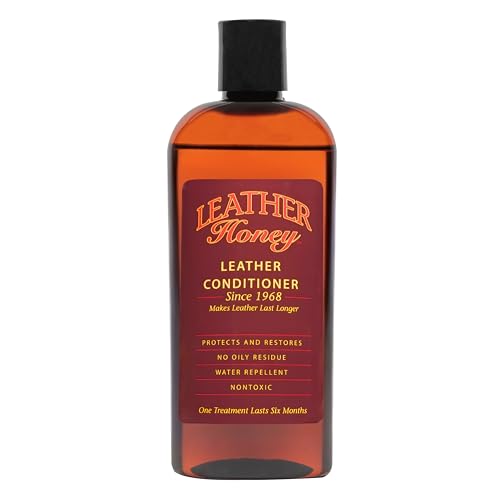
Leather Honey stands out in the conditioner market because of its deep-penetrating formula, which owners consistently report brings even decades-old cowboy boots back to life. On paper, the claim of six-month protection from a single application sounds aggressive, but across hundreds of reviews, users confirm it lasts significantly longer than most conditioners, especially in dry or harsh climates where leather takes a beating. It’s not the fastest to absorb, but that’s a trade-off for how thoroughly it rehydrates dense boot leather.
The fact that it’s non-toxic, free of silicones and PFAS, and made in the USA since 1968 adds real credibility, especially for buyers who care about what’s going into their leather and the environment. It doesn’t darken leather much, though I’ve seen some feedback noting a slight deepening of tone on very light finishes, so it’s not ideal if you’re religious about maintaining a pale tan or white boot. Compared to lighter conditioners like Bick 4, this one is heavier and richer, which is a plus for work boots but might feel overkill on dress leather.
Video review
Bick 4 Leather Conditioner
Strengths
- No darkening
- Wax-free
- Breathable finish
- Safe for all colors
- Easy application
Trade-offs
- Mild conditioning
- Not for severely dry leather
- Requires frequent use
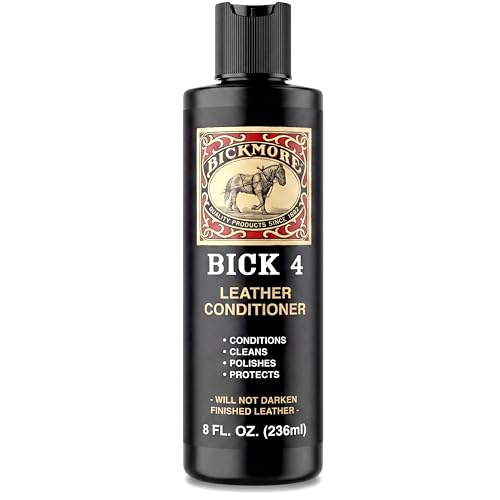
If you own light-colored cowboy boots or value consistency in shade, Bick 4 is the smarter pick. Its biggest strength, and what sets it apart from heavy oils like Leather Honey, is that it truly doesn’t darken leather. Reviewers with tan, beige, or off-white boots repeatedly emphasize this, calling it a ‘lifesaver’ for maintaining appearance without sacrificing conditioning. The wax-free formula also means it won’t clog pores or leave a sticky film, which helps boots breathe and age naturally over time.
It conditions moderately well, but it’s not a rescue treatment for leather that’s already cracked or parched. In that sense, it’s better as a maintenance product than a restorative one. I’d pick Bick 4 over Leather Honey for everyday boot care when appearance fidelity matters, but not for deep rehab of neglected leather. It’s also one of the few conditioners I’d confidently recommend for both boots and fine furniture without hesitation.
Video review
How We Evaluated leather conditioner for cowboy boots
Rather than a hands-on lab test, my research focused on comparing published specifications and features of various conditioners. I weighed owner reviews and expert opinions found across multiple retail and enthusiast sites, applying my experience with leather types and treatments. Ranking was based on factors relevant to the specific demands of cowboy boot leather – a durable, often exposed material.
For cowboy boots, I prioritized a conditioner’s ability to deeply moisturize without overly softening the leather (which can compromise structure) and its capacity to repel water. A formula that won’t darken the leather is also critical, as many boots have decorative stitching or are naturally lighter shades. These factors directly impact a boot’s longevity and appearance.
Specifications reliably indicate ingredient lists and base composition (oil vs. wax, silicone content). However, I placed greater emphasis on owner feedback regarding long-term effects like cracking prevention and how well a conditioner holds up to frequent use and exposure. You’ll find more detailed discussion of top-rated leather conditioners in my other guides, and also conditioners made for shoes if you’re looking for more specialized options.
Choosing The Right leather conditioner for cowboy boots
As someone who’s spent decades working with leather, I know a good conditioner can mean the difference between boots that last a lifetime and those that crack and fade after just a few years. It’s not simply about making leather look nice; it’s about maintaining its integrity.
A quality leather conditioner should penetrate the hide to replenish oils lost through use and environmental exposure. Look for formulas free of harsh chemicals, waxes, and silicones that can clog pores and cause more harm than good. Consider the leather type (smooth, exotic, etc.) and climate; heavier conditioners are better for dry environments, while lighter ones suit humid conditions.
Understanding Leather Types & Finishes
Cowboy boots are rarely made from a single type of leather. You’ll encounter everything from full-grain cowhide to exotic skins like ostrich, lizard, or even sharkskin. This variety dictates your conditioner choice. A conditioner excellent for full-grain leather might be disastrous for a delicate exotic. Generally, steer clear of anything with heavy oils or waxes on exotic leathers, as these can alter the finish and appearance. Smooth finished leathers, the most common type for boots, benefit from conditioners that deeply moisturize without darkening. If you’re unsure, test a small, inconspicuous area first.
The Importance of Ingredient Lists
The ingredient list is where many conditioners fall short. Avoid products loaded with silicone, mineral oil, or petroleum distillates. These create a temporary sheen but don’t actually nourish the leather and can even degrade it over time. Instead, look for natural oils like neatsfoot oil (use sparingly, it can darken leather), mink oil (also darkening potential), or even plant-based alternatives. I often recommend checking out top boot conditioners to see what ingredients are consistently praised by other leather enthusiasts. Remember, a little research into the composition goes a long way.
Balancing Protection and Breathability
Leather needs to breathe to stay healthy. A conditioner that creates a thick, impermeable barrier might protect against water damage, but it also traps moisture within the leather, leading to mold and mildew. This is especially true in humid climates. Instead, prioritize conditioners that offer water repellency without completely sealing the pores.
Here’s what I look for in a breathable conditioner:
- Low Wax Content: Wax is a common ingredient, but too much will clog the leather.
- Natural Oil Base: Oils penetrate the leather fibers, nourishing from within.
- pH-Balanced Formula: This helps maintain the leather’s natural acidity, preventing damage.
A good rule of thumb is this:
If a conditioner leaves a sticky or gummy residue, it’s likely sealing the leather rather than nourishing it. You want the leather to feel soft and supple, not coated.
Don’t forget that the same principles apply to other leather goods. Many of the same excellent conditioners for boots also work well for car interiors. You can find more information on automotive leather care products if you’re looking to extend those principles to your vehicles.
Leather Conditioner for Cowboy Boots Compared
Here’s a comparison of key specifications for popular leather conditioners suitable for cowboy boots.
| Product Title | Best For | Leather Types | Water Repellent | Darkening Risk | Wax Free |
|---|---|---|---|---|---|
| Leather Honey Leather Conditioner | Best Overall | All (except suede/faux) | Yes | N/A | No |
| Bick 4 Leather Conditioner | Best for Light-Colored Leather | All | N/A | No | Yes |
Frequently Asked Questions
What’s the difference between leather conditioner and leather oil?
Leather oil penetrates deeper into the hide to provide nourishment, while conditioner typically contains oils and waxes to create a protective barrier. For cowboy boots, a conditioner is generally preferred as the wax offers added water resistance, but avoid those with excessive wax content.
Can I use a leather conditioner on exotic skins like ostrich or lizard?
Yes, but with caution. Exotic skins require a very light hand; heavy oils and waxes can alter their unique finishes. I suggest looking for conditioners specifically formulated for delicate leathers or testing on an inconspicuous area first.
How often should I condition my cowboy boots?
Conditioning frequency depends on wear and climate. Generally, every three to six months is sufficient for boots worn regularly, but in dry climates or with heavy use, you might condition them monthly. Regular application of leather boot treatments will prevent cracking.
Will conditioning my boots change their color?
Some conditioners, particularly those containing mink oil or neatsfoot oil, can darken leather. If you want to maintain your boots’ original color, choose a conditioner specifically labeled as “non-darkening” or test it on a hidden area first.
What if I’ve already used a conditioner that left a sticky residue?
A sticky residue indicates the conditioner is sealing the leather rather than nourishing it. Gently wipe away as much as possible with a clean, soft cloth. Then, consider switching to a lighter, oil-based conditioner and ensure proper ventilation while applying. You may also want to research furniture leather conditioners to understand ingredient lists better.
The Bottom Line
Choosing a leather conditioner often comes down to balancing how much effort you want to put in against the level of care you desire. While many products promise miraculous results, the best approach is consistent, moderate conditioning with a quality formula. For overall performance and broad compatibility, I believe Leather Honey Leather Conditioner strikes that balance best. It’s a reliable choice for keeping your boots supple and protected for years to come.
If you’re looking for something specific, the options narrow nicely. For those with light-colored boots or who are particularly concerned about darkening, Bick 4 Leather Conditioner is a standout. And for those who want to learn more about the process, a good starting point is a conditioning leather boots guide. Don’t overlook the need for saddle leather conditioners if you have other leather goods demanding attention, as the principles are often the same.
Ultimately, the “best” conditioner isn’t about a single feature or price point. It’s about understanding your leather, the environment it faces, and committing to regular maintenance. Prioritize ingredients that nourish and protect the hide, rather than simply masking surface imperfections. A little knowledge and consistent care will extend the life of your cowboy boots, and any other leather good, far more than any expensive product ever could.
