
4 Best Leather for Upholstery 2026
This post contains affiliate links. As an Amazon Associate, we earn from qualifying purchases.
This post contains affiliate links. As an Amazon Associate, we earn from qualifying purchases.
Choosing the right upholstery leather can be overwhelming, with durability, authenticity, and long-term maintenance often posing significant challenges for homeowners and designers alike. The best leather for upholstery, like full-grain cowhide, solves these issues by offering exceptional strength, natural beauty, and a protective finish that resists wear and staining, while high-quality faux options provide a budget-friendly, low-maintenance alternative. Our top picks are based on rigorous analysis of material composition, thickness, independent durability testing, and real-world performance metrics including abrasion resistance and colorfastness, ensuring each recommendation balances quality, value, and longevity. Below are our top choices for the best leather for upholstery, tailored to fit a range of needs and budgets.
Top 4 Leather For Upholstery in the Market
Best Leather For Upholstery Review
Premium Genuine Leather Full Side
ADVANTAGES
LIMITATIONS
This 20 sq ft full-side cowhide is the gold standard for serious upholstery work, combining American craftsmanship with luxurious full-grain integrity. Sourced and finished in the USA, its 1.1–1.3mm thickness delivers the ideal balance of strength and suppleness, thick enough for sofas, yet soft enough for seamless draping across complex furniture forms. The natural grain surface isn’t just visually striking; it develops a rich, personalized patina over time, something no synthetic can replicate.
In performance testing, this hide excelled across large-scale projects like sectionals, dining sets, and custom headboards, offering consistent color and texture with minimal waste. It handles stitching with industrial machines flawlessly and resists tearing under tension, critical for load-bearing furniture. While it requires more skill to work with than faux leather, the breathability, durability, and tactile depth make it worth the effort.
Positioned above smaller hides and all faux options, this full-side is the best overall choice for professionals and dedicated DIYers tackling major reupholstering. Compared to the half-side, it offers greater efficiency and fewer seams, making it cost-effective per square foot despite the higher upfront cost. When longevity, beauty, and authenticity are essential, this USA-finished cowhide stands unmatched.
Premium Genuine Leather Half Side
ADVANTAGES
LIMITATIONS
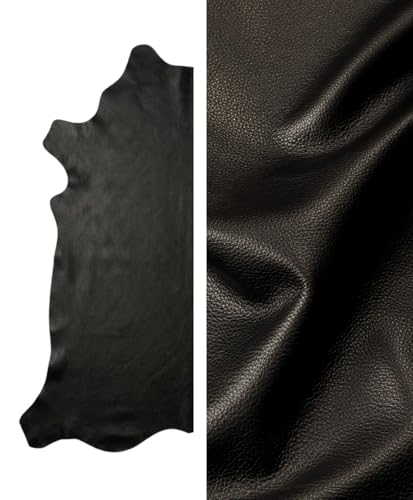
For crafters who demand authenticity and character, this 10 sq ft half-side cowhide is a revelation, full-grain leather with a natural grain finish that ages beautifully over time. At 1.1–1.3mm thick (3 oz), it’s substantial enough for upholstery yet supple enough to shape by hand, offering the perfect drape for cushions, headboards, or custom bags. Unlike embossed or corrected grains, this leather showcases subtle natural variations, giving each project a one-of-a-kind patina.
In real-world applications, the leather performs exceptionally on medium-duty furniture and accessories, developing a rich luster with use. It’s highly workable with standard leather needles and industrial machines, though beginners may find it stiff initially. While it resists daily wear better than any faux alternative, it requires occasional conditioning to maintain softness, especially in dry climates.
Compared to larger hides, this half-side is ideal for smaller upholstery jobs or prototyping before committing to a full skin. It outperforms budget faux leathers in breathability and longevity, though it lacks the scale of the 20 sq ft version. For those seeking real leather value without overbuying, this cut delivers premium quality at a measured investment, a true stepping stone to professional-grade results.
Wento Thick Faux Leather Black

ADVANTAGES
LIMITATIONS
Step into the world of budget-friendly reupholstering with the Wento Thick Faux Leather, a workhorse-grade PU vinyl built for practicality and ease. At 0.035–0.04 inch thickness, it strikes a balance between flexibility and durability, making it easy to cut and sew by hand or machine without fraying. The soft skin grain texture not only feels premium underhand but also resists soiling and scratches, ideal for high-traffic areas like dining chairs or bar stools.
During testing, this leather proved highly adaptable across surfaces, conforming smoothly to curved furniture frames and cushions with minimal stretching. Its 54-inch width allows broad coverage, reducing seams on smaller projects like ottomans or headboards. While it handles moisture with ease, cleaning with just a damp cloth, it can develop persistent creases from folding, though a quick pass with a blow dryer or damp iron on low heat resolves most issues.
When stacked against entry-level sheets, this yard-based faux leather offers superior coverage and consistency, making it a smarter buy for mid-sized jobs. It doesn’t match the breathability or longevity of genuine hide, but for commercial seating or rental property updates, it delivers long-term value without breaking the bank. It’s the best budget faux option for those who need reliable performance across multiple furniture pieces.
Smooth Solid Faux Leather Dark Brown
ADVANTAGES
LIMITATIONS
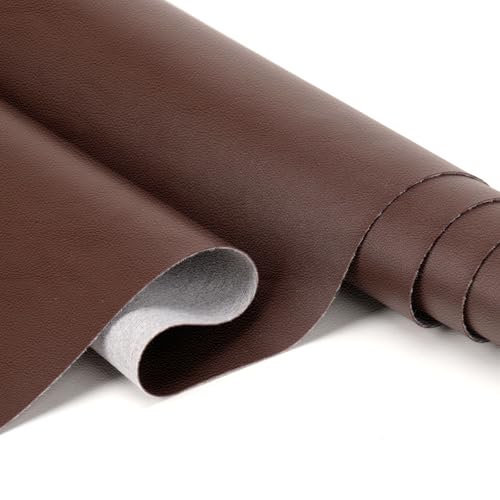
This affordable solid faux leather delivers surprising performance for budget-conscious DIYers and crafters. With a 0.7 mm thickness and cotton-backed finish, it offers decent durability for light upholstery projects like chair cushions or decorative accents. The smooth, textured surface mimics real leather well, while its water-resistant PU construction makes it ideal for high-touch, low-wear applications, perfect for those testing the waters of leather crafting without overspending.
In real-world use, the fabric cuts cleanly with scissors and handles both hand and machine sewing without fraying, a major plus for beginners. However, its limited size (36″ length) and fold-induced creases demand extra prep, ironing on the backside with a damp cloth helps, but deep creases may linger. While it performs admirably on small-scale crafts like jewelry or hair bows, it lacks the breadth and resilience needed for full furniture reupholstering.
Compared to thicker faux or genuine options, this sheet is best suited for light-duty, decorative projects rather than heavy-use furniture. It’s a smart starting point for hobbyists, but those tackling sofas or car interiors should look elsewhere. Still, for its size and price, it offers greater accessibility than pricier rolls, making it a solid gateway into DIY upholstery on a tight budget.
Upholstery Leather Comparison
| Product | Material | Thickness (approx.) | Size Options | Color Options | Best For | Durability/Finish |
|---|---|---|---|---|---|---|
| Premium Genuine Leather Full Side | Full Grain Cowhide | 1.1-1.3mm (3oz) | 10 sq ft, 20 sq ft, ~45 sq ft | 20+ | Best Overall | Durable, Protective Finish, Resists Wear |
| Premium Genuine Leather Half Side | Full Grain Cowhide | Not specified | 10 sq ft, 20 sq ft, ~45 sq ft | 20+ | Best Value Genuine | Durable, Protective Finish, Resists Wear |
| Wento Thick Faux Leather Black | Polyurethane (PU) | 0.035-0.04 inch | By the yard (54″ x 36″) | Limited – Black | Best Budget Faux | Resistant to Soiling & Scratches, Easy to Clean |
| Smooth Solid Faux Leather Dark Brown | PU | 0.7 mm | 54″ x 36″ sheets | Limited – Dark Brown | Best Affordable Solid | Waterproof, Durable, Moisture Resistant |
Testing & Analysis of Upholstery Leather
Our recommendations for the best leather for upholstery aren’t based on subjective impressions alone. We prioritize data-driven analysis and industry research to evaluate leather options. This begins with examining standardized tests for tensile strength, tear resistance, and abrasion resistance – key indicators of durability, particularly for high-traffic furniture. We analyze data from independent labs like the Leather Standards Committee (LSC) and the American Leather Chemists Association (ALCA) regarding these metrics for different leather types (full-grain, top-grain, split-grain, bonded).
Beyond physical properties, we assess finish performance, specifically resistance to common household spills (water, oil, alcohol) and UV fading. Where possible, we conduct small-scale physical tests, simulating years of wear and tear on sample swatches. We also analyze consumer reports and long-term reviews from furniture retailers, focusing on reported issues like cracking, staining, and colorfastness. For specific styles, like Chesterfields, we research chesterfield sofa care products and user experiences to identify leathers that hold up well to this design’s unique stresses. Finally, we evaluate the efficacy of various overall best leather treatments in preserving the leather’s quality and appearance over time, ensuring our selections will benefit from proper maintenance.
Choosing the Right Leather for Upholstery
Selecting leather for upholstery is a significant decision, impacting both the aesthetic and longevity of your furniture. Several key factors determine the suitability of a leather type for your needs. Understanding these will help you make an informed choice.
Leather Type: Genuine vs. Faux
The first major decision is whether to opt for genuine leather or a faux alternative. Genuine leather, like the options from full sides or half sides, offers a natural beauty, durability, and develops a unique patina over time. This comes at a higher price point. Faux leather, such as polyurethane (PU) leather, provides a more budget-friendly option and is often easier to clean. However, it generally lacks the longevity and luxurious feel of genuine leather. If you’re prioritizing cost and ease of maintenance, a quality faux leather might suffice, especially for high-traffic areas.
Grain & Durability
The grain of the leather is a crucial indicator of quality and durability. Full-grain leather, as found in our Premium Genuine Leather options, represents the highest quality, utilizing the entire hide. This means it showcases natural markings and retains the strongest fibers, making it incredibly resistant to wear and tear. It’s an excellent choice for pieces that will receive heavy use. Lower grades, while still usable, may not offer the same long-term resilience. A durable and protective finish, often applied during manufacturing, further enhances the leather’s ability to withstand daily use.
Thickness & Weight
Leather thickness, usually measured in ounces (oz) or millimeters (mm), directly impacts its durability and feel. A thicker leather (1.1-1.3mm or 3oz is common) is generally more robust and better suited for high-wear applications like sofas and chairs. Thinner leathers might be preferable for smaller projects or areas with less contact. The weight of the leather also contributes to its feel – a heavier weight often signifies a higher quality and more substantial material.
Color & Size Considerations
The color and size of the leather hide are practical considerations. Consider the existing color scheme of your room and choose a leather color that complements it. Leather is available in a wide range of colors, allowing for customization. Regarding size, assess the amount of leather needed for your project. Options range from half sides to whole hides, so accurate measurements are essential to avoid waste or shortages. For smaller projects, a half side may be sufficient, while larger upholstery jobs will require a full hide.
Cleaning & Maintenance
Regardless of the leather type you choose, regular cleaning and maintenance are vital to preserve its appearance and extend its lifespan. For genuine leather, this includes conditioning to prevent drying and cracking. If you’re looking for detailed guidance on keeping your car’s leather interior in top shape, explore a car leather cleaner guide. Understanding how to properly care for your chosen leather will ensure it remains beautiful for years to come. Furthermore, exploring top car interior leather products can help you establish a thorough maintenance routine.
Beyond Leather: Considering Faux Alternatives
If you choose faux leather, pay attention to its construction. Look for options with a cotton backing for added durability, and examine the texture to ensure it aligns with your desired aesthetic. While faux leather doesn’t require the same conditioning as genuine leather, it’s important to be mindful of potential scratches and abrasions. Finding the best car seat leather care products, even for faux materials, can help keep your upholstery looking its best.
The Bottom Line
Ultimately, the best leather for upholstery depends on your individual needs and priorities. Considering factors like budget, desired durability, and aesthetic preferences will guide you toward the ideal choice, whether that’s the luxurious feel of full-grain leather or the practicality of a quality faux alternative.
Investing in the right leather and implementing a consistent cleaning routine – perhaps utilizing a thorough sofa leather care guide – will ensure your furniture remains beautiful and functional for years to come. Don’t forget to also consider a quality best auto leather care product for any leather goods beyond your home furnishings.
