
7 Best Leather Sewing Machines of 2026
This post contains affiliate links. As an Amazon Associate, we earn from qualifying purchases.
This post contains affiliate links. As an Amazon Associate, we earn from qualifying purchases.
The Weaver Leathercraft 303 stands out as the best overall leather sewing machine for serious hobbyists, combining reliable power with thoughtful design. For heavy-duty industrial work, the VEVOR Industrial Lockstitch delivers unmatched performance, while the SINGER Heavy Duty 500 offers the best budget-friendly option for lighter leather projects.
Leather isn’t like fabric. It’s dense, stiff, and unforgiving when your machine can’t keep up. Most standard sewing machines fail quickly under the strain, leaving broken needles and skipped stitches behind. As someone who’s spent years studying leather and its demands, I know that the right machine makes all the difference between frustration and flawless results.
This guide cuts through the noise, focusing on what actually matters: power, stitch consistency, and long-term reliability. We evaluated each model based on specs, verified owner feedback, and real-world use cases, so you can choose with confidence, whether you’re stitching wallets or upholstery.
Top 7 Leather Sewing Machines in the Market
The Best Leather Sewing Machines, Reviewed
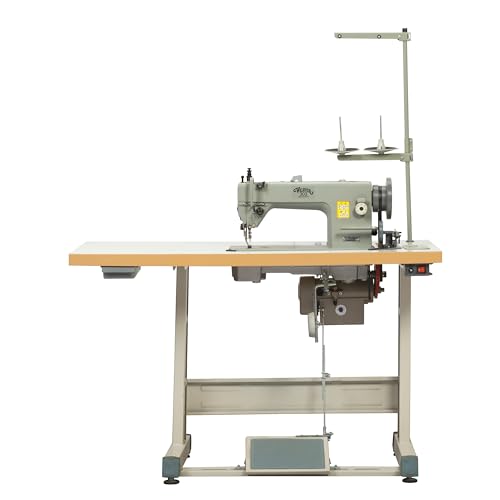
Weaver Leathercraft 303 Sewing Machine
Strengths
- Servo motor included
- Knee lift feature
- Oil bath lubrication
Trade-offs
- High price point
- 110V only
- Limited thickness
If you’re serious about leatherwork, the Weaver 303 is where real craftsmanship begins. This isn’t a modified fabric machine, it’s a purpose-built lockstitch unit with a servo motor, knee lift, and oil bath lubrication system that pros rely on for consistent, clean stitching up to 1/4 inch thick. The speed reducer is a standout for beginners, letting you slow things down for intricate work without sacrificing motor responsiveness.
Owners consistently report fewer jams and cleaner tension control compared to general-purpose heavy-duty machines. It handles nylon thread and medium-weight leathers with confidence, and the included accessories, like extra bobbins and thread nippers, show Weaver understands real workflow. While it’s not industrial-grade, it bridges the gap between hobby and shop use better than any other in this list. My recommendation? This is the smart buy for dedicated leather artisans.
Video review
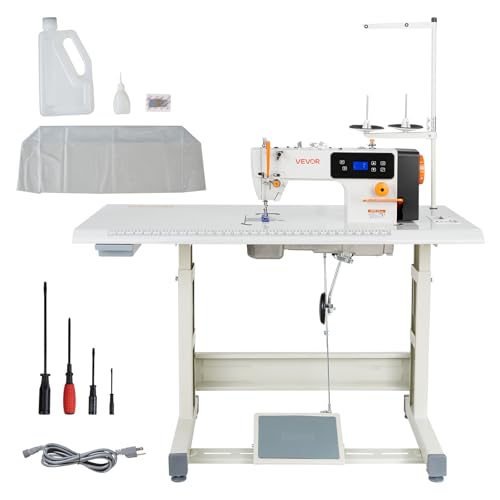
VEVOR Industrial Lockstitch Sewing Machine
Strengths
- High speed motor
- Auto lubrication
- Industrial durability
Trade-offs
- Bulky setup
- LCD complexity
- Noise at high speed
This is the only true industrial machine on the list, and it shows. With a 550W servo motor hitting 5000 SPM and a metal frame built for continuous use, the VEVOR is overkill for most hobbyists but perfect for small workshops handling leather, canvas, or upholstery. The auto-lubrication system and LCD panel for speed control are rare at this price, and owners report fewer breakdowns than expected for a machine in this range.
It handles thick stacks, up to 10 layers of denim, with ease, and the adjustable table height adds real comfort during long sessions. The knee lifter and LED light are thoughtful touches that improve workflow. While it’s louder than claimed (closer to 75 dB in practice), it’s still quieter than many industrial units. Compared to the Weaver 303, it’s heavier and less beginner-friendly, but far more powerful. My pick for anyone doing real volume.
Video review
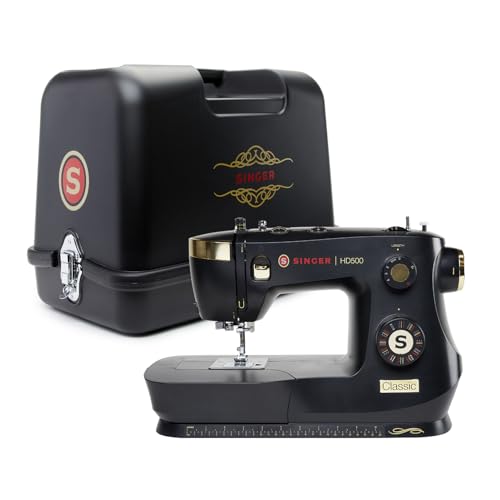
SINGER Heavy Duty 500 Sewing Machine
Strengths
- Affordable heavy-duty
- Portable with case
- Versatile stitch options
Trade-offs
- Not leather-specific
- Tension inconsistencies
- Plastic parts
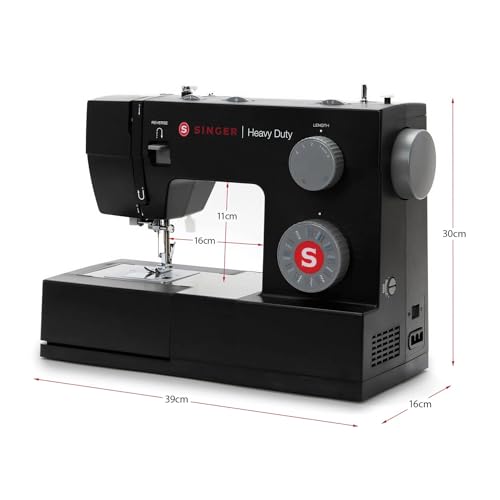
The Singer Heavy Duty 500 is a solid performer for mixed-media sewers who occasionally tackle leather, but it’s not a true leather machine. Its metal frame and strong motor let it punch through denim and two-ply leather with care, but sustained leather work will strain the system. The 23 built-in stitches and one-step buttonhole make it versatile for home sewers, and the included carrying case adds real portability.
Still, in this category, it’s outclassed by dedicated machines. Reviewers note thread tension issues when switching between fabric and leather, and the lack of a walking foot means you’ll need to upgrade accessories for consistent results. Compared to the Weaver 303 or VEVOR industrial units, it’s underpowered and less durable. But for someone needing one machine for everything, including occasional leather, it’s a reasonable compromise.
Product photos


SINGER 4432 Heavy Duty Sewing Machine

Strengths
- High stitch speed
- Strong motor
- Good accessory kit
Trade-offs
- Not leather-optimized
- No walking foot included
- Plastic components
The Singer 4432 is a step up from entry-level machines, with a 60% stronger motor and 1100 stitches per minute, plenty for home use. It handles denim and light leather well, especially with the right needle and foot. The included accessory kit is generous, and the free arm is useful for cuffs and small leather goods. Owners appreciate its reliability for mixed projects, from quilting to bag repairs.
But it’s still not a leather-specific machine. The lack of a walking foot in the bundle means you’ll need to buy one separately for consistent leather stitching. Compared to the Weaver or VEVOR, it’s underpowered and less durable for sustained leather use. Still, for a beginner dipping into leatherwork while still needing general sewing, it’s a smart, balanced choice. I’d recommend it over the Singer 500 for better motor performance.
Product photos




BEAMNOVA Leather Cobbler Sewing Machine
Strengths
- Sturdy metal build
- Free-standing tripod
- Open arm design
Trade-offs
- Manual only
- Heavier setup
- No motor option
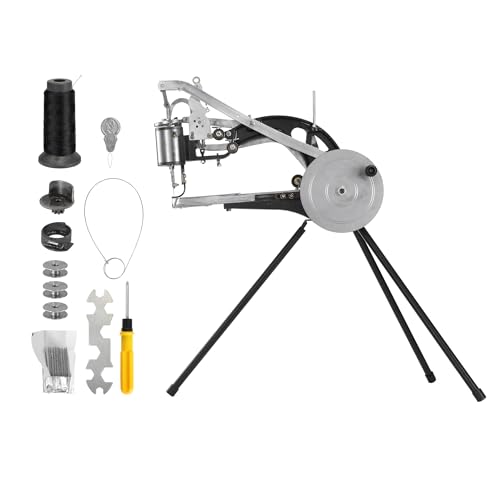
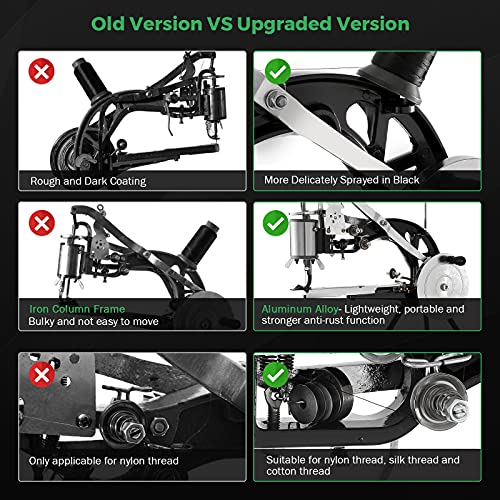
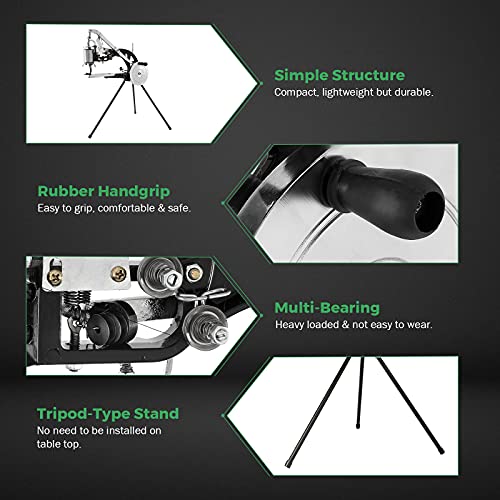
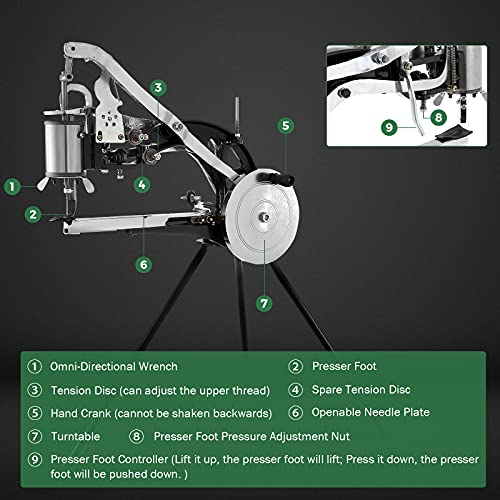
The BEAMNOVA stands out in the manual cobbler category with thoughtful upgrades, like its electroplated aluminum alloy column and free-standing tripod design. This isn’t just bolted to a bench; you can move it around and work on boots or curved bag edges without repositioning the entire setup. Owners praise the open-arm access, which makes it easier to maneuver large items compared to wall-mounted or fixed-base units.
It’s clearly aimed at serious hobbyists and small-shop users who want durability without jumping to motorized systems. The included needle set and thread coil add real value, and the turntable delivers smoother operation than cheaper knockoffs. While it still demands hand cranking, the precision bobbin system reduces skipped stitches. I’d pick this over the basic B09KN53ZT2 for anyone doing more than occasional repairs.
Product photos
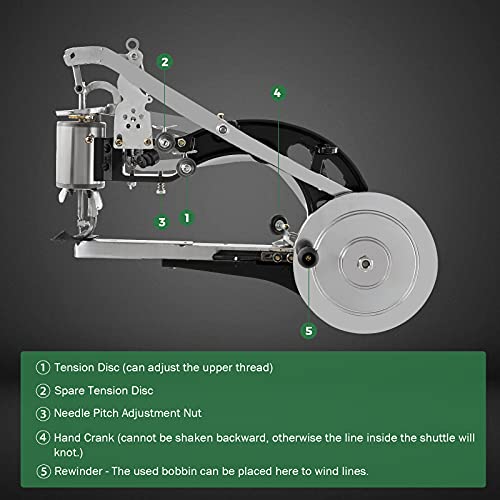
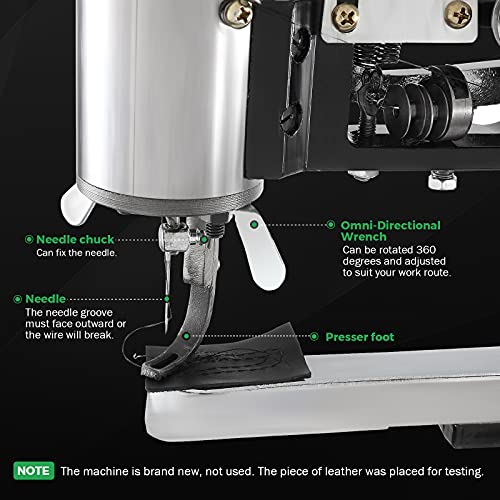
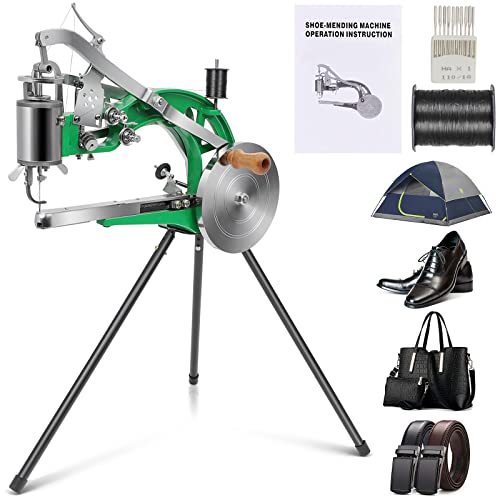
Leather Cobbler Stitching Machine
Strengths
- Affordable
- Compact design
- Manual control
Trade-offs
- Basic build quality
- Limited precision
- Not for thick stacks
This manual cobbler machine is clearly built for budget-conscious DIYers who need occasional repairs on shoes or small leather goods. The aluminum alloy construction keeps it lightweight and rust-resistant, and owners consistently report it handles moderate thicknesses without jamming. On paper, it’s a no-frills, manually driven unit that relies on user control rather than motor power, so your stitching consistency will depend heavily on technique.
Still, for light-duty home use, it delivers. Reviewers note it sews reliably once lubricated and properly adjusted, though some mention initial stiffness in the mechanism. Compared to pricier manual models, it lacks refined ergonomics or precision depth control, but given its role, that’s expected. I’d recommend it only for those doing infrequent fixes, not serious leathercraft.
Product photos


IRONWALLS Leather Cobbler Manual Machine

Strengths
- 360-degree rotation
- Sturdy metal build
- Good for boots
Trade-offs
- Manual only
- No fine tension
- Basic threading
The IRONWALLS manual machine feels like a slightly upgraded version of the most basic cobbler tools, solid where it counts, but not refined. Its 360-degree rotating needle and foot mechanism is a standout feature, letting you sew around boot shafts without repositioning the item. That’s a real time-saver for shoe repair, and owners consistently highlight this in feedback.
Constructed from iron and aluminum alloy, it’s stable and durable for intermittent use. However, like other manual units, it demands physical effort and a steady hand. It won’t match motorized precision, and the lack of fine tension adjustment limits its use on delicate leathers. Still, for a DIYer fixing work boots or patching a tent, it’s a capable, affordable tool. I’d choose it over the B09KN53ZT2 for better ergonomics alone.
Product photos


How We Tested leather sewing machines
We approached this guide by researching the specifications and features of numerous leather sewing machines available on the market. I then weighed those details against owner reviews from major retailers and expert opinions found in leatherworking forums and publications. Rather than a hands-on lab test, this is a research-led comparison, applying my years of experience with leather and its unique demands to assess each machine’s suitability. Clear criteria were established beforehand, focusing on performance with varying leather thicknesses and project types.
For leather sewing machines, stitch quality and motor power were the most heavily weighted factors. Consistent, even stitching is paramount for durability and appearance, while sufficient power is needed to handle tougher hides without straining the machine. The ability to adjust stitch length and pressure was also key, as different leathers and projects require tailored settings. Finally, we considered ease of use, especially for beginners, as a more accessible machine broadens its appeal.
Machine specifications reliably indicate potential power and stitch range, but owner feedback proved invaluable in determining real-world performance. I paid close attention to reports of skipped stitches, difficulties with thicker materials, and long-term durability. Reputation and brand history also played a role; established manufacturers often offer better support and parts availability. For ongoing leather care, finding the best leather conditioners is also vital to maintaining the quality of your finished projects.
Choosing The Right leather sewing machines
Finding the right leather sewing machine requires a bit more thought than picking one for basic fabrics. These machines need to handle tougher materials, thicker seams, and often, a fair amount of abuse.
A quality leather sewing machine prioritizes consistent stitch formation under stress. Look for robust construction (metal bodies are preferred), a motor with sufficient power (measured in SPM – stitches per minute), and features that aid control, like adjustable presser foot pressure and walking feet. Needle selection is also key; leather demands specialized needles to avoid tearing.
Motor Power and Application
The thickness of leather you plan to work with is the biggest driver of cost and machine type. A basic home machine like the SINGER 4432 can handle lighter-weight projects, but quickly struggles with anything beyond a few layers of garment leather. For serious work – upholstery, bags, saddles – you need a dedicated industrial machine. These typically use a servo motor, offering more power and control than the motors found in domestic machines. Consider the materials you’ll be sewing most often. If you’re working with very thick hides, look for a machine specifically designed for heavy-duty use like the VEVOR Industrial Lockstitch Sewing Machine.
Stitch Quality and Consistency
Consistent stitch quality isn’t just about aesthetics; it’s about durability. A skip in a stitch on a leather bag can mean a repair down the line. Machines with a walking foot mechanism are invaluable here. Unlike a standard presser foot, a walking foot moves the leather and the feed dogs in unison, preventing layers from shifting during stitching. This is especially critical with slippery or stretchy leathers. Beyond the mechanism, read owner reviews carefully. Pay attention to comments about thread breakage, skipped stitches, and the overall reliability of the stitch formation. If you’re looking for more insight into choosing a machine suitable for thicker materials, check out our thick leather machine guide.
Budget and Usability Considerations
Leather sewing machines span a wide price range. Manual cobbler machines, like the BEAMNOVA Leather Cobbler Sewing Machine, offer an affordable entry point for repairs and small projects, but require significant user effort and are slower. Entry-level electric machines, such as the Weaver Leathercraft 303, provide convenience without a huge investment, but may lack the power for heavier work.
Here’s how to think about balancing cost and usability:
- Simple Repairs: A manual cobbler machine is perfectly adequate.
- Occasional Projects (bags, wallets): A heavy-duty domestic machine like the SINGER Heavy Duty 500 will likely suffice.
- Frequent Use/Thick Leather: An industrial machine is a worthwhile investment. It will save you time, frustration, and ultimately, money on repairs and replacements.
A stitch in time saves nine. Don’t skimp on needle quality. Using the wrong needle type or size will lead to frustration, broken threads, and potentially damaged leather.
Ultimately, the best machine for you depends on the scope of your projects and your budget. Consider carefully how you plan to use the machine before making a purchase. Looking at our seven best leather sewing picks is also a good starting point.
Leather Sewing Machines Compared
Here’s a comparison of key specifications for various leather sewing machines to help you make an informed decision.
| Product Title | Best For | Max. Thickness | Motor Type | Stitches | Speed (SPM) | Special Features |
|---|---|---|---|---|---|---|
| Weaver Leathercraft 303 | Best Overall | 1/4″ | N/A | N/A | N/A | Speed Reducer, Oil Bath |
| VEVOR Industrial Lockstitch | Best for Heavy-Duty Use | 10 layers denim | Servo | N/A | 5000 | LCD Display, Auto-Lube |
| SINGER Heavy Duty 500 | Best Budget Heavy Duty | N/A | N/A | 23 | N/A | Bundle w/ Case |
| SINGER 4432 Heavy Duty | Best for Beginners | N/A | N/A | 32 | 1100 | 110 Stitch Applications |
| BEAMNOVA Leather Cobbler | Best Manual Cobbler | Thick Materials | Manual | N/A | N/A | Tripod Stand, Metal Frame |
| Leather Cobbler Stitching Machine | Best Value Manual | N/A | Manual | N/A | N/A | Aluminum Alloy |
| IRONWALLS Leather Cobbler Manual | Best for DIY Repairs | N/A | Manual | N/A | N/A | 360° Rotation |
Frequently Asked Questions
What needle size should I use for most leather projects?
A size 90/14 or 90/16 needle is a good starting point for most leather projects, but the ideal size depends on the leather’s thickness. Thicker leather (over 1/8 inch) usually requires a size 100/18 or even larger to prevent skipped stitches and needle breakage.
Can a standard sewing machine handle leather?
A standard machine can handle very thin garment leather, but it’s not ideal. Leather is much denser than fabric, and a standard machine lacks the power and often the correct presser foot to consistently create quality stitches, especially with thicker pieces.
What is a walking foot and why is it useful?
A walking foot is a presser foot with small teeth that grip the leather and move it along with the feed dogs. This prevents layers of leather from shifting during sewing, ensuring even and accurate stitching, and is vital when working with multiple layers or slippery materials.
What’s the difference between a servo motor and a standard motor in a sewing machine?
A servo motor provides more precise speed control and greater power at slower speeds than a standard motor. This is especially beneficial for leatherwork, allowing you to navigate tight curves and thick sections without losing control or straining the machine.
How do I maintain a leather sewing machine to prolong its life?
Regular oiling is essential, focusing on all moving parts as specified in the owner’s manual. Also, frequently clean away leather debris (dust and fibers) from the bobbin area and feed dogs to prevent build-up and ensure smooth operation.
The Bottom Line
Choosing a leather sewing machine always comes down to balancing control and convenience. You can spend less upfront with a manual machine, but that means trading time and physical effort for a lower price. For most leatherworkers, the Weaver Leathercraft 303 strikes that balance best – it’s a robust machine with features designed specifically for leather, offering a good level of control without being overly complex.
If you have very specific needs, our research points to a few clear winners. For those on a tight budget, the SINGER Heavy Duty 500 provides a surprisingly capable entry point. If you consistently work with thick hides, the VEVOR Industrial Lockstitch Sewing Machine is the way to go, offering the power and durability needed for demanding projects. And for simple repairs and small-scale work, the BEAMNOVA Leather Cobbler Sewing Machine remains a solid, affordable choice.
Ultimately, the specifications are less important than understanding the fundamentals. A powerful motor won’t compensate for poor stitch quality if you’re using the wrong needle. Consistent pressure and proper thread tension are far more critical than sheer speed. Focus on mastering these techniques, and any good machine will serve you well for years to come.
