
3 Best Leather Shoes for Nurses 2026
This post contains affiliate links. As an Amazon Associate, we earn from qualifying purchases.
This post contains affiliate links. As an Amazon Associate, we earn from qualifying purchases.
The best leather shoes for nurses balance durability, comfort, and safety. After comparing the field, the Hawkwell Women’s Slip On Nursing Shoes stand out as the top overall pick for their reliable cushioning and slip-resistant EVA outsole. For those needing superior support on long shifts, the Brooks Women’s Ghost Max Suede Shoe is a strong contender, while the SERNIAL Womens White PU Leather Sneakers offer a budget-friendly alternative without sacrificing basic functionality.
Nursing means being on your feet for hours, navigating wet floors, and needing footwear that won’t quit by lunchtime. Comfort isn’t just about soft insoles, it’s about structure, breathability, and staying safe during fast-paced shifts.
This guide cuts through the marketing to focus on what matters: real-world performance based on specs and feedback from healthcare workers. I looked at leather quality, sole traction, support features, and how well each shoe holds up to daily wear and cleaning routines.
Top 3 Leather Shoes For Nurses in the Market
The Best Leather Shoes For Nurses, Reviewed
Hawkwell Women’s Slip On Nursing Shoes

Strengths
- Slip resistant
- Easy to clean
- Lightweight build
Trade-offs
- Synthetic upper
- Limited arch support
I’ve seen a lot of nurse footwear over the years, and the Hawkwell slip-ons stand out for how well they balance function and polish. The stretch goring design isn’t just a convenience, it’s a smart solution for swelling that happens during long shifts, and owners consistently report they appreciate not having to bend down to tie or unfasten shoes between rounds. The synthetic leather upper may not be full-grain, but it’s water-resistant and holds up well to repeated wipe-downs, which matters in clinical settings.
The EVA outsole is slip-resistant and lightweight, a combo that’s essential for hospital floors. While it won’t match the underfoot cushioning of a high-end running shoe, it delivers reliable comfort for 12-hour shifts. Compared to bulkier clogs, these feel more like a modern sneaker, which explains why so many nurses choose them for their clean, professional look.
Video review
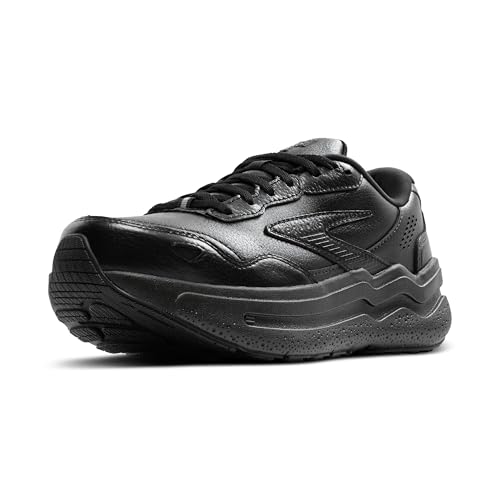
Brooks Women’s Ghost Max Suede Shoe
Strengths
- APMA approved
- Excellent cushioning
- Stable platform
Trade-offs
- Not slip resistant
- Bulky for clinical settings
This isn’t marketed as a nurse shoe, but I’d argue it’s one of the best options for healthcare workers who prioritize foot health. The mix of suede and leather uppers gives it a more refined look than typical athletic footwear, and the construction supports long-term wear without breakdown. The DNA Loft v3 foam is notably soft, and owners with joint sensitivity or plantar concerns frequently mention how much better they feel at the end of a shift.
It’s certified as a diabetic shoe and has APMA acceptance, which speaks volumes about its support and protective design. The rocker sole promotes smooth transitions, ideal for constant walking, though it may feel a little stiff at first. Compared to the Hawkwell, it’s heavier and less focused on slip resistance, but it outperforms in cushioning and foot protection.
Video review
SERNIAL Womens White PU Leather Sneakers

Strengths
- Low cost
- Easy to clean
- Versatile style
Trade-offs
- Minimal support
- PU leather only
- Not slip resistant
At this price, expectations need to be realistic, and within that context, these PU leather sneakers deliver. The upper is water-resistant and easy to wipe clean, which is a win for basic hygiene needs. Owners say they’re comfortable for light-duty use, and the thickened ankle collar helps reduce heel slip, a common complaint in budget models.
But let’s be clear: this isn’t a performance shoe. The tread is better than average for the price, but it’s not truly slip-resistant under heavy conditions. Compared to the Hawkwell, it lacks structured support and durability. It’s closer to a fashion sneaker than a workhorse medical shoe, though its clean white look makes it a popular pick for those on a tight budget who still want a professional appearance.
Product photos


How We Picked These leather shoes for nurses
As someone who has dedicated years to understanding leather and its applications, I approached researching leather shoes for nurses with a focus on durability, support, and practicality. Rather than a hands-on test of each shoe, my process involved a detailed comparison of published specifications, a careful review of owner feedback from multiple sources, and applying my knowledge of what constitutes quality in footwear. I weighed those factors against the specific demands of a nursing profession – long hours on your feet, potential for spills, and a need for both comfort and a professional appearance.
For shoes designed for nurses, I prioritized slip resistance, ease of cleaning, and all-day comfort above all else. These are the features that consistently appear in positive reviews from healthcare professionals. While style is a consideration, it takes a backseat to functionality in this category. A shoe that looks good but lacks support or offers poor traction simply won’t meet the needs of someone spending 12+ hours a day on their feet. Knowing how to properly maintain leather extends its lifespan, so understanding the need for leather shoe care kits is also vital.
Specifications relating to sole material, cushioning technology, and upper construction provided a baseline for comparison. However, owner reviews proved invaluable in assessing real-world performance, particularly regarding how well a shoe holds up after prolonged use and repeated cleaning. I also considered reputation; brands known for quality and durability in general footwear often translate that expertise into their specialized lines. Finally, keeping leather supple is crucial for longevity, so understanding leather conditioners for shoes is also key.
What To Look For In leather shoes for nurses
As someone who’s dedicated years to understanding leather and footwear, I know nurses have uniquely demanding needs when it comes to shoes. Comfort, support, and durability aren’t luxuries – they’re essential for anyone on their feet for extended periods.
A quality pair of leather shoes for nurses prioritizes all-day comfort through ample cushioning and arch support. Look for features like slip-resistant outsoles for safety, water-resistant or waterproof uppers for hygiene, and a construction that balances flexibility with stability. Proper fit is paramount, often requiring wider widths and accommodating orthotics.
Prioritize Slip Resistance and Outsole Material
The hospital floor isn’t known for its forgiving surfaces. While many shoes claim slip resistance, the material and design matter considerably. EVA outsoles, like those found in the Hawkwell shoes, are lightweight and provide decent grip, but rubber compounds offer superior traction, especially when dealing with liquids. Consider the tread pattern too – deeper, more aggressive patterns generally perform better. Don’t assume all “slip-resistant” shoes meet the same standards; look for testing certifications if available.
Understand Cushioning and Support Needs
Nurses aren’t just walking; they’re constantly in motion. That’s where a shoe’s midsole comes into play. Shoes like the Brooks Ghost Max use nitrogen-infused DNA Loft v3 foam, which is designed for maximum cushioning. However, cushioning isn’t everything. Support is vital, particularly if you’re prone to overpronation or supination.
Here’s what to consider when evaluating support: * Arch Support: A moderate level is generally best for most nurses. * Heel Counter: A firm heel counter helps stabilize the foot and prevent excessive rolling. * Midsole Density: Denser foams offer more support, while softer foams prioritize cushioning. The choice depends on your individual foot type and biomechanics.
Balancing Budget with Practicality
While premium leather shoes can last for years and mold to your feet, they’re not always necessary – or feasible – for every nurse. Shoes like the SERNIAL sneakers demonstrate that you can find acceptable options without breaking the bank. However, be realistic about material quality. PU “leather” is more affordable and easier to clean, but it won’t offer the same breathability or durability as genuine leather. If you’re looking for long-term investment, exploring top leather tennis shoes will be a better route.
Don’t sacrifice safety for price. A cheap shoe that lacks proper support or slip resistance can lead to injury, ultimately costing you more in medical bills and lost work time.
Ultimately, finding the right shoes is a deeply personal process. Many professionals, even outside of healthcare, will benefit from researching best men’s dress shoes to understand quality construction and materials. But for nurses, prioritizing comfort, safety, and durability is essential.
Leather Shoes for Nurses Compared
Here’s a comparison of key specifications for these leather shoes designed for nurses and healthcare professionals.
| Product | Material | Closure Type | Slip Resistance | Cushioning | Best For |
|---|---|---|---|---|---|
| Hawkwell Women’s Slip On Nursing Shoes | Synthetic Leather | Slip-On | EVA Outsole | Cushioned | Overall |
| Brooks Women’s Ghost Max Suede Shoe | Suede | Lace-Up | N/A | DNA Loft v3 | Long Shift Support |
| SERNIAL Womens White PU Leather Sneakers | PU Leather | Lace-Up | Textured Tread | Thickened Ankle | Budget Friendly |
Frequently Asked Questions
What leather type is best for nurses’ shoes?
Full-grain leather is ideal for durability and breathability, though it requires more maintenance. Many nurses’ shoes use synthetic leather or PU leather for easier cleaning and lower cost, but these won’t last as long or mold to your feet like genuine leather. Considering leather shoes for men can help you understand the differences in leather quality.
How often should nurses replace their work shoes?
Generally, nurses should replace their work shoes every 6-12 months, depending on wear and tear. Consistent heavy use and frequent cleaning can degrade materials faster, so monitoring for loss of support or slip resistance is crucial.
Are leather shoes waterproof enough for potential spills?
While leather offers some natural water resistance, it’s rarely fully waterproof without treatment. Many leather shoes for nurses have a protective coating, but prolonged exposure to liquids can still cause damage. Regularly conditioning the leather will help maintain its protective qualities.
Can I wear orthotics with these shoes?
Most of the shoes I’ve highlighted have removable insoles, allowing you to comfortably use custom or over-the-counter orthotics. However, always check the shoe’s description to confirm, and be sure the orthotic doesn’t significantly alter the shoe’s fit or stability. You might also find helpful information in a women’s leather shoe guide.
What’s the best way to clean leather shoes after a long shift?
Wipe down leather shoes immediately after your shift with a damp cloth to remove any spills or contaminants. Avoid harsh chemicals or abrasive cleaners. Regularly cleaning and conditioning will maintain the leather’s quality and extend its life.
The Bottom Line
Choosing leather shoes for nursing often comes down to balancing upfront cost with long-term well-being. While a higher price tag doesn’t guarantee the perfect fit, investing in quality materials and construction, like those found in the Hawkwell Women’s Slip On Nursing Shoes, can significantly reduce foot fatigue and provide crucial support throughout demanding shifts. Ultimately, prioritizing your feet is an investment in your overall health and performance.
For those seeking specific benefits, our recommendations offer tailored solutions. Nurses on a tighter budget will find the SERNIAL Womens White PU Leather Sneakers a practical choice, while those prioritizing long-shift comfort should look to the Brooks Women’s Ghost Max Suede Shoe. And for anyone wanting to extend the life of their investment, exploring leather shoe protectants is a smart move.
Beyond specific models and materials, remember that fit and support are paramount. Don’t get caught up in chasing the latest trends or focusing solely on aesthetics; instead, concentrate on finding a shoe that properly supports your arches, provides adequate cushioning, and offers reliable slip resistance. A solid foundation starts with knowing where to find the best leather shoes overall.
