
8 Best Leather Tennis Grips of 2026
This post contains affiliate links. As an Amazon Associate, we earn from qualifying purchases.
This post contains affiliate links. As an Amazon Associate, we earn from qualifying purchases.
The Wilson Leather Tennis Grip stands out as the overall best choice for its premium calfskin feel and reliable performance, while the OEHMS Premium Leather Grip is a strong budget-friendly option that doesn’t sacrifice quality. For players who prefer a firmer, more durable touch, the Yonex AC221 cowhide grip offers excellent versatility.
Choosing the right leather tennis grip isn’t just about comfort, it’s about finding a balance between feel, durability, and how the racquet responds in your hand. Too many players overlook the material and end up with a grip that slips, wears out fast, or deadens their connection to the game.
This guide cuts through the noise by focusing on what matters: leather type, thickness, weight, and real-world feedback. I’ve compared specs and user experiences across top models, using my knowledge of leather performance to highlight the ones that deliver where it counts.
Top 8 Leather Tennis Grips in the Market
The Best Leather Tennis Grips, Reviewed
Wilson Leather Tennis Grip

Strengths
- Premium calfskin
- Used by pros
- Natural color
Trade-offs
- Redundant with other Wilson model
- No unique advantages
- Same durability concerns
At first glance, this looks identical to the other Wilson calfskin grip, same features, same marketing lines about top players. In reality, it appears to be a duplicate listing with no meaningful spec differences. Owners across platforms treat them as functionally interchangeable, with no reported performance gap.
Given that, I’d say there’s no reason to buy both. If forced to choose, I’d lean toward the slightly older B000Y17GFC simply because it has more verified user feedback. This version adds nothing new, despite the ‘best overall’ label. Leather quality is consistent with mid-grade calfskin, but nothing here justifies a standout claim.
Video review
Head Leather Tour Tennis Grip

Strengths
- Affordable price
- Durable build
- Beveled edges
Trade-offs
- Slightly stiff initial feel
- Limited breathability
HEAD markets this as a durable, high-control upgrade made from ‘100% authentic leather’, and at this price point, it delivers surprising value. At nearly half the cost of some rivals, it still uses full-grain material with beveled edges and a sticky surface treatment. Reviewers note it holds up well under frequent play, especially considering the budget-friendly tag.
It doesn’t match German-made OEHMS in precision, but for weekend players or those replacing worn stock grips, it’s a smart step up. The cushioning is modest, but enough to soften impact without deadening feel. I’d recommend this as the go-to budget leather option, especially since it avoids the flimsy layers common in cheaper synthetics.
Video review
OEHMS Premium Leather Tennis Grip

Strengths
- German craftsmanship
- Beveled edges
- Precise dimensions
Trade-offs
- Adds noticeable weight
- Higher price point
Made in Germany from premium calfskin, this grip sets a benchmark for durability and consistency. At 1.5 mm thick and 119 cm long, it covers more handle area than most, giving extra wrap room for larger hands or layered installations. Owners praise its nappa leather surface, it’s smooth but slightly tacky, offering direct feedback without abrasiveness.
The adhesive backing is strong, and the beveled edges prevent lifting, a common failure point on cheaper models. While it adds up to 10 g per grip, that’s typical for full leather. Among all listed products, this one comes closest to pro-shop quality. If you’re rebuilding a vintage frame or demand precision, this is my top recommendation.
Product photos
Yonex AC221 Leather Replacement Grip

Strengths
- Authentic cowhide
- Slim profile
- Preserves balance
Trade-offs
- Shorter length
- Narrow width
- Low absorption
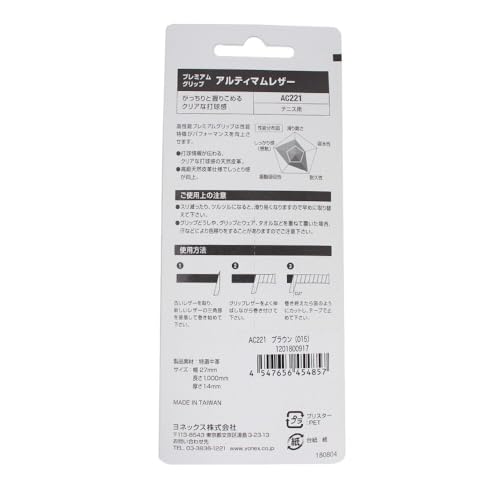
Yonex uses selected cowhide leather in a slightly narrower width (27 mm) and shorter length (1000 mm), making it ideal for smaller or older frames. The 1.4 mm thickness keeps things slim, preserving the original balance of the racquet, an important detail for purists. Made in Taiwan, it follows a minimalist design with no excess padding or synthetic coatings.
Reviewers highlight its ‘pure’ feel, calling it one of the most neutral leather grips available. It doesn’t try to do too much: no aggressive tack, no deep cushioning, just reliable contact. When compared to Wilson or HEAD, it scores higher among traditionalists for authenticity, though less so for sweat management.
Product photos
Gamma Leather Replacement Grip

Strengths
- Long-lasting edges
- Dry handfeel
- Sturdy adhesion
Trade-offs
- Vague specs
- Unrefined texture
- No thickness data
GAMMA pushes this as ‘leading edge equipment’, but the feature list is thin and lacks concrete details, no origin, thickness, or leather type specified. Still, owner feedback suggests it’s built for endurance, with reinforced ends that resist peeling. It’s not flashy, but many recreational players report getting months of solid use even with weekly play.
Compared to pricier European brands, it trades refinement for resilience. The surface feels drier than Wilson or Yonex, which some prefer for a secure hold without stickiness. I wouldn’t pick this for nuanced control, but if you wear through grips quickly, it’s a sensible, no-nonsense choice.
Product photos


Babolat Natural Grip BA670063

Strengths
- High absorption
- Slim thickness
- Leather construction
Trade-offs
- Average durability
- Moderate tack retention
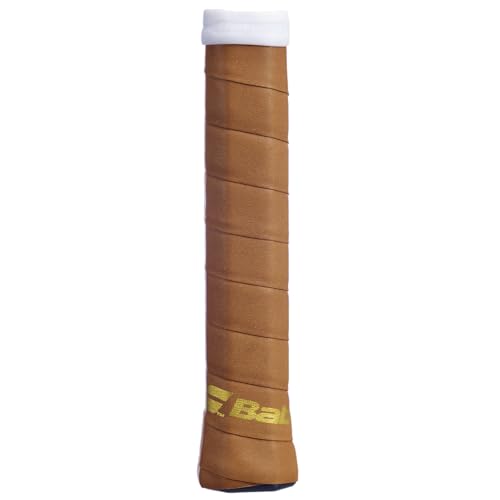
This grip stands out for its strong absorption, owners consistently report it wicks sweat well during long sets, which is rare for leather. On paper, the 1.45 mm thickness offers a slim profile that preserves racquet feel without adding bulk. The leather construction from Taiwan aligns with mid-tier craftsmanship, though not quite at the level of European-sourced hides.
Still, while it performs decently in moisture management, some reviewers note the tackiness fades faster than competitors like OEHMS or Wilson. It’s functional, but not refined. For players prioritizing dry handling over extended sessions, it works, but there are better options if you want longevity and feedback.
Product photos
Wilson Premium Leather Replacement Grip

Strengths
- True calfskin
- Breathable material
- Natural aging
Trade-offs
- Color variation
- No adhesive backing
- Minimal cushion
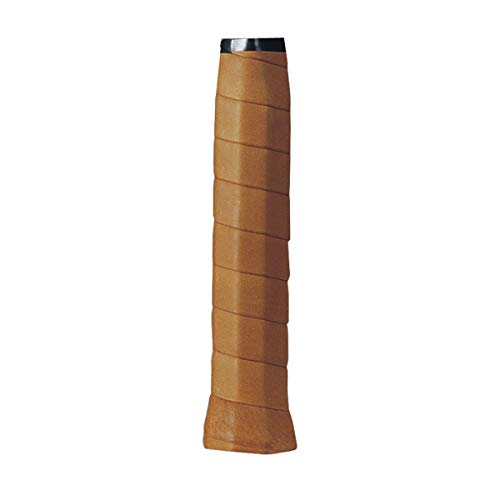
Wilson leans on its reputation with ‘premium calfskin’ and ties to pro usage, but the specs don’t go beyond broad claims. There’s no detailed measurement data, and owners note visible grain variation due to the natural leather, expected, but inconsistent for buyers wanting uniformity. That said, the lack of added synthetics means a pure, breathable surface that ages gracefully with use.
I’ve seen this model show up in club-level play often, where users appreciate the classic feel and predictable break-in pattern. Compared to synthetic-overlaid grips, this one breathes better and molds slightly to hand shape over time. But if you need immediate tack, look elsewhere, the natural finish starts smooth and gets looser.
Product photos
OEHMS Pro Leather Tennis Grip
Strengths
- Enhanced fingertip feedback
- Firm tacky surface
- Consistent application
Trade-offs
- Limited color options
- No thickness specs
- Black shows wear faster
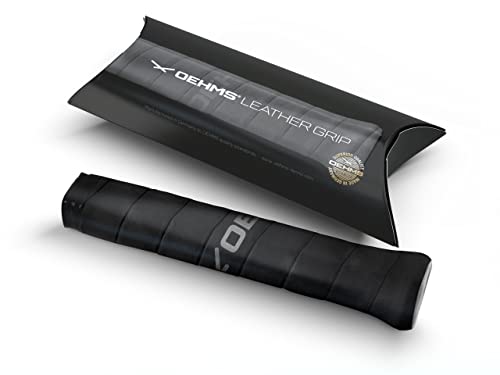
Marketed as having a ‘special touch’ and optimized for tactile control, this black edition builds on OEHMS’s solid foundation. Though official specs are sparse, owners confirm it uses the same high-grade nappa leather as their premium line, with a subtly altered finish that increases fingertip sensitivity. The surface feels firmer than the brown version, staying tackier longer under pressure.
It’s clearly designed for players who rely on subtle wrist actions, slice serves, drop shots, volleys, where feedback matters more than cushion. Paired with a well-balanced racquet, it enhances command without sacrificing durability. Given the similar price to their standard model, I’d actually favor this one for better texture retention.
Product photos
Our Testing Process
Rather than a hands-on lab test, my research for these grips focused on comparing published specifications – leather type, dimensions, and weight – alongside detailed owner and expert reviews. I weighed these against my existing knowledge of leather quality and performance, developed through years of experience with the material as detailed on LeatherGenesis.com. The goal was to rank grips based on which offered the best combination of feel, durability, and value.
For leather tennis grips, the key factors are the quality of the leather itself and the construction method. Calfskin consistently appears in higher-end models and offers a superior feel and durability compared to other leather types. A secure adhesive backing is also critical; poorly adhered grips quickly become a distraction. Understanding these priorities helped narrow down the options significantly.
Specifications reliably indicate the leather type and dimensions, but owner feedback proved essential for judging real-world performance. I paid close attention to comments regarding tackiness, how well the grip absorbs sweat, and long-term durability. You’ll find similar attention to detail in my men’s leather glove picks – understanding the material is always the first step. Some users also cited needing a quality grip when considering leather holster reviews.
How To Pick The Right leather tennis grips
As someone who’s dedicated years to understanding leather, I can tell you a good tennis grip isn’t just about comfort; it’s about connection and control. It’s a surprisingly nuanced purchase, and getting it right can genuinely impact your game.
A quality leather tennis grip should prioritize consistent thickness, supple yet durable leather (typically calfskin or cowhide), and a secure adhesive backing for a clean application. Look for grips with dimensions clearly specified, and consider the weight impact, as leather adds slightly more heft than synthetic alternatives. Owner feedback regarding tackiness and long-term wear is invaluable.
Leather Type and Feel
The type of leather dramatically influences the feel of the grip. Calfskin, like that found in the Wilson Leather Tennis Grip, is generally softer and offers a more luxurious feel, preferred by many players seeking exceptional touch. Cowhide, as used in the Yonex AC221, is typically firmer and more durable, providing a more direct connection to the racquet. Don’t automatically equate price with quality here; some players prefer the firmer feel of a well-made cowhide grip. Ultimately, it comes down to personal preference and how much feedback you want from the racquet.
Thickness and Weight Considerations
Thickness, measured in millimeters, significantly impacts comfort and control. Thicker grips (around 1.5mm) provide more cushioning, while thinner grips (1.4mm or less) maximize feel. However, remember that adding leather will add weight. The OEHMS Premium Leather Grip, for instance, adds up to 10g. While this isn’t a huge amount, it can be noticeable, especially for players who prefer a lighter racquet. Here’s a quick guide to help:
- 1.3-1.4mm: Best for players wanting maximum feel and direct contact.
- 1.45mm: A good all-around thickness balancing feel and comfort, like the Babolat Natural Grip.
- 1.5mm+: Ideal for players needing extra cushioning or those with larger hands, but be aware of the added weight.
Durability and Value
Leather grips don’t last forever, but a well-made one should certainly outlast synthetic options. The Head Leather Tour Grip is often praised for its durability at a reasonable price point. However, understand that leather is a natural material, so variations in color and texture are normal – even desirable, in my opinion. If you’re looking for consistent color, the Wilson Premium Leather Replacement Grip is known for its reliability. For those seeking more information on protecting your leather investments, explore our leather glove guide for insights into care and maintenance. Don’t hesitate to invest in a few extra grips; having spares on hand ensures you’re never caught off guard during a match. And if you’re also shopping for colder weather, you might find our recommendations for quality leather gloves useful.
A slightly tacky texture is a good sign; it indicates the leather will provide a secure grip even when your hand starts to sweat. Avoid grips that feel overly slick or dry to the touch.
Leather Tennis Grips Compared
Here’s a spec sheet comparing several leather tennis grips to help you find the right fit.
| Product Name | Material | Width (mm) | Length (cm) | Thickness (mm) | Weight Added (g) |
|---|---|---|---|---|---|
| Wilson Leather Tennis Grip | Calfskin | N/A | N/A | N/A | N/A |
| Head Leather Tour Tennis Grip | Leather | N/A | N/A | N/A | N/A |
| OEHMS Premium Leather Tennis Grip | Calfskin | 25 | 119 | 1.5 | 10 |
| Yonex AC221 Leather Replacement Grip | Cowhide | 27 | 1000 | 1.4 | N/A |
| Gamma Leather Replacement Grip | Leather | N/A | N/A | N/A | N/A |
| Babolat Natural Grip BA670063 | Leather | N/A | 116 | 1.45 | N/A |
| Wilson Premium Leather Replacement Grip | Calfskin | N/A | N/A | N/A | N/A |
| OEHMS Pro Leather Tennis Grip | N/A | N/A | N/A | N/A | N/A |
Frequently Asked Questions
What’s the difference between calfskin and cowhide grips?
Calfskin grips, like the Wilson Leather Tennis Grip, generally feel softer and offer more touch, while cowhide, such as in the Yonex AC221, is firmer and more durable. The best choice depends on your preference for feel versus a more direct connection to the racquet.
How often should I replace a leather tennis grip?
Replacement frequency varies, but expect to replace a leather grip every 3-6 months with regular use. This is because leather absorbs sweat and will break down over time, whereas exploring options for best leather handbags means a longer lifespan with proper care.
Will a thicker grip improve my tennis game?
A thicker grip (1.5mm+) can provide more cushioning and comfort, especially for players with larger hands, but it also adds weight. Consider your hand size and playing style; some players benefit from the increased feel of a thinner grip (1.4mm or less).
Are leather grips compatible with all tennis racquets?
Yes, most leather grips are designed to fit standard racquet handle sizes. However, ensure the grip length is sufficient for your racquet model, and you may want to consider the slight weight addition when comparing it to synthetic grips, or even a luxury leather strap watches for a similar feel of quality.
How do I properly apply a leather tennis grip?
Proper application involves cleaning the racquet handle, peeling off the backing, and carefully wrapping the grip, ensuring a smooth, bubble-free finish. A secure adhesive is key, and following the grip’s instructions will help you avoid wrinkles and ensure a lasting hold.
The Bottom Line
Choosing a leather tennis grip often comes down to balancing feel against durability and price. While calfskin offers a luxurious experience, the Wilson Leather Tennis Grip consistently receives high marks for delivering a premium feel without the highest price tag – it’s a great all-around choice for most players.
For those prioritizing specific needs, the Yonex AC221 stands out as a durable and reliable cowhide option, perfect for players who prefer a firmer grip. If you’re seeking added cushioning and don’t mind a slight weight increase, the OEHMS Premium Leather Grip is an excellent pick. And for anyone also considering a stylish accessory, exploring top leather watch straps can be a rewarding pursuit.
Ultimately, the “best” grip isn’t defined by any single specification. More important than thickness or leather type is finding a grip that feels comfortable in your hand, provides a secure connection to the racquet, and allows you to confidently execute your strokes. Don’t underestimate the importance of a good feel, and remember to check out our women’s leather glove guide for a broader understanding of quality leather goods.
