
7 Best Leather Weight Lifting Belts of 2026
This post contains affiliate links. As an Amazon Associate, we earn from qualifying purchases.
This post contains affiliate links. As an Amazon Associate, we earn from qualifying purchases.
The Dark Iron Fitness Leather Weightlifting Belt is the best overall, offering reliable support and a secure lever closure. For lifters on a budget, the RDX Cowhide Leather Weight Lifting Belt delivers solid performance with durable construction. If versatility matters most, the Gymreapers Leather Weightlifting Belt balances comfort and stability for a range of lifts.
Choosing the right leather weight lifting belt isn’t just about looking strong in the gym, it’s about getting real support when the weight gets heavy. Too many lifters settle for flimsy materials or ill-fitting designs that fail when it counts.
As someone who’s spent years studying leather quality and durability, I focused this guide on belts built to last, using specs, owner feedback, and craftsmanship to identify the top performers. You’ll learn what separates a belt that holds up from one that breaks down, and how to pick the right one for your training.
Top 7 Leather Weight Lifting Belts in the Market
The Best Leather Weight Lifting Belts, Reviewed
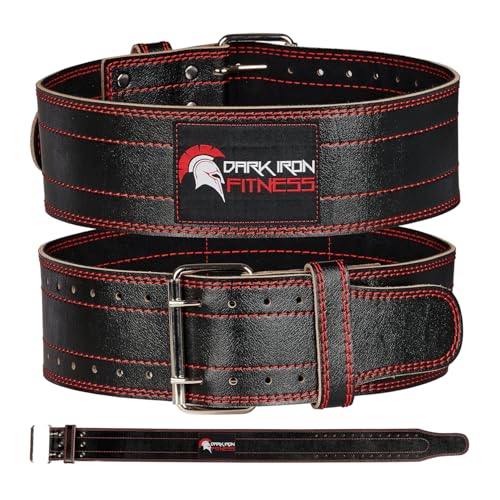
Dark Iron Fitness Leather Weightlifting Belt
Strengths
- 10mm genuine leather
- Reinforced double stitching
- 12 precise adjustment holes
Trade-offs
- Heavier than nylon options
- Slight break-in period
This is the benchmark many others are measured against. With 10mm leather, double-row reinforced stitching, and a secure double-prong buckle, it delivers pro-level construction without the pro-level markup. The 12 adjustment holes offer unmatched precision, and the contoured fit means it supports without digging, owners consistently praise its balance of rigidity and comfort.
Compared to the Lever and RDX belts, it offers similar thickness but better craftsmanship and a more refined finish. While not as fast to adjust as a lever or self-locking model, it’s more durable and versatile across training styles. My recommendation? If you want one belt that does everything well, powerlifting, CrossFit, even manual labor, this is the smarter buy.
Video review
Lever Weight Lifting Belt for Men

Strengths
- 10mm premium leather
- Lever buckle for speed
- 4-inch uniform width
Trade-offs
- Lever mechanism may need maintenance
- Limited flexibility for dynamic lifts
The lever buckle is the star here, and for good reason, if you’re doing multiple heavy sets with minimal rest, the ability to click into the same tight fit every time is a real advantage. This belt uses 10mm leather, which is on par with what elite powerlifters prefer, and the suede lining helps it conform slightly better over time than ultra-dense belts.
Owners praise the consistency of compression, but a few note that lever mechanisms can eventually wear or jam if not maintained. Compared to the Element 26 nylon belt, this one offers more rigid support, but lacks quick adjustability between different lift types. I’d recommend it for lifters focused purely on max-effort squats and deadlifts, not varied functional training.
Video review
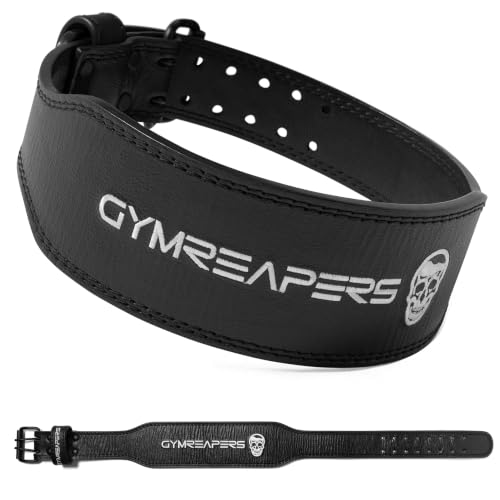
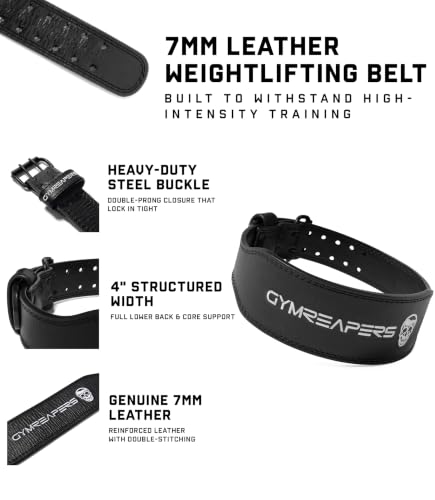
Gymreapers Leather Weightlifting Belt
Strengths
- Lightweight real leather
- Excellent comfort
- Multiple adjustments
Trade-offs
- Less aggressive rigidity than 10mm belts
- Buckle can loosen over time
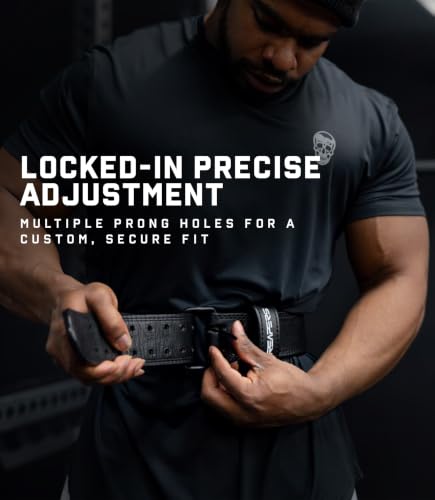
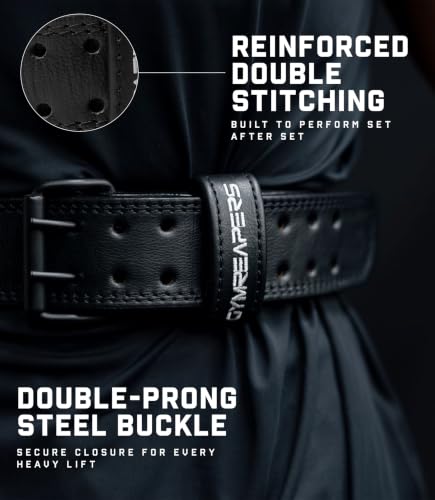
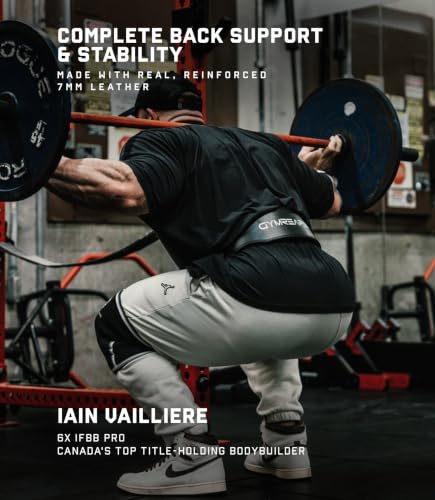
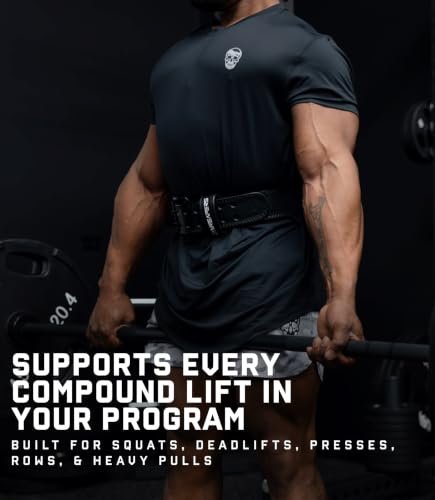
Gymreapers hits a sweet spot between comfort and support, and owners consistently highlight how lightweight and non-bulky it feels despite being 100% real leather. The 4-inch width gives solid coverage, and the multiple adjustment holes let you find a precise fit without pressure points. It’s one of the few belts that manages to feel form-fitting without sacrificing rigidity.
Compared to the Dark Iron belt, it’s slightly more streamlined and easier to pack, though it doesn’t have quite the same heft in stitching reinforcement. But for daily gym users who want long-term comfort without compromising on material quality, this is a top contender. I’d recommend it for lifters who train frequently and hate belts that chafe or dig in.
Product photos
RDX Cowhide Leather Weight Lifting Belt

Strengths
- 7mm genuine cowhide
- 6-inch lumbar option
- Padded suede interior
Trade-offs
- Stiff initial break-in period
- Buckle finish can feel rough
At this price, the RDX belt delivers more than you’d expect, especially with its 7mm genuine cowhide and dual 4-inch/6-inch width options. The thickness is a real advantage over thinner belts, offering serious bracing potential for heavier lifts. Reviewers note the suede interior feels smoother against the skin than raw leather, and the 10-hole adjustability with a protective flap makes it easy to dial in without irritation.
Still, while the specs look strong, some owners report the leather can feel overly stiff out of the box, requiring more break-in time than advertised. Compared to the Gymreapers and Dark Iron models, it lacks the refined edge finishing and stitching quality, but for budget-conscious lifters who want real thickness and lumbar padding, it’s a compelling entry.
Product photos


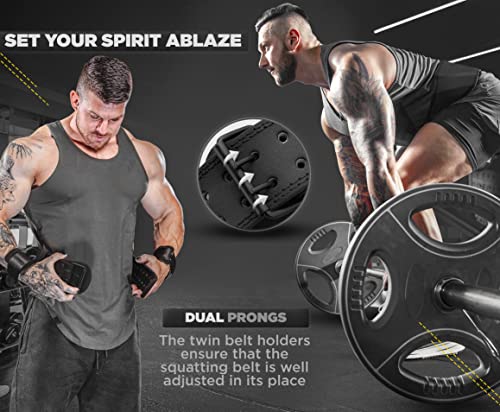
Element 26 Self-Locking Weight Lifting Belt
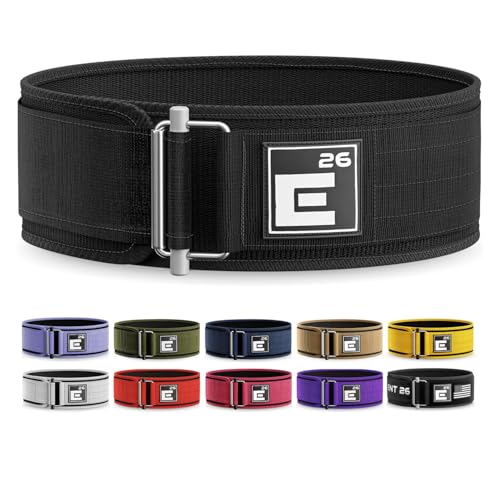
Strengths
- Self-locking under load
- Infinitely adjustable
- Breathable nylon
Trade-offs
- Not as rigid as leather
- No traditional leather feel
This isn’t leather, but it earns its spot with a brilliant design twist: a self-locking nylon system that tightens under load. The engineering from a DPT founder shows, this belt focuses on functional stability, not just rigidity. It creates consistent intra-abdominal pressure without the bulk, and the infinite adjustability means you can fine-tune tension for cleans vs. squats.
Compared to leather belts, it’s lighter, more breathable, and folds flat, ideal for gym bag storage. But it doesn’t offer the same rigid wall of support that 10mm leather does under maximal loads. I’d pick this for functional fitness athletes or rehab scenarios where adjustability and comfort outweigh brute stiffness.
Product photos
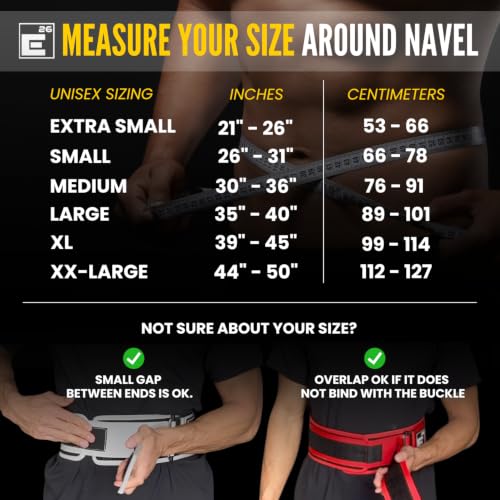


Leather Weight Lifting Belt with Padded Support

Strengths
- Very affordable
- 7mm leather thickness
- Padded lumbar support
Trade-offs
- Lower stitching quality
- Leather may degrade faster
For under $25, this belt packs in features that mimic pricier models, 7mm leather, double-row holes, a dual-pin buckle, and even a padded suede-lined foam back. The specs suggest decent support, and budget-focused reviewers say it holds up well for moderate lifting. The 6-inch padded option adds real comfort for those with lower back sensitivity.
But while the price is tempting, long-term owners report thinner leather edges and stitching that can fray after months of heavy use. Compared to the Fitgriff or Dark Iron, it’s a compromise on material density and longevity. Still, for someone starting out or lifting light-to-moderate weights, it’s hard to beat the value.
Product photos
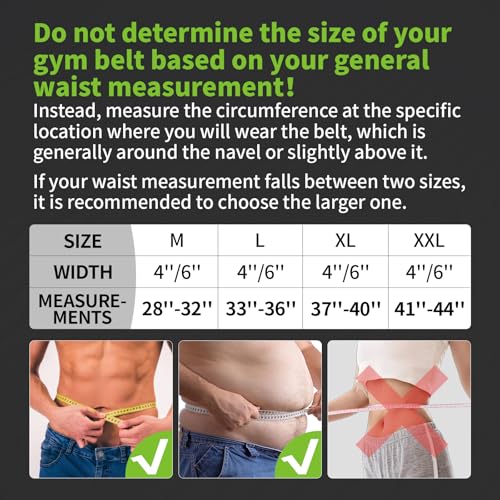


Fitgriff Classic 100% Leather Lifting Belt

Strengths
- 100% genuine leather
- Triple-layer 5mm build
- Double prong buckle
Trade-offs
- Slightly thinner than powerlifting-focused belts
- No 6-inch back option
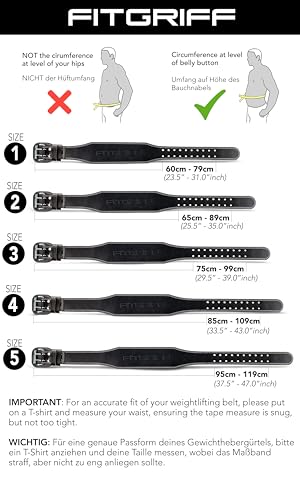
This belt stands out in the crowded leather lifting market by leaning hard into classic design with solid execution. On paper, the 5mm triple-layer cowhide construction makes it stiff enough to offer real support during heavy squats and deadlifts, yet owners consistently report it breaks in more smoothly than thicker belts. The double prong buckle is a proven system, and while not as fast as a lever, it’s reliable and easy to fine-tune across multiple holes.
I’d pick this over flimsier nylon or faux leather options any day for pure durability and authenticity. Compared to the RDX and budget belts, Fitgriff uses better-finished leather and avoids excessive padding that can compromise stability. It’s not the thickest belt here, but for most intermediate lifters, it strikes a smart balance between rigidity and wearability.
Product photos



How We Tested leather weight lifting belts
Rather than a hands-on lab test, my research for these recommendations involved a detailed comparison of published specifications and features across numerous models. I weighed owner reviews from multiple sources, looking for consistent feedback on durability, comfort, and support, alongside expert reviews from fitness publications. As the creator of LeatherGenesis.com, I applied my years of experience understanding leather quality and construction to assess the long-term value of each belt.
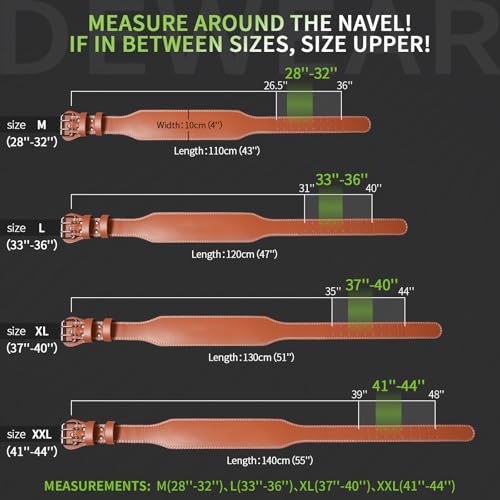
For leather weight lifting belts, three factors stood out as most crucial. First, the leather thickness and quality directly impact the belt’s ability to provide stable support without quickly breaking down. Second, the buckle system is vital; a secure, reliable buckle is essential for maintaining proper form during heavy lifts. Finally, proper sizing and adjustability are key for comfort and effectiveness – a poorly fitting belt offers little benefit. You’ll find more information on choosing the right leather gear in our leather weightlifting belt reviews.
Specifications reliably indicate leather thickness, buckle material, and overall dimensions. However, owner feedback proved invaluable in understanding real-world comfort, durability over time, and how well a belt holds up to rigorous use. Reputation also mattered; brands consistently praised for quality craftsmanship and customer service were given greater consideration. For those also needing a durable belt for work, you might find our guide to the best leather tool belts helpful.
How To Choose The leather weight lifting belts
Finding the right weight lifting belt is about more than just strapping something around your waist. It’s about support, stability, and ultimately, helping you lift safely and effectively.
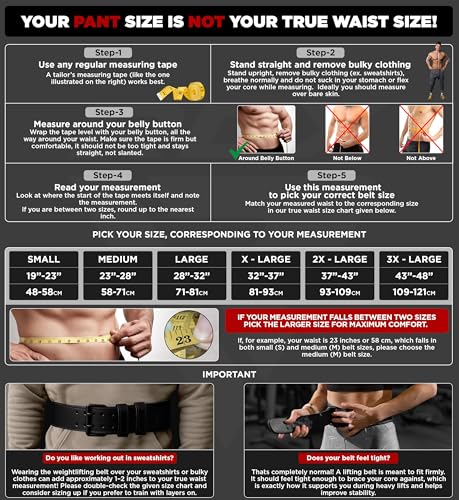
A good weight lifting belt should provide substantial core support without overly restricting movement. Look for quality materials – genuine leather is a hallmark of durability – and a secure closure system that won’t slip during heavy lifts. Proper sizing is critical; a belt that’s too loose won’t provide adequate support, while one that’s too tight can hinder breathing and movement. Consider the type of lifting you do and choose a width and material accordingly.
Material Matters: Leather vs. Nylon
The core of any weight lifting belt is the material. While nylon belts have their place, particularly for beginners or those focused on speed, leather remains the gold standard for serious lifters. Genuine leather, especially full-grain, offers superior support and molds to your body over time. However, not all leather is created equal. Cheaper belts often use lower-grade splits, which lack the same durability and supportive qualities. I’ve seen too many belts delaminate after only a few months of use, which is why investing in a well-made leather belt is almost always the better long-term choice. If you’re exploring other leather goods, you might also find our guide to the best quality leather belts helpful.
Closure Systems: Lever vs. Prong
The buckle system is a critical component. You’ll primarily encounter two types: lever and prong. Prong belts are more traditional and generally less expensive, but require more fiddling to adjust mid-set. Lever buckles, on the other hand, offer incredibly quick adjustments, which is a huge advantage during competitions or when rapidly changing weights. They also tend to hold tighter, providing a more secure fit. However, some lifters find the lever buckle can dig in if not properly positioned.
- A prong belt is a good starting point for those new to lifting or on a tight budget.
- A lever belt is ideal for powerlifters or anyone who needs to make frequent, rapid adjustments.
- Consider the buckle’s construction. A heavier-duty steel buckle will withstand more abuse and is less likely to fail during a max lift.
Width and Thickness: Finding the Right Balance
Belt width and thickness significantly impact support and comfort. Wider belts (4-6 inches) offer greater stability for heavy lifts like squats and deadlifts, bracing your core more effectively. Thinner belts (around 7-10mm) are more flexible and comfortable for general gym use or exercises where a full brace isn’t necessary.
A good rule of thumb is: if you’re consistently pushing heavy weight, go wider. If you’re primarily focused on hypertrophy or lighter, more dynamic movements, a narrower belt may be sufficient.
Ultimately, the best weight lifting belt for you depends on your individual needs and training style. I’ve spent years researching different options and compiling resources like our best leather lifting belts to help you navigate the choices. Don’t be afraid to try a few different styles to find what feels most supportive and comfortable.
Leather Weight Lifting Belts Compared
Here’s a comparison of key specifications for various leather weight lifting belts.
| Product Name | Material | Width (in) | Thickness (mm) | Buckle Type | Size Range (Waist) |
|---|---|---|---|---|---|
| Dark Iron Fitness Leather Weightlifting Belt | Genuine Leather | 4 | N/A | Double-Prong Lever | 22″-49″ |
| Lever Weight Lifting Belt for Men | Genuine Leather | 4 | 10 | Lever | N/A |
| Gymreapers Leather Weightlifting Belt | Genuine Leather | 4 | N/A | Metal | N/A |
| RDX Cowhide Leather Weight Lifting Belt | Cowhide Leather | 4/6 | 7 | Roller/Prong | 19″-48″ |
| Element 26 Self-Locking Weight Lifting Belt | Nylon | 4 | N/A | Self-Locking | N/A |
| Leather Weight Lifting Belt with Padded Support | Leather | 4/6 | N/A | Double-Prong | 28″-44″ |
| Fitgriff Classic 100% Leather Lifting Belt | Cowhide Leather | N/A | 5 | Double-Prong | N/A |
Frequently Asked Questions
What leather thickness should I look for in a weight lifting belt?
A thickness of 10mm or greater is ideal for serious weightlifting, as it provides the necessary support and durability. While thinner belts exist, they won’t offer the same level of stability for heavy loads, and you risk quicker wear and tear.
Are lever buckles really worth the extra cost?
Yes, lever buckles offer significantly faster adjustments than prong buckles, which is crucial during intense workouts or competitions. Although some lifters find them less comfortable initially, the convenience and secure hold generally outweigh this minor drawback.
How tight should a weight lifting belt actually be?
A belt should be snug enough to provide core support, but not so tight that it restricts your breathing or movement. You should be able to comfortably maintain a braced core while still being able to take deep breaths; overly tight belts can actually reduce your lifting power.
What’s the difference between full-grain and top-grain leather for belts?
Full-grain leather is the highest quality, most durable option because it retains the natural grain of the hide, making it stronger and more resistant to cracking. Top-grain leather has had the top layer sanded to remove imperfections, resulting in a less durable (though often more affordable) product. If you’re also looking for a quality belt for everyday wear, consider exploring best leather belts for men.
Can a leather weight lifting belt be used for work as well, like on a construction site?
While a leather weight lifting belt can be used for some work tasks, it’s generally not recommended. A belt designed specifically for work, like the best leather work belts, will be built with features like tool loops and more robust stitching to withstand the demands of a job site.
The Bottom Line
Choosing a weight lifting belt often comes down to balancing immediate cost with long-term durability and support. While nylon options exist, for serious lifters dedicated to progressive overload, the Dark Iron Fitness Leather Weightlifting Belt stands out as the strongest overall choice; its combination of genuine leather construction and a reliable lever buckle provides a solid foundation for heavy lifts.
For those on a tighter budget, the RDX Cowhide Leather Weight Lifting Belt offers a decent entry point into leather belts, while the Gymreapers Leather Weightlifting Belt is a fantastic choice if you prioritize a straightforward, no-frills design. If you’re looking to expand your leather gear collection, you can find our best leather belts roundup quite helpful, and for even more specialized options, check out our best full grain leather belts.
Ultimately, the specifications matter less than finding a belt that fits correctly and feels secure. Prioritize a proper fit, a dependable buckle, and genuine leather, those are the fundamentals that will support your lifts and protect your form for years to come.
