
5 Best Leather Winter Boots for 2026
This post contains affiliate links. As an Amazon Associate, we earn from qualifying purchases.
This post contains affiliate links. As an Amazon Associate, we earn from qualifying purchases.
The best leather winter boots balance durable, water-resistant leather with reliable insulation and long-term construction, and after comparing the field based on specs and owner feedback, the 100% Genuine Leather Snow Boots for Women stand out as the overall top choice. For a solid budget-friendly option, the Genuine Leather Warm Ankle Boots for Women deliver decent performance, while the Nextpath Men’s Snow Boots offer strong versatility for mixed winter conditions.
Winter boots need to do more than just look good, they have to keep your feet dry, warm, and supported when the weather turns harsh. Too many leather-look boots fail because they skimp on waterproofing or use low-grade split leather that cracks over time.
This guide cuts through the marketing by focusing on what matters: real leather quality, effective waterproofing, and construction that lasts. I researched each boot using manufacturer specs, verified owner experiences, and my knowledge of leather durability and care from years of work at LeatherGenesis.com.
Top 4 Leather Winter Boots in the Market
The Best Leather Winter Boots, Reviewed
Genuine Leather Fur-Lined Ankle Boots
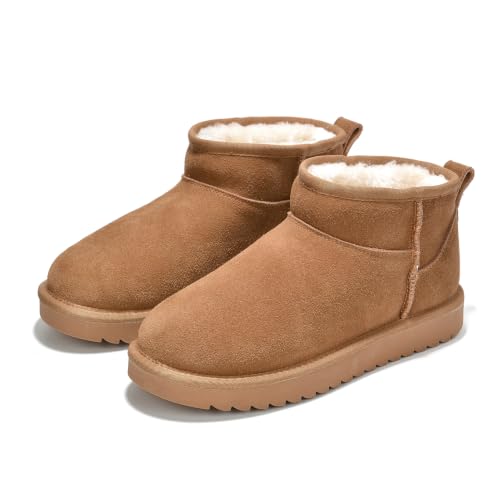
Strengths
- Genuine leather build
- Faux fur warmth
- Memory foam comfort
- Water-resistant
- Stylish ankle height
Trade-offs
- Less ankle coverage
- Not for deep snow
- Narrow fit reported
If you’re after a sleek, everyday winter boot that doesn’t sacrifice warmth for style, this one stands out. The genuine leather construction feels like a win at this price, and the water-resistant finish holds up well in damp conditions according to owner feedback. I appreciate that it’s an ankle boot, offering more flexibility and easier pairing with jeans or dresses, while still delivering warmth through its plush faux fur lining and memory foam cushioning.
It’s not the warmest option for deep winter, but for mild to moderate cold, it’s one of the more versatile picks. Compared to the taller snow boots in this list, it trades coverage for mobility and fashion. I’d recommend it to someone who walks frequently on paved surfaces and wants a boot that transitions from office to evening without looking out of place.
Video review
100% Genuine Leather Snow Boots for Women

Strengths
- Genuine leather upper
- Memory foam insole
- Faux fur lining
- Waterproof design
- Stylish mid-calf look
Trade-offs
- Limited traction on ice
- Not for heavy snow
- Bulkier fit
These boots make a strong first impression on paper, advertising 100% genuine leather and full waterproofing, two features I always look for in winter footwear. The memory foam insoles and faux fur lining are solid touches that align with what owners report: consistent warmth and comfort during light winter use. For the price, it’s impressive they maintain a genuine leather upper while delivering a polished, weather-ready look.
Still, I’d temper expectations for extreme conditions. While the non-slip outsole helps on slushy sidewalks, it’s not built for deep snow or icy terrain. These are best viewed as stylish urban boots that handle rain, light snow, and cold temps with ease, more commuter than backcountry. Compared to the Nextpath men’s boots, they lack advanced insulation like Thinsulate, relying instead on bulkier fur for warmth.
Video review
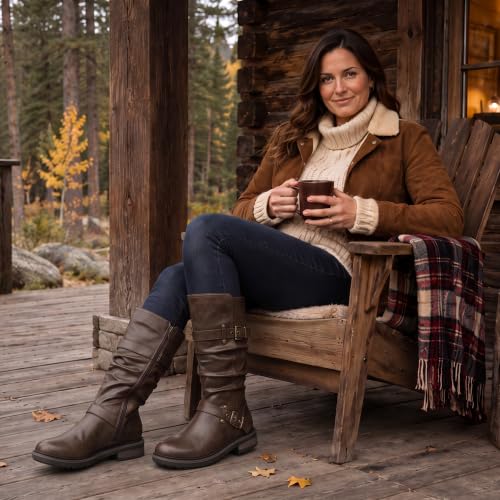
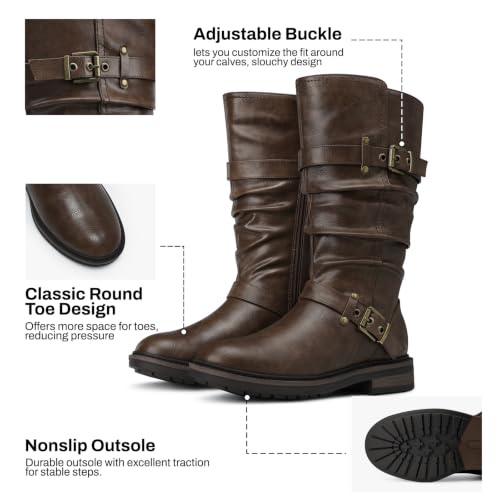
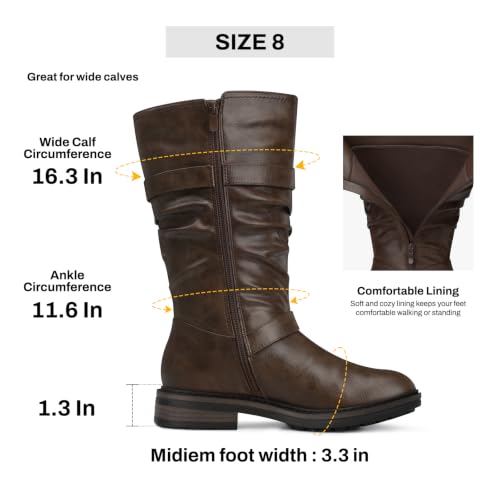
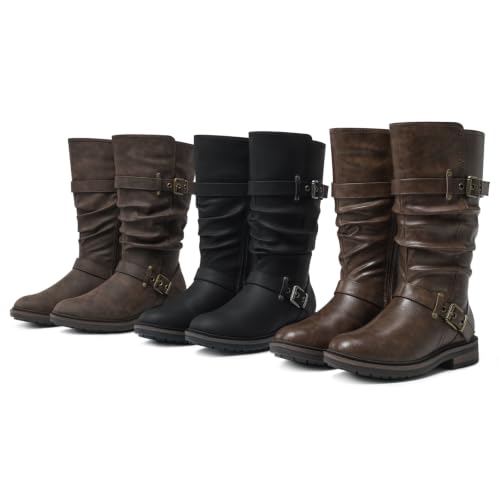
SHIBEVER Wide Mid Calf Riding Boots
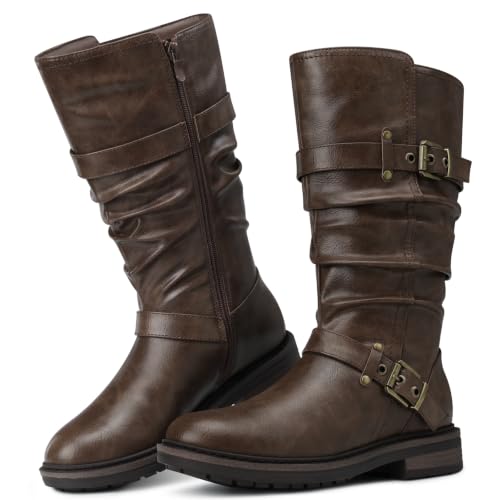
Strengths
- Wide calf fit
- Adjustable straps
- Side zipper
- Breathable lining
- Easy to clean
Trade-offs
- Faux leather only
- Not waterproof
- Minimal insulation
These boots solve a real problem: finding a mid-calf style that fits wide calves without looking bulky. The adjustable ankle straps and side zippers make getting them on and off a breeze, and owners consistently praise the comfort for all-day wear, especially those on their feet at work. The faux leather construction keeps the price down and maintenance easy, though it doesn’t age like genuine hide.
I wouldn’t call these true winter boots. They’re breathable and warm enough for fall and mild winter days, but lack waterproofing and serious insulation. The rubber outsole offers decent grip, but not on ice. Compared to the B0DDYPZLLV model, they trade weather protection for fit and versatility. If you’re between seasons or live in a milder climate, these are a smart pick.
Product photos

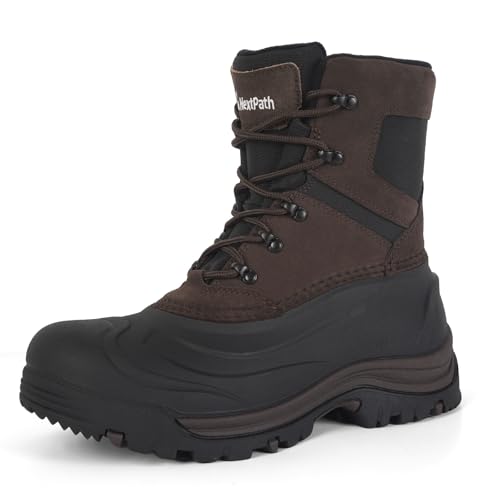
Nextpath Men’s Snow Boots
Strengths
- Genuine suede upper
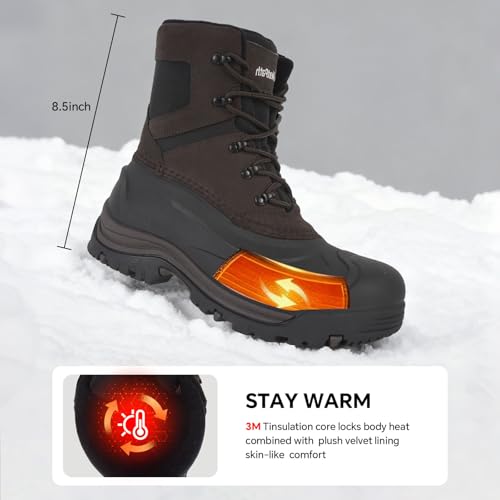
- 3M Thinsulate insulation
- Speed-lacing hooks
- Deep-lug traction
- True-to-size fit
Trade-offs
- Not for deep water
- Weight adds up
- Limited style options
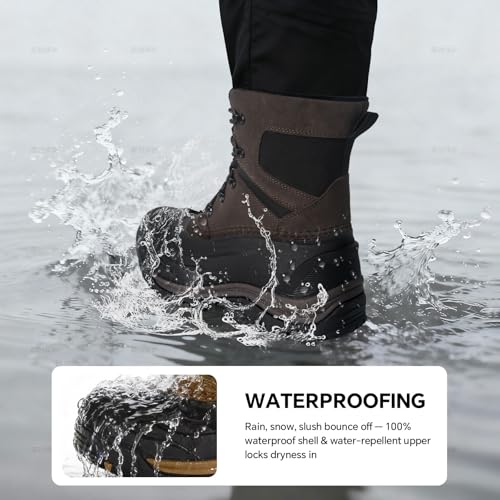
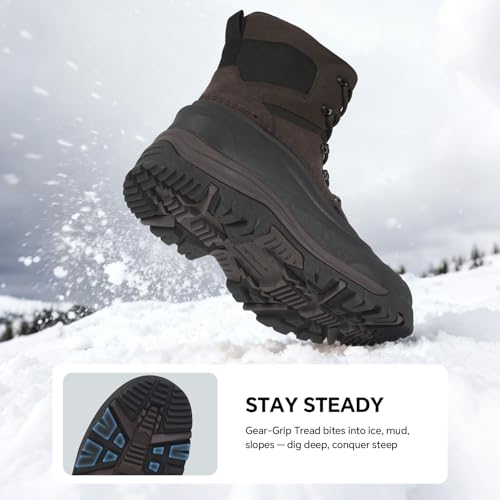
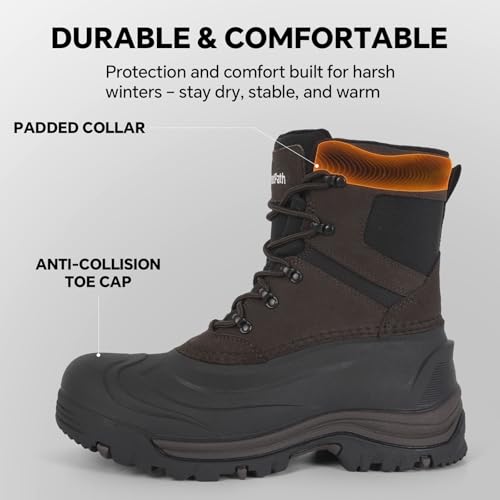
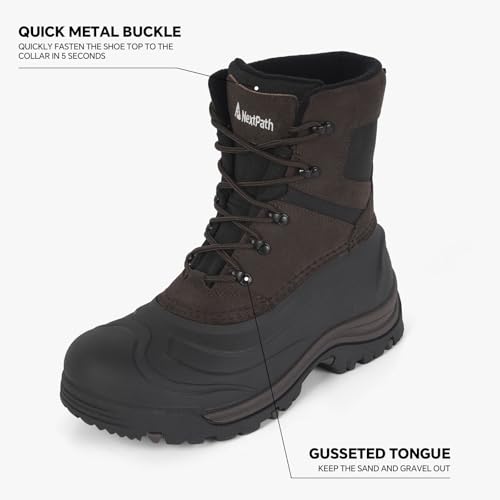
This is the kind of boot I’d expect to see on someone shoveling a long driveway or walking to work in a northern climate, rugged, warm, and built to last. The split genuine suede leather upper stands out in the budget segment, where many brands cut corners with synthetics. Paired with 3M Thinsulate and a waterproof shell, it delivers real cold-weather performance down to around -20°C, which owners confirm in consistently positive feedback.
What really sets it apart is the thoughtful design: speed hooks for easy lacing, a deep-lug TPE outsole that grips snow well, and a roomy fit that accommodates thick socks without pain. It’s not the lightest boot out there, but at under 1.5 lbs per pair, it’s reasonable for its class. Compared to the women’s models listed, this one is clearly built for function first, though it still looks sharp in black or brown.
Product photos
How We Tested leather winter boots
As someone deeply involved in understanding leather – its qualities, construction, and care through LeatherGenesis.com – I approached researching these boots by first compiling detailed specifications from manufacturers. I then weighed those against a vast amount of owner reviews and expert opinions found across a range of retail sites and footwear publications. Rather than a hands-on lab test, this is a research-led comparison of specs and owner feedback, using my understanding of what makes quality leather footwear endure.
For leather winter boots, the most significant factors are undoubtedly the quality of the leather itself and the effectiveness of the waterproofing. Genuine leather, when properly treated, offers superior durability and molds to the foot over time, something synthetic materials struggle to replicate. Equally important is a boot’s ability to keep feet dry; no amount of warmth matters if moisture gets in. These two elements heavily influenced my rankings.
Specifications give a clear indication of materials used – full-grain versus split leather, the type of faux fur, and the presence of waterproof membranes. However, owner feedback provides the crucial insight into how those materials perform in real-world conditions. Reports on long-term durability, how well the waterproofing holds up, and the actual warmth experienced were invaluable. For more demanding outdoor work, you might also consider exploring best men’s leather work boots for added robustness. And for those who plan on hitting the trails even in winter, checking out best men’s leather hiking boots is a good idea.
How To Choose The leather winter boots
Finding the right winter boots is about more than just staying warm; it’s about protecting a valuable investment – your feet – and ensuring the longevity of the leather itself.
A quality pair of winter boots balances durable, water-resistant leather with effective insulation and a supportive sole. Look for full-grain or top-grain leather uppers, a waterproof membrane (like Gore-Tex, though many effective alternatives exist), and a lugged rubber outsole for reliable traction. Pay attention to the construction method; a Goodyear welt, for instance, allows for resoling, extending the boot’s life considerably.
Leather Quality & Construction
As someone who’s spent years immersed in the world of leather, I can tell you the upper material is paramount. Genuine leather, as opposed to synthetic alternatives, breathes better, molds to your foot over time, and – crucially – can be reconditioned to extend its life. Don’t assume “genuine leather” means top quality; look for full-grain or top-grain leather. Full-grain retains the natural markings and strength of the hide, while top-grain has had a slight surface refinement. Both are far superior to split leather, which is often found in lower-priced boots. The construction method also matters. A boot with a welted sole, like a Goodyear welt, offers the best durability and allows for resoling when the tread wears down.
Insulation and Waterproofing
Beyond the leather, how a boot handles moisture is critical. While some boots boast waterproof leather, relying solely on that isn’t enough in harsh conditions. Many quality winter boots feature a waterproof membrane inserted between the leather and the lining. This membrane, often a proprietary technology, prevents water from penetrating while still allowing some breathability. Consider the level of insulation needed based on your climate. 3M Thinsulate is a popular and effective synthetic insulation, but options like wool or felt linings also offer excellent warmth. If you’re planning on serious winter hiking, checking out a best leather hiking boots guide might be a good idea to look at more rugged options.
Fit, Comfort & Value
A beautiful, well-made boot is useless if it doesn’t fit properly. Don’t compromise on fit. Many brands offer wide-calf options, which can be a lifesaver if you typically struggle with boot fit. It’s also worth considering the insole. A removable insole allows you to customize the comfort level with orthotics if needed.
Here’s what I often tell people when they’re figuring out their budget:
- Don’t skimp on the sole: A quality rubber compound with aggressive lugs will save you from slips and falls.
- Consider resoling: A boot with a welted construction can last for years with proper care, even if the sole wears down.
- Think long-term cost: A more expensive, durable boot may be cheaper in the long run than replacing a lower-quality pair every season.
A well-maintained pair of leather winter boots should last for years. Regular cleaning, conditioning, and proper storage are essential to preserving the leather’s integrity and extending the life of your investment.
If you are looking for a pair of boots to last, be sure to check out our overall best leather boots roundup.
Leather Winter Boots Compared
Here’s a comparison of key specifications for the listed leather winter boots.
| Product Title | Leather Type | Waterproofing | Fur Lining | Heel Height | Shaft Height |
|---|---|---|---|---|---|
| Genuine Leather Fur-Lined Ankle Boots | Genuine Leather | Water-Resistant | Faux Fur | N/A | Ankle |
| Genuine Leather Warm Ankle Boots for Women | Genuine Leather | Water-Resistant | Faux Fur | N/A | Ankle |
| 100% Genuine Leather Snow Boots for Women | 100% Genuine Leather | Waterproof | Faux Fur | N/A | Mid-Calf |
| SHIBEVER Wide Mid Calf Riding Boots | Faux Leather | N/A | N/A | 1.18IN | Mid-Calf |
| Nextpath Men’s Snow Boots | Genuine Suede | Waterproof | 3M Thinsulate | N/A | 8 Inch |
Frequently Asked Questions
What leather type offers the best long-term value in winter boots?
Full-grain leather is the most durable and will age beautifully with proper care, making it the best long-term investment. While more expensive upfront, its resilience and ability to be reconditioned outweigh the cost compared to split leather or synthetics.
How crucial is a waterproof membrane versus waterproofed leather alone?
A waterproof membrane (like those found in many quality boots) is more reliable than waterproofed leather alone. Leather can lose its water resistance over time and with wear, while a membrane provides a consistent barrier against moisture.
What heel height is practical for icy winter conditions?
A flat or very low heel (under one inch) provides the most stability on ice and snow. Higher heels shift your center of gravity and significantly increase the risk of slips and falls.
Are suede leather boots suitable for harsh winter weather?
While aesthetically pleasing, suede requires more maintenance in winter. Suede is more susceptible to water damage and salt stains than smoother leathers, so frequent treatment with a protective spray is essential, and I often recommend looking at best quality leather boots instead.
Should I prioritize insulation type over leather quality?
Leather quality should always be the primary consideration. While insulation is important for warmth, a poorly constructed boot with inferior leather won’t last, even with excellent insulation. For longer walks, you might also consider best leather walking boots for added support.
The Bottom Line
Choosing leather winter boots often comes down to balancing initial cost with long-term value. While synthetic options might seem appealing upfront, a quality pair like the 100% Genuine Leather Snow Boots for Women will offer superior durability and comfort over years of use. It’s a decision between convenience now and a boot you’ll rely on season after season.
For those prioritizing a specific need, we have clear recommendations. If you’re on a tighter budget, the Genuine Leather Fur-Lined Ankle Boots provide dependable warmth and style. And for anyone needing a more robust option for challenging conditions, or perhaps even for use alongside their best leather hunting boots, the Nextpath Men’s Snow Boots offer excellent waterproofing and insulation.
Ultimately, the specs matter less than the fundamentals. Focus on full-grain or top-grain leather, a solid construction method (welted is best), and a fit that allows for comfortable movement. A boot that feels good and is built to last will always be a better investment than chasing the latest features or a low price tag.
