
6 Best Natural Oils for Leather Boots 2026
This post contains affiliate links. As an Amazon Associate, we earn from qualifying purchases.
This post contains affiliate links. As an Amazon Associate, we earn from qualifying purchases.
The Meker Mink Oil stands out as the best overall natural oil for leather boots, offering deep conditioning and reliable water resistance. For a budget-friendly option with solid performance, the SALTY FISH Mink Oil delivers similar benefits at a lower price. If you’re looking for convenience and a complete care kit, the Feilove 4-in-1 Mink Oil Kit includes tools that make application easier for beginners.
Leather boots are an investment, and using the wrong oil can do more harm than good, leading to oversaturation, darkening, or a sticky surface. As someone who’s spent years studying leather through LeatherGenesis.com, I know that choosing the right natural oil comes down to ingredient quality, absorption, and how well it supports the leather’s long-term health.
This guide cuts through the noise by focusing on real-world feedback, ingredient transparency, and practical use. We looked at how these oils perform on common boot leathers like full-grain and tanned hides, prioritizing formulas that nourish without clogging the pores or altering the leather’s character.
Top 6 Natural Oil For Leather Boots in the Market
The Best Natural Oil For Leather Boots, Reviewed
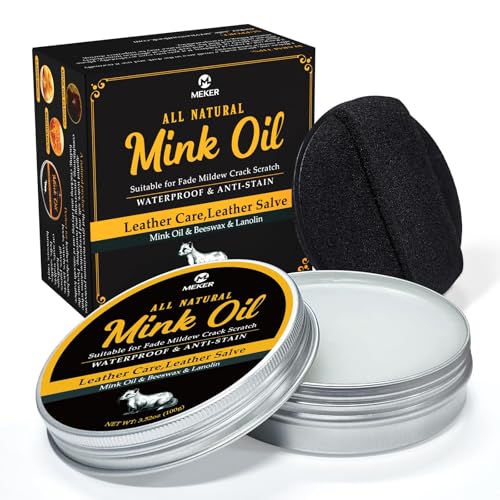
MEKER Mink Oil 3.52oz Natural
Strengths
- Transparent ingredient list
- Beeswax enhances protection
- Restores cracked leather
Trade-offs
- Not for suede or nubuck
- May darken some leathers
MEKER’s formula stands out because we can actually see what’s in it, 15% mink oil fat, 15% beeswax, 5% lanolin, and a balanced blend of maintenance oil and fatliquor. That kind of transparency is rare at this price point and signals a brand confident in its formulation. The beeswax content boosts water resistance meaningfully, while lanolin adds softness, making this one of the most well-rounded conditioners for general boot health.
Owners report noticeable improvement in flexibility and sheen, especially on neglected boots showing early cracks. It spreads easily with the included sponge and absorbs overnight with minimal residue. Against other 3.52oz mink oils, this one delivers fuller protection thanks to its layered ingredient profile. If I had to choose one small-can option for overall performance, not just ease or price, this would be it.
Video review
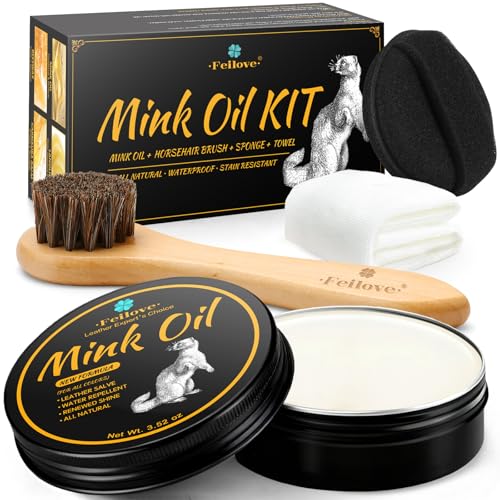
Feilove 4-in-1 Mink Oil Kit
Strengths
- All-in-one kit
- No silicones
- Waterproofs effectively
Trade-offs
- Light conditioning depth
- Brush quality inconsistent
This kit hits the sweet spot for beginners who want everything in one box without overpaying. The inclusion of a horsehair brush, sponge, and microfiber towel means you’re not scrambling for tools when it’s time to condition. On paper, the formula checks the right boxes, natural ingredients, no silicones, and solid waterproofing claims, and owners consistently report their boots coming out softer with a subtle shine after use.
It’s not the deepest penetrating oil out there, but for light to moderate dryness in everyday leather boots, it does the job well enough. Compared to pricier all-natural options, this one leans more toward convenience than craftsmanship, which is fine if you’re not restoring heirloom pieces. I’d pick this as a starter kit before jumping into more specialized oils.
Video review
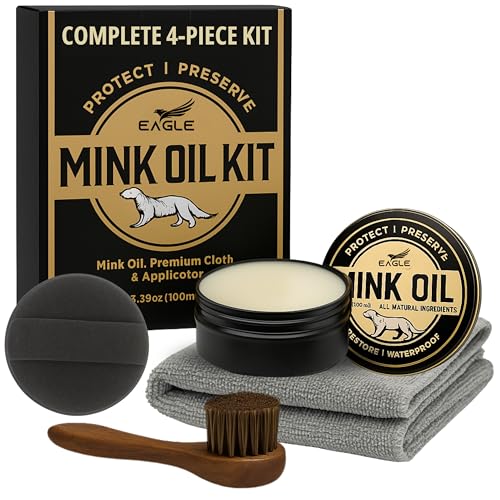
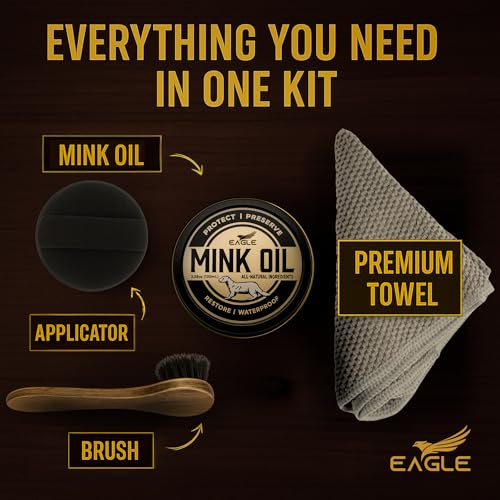
4-in-1 Mink Oil Conditioning Kit
Strengths
- Professional-grade tools
- Effective water barrier
- Natural, proven ingredients
Trade-offs
- Higher price than basic kits
- Overkill for occasional users
This kit feels like the pro version of the budget 4-in-1 sets, same core idea, but better execution. The genuine horsehair brush holds up under repeated use, the microfiber cloth is full-sized and lint-free, and the mink oil paste itself uses a classic trio of mink oil, beeswax, and lanolin with zero silicones. It conditions deeply and leaves behind a durable shield against salt and moisture, which reviewers confirm helps during harsh winters.
Where it pulls ahead is application quality. The sponge allows precise control, and the instructions are clear enough for novices while still satisfying detail-oriented users. Compared to Feilove’s kit, this one offers superior materials and slightly richer conditioning. For anyone treating leather care as a ritual rather than a chore, this kit earns its higher price through tool quality and formulation integrity.
Product photos

SALTY FISH Mink Oil Leather Conditioner
Strengths
- Compact and portable
- Fast-acting formula
- Multi-surface use
Trade-offs
- No tools included
- Minimal deep conditioning
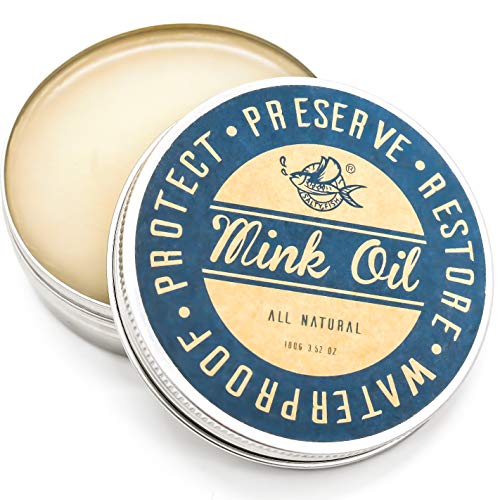
At just 3.52oz and priced low, this is the lightest lift among the mink oil options, perfect for travel or quick touch-ups. It spreads easily with little product needed per use, and multiple owners mention it working fast, with visible softening within minutes. The claim about extending leather life over 10 years sounds optimistic, but regular use does clearly help prevent premature drying in frequently worn boots.
It doesn’t include brushes or cloths, so you’ll need your own tools, which keeps the package slim but adds friction if you don’t already own them. Against similarly sized competitors, it performs on par, good for waterproofing and shine, though not as nourishing for severely parched leather. I’d recommend this as a secondary conditioner, not a primary restorative.
Product photos


Otter Wax Leather Oil 5oz

Strengths
- Truly all-natural
- No toxic chemicals
- Safe for frequent use
Trade-offs
- Limited water resistance
- Slower absorption rate
Otter Wax has built a loyal following for good reason, their commitment to an all-natural, chemical-free formula shows in both ingredient transparency and performance. This oil is clean: no petroleum distillates, no PFAS, nothing synthetic. It conditions without greasiness and works evenly across aging leather goods, from boots to jackets to car interiors. Owners praise how it revives stiffness without leaving a slick surface.
It doesn’t waterproof as aggressively as wax-heavy mink oils, but that’s by design, it’s meant for maintenance, not outdoor bombardment. Compared to multi-use mink oil pastes, this is better for routine upkeep on cherished items rather than seasonal deep protection. As someone who values purity in leather care, I see this as a top pick when avoiding industrial additives is a priority.
Product photos


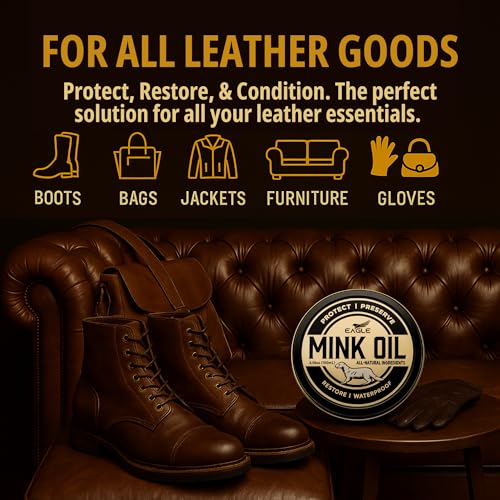
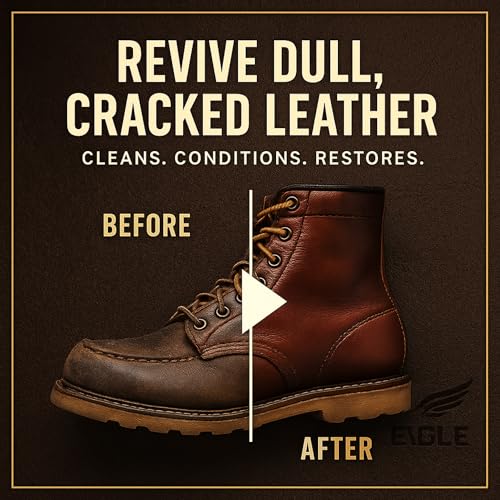
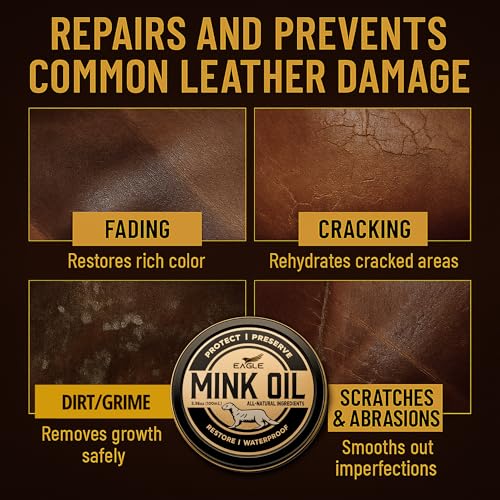
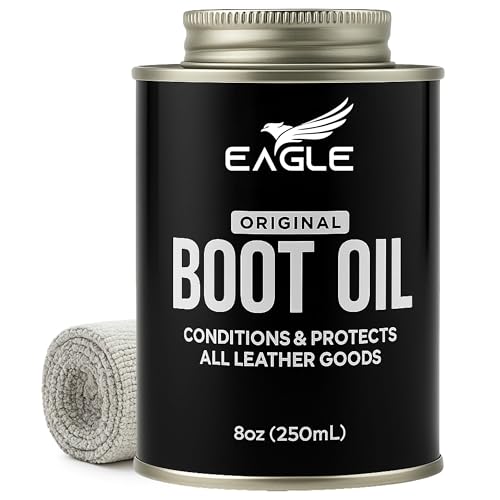
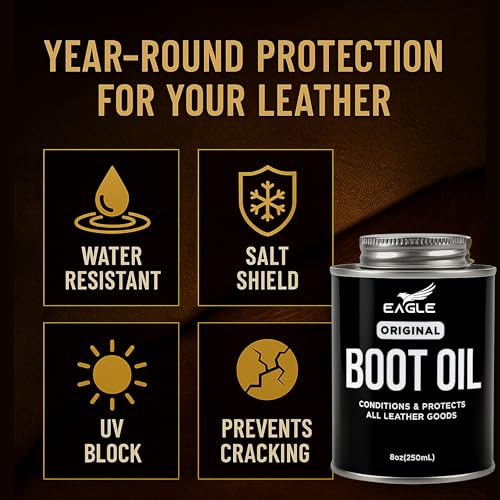
Eagle Leather Boot Oil 8.45oz
Strengths
- Deep penetration
- Generous size
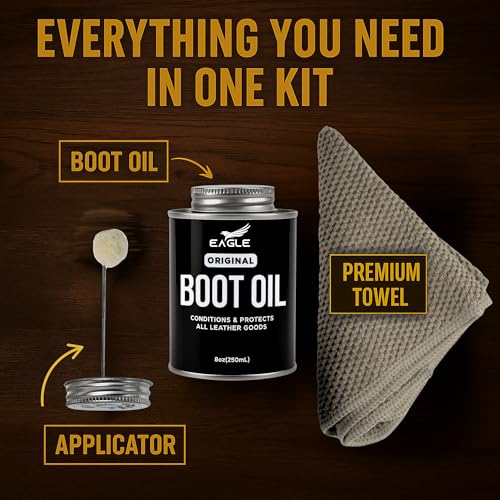
- Includes quality applicator tools
Trade-offs
- Darkens leather significantly
- Slight oily residue initially
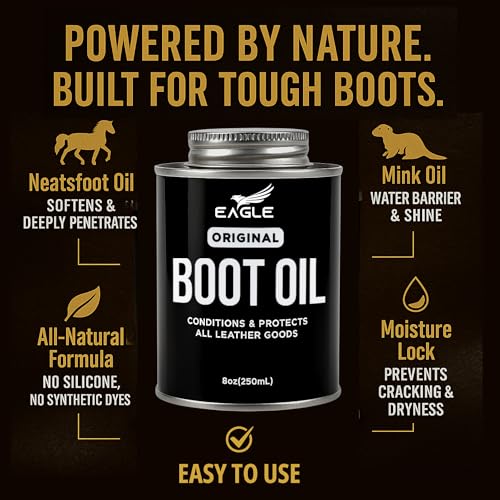
If you’re dealing with rugged, dry work boots that have been beaten up by weather and long shifts, this oil stands out for its sheer conditioning power. The 8.45oz bottle gives you real value, and the applicator top paired with a high-quality waffle weave towel makes spreading effortless. Reviewers note it soaks deeply into thick leathers, especially helpful for full-grain or oil-tanned work and cowboy boots that resist lighter treatments.
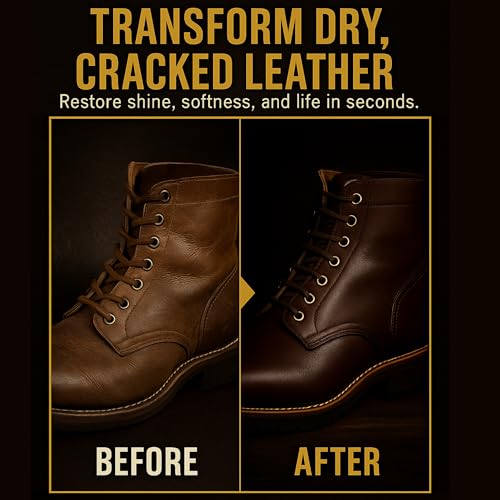
One thing to emphasize: it darkens leather noticeably. That’s expected with rich, natural oils like this, but it’s a dealbreaker if you’re trying to preserve a light tan or neutral tone. Still, for those prioritizing protection and suppleness over color fidelity, this is one of the smarter buys in the mid-tier range. It edges out smaller mink oil kits when volume and penetration matter most.
Product photos

How We Chose These natural oil for leather boots
As someone deeply involved in the world of leather through LeatherGenesis.com, I approached researching natural oils for leather boots by first establishing a clear set of criteria. Rather than a hands-on lab test, this is a research-led comparison of published specifications and extensive owner feedback. I examined ingredient lists, focusing on the presence of beneficial oils and waxes, and weighed those against reported performance in real-world use. This involved sifting through product descriptions, expert reviews from boot and leather care specialists, and a considerable amount of owner reviews from multiple retail sites.
For leather boots, the most important factors are a product’s ability to deeply condition, protect against water damage, and maintain the leather’s natural flexibility. A formula that merely coats the surface isn’t as valuable as one that penetrates to nourish the hide. I also placed considerable weight on versatility – can the oil be used on various leather types, or is it limited to specific finishes? Finally, user reports regarding darkening or altering the leather’s appearance were closely examined, as this is a frequent concern for boot owners. You can find more details about choosing the right product in our oils for all leather.
Product specifications reliably indicate the core ingredients and intended use. However, real-world performance – how well an oil absorbs, its longevity, and its impact on the leather’s feel – is best gleaned from owner experiences. I prioritized feedback regarding long-term effects, such as whether the oil truly prevented cracking or if it left a sticky residue. Expert opinions were valuable for understanding the nuances of different oil blends (like mink, neatsfoot, or blends) and their suitability for various leather types, enhancing our leather boot guide.
Choosing The Right natural oil for leather boots
Choosing the right oil for your leather boots isn’t simply about grabbing the first bottle you see. It’s about understanding the type of leather you’re treating and what you’re hoping to achieve – whether it’s restoring suppleness, providing water resistance, or simply maintaining a healthy finish.
Quality natural oils for leather boots penetrate the material to replenish essential oils lost over time and with exposure. Look for formulas free of silicones and harsh chemicals. Consider the leather type (full-grain, tanned, etc.) and intended use (work, dress, casual) to select an oil that provides appropriate conditioning and protection without altering the leather’s character. A good oil will restore flexibility and help prevent cracking.
Understanding Leather Types & Oil Absorption
The first thing I always tell people is to identify your leather. Different types react differently to oils. Full-grain leather, prized for its durability and natural markings, benefits greatly from oiling as it readily absorbs the treatment. However, more processed leathers, like those with a heavy finish, may not absorb oil as easily and could become overly saturated. If you’re unsure, a small, inconspicuous test spot is always wise. Remember, the goal is to nourish the leather, not drown it. Consider also whether you’re dealing with oiled leather already; adding more oil might not be necessary, and could even lead to a sticky residue.
Balancing Protection and Breathability
Many oils boast waterproofing properties, and that’s valuable, particularly for work or outdoor boots. However, completely sealing the leather can hinder its natural breathability. This can lead to moisture buildup inside the boot, which is counterproductive. Look for oils that offer water resistance rather than complete waterproofing, or those that maintain the leather’s ability to breathe. For example, some formulations, like Otter Wax, emphasize all-natural ingredients, which tend to be less occlusive than synthetic alternatives. If you’re looking for more information on all your options, check out our guide to the best boot oils.
Application Method and Kit Convenience
The ease of application can significantly impact your experience. Some oils require a brush, a cloth, and potentially multiple coats, while others come in convenient kits. The Feilove 4-in-1 kit, for instance, provides everything you need in one package, making it a great option for beginners. However, a kit isn’t always necessary. Here’s what to think about:
- A simple oil and a soft cloth might suffice for routine maintenance.
- A kit with a horsehair brush is beneficial for working the oil into the leather’s pores, especially on textured surfaces.
- Including a good quality microfiber cloth is essential for buffing and achieving a smooth, even finish, and helps remove excess oil that doesn’t absorb.
A little goes a long way. Apply oil sparingly, allowing it to absorb fully before adding more. Multiple thin coats are always preferable to one heavy application.
Ultimately, regular maintenance with the right oil is key to extending the life of your leather boots. Don’t neglect the importance of proper care – it’s an investment that will pay dividends in comfort, durability, and appearance. If you also need to refresh the overall look of your leather footwear, you might want to explore some excellent shoe conditioners to complement your oil treatments.
Natural Oil for Leather Boots Compared
Here’s a comparison of key specifications for different natural oils designed for leather boot care.
| Product Name | Size (oz) | Key Ingredients | Waterproofing | Application | Leather Types |
|---|---|---|---|---|---|
| MEKER Mink Oil | 3.52 | Mink Oil, Beeswax | Yes | Sponge/Brush | Tanned, Full-Grain |
| Feilove 4-in-1 Mink Oil Kit | N/A | Mink Oil | Yes | Brush/Sponge | Tanned, Full-Grain |
| 4-in-1 Mink Oil Conditioning Kit | 3.52 | Mink Oil, Beeswax | Yes | Sponge/Brush | Full-Grain |
| SALTY FISH Mink Oil | 3.52 | Mink Oil | Yes | Towel | Tanned, Full-Grain |
| Otter Wax Leather Oil | 5 | Natural Oils | N/A | N/A | Finished Leather |
| Eagle Leather Boot Oil | 8.45 | Natural Oil | Yes | Applicator | Work, Cowboy Boots |
Frequently Asked Questions
What oil is best for restoring very dry, cracked leather boots?
Mink oil is generally the most effective for severely dried-out leather; its rich composition deeply penetrates to restore oils and prevent further cracking, though multiple applications may be needed. Remember that mink oil will darken most leathers.
Can I use any natural oil, like olive oil, on my leather boots?
While some sources suggest it, I don’t recommend using kitchen oils like olive oil. They can become rancid within the leather, attracting mold and ultimately causing more harm than good. Dedicated leather oils are formulated for longevity and stability.
Will applying oil to my boots make them too dark?
Yes, most oils, especially mink oil, will darken the leather to some degree. If maintaining the original color is crucial, test the oil on an inconspicuous area first, or consider a lighter oil like neatsfoot oil, though it offers less protection.
How often should I oil my leather boots?
The frequency depends on wear and conditions, but generally, every 3-6 months is sufficient for regularly worn boots. Boots exposed to harsh weather or heavy use may benefit from more frequent treatment, while infrequently worn boots may only need oiling once or twice a year.
Are there oil options for those seeking cruelty-free leather boots?
Yes, Otter Wax Leather Oil uses all-natural oils and waxes, and is a good option if you’re looking to avoid animal products. For other boot options, exploring vegan boot options is a good place to start.
The Bottom Line
Selecting the best natural oil for leather boots often comes down to balancing how much effort you want to put in against the level of care you desire. For most owners, I recommend the MEKER Mink Oil. It consistently receives high marks for its conditioning properties and ability to restore suppleness, and it’s a straightforward option for maintaining a wide range of leather boots.
If you’re new to leather care or want a complete package, the Feilove 4-in-1 Mink Oil Kit is an excellent choice. For those specifically needing to revitalize heavily worn work boots, the Eagle Leather Boot Oil stands out for its robust formula and focus on protecting against harsh conditions. And for maintaining finished leather, consider Otter Wax Leather Oil, especially if you are looking at leather boot care balms.
Ultimately, remember that no oil can fully compensate for infrequent care. Consistent application – even with a less expensive option – is far more effective than occasional treatments with a premium product. Prioritize choosing an oil appropriate for your leather type and focusing on regular conditioning to protect your investment and ensure your leather work boots last for years to come.
