
Master How to Care for Leather Pants With These Key Steps
This post contains affiliate links. As an Amazon Associate, we earn from qualifying purchases.
This post contains affiliate links. As an Amazon Associate, we earn from qualifying purchases.
Leather pants hanging on a wide-shoulder wooden hanger supple leather after improper drying. YMYL Flag: No
To care for leather pants, you need to follow three rules: clean with a soft cloth and neutral soap, condition with a product made for garment-weight leather, and always air-dry away from heat. The process is about patience, not power. Machine washing or standard dry cleaning will permanently damage the material.
That last part is essential. Manufacturers like Dainese and SPRWMN explicitly warn against it, and they’re the ones who would love to sell you a replacement. The reason is mechanical: garment leather is a thin, finished hide. Agitation and heat from a washer crack the topcoat and shrink the hide, while standard dry-cleaning solvents strip the natural oils that keep it supple. Your pants come out stiff, discolored, or worse.
What follows is a walkthrough of the safe process, the tools that actually work, and the storage habits that prevent the most common damage. By the end, you’ll know exactly how to handle everything from a coffee spill to long-term storage.
Key Takeaways
- Machine washing or standard dry cleaning is the fastest way to ruin leather pants. The agitation and chemicals destroy the finish and underlying hide.
- Condition leather pants twice a year, or whenever they start to feel dry and stiff. Use a conditioner formulated for garment-weight leather, not heavy waxes or saddle soap.
- Always store leather pants on a wide, padded hanger using the sewn-in loops. Never fold them or use clip hangers, which create permanent creases and deform the waistband.
- For deep stains or “critical condition” items (like blood or deep-set mud), seek a professional leather cleaner. Manufacturers like Dainese may refuse service if the damage is too severe.
- Spot-clean spills immediately with a damp cloth and neutral soap. Letting organic stains sit allows them to penetrate and become permanent.
The Core Three-Step Process
This isn’t complicated, but it is specific. Think of it like applying a hand-rubbed oil finish to wood. You don’t slather it on; you work in thin, even coats, letting each one be fully absorbed before even thinking about the next. Rushing any step shows up later as stiffness or a blotchy sheen.
For regular cleaning and conditioning of garment leather, use a pH-balanced leather cleaner followed by a light, absorbent conditioner. Apply both with a soft cloth in gentle circular motions, working on a small section at a time. Allow the cleaner to dry completely before applying conditioner, and let the conditioner absorb for at least an hour before wearing or storing. This preserves the leather’s flexibility and prevents the topcoat from cracking.
Step 1: Surface Cleaning
Start with a dry, soft cloth, a microfiber or clean terry cloth works. Gently wipe down the entire garment to remove surface dust and grit. This prevents you from grinding dirt into the leather during the next step. If you’re dealing with a specific spot like an oil splatter, dampen a corner of the cloth with water and a drop of neutral, dye-free soap. Dab, don’t rub. Rubbing spreads the stain and wears the finish.
Step 2: Conditioning (The Non-Negotiable Part)
Leather is skin. It loses oils from wear, sunlight, and simply existing. Conditioning replaces those oils. For pants, you need a conditioner made for garment-weight leather, not the heavy waxes meant for boots or belts. Brands like Lexol or Bick 4 are common picks. Apply a small amount to a fresh cloth and work it into the leather in gentle circles. Focus on high-flex areas: knees, thighs, and the seat. You’ll feel the leather warm up and absorb it. Stop when the surface looks matte, not glossy. A glossy residue means you’ve used too much; wipe the excess off with a clean cloth.
Step 3: Drying & Storage
This is where most DIY care fails. Never, ever use direct heat. Don’t lay them on a radiator, point a hairdryer at them, or toss them in a dryer. Heat bakes the leather, making it brittle. Hang them on a well-formed, padded hanger, use the sewn-in hanger tape if your pants have it. Let them air-dry in a room-temperature, well-ventilated space, away from direct sunlight. It might take a full day. Patience here is what separates a cared-for pair from a stiff, ruined one.
| Step | Tool Needed | The Right Way | What Happens If You Skip/Rush It |
|---|---|---|---|
| Surface Clean | Dry, soft cloth (microfiber) | Wipe gently to remove dust before any wet step. | Grinding dirt into the leather during conditioning acts as sandpaper, dulling the finish. |
| Condition | Garment leather conditioner (e.g., Lexol), soft applicator cloth | Apply thin coats in circular motions; let absorb fully. | Leather dries out, loses flexibility, and the topcoat cracks at stress points within 6-12 months. |
| Dry & Store | Wide, padded hanger; ventilated space | Hang using sewn-in loops; air-dry away from heat and sun. | Heat causes irreversible stiffness; clip hangers or folding create permanent creases and distort the fit. |
What Not to Do (And Why)
Let’s be clear about this: the internet is full of bad advice for leather. Here’s what to ignore, with the physical reason why each method fails.
Common mistake: Using saddle soap on modern garment leather. Saddle soap is a heavy-duty, alkaline cleaner designed for thick, unfinished saddle leather. On thin, finished garment hides, it strips far too much natural oil, leaving the leather parched and prone to cracking.
Never Machine Wash or Tumble Dry
The manufacturer warnings are not suggestions. SPRWMN states “DO NOT ever put your leather products in the washing machine” in all caps for a reason. The agitation from the drum, combined with water and detergent, forces its way into the leather’s pores and under the topcoat. This separates the finish from the hide. When it dries, especially under heat, the leather shrinks and hardens. The change is permanent. You’re left with a stiff, misshapen version of your pants.
Avoid Standard Dry Cleaning Chemicals
Most dry cleaners use perchloroethylene or hydrocarbon solvents as their standard process. These are fantastic for wool and silk but are far too harsh for finished leather. They dissolve the natural oils and can discolour dyes. If you must use a cleaner, you must find one that specifically advertises leather garment expertise and uses a gentler, specialized process. Call and ask.
Skip the Silicone “Protectants”
Many spray-on leather protectors are silicone-based. They don’t condition; they just sit on top as a water-resistant barrier. On a porous material like leather, this seals the surface, preventing the hide from breathing and absorbing beneficial conditioners later. Over time, it can also create a sticky film that attracts more dirt. Water resistance for leather pants is better achieved by regular conditioning, which maintains the hide’s natural integrity.
When to Call a Professional
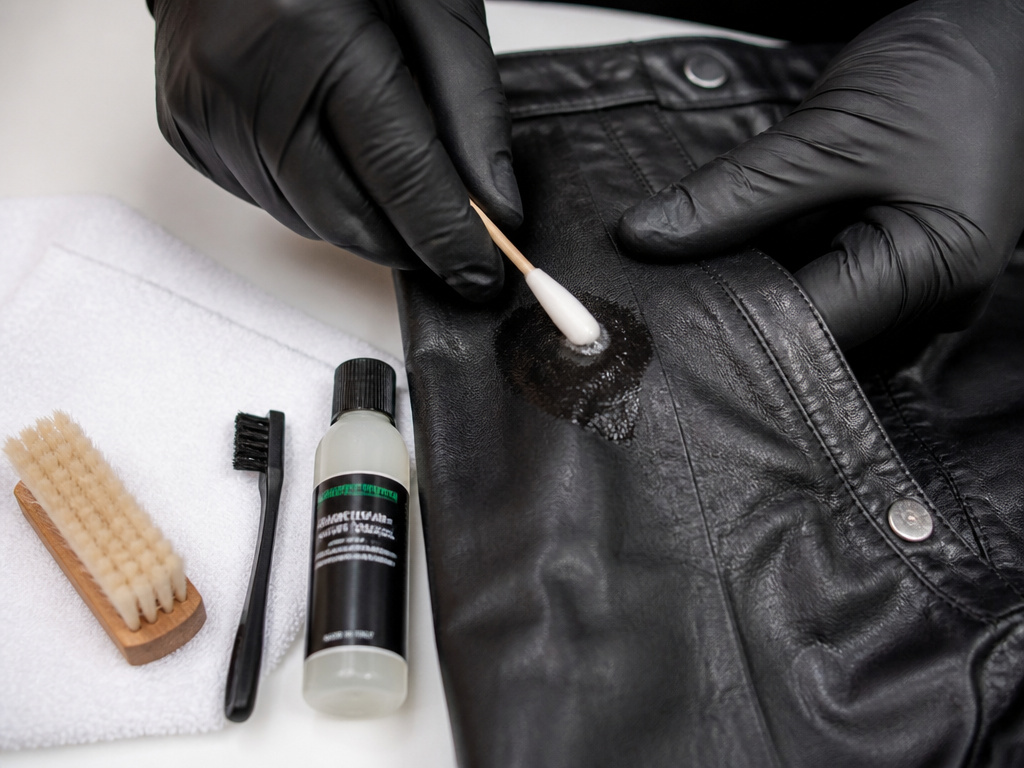
You can handle most upkeep. But some situations require a specialist with the right tools and solutions. Recognizing these limits saves you from turning a fixable problem into a total loss.
The “Critical Condition” Threshold
Dainese explicitly defines this in their regeneration service terms. They may refuse service for items with blood stains or deep-seated mud/dirt that has fully penetrated the leather. Once a stain reaches that point, home remedies risk setting it further or damaging the surrounding area. Professional cleaners have specialized degreasers and dye-setting techniques that can tackle these issues without harming the hide.
Accidental Soaking and Stiffness
If your pants get caught in a downpour and dry stiff, a professional can often revive them. They’ll use a combination of gentle re-wetting, specialized softeners, and controlled drying to relax the fibers. The key is controlled. Attempting this at home with a soak in the bathtub, as some blogs suggest, is a gamble that usually ends with shrinkage.
Complex Garments or Delicate Leathers
Suede, nubuck, or pants with extensive fabric panels or intricate stitching are tricky. Suede’s nap is easily matted by incorrect brushing, and fabric linings can shrink at different rates than leather. A pro knows how to clean each material separately and reassemble the garment correctly. For these, the cost of a specialist clean is cheaper than the cost of a replacement.
The Right Tools for the Job
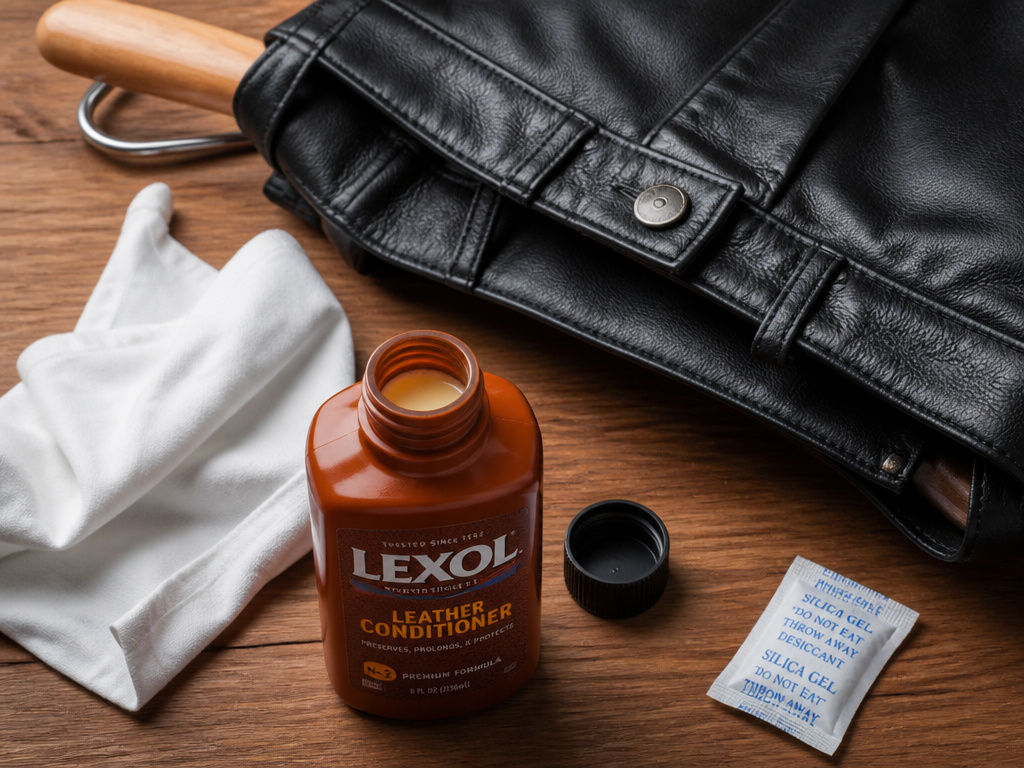
You don’t need a cabinet full of potions. You need three or four specific things, and the quality matters more than the quantity.
Cleaning & Conditioning Kit
A dedicated leather cleaner and conditioner pair is ideal. Look for pH-balanced formulas. For garment care, I prefer liquid conditioners over heavy waxes or pastes. Lexol Leather Conditioner and Bickmore Bick 4 are two that absorb well without leaving a greasy residue. Apply with a soft, lint-free cloth, old t-shirt material works perfectly.
The Correct Hanger
This is the most overlooked tool. A thin wire hanger will distort the shoulders of your pants and create a point load that stretches the material. A wide, padded hanger distributes the weight. Always use the sewn-in hanger tapes or loops. If your pants don’t have them, drape them over the bar carefully, ensuring the weight is evenly distributed across the waistband.
Storage Environment
Leather likes consistency: cool, dry, and ventilated. A damp basement closet is a recipe for mildew. A hot attic will dry it out. If you live in a humid climate, tossing a few silica gel packets into the closet can help control moisture. Never store leather in plastic garment bags long-term; they trap humidity and prevent breathing, which can lead to mold.
| Tool Category | Specific Recommendation | Why It Works | Cheap Alternative That Fails |
|---|---|---|---|
| Conditioner | Lexol Leather Conditioner | pH-balanced, light formula absorbs quickly into garment-weight leather without clogging pores. | Saddle soap or beeswax-based balms, which sit on top and attract dirt. |
| Applicator | Soft, lint-free cotton cloth (e.g., muslin) | Provides gentle friction for application without scratching or leaving lint behind. | Paper towels or rough rags, which can scratch the finish and leave fibers embedded. |
| Hanger | Wide, padded wooden hanger | Distributes garment weight evenly, preventing shoulder distortion and permanent creasing. | Thin wire hanger or plastic clip hanger, which creates pressure points and deforms the leather. |
| Storage Aid | Silica gel desiccant packets | Controls ambient humidity in enclosed spaces, preventing mildew without direct contact. | Plastic storage bins or bags, which trap moisture and cause condensation damage. |
Long-Term Storage & Seasonal Care
You won’t wear leather pants every day. How you put them away determines how they’ll look when you take them out again.
Pre-Storage Cleaning
Never store dirty leather. Oils from your skin, dust, and spills can oxidize and stain the material over months of inactivity. Give them a light surface clean and a conditioning treatment before packing them away. This ensures the leather is nourished and protected during its hiatus.
The Folding Question
The rule is simple: don’t. If you must fold for travel, do it sparingly and never along the same crease repeatedly. For home storage, hanging is always superior. Folding, especially under weight, creates sharp creases that become permanent over time. The leather along that fold dries out faster and can eventually crack.
Checking In
If you’re storing them for a season (like over summer), check on them once midway through. Feel for any unusual dryness or stiffness. If they feel dry, a very light pass with a conditioner cloth is all they need. This proactive touch-up prevents the need for a major restoration later.
Frequently Asked Questions
Can you wash leather pants in a washing machine?
No. Manufacturers like SPRWMN explicitly forbid it. The agitation and water pressure force moisture deep into the leather, which then shrinks and hardens as it dries. The result is irreversible damage, stiff, misshapen pants that will never fit or feel the same.
How often should you condition leather pants?
Good rule of thumb is twice a year, at the change of seasons. If you wear them frequently or in dry climates, you might need to condition them every three to four months. The leather will tell you: when it starts to feel dry to the touch and loses its suppleness, it’s time.
What’s the best way to remove a stain from leather pants?
Act fast. For most spills, a soft cloth dampened with water is enough. For oil or grease, use a cloth with a drop of neutral soap. Dab gently from the outside of the stain inward. Never rub, as this spreads the stain and damages the grain. For stubborn or old stains, consult a professional leather cleaner.
Can you fix leather pants that have gotten stiff?
Sometimes. If the stiffness is from drying out, a thorough conditioning can restore some flexibility. If the stiffness is from heat damage (like being left near a heater), the leather fibers have been cooked and the damage is usually permanent. Prevention through proper drying is always the better path.
Are there different care rules for suede or nubuck pants?
Yes. Suede and nubuck are much more sensitive. Never use standard leather conditioner on them, as it will darken and mat the nap. You need specific suede cleaners and brushes. Water is also a bigger enemy; it can leave permanent dark spots. For these materials, professional cleaning is recommended more often.
How should you store leather pants long-term?
Hang them on a wide, padded hanger in a cool, dry, dark closet. Use the sewn-in hanger loops if available. Ensure there’s space around them so air can circulate. Avoid plastic bags, attics, or basements, as these environments promote mildew, drying, or heat damage.
Before You Go
Here’s some straightforward advice that cuts through the noise. Leather pants are an investment, and their care is simpler than most marketing makes it seem. It boils down to respecting the material.
Stick to the three-step process: clean gently, condition thoughtfully, and dry patiently. Ignore the home hacks involving washing machines, vinegar, or heat. Your biggest lever for long-term life is consistent, light conditioning, it’s maintenance, not a rescue operation. And when in doubt, especially with stains you can’t identify or delicate leathers like suede, a professional cleaner is a cost-effective form of insurance.
So, buy a conditioner like Lexol, get a wide-shoulder hanger, and give your pants the hour they need to dry properly. That’s the entire secret. Everything else is just a variation on that theme. This is a timeless material; treat it with a little timeless patience, and it will pay you back for years.
