
Steps for How to Clean Leather Boxing Gloves Thoroughly
This post contains affiliate links. As an Amazon Associate, we earn from qualifying purchases.
This post contains affiliate links. As an Amazon Associate, we earn from qualifying purchases.
Clean leather boxing gloves by wiping them down inside and out with a damp cloth and a mild, leather-safe cleaner after every use. Let them air dry completely in a well-ventilated area, away from direct heat. For genuine leather, apply a thin coat of a dedicated leather conditioner every 1-2 months to prevent drying and cracking.
That’s the baseline. But the real damage happens in the 48 hours after you stop sweating, when acidity and moisture work together to break down the lining and foam from the inside out. Cleaning isn’t just about smell; it’s about stopping a chemical process that turns a $200 investment into a floppy, unsafe mess within a season.
What follows is a breakdown of that process: the immediate wipe-down that matters most, the monthly deep-clean routine, the specific products that work (and the ones that ruin leather), and the one storage mistake that undoes all your effort.
Key Takeaways
- Human sweat is highly acidic and will break down leather and padding faster than dirt or impact. The first wipe-down is a chemical defense, not just tidiness.
- Never, ever submerge gloves or use a washing machine. Agitation and soaking drive water deep into the foam, creating a damp core that breeds mildew and rots the leather from within.
- Condition genuine leather gloves sparingly, every 1-2 months with a product like Lexol Leather Conditioner. Over-conditioning softens the leather too much, attracts dirt, and can degrade stitching.
- Your hand wraps are the primary sweat barrier. Washing them after every use is the single most effective thing you can do to keep glove interiors cleaner, longer. Airflow is essential. Drying gloves in a closed gym bag guarantees bacterial growth. Use a glove dog or a simple fan to circulate air through the hand compartment overnight.
The Immediate Post-Training Ritual
Open your gym bag two days after a hard session and that unmistakable smell hits you. That’s not just sweat; it’s the byproduct of bacteria feasting on salt and moisture, and the acid in your sweat starting to break down the materials. Everlast points out that our sweat is highly acidic, which directly leads to tears, peeling, and that dreaded loss of padding.
The first wipe-down is a chemical defense. Your sweat’s acidity attacks the leather and lining; wiping it off removes the reactant before the reaction can really start.
So, right after your last round, grab a dry towel and wipe the exterior thoroughly. Get all the surface sweat, dust, and grime. Then, take a slightly damp microfiber cloth and wipe the interior, focusing on the finger stalls and the palm area. Don’t soak it, just damp. Follow up immediately with a dry towel to absorb as much residual moisture as possible. This isn’t about a deep clean; it’s about crisis management, removing the active ingredients of decay before they settle in.
The Deep Clean: Step-by-Step
You need a full clean when you notice a persistent odor or visible grime. This isn’t a daily task, aim for once a month, or every two weeks if you train daily.
What You’ll Need:
- Two clean microfiber cloths
- A bowl of lukewarm water
- A drop of mild, dye-free soap (like Dr. Bronner’s Unscented Castile Soap) or a dedicated leather cleaner
- White vinegar (optional, for odor)
- Leather conditioner (for genuine leather only)
Step 1: Prep and Spot Test.
Make sure the gloves are at room temperature and dry to the touch. Always test your cleaner on a small, inconspicuous area first, like the inside of the wrist strap. Wait a few minutes to ensure it doesn’t discolor the leather.
Step 2: Clean the Exterior.
Dampen one cloth in your soapy water solution and wring it out until it’s just barely wet. Wipe the entire exterior in smooth, even strokes, following the grain of the leather. Don’t scrub. For stubborn marks, let the damp cloth sit on the spot for a minute to loosen the dirt before gently wiping.
Step 3: Address the Interior.
This is where odor lives. For a light clean, use a cloth dampened with only water. For stronger odors, MSM Fight Shop suggests a mild disinfectant like Lysol Multi Surface Cleaner diluted in water. Dampen (don’t soak) your cloth with this solution and wipe the interior lining thoroughly. A splash of white vinegar in water also works as a natural deodorizer, the smell dissipates when dry.
Step 4: The Rinse & Dry.
Take your second cloth, dampen it with clean water, and wring it out well. Wipe down the entire glove, inside and out, to remove any soapy residue. Residue attracts more dirt. Now, dry them with a clean, absorbent towel. Then, the critical part: air drying.
How to Dry Boxing Gloves Correctly (And How Most People Get It Wrong)
The fastest way to ruin a glove is to let it stay damp. Moisture trapped inside breaks down foam padding and causes the leather to rot from the inside.
Where this goes sideways: Putting slightly damp gloves in a gym bag or closet. In 36 hours, the still-moist core becomes a petri dish, and the resulting mildew smell is nearly impossible to remove.
Do:
- Dry them in a well-ventilated room with decent airflow.
- Use a fan pointed near (not directly at) the gloves to circulate air.
- Stuff the fingers with crumpled newspaper or paper towels to absorb internal moisture and help the gloves hold their shape.
- Invest in a glove dog or cedar insert. These are designed to absorb moisture and odor overnight.
Don’t:
- Place them in direct sunlight or near a radiator. Heat bakes and cracks leather.
- Use a hair dryer. The intense, localized heat is devastating.
- Assume they’re dry because the outside feels dry. The padding inside can hold moisture for days.
| Drying Method | Best For | Risk If Skipped/Misused |
|---|---|---|
| Room-temperature airflow | Daily drying after wiping | Gloves stay damp inside, leading to mildew within 2-3 days |
| Fan circulation | Accelerating dry time after a deep clean | Pointing fan directly at leather can cause uneven drying and stiffening |
| Glove dog / Cedar insert | Odor control & moisture absorption between sessions | Forgetting to remove and dry the insert itself |
| Stuffing with paper | Maintaining shape during deep dry | Using glossy or printed paper that can transfer ink |
Conditioning and Protecting the Leather
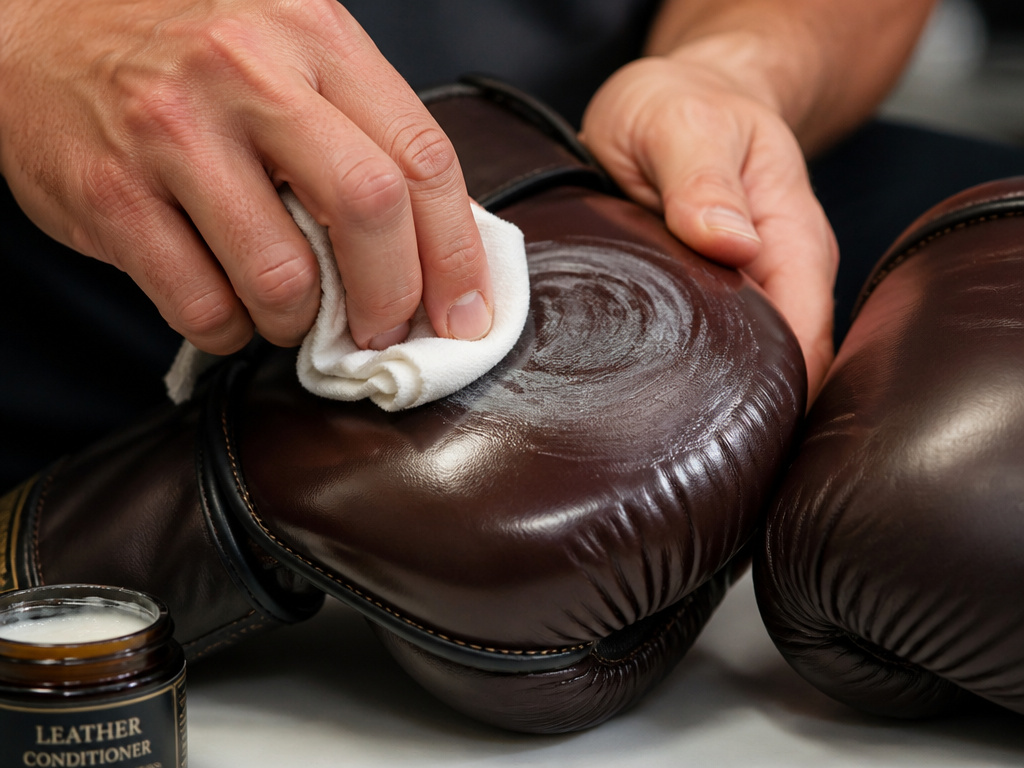
Genuine leather needs hydration to stay supple and prevent cracks. But this is where a little knowledge becomes dangerous. Fairtex warns that too much conditioner can soften the surface excessively and attract dirt.
Think of conditioning like applying a hand-rubbed oil finish to wood. You don’t slather it on; you work in thin, even coats, letting each one be fully absorbed before even thinking about the next.
When to Condition: Only after a deep clean, when the leather is completely dry. For most training schedules, every 4-8 weeks is plenty.
What to Use: A dedicated, high-quality leather conditioner like Lexol Leather Conditioner or Chamberlain’s Leather Milk. Avoid silicone-based “protectors” that sit on top and clog the leather’s pores.
How to Apply:
- Put a small amount on a clean, dry cloth.
- Rub it into the leather using small circular motions. Cover the entire exterior evenly.
- Let it absorb for 15-30 minutes.
- Buff off any excess with a fresh, dry cloth. The glove should not feel greasy or tacky.
This step is not required for synthetic or PVC-based gloves. For a full leather glove care routine beyond boxing, our guide details the nuances for different leather types.
What Not to Do: The Quick-Ruin Checklist
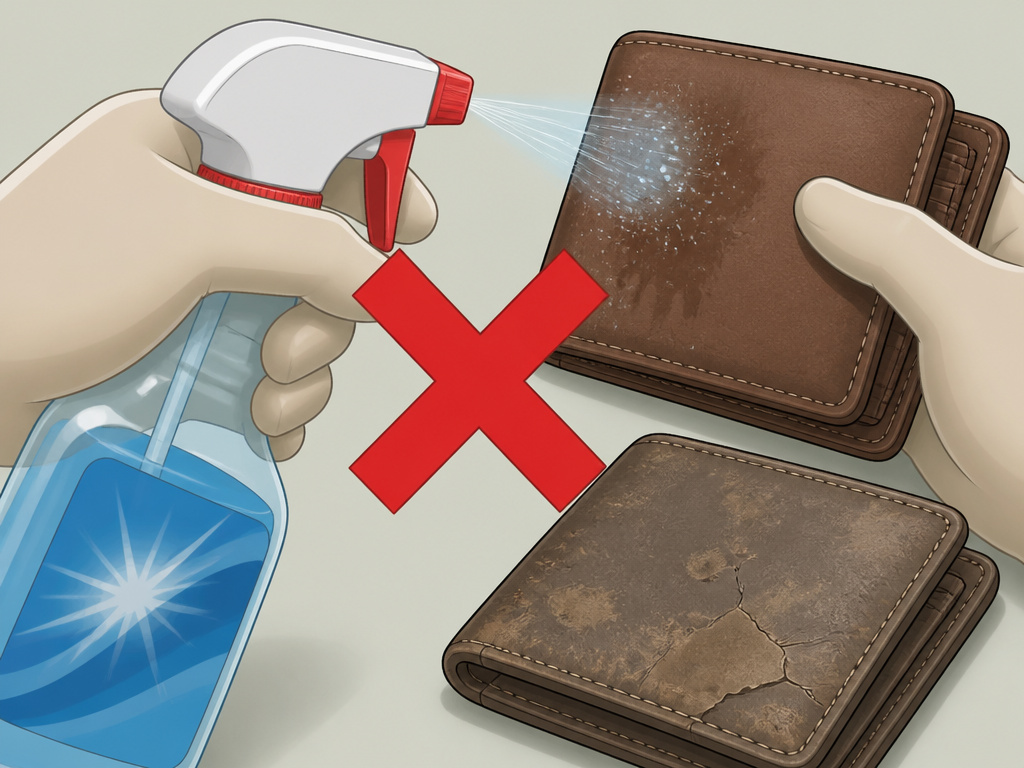
Some mistakes accelerate wear from months to weeks. Let’s be clear about this.
- Never use a washing machine or dishwasher. The agitation destroys the foam’s cell structure and stresses stitching irreparably.
- Never submerge gloves in water. Soaking ruins the leather’s temper and guarantees internal mildew.
- Avoid harsh chemicals. Bleach, ammonia, acetone, or household cleaners will strip the leather’s natural oils and cause discoloration or cracking.
- Don’t use saddle soap unless the gloves are truly filthy. Saddle soap is a cleaner and a degreaser; it can over-strip the oils from leather not designed for it, like many modern boxing gloves.
- Skip the freezer hack. While cold can temporarily suppress odor-causing bacteria, it doesn’t kill them or remove moisture. Thawing can introduce condensation, making the problem worse.
The Supporting Cast: Hand Wraps and Bag Hygiene
Your gloves are only as clean as what goes into them. Think of hand wraps as socks for your hands, they absorb the majority of sweat and salts. Throwing dirty wraps into clean gloves is like putting on dirty socks after a shower.
Wash your wraps after every single use. Toss them in a delicate mesh bag and run them through the washing machine on a gentle cycle with mild detergent. Air dry them. This simple habit is the most effective form of boxing glove maintenance you can perform.
Also, let your gym bag air out. Don’t zip up wet gloves and wraps inside it. Hang the bag open in a dry space. A clean ecosystem keeps all your gear fresher.
Troubleshooting Common Problems
Persistent Odor: If a deep clean doesn’t work, try a baking soda treatment. Sprinkle a generous amount of baking soda inside the dry gloves, let it sit for several hours or overnight, then vacuum or shake it out thoroughly. Baking soda absorbs odors at the source.
Stiff or Cracked Leather: This is often a result of never conditioning or drying with extreme heat. Deep cracks are usually permanent damage, a sign the leather fibers have broken. Prevention is the only cure.
Mold or Mildew: I’ve seen this too often on gear stored in damp places. If you spot fuzzy patches, wipe the area immediately with a cloth dampened with a 50/50 water and white vinegar solution. Dry the gloves extremely thoroughly afterward with maximum airflow. Vinegar kills surface mold spores. If the mold is inside the padding, the glove is likely compromised for good.
When to Retire Them: No amount of cleaning fixes structural failure. Replace gloves when the padding feels flat and lumpy, the wrist support is shot, or the seams are splitting. Protecting your hands is the priority. If you’re shopping for replacements, our review of the best leather boxing gloves cuts through the marketing to the specs that matter.
Frequently Asked Questions
Can I use baby wipes on my boxing gloves?
You can, but check the ingredients. Use only alcohol-free, fragrance-free baby wipes. Alcohol dries out leather. They’re fine for a quick external wipe but aren’t a substitute for a clean with a product like Lexol.
How often should I clean the inside of my gloves?
Wipe the interior with a dry or slightly damp cloth after every training session to remove sweat. Perform the full interior deep clean with a mild disinfectant solution every 2-4 weeks, depending on how much you sweat.
What’s the best leather conditioner for boxing gloves?
Check the product label for a pH-balanced, non-greasy formulation designed for finished leather. Lexol Leather Conditioner is a reliable, widely available choice. Avoid heavy oils like mink oil for boxing gloves; they can over-soften the leather and stain linings.
Can I speed up drying with rice?
It’s not recommended. While rice absorbs moisture, small grains can get stuck deep inside the glove, and it’s less effective than purpose-made absorbers like cedar blocks or silica packs. A fan and newspaper stuffing are more practical.
How do I store boxing gloves long-term?
After a final deep clean and conditioning, ensure they are bone-dry. Stuff them with acid-free tissue paper to hold their shape, place them in a breathable cotton bag (not plastic), and store them in a cool, dry place away from sunlight. Check on them every few months.
The Bottom Line
Cleaning leather boxing gloves isn’t a chore you do when they smell; it’s the maintenance that keeps them safe and functional. The timeline is unforgiving: sweat left for 48 hours starts breaking down padding. A damp glove stored in a bag grows mildew within a week.
So your rule is simple: wipe them out after every use, deep clean them monthly, and condition the leather every couple of months. But the single most important thing? Wash your hand wraps. Every time. That alone doubles the time between the deep cleans your gloves actually need.
Everything else, the specific soap, the conditioner, the drying fan, is just detail work on top of that foundation. Do the basics relentlessly, and a pair of gloves from a brand like FootJoy will last through years of hard rounds, not just one season.
