
The Essential Routine for Caring for Leather Boxing Gloves
This post contains affiliate links. As an Amazon Associate, we earn from qualifying purchases.
This post contains affiliate links. As an Amazon Associate, we earn from qualifying purchases.
To care for leather boxing gloves, control moisture first and condition sparingly. Wipe the exterior with a damp cloth after every session, air-dry the gloves completely away from heat, and use a neutral leather conditioner every 2-3 months of frequent use. This routine prevents the leather from drying out and cracking while stopping the bacteria and odor that ruin gloves from the inside.
The fight isn’t over when the bell rings. It moves to your gym bag, where sweat and heat create a perfect environment for leather to break down. Gloves are ruined by moisture, not punches. That post-training smell is bacteria getting comfortable, and if the hand compartment is still damp the next day, you’re on a fast track to premature wear.
What follows is a maintenance routine built for the reality of training. This guide details the three steps you need after every session, the one tool most people overuse, and why owning two pairs isn’t a luxury if you train daily.
Key Takeaways
- Wipe down and air-dry your gloves after every use. Complete drying is essential; trapped moisture breaks down padding and causes irreversible odor.
- Condition leather sparingly, every 2-3 months for frequent use. Use a neutral-colored leather conditioner in a thin layer; over-conditioning softens the leather and attracts dirt.
- Rotate two pairs of gloves if you train daily. A single pair cannot dry adequately between sessions, leading to accelerated material degradation.
- Never use direct heat (radiators, hairdryers, sun) to dry gloves. Heat dries out the leather, warps the foam padding, and damages glued seams.
- Always train with clean hand wraps or gel gloves. They are the first line of defense, absorbing sweat before it soaks into the glove’s padding.
The Three-Step Post-Training Ritual
Open your gym bag two days after a hard session and you’ll understand the stakes. That wave of heat and smell isn’t just unpleasant; it’s the sound of your investment breaking down. Fairtex puts it plainly: most glove damage doesn’t come from punches. It comes from sweat staying trapped in the hand compartment.
Your routine starts the moment you peel them off. 1. Remove and wash your hand wraps immediately. Never leave sweaty wraps balled up inside. They hold the moisture that soaks into the lining. This is your glove’s first line of defense, if they’re filthy, you’re just sealing that filth in. 2. Wipe the exterior. Use a clean, damp cloth (water only) to wipe down the entire outer surface. You’re removing salt, grime, and surface sweat. Don’t soak the leather; just a pass to lift the dirt. For the interior, a lightly dampened cloth can swipe the reachable lining. The goal is residue removal, not saturation. 3. Dry with airflow, not heat. This is the most important step. Set the gloves in a well-ventilated room, ideally with a fan circulating air. Stuff the fingers with crumpled paper or use a dedicated glove deodorizer to keep the shape and absorb internal moisture. Let them dry naturally.
Common mistake: Storing gloves in a closed gym bag or car trunk overnight. The padding stays damp, and by morning, bacterial growth is already accelerating. The interior will feel cool and slightly damp to the touch, a sure sign it never dried.
This entire process takes about two minutes. Treat it like your cooldown. The alternative is a stiff, funky glove that loses its protective qualities long before the leather exterior shows wear.
Why Moisture is the Real Opponent
Think about the environment inside your glove during a workout: dark, warm, and saturated. It’s a bacterial paradise. The latex or foam padding acts like a sponge. Once sweat penetrates it, drying becomes a slow process. If it doesn’t dry fully, the padding breaks down from the inside, compacting and losing its shock absorption.
The consequence isn’t just smell. It’s protection. Flattened padding transfers more impact to your knuckles. The manufacturer’s specified safety profile, a key reason you bought quality gloves like Cleto Reyes or Fairtex, disappears long before the leather cracks.
This is why sources like Senteso.com state bluntly: training daily? Rotate two pairs. A single pair will not dry in time. Giving each pair 48 hours of dry rest between sessions is the single biggest thing you can do to extend their functional lifespan. It’s not about having a backup; it’s about giving each pair the recovery time it needs.
| Drying Method | Effect on Leather | Effect on Padding | Result |
|---|---|---|---|
| Airflow (Fan, Ventilated Room) | Dries slowly, evenly | Moisture evaporates safely | Preserves structure and safety |
| Direct Sunlight / Radiator | Dries out, becomes brittle | Warps and deforms | Leather cracks, padding lumps |
| Closed Gym Bag | Stays damp | Becomes a bacterial host | Permanent odor, padding breakdown |
Conditioning: Less is More
Here’s where most well-intentioned care goes sideways. Leather conditioner is not a monthly treatment. It’s a periodic replenishment. The Paragon Studio leather care guide recommends conditioning every 2-3 months if used frequently. For occasional use, every 6-12 months is plenty.
The goal is to replenish the natural oils that prevent the leather from drying and cracking. But leather can only absorb so much. Apply too much, or too often, and you’ll leave a greasy film that attracts dirt and can actually soften the leather past its ideal durability.
I learned this the hard way on a vintage bag, not gloves, but the principle is identical. In a rush, I applied too much conditioner. The piece stayed tacky for weeks, collecting dust and losing its desired hand-feel. It was a hassle to correct.
For boxing gloves:
- Use a neutral-colored leather conditioner. This prevents any dye from altering the glove’s color.
- Apply a thin, even coat with a soft cloth. Focus on the high-wear areas: the knuckle zone and the palm.
- Let it absorb fully for at least an hour, then buff off any excess with a clean, dry cloth.
- Do not condition the interior lining or any synthetic materials.
Where this goes sideways: Conditioning after every cleaning or using silicone-based “protectants.” These can clog the leather’s pores, preventing it from breathing and trapping moisture inside. A light, neutral conditioner applied a few times a year provides all the protection quality leather needs.
What Never to Do
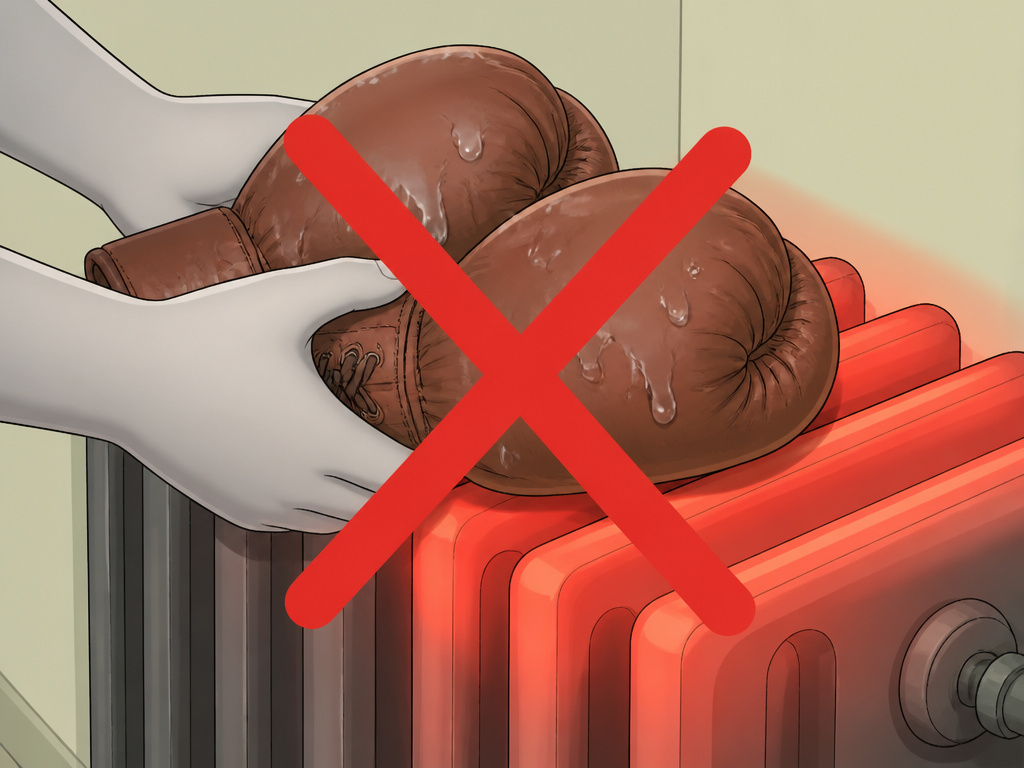 Some mistakes shorten a glove’s life overnight. These aren’t gentle suggestions; they are rules that prevent immediate damage.
- Never machine wash or submerge your gloves. The agitation can deform the padding, stress stitching to the breaking point, and drive water so deep into the foam it never fully dries. You’ll get a clean-looking glove that develops a worse, mildewy smell within a week.
- Never use direct heat to dry them. This includes radiators, hairdryers, and hot car dashboards. Heat rapidly dries the leather’s natural oils, causing it to become brittle and crack. It also warps the foam padding and can melt the adhesives holding the glove together.
- Never store them while damp. Always ensure gloves are completely dry before placing them in any storage bag or box. Trapped moisture is the root cause of rot and mildew.
Following the OEM manual for your specific gloves is always the final word. General care advice adapts to the manufacturer’s design and material choices.
Choosing and Using Support Gear
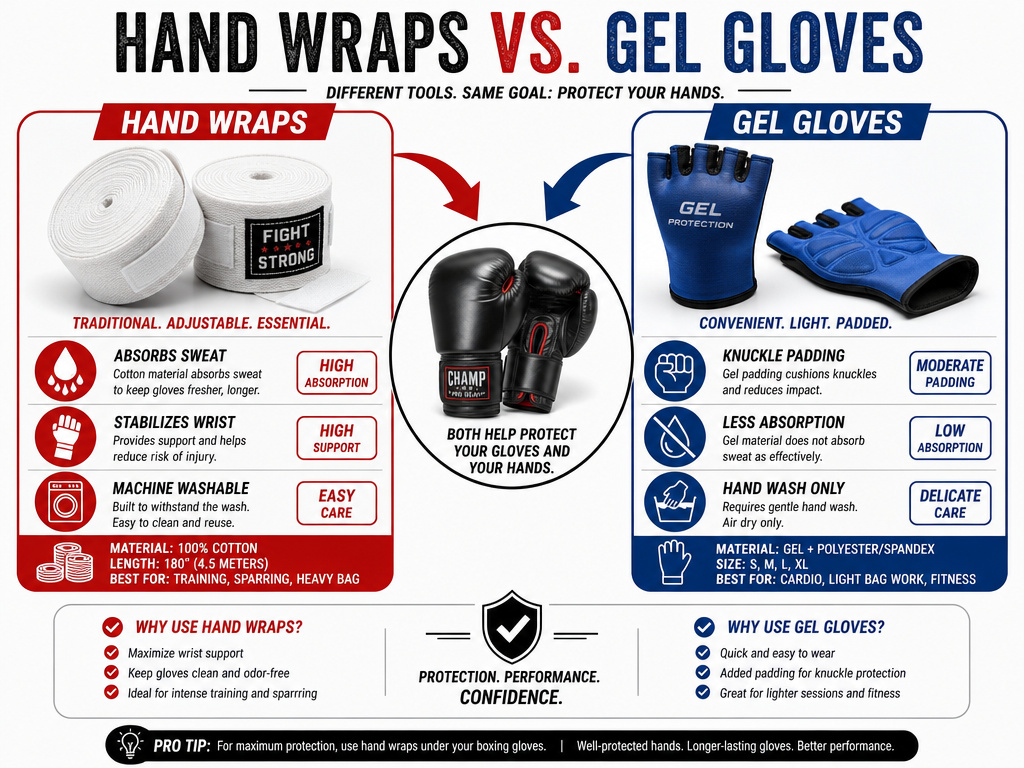 Your gloves don’t work alone. The accessories you use directly impact how much wear and tear the gloves themselves endure.
Hand Wraps vs. Gel Gloves:
- Hand Wraps (Textile): These are the gold standard. They absorb a tremendous amount of sweat, stabilize your wrist, and protect your knuckles. Critically, they are machine washable. Wash them after every use. If you put on dirty wraps, you’re inserting yesterday’s sweat directly into today’s clean glove.
- Gel Gloves (Inner Gloves): These are convenient and offer knuckle padding, but they are not a full replacement for wraps. They absorb less sweat and are often not machine-washable. The gel insert can break down with heat and agitation. They’re a supplement, but don’t let them replace the essential leather glove care.com/how-to-care-for-leather-gloves/) of using a clean barrier.
Using this support gear correctly is a core part of knowing how to clean leather gloves. It turns a deep clean from a weekly chore into a simple wipe-down.
When to Retire Your Gloves
Cleaning and conditioning solve hygiene and prevent aging, but they can’t fix structural breakdown. Replace your gloves when: * The padding over the knuckles feels flat and offers no springback when you press it. * The wrist support (Velcro or lacing) no longer secures your hand firmly. A loose glove is a dangerous glove. * The interior lining is torn or peeling, causing friction on your skin. * Seams are splitting, especially around the thumb.
How long gloves last depends on training frequency, force of impact, and material. Poor care shortens it considerably. Excellent care, paired with choosing from the best leather boxing gloves built with quality cowhide and latex foam, can see a pair from a brand like Fairtex through years of steady training.
Frequently Asked Questions
Can I use saddle soap on my boxing gloves?
I don’t recommend it for modern boxing gloves. Saddle soap is designed for lifting heavy, ground-in dirt and wax from saddles. It’s a strong cleaner that can strip the natural oils from your glove’s leather, leaving it dry and prone to cracking. For routine cleaning, a damp cloth is sufficient.
How do I get rid of a persistent bad smell?
For a deep odor treatment, ensure the gloves are fully dry inside. Then, sprinkle a small amount of baking soda into each hand compartment, let it sit overnight, and shake it out thoroughly the next day. Baking soda absorbs odor but doesn’t replace drying. For persistent issues, dedicated glove deodorizer balls used after every session are the most effective solution.
Will conditioning make my gloves softer?
Slightly, but that’s not the primary goal. The main purpose is to prevent the leather from drying out and cracking. Over-conditioning in an attempt to soften them can oversaturate the leather, making it too pliable and reducing its protective structure. For softening, focus on proper methods to break in leather gloves through gradual use.
Are synthetic leather gloves easier to care for?
They are simpler, but not necessarily easier long-term. You don’t need to condition synthetic materials. However, they are often less breathable than genuine leather, which can trap more moisture inside. The cleaning and, most importantly, the drying routine remains exactly the same. Their lifespan is generally shorter than well-maintained quality leather.
How tight should boxing gloves fit?
Gloves should fit snugly, with your hand making a firm fist inside. There shouldn’t be excess room that allows your hand to slide around upon impact. Your fingertips should gently touch the end of the glove without being crammed. If you’re unsure, a guide on how to size leather gloves can help you get it right, which is crucial for both safety and longevity.
The Bottom Line
Caring for leather boxing gloves boils down to a simple trade: two minutes of discipline after training for months or years of reliable performance. The routine isn’t complicated, wipe, dry, condition sparingly. The hard part is consistency.
If you take one thing from this, let it be the drying rule. Heat is the enemy. Airflow is the answer. Stuff those gloves, point a fan at them, and walk away. That single habit does more to combat odor and preserve padding than any magic spray or cleaner ever will.
And if you train hard more than three times a week, start planning for a second pair. Think of it not as an extra cost, but as dividing the wear across two investments, each of which will last longer because it has time to recover. Your hands, and your nose, will thank you.
