What Is Leather Grain? The 3 Layers That Decide Its Strength
Understand leather grain—the outer layer—with its 3 critical components and how they affect strength, durability, and quality in your leather goods.

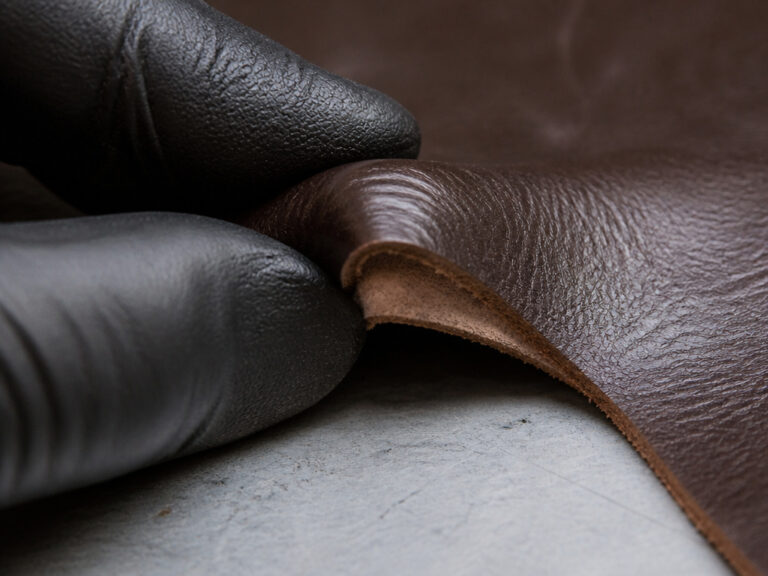
Understand leather grain—the outer layer—with its 3 critical components and how they affect strength, durability, and quality in your leather goods.
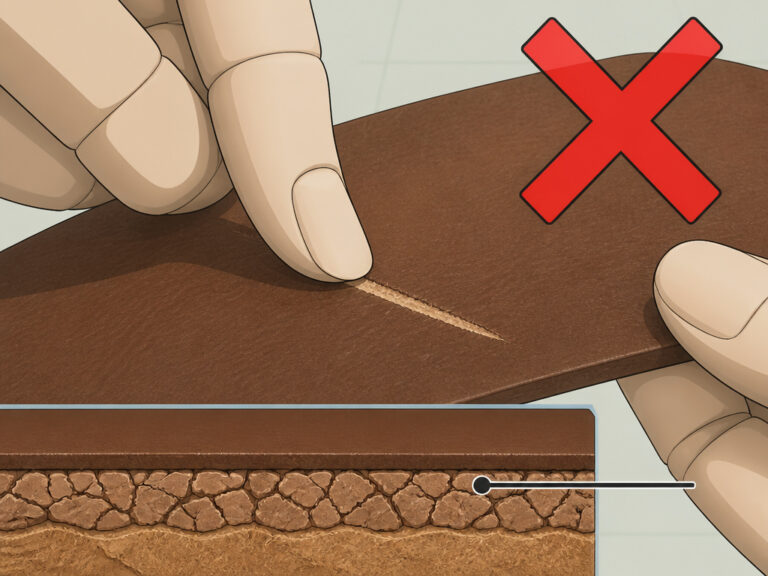
Learn how to test leather quality with physical checks, visual inspections, and simple tests for weight, breathability, and finish integrity.
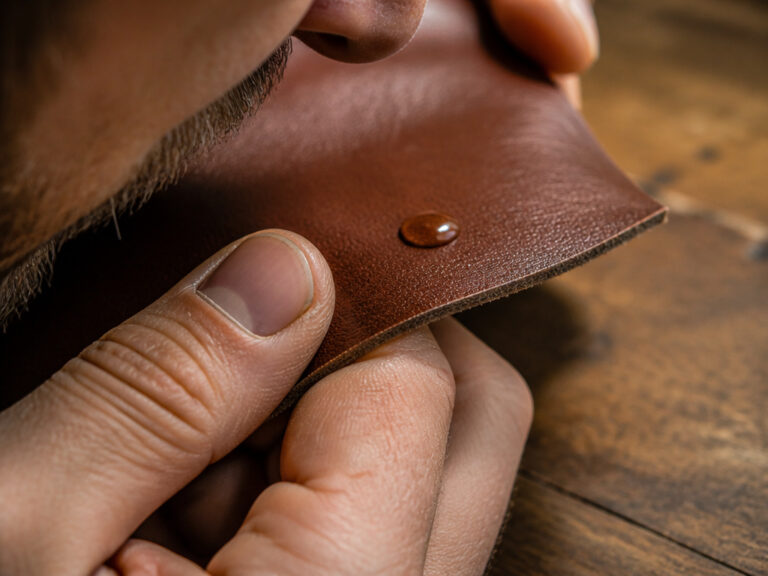
Identify full grain leather with a microscope, touch test, and water drop. Learn the real specs and how to spot corrected grain. No marketing myths.
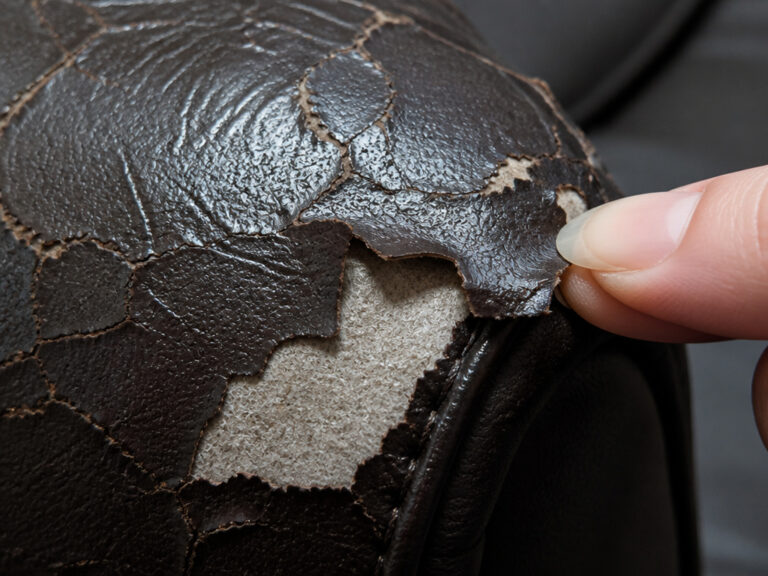
Learn what bicast leather is: a split hide with a PU layer prone to peeling. Discover its flaws and how to identify this material before you buy. Read more now!
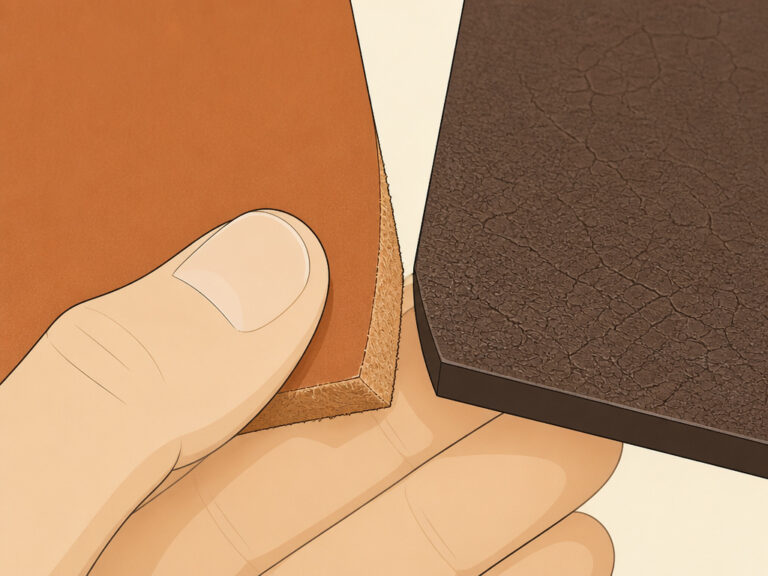
Learn the real difference between top grain and genuine leather to avoid poor quality. Our guide compares durability, feel, and proper applications. Read on!
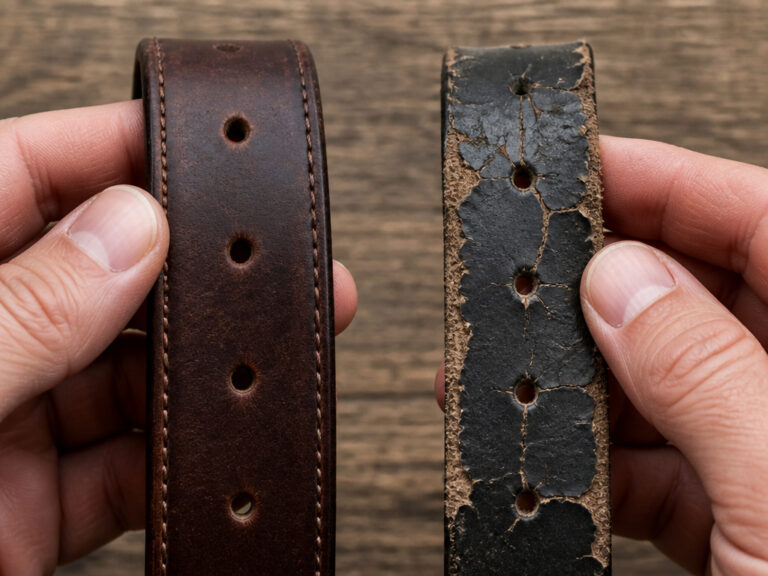
Confused by full grain vs genuine leather? We decode the labels, explain material origins, and show you how to select long-lasting leather. Learn more today!
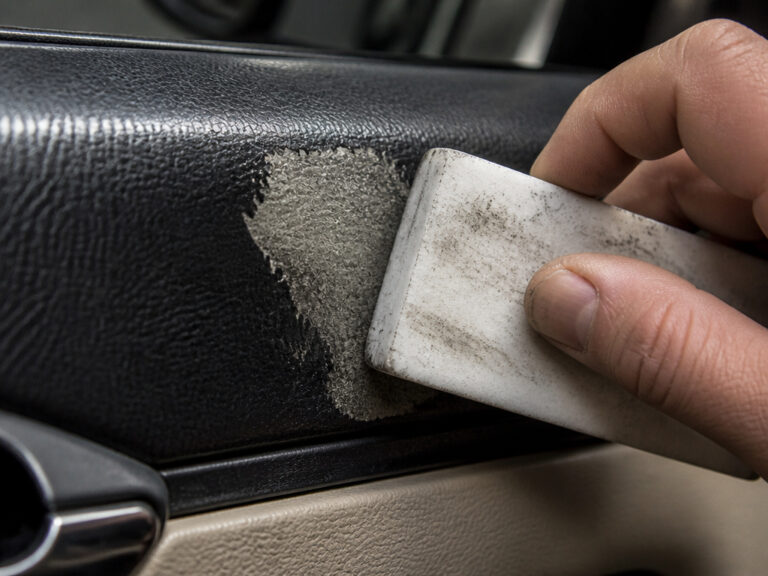
Curious what split leather is? It’s the coated inner layer used in affordable furniture. Understand its properties and performance compared to top grain.
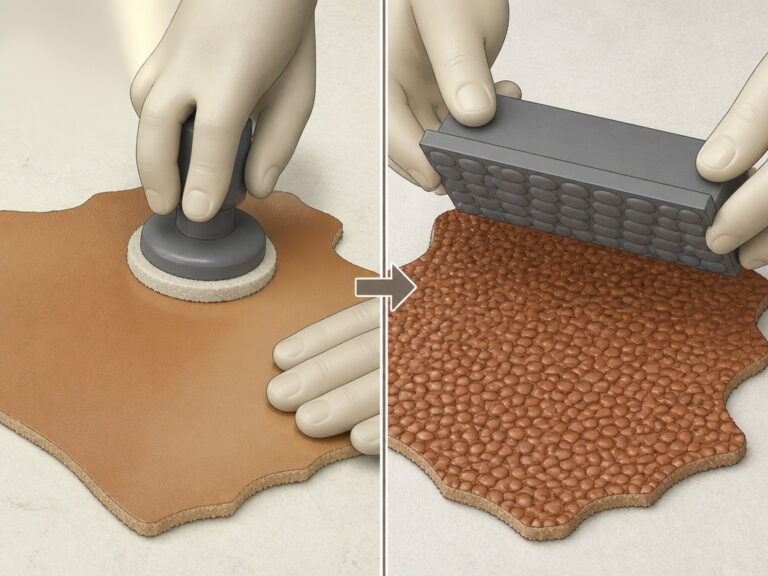
Our guide defines corrected grain leather, explains the manufacturing process, and reveals the practical benefits and drawbacks. Start reading to learn more!
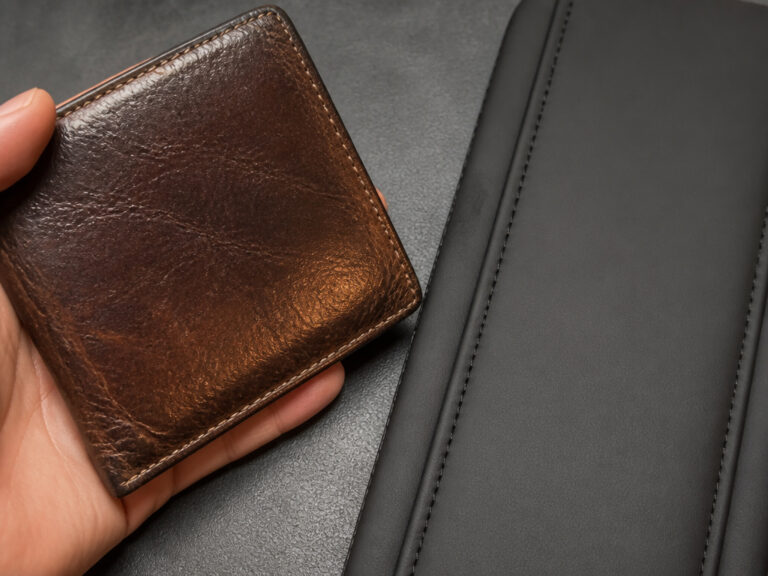
Our full grain vs top grain leather guide clarifies patina, protection, and longevity. Learn which leather grade suits your needs. Get the full story now.
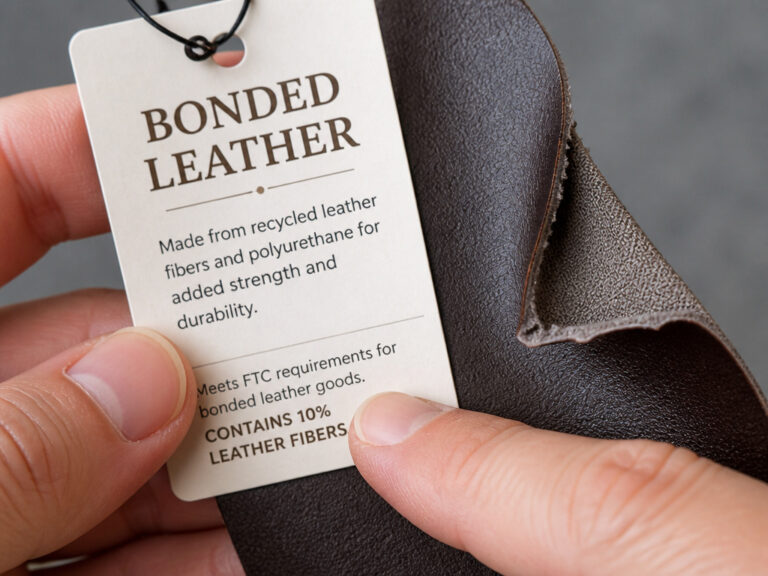
Understand the pros and cons of bonded leather: its low cost and uniform look versus predictable peeling, poor durability, and misleading marketing.
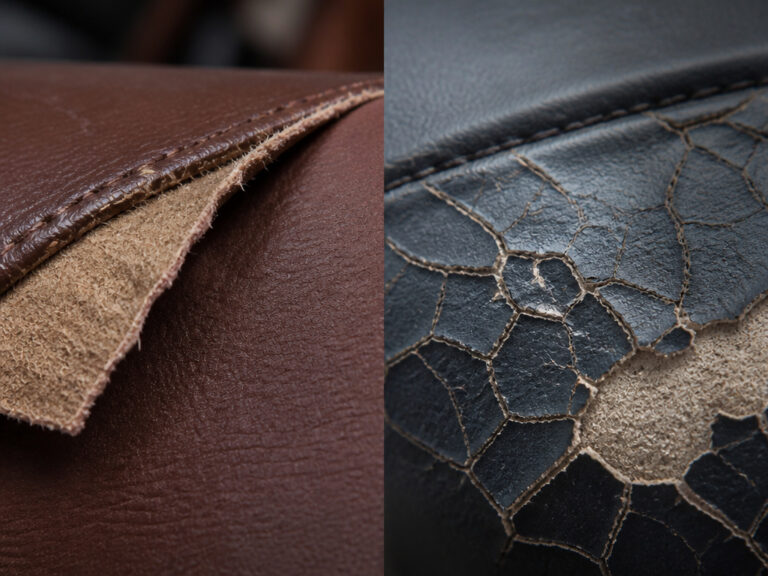
Understand bonded leather vs genuine leather: composition, durability, and why one peels in months. Make confident choices with this practical breakdown.
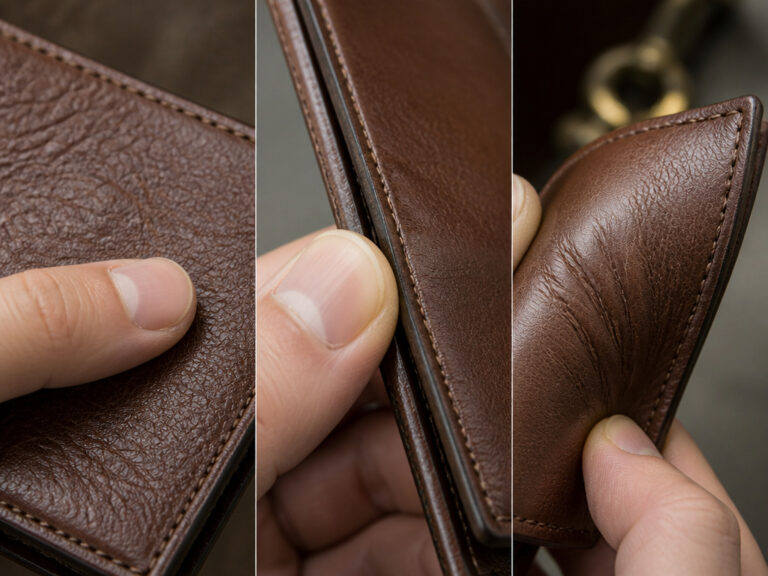
Weigh the pros and cons of full grain leather. Discover why its durability and aging process justify the cost and maintenance required. Dive in!