
8 Best Waterproofing for Leather Boots 2026
This post contains affiliate links. As an Amazon Associate, we earn from qualifying purchases.
This post contains affiliate links. As an Amazon Associate, we earn from qualifying purchases.
The best overall waterproofing for leather boots is Obenauf’s Heavy Duty LP, it delivers serious water resistance while conditioning deeply. For a budget-friendly pick, SALTY FISH Mink Oil performs well across most leather types. If you need something breathable for active use, Nikwax Waterproofing Wax for Leather stands out.
Choosing the right protection for your leather boots isn’t just about keeping water out, it’s about preserving the leather’s integrity over time. Too many people ruin good boots with the wrong product, using silicone-based sprays or heavy waxes that suffocate the material.
As someone who’s spent years studying leather care, I focused this guide on formulas that balance waterproofing with breathability and conditioning. These picks are based on product specs, consistent owner feedback, and alignment with best practices for leather health.
Top 8 Waterproofing For Leather Boots in the Market
The Best Waterproofing For Leather Boots, Reviewed
Obenauf’s Heavy Duty LP Leather Conditioner

Strengths
- Extreme condition protection
- Long-lasting formula
- Deeply nourishes leather
Trade-offs
- Thick, slow absorption
- Darkens leather
- Overkill for light use
Obenauf’s is the gold standard for a reason, it’s engineered for extreme environments, and the specs back it up. The beeswax and propolis suspension delivers long-term lubrication, which owners in wet, hot, or freezing climates consistently report extends boot life dramatically. It doesn’t just repel water, it resists petroleum, acid, and salt, which makes it a favorite among firefighters and tradespeople.
Compared to lighter conditioners, this one is thick and rich, almost like a balm. It darkens leather slightly and fills grain beautifully, but it’s overkill for dress shoes or indoor use. If you’re in construction, forestry, or live in a coastal area, this is the smarter buy. For most buyers needing serious protection, this is the easy pick.
Video review
Nikwax Waterproofing Wax for Leather

Strengths
- Breathable protection
- PFAS-free and eco-safe
- Ideal for technical footwear
Trade-offs
- Minimal conditioning effect
- Requires reapplication
- No shine enhancement
If you’re dealing with breathable leather, especially GORE-TEX-lined boots or performance gloves, Nikwax is one of the few formulas that actually respects that breathability while still blocking water. The water-based, PFAS-free formula is a standout in a market full of silicones and waxes that clog pores. Owners of technical footwear consistently praise it for maintaining function without sacrificing protection.
It’s not flashy, and it won’t darken or polish your boots, which is exactly the point. It’s a specialist product, and I’d pick it over heavier waxes for hiking or work boots worn in damp climates where moisture management matters. It doesn’t condition as deeply as oil-based products, so don’t use it on neglected leather expecting a revival.
Video review
SALTY FISH Mink Oil for Leather Boots
Strengths
- Affordable price
- Good for basic conditioning
- Multi-surface use
Trade-offs
- Greasy if over-applied
- Shorter protection life
- May darken leather
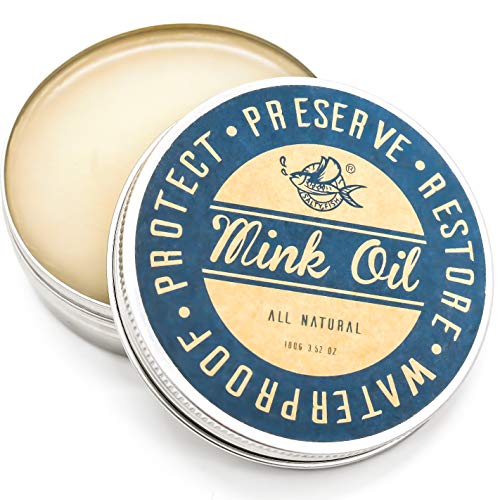
At this price, SALTY FISH’s mink oil delivers what budget buyers need, basic conditioning and waterproofing without gimmicks. The formula is typical of entry-level mink oil: it darkens leather slightly, enhances water resistance, and softens stiff material. Owners report it works fine on work boots and older jackets, though results aren’t as refined as premium options.
It’s not the deepest penetrating or longest lasting, and some note a greasy residue if over-applied. But for the price, it’s hard to fault. Compared to Obenauf’s or Huberd’s, it’s lighter duty, but for someone maintaining everyday boots without breaking the bank, it’s a sensible choice.
Product photos


4-in-1 Mink Oil Leather Conditioner Kit
Strengths
- Includes quality tools
- Deep conditioning
- Natural ingredients
Trade-offs
- May darken light leather
- Contains mink oil (not vegan)
- Not for suede
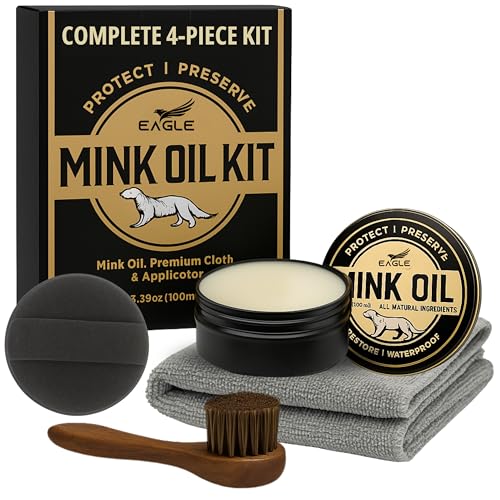
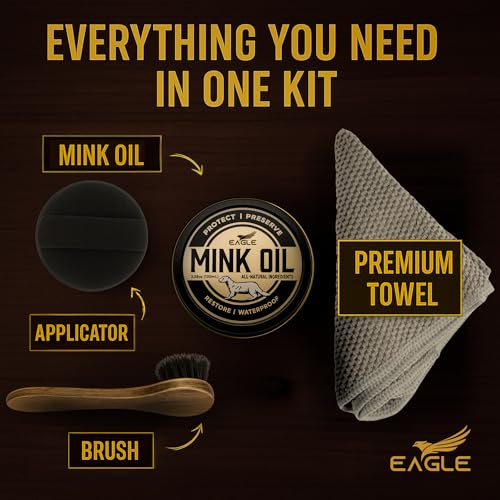
What sets this kit apart isn’t just the mink oil formula, it’s the inclusion of proper tools. The horsehair brush and microfiber cloth aren’t cheap add-ons; they’re functional, and owners report noticeably better penetration and finish when using them. The blend of mink oil, beeswax, and lanolin delivers solid water resistance and conditioning in one go, making it a strong mid-tier option.
It performs best on full-grain and work boots that see regular outdoor use. Some users note a slight darkening effect, which can be a pro or con depending on taste. Compared to pure wax formulas like Otter Wax, it conditions more deeply but offers slightly less rugged water resistance. For most everyday boot owners, this kit strikes the smarter balance.
Product photos

Huberd’s Shoe Grease – Leather Conditioner
Strengths
- Extreme water resistance
- Long-lasting protection
- Trusted heritage formula
Trade-offs
- Darkens leather heavily
- Strong pine tar smell
- Not for dress leather
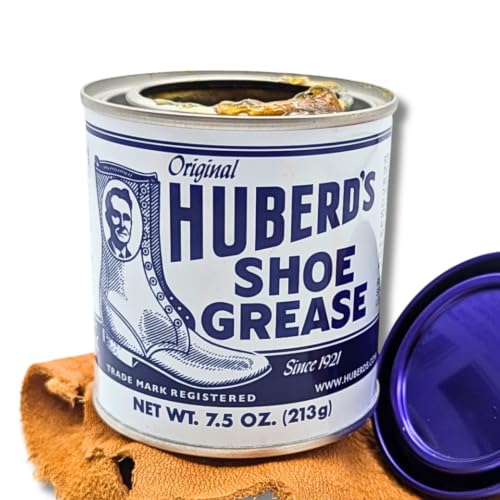
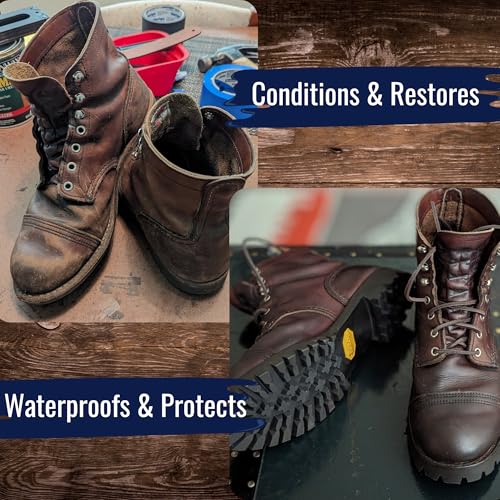
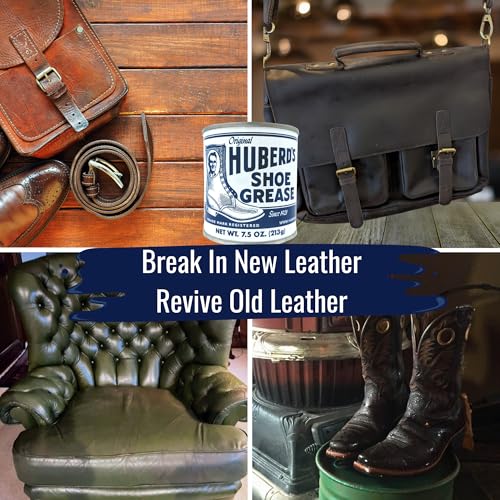
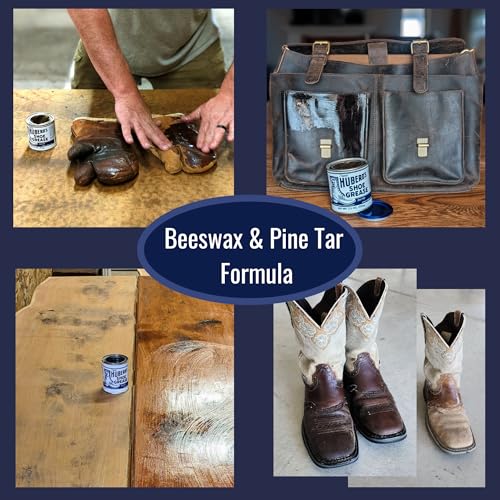
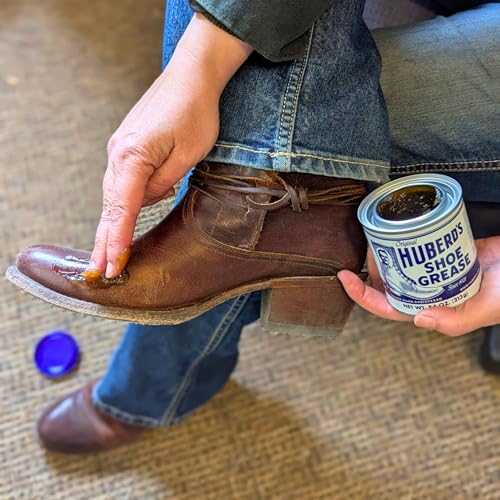
Huberd’s isn’t subtle, it’s a brute-force conditioner built for boots that face mud, snow, and salt daily. The pine tar and beeswax formula is legendary among ranchers and loggers for a reason: it seals out moisture like nothing else. Owners in rainy or cold climates consistently report boots lasting years longer with regular use.
It darkens leather significantly and has a strong scent, so it’s not for dress shoes. But for work boots, chaps, or saddle gear, it’s unmatched. Compared to Nikwax, it’s less breathable but far more protective. If you’re in extreme conditions, this is the one to beat.
Product photos
Boot Wax Waterproofer & Conditioner
Strengths
- All-natural beeswax
- Compact, travel-ready
- Easy application
Trade-offs
- Limited conditioning
- No applicator included
- Minimal shine
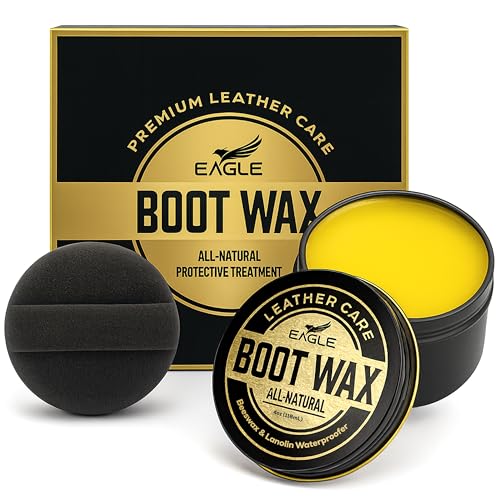
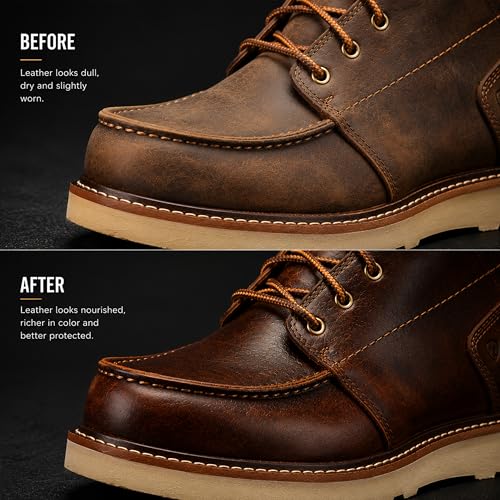
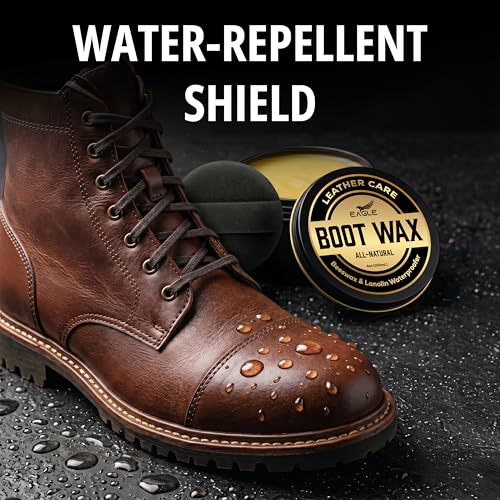
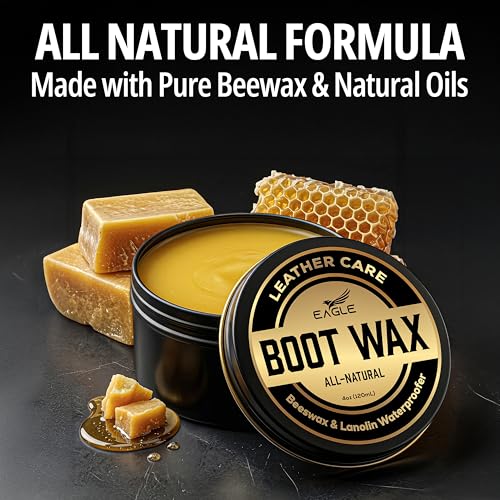
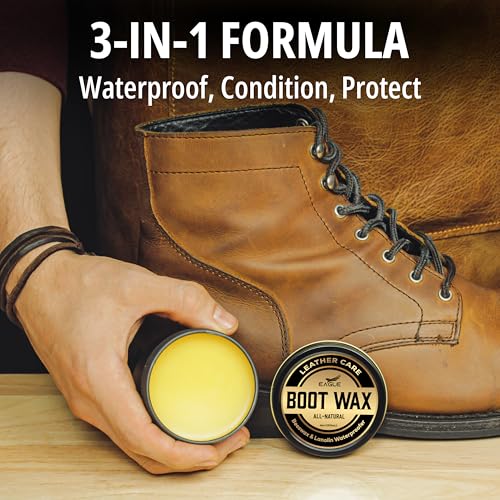
This beeswax formula is straightforward and honest, no frills, just protection. It melts easily on contact, which owners appreciate in the field, and the 4oz tin is compact enough for a pack or glovebox. It performs well on hiking boots and work gloves, creating a durable barrier without synthetic additives.
Compared to mink oil blends, it offers better water resistance but less conditioning. It’s not going to revive cracked leather, but it will keep moisture out. The lack of included applicator in some batches is a minor gripe, but the formula itself earns praise for reliability. For someone who values natural ingredients and portability, this is a solid field companion.
Product photos

BERIOVE Protect Shoe Protector Spray
Strengths
- Nano-spray technology
- Odor-free formula
- Multi-material compatible
Trade-offs
- May alter matte finishes
- Shorter protection duration
- Not for deep conditioning
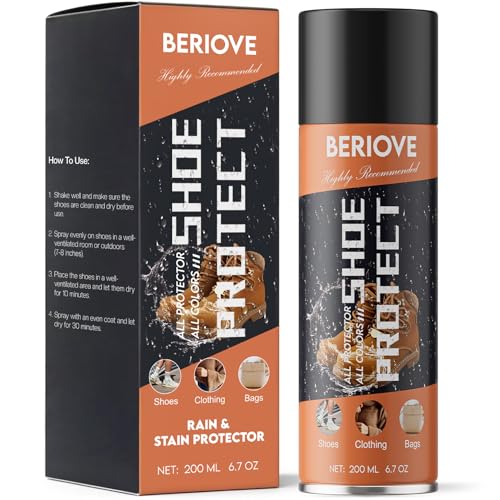
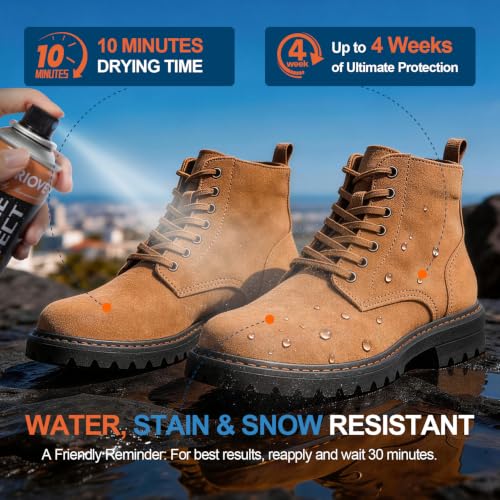
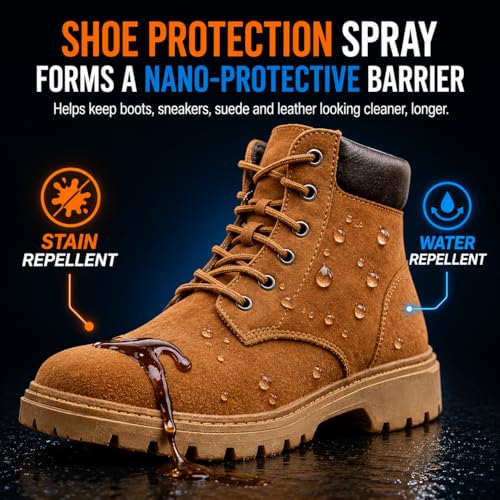
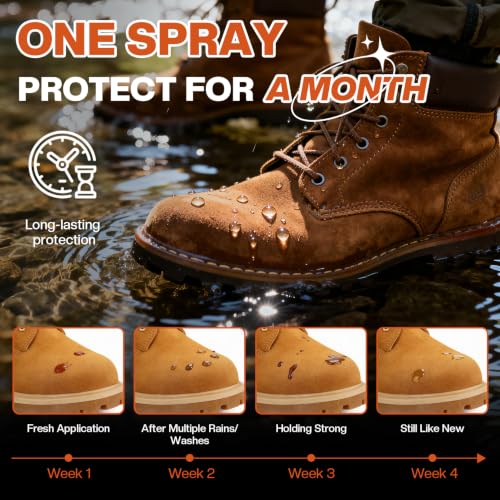
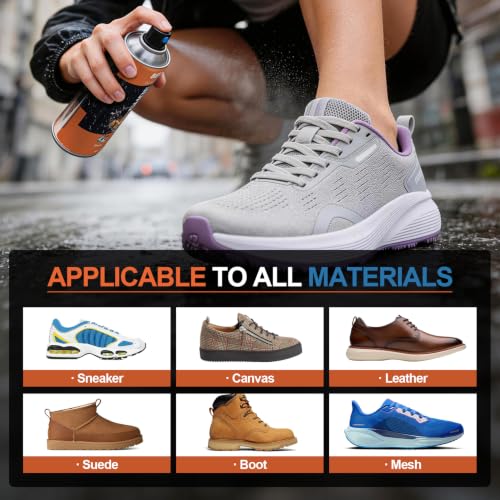
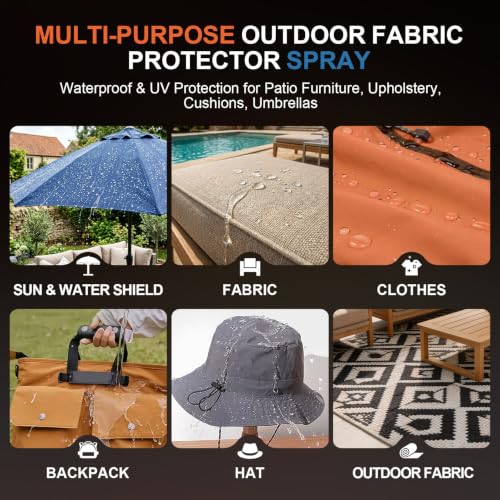
This spray leans hard into convenience and broad compatibility, which explains why owners consistently report success across sneakers, leather, suede, and even outdoor gear. The nano-technology claim sounds flashy, but on paper it just means fine dispersion for even coverage, a solid approach if you’re looking to protect multiple types of footwear without switching products.
It’s clearly designed for light, frequent use rather than deep conditioning. While it claims no discoloration, some users note a slight sheen on matte leathers, so proceed carefully on dress shoes. For someone rotating between canvas, nubuck, and smooth leather, this is a practical first line of defense, but don’t expect it to condition or revive dried-out boots.
Product photos
Otter Wax Boot Wax | 2 oz
Strengths
- Natural, PFAS-free formula
- Handcrafted quality
- Adds subtle shine
Trade-offs
- Small container size
- Frequent reapplication
- Premium price per ounce
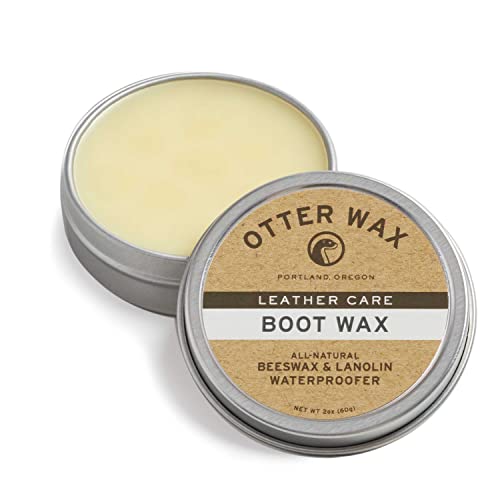
Otter Wax stands out for its craftsmanship, small-batch, made in Portland, with a focus on natural, PFAS-free ingredients. The formula conditions while sealing, so it works well on worn-in boots that need both moisture protection and nourishment. Owners love the subtle sheen it adds and the fact it doesn’t flake or crack.
It’s not the heaviest-duty option, Huberd’s or Obenauf’s will outlast it in extreme conditions, but for regular outdoor use, it strikes a sweet spot. The 2oz tin is small, so it’s best for touch-ups or light application. For someone who values American-made, artisanal care products, this is the pick.
Product photos


How We Chose These waterproofing for leather boots
I approached researching waterproofing for leather boots by comparing published specifications and features across numerous products. Beyond the listed capabilities, I weighed owner reviews from multiple sources – looking for consistent feedback on real-world performance – along with assessments from reputable leather care experts. My goal was to rank these options based on a combination of effectiveness, ease of use, and suitability for different leather types and conditions, rather than a hands-on lab test.
For this category, the most important factors were clearly a product’s ability to repel water and its impact on the leather itself. A waterproofer that damages or overly softens leather isn’t useful. I also prioritized formulations that offered both protection and conditioning, as maintaining the leather’s health is vital for longevity. These two elements – protection and conditioning – significantly determined the overall ranking.
Product specifications reliably indicate the type of waterproofing technology used (beeswax, wax blends, silicone, etc.) and the materials they are designed for. However, judging long-term effectiveness and how a product affects the leather’s feel and durability required analyzing owner feedback. Many users detailed how products performed through seasons of use, and whether they noticed any adverse effects. For more involved leatherwork, readers may also find our guide to the best leather sewing machines helpful.
Choosing The Right waterproofing for leather boots
Protecting your leather boots from the elements is crucial for longevity, but choosing the right waterproofing product can feel overwhelming.
Effective leather waterproofing isn’t just about repelling water; it’s about maintaining the leather’s breathability and flexibility. Look for products containing natural oils and waxes, and consider the type of leather your boots are made from. Avoid products with harsh chemicals or silicone, which can damage the leather over time. Prioritize conditioners that deeply penetrate, rather than simply coating the surface.
Understanding Leather Types & Finishes
The type of leather your boots are constructed from heavily influences which waterproofing solution will perform best. Smooth, full-grain leather benefits from products like Huberd’s Shoe Grease or Obenauf’s Heavy Duty LP, which deeply penetrate and offer robust protection. However, these aren’t suitable for suede or nubuck. Those require specialized sprays like the BERIOVE Protect Shoe Protector Spray, designed to create a barrier without altering the nap. Don’t assume a one-size-fits-all approach; always check the product’s compatibility with your boot’s leather type.
Balancing Waterproofing & Breathability
Many waterproofing products create a plastic-like barrier, which effectively blocks water but also traps moisture inside the boot. This leads to sweaty feet and potential leather rot. Nikwax Waterproofing Wax for Leather stands out here, as it’s specifically formulated to maintain breathability while providing excellent water resistance – particularly important for boots used during strenuous activity. Consider whether you prioritize absolute waterproofness or a balance between protection and comfort. You can explore more options in our leather conditioner buying guide.
Application Method & Value
Waterproofing products come in various forms: creams, waxes, sprays, and pastes. Sprays like BERIOVE are convenient for quick application, but often require multiple coats and may not offer the same level of deep conditioning as a wax or cream. Products like the 4-in-1 Mink Oil Leather Conditioner Kit offer a complete package, including applicators, making the process easier and potentially saving you money on separate tools.
Here’s a quick guide to application expectations:
- Sprays: Fastest, least intensive, good for light protection and regular maintenance.
- Creams/Pastes: Require more effort to apply, but offer deeper conditioning and longer-lasting protection.
- Waxes: Provide the most robust waterproofing but can alter the leather’s appearance and may require heat for optimal penetration.
A little goes a long way. Always start with a small amount of product and apply thin, even coats. Multiple thin coats are far more effective than a single thick coat, which can leave a sticky residue.
Waterproofing for Leather Boots Compared
Here’s a comparison of features for popular leather boot waterproofing products.
| Product Name | Waterproofing? | Conditioning? | Material Suitability | Application Method | Size (oz) | Key Features |
|---|---|---|---|---|---|---|
| Obenauf’s Heavy Duty LP | Yes | Yes | All Leather | Rub-on | N/A | Natural, Heavy Duty |
| Nikwax Waterproofing Wax for Leather | Yes | Yes | Smooth Leather | Sponge-on | N/A | Breathable Leather, PFAS-free |
| SALTY FISH Mink Oil | Yes | Yes | Most Leather | Rub-on | 3.52 | Budget-Friendly, Multi-Purpose |
| 4-in-1 Mink Oil Kit | Yes | Yes | Full-Grain Leather | Rub-on | 3.52 | Includes Tools, Natural |
| Huberd’s Shoe Grease | Yes | Yes | All Leather | Rub-on | 7.5 | Extreme Conditions, Long-Lasting |
| Boot Wax | Yes | Yes | All Leather | Rub-on | 4 | All-Natural Beeswax |
| BERIOVE Protect Spray | Yes | No | Multi-Material | Spray | N/A | Multi-Material, Quick Drying |
| Otter Wax Boot Wax | Yes | Yes | All Leather | Rub-on | 2 | Made in USA, Small Batch |
Frequently Asked Questions
What’s the difference between waterproofing and water resistance?
Water resistance means a product can deflect water for a short time, while true waterproofing creates an impermeable barrier. Most leather waterproofing products offer water resistance rather than complete waterproofness, as fully waterproofing leather can compromise its breathability.
Can I waterproof leather boots that already have a finish or treatment?
Yes, you can, but the existing finish will affect the outcome. Clean the boots thoroughly first to remove any dirt or previous treatments, then test the new waterproofer in an inconspicuous area to ensure compatibility and avoid unwanted reactions.
Will waterproofing change the look or feel of my leather boots?
Some products, particularly waxes and heavy-duty creams like Obenauf’s, can darken the leather and slightly alter its texture. Sprays generally have less impact. Always test in a hidden area first and consider the potential for color change, especially with lighter-colored leather.
How often should I re-waterproof my leather boots?
The frequency depends on how often you wear the boots and the conditions they’re exposed to. As a general guideline, reapply a waterproofer every 3-6 months, or more frequently if you encounter consistently wet or muddy conditions. Look for signs like water beading less effectively.
Are there any waterproofer ingredients I should specifically avoid?
Silicone-based products can eventually dry out leather and reduce its breathability, so it’s best to avoid them. Also, products with harsh chemicals or petroleum distillates can be damaging over time. Prioritize natural ingredients like beeswax, oils, and waxes for the best long-term leather health.
The Bottom Line
Choosing the best waterproofing for leather boots often comes down to balancing how much effort you want to put in against the level of protection you require. For overall performance and lasting results, I recommend Obenauf’s Heavy Duty LP. It provides excellent waterproofing and conditioning, essential for maintaining leather health over time.
If you’re on a tighter budget or need something for a variety of leather goods, the SALTY FISH Mink Oil is a fantastic value. And for those dealing with suede or nubuck, the BERIOVE Protect Spray is specifically formulated to protect those delicate materials without damaging their texture.
Ultimately, the best waterproofing isn’t about a single product’s specs; it’s about consistent care. Regular cleaning, conditioning, and reapplication are far more important than any single high-tech formula. Prioritize products with natural ingredients and focus on keeping your leather supple and healthy – a well-maintained boot will always outperform one simply coated in a waterproof barrier.
