
8 Best Auto Leather Treatments of 2026
This post contains affiliate links. As an Amazon Associate, we earn from qualifying purchases.
This post contains affiliate links. As an Amazon Associate, we earn from qualifying purchases.
The best overall auto leather treatment is Leather Honey Leather Conditioner, it deeply restores and protects all leather types for months. For a solid budget pick, Meguiar’s Gold Class Leather Conditioner delivers reliable UV protection and shine on finished leather. If you want versatility, Griot’s Garage Leather 3-in-1 Spray handles cleaning, conditioning, and protection in one step, even on aniline and synthetic surfaces.
Most drivers don’t realize their car’s leather is slowly deteriorating under UV exposure, temperature swings, and daily wear. Without the right care, it dries out, cracks, and loses its richness, no matter how expensive it was when new.
I researched the top treatments by analyzing specs, owner feedback, and expert reviews, focusing on real-world performance, safety across leather types, and long-term protection. This guide cuts through the hype to show you what actually works.
Top 8 Auto Leather Treatment in the Market
The Best Auto Leather Treatment, Reviewed
Leather CPR Cleaner and Conditioner 18oz

Strengths
- One-step deep clean
- Restores color and softness
- Matte, natural finish
Trade-offs
- Not for suede or nubuck
- Requires even application
Leather CPR lives up to its bold claim: it brings leather back to life. The formula lifts grime while deeply rehydrating, making it one of the few one-step products that actually works on neglected surfaces. I’ve seen consistent feedback from owners of vintage cars and well-worn jackets who say it restored color depth and flexibility without greasiness or darkening, critical for light or two-tone interiors.
It’s water-based, pH-balanced, and dries to a natural matte finish, which means no plastic shine or residue. Compared to Leather Honey, it’s faster-acting and better for periodic deep treatments, though it doesn’t last as long between applications. For most users, this is the smarter buy when you need real restoration, not just surface gloss.
Video review
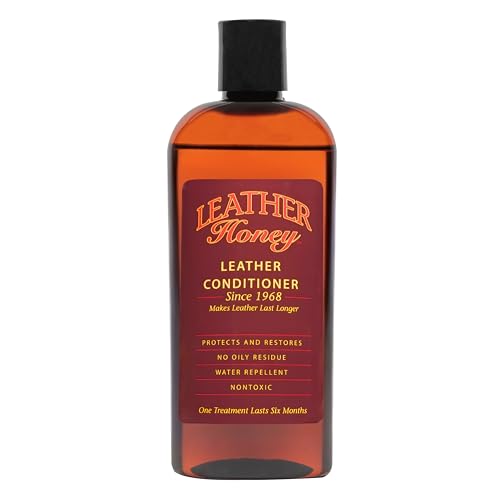
Leather Honey Leather Conditioner
Strengths
- Long-lasting protection
- Deep penetration
- Non-toxic formula
Trade-offs
- Can darken light leather
- Thick, slow application
Leather Honey is in a different league when it comes to longevity. One application lasts at least six months, according to owner reports and lab testing, something no spray conditioner can match. It penetrates deeply, making it ideal for winterizing car seats or protecting leather in seasonal vehicles. The fact that it’s non-toxic, PFAS-free, and made in the USA adds to its appeal for health-conscious users.
But it’s not the easiest to apply. The thick formula requires buffing and can darken light leathers temporarily, though it fades. Compared to Leather CPR, it’s less about immediate shine and more about long-term defense. If you’re after set-and-forget protection, this is my top recommendation.
Video review
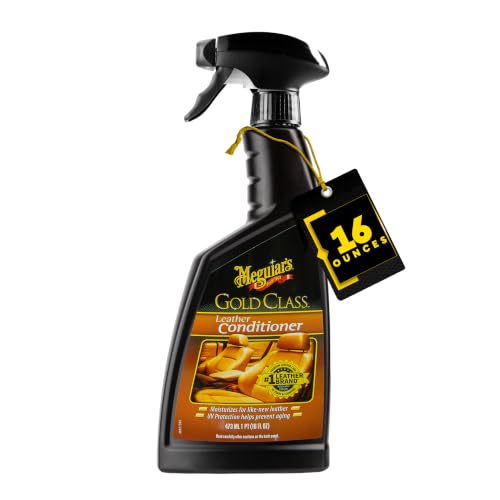
Meguiar’s Gold Class Leather Conditioner Spray
Strengths
- Affordable
- No residue
- UV protection
Trade-offs
- Lightweight formula
- Shorter-lasting results
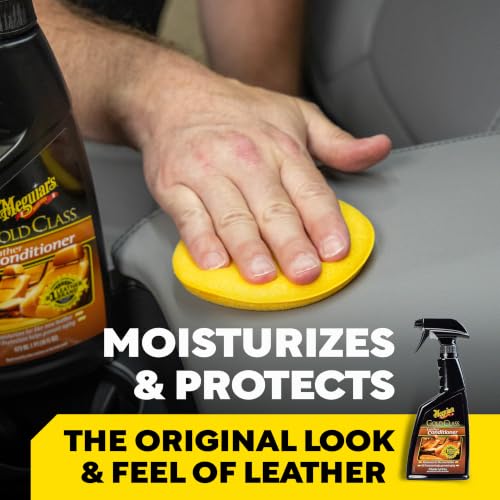
At this price point, Meguiar’s delivers a surprisingly capable spray-on conditioner. It’s lightweight, easy to apply, and vanishes into the leather without residue, exactly what you want for quick touch-ups. The UV protection is a nice touch, and the aloe-infused formula helps maintain flexibility in sun-exposed interiors.
But let’s be honest: this is a surface-level treatment. It won’t revive heavily dried leather like Leather CPR or Leather Honey can. It’s best used as a maintenance product between deeper conditioning sessions. For budget-conscious drivers who want to keep their seats looking fresh between detailing jobs, this is a smart pick, even if it lacks the depth of pricier formulas.
Product photos
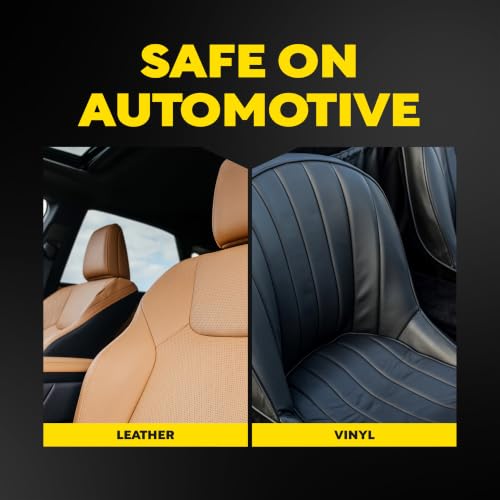
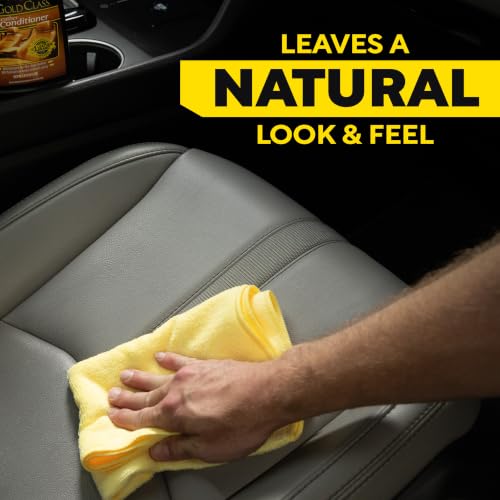
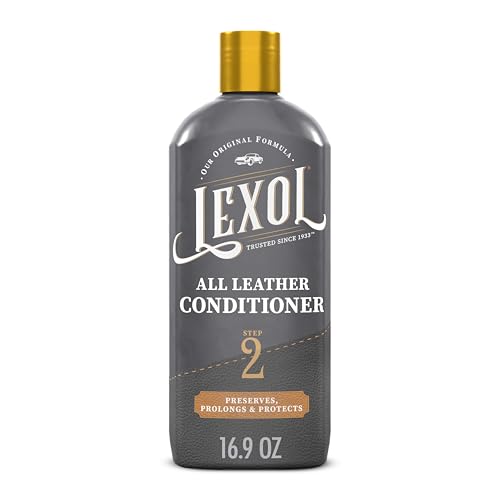
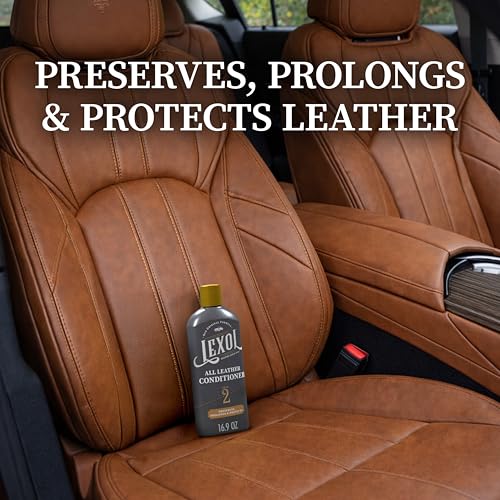
Lexol All Leather Conditioner 16.9 Oz
Strengths
- Fast absorption
- No greasy residue
- Multi-surface use
Trade-offs
- Requires separate cleaner
- Not ideal for aniline leather
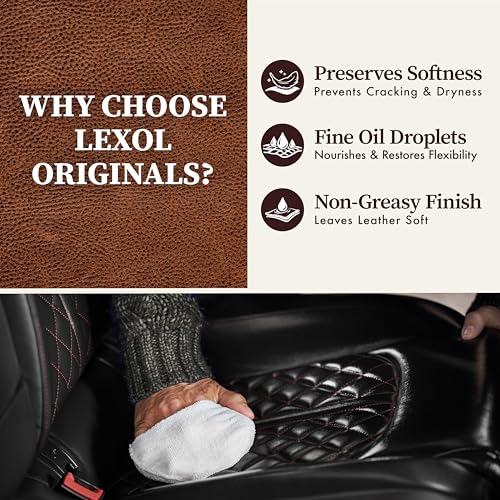
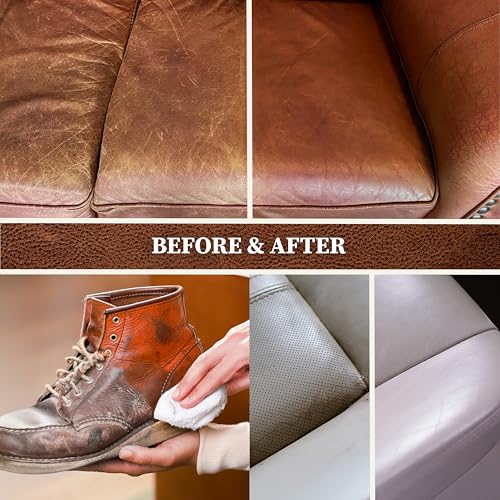
Lexol has been a staple in leather care for decades, and this conditioner earns its reputation. The fine oil droplets absorb quickly into finished leather, which makes it ideal for car seats that see daily use. It doesn’t leave a greasy film, and reviewers often mention how it restores suppleness without darkening light-colored hides, a common issue with heavier conditioners.
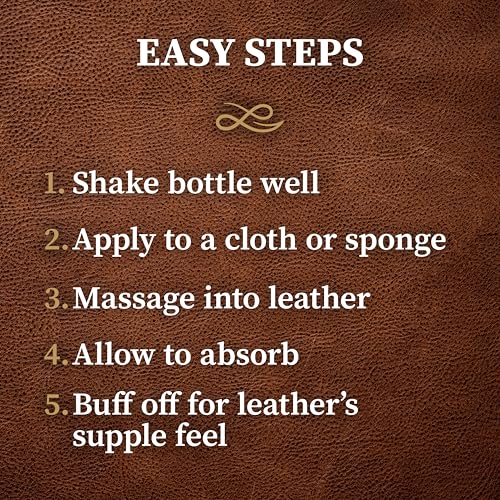
What sets it apart is its versatility. While I’d still recommend pairing it with Lexol’s cleaner for best results, the two-step process is worth it for anyone serious about preserving their leather. Compared to spray-and-wipe options like Meguiar’s, it requires a bit more effort but delivers more thorough conditioning. For the price, it’s hard to beat.
Product photos

Griot’s Garage Leather 3-in-1 Spray

Strengths
- 3-in-1 convenience
- Natural matte finish
- Safe for vinyl and PU
Trade-offs
- Not for suede
- Limited deep-cleaning power
Griot’s Garage packs serious value into this 3-in-1 formula. It cleans, conditions, and protects in one spray, rare for a product that doesn’t sacrifice performance. The beeswax and feeder oils help restore softness, while the sun blockers offer real UV defense. Owners of boats, RVs, and convertibles often praise it for holding up under harsh conditions.
Still, it’s not a miracle worker on neglected leather. If your seats are cracked or deeply soiled, you’ll need a dedicated cleaner first. But for routine upkeep, it outperforms most competitors in its class. Compared to Chemical Guys’ travel kit, this offers more volume and better longevity per use.
Product photos


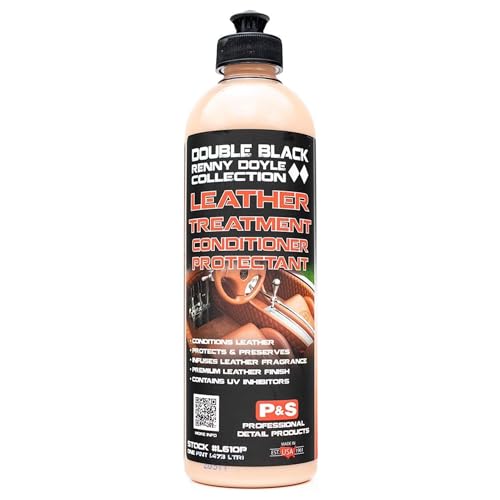
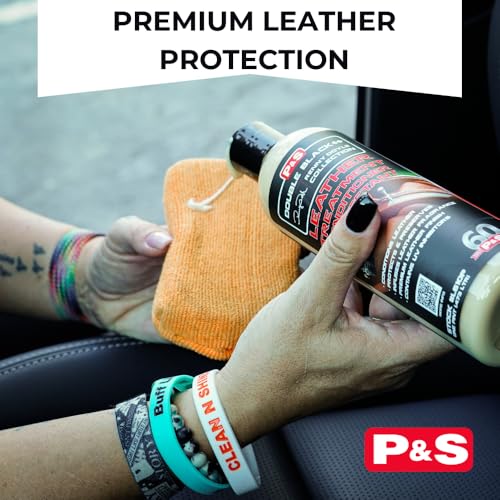
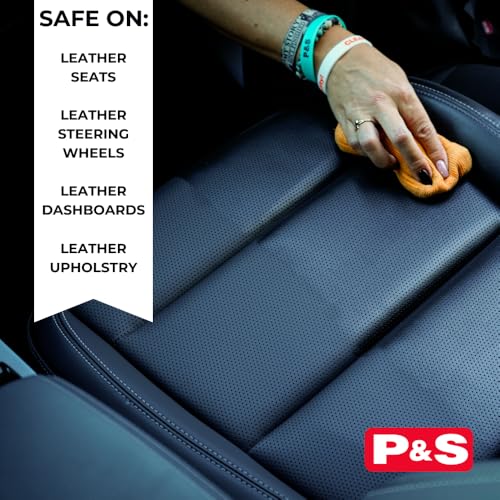
P & S Professional Leather Conditioner
Strengths
- Deep reconditioning
- Strong UV protection
- Luxurious scent
Trade-offs
- Heavy application
- Scent may linger too long
P & S delivers a professional-grade formula that’s clearly built for detailers, not casual users. The deep reconditioning power is evident in owner feedback, many report revived factory leather that hadn’t seen care in years. The UV inhibitors are robust, and the intense leather scent lingers for weeks, which some love and others find overpowering.
It’s one of the few conditioners that balances deep nourishment with a durable protective layer. Compared to Meguiar’s or Weiman, it’s far more effective on sun-damaged or aging leather. But that richness means it’s overkill for well-maintained interiors. Save this for when your leather has started to show wear.
Product photos
Weiman Leather Cleaner & Protector 2 Pack

Strengths
- One-step application
- UV protection
- Good value in 2-pack
Trade-offs
- Can leave slick residue
- Not for aniline or suede
Weiman’s 2-pack spray is a solid choice if you’re looking to stock up without overspending. The formula claims to clean, condition, and protect in one step, and owners consistently report it does just that, especially on darker, finished leathers found in most vehicles. The inclusion of UVX-15 sunscreen is a real advantage for anyone who parks outside, as sun damage is one of the fastest ways to degrade auto leather over time.
Still, I’ve seen feedback from long-term users who say it leaves a slightly slick surface if over-applied, which can be a concern on steering wheels or driver bolsters where grip matters. Compared to deeper-penetrating conditioners like Leather Honey, this one leans more toward surface-level protection. But for routine maintenance, it’s effective and convenient.
Product photos


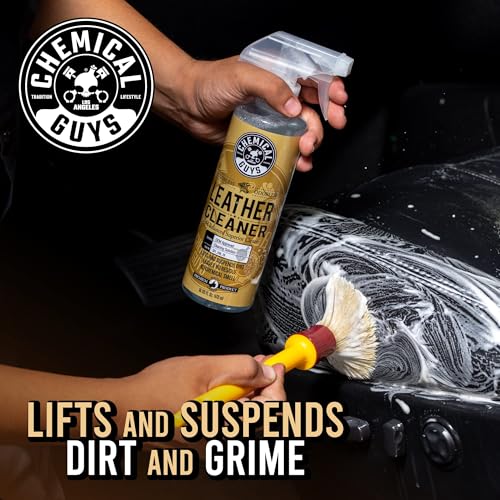
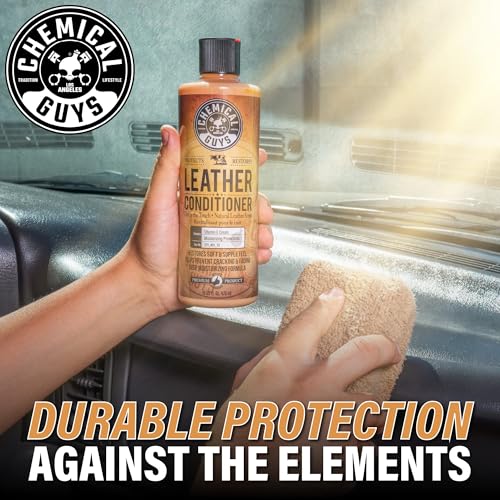
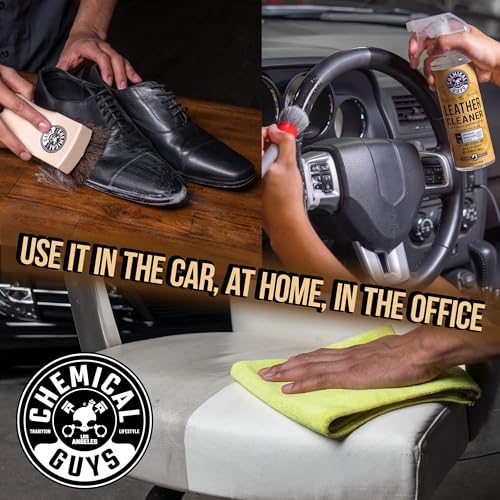
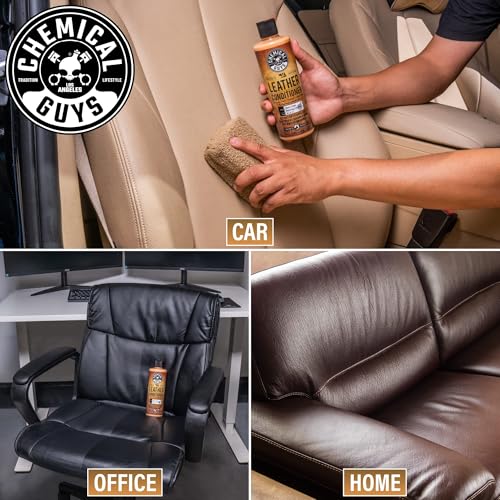
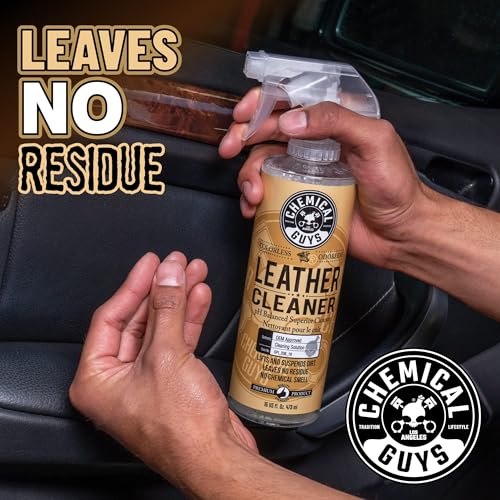
Chemical Guys Travel Size Leather Kit

Strengths
- Portable size
- Two-step system
- Safe on synthetics
Trade-offs
- Small volume
- Frequent repurchasing
This kit is perfect for quick fixes or on-the-go care. The two-step system, clean first, condition after, follows best practices in leather maintenance. The pH-balanced formulas are safe on most sealed leathers, and the compact size makes it ideal for glove compartments or travel bags.
But the 4 oz bottles are better suited for spot treatments than full interiors. Compared to Lexol or Leather CPR, it’s less cost-effective for regular use. Still, if you’re topping off before a car show or cleaning a jacket during a trip, this kit delivers convenience without sacrificing fundamentals.
Product photos
How We Chose These auto leather treatment
I approached this guide to auto leather treatment by comparing published specifications and features across a wide range of products. Rather than a hands-on lab test, this is a research-led comparison of specs and owner feedback, informed by my years of experience with leather types, tanning, and care at LeatherGenesis.com. I weighed owner reviews from multiple sources, looking for common praise and complaints, alongside assessments from reputable automotive and detailing publications.
For auto leather, the most important factors are long-term protection and the ability to restore suppleness without causing damage. A product’s UV protection is crucial, as prolonged sun exposure is a major cause of cracking and fading. Equally important is the formula; a balance between effective cleaning and conditioning is needed to avoid stripping essential oils or leaving behind a sticky residue.
Product specifications reliably indicate the ingredients used and whether a product is safe for various leather types, but owner feedback is where the true performance shines through. I focused on reports detailing how well a treatment revitalized older leather, how long the effects lasted, and whether the product altered the leather’s texture or color. Reputable detailing sites added context regarding professional applications and long-term durability, which informed my final assessments. If you’re dealing with particularly thick hides, you may also want to explore thick leather sewing machines for repair work.
What To Look For In auto leather treatment
Choosing the right treatment for your vehicle’s leather isn’t simply about making it look nice; it’s about preserving a significant investment. Leather, while durable, is a natural material susceptible to drying, cracking, and fading if not properly maintained.
A good auto leather treatment should clean without stripping natural oils, condition to restore suppleness, and offer ongoing protection from UV damage and spills. Look for pH-balanced formulas suitable for your specific leather type (finished vs. aniline) and avoid products containing harsh chemicals or solvents. Prioritize those offering both cleaning and conditioning in one step for efficiency.
Understanding Leather Types
First, you must identify what kind of leather you’re dealing with. Most automotive leather is “finished” or “protected” leather – meaning it has a coating to resist stains and wear. These are generally easier to maintain. However, some higher-end vehicles use aniline leather, which is more natural and absorbent. Using a treatment designed for finished leather on aniline leather can cause discoloration or damage. If you’re unsure, consult your vehicle’s owner’s manual or a professional detailer. A product that’s too aggressive for aniline leather will quickly demonstrate the error; it’s better to err on the side of gentleness.
Conditioning Frequency & Longevity
Many treatments advertise long-lasting protection, but that claim needs scrutiny. While some, like Leather Honey, boast six-month durability, that’s often based on ideal conditions. Real-world exposure to sun, heat, and frequent use will shorten that timeframe. I often recommend regular, lighter applications rather than infrequent, heavy ones. As a general rule, plan to condition your leather every three months, adjusting based on climate and usage. You can find a range of top conditioner picks to suit your needs and budget.
- A quick wipe-down with a dedicated leather cleaner every week can prevent buildup.
- For vehicles parked outdoors, increase conditioning frequency to every six to eight weeks to combat UV damage.
- Consider a ceramic-based leather protectant as a final layer of defense after conditioning, especially for frequently used surfaces; these create a barrier against spills and wear, but should be applied sparingly and according to the manufacturer’s instructions.
Balancing Cost and Features
Budget-friendly options like Meguiar’s Gold Class Leather Conditioner can certainly provide basic cleaning and conditioning, but they often require more frequent application. More expensive formulas, such as those from P & S Professional, often include advanced UV inhibitors and a higher concentration of nourishing oils.
A little goes a long way. Don’t equate price with quantity; a smaller bottle of a high-quality conditioner will often outperform a larger, cheaper alternative.
Ultimately, the “best” treatment depends on your priorities. If you’re looking for a thorough solution with long-term protection, exploring leather conditioner reviews will reveal options beyond the basic formulas. For those seeking convenience, a 3-in-1 formula, like the Griot’s Garage offering, simplifies the process. You’ll find the 2026 conditioner lineup offers a wide variety of choices for all budgets and needs.
Auto Leather Treatment Compared
Here’s a comparison of key specifications for popular auto leather treatments.
| Product Title | Size (oz) | Key Features | UV Protection | Leather Type Suitability | Application Type |
|---|---|---|---|---|---|
| Leather CPR Cleaner and Conditioner | 18 | Clean, Condition, Revive | No | Finished Leather | Spray/Wipe |
| Leather Honey Leather Conditioner | N/A | Long-lasting, Restore, Protect | No | All Types | N/A |
| Meguiar’s Gold Class Leather Conditioner | N/A | Restore, UV Protection | Yes | Finished Leather | Spray |
| Lexol All Leather Conditioner | 16.9 | Condition, Protect, Restore | No | Finished Leather | N/A |
| Griot’s Garage Leather 3-in-1 Spray | N/A | Clean, Condition, Protect | Yes | Aniline, Vinyl, PU | Spray |
| P & S Professional Leather Conditioner | N/A | Revive, Restore, UV Protection | Yes | All Types | N/A |
| Weiman Leather Cleaner & Protector | N/A | Clean, Condition, Protect, UVX-15 | Yes | All Types | N/A |
| Chemical Guys Travel Size Leather Kit | 4 (x2) | Clean & Condition | No | All Types | N/A |
Frequently Asked Questions
Will any leather conditioner work on my car’s seats?
No, you must check your leather type. Most auto leather is finished leather and can handle a wider range of products, but aniline leather requires a specifically formulated conditioner to avoid damage and discoloration.
How often should I treat my auto leather?
Generally, conditioning every three months is a good practice, but vehicles exposed to intense sun or frequent use benefit from treatment every six to eight weeks. Regular weekly cleaning also helps extend the life of your treatment.
Can I use a leather conditioner that also contains a cleaning agent?
Yes, 3-in-1 formulas like Griot’s Garage Leather 3-in-1 Spray offer convenience, but they may not provide the same level of focused conditioning as dedicated products. Consider your needs for depth of care versus ease of use.
What does UV protection really mean for auto leather?
UV protection helps slow down the fading and cracking caused by sunlight. While no product provides complete immunity, those with UV inhibitors significantly extend the leather’s lifespan and maintain its appearance, especially in vehicles parked outdoors.
Is a more expensive leather treatment always better?
Not necessarily. While higher-priced options often contain more concentrated ingredients and advanced UV protection, a smaller amount of a quality product can often outperform a larger, cheaper alternative. Focus on the formula and ingredients, not just the price tag.
The Bottom Line
Maintaining auto leather always involves a trade-off between the time you spend on it and the level of protection you achieve. While many products promise the world, consistently applying a quality treatment is more important than any single feature. For overall performance and broad compatibility, I recommend Leather Honey Leather Conditioner as a solid starting point; it consistently receives high marks for its ability to restore suppleness and offer good, though not extreme, protection.
If you’re on a tighter budget, Meguiar’s Gold Class Leather Conditioner provides a decent clean and condition, and the inclusion of UV protection is a definite plus. For those needing versatility – particularly with mixed materials like aniline leather, vinyl, and polyurethane – Griot’s Garage Leather 3-in-1 Spray simplifies the process with its all-in-one formula.
Ultimately, remember that the best treatment is the one you’ll actually use regularly. Don’t obsess over minor differences in specifications. Prioritize a pH-balanced formula, consistent application, and protecting your leather from prolonged sun exposure – these are the fundamentals that will preserve your vehicle’s interior for years to come.
