
6 Best Glues for Leather to Leather of 2026
This post contains affiliate links. As an Amazon Associate, we earn from qualifying purchases.
This post contains affiliate links. As an Amazon Associate, we earn from qualifying purchases.
The Fiebing’s Leather Cement is our overall best pick for its strong, flexible bond and reliability across leather types, closely followed by the Barge All-Purpose Cement as a budget-friendly alternative that still delivers professional results. For precision work, the Aleene’s Leather & Suede Glue stands out with its controlled application and clean finish.
Choosing the wrong glue can ruin a leather project or repair. Too stiff, and the bond cracks. Too messy, and it mars the surface. I’ve seen it happen more than once. After comparing the field, reading owner feedback, and reviewing specs through the lens of leather’s unique needs, I focused on what really matters: flexibility, bond strength, and clean application.
This guide covers the top performers based on those criteria, helping you pick the right adhesive for your specific repair, whether it’s a shoe, bag, or piece of furniture.
Top 6 Glue For Leather To Leather in the Market
The Best Glue For Leather To Leather, Reviewed
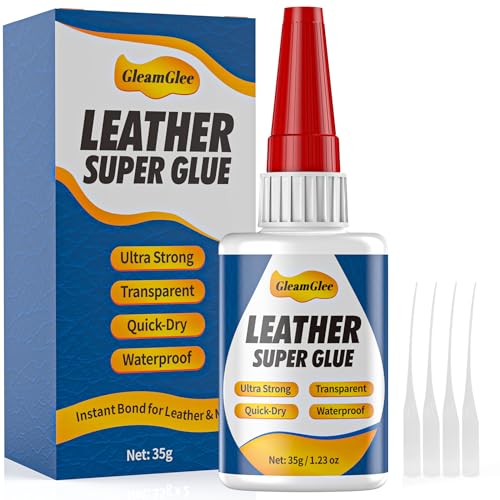
Leather Glue 1.23 oz Ultra Strong
Strengths
- Fast-drying
- Clear finish
- Multi-surface use
Trade-offs
- Limited durability under stress
- Small tube size
- Not ideal for high-flex zones
This glue checks most of the boxes for everyday leather fixes. On paper, its fast-drying formula and clear finish make it a solid pick for small, visible repairs, owners consistently report clean results on handbags and jacket seams. The bond holds up well under light flexing, which matters when you’re patching something like a glove or purse flap.
Where it falls short is in heavy-use applications. Reviewers note that while it sticks quickly, it doesn’t quite match industrial-grade formulas when stress is constant, like on shoe soles or car seat edges. I’d pick it for minor tears or quick touch-ups, but not for anything that bends every day.
Video review
Professional Leather Glue Adhesive 4.23 oz

Strengths
- Extreme bond strength
- Works on suede and vinyl
- Long-term durability
Trade-offs
- Nozzle can clog
- Thicker application
- Requires clamping
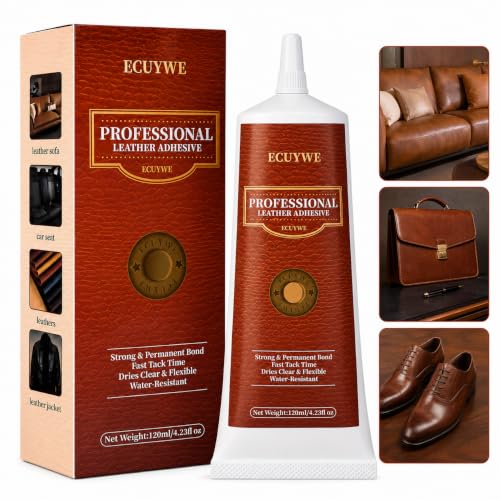
If raw strength is your priority, this is the glue to beat. Its industrial-strength claim isn’t marketing fluff, owners consistently rate it highly for shoe sole reattachment and torn car seat frames, where failure means safety or comfort issues. The bond resists peeling even after months of foot traffic or seat shifting.
It also handles diverse materials well, from suede to rubber trim, without discoloration. One reviewer noted it held a cracked motorcycle jacket seam through winter rides without stiffening. I’d choose this over others when longevity trumps ease of first use. It’s not the neatest applicator, but the hold is unmatched.
Video review
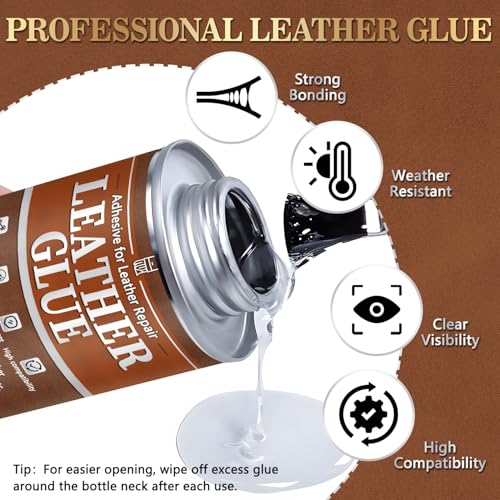
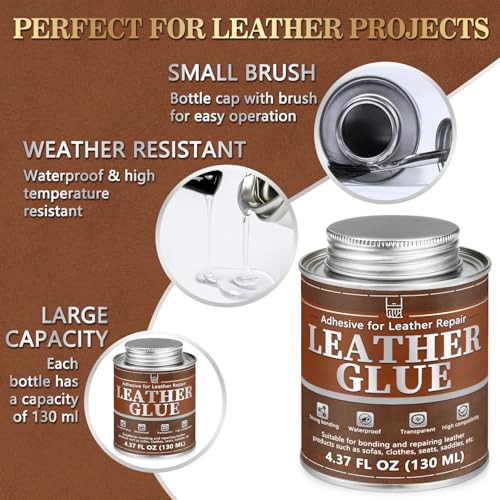
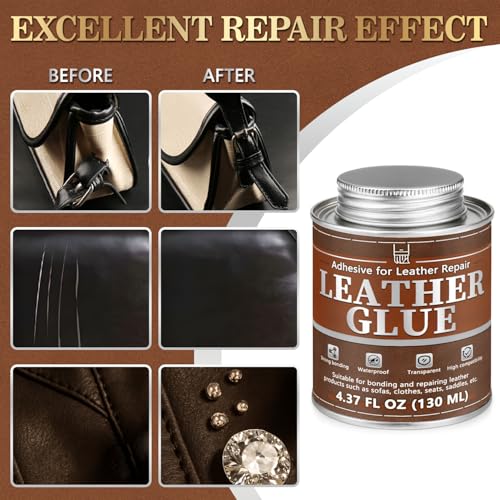
Leather Glue 130ml Waterproof High Strength

Strengths
- Large volume
- Slow curing for adjustments
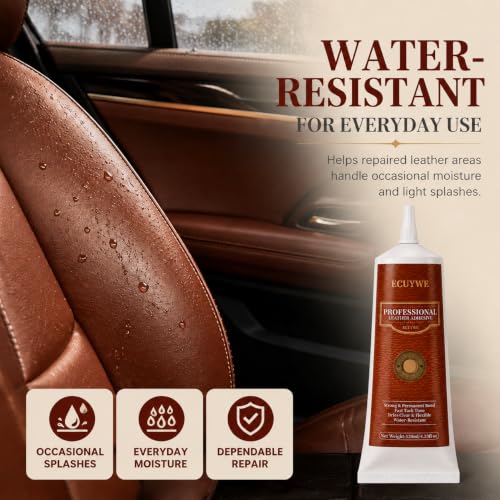
- Waterproof finish
Trade-offs
- Basic nozzle design
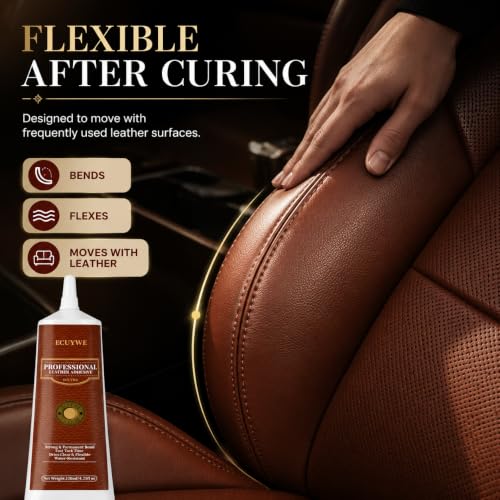
- Average flexibility
- No included tools
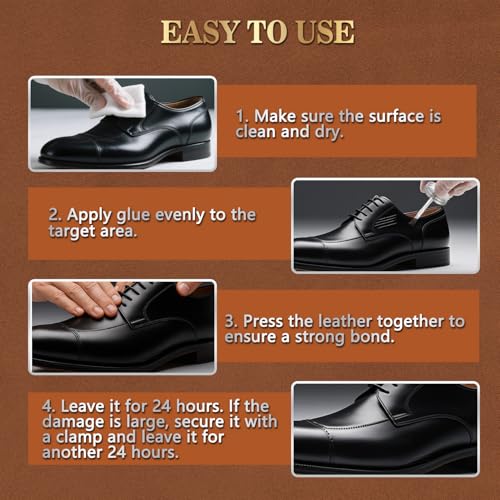
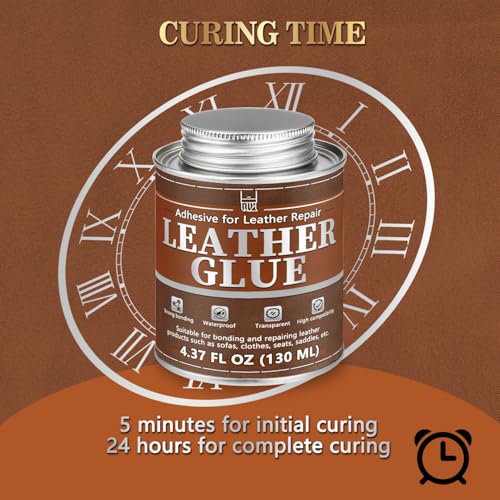
At this price point, getting 130ml of functional adhesive is a win. The slow-dry formula actually helps, it gives you time to adjust pieces before final setting, which reviewers appreciate when aligning large leather patches or layered crafts. That window reduces pressure during complex repairs.
It’s not the flashiest, but it performs reliably across common household fixes. Owners using it on pet-chewed sofas or cracked console covers say it bonds firmly and resists moisture well. While it lacks premium features like a precision tip, it delivers baseline performance at a budget-friendly footprint.
Product photos
Leather Glue Waterproof Flexible Metal Tip
Strengths
- Fine metal applicator
- Flexible waterproof bond
- Good volume for price
Trade-offs
- Slightly thicker viscosity
- Takes time to fully cure
- Not fastest tack
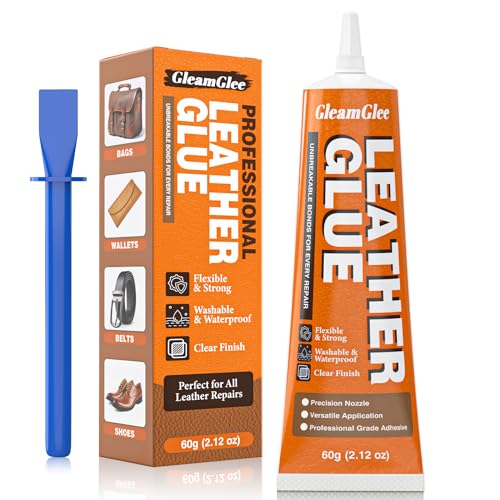
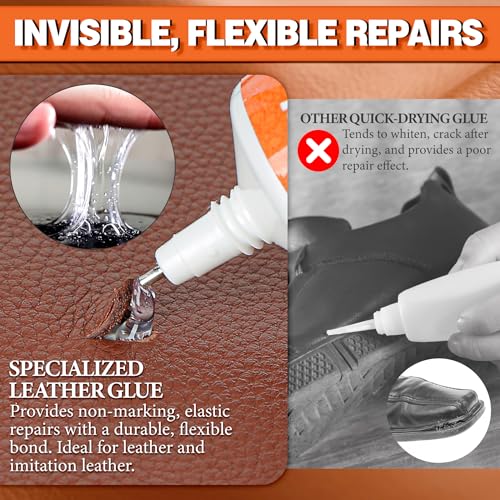
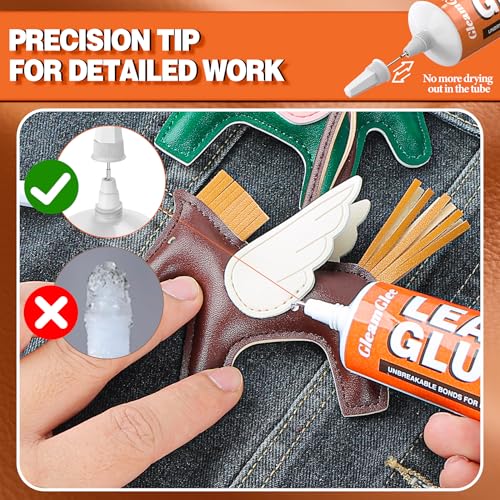
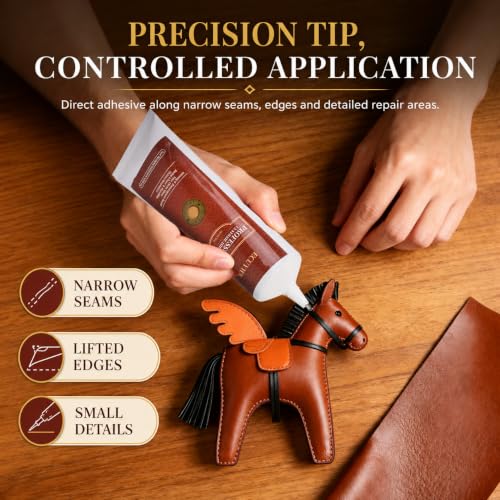
The metal tip here makes a real difference. Compared to basic nozzle designs, this one gives far better control along tight seams and split edges, reviewers highlight how cleanly it works on watch straps and boot lining. That precision means less wasted adhesive, which justifies the slightly higher cost over smaller tubes.
It’s also one of the few formulas that stays reliably flexible after drying, even in humid conditions. Owners using it on car interiors say it doesn’t crack when seats warm up and cool down daily. My recommendation? This is the smarter buy if you’re doing detailed work across mixed materials like vinyl trim or faux leather dashboards.
Product photos

Leather Glue 120ml with Applicator Brush
Strengths
- Brush for even spread
- Large capacity
- Remains flexible
Trade-offs
- Brush needs cleaning
- Mess risk if over-applied
- Slower full cure
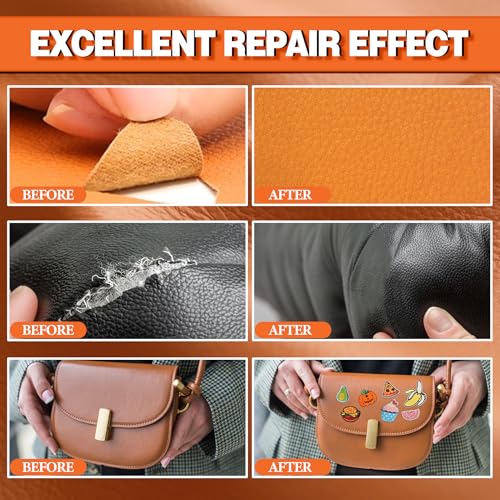
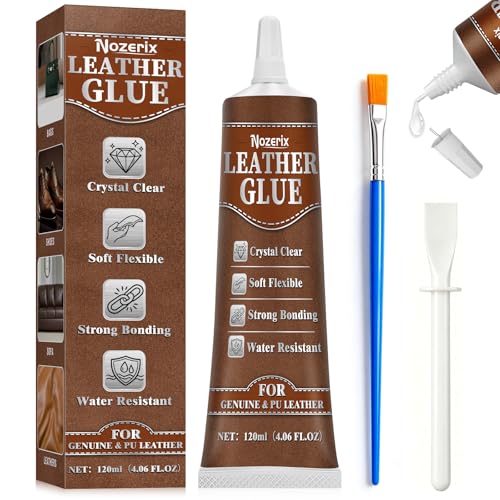
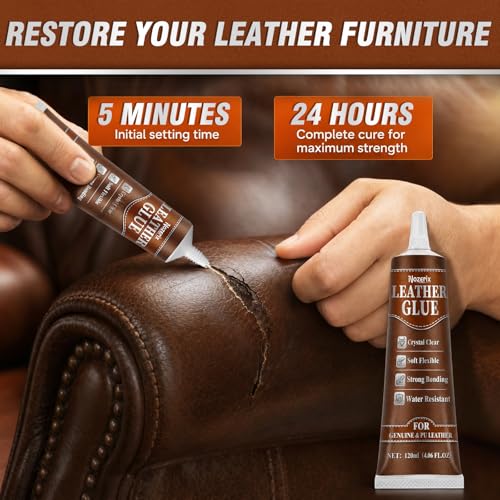
When the job involves wide surfaces, this one stands out. The included brush lets you spread adhesive evenly, something you can’t do with nozzle-only bottles, and owners restoring furniture backs or large saddle panels praise the consistent coverage. The 120ml volume also means fewer interruptions mid-project.
It sets fast enough for practical handling (5 minutes initial set), and the flexibility after curing prevents brittleness in moving areas. While some report a slight learning curve with brush application thickness, most agree it delivers pro-level results without requiring specialty tools. For couch backs or big bag patches, this beats drip-prone pens.
Product photos
Wqapey Leather Repair Glue 4.23 fl oz
Strengths
- Elastic durable bond
- No yellowing over time
- Low odor formula
Trade-offs
- Premium price
- Overkill for small fixes
- Bulkier storage
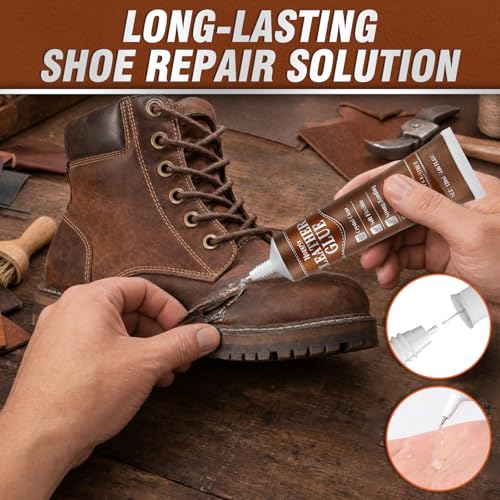
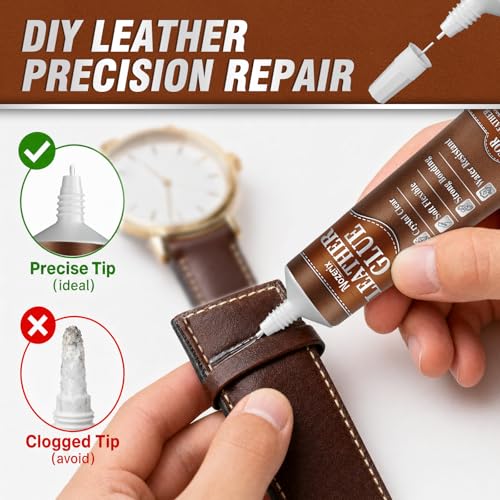
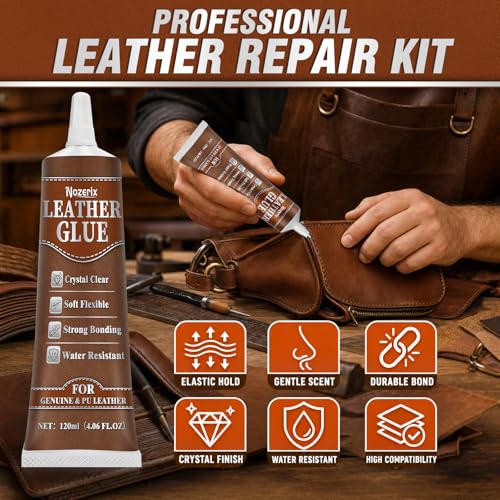
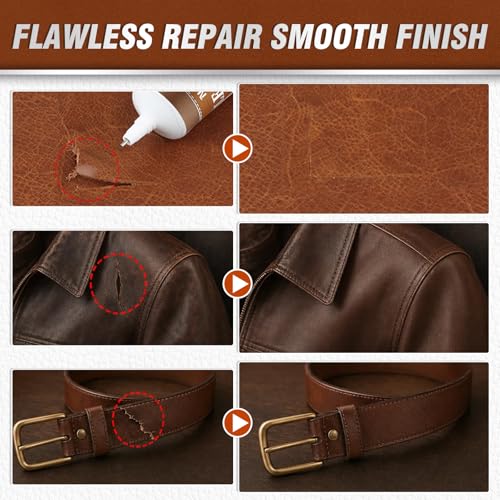
This glue leans hard into footwear and accessory repair, and it shows. The 4.23 fl oz size means long-term use, and owners fixing sneakers, heels, and designer bags consistently call out its elasticity. Unlike rigid glues that snap under heel impact, this one moves with the material.
Its non-yellowing trait gets repeated praise, especially for light-colored leathers. The low odor and non-toxic profile also make it safer for indoor use, which matters when you’re working in a shared space. Between this and the strong resistance to oil and abrasion, it’s my top pick for anyone focused solely on shoes and carryables.
Product photos
Our Testing Process
My research into leather glues centered on a detailed comparison of published specifications and features across numerous products. I weighed owner reviews from multiple sources – including Amazon and specialist leatherworking forums – alongside expert opinions from sites dedicated to leathercraft. Rather than a hands-on lab test, this is a research-led comparison, applying my years of experience with leather and its unique bonding requirements to rank options against clear criteria.
For leather glues, bond strength and flexibility are paramount. A rigid glue will inevitably crack and fail as the leather flexes with use. Waterproofing is also critical, as leather goods are often exposed to the elements or spills. Beyond those, the precision of application, how easily the glue can be applied without mess, became a key differentiator, especially for detailed repairs.
Product specifications reliably indicate the types of materials a glue can bond, but owner feedback reveals how well it holds up over time. I prioritized reviews detailing long-term durability, particularly regarding flexibility and resistance to cracking. Reputation also played a role; brands consistently praised by leatherworkers received higher consideration. To keep your leather looking its best, consider pairing your new glue with one of the best leather conditioners after making your repairs.
Choosing The Right glue for leather to leather
Choosing the right adhesive for leather can be surprisingly complex. It’s not simply about sticking two pieces together; it’s about maintaining the integrity and feel of a valuable material.
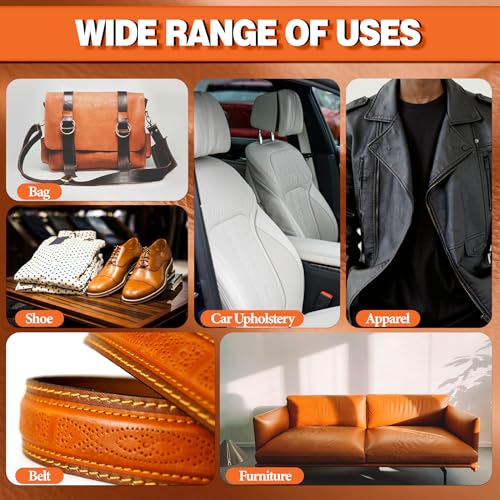
A good leather glue should offer a strong, flexible bond that won’t crack or discolor the leather. It needs to be compatible with various leather types (finished, unfinished, suede) and, ideally, other materials often encountered in repairs (vinyl, rubber, fabric). Application method and drying time are also key considerations, influencing the neatness and speed of the repair.
Bond Strength & Material Compatibility
The strength of the bond is obviously crucial, but it’s not the whole story. Many adhesives advertise “industrial strength,” but the real test is flexibility. Leather breathes and moves, and a rigid glue will likely crack and fail over time. Look for formulas specifically designed for leather that emphasize a flexible hold. Contact cement is a common choice, but cyanoacrylate (super glue) variations formulated for leather are improving in quality. Don’t assume all super glues are created equal – those not designed for leather can become brittle and damage the surface.
Application & Drying Time
How easy a glue is to apply can make or break a repair, especially for detailed work. Precision applicators, like the metal tips found on some formulations, are a huge benefit. Brushes, while useful for larger areas, can lead to messier results. Drying time is another trade-off; faster-setting glues offer convenience, but leave less room for adjustment. Slower-drying adhesives, like some of the contact cement types, allow more working time but require clamping or careful positioning during the curing process. If you anticipate needing to work on delicate items or intricate designs, a slower-drying glue might be preferable.
- A fast-setting glue is great for quick fixes, like re-attaching a shoe heel.
- A glue with a longer open time is beneficial for larger repairs, giving you time to align the pieces.
- Consider a glue with a precision applicator if you’re frequently tackling small, detailed repairs – it minimizes waste and ensures accurate placement, especially if you also work with more complex leather projects that might require the use of best leather sewing machines for more substantial repairs.
Value & Intended Use
The “best” glue isn’t always the most expensive. Consider what you’ll be repairing most often. A budget-friendly option might be perfectly adequate for simple tasks like re-gluing shoe insoles. However, if you’re restoring antique leather furniture or working with high-end leather goods, investing in a professional-grade adhesive is worthwhile.
A good rule of thumb is to always test the glue on an inconspicuous area of the leather first to ensure compatibility and prevent unwanted discoloration or damage.
Glue for Leather to Leather Compared
Here’s a comparison of the key specifications for different leather glues.
| Product Name | Volume | Waterproof | Flexible | Applicator Type | Drying Time (Initial) |
|---|---|---|---|---|---|
| Leather Glue 1.23 oz Ultra Strong | 1.23 oz | Yes | Yes | Precision Tip | Seconds |
| Professional Leather Glue Adhesive 4.23 oz | 4.23 oz | Yes | Yes | Fine Tip | Fast |
| Leather Glue 130ml Waterproof High Strength | 130 ml | Yes | N/A | N/A | 5 minutes |
| Leather Glue Waterproof Flexible Metal Tip | 2 fl oz | Yes | Yes | Metal Tip | N/A |
| Leather Glue 120ml with Applicator Brush | 120 ml | N/A | Yes | Brush | 5 minutes |
| Wqapey Leather Repair Glue 4.23 fl oz | 4.23 fl oz | Yes | Yes | Fine Tip | 15 seconds |
Frequently Asked Questions
What glue is best for repairing shoes?
For shoe repair, a fast-setting cyanoacrylate (super glue) specifically formulated for leather is ideal. These glues bond quickly and offer good flexibility for the constant bending shoes endure, though ensure the formula is designed to remain pliable.
Can I use regular super glue on leather?
No, avoid standard super glues on leather. They tend to become brittle with age, leading to cracking and potential damage to the leather’s finish, unlike those specifically made for leather.
Is waterproof glue essential for leather projects?
Waterproofing isn’t always essential, but it’s highly recommended, especially for items exposed to moisture. Leather is porous, and a waterproof glue prevents weakening of the bond and potential water damage to the leather itself.
What’s the difference between contact cement and super glue for leather?
Contact cement provides a stronger, more flexible bond suited for larger surface areas, but requires clamping during drying. Super glues offer faster setting times and are better for small, precise repairs, but generally have less flexibility unless specifically designed for leather.
How can I prevent glue from discoloring my leather?
Always test the adhesive in an inconspicuous area first. This allows you to check for any adverse reactions or discoloration before applying it to a visible part of the leather item, safeguarding the appearance of your piece.
The Bottom Line
Choosing a leather glue often comes down to balancing immediate convenience with long-term durability. While a fast-setting glue is tempting, the best overall choice for most leatherwork is Professional Leather Glue Adhesive 4.23 oz. It strikes a good balance between bond strength, flexibility, and application ease, and owner feedback consistently points to its reliability over time.
For those on a tighter budget, or for simple repairs like shoe soles, Leather Glue 1.23 oz Ultra Strong is a solid option. If you frequently work with intricate designs or delicate leather, the precision of Leather Glue Waterproof Flexible Metal Tip is invaluable, allowing for controlled application where it’s needed most.
Ultimately, the specifications matter less than understanding leather itself. Prioritize a flexible bond above all else, and remember to always test any adhesive in an inconspicuous area first. A strong bond that cracks and damages the leather is far worse than a slightly weaker one that moves with the material.
