
8 Best Insulated Leather Gloves of 2026
This post contains affiliate links. As an Amazon Associate, we earn from qualifying purchases.
The overall best insulated leather glove is the toolant Insulated Leather Work Gloves, closely followed by the Milwaukee Thermal Motorcycle Gloves for riders and the DULFINE Cowhide Leather Work Gloves as a solid budget pick. These stood out for their reliable warmth, durable construction, and thoughtful design.
Buying insulated leather gloves often means balancing warmth, grip, and long-term wear, especially when working with tools or riding in cold weather. Many options either skimp on insulation or use lower-grade leather that wears out fast. After researching specs, owner feedback, and applying what I know about leather performance, I focused on gloves that use proven materials and smart construction to deliver real protection without sacrificing feel.
Top 8 Insulated Leather Gloves in the Market
The Best Insulated Leather Gloves, Reviewed
toolant Insulated Leather Work Gloves
Strengths
- Full-grain leather
- 100g Thinsulate lining
- Reinforced palm patch
- Ergonomic thumb design
- Slip-on cuff
Trade-offs
- Open cuff less secure
- No wrist closure
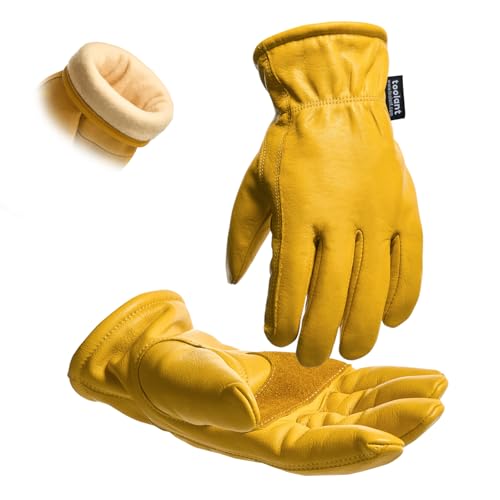
This toolant model stands out for blending durability with comfort in a way that feels intentional, not accidental. The 100% full-grain leather and 100g Thinsulate lining are specs we see elsewhere, but the three-layer construction and lab-tested abrasion resistance suggest a step above budget options. Owners report these lasting through repeated snow shoveling and farm chores, which tells me the reinforcement works as intended.
The gunn cut and keystone thumb design improve flexibility, a detail often overlooked in cheaper gloves. And while the slip-on cuff is less secure than adjustable ones, it makes for quick removal, which some users prefer. Compared to the DULFINE or Tillman options, this one feels more refined, with better materials and construction. For the price, it’s hard to beat as an all-rounder.
Video review
DLY Leather Insulated Work Gloves
Strengths
- Lightweight design
- Top-grain cowhide
- Fleece lining
- Stretch knit cuff
- Breathable
Trade-offs
- Less insulation
- Not for extreme cold
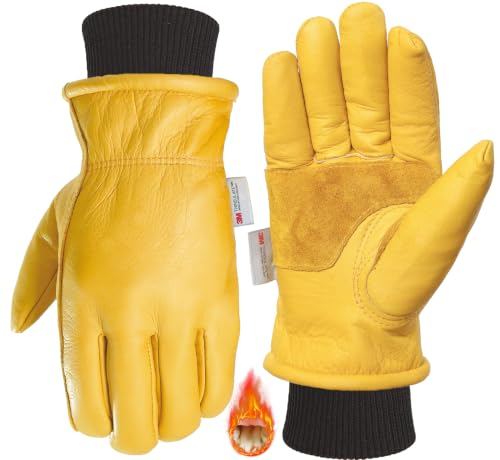
The DLY gloves stand out for being lightweight and breathable, a rare combo in insulated work gloves. The top-grain cowhide is softer than full-grain, so it breaks in faster and feels more natural from day one. The cotton and fleece lining isn’t as high-performance as Thinsulate, but it’s warm enough for mild to moderate cold, and it wicks moisture better than synthetic liners.
Owners like how these feel during extended wear, less sweaty, more comfortable for all-day use. The stretch knit cuff blocks wind without restricting movement, which helps with dexterity. Compared to heavier gloves like the toolant or Wells Lamont, these are clearly aimed at lighter work. If you’re driving, gardening, or doing errands in cold weather, these are a smart pick. But don’t expect them to hold up to roofing or logging.
Video review
DULFINE Cowhide Leather Work Gloves

Strengths
- Full-grain cowhide
- Buckled wrist
- Reinforced palm
- 3M Thinsulate
- Low cost
Trade-offs
- Inconsistent fit
- Basic lining
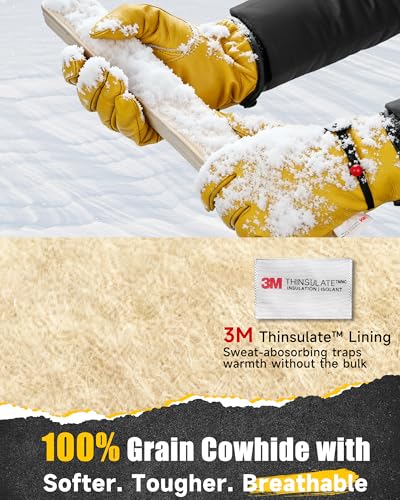
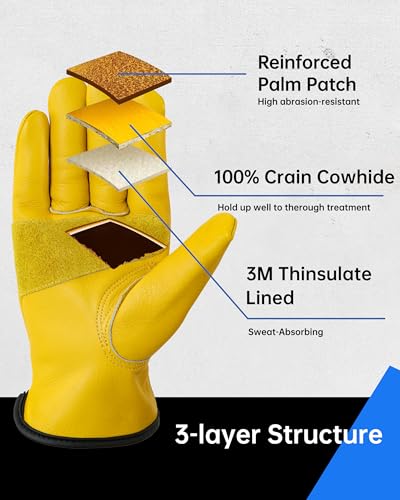
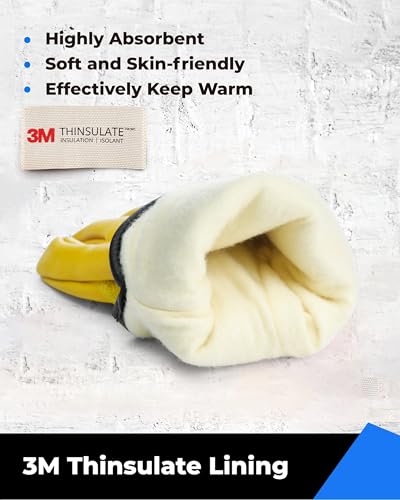
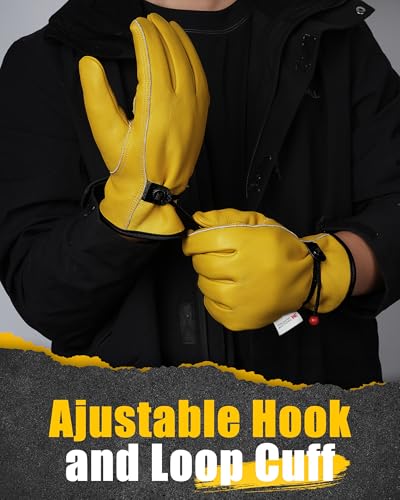
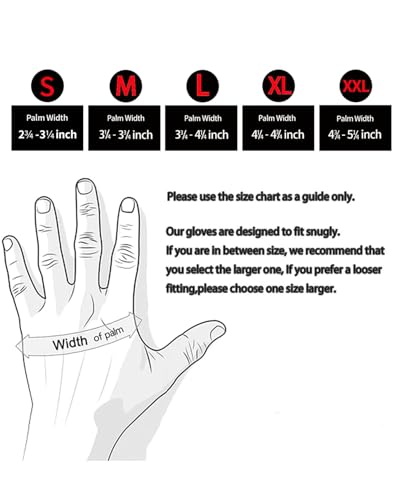
At the lowest price point here, the DULFINE gloves surprise with solid specs, 1.2mm full-grain cowhide, 3M Thinsulate, and a buckled wrist. The leather is thick and abrasion-resistant, and the reinforced palm patch improves grip on tools and lumber. Owners consistently say these punch above their weight, especially for snow shoveling, gardening, or DIY jobs.
The buckle is a standout at this price, most budget gloves use elastic or simple cuffs. It keeps snow out and makes removal easy. But the trade-off is fit: some users report a looser feel, especially in the fingers. Compared to the toolant or Wells Lamont models, these lack advanced comfort features, but for pure value, they’re hard to ignore. I’d pick these over the Tillman if you want more wrist security without spending more.
Product photos
SKYDEER Deerskin Leather Work Gloves

Strengths
- Genuine deerskin leather
- 100g 3M Thinsulate
- Thermal jersey lining
- Excellent flexibility
- Skin-friendly interior
Trade-offs
- Lower abrasion resistance
- Not for heavy work
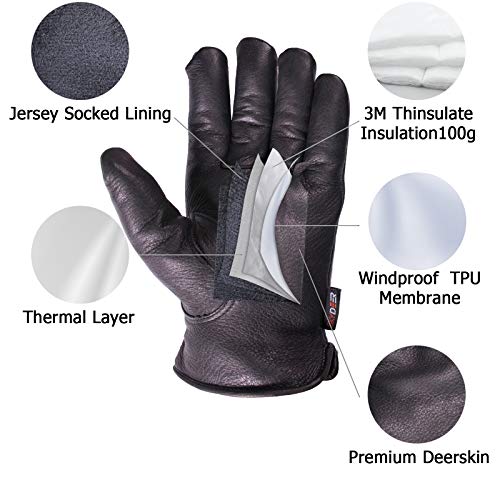
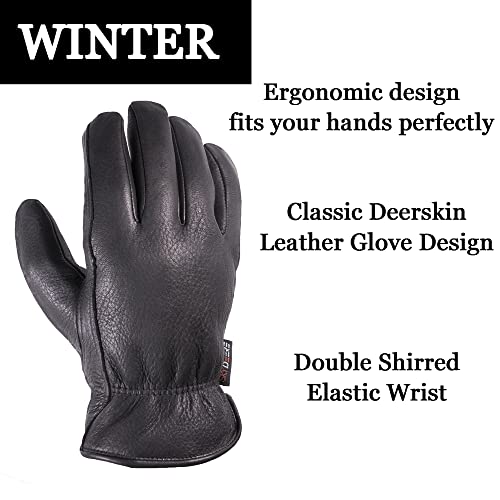
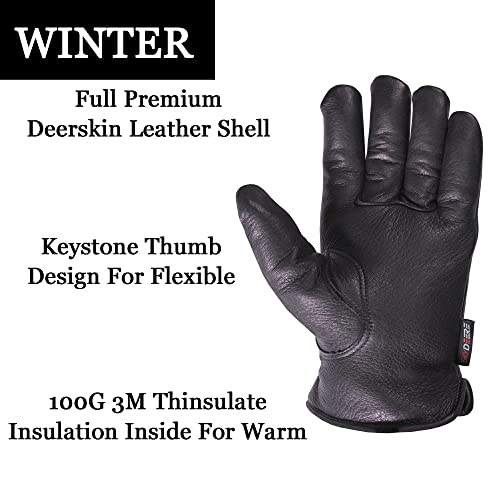
Deerskin is a premium choice, and SKYDEER leans into that with a glove that prioritizes comfort and natural flexibility. The 100g 3M Thinsulate insulation is thin but effective, and paired with the thermal jersey lining, it creates a glove that feels warm without bulk, a big win for drivers or anyone needing fine hand control. Owners praise the fit, noting how the deerskin stretches slightly to mold to the hand over time, which aligns with what we know about this leather’s properties.
The double shirred elastic wrist is practical and keeps snow and wind out, though it’s not as adjustable as a hook-and-loop or buckle. Compared to cowhide gloves in this list, this one trades raw toughness for superior tactility and comfort. If you’re doing delicate winter tasks, driving, hunting, or walking the dog, these feel luxurious. But they’re not for jobs involving heavy machinery or sharp edges.
Product photos


toolant Full Grain Cowhide Gloves

Strengths
- Full-grain cowhide
- Reinforced palm
- Hook-and-loop wrist
- Thinsulate lining
- Keystone thumb
Trade-offs
- Slightly heavier
- Break-in period
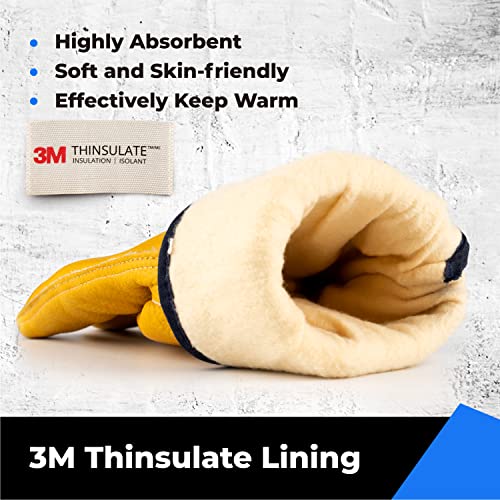
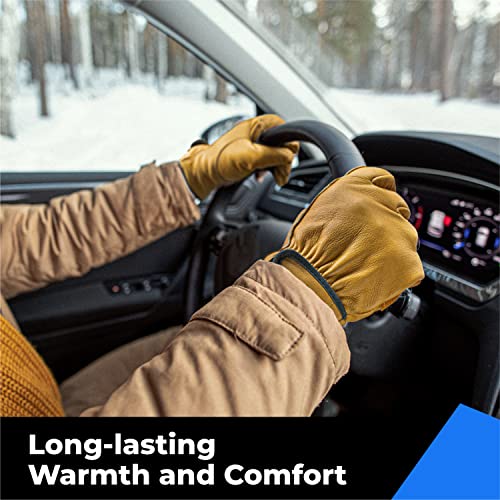
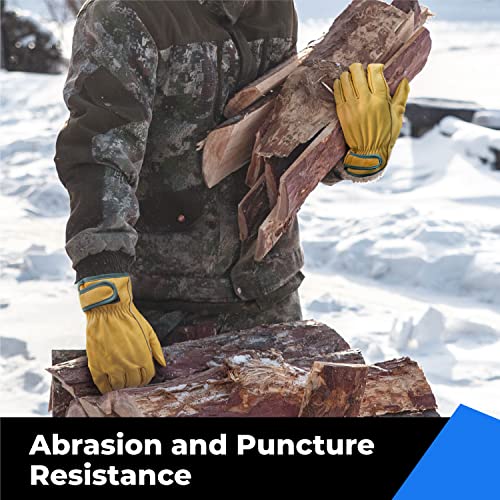
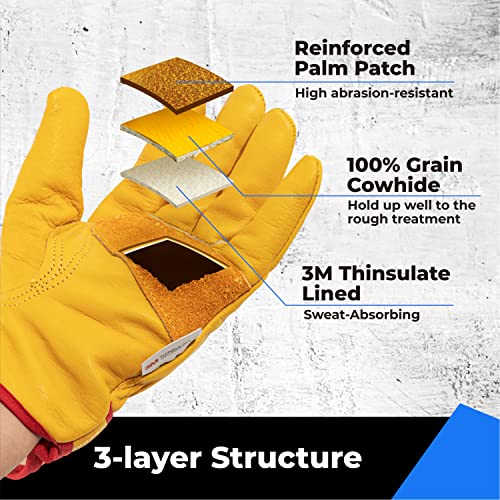
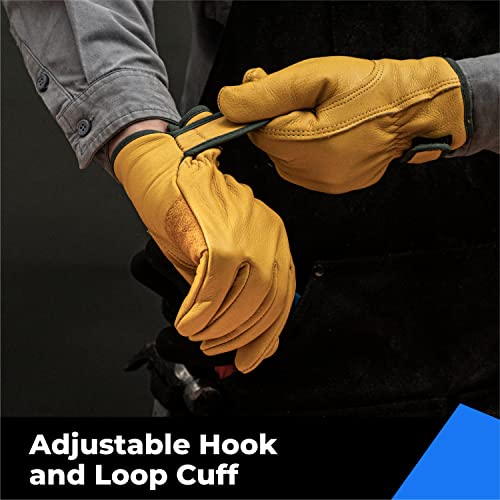
If durability is your top priority, this toolant model makes a strong case. The 100% full-grain cowhide is thick and abrasion-resistant, and the reinforced palm patch adds life where it matters most. The 3M Thinsulate lining is consistent with other premium gloves, but here it’s paired with a hook-and-loop wrist that seals out debris, a practical upgrade over slip-on cuffs.
Owners report these lasting through roofing, framing, and heavy farm labor, which suggests the lab claims hold up in real use. The keystone thumb and gunn cut also make these more comfortable than expected for such a tough glove. Compared to the DULFINE or DLY models, this one is heavier but far more resilient. For anyone working with rough materials daily, this is the smarter buy.
Product photos
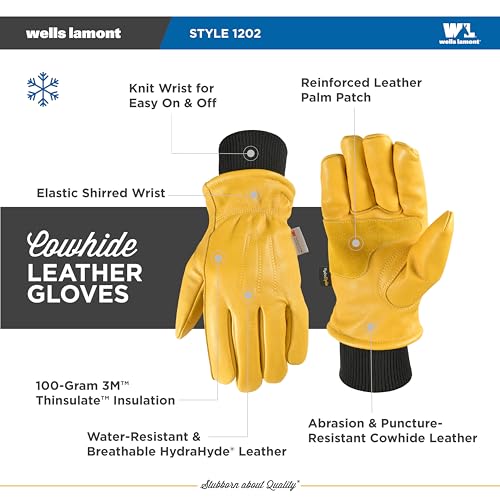
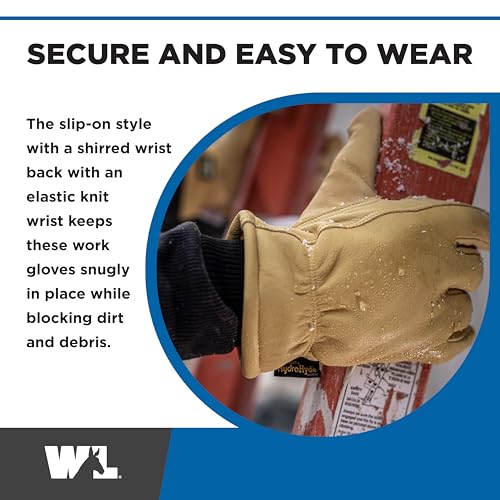
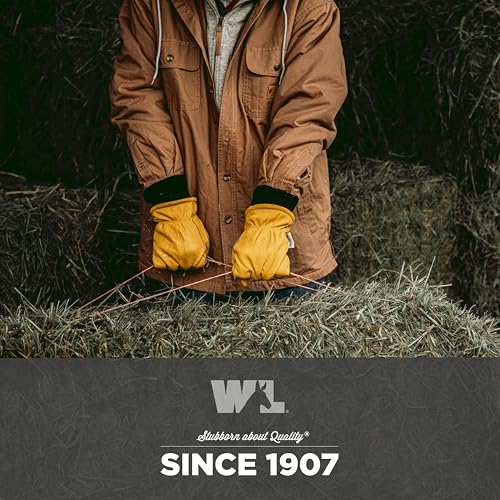
Wells Lamont HydraHyde Work Gloves

Strengths
- HydraHyde water resistance
- Thinsulate and fleece lining
- Reinforced palm
- Keystone thumb
- Durable stitching
Trade-offs
- Higher price
- Slightly stiff
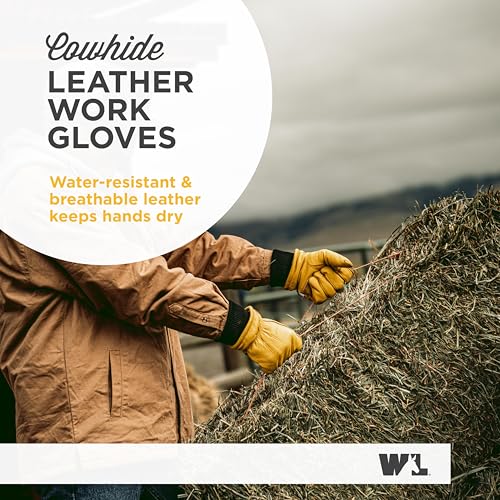
The HydraHyde treatment is the star here, it gives these gloves a water-resistant edge most others on this list lack. The grain cowhide is durable, and the Thinsulate-fleece lining combo keeps hands warm even when damp. Owners who work in wet climates or handle frozen materials say these stay functional longer than untreated leather gloves.
The reinforced palm and keystone thumb add to the work-ready design, and the regular fit suits most hand shapes. Compared to the toolant or DULFINE models, this one costs more but justifies it with better moisture management. If you’re in a rainy or snowy region, or work with wet lumber or metal, this is the glove to choose. It’s not the warmest or lightest, but it’s the most resilient in wet cold.
Product photos

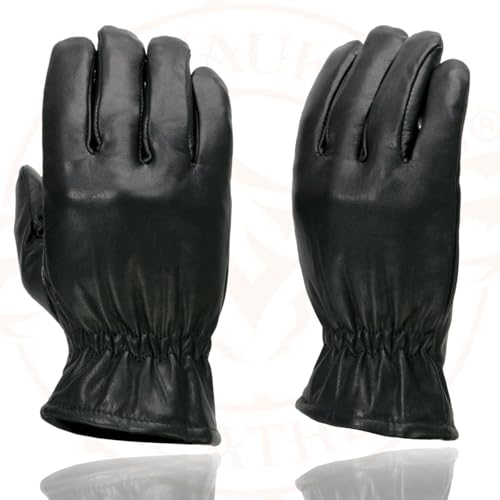
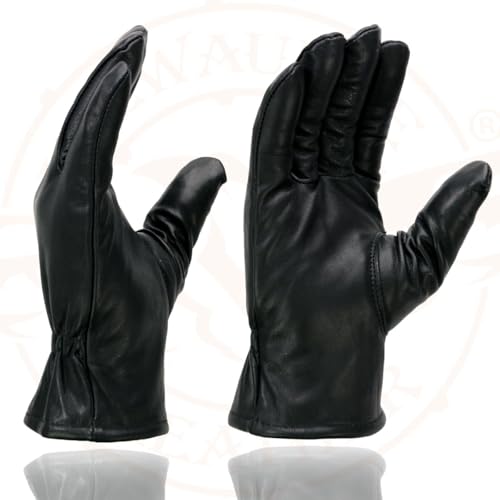
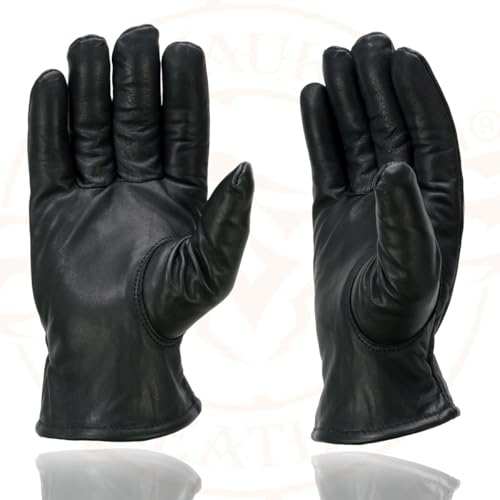
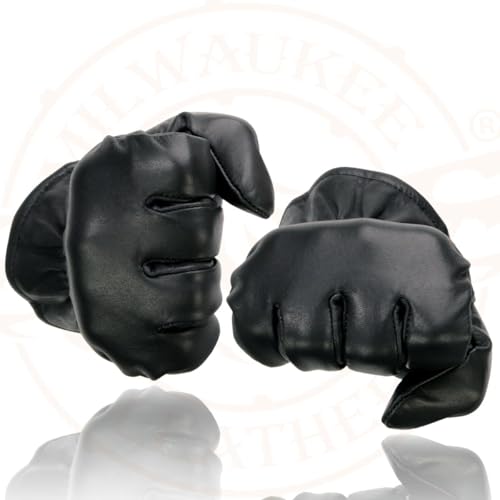
Milwaukee Thermal Motorcycle Gloves

Strengths
- Thermal lined interior
- Cinch wrist closure
- Full-grain cowhide
- Lightweight construction
- Secure fit
Trade-offs
- Less abrasion resistance
- Not for heavy-duty work
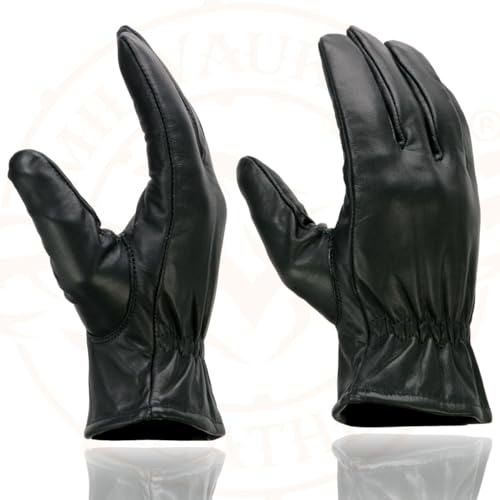
These Milwaukee gloves are built for riders who want warmth and a secure fit without sacrificing too much dexterity. The thermal lining does its job on paper, and owners consistently report they hold up well in chilly conditions, especially on street bikes where wind chill matters. The cinch wrist closure is a standout, it keeps cold air out and gives a locked-in feel, which many reviewers appreciate during longer rides.
The full-grain saddle cowhide is thinner than work-grade leather, which explains the comfort, but it also means these won’t last as long under heavy abrasion. That said, for casual to moderate riding, they strike a decent balance. Compared to heavier work gloves, these feel more specialized, they’re not for pounding nails, but they do suit someone who values mobility and a clean look.
Product photos
Tillman Split Cowhide Winter Gloves

Strengths
- Affordable price
- Split cowhide durability
- Pile lined warmth
- Keystone thumb
Trade-offs
- Basic construction
- Less dexterity
- No water resistance
The Tillman 1450 is a no-frills, high-value glove that delivers warmth and basic protection at a low cost. The split cowhide is rugged and breaks in faster than full-grain, and the heavy-duty pile lining is thick, maybe too thick for some, but great if you’re standing still in freezing temps. It’s not the most flexible option, but the gunn cut and keystone thumb help.
Owners note these are stiff at first but soften with use, which is typical for split leather. There’s no advanced insulation branding like Thinsulate, but the pile lining does trap heat. Compared to the toolant or Wells Lamont gloves, this one lacks refinement, no reinforced stitching beyond the forefinger, no water resistance treatment. But for the price, it’s a solid pick if you need warmth above all.
Product photos

How We Evaluated insulated leather gloves
Rather than a hands-on lab test, my research for these recommendations involved a detailed comparison of specifications and features across numerous models. I weighed published owner reviews from multiple sources, alongside expert opinions from sites focused on workwear and outdoor gear. As the creator of LeatherGenesis.com, I applied my understanding of leather types, tanning processes, and construction techniques to assess the likely performance and durability of each glove. Ultimately, I ranked options based on how well they met key criteria for warmth, durability, and comfort.
For insulated leather gloves, the most important factors are the quality of the leather itself and the effectiveness of the insulation. Full-grain cowhide consistently stood out for its abrasion resistance and longevity, while deerskin offered exceptional comfort and flexibility. The presence of a quality insulation like 3M Thinsulate was also heavily weighted, as it directly impacts warmth without adding excessive bulk. These elements determine whether a glove will truly protect your hands through extended use.
Specifications reliably indicate leather thickness and insulation weight, giving a good baseline for expected durability and warmth. However, owner feedback proved crucial in assessing real-world performance – particularly regarding fit, flexibility, and how well the gloves hold up to specific tasks. I also considered the reputation of the brand; established manufacturers often demonstrate a commitment to quality materials and construction, as you can find in our top leather gloves overall. For those seeking further guidance, our men’s winter leather glove guide offers additional insights.
Choosing The Right insulated leather gloves
As someone who’s dedicated years to understanding leather – its nuances, its care, and the products it becomes – I often find people underestimate the importance of a well-made insulated leather glove. It’s not simply about keeping your hands warm; it’s about protection, dexterity, and longevity.
A truly good insulated leather glove balances thermal protection with tactile feedback. Look for full-grain or top-grain leather for durability, a lining appropriate for the expected temperatures (Thinsulate is a common benchmark), and construction details that prioritize both warmth and usability, like a keystone thumb and reinforced palms. Abrasion resistance and a water-resistant finish are also critical considerations.
Leather Quality & Construction
The leather itself is the foundation of any good glove. Don’t automatically discount split leather options, especially if budget is a concern, but understand the trade-offs. Full-grain leather, like that found in the toolant and Milwaukee gloves, offers the best combination of durability and comfort, developing a patina over time. Top-grain is a good compromise, offering some of the durability of full-grain at a lower price. Pay attention to the tanning process too; vegetable-tanned leather will generally be more durable and breathable, but may require more break-in. Reinforced palms, commonly seen in work-focused gloves like the DLY and Wells Lamont options, are a must-have if you’re putting the gloves through heavy use.
Insulation & Thermal Performance
The amount and type of insulation are key. 3M Thinsulate is the industry standard for a reason; it provides excellent warmth-to-weight ratio. The grams of Thinsulate (e.g., 100g, 150g) indicate the level of insulation. Consider the climate you’ll be working in. For moderately cold conditions, 100g might suffice, but for prolonged exposure to sub-freezing temperatures, you’ll want something heavier. Beyond Thinsulate, fleece linings, like those in the Wells Lamont, add a soft, comfortable layer of warmth.
- Don’t assume more insulation is always better. Excessive bulk can reduce dexterity and make fine motor tasks difficult.
- Consider the lining material. Cotton blends are comfortable, but may retain moisture. Synthetic linings are more moisture-wicking, keeping your hands drier.
- A windproof cuff is essential. Even the best insulation is ineffective if cold air can get in, so look for cuffs with a snug fit or adjustable closures. If you’re looking for more information, check out our top winter glove list.
Fit, Features & Intended Use
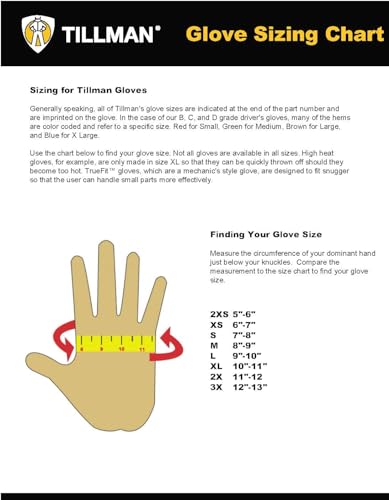
Fit is paramount. A glove that’s too loose will offer poor dexterity and won’t retain heat effectively. A glove that’s too tight will restrict movement and cause discomfort. Many brands, like SKYDEER, offer a range of sizes, but it’s always best to check the manufacturer’s sizing chart. Beyond size, consider the features that are important to your needs. For motorcycle riding, the Milwaukee gloves with their thermal lining and cinched wrist are a good choice. For general work, the toolant gloves with their reinforced palms and slip-on cuffs offer convenience. If you need a budget-friendly option, the DULFINE gloves provide decent warmth and durability. When considering your options, you’ll find our quality leather glove recommendations can help narrow down your search.
A properly fitted glove should allow you to make a fist without feeling constricted, and your fingertips should have adequate range of motion. Remember, a little break-in is normal for leather, but the glove should feel comfortable from the start.
Insulated Leather Gloves Compared
Here’s a comparison of key specifications for various insulated leather gloves.
| Product Title | Leather Type | Insulation | Cuff Type | Reinforcements | Water Resistance |
|---|---|---|---|---|---|
| toolant Insulated Leather Work Gloves | Full-Grain | 100g Thinsulate | Slip-on | Palm Patch | Water-Resistant |
| DLY Leather Insulated Work Gloves | Top-Grain Cowhide | Cotton/Fleece | Knit | Palm | Water-Resistant |
| DULFINE Cowhide Leather Work Gloves | Cowhide | 3M Thinsulate | Buckled | Palm Patch | N/A |
| SKYDEER Deerskin Leather Work Gloves | Deerskin | 100g Thinsulate | Elastic | N/A | N/A |
| toolant Full Grain Cowhide Gloves | Full-Grain Cowhide | Thinsulate | Hook & Loop | Palm Patch | N/A |
| Wells Lamont HydraHyde Work Gloves | Grain Cowhide | Thinsulate | N/A | Palm Patch | Water Resistant |
| Milwaukee Thermal Motorcycle Gloves | Saddle Cowhide | Thermal Lined | Cinch | Full Panel | Weather Resistant |
| Tillman Split Cowhide Winter Gloves | Split Cowhide | Pile | N/A | Forefinger | N/A |
Frequently Asked Questions
What leather type offers the best balance of warmth and durability in insulated gloves?
Full-grain leather consistently provides the best combination of durability and warmth, though it’s often more expensive. Its dense structure resists abrasion while still being pliable enough for comfortable wear, and it will develop a desirable patina over time.
How much Thinsulate is enough for very cold weather?
For prolonged exposure to sub-freezing temperatures, I suggest looking for gloves with at least 150g of Thinsulate insulation. Remember that windproofing is also crucial; even substantial insulation won’t perform well if cold air penetrates the glove.
Are split leather gloves a suitable option if I’m on a tight budget?
Yes, split leather gloves can be a viable budget-conscious choice, but understand they won’t offer the same longevity or abrasion resistance as full-grain or top-grain options. They are better suited for lighter tasks and won’t hold up to the same level of wear and tear.
Beyond insulation, what features should I look for in a winter glove for motorcycle riding?
For motorcycle riding, a snug, cinched wrist closure is essential to prevent cold air from entering the glove. You’ll also want to look at gloves with added reinforcement in areas prone to impact, like the knuckles and palms. Consider our cashmere-lined leather gloves for added comfort.
Where can I find more detailed information about selecting the right leather work gloves for my needs?
For a deeper explore choosing work gloves, I recommend checking out our guide to the best leather work gloves. It covers various leather types, construction methods, and applications to help you find the perfect fit for your specific tasks.
The Bottom Line
Choosing insulated leather gloves often comes down to balancing upfront cost with long-term durability and performance. While a higher price tag doesn’t guarantee the best fit for you, the toolant Insulated Leather Work Gloves consistently appear to offer the most complete package – a robust full-grain construction, effective Thinsulate insulation, and thoughtful reinforcements. They represent a solid investment for anyone needing reliable hand protection in cold conditions.
For those on a tighter budget, or with specific needs, several other options stand out. The DULFINE Cowhide Leather Work Gloves deliver reasonable warmth and protection at a very accessible price point, while the Milwaukee Thermal Motorcycle Gloves are a clear choice for riders demanding both thermal protection and a secure fit. If you’re looking for something a bit more specialized, check out our best men’s winter leather picks for alternatives.
Ultimately, the best insulated leather gloves aren’t defined by a single specification, but by the quality of the materials and the attention to detail in their construction. Focus on finding a glove that fits well, offers adequate insulation for your climate, and is made from a durable leather – a well-cared-for pair will serve you reliably for years, and you’ll find our men’s leather glove recommendations can help you find a pair that will.
