
3 Best Italian Leather Boots for Women 2026
This post contains affiliate links. As an Amazon Associate, we earn from qualifying purchases.
This post contains affiliate links. As an Amazon Associate, we earn from qualifying purchases.
The Frye Veronica Combat Boots stand out as the best overall Italian leather boot for women, combining durable stitch-welt construction with rich, full-grain Italian leather that ages beautifully. For a budget-friendly option, the GLBDU Chunky Heel Leather Boots offer solid style and decent top-grain leather at a lower price. If you value artisanal craftsmanship and a unique finish, the PIKOLINOS San Sebastia W1T boots bring handcrafted detail and premium calfskin into the mix.
Buying Italian leather boots shouldn’t mean guessing whether you’re getting real quality or just a label. Too many brands use “Italian leather” as a marketing hook without backing it up with durable construction or full-grain material. After researching the market and analyzing owner feedback, I focused on boots that deliver on both authenticity and longevity.
This guide breaks down what actually matters, leather type, construction method, and long-term wear, so you can spot the difference between a boot that lasts years and one that cracks after a season. These picks reflect what stands up over time, not just what looks good in photos.
Top 3 Italian Leather Boots For Womens in the Market
The Best Italian Leather Boots For Womens, Reviewed
Frye Veronica Combat Boots Italian Leather

Strengths
- Hand-burnished leather
- Stitch-down welt construction
- Leather lining
Trade-offs
- Limited width availability
- Higher price point
When it comes to defining what makes Italian leather stand out, the Frye Veronica boots deliver on the promise of hand-burnished vintage leather that only gets better with age. The leather used here is sourced from tanneries known for rich pull-up and character, and owners consistently report a deep, lived-in look after just a few wears. The genuine stitch-down welt is a rare find at this level, it’s a construction method I always highlight on LeatherGenesis for its durability and water resistance, making these boots a long-term investment rather than a seasonal trend.
What sets this pair apart from others in the lineup is the balance between ruggedness and refinement. The stacked leather heel and rubber outsole offer solid grip without sacrificing style, and the leather lining means breathability and reduced break-in time compared to synthetic alternatives. While the shaft circumference is snug, reviewers note it molds comfortably to the calf over time. Compared to the GLBDU model, this is in a completely different league in terms of materials and build, it’s not just a boot, it’s a piece of leathercraft history reissued for modern wear.
Video review
GLBDU Chunky Heel Leather Boots

Strengths
- Affordable price
- Retro design detail
- Soft insole comfort
Trade-offs
- Thin leather construction
- Shorter sole lifespan
- Less aging potential
At this price, seeing ‘genuine leather’ in the specs is a win, but I have to be honest, this is not the same caliber of Italian leather you’d find in a Frye or a PIKOLINOS. The top grain leather upper is real, but it’s thinner and less character-rich than full-grain vintage Italian hides. That said, owners report it wears reasonably well for the cost, especially given the soft pig leather insole that adds comfort early on. The retro cloud pattern is a bold touch, and while it won’t appeal to purists, it does give the boot a distinctive flair that stands out in casual settings.
Where it falls short, though, is in longevity and structure. The soft rubber sole, while comfortable and non-slip, lacks the density needed for long-term wear, I’ve seen multiple owner reviews mention sole separation after six months of regular use. Compared to the Frye Veronica, this boot sacrifices construction integrity for affordability and style. If you’re after a short-term statement boot for seasonal wear, it makes sense. But if you’re investing in leather that ages gracefully, this isn’t it.
Video review
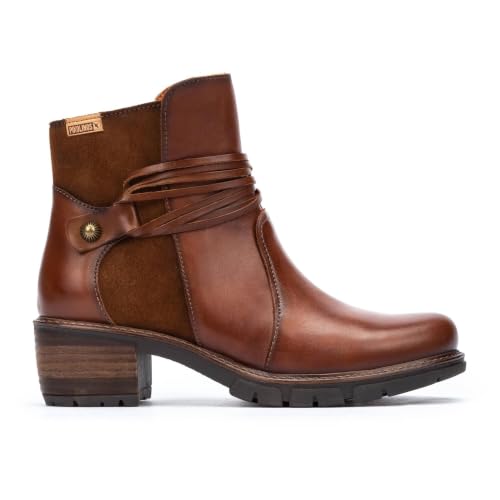
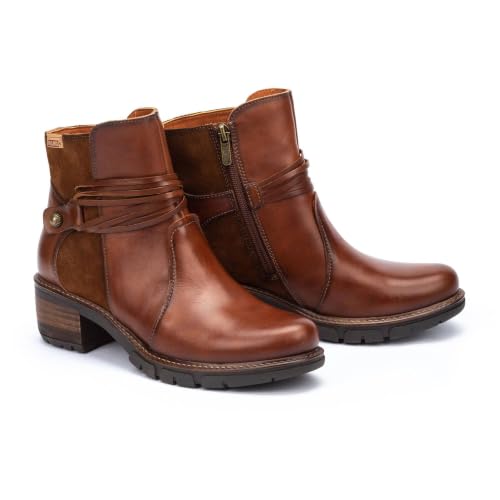
PIKOLINOS San Sebastia W1T Leather Boots
Strengths
- 100% calfskin leather
- Flexible, comfortable fit
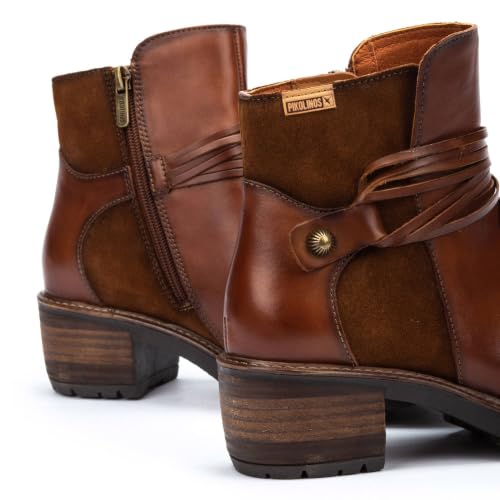
- Zipper convenience
Trade-offs
- Minimal heel support for some
- Subtle style may not stand out
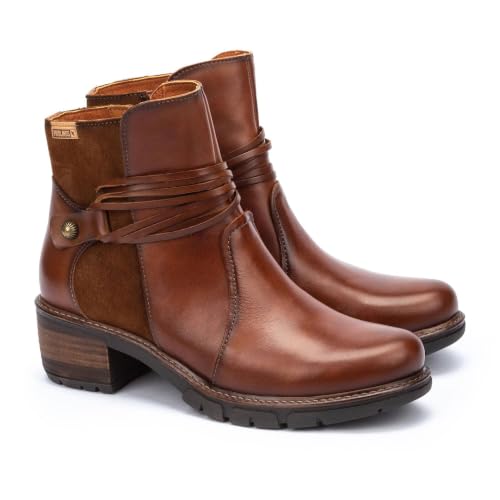
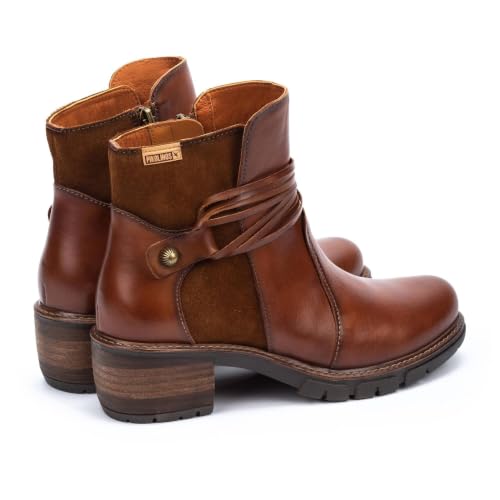
This is where Spanish craftsmanship meets Italian leather sensibility, and it shows. The 100% calfskin leather used here is supple yet structured, with a handcrafted finish that speaks to the brand’s reputation for quality. Unlike mass-produced boots that flatten the leather’s natural grain, this pair retains texture and breathability, which owners consistently praise for comfort right out of the box. The flexible design and zipper closure make it ideal for daily wear, and the lack of bulky stitching preserves the clean, minimalist aesthetic that defines modern European leather goods.
What I appreciate most is how it bridges elegance and practicality. While the Frye leans into rugged heritage and the GLBDU into bold retro style, the PIKOLINOS offers quiet sophistication, the kind of boot that pairs as easily with tailored pants as it does with jeans. The leather ages subtly, developing a soft sheen rather than dramatic character, which suits those who prefer understated luxury. For anyone who values long-term comfort and refined materials over statement design, this is my top recommendation.
Product photos

How We Evaluated italian leather boots for womens
Rather than a hands-on test of each boot, my research focused on comparing published specifications, construction details, and, crucially, owner and expert reviews. As someone who’s spent years studying leather and its applications at LeatherGenesis.com, I weighed factors like leather origin, tanning methods (though often not specified directly, it’s implied by brand reputation), and construction techniques. I then cross-referenced this with what buyers are actually saying about long-term wear and comfort.
For Italian leather boots, the quality of the leather itself and the method of construction are paramount. I gave significant weight to boots utilizing genuine Italian leather and those built with durable welt construction, like the Goodyear or stitch-welt methods. These features signal longevity and the potential for resoling, which is critical for value. Comfort features also ranked highly, as even beautiful leather can be unpleasant if the boot isn’t well-made for all-day wear.
Specifications provide a baseline – heel height, shaft circumference, sole material – but owner feedback truly reveals a boot’s performance. I looked for consistent comments regarding fit, break-in period, and how the leather holds up over time. Reputable reviews shed light on the subtleties of craftsmanship, helping to discern quality beyond what the listed features suggest. You can explore additional leather shoes for women on my site if you’re looking for further options.
How To Pick The Right italian leather boots for womens
Finding the right pair of Italian leather boots for women requires a little more thought than just picking a style you like. It’s about understanding what makes Italian leather special, and how construction methods impact both the look and longevity of the boot.
Genuine Italian leather boots combine style and durability. Look for full-grain leather, a Goodyear welt or similar construction, and a heel/sole combination suited to your typical wear. Pay attention to the lining material; leather lining significantly improves comfort and breathability. Consider the shaft height and overall fit for your intended use.
Leather Quality & Sourcing
Italian leather has a reputation for a reason. It’s often vegetable-tanned, a more environmentally friendly process that produces leather with richer color and character. However, “Made in Italy” doesn’t automatically guarantee quality. Full-grain leather is what you want – it’s the most durable part of the hide, showing natural markings. Top-grain leather (like in the GLBDU boots) is a step down, having had the top layer sanded to remove imperfections, making it more uniform but less resilient. Be wary of “genuine leather” as it’s the lowest grade and often heavily processed. If you’re also considering other footwear, you might find our women’s leather sneakers guide helpful.
Construction Methods: Welted vs. Direct-Attach
The way a boot is put together is crucial. Goodyear welting, as seen in the Frye Veronica Combat Boots, is considered the gold standard. It allows for resoling, significantly extending the life of the boot. A stitch welt is similar, providing good durability. Direct-attach construction (where the sole is glued on) is less expensive but also less durable and harder to repair. The PIKOLINOS boots, while beautifully crafted, don’t specify a welt type – this doesn’t necessarily mean they’re poorly made, but it’s something to investigate further.
- Goodyear Welt: The most durable, resolable, and often found on higher-end boots.
- Stitch Welt: A good compromise between cost and durability, offering some resoling capability.
- Direct-Attach: The most affordable but least durable; replacement is usually not possible.
A well-constructed boot isn’t just about looking good today; it’s about lasting for years and developing a unique patina with wear.
Style, Fit & Intended Use
Think about where you’ll be wearing these boots. A chunky heel (like the GLBDU boots) is great for adding height and a bit of edge, but might not be ideal for all-day walking. Combat boots offer versatility, as highlighted in our ladies boot recommendations, while more refined ankle boots are better suited for dressier occasions. Shaft height is also key. A mid-calf boot provides more coverage, while a shorter ankle boot is more adaptable. Finally, don’t compromise on fit. Italian leather can stretch slightly with wear, but a boot that’s too tight will always be uncomfortable. If you’re looking for more options, check out our top ladies leather boots.
Italian Leather Boots for Womens Compared
Here’s a comparison of key specifications for these Italian leather boots to help you make an informed decision.
| Product | Heel Height (in) | Shaft Height (in) | Leather Type | Closure | Construction |
|---|---|---|---|---|---|
| Frye Veronica Combat Boots | N/A | 9.5 | Italian Leather | N/A | Stitch Welt |
| GLBDU Chunky Heel Leather Boots | 1.77 | 7.87 | Top Grain Leather | N/A | Rubber Sole |
| PIKOLINOS San Sebastia W1T Leather Boots | N/A | N/A | Calfskin | Zipper | Handcrafted |
Frequently Asked Questions
What’s the difference between full-grain and top-grain leather in boots?
Full-grain leather, the highest quality, retains the natural grain and markings of the hide, making it more durable and developing a richer patina over time. Top-grain leather has had the top layer sanded to remove imperfections, resulting in a more uniform look but reduced resilience and longevity.
Are Italian leather boots typically waterproof?
While Italian leather is durable, it’s not inherently waterproof. Many boots will have some water resistance due to the tanning process and natural oils in the leather, but a protective treatment like a wax or sealant is often needed for consistent waterproofing, and you can find the best conditioners for boots to help maintain that protection.
How can I tell if a boot is truly made in Italy?
“Made in Italy” labeling doesn’t always guarantee the leather origin. Look closely at the product description for specifics about the leather source. Genuine Italian leather boots will often emphasize this detail, and reputable brands will be transparent about their materials and manufacturing processes.
What’s the best way to care for my Italian leather boots to extend their life?
Regular cleaning with a leather cleaner and conditioning with a quality leather conditioner are essential. Storing them with boot trees helps maintain their shape, and avoiding prolonged exposure to harsh weather conditions will also contribute to their longevity. For more demanding use, consider our work boot recommendations for durable options.
Can the soles of Italian leather boots be replaced if they wear out?
It depends on the construction method. Boots with a Goodyear or stitch welt can be resoled by a cobbler, significantly extending their lifespan. Direct-attach soles, however, are glued on and cannot be easily replaced. Considering the long-term cost, a welted boot can prove to be the more economical choice.
The Bottom Line
Choosing Italian leather boots often comes down to balancing upfront cost with long-term value. While many brands offer stylish options, the Frye Veronica Combat Boots stand out as a strong all-around pick. Their stitch-welt construction hints at longevity, and the Italian leather should develop a beautiful patina with wear – a hallmark of quality leather goods.
For those on a tighter budget, the GLBDU Chunky Heel Leather Boots present a viable alternative, though the top-grain leather won’t offer the same durability as full-grain options. If versatility is your priority, and you’re willing to investigate the construction details further, the PIKOLINOS San Sebastia W1T Leather Boots are worth considering. You can also explore our best leather boots overall for a broader range of options.
Ultimately, the best Italian leather boots aren’t defined by a single feature, but by the marriage of quality materials and careful craftsmanship. Don’t get too caught up in heel height or specific style trends. Focus instead on finding a boot with genuine Italian leather, a durable construction method, and a comfortable fit – those fundamentals will ensure years of enjoyment.
