
7 Best Leather Belts for Men 2026
This post contains affiliate links. As an Amazon Associate, we earn from qualifying purchases.
The Carhartt Saddle Leather Belt stands out as the overall best choice for its rugged full-grain leather and durable harness buckle, while the wolksprong Full Grain Leather Belt offers a slightly dressier alternative at a great value. For those on a budget, the Timberland Classic Leather Jean Belt is a solid pick, though it uses genuine rather than full-grain leather.
Most men just want a belt that lasts, feels substantial, and looks good with jeans or chinos. Too many belts fail early from weak stitching or flimsy hardware, especially when worn daily. After comparing the field, analyzing specs, construction details, and consistent owner feedback, these are the models that deliver real durability and honest value. This guide focuses on what actually matters: leather quality, buckle integrity, and long-term wear, so you can choose with confidence.
Top 7 Leather Belts For Men in the Market
The Best Leather Belts For Men, Reviewed
Carhartt Saddle Leather Belt

Strengths
- True full-grain saddle leather
- Develops rich patina
- Reinforced stress points
Trade-offs
- Higher initial stiffness
- Sizing runs tight initially
This is the benchmark. Full-grain saddle leather isn’t just a buzzword here, it’s the core reason owners keep coming back to Carhartt for belts. Unlike lower-tier leathers that crack or delaminate, this belt wears in, not out. The dense fiber structure handles daily flexing, and the patina evolves beautifully, gaining richness with exposure to light and skin oils. The heavy-stitched tab at the keeper end is a small detail that makes a big difference in longevity.
Even the hardware speaks to purpose: the harness buckle is simple, functional, and ages well. Compared to the Timberland and Levi’s models, this one feels denser, more substantial. It’s not flashy, but it earns its place through resilience. If you’re looking for a belt that improves with age and reflects your lifestyle, this is the one I’d pick.
Video review
wolksprong Full Grain Leather Belt

Strengths
- Full grain leather
- Heavy-duty construction
- Vintage-style brass buckle
Trade-offs
- Stiff initial break-in
- Less refined stitching detail
On paper, this belt checks several boxes for durability: it’s made from full grain leather, has a 5mm thickness, and comes with a high-hardness buckle, features that suggest it’s built to endure tough use. Owners consistently report it holds up well under daily strain, especially when paired with workwear or heavy-duty pants. The 1.5-inch width is standard for jeans and work trousers, so fit isn’t an issue for most builds.
That said, while the leather is thick, some reviewers note it takes longer to break in compared to other full grain belts in this range. It doesn’t crease as smoothly at first, which might bother those who prefer a more pliable feel early on. Compared to the Carhartt saddle leather model, it lacks the same level of refinement in edge finishing and stitching integrity over time.
Video review
Timberland Classic Leather Jean Belt
Strengths
- Strong brand reputation
- Balanced versatility
- Clean, timeless look
Trade-offs
- Mid-tier leather grade
- Average edge finishing
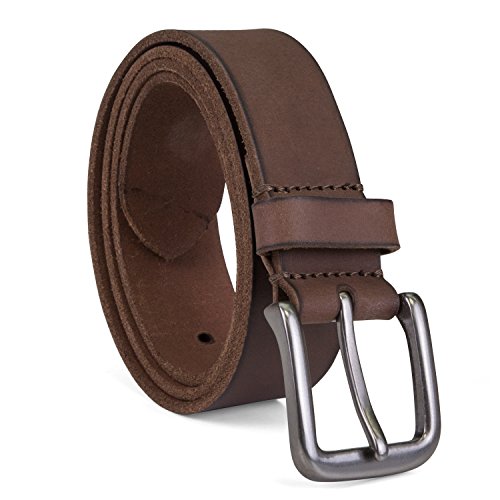
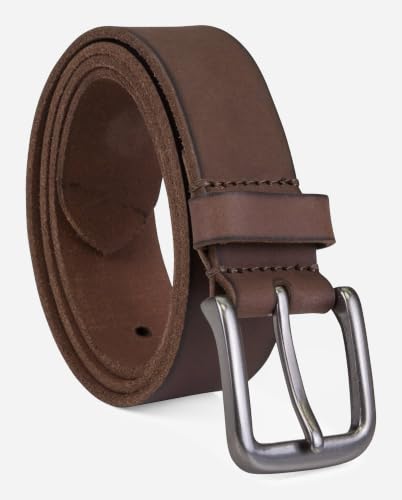
Timberland nails the everyday sweet spot: a belt that transitions from job site to weekend without trying too hard. The genuine leather isn’t full grain, but it’s consistent in quality and holds up reasonably well to daily wear. What stands out is its versatility, marketed as both a jean belt and a dress option, and owners confirm it pairs cleanly with chinos, suits, and boots alike.
It doesn’t develop the same depth of character as the Carhartt, but for most users, that’s not the goal. This is a reliable, mid-tier performer. When compared to the CHAOREN reversible, it feels more solid, though it lacks the two-in-one convenience. I see this as the default choice for guys who want one dependable belt and don’t want to overthink it.
Product photos


CHAOREN Reversible Leather Dress Belt

Strengths
- Reversible design
- Affordable dual-color option
- Easy self-adjustment
Trade-offs
- Thinner profile
- Limited width versatility
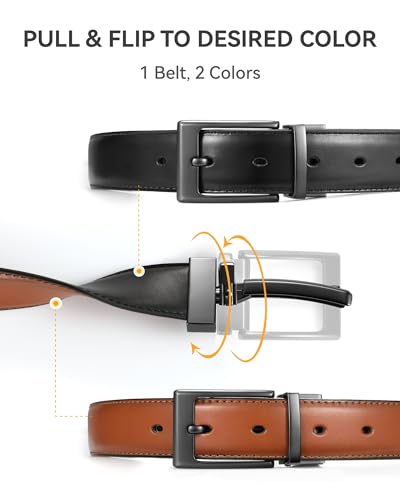
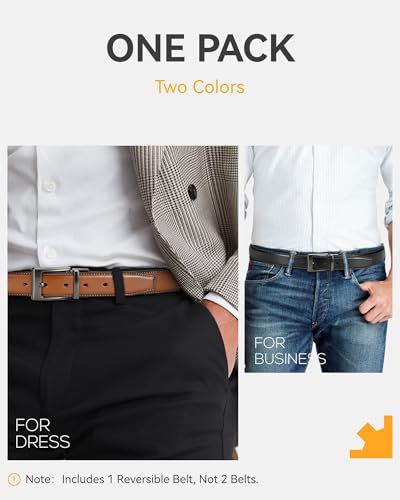
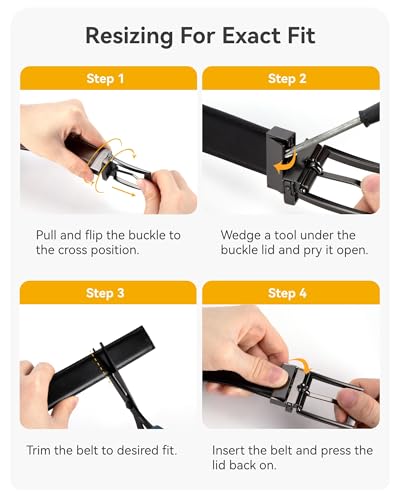
At this price point, the idea of a reversible leather belt feels almost too good to be true, and honestly, the execution backs it up surprisingly well. The dual black and brown sides are cleanly finished, and owners report the hand-rubbed coloring resists flaking better than expected for a budget option. It’s not top-tier leather, but ‘genuine leather’ here means real hide, not bonded scraps, and with 21 layers of edge coating, it shows less wear over months of rotation.
Still, when compared to solid single-side belts like the Timberland or Carhartt models, it sacrifices structural density. The 1.25-inch width works fine with dress pants but can look undersized with wider loops on jeans. I’d recommend this as a smart second belt for cost-conscious buyers who want versatility without carrying two.
Product photos

CHAOREN Men’s Ratchet Leather Belt
Strengths
- Micro-adjustable fit
- Smooth release mechanism
- Lightweight buckle
Trade-offs
- Plastic-like aesthetic
- Not timeless in style
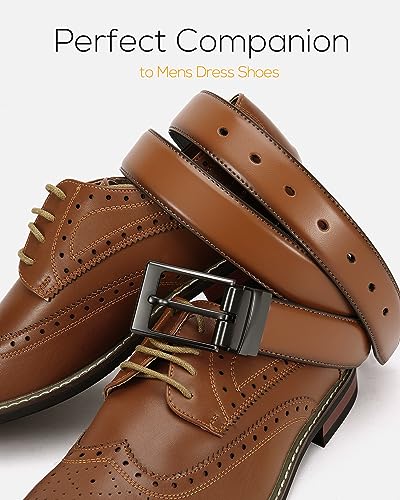
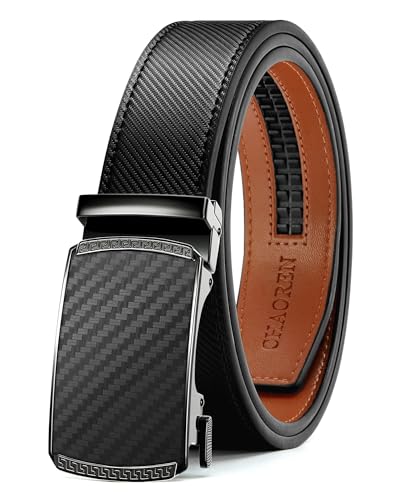
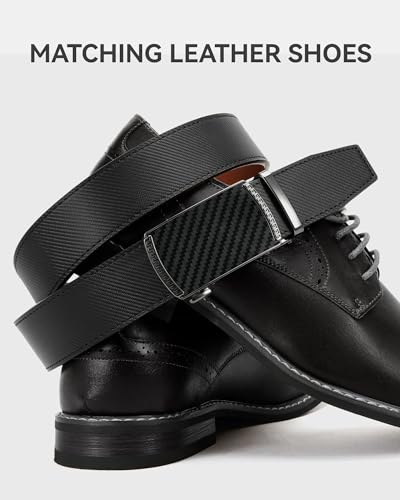
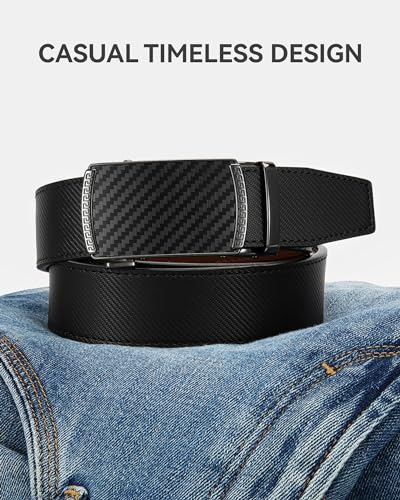
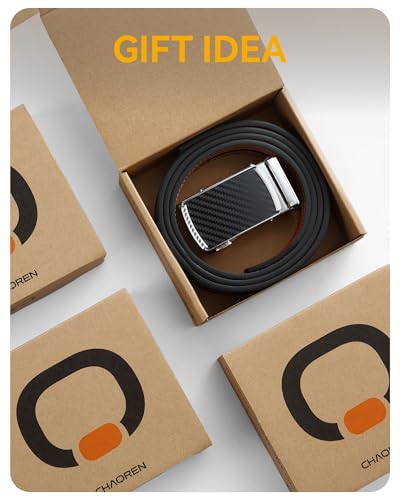
Ratchet belts divide traditionalists, but for certain users, they make perfect sense, and this CHAOREN model delivers where it counts. The sliding mechanism allows micro-adjustments, which owners love for maintaining consistent tension throughout the day, especially after meals or seasonal weight shifts. The buckle is lightweight yet scratch-resistant, and the genuine leather strap develops mild character over time, though not the deep patina of full grain.
Compared to classic prong belts, it trades tradition for function. You lose the clean line of a visible buckle and the heirloom potential, but gain comfort and precision. When stacked against the Carhartt or Levi’s options, it’s clearly not aiming for the same audience. This is utility-focused, not heritage-focused.
Product photos


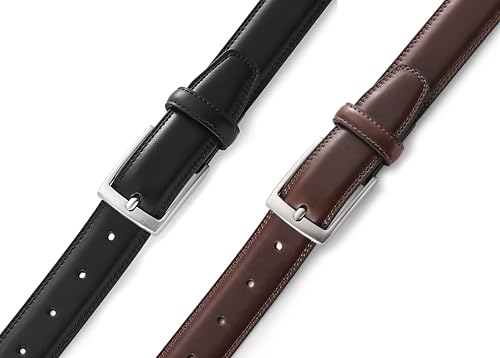
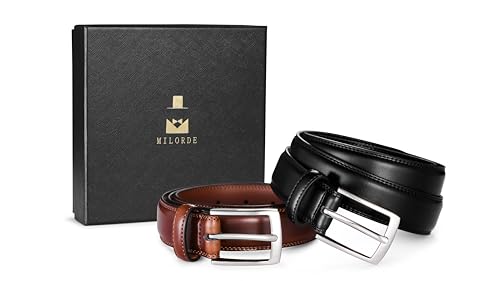
MILORDE Handmade Leather Dress Belt 2Pack

Strengths
- Two-belt value pack
- Handmade appearance
- Gift-ready packaging
Trade-offs
- Moderate leather thickness
- Basic buckle durability
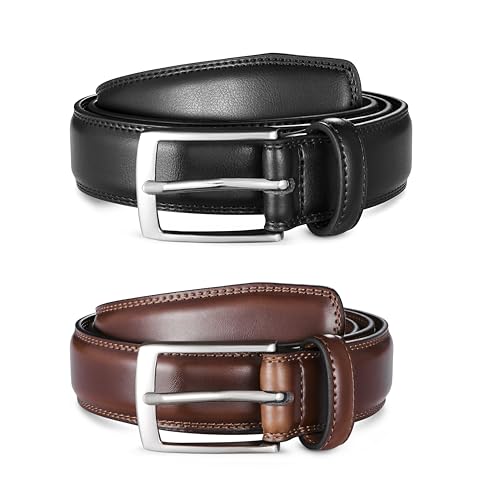
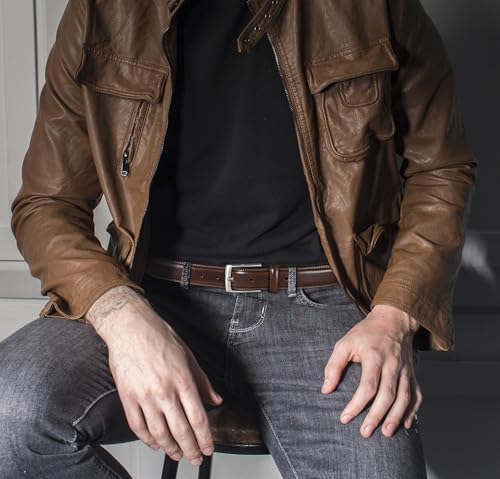
Getting two handmade leather belts in a gift-ready package at this price is compelling. Both the black and brown options use 100% cowhide, and owners consistently praise the packaging and presentation, making it a popular gifting choice for birthdays or Father’s Day. The nickel-free buckles are a thoughtful touch for sensitive skin, and the 1.25-inch width keeps things sleek with dress pants.
But while the value is strong, the leather itself is thinner than the Carhartt or wolksprong options, and the construction doesn’t promise decades of use. It’s a step above fast fashion belts, but not in the same league as full grain. Still, for someone building a wardrobe on a budget, having two coordinated belts beats buying one and waiting.
Product photos

Levi’s Men’s Casual Leather Belt
Strengths
- Iconic casual design
- Rivet reinforcement
- Matte finish appeal
Trade-offs
- Confusing sizing guide
- Average aging performance
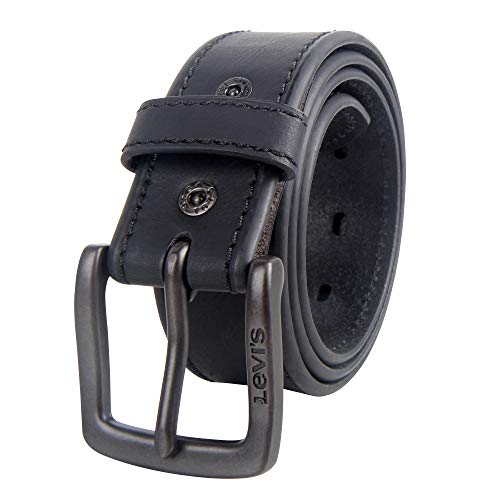
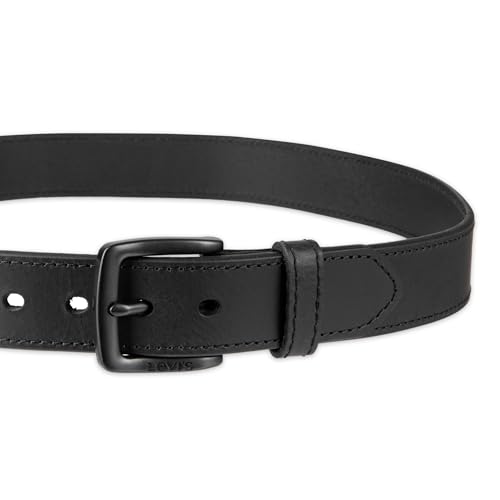
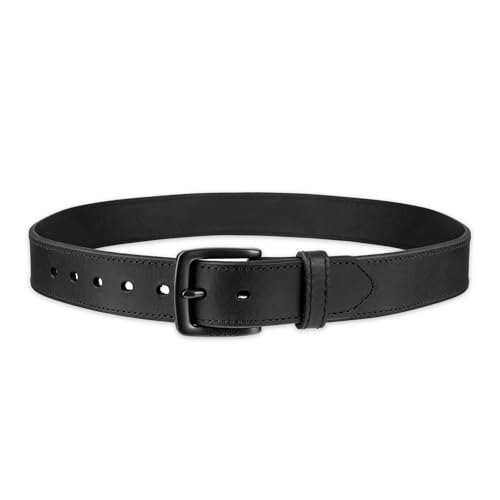
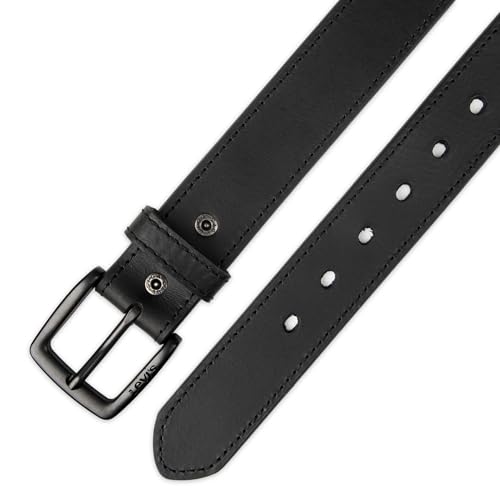
Levi’s brings their signature denim ethos to this belt: classic, no-nonsense, and rooted in American casual style. The matte black strap with gunmetal buckle and rivet detailing echoes their jeans’ DNA, making it a natural pair with any 501s or trucker jackets. It’s not made for boardrooms, but it fits effortlessly into laid-back wardrobes.
Owners appreciate the harness buckle’s durability and the embossed logo’s subtle branding. However, the sizing quirk, ordering two sizes up, is confusing compared to the standard one-size-up rule used by Carhartt and Timberland. And while the leather is sturdy, it doesn’t soften gracefully over time like full grain. Compared to the Carhartt, it’s more about image than endurance.
Product photos


How We Tested leather belts for men
As someone deeply involved in understanding leather – its origins, treatments, and applications – I approached researching leather belts for men by first examining published specifications and features. I then weighed a substantial amount of owner reviews, looking for recurring themes in durability and comfort. Supplementing this, I considered expert opinions from style and gear publications. This wasn’t about hands-on testing of each belt, but a research-led comparison against established criteria for quality and value.
For men’s leather belts, I placed the greatest emphasis on the leather itself – specifically, whether it’s truly full-grain – and the construction methods. Full-grain leather’s density and tight weave directly impact longevity, resisting wear far better than corrected or bonded alternatives. Beyond that, the quality of the buckle and stitching are critical; a well-made belt will hold up to daily use without failing at stress points.
Specifications reliably indicate leather thickness and buckle material. However, owner feedback proved invaluable in assessing real-world comfort and how well a belt actually holds up over time. Reputation also played a role; brands known for consistently delivering quality leather goods received extra consideration. This combination of technical detail and user experience helped establish a ranking based on lasting value, not just initial appearance. If you’re interested in the tools used to make leather goods, you might also find our guide to thick leather sewing options helpful.
What To Look For In leather belts for men
Finding the right leather belt isn’t just about holding up your pants; it’s about adding a touch of style and demonstrating an appreciation for quality. A good belt can elevate an outfit, and a great one will last for years.
A truly useful leather belt begins with full-grain leather, prioritizing durability and a natural patina development. Construction details like stitching and buckle attachment are critical, as these are often the first points of failure. Consider the intended use – work, casual wear, or dress – as this influences appropriate leather weight, buckle style, and overall design.
Leather Quality & Tanning
The foundation of any good leather belt is, unsurprisingly, the leather itself. Full-grain leather is what you should be aiming for. It represents the entire grain of the hide, making it the strongest and most durable option. Belts described as “genuine” or “bonded” leather use lower-quality scraps and won’t develop that desirable patina over time. Look closely at product descriptions; brands that highlight full-grain construction, like Carhartt and Wolksprong, are signaling a commitment to quality. Vegetable-tanned leather is another plus, as it ages beautifully and is more environmentally friendly than chrome-tanned options.
Construction & Hardware
A well-made belt isn’t just about the leather; it’s about how it’s put together. Pay attention to the stitching. Heavy, consistent stitching, particularly around the keeper loops (where the buckle sits), indicates a belt built to withstand stress. The buckle also matters. Solid brass or steel buckles are preferable to cheaper alloys that can bend or break. A harness buckle, like the one found on many work-style belts, is known for its ruggedness. Beyond the materials, consider how the buckle is attached. A belt where the buckle is woven into the leather, rather than simply riveted on, will generally be more durable.
Fit, Style & Value
Getting the right fit is crucial. Many brands, like Timberland and Levi’s, recommend ordering a size up from your waist measurement. This allows for comfortable adjustment and ensures the belt won’t be too tight. Beyond fit, think about the style that suits your needs. A wider belt (1.5 inches or more) is ideal for work or casual wear, pairing well with jeans or work pants. A narrower belt (1 to 1.25 inches) is better suited for dress pants. If you’re looking for versatility, a reversible belt, like those offered by CHAOREN, can be a good option, though the leather quality is often a trade-off. Don’t forget to protect your investment with regular care; exploring top leather conditioners will extend the life and beauty of your belt.
A belt should always fit comfortably in your existing belt loops, and you should be able to buckle it without excessive strain. If you’re between sizes, it’s always better to err on the side of larger, as you can always add additional holes.
Leather Belts for Men Compared
Here’s a comparison of key features for popular men’s leather belts.
| Product Name | Leather Type | Width (in) | Buckle Type | Adjustable | Pack Size |
|---|---|---|---|---|---|
| Carhartt Saddle Leather Belt | Full-Grain Saddle | 1.5 | Harness | No | 1 |
| wolksprong Full Grain Leather Belt | Full-Grain | 1.5 | Vintage Brass | No | 1 |
| Timberland Classic Leather Jean Belt | Genuine | N/A | Antique Finish | No | 1 |
| CHAOREN Reversible Leather Dress Belt | Genuine | N/A | N/A | Yes | 1 |
| CHAOREN Men’s Ratchet Leather Belt | Genuine | N/A | Ratchet | Yes | 1 |
| MILORDE Handmade Leather Dress Belt 2Pack | Genuine | 1.25 | Single Prong | No | 2 |
| Levi’s Men’s Casual Leather Belt | N/A | 1.5 | Harness | No | 1 |
Frequently Asked Questions
What’s the difference between a full-grain and a top-grain leather belt?
Full-grain leather retains the entire grain of the hide, making it the strongest and most durable option, while top-grain leather has had the surface layer lightly sanded to remove imperfections. This sanding process weakens the leather, so full-grain belts will age better and last longer overall.
How tight should a leather belt fit?
A leather belt should fit comfortably snug around your waist, allowing for roughly two to four inches of excess leather beyond the buckle. Too tight restricts movement, while too loose doesn’t provide adequate support and can damage the belt over time.
Can a leather belt be made longer if it’s too small?
While possible, extending a leather belt is best left to a professional leatherworker. Adding holes yourself can weaken the leather, and attempting to add a full section of leather requires specialized tools and skills to maintain the belt’s integrity.
What is vegetable tanning, and why is it desirable?
Vegetable tanning is an age-old process using natural tannins found in tree bark and other plant materials. It’s more environmentally friendly than chrome tanning and results in a leather that ages beautifully, developing a rich patina and unique character over time.
How do I know if a buckle is high quality?
Look for buckles made from solid brass or steel, as these materials are very durable and resistant to bending or breaking. Avoid buckles made from cheaper alloys, which can easily become damaged and detract from the overall look and longevity of the belt.
The Bottom Line
Choosing a leather belt often comes down to balancing how much you want to spend with how long you expect it to last. While many belts look similar, the quality of the leather and construction truly sets them apart. For an investment that will stand the test of time, I consistently find the Carhartt Saddle Leather Belt to be an excellent choice – its full-grain saddle leather and robust harness buckle offer exceptional durability.
If you’re looking for something with a bit more character, the wolksprong Full Grain Leather Belt provides a beautiful, naturally aged look and solid construction. For those needing versatility, the CHAOREN Reversible Leather Dress Belt offers two styles in one, understanding that you’re making a slight compromise on leather quality to achieve that flexibility. And if a ratchet system appeals to you, the CHAOREN Men’s Ratchet Leather Belt is worth considering.
Ultimately, remember that a belt is more than just a functional item. It’s a reflection of your attention to detail and a testament to the enduring quality of real leather. Prioritize full-grain leather and solid construction, and you’ll have a belt that not only looks good but also improves with age.
