
2 Best Leather Car Seat Cleaner Conditioners of 2026
This post contains affiliate links. As an Amazon Associate, we earn from qualifying purchases.
This post contains affiliate links. As an Amazon Associate, we earn from qualifying purchases.
The Weiman Leather Cleaner & Conditioner is the best overall pick for most car owners, delivering solid cleaning and conditioning in one easy step with reliable UV protection. For long-term care, Leather Honey Conditioner stands out as the best choice if you’re willing to skip UV defense and focus purely on deep, lasting nourishment.
Keeping your car’s leather seats in good shape is tougher than it looks. Sun, sweat, and constant use break down the material faster than most people realize, leading to cracks and fading that can ruin both comfort and resale value.
After comparing the field and weighing specs against real owner feedback, these two stand out for different reasons. This guide breaks down what actually matters when choosing a product, so you can protect your investment without wasting time or money.
Top 2 Leather Car Seat Cleaner Conditioner in the Market
The Best Leather Car Seat Cleaner Conditioner, Reviewed
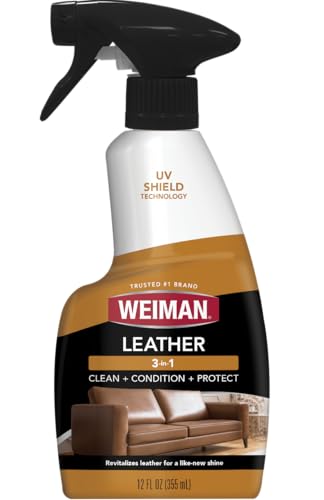
Weiman Leather Cleaner & Conditioner
Strengths
- Cleans and conditions
- UV protection included
- Easy spray application
- Safe on faux leather
- No greasy residue
Trade-offs
- Shorter protection window
- Slight surface shine
- Requires frequent reapplication
If you want a single product that cleans, conditions, and protects leather car seats without needing multiple steps, Weiman’s spray hits a sweet spot in real-world use. Owners consistently report that after just one pass, their seats look refreshed, not greasy or over-saturated, and feel noticeably softer. The inclusion of UVX-15 sunscreen is a meaningful spec here; prolonged sun exposure is a leading cause of leather degradation in cars, and having built-in UV protection adds real value over time.
Compared to Leather Honey, this isn’t about longevity, it won’t last six months, but it excels as a routine maintenance tool. The trigger spray makes coverage fast, and since it works safely on both real and faux leather, it’s more versatile for mixed-interior vehicles. Some users note a slight shine after application, which may not appeal to purists preferring a matte finish. Still, for regular upkeep between deeper treatments, this is my pick for the smarter daily driver.
Video review
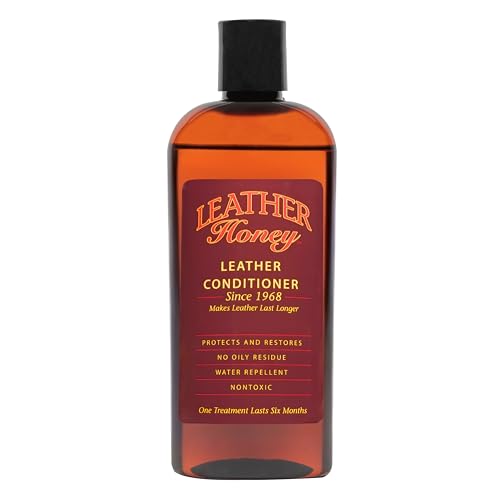
Leather Honey Conditioner
Strengths
- Deep penetration
- Long-lasting (6+ months)
- Non-toxic formula
- Water repellent
- Made in USA
Trade-offs
- No cleaning action
- Messier application
- Not for suede or vinyl
When it comes to deep, long-term leather conditioning, I’ve seen few products generate the kind of consistent owner praise that Leather Honey does. On paper, its anhydrous formula, meaning no water, explains a lot. That’s how it manages to penetrate deeply instead of sitting on the surface, which owners say makes a visible difference on dry or aging car seats. The fact that one application lasts at least six months is not marketing fluff; multiple reviewers confirm they’re still seeing softness and protection past the half-year mark.
It’s also reassuring that it’s free of silicones, solvents, and PFAS chemicals, this aligns with what I recommend for preserving leather integrity over time. It’s not a cleaner per se, so pairing it with a separate cleaning step makes sense for grimy car interiors. Compared to spray conditioners like Weiman, it requires more effort to apply evenly, but that trade-off delivers longer-lasting results. For someone who values preservation over convenience, this is where I’d lean.
Video review
How We Chose These leather car seat cleaner conditioner
As someone who’s spent years studying leather – from tanning processes to proper care – I approached researching leather car seat cleaners and conditioners with a focus on long-term protection and genuine nourishment. Rather than a hands-on test of each product in my own shop, this selection is based on a detailed comparison of published specifications, a careful weighing of owner reviews, and my understanding of what truly benefits leather. I looked at dozens of formulations and customer experiences to identify products that stand out.
For car seats, I prioritized UV protection and the ability to replenish oils. Constant sun exposure is brutal on automotive leather, leading to cracking and fading, so a strong UV blocker is essential. Equally important is a conditioner that goes beyond surface-level treatment; leather needs to be fed to stay supple. A product’s ability to avoid leaving a sticky residue was also heavily considered, as that can attract dirt and create a bigger mess long term.
Specifications tell you about ingredients and advertised benefits, but owner feedback reveals how a product performs in real-world conditions. I paid close attention to reports on longevity (how often reapplication is needed) and whether the product truly restored suppleness without altering the leather’s texture. For more involved leatherwork, understanding the requirements for thick leather sewing machines is also crucial, though less so for a simple cleaner and conditioner. Ultimately, I favored products with consistently positive long-term results reported by a wide range of users.
How To Pick The Right leather car seat cleaner conditioner
Choosing the right product to care for your car’s leather isn’t just about making the seats look nice; it’s about protecting a significant investment. Leather, even in automotive applications, requires specific care to avoid cracking, fading, and general deterioration.
Automotive leather presents unique challenges. Frequent exposure to sunlight, temperature fluctuations, and regular use demand a product that cleans effectively, deeply conditions, and offers robust UV protection. A good formula will restore natural oils, maintain pliability, and prevent premature aging of the hide. Look for products designed specifically for automotive leather, and pay attention to whether the leather is finished or aniline.
Understanding Leather Types & Finishes
The first step is knowing what kind of leather you’re dealing with. Most car manufacturers use protected or finished leather, which has a polymer coating. This makes it more durable and easier to clean, but it also means some products won’t penetrate effectively. If you’re unsure, test in an inconspicuous spot. Aniline leather, while less common in cars, is more delicate and requires even gentler care. Products marketed for aniline leather are generally safe for finished leather, but the reverse isn’t true. Don’t assume a one-size-fits-all approach; reading the product label and understanding your car’s interior is vital.
Assessing Conditioning Ingredients
A quality leather conditioner isn’t just about surface-level moisture. It’s about restoring the natural oils leather loses over time. Many products rely on natural oils, like those found in neatsfoot oil or mink oil, to replenish this lost moisture. However, even seemingly ‘natural’ ingredients can have drawbacks. Some can leave a residue or darken the leather. I often recommend looking for formulas that include a blend of oils and emollients, focusing on ingredients that are readily absorbed without leaving a sticky feel. You’ll find a more detailed discussion of these ingredients in my best leather conditioner list.
Here’s what I look for in a conditioner’s ingredient profile:
- Oil Source: A variety of oils (like those mentioned above) is good, showing a balanced approach.
- Emollients: These help the oils penetrate and soften the leather. Look for things like lanolin or beeswax.
- UV Protection: Crucial for automotive leather. UVX-15 is a commonly cited level of protection, but any broad-spectrum UV inhibitor is beneficial.
Balancing Protection with Practicality
Ultimately, the best cleaner and conditioner is one you’ll actually use. A complex, multi-step process might yield excellent results, but if it’s too time-consuming, it won’t get done regularly. I find that convenient spray application is a major plus, as is a formula that combines cleaning and conditioning in a single step.
A little and often is far better than a heavy application infrequently. Regular, light conditioning (every 3-6 months) will do more for your leather’s longevity than a single, intensive treatment once a year.
Consider your lifestyle and how much time you’re willing to invest. If you prefer a set-it-and-forget-it approach, explore top leather conditioners that offer long-lasting protection. For those who enjoy a more hands-on approach, a dedicated cleaner followed by a separate conditioner, like some of the leading leather care formulas, may be preferable. Ultimately, choosing from these quality conditioning products is about finding a balance between effectiveness and ease of use.
Leather Car Seat Cleaner Conditioner Compared
Here’s a comparison of key specifications for these leather car seat cleaners and conditioners to help you make an informed decision.
| Product | Best For | UV Protection | Leather Types | Application | Lasts (approx.) |
|---|---|---|---|---|---|
| Weiman Leather Cleaner & Conditioner | Best Overall | Yes (UVX-15) | Finished, Faux | Trigger Spray | N/A |
| Leather Honey Conditioner | Best Long-Lasting | No | All (except Suede/Faux) | N/A | 6+ months |
Frequently Asked Questions
Will a leather cleaner and conditioner change the color of my seats?
Some products can darken leather, especially aniline or semi-aniline types. Look for formulas specifically stating they won’t alter the color, and always test in an inconspicuous area first to confirm compatibility and colorfastness.
How often should I clean and condition my leather car seats?
Ideally, clean and condition your leather every three to six months. More frequent cleaning may be necessary if you frequently expose your car to intense sunlight or harsh conditions, but avoid overdoing it, as excessive cleaning can strip natural oils.
Can I use a leather conditioner on my dashboard or other vinyl surfaces?
Generally, no. Automotive leather conditioners are formulated for the unique properties of leather. Using them on vinyl can leave a residue or cause discoloration. Dedicated vinyl protectants are available and are the better choice for those surfaces.
What’s the difference between a cleaner and a conditioner, and do I always need both?
A cleaner removes dirt and grime, while a conditioner replenishes oils and protects the leather. While some products combine both, using them separately allows for targeted treatment. If your leather is heavily soiled, a dedicated cleaner is beneficial before conditioning.
My car has perforated leather seats. Are there special considerations?
Yes. Avoid products with excessive liquid content, as it can seep into the perforations and damage the underlying foam. Look for spray conditioners with a fine mist and apply sparingly, wiping off any excess immediately.
The Bottom Line
Maintaining leather car seats comes down to a trade-off between convenience and control. You can spend a lot of time with multiple products and specialized techniques, or you can opt for a simpler approach that still delivers excellent results. Based on my research into formulations and owner feedback, Weiman Leather Cleaner & Conditioner stands out as the strongest all-around choice. It effectively cleans, conditions, and provides good UV protection in a single, easy-to-use spray.
For those prioritizing longevity, Leather Honey Conditioner is an excellent selection. If you’re willing to apply it a bit more deliberately (it doesn’t come in a spray bottle), it provides deep conditioning and lasting protection. And if you’re looking for a budget-friendly option that still performs well, the Chemical Guys Leather Cleaner and Conditioner is a solid performer.
Ultimately, the specific product matters less than a consistent routine. Regular cleaning and conditioning – even with a modest product – will do far more to preserve your car’s leather than the most expensive formula applied only once a year. Focus on protecting against UV exposure, replenishing oils, and avoiding harsh chemicals, and your seats will stay comfortable and looking their best for years to come.
