
3 Best Leather Cleaners for Furniture 2026
This post contains affiliate links. As an Amazon Associate, we earn from qualifying purchases.
This post contains affiliate links. As an Amazon Associate, we earn from qualifying purchases.
The Leather CPR Cleaner & Conditioner stands out as the best overall pick for most furniture, thanks to its effective one-step formula and pH-balanced design. For those on a budget, Bick 4 offers reliable performance across all leather types, while the Tanner’s Preserve Duo delivers targeted care for high-end finished pieces.
Leather furniture is an investment, but without the right care, it fades, cracks, and loses its luster fast. Many cleaners either strip natural oils or leave behind greasy residues that do more harm than good.
After comparing the field and weighing specs against real owner feedback, I focused on formulas that clean and condition without darkening or damaging finished leather. These picks prioritize balance, safety, and ease of use, because consistent care matters more than occasional deep treatments.
Top 3 Leather Cleaner And Conditioner For Furniture in the Market
The Best Leather Cleaner And Conditioner For Furniture, Reviewed
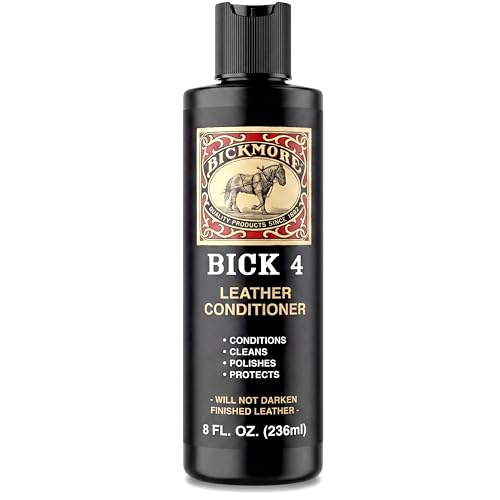
Bick 4 Leather Conditioner & Cleaner 8 oz
Strengths
- Won’t darken leather
- Wax-free formula
- Breathable finish
Trade-offs
- Limited cleaning power
- Not a true cleaner
Bick 4 stands out in a crowded field because it solves a real problem many leather owners face: darkening. A lot of conditioners leave behind a wet look or permanently alter the shade of lighter leathers, but Bick 4’s wax-free formula avoids that entirely. Based on consistent owner feedback, it’s especially reliable on furniture where color fidelity matters, like cream or tan sofas that would show residue or shadowing immediately.
It’s not a cleaner and conditioner in one, despite the product title suggesting otherwise, the cleaning action is mild at best. You’ll still want to wipe down grime with a dedicated prep step. But as a conditioner, it’s among the safest bets for maintaining leather without clogging pores or building up over time. Compared to heavier, oil-based formulas, Bick 4 lets leather breathe, which I always recommend for indoor furniture exposed to regular use and temperature shifts.
Video review
Leather CPR Cleaner & Conditioner 18 oz

Strengths
- One-step convenience
- Large 18oz bottle
- Restores color and softness
Trade-offs
- May need repeat use
- Not for suede or nubuck
Leather CPR is built for people who want results without complexity. The one-step formula is effective at both lifting dirt and restoring moisture, and the 18oz bottle offers real value for larger jobs like full sofas or car interiors. Reviewers frequently mention how quickly they saw improvements in suppleness and color depth, especially on furniture that had gone years without proper care.
It’s water-based and pH-balanced, which makes it safer than solvent-heavy alternatives, and the lack of rinsing or buffing is a genuine time-saver. That said, it’s not magic, on very dry or cracked leather, you may need multiple applications. Still, for most users dealing with typical wear, it outperforms smaller two-step kits in efficiency. Compared to Tanner’s Preserve, it’s less precise but far more practical for routine maintenance on large surfaces.
Video review
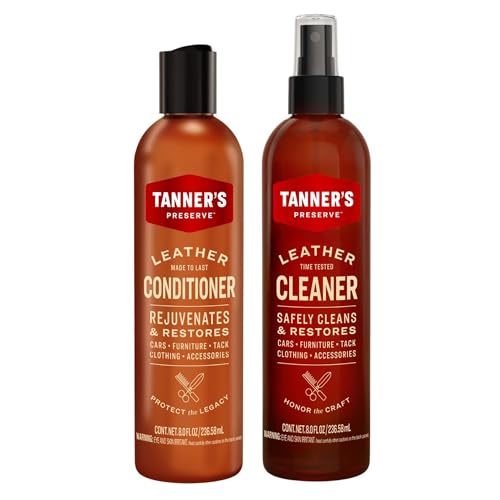
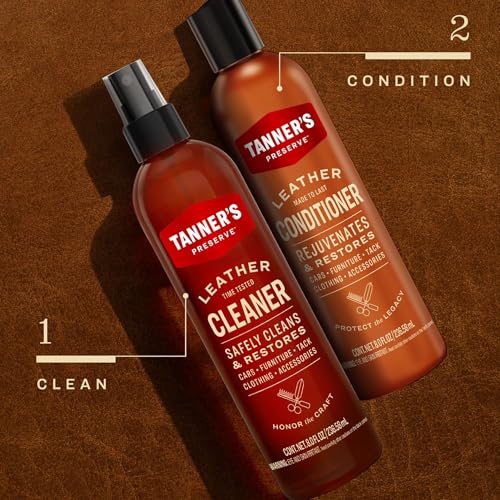
Tanner’s Preserve Cleaner & Conditioner Duo
Strengths
- Two-step precision
- Deep penetration
- Trusted heritage
Trade-offs
- Requires more effort
- Smaller bottle size
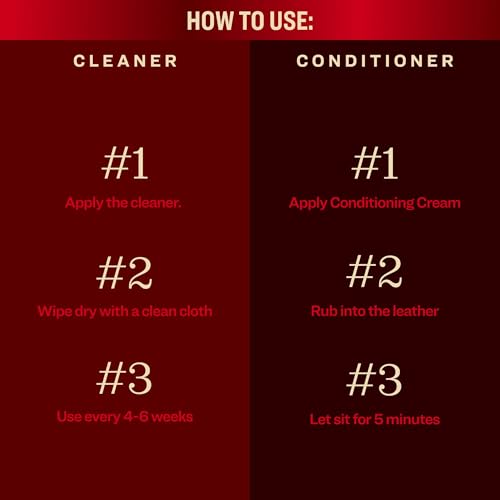
Tanner’s Preserve positions itself as a premium two-step system for serious leather care, and on paper it delivers exactly what it promises. The separation of cleaner and conditioner means you’re not cutting corners, owners consistently report that the cleaner effectively lifts grime without stripping the leather, while the conditioner deeply nourishes without greasiness. This kind of dedicated, phased approach is something I typically recommend for high-use furniture where long-term preservation matters more than speed.
The brand’s heritage since 1940 carries weight in this category, and reviewers often note the formula feels more refined than drugstore alternatives. Compared to one-step products like Leather CPR, this duo requires more effort but gives you greater control over each phase of treatment. For leather furniture that sees daily use, especially in homes with kids or pets, that precision can make a real difference in longevity.
Product photos

How We Picked These leather cleaner and conditioner for furniture
Rather than a hands-on lab test, my research for these recommendations focused on a detailed comparison of published product specifications and features. I weighed owner reviews from multiple sources, alongside assessments from reputable leather care experts. My goal was to rank products based on their potential to deliver effective cleaning and conditioning, considering the diverse needs of furniture owners.
For leather furniture specifically, the ability to avoid darkening the leather and the inclusion of UV protection were paramount. Leather’s longevity depends on maintaining its natural oils and protecting it from the sun’s damaging rays. A formula that cleans and conditions, minimizing the steps needed for care, also proved a significant advantage, as consistency is key to proper maintenance.
Product specifications provided insight into ingredients and intended use cases, but I relied heavily on owner feedback to gauge real-world performance. Owners often detail how a product affected the feel, appearance, and overall health of their leather. This, combined with expert opinions, helped me discern which cleaners and conditioners truly deliver on their promises – and whether you might also benefit from exploring a leather sewing machine guide if you’re considering repairs or crafting your own leather items.
Choosing The Right leather cleaner and conditioner for furniture
I’ve spent years immersed in the world of leather, and one thing is clear: proper cleaning and conditioning aren’t optional – they’re essential for longevity. Choosing the right products can feel overwhelming, so let’s break down what truly matters.
Quality leather cleaners and conditioners should restore moisture without damaging the hide. Look for pH-balanced formulas designed for finished leather, avoiding harsh chemicals or excessive waxes. Effective products will clean and condition, replenishing oils lost through use and environmental factors. Prioritize those suited to your specific leather type and finish.
Understanding Leather Types & Finishes
Many people assume all leather is the same, but that’s far from the truth. Different tanning processes and finishes require different care. For example, aniline leather is very porous and needs gentle, hydrating cleaners, while pigmented leather is more durable and can tolerate slightly stronger formulations. Before buying anything, identify what kind of leather you’re dealing with. If you’re unsure, test the product in an inconspicuous area first. A product formulated for automotive leather might be too strong for a delicate handbag, and vice versa.
The Importance of a Balanced Formula
The best leather cleaners and conditioners don’t just mask problems; they address them at the source. Look beyond simple cleaners and consider products that both cleanse and condition. Many “conditioners” are primarily waxes or silicones, which can create a temporary shine but ultimately seal the leather’s pores, preventing it from breathing. This leads to drying and cracking over time. A truly good formula will replenish natural oils without creating a barrier. If you’re looking for more in-depth reviews, check out our best conditioner reviews.
- A simple cleaner might remove surface dirt, but won’t restore suppleness.
- A wax-heavy conditioner provides short-term shine, but can cause long-term damage.
- A balanced cleaner-conditioner, like Leather CPR, aims to both cleanse and nourish, restoring the leather’s natural oils and flexibility without leaving a sticky residue.
Value & Application Simplicity
Let’s be realistic: leather care should fit into your life, not the other way around. I often find that complex, multi-step processes get abandoned. A good cleaner and conditioner should be easy to apply and require minimal effort. One-step formulas, such as Leather CPR, are particularly appealing for this reason.
A little goes a long way. Always start with a small amount of product and build up as needed. Over-application can leave a residue or alter the leather’s appearance.
Ultimately, investing in a quality product and establishing a regular cleaning routine – even a simple one – is far more valuable than chasing the cheapest option. You can find a helpful leather conditioner buying guide to help you compare options.
Leather Cleaner and Conditioner Compared
Here’s a comparison of key specifications for each leather cleaner and conditioner.
| Product Title | Volume (oz) | Leather Types | One-Step | Wax Free | pH Balanced |
|---|---|---|---|---|---|
| Bick 4 Leather Conditioner & Cleaner | 8 | All | No | Yes | N/A |
| Leather CPR Cleaner & Conditioner | 18 | Finished | Yes | N/A | Yes |
| Tanner’s Preserve Cleaner & Conditioner Duo | N/A | Finished | No | N/A | N/A |
Frequently Asked Questions
Will a leather cleaner and conditioner change the color of my furniture?
Some products can darken leather, especially aniline or nubuck types. Look for pH-balanced formulas specifically designed to avoid this, and always test in an inconspicuous area first to confirm compatibility.
How often should I clean and condition my leather furniture?
You should aim to clean and condition your leather furniture every 6-12 months under normal use. More frequent cleaning (every 3-6 months) is advisable for furniture exposed to direct sunlight or heavy use.
Can I use the same leather cleaner on all types of leather furniture?
No, different leather types require different care. Finished leather is more durable and can handle stronger cleaners, while aniline and nubuck leather need gentle, hydrating formulas to avoid damage.
Are wax-based conditioners actually bad for leather?
While they provide a temporary shine, wax-based conditioners can seal the leather’s pores, preventing it from breathing and leading to drying and cracking over time. Oil-based formulas are generally preferred for long-term health.
What’s the best way to apply leather conditioner to avoid a sticky residue?
Apply a small amount of conditioner to a clean microfiber cloth, then work it into the leather in a circular motion. Allow it to absorb for a few minutes, then buff away any excess with a clean, dry cloth – less is truly more.
The Bottom Line
Choosing a leather cleaner and conditioner often comes down to how much effort you want to put in versus the level of care you desire. While many options exist, Leather CPR Cleaner & Conditioner strikes the best balance for most furniture owners. Its one-step formula simplifies the process, and it’s designed to replenish oils without leaving a damaging residue.
For those on a budget, Bick 4 Leather Conditioner & Cleaner remains a solid choice. It’s a well-respected product that cleans and conditions, though it requires separate application steps. And if you prefer a dedicated two-step approach, Tanner’s Preserve Cleaner & Conditioner Duo offers a more traditional, detailed cleaning experience.
Ultimately, the best product isn’t necessarily the most expensive or feature-rich. Consistent, gentle care – using a pH-balanced formula suited to your leather type – is what truly preserves the material’s beauty and extends its life. Don’t get caught up in chasing the latest innovations; focus on a product that restores and maintains the leather’s natural oils, and a routine you’ll actually stick with.
