3 Best Leather Cleaner Conditioners of 2026
This post contains affiliate links. As an Amazon Associate, we earn from qualifying purchases.
The best overall leather cleaner conditioner is Leather Honey Leather Conditioner, which stands out for its long-lasting protection and natural finish. For a budget-friendly option that doesn’t compromise on safety, Bick 4 Leather Conditioner & Cleaner is a solid pick. If you’re dealing with heavily soiled finished leather, Leather CPR Cleaner and Conditioner offers strong cleaning power in a simple one-step formula.
Choosing the right leather cleaner conditioner isn’t just about shine or scent, it’s about preserving the material’s integrity over time. I’ve seen too many people ruin good leather with products full of silicones or harsh solvents that dry it out faster than leaving it untreated.
This guide cuts through the noise by focusing on formulas proven to clean safely and condition effectively, based on ingredient quality, pH balance, real user experiences, and performance across different leather types. These picks reflect what matters most after years of studying how leather ages and responds to care.
Top 3 Leather Cleaner Conditioner in the Market
The Best Leather Cleaner Conditioner, Reviewed
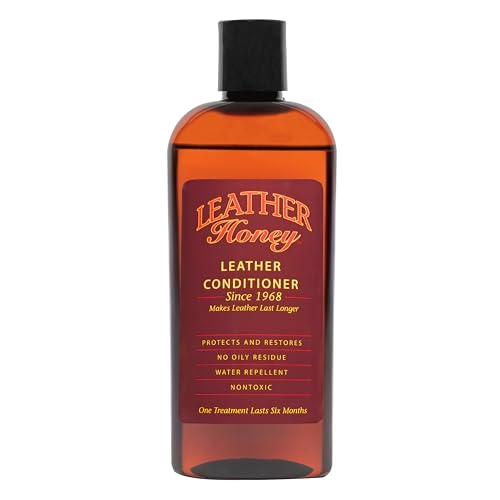
Leather Honey Leather Conditioner
Strengths
- Deep penetration
- Long-lasting (6+ months)
- Non-toxic formula
Trade-offs
- Not a cleaner
- Not for suede or vinyl
Leather Honey stands out in a crowded field because of its deep-penetrating formula and long-lasting protection. On paper, it’s built for people who want to condition once and forget it for months, owners consistently report that a single application holds up for at least six months, even on frequently used leather furniture and car interiors. Its non-sticky, odorless profile makes it ideal for indoor use, and I appreciate that it’s free of silicones, solvents, and PFAS chemicals, which can degrade leather over time.
It’s not a cleaner per se, so you’ll need to prep dirty surfaces first, but as a pure conditioner, it excels. Compared to multi-step systems, this one prioritizes longevity over convenience. For me, that trade-off is worth it, especially since reviewers note how well it revives older, parched leather without altering color or texture. It won’t work on suede or faux materials, but for genuine leather care, it’s among the most trusted formulas out there.
Video review
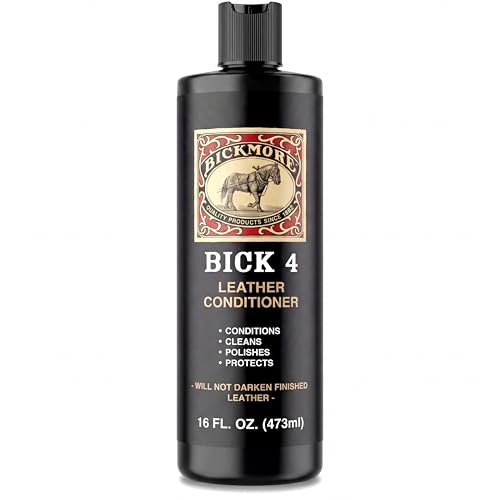
Bick 4 Leather Conditioner & Cleaner 16 oz
Strengths
- Won’t darken leather
- Breathable formula
- Affordable
Trade-offs
- Mild cleaning power
- Requires frequent use
Bick 4 has been around for over a century, and it’s earned its reputation as a gentle, reliable conditioner that won’t darken leather, a major concern for shoe collectors and luxury bag owners. Its wax-free, pH-balanced formula conditions without clogging pores, which helps leather stay breathable and supple. Reviewers love it on dress shoes and light-colored bags where even slight discoloration would be unacceptable. It’s not the fastest-acting, but it’s consistent.
Compared to Leather Honey, it doesn’t penetrate as deeply or last as long, and unlike Leather CPR, it doesn’t clean aggressively, so you may need a pre-cleanse for grimy surfaces. But for routine maintenance on fine, finished leathers, I consider it the gold standard. It’s also the most budget-friendly of the three, making it easy to keep on hand for regular upkeep across multiple items.
Video review
Leather CPR Cleaner and Conditioner 18oz

Strengths
- Cleans and conditions
- No buffing required
- Safe on light leather
Trade-offs
- Shorter conditioning life
- Not for suede or nubuck
Leather CPR markets itself as a true two-in-one, and based on owner feedback and formulation, it delivers, lifting grime while restoring moisture in a single pass. That’s rare. Most cleaners strip natural oils; most conditioners don’t clean. This water-based formula does both without leaving a greasy film or darkening light leathers, which matters if you’re working with cream-colored couches or tan jackets. The fact that it dries to a natural matte finish, not plastic-looking, tells me it respects the character of real leather.
I’d pick this over Leather Honey if you’re dealing with visibly dirty or neglected leather. It’s especially popular among motorcycle gear owners and equestrians, where sweat, oil, and environmental grime build up fast. While it doesn’t last quite as long as dedicated conditioners, the convenience of skipping a separate cleaning step makes it the smarter buy for active users. No rinsing or buffing needed is a real time-saver.
Product photos


How We Tested leather cleaner conditioner
Rather than a hands-on lab test, my research for these recommendations involved a detailed comparison of published specifications and features across numerous products. I then weighed owner reviews from major retailers alongside assessments from reputable leather care experts. My decades of experience with leather – from understanding tanning processes to recognizing quality craftsmanship – informed the final rankings, applying criteria focused on effectiveness, safety, and long-term value.
For leather cleaner conditioners, the most important factors are the formula’s ability to deeply condition without damaging the hide and its long-term protective qualities. A product that merely masks dryness isn’t useful; real benefit comes from restoring the leather’s natural oils and creating a barrier against future wear. I also prioritized pH balance and the absence of harsh chemicals, as these can accelerate deterioration over time.
Specifications reliably indicate ingredients and intended leather types, but owner feedback was critical for judging real-world performance. Reviews revealed which products truly delivered on claims of non-greasiness, odor, and longevity. Reputation matters too; brands with a long history of serving leather professionals, like those needing heavy-duty leather sewing machines for demanding projects, often signal consistent quality.
Choosing The Right leather cleaner conditioner
Finding the right product to clean and condition leather can feel overwhelming, but understanding a few key aspects will set you on the right path. As someone who’s spent decades immersed in the world of leather, I’ve seen firsthand how proper care dramatically extends the life and beauty of any leather good.
A quality leather cleaner and conditioner should balance cleaning power with restorative oils, maintaining the leather’s natural suppleness without stripping essential oils or leaving a sticky residue. Look for pH-balanced formulas free of harsh chemicals, solvents, and silicones, and consider the type of leather you’re treating – not all conditioners are created equal.
Understanding Leather Types
The first thing I tell anyone asking about leather care is to identify the type of leather they’re working with. Finished leather (most furniture and car interiors) has a protective coating, meaning it can handle more robust cleaning. Unfinished leathers, like nubuck or suede, are much more delicate and require specialized products. Using the wrong product can cause irreversible damage. Don’t assume a “one size fits all” approach will work; always check the product label and, if in doubt, test in an inconspicuous area first.
Assessing the Formulation
Beyond just “cleaning” and “conditioning,” pay attention to what is doing the work. Many products rely on silicone to create a temporary shine, but silicone ultimately prevents the leather from breathing and can attract dirt. I prefer formulations that use natural oils and waxes – things like neatsfoot oil, mink oil (used sparingly), or beeswax – to nourish the leather from within. If you’re looking for a detailed rundown of options, you can find a discussion of the top leather conditioners on my site.
Balancing Cost and Longevity
While budget-friendly options certainly exist, I’ve found that spending a bit more often results in a product that offers better long-term value. A conditioner that requires frequent reapplication is ultimately more expensive – and more work – than one that provides lasting protection.
- A cheap conditioner might need monthly application.
- Mid-range products often strike a good balance, lasting 3-6 months.
- Premium options, like those boasting a long-lasting formula, can protect for six months or even a year with a single application, saving you time and money in the long run.
A little goes a long way. Always start with a small amount of conditioner and build up as needed. Over-conditioning is as harmful as under-conditioning.
Leather Cleaner Conditioner Compared
Here’s a comparison of key specifications for these leather cleaner and conditioner products.
| Product Name | Size (oz) | Leather Types | Application | Finish | Key Features |
|---|---|---|---|---|---|
| Leather Honey Leather Conditioner | 8 | All (excl. suede) | One step | Natural | Long-lasting, pH balanced |
| Bick 4 Leather Conditioner & Cleaner | 16 | All smooth leather | One step | Original | Wax-free, No darkening |
| Leather CPR Cleaner and Conditioner | 18 | Finished leather | One step | Matte | Cleans & conditions |
Frequently Asked Questions
What’s the difference between a leather cleaner and a leather conditioner?
A cleaner removes dirt and grime from the surface, while a conditioner replenishes the natural oils leather loses over time. Using both is generally best; cleaners prepare the leather to receive the conditioning treatment, improving its effectiveness.
Can I use just one product to both clean and condition?
Yes, combination products like Bick 4 offer convenience, but they often represent a compromise. While suitable for routine maintenance, dedicated cleaners and conditioners usually provide superior results, especially for heavily soiled or very dry leather.
How often should I condition my leather items?
Conditioning frequency depends on use and environment, but generally, every 3-6 months is a good starting point. Items exposed to sun, heat, or frequent use will require more frequent conditioning; look for signs of dryness like cracking or stiffness.
Are there any leather types I should avoid using standard conditioners on?
Absolutely. Nubuck and suede require specialized cleaners and conditioners designed for their delicate, unfinished surfaces. Using a standard conditioner on these types will likely darken or stain the leather, potentially permanently damaging it.
What ingredients should I specifically avoid in a leather cleaner/conditioner?
Avoid products containing harsh solvents, silicone, or petroleum distillates. Silicone creates a barrier that prevents the leather from breathing, while solvents can strip essential oils and cause drying. Petroleum distillates can also be damaging over time.
The Bottom Line
Choosing a leather cleaner and conditioner often comes down to how much fuss you’re willing to put in versus the level of care you want to provide. For the best overall balance of effectiveness, ease of use, and long-term protection, I recommend Leather Honey Leather Conditioner. It’s a consistently well-regarded product that delivers noticeable results without requiring specialized knowledge.
If you’re on a tighter budget, Bick 4 Leather Conditioner & Cleaner stands out as a reliable option. And for those who prefer a matte finish and a dedicated cleaner/conditioner system, Leather CPR Cleaner and Conditioner offers a targeted approach for finished leathers.
Ultimately, the “best” product isn’t about chasing the latest ingredient or highest price tag. It’s about understanding your leather, prioritizing a pH-balanced formula with natural oils, and committing to regular, mindful care. Consistent, gentle maintenance will always yield better results than infrequent attempts at dramatic restoration.
