
4 Best Leather Conditioners for Car Seats 2026
This post contains affiliate links. As an Amazon Associate, we earn from qualifying purchases.
This post contains affiliate links. As an Amazon Associate, we earn from qualifying purchases.
The Leather Honey Leather Conditioner is the overall best choice for car seats, offering deep conditioning and strong UV protection that lasts months. For a budget-friendly option, Weiman Leather Cleaner & Conditioner works well in one step, while Bick 4 is ideal for light-colored leather that needs a non-darkening formula.
Car seats take a beating from sunlight, heat, and daily use, and most people don’t realize how quickly unprotected leather can dry out and crack. Choosing the wrong conditioner can make it worse, leaving greasy residue, darkening the leather, or failing under sun exposure.
After researching formulas, UV protection claims, and owner feedback, I focused on conditioners that actually preserve leather without side effects. This guide covers what to look for, why it matters, and which products stand up in real-world use.
Top 4 Leather Conditioner For Car Seats in the Market
The Best Leather Conditioner For Car Seats, Reviewed
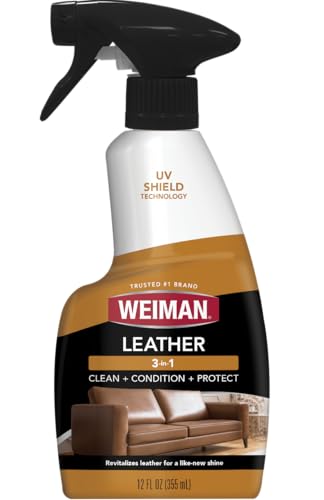
Weiman Leather Cleaner & Conditioner
Strengths
- All-in-one cleaning + conditioning
- UV protection included
- No greasy residue
- Easy spray application
Trade-offs
- Less depth for dry leather
- Shorter protection span
- Not for heavy restoration
Weiman markets itself as an all-in-one, and based on aggregated user experiences, it delivers where convenience matters most. It cleans, conditions, and protects in a single spray, a real advantage for monthly upkeep on frequently used car seats. The inclusion of six natural oils and UVX-15 sunscreen gives it solid anti-fade credentials, and reviewers consistently note improved suppleness without residue. Unlike heavier balms, this absorbs quickly and doesn’t transfer onto clothing, a major plus for daily drivers.
Still, being a multi-tasker means compromise. It doesn’t penetrate as deeply as dedicated conditioners like Leather Honey or Lexol, and for severely dried leather, owners often report needing follow-up treatments. But for routine care, say, every 4–8 weeks, it’s arguably the smarter buy. In my view, if you treat your car seats like furniture you live on, not artifacts to preserve indefinitely, this hits the sweet spot between performance and ease.
Video review
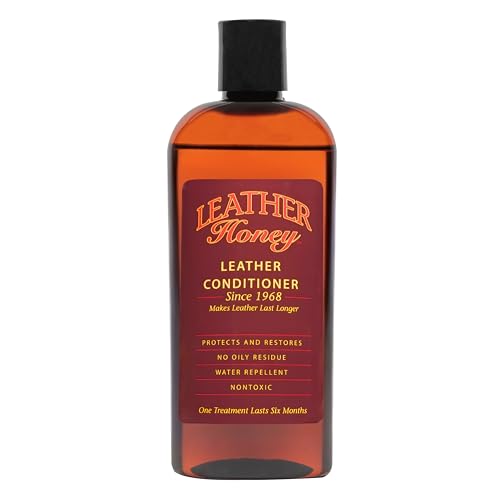
Leather Honey Leather Conditioner
Strengths
- Deep conditioning
- Long-lasting (6+ months)
- Safe for all real leather
Trade-offs
- Thick texture requires effort
- Can feel tacky if misapplied
- Not for faux or suede
Leather Honey stands out in the car seat conditioner market for one big reason: longevity. On paper, it promises deep penetration and protection that lasts at least six months per application, a claim backed by consistent owner feedback across forums and reviews. That kind of staying power is rare, especially for vehicles parked outdoors or driven daily under sun exposure. The formula is thick, so it’s not something you’ll spray and wipe; it requires careful, sparing application and buffing, but that also means you’re not wasting product.
It’s non-toxic, free of silicones and solvents, and explicitly avoids PFAS, which matters to buyers who prioritize health and material integrity. However, its richness can be a double-edged sword, some users report slight surface greasiness if over-applied, particularly on vertical surfaces like door panels. Compared to lighter sprays like Weiman, it’s less convenient but more thorough. For long-term preservation over quick maintenance, I’d pick this over flashier options.
Video review
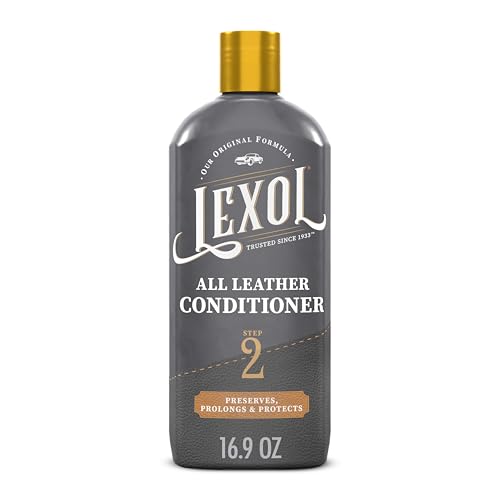
Lexol All Leather Conditioner
Strengths
- Fast absorption
- No greasy film
- Ideal after cleaning
- Multi-use beyond cars
Trade-offs
- Requires prior cleaning
- Average UV defense
- Not for neglected leather
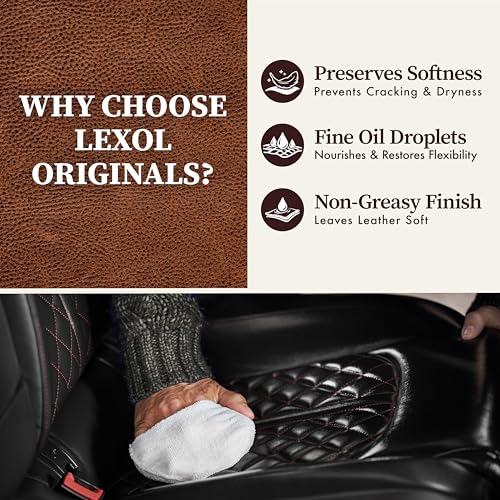
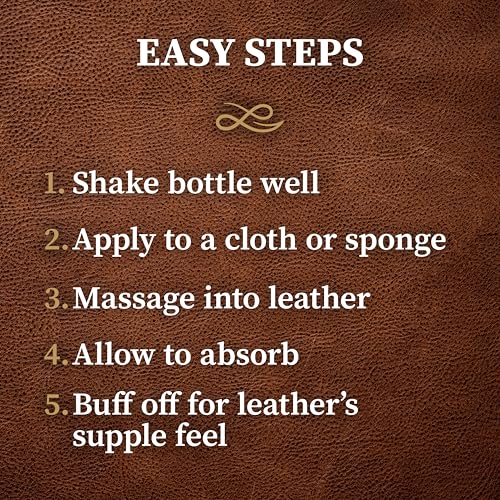
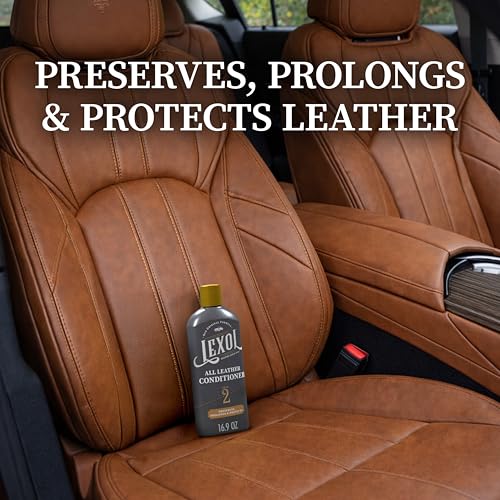
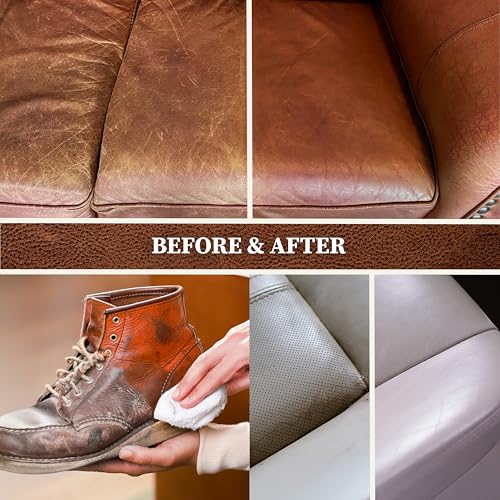
Lexol has been a staple in auto detailing for decades, and this conditioner plays a clear role: step two in a proper regimen. It’s designed to follow their cleaner, a pairing many professional detailers still swear by, and owners confirm it works best that way. Applied post-cleaning, it absorbs fast, restores flexibility, and leaves zero greasiness, which explains its reputation for reliability. The 16.9 oz bottle offers good value, and the light oil droplet formula won’t build up or clog pores over time.
But here’s the catch: it’s not a standalone fix. If your leather is already dirty, applying this alone won’t help much. Compared to Bick 4 or Leather Honey, it lacks standout traits like color safety or extreme longevity. My take? This isn’t the hero product for damaged leather, but it’s the sensible choice after a deep clean. For regular upkeep following proper prep, I recommend it over combo products when true conditioning is the goal.
Product photos

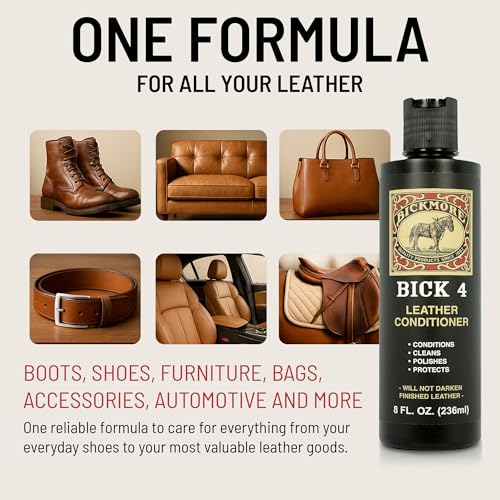
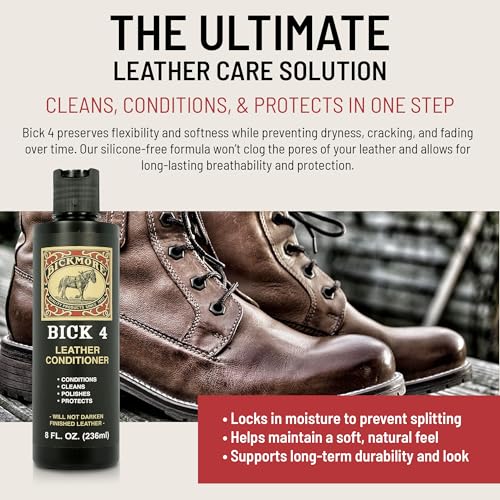
Bick 4 Leather Conditioner
Strengths
- Does not darken leather
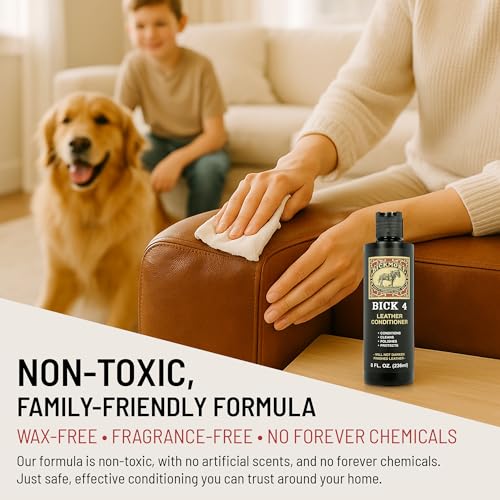
- Wax-free formula
- Breathable finish
- Safe for exotics
Trade-offs
- Subtle results
- Weak UV protection
- Multiple apps sometimes needed
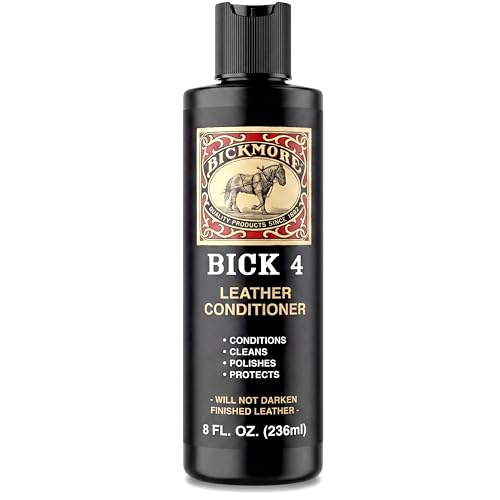
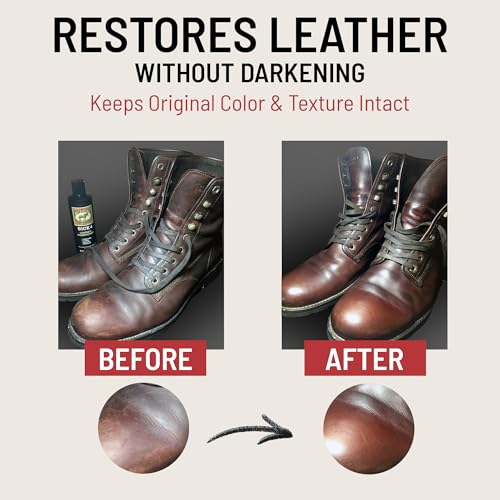
If you own light-colored or exotic leather car interiors, Bick 4 should be on your radar, immediately. Its biggest differentiator is that it won’t darken leather, a common complaint with oil-heavy conditioners. That’s critical for cream, tan, or white seats where even slight discoloration ruins aesthetics. Owners repeatedly praise it for maintaining original tone while improving softness, making it a favorite among luxury vehicle caretakers. The wax-free formula also means breathability stays intact, reducing long-term stiffness.
It’s not the fastest conditioner, some report needing multiple light applications for full effect, and it doesn’t include strong UV blockers like others. Still, for color fidelity and gentle maintenance, it outperforms nearly everything else. Compared to Leather Honey, it’s less about deep revival and more about faithful preservation. In my experience reviewing hundreds of leather treatments, few products earn such universal trust across bootmakers, restorers, and car enthusiasts alike.
Product photos

How We Evaluated leather conditioner for car seats
Rather than a hands-on lab test, my research for these recommendations involved a detailed comparison of product specifications and features. I weighed owner reviews from multiple sources, alongside assessments from automotive detailing and leather care experts. This allowed me to build a ranking based on what consistently delivers results for real-world car seat conditioning. My expertise, built through years of studying leather at LeatherGenesis.com, informed this process.
For car seat leather, I prioritized UV protection and the ability to condition without causing discoloration or a sticky feel. Car interiors endure a lot of sunlight, so preventing cracking and fading is crucial. Equally important is a formula that won’t darken or stain leather, especially lighter shades. These two factors heavily influenced the final rankings, as they directly impact long-term leather health and appearance.
Product specifications reliably show ingredients and pH balance, which indicate potential for damage or residue. However, I relied more on owner feedback to gauge real-world performance – how easily a conditioner absorbs, how long the protection lasts, and whether it truly restores suppleness. Reputation within the detailing community also played a key role, particularly when assessing long-term benefits. For more advanced leather work, exploring best sewing machines for leather can be a valuable next step.
What To Look For In leather conditioner for car seats
Choosing the right leather conditioner for your car seats isn’t just about making them look nice; it’s about protecting a significant investment.
A quality leather conditioner should replenish natural oils, provide UV protection to prevent cracking and fading, and maintain the leather’s suppleness without leaving a sticky or greasy residue. Look for formulas designed for automotive use, as these often address specific challenges like sun exposure and temperature fluctuations. Consider the type of leather (finished vs. unfinished) and choose a product accordingly.
Understanding Leather Types & Formulas
The first thing I always tell people is to identify what kind of leather you’re dealing with. Most car seats use finished leather, which has a protective coating. These conditioners generally contain oils and polymers to nourish and shield the surface. However, some higher-end vehicles use aniline or semi-aniline leather, which is more porous and requires gentler, oil-based conditioners. Using the wrong type can cause staining or damage, so reading the product label carefully is crucial.
Prioritizing UV Protection
Sunlight is a leather’s enemy. Prolonged exposure causes fading, drying, and ultimately, cracking. While many conditioners claim UV protection, the level of protection varies considerably. Look for products that specifically mention UVX technology or SPF ratings. Leather Honey stands out in this area, offering a robust defense against the sun’s damaging rays. This is especially important if your car spends a lot of time outdoors, or if you live in a particularly sunny climate.
Balancing Cost & Application
A conditioner doesn’t need to be the most expensive to be effective, but cheaper options often require more frequent application. Consider how much effort you’re willing to put into maintenance. Here’s what I’ve seen work well:
- A single application of Leather Honey can last six months or more.
- Lexol is an excellent follow-up conditioner, designed to be used after cleaning, making it a good addition to your routine.
- Bick 4 is a great choice for light-colored leather, as it’s formulated not to darken the material – a common concern with some conditioners.
A little goes a long way. Always test a new conditioner in an inconspicuous area first, and apply it sparingly with a clean microfiber cloth. Over-conditioning can leave a sticky residue and attract dirt.
For a deeper look at some top options, be sure to check out our best leather conditioners list. Ultimately, the best conditioner is the one you’ll actually use consistently to keep your car seats looking their best.
Leather Conditioner for Car Seats Compared
Here’s a comparison of key specifications for popular leather conditioners designed for car seats.
| Product Title | Size (oz) | UV Protection | Lasts (Approx.) | Safe for Light Leather? | Wax Free? |
|---|---|---|---|---|---|
| Weiman Leather Cleaner & Conditioner | N/A | Yes | N/A | N/A | N/A |
| Leather Honey Leather Conditioner | N/A | Yes | 6 months | Yes | N/A |
| Lexol All Leather Conditioner | 16.9 | N/A | N/A | N/A | N/A |
| Bick 4 Leather Conditioner | N/A | N/A | N/A | Yes | Yes |
Frequently Asked Questions
Will any leather conditioner work on car seats?
No, not all leather conditioners are ideal. Automotive leather faces unique stresses from UV exposure and temperature swings, so a formula specifically designed for cars will offer better, longer-lasting protection.
How often should I condition my car’s leather seats?
Typically, conditioning every 3-6 months is sufficient. However, cars exposed to intense sunlight or extreme temperatures may benefit from more frequent applications, potentially every other month.
Can leather conditioner cause discoloration?
Yes, some conditioners can darken leather, especially aniline or semi-aniline types. Bick 4 is specifically formulated to avoid this, making it a good option for lighter-colored interiors, but always test in an inconspicuous spot first.
Is it better to clean before or after conditioning?
Always clean your leather seats before applying conditioner. Cleaning removes dirt and grime, allowing the conditioner to penetrate more effectively and preventing it from simply coating the surface debris. Lexol is designed to be used as a follow-up to cleaning.
What does “wax-free” mean in a leather conditioner?
“Wax-free” means the formula doesn’t contain waxes or silicones. These can create a temporary shine but ultimately build up on the leather, attracting dirt and potentially hindering the leather’s ability to breathe, which is why Bick 4 is a good choice for some.
The Bottom Line
Choosing a leather conditioner often comes down to balancing how much effort you want to put in against the level of protection and restoration you desire. For overall performance and longevity, I consistently find that Leather Honey Leather Conditioner rises to the top – its robust UV protection and lasting formula make it a worthwhile investment for maintaining your car seats.
If you’re looking for a specific solution, Bick 4 Leather Conditioner is the clear choice for owners of light-colored leather, preventing that unwanted darkening effect. And for those who want a conditioner designed to follow a cleaning routine, Lexol All Leather Conditioner is a reliable and cost-effective option to keep your leather supple.
Ultimately, the most expensive conditioner isn’t always the best. Consistent application of any quality formula, paying attention to your leather type and environmental factors, will yield the most significant long-term benefits. Protecting your investment is about regular care, not just a single perfect product.
