
7 Best Leather Conditioners for Jackets 2026
This post contains affiliate links. As an Amazon Associate, we earn from qualifying purchases.
This post contains affiliate links. As an Amazon Associate, we earn from qualifying purchases.
The best leather conditioner for jackets is Leather Honey, thanks to its deep nourishment and strong UV protection. For a budget-friendly option that won’t darken leather, Bick 4 is a reliable choice. If you want to clean and condition in one step, Leather CPR delivers solid results on neglected pieces.
Leather jackets don’t fail all at once. They dry out slowly, stiffen over time, and eventually crack when the oils that keep them flexible are gone. Most people only notice when it’s too late. As someone who’s spent years studying how leather ages and responds to care, I know the right conditioner can prevent that decline, but only if it matches your jacket’s needs.
This guide cuts through the hype. I compared formulas based on ingredient quality, owner feedback, and how well they perform long-term. These picks aren’t just popular, they’re proven to protect, restore, and extend the life of real leather.
Top 7 Leather Conditioner For Jackets in the Market
The Best Leather Conditioner For Jackets, Reviewed
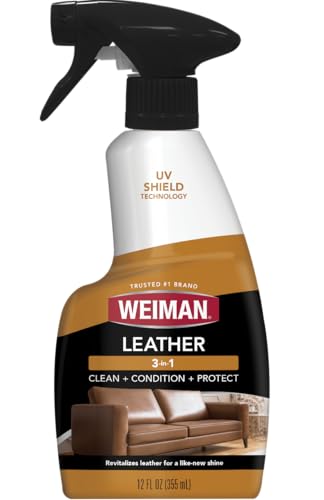
Weiman Leather Cleaner & Conditioner
Strengths
- UV protection
- Easy spray application
- Cleans effectively
Trade-offs
- May darken some leathers
- Not for suede
- Synthetic scent
Weiman packs cleaning, conditioning, and UV protection into one spray, and owners consistently rank it as one of the most balanced all-in-one options. The trigger spray makes application fast, especially on large surfaces like couches or car seats, and the UVX-15 sunscreen additive is legit, real protection against sun damage, which is rare at this price.
It conditions without greasiness and cleans up years of grime with minimal effort. Reviewers note it works well on jackets too, though it’s not marketed specifically for them. Compared to Bick 4, it cleans better; compared to Leather Honey, it’s lighter but more versatile. For most buyers, this is the easy pick if you want one product for multiple leather items.
Video review
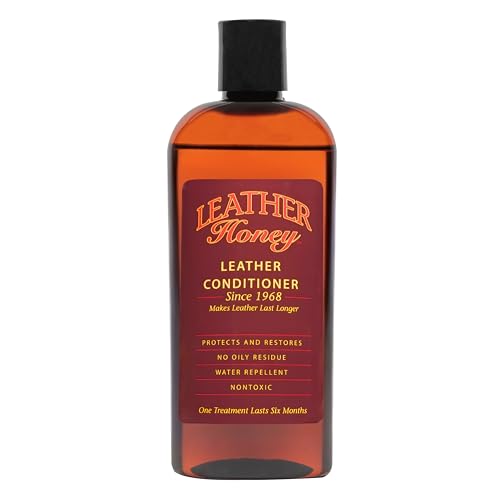
Leather Honey Leather Conditioner
Strengths
- Long-lasting protection
- Deep penetration
- UV protection
Trade-offs
- May darken light leather
- Thick consistency
- Requires even application
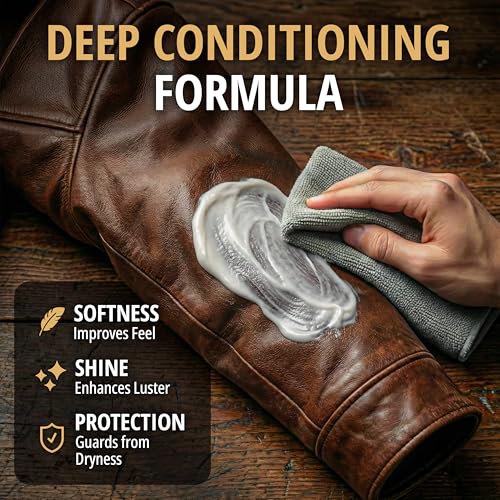
Leather Honey is one of the heaviest-hitting conditioners on the market, designed for leather that’s dried out or exposed to harsh conditions. Its formula penetrates deeply, and owners report results lasting up to six months, longer than most competitors. That makes it a smart pick for winter jackets or gear stored in dry climates.
It’s non-sticky and contains no harmful solvents, which aligns with modern safety standards. But it can darken some lighter leathers slightly, despite claims otherwise, feedback from users on light tan jackets confirms this occasionally. I’d still pick it over lighter formulas if you’re fighting serious dryness, but not for pristine, light-colored pieces you want to keep exactly as-is.
Video review
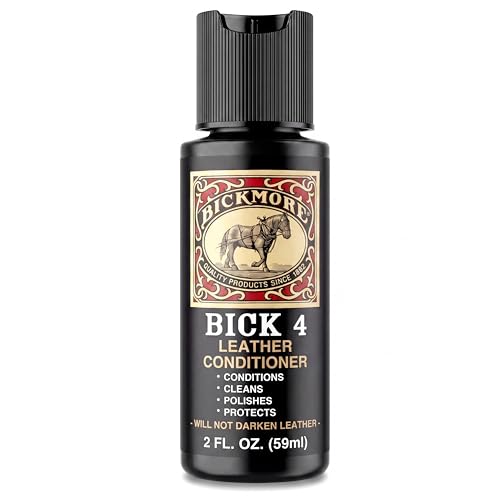
Bick 4 Leather Conditioner 2 oz
Strengths
- Affordable trial size
- No color change
- Portable
Trade-offs
- Expensive per ounce
- Limited use
- Not cost-effective long-term
This 2 oz version of Bick 4 is the budget-friendly entry point into a trusted formula, perfect for someone testing it out or maintaining a single jacket. The same wax-free, non-darkening chemistry applies here, so it’s safe on all finished leathers without risking discoloration. It’s a smart grab if you’re traveling or just want a trial before committing to a larger bottle.
Still, the small size means you’ll burn through it quickly on larger items like coats or furniture. Reviewers note it performs identically to the bigger bottle, same mild cleaning, same subtle conditioning, but the cost per ounce is much higher. My recommendation is to treat this as a sample or emergency backup, not a long-term solution unless you’re only touching up small areas.
Product photos
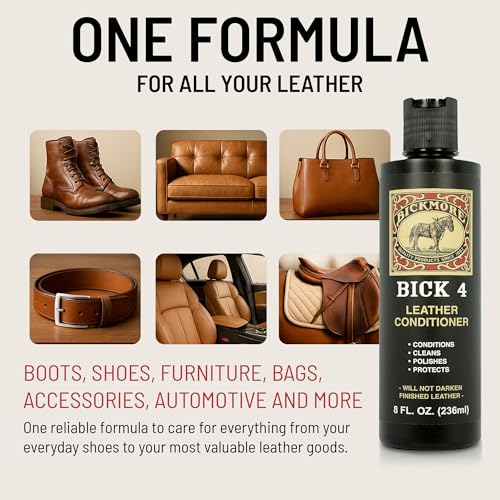

Bick 4 Leather Conditioner 16 oz
Strengths
- Wax-free formula
- Does not darken leather
- Made in USA
Trade-offs
- Mild conditioning effect
- Slow absorption
- Limited restoration power
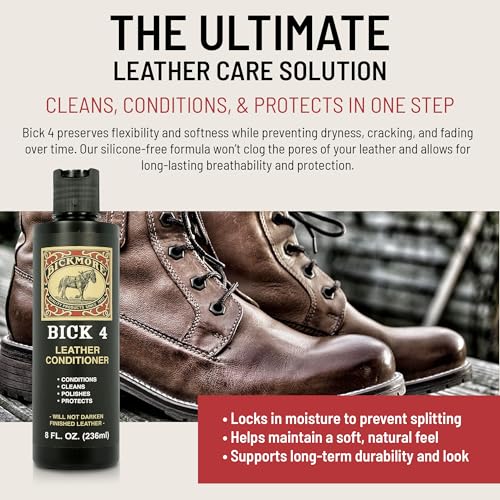
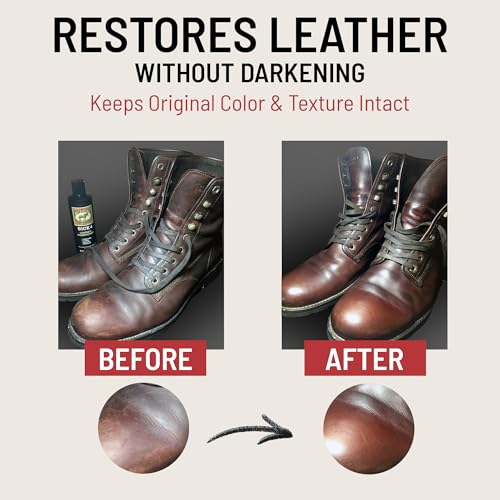
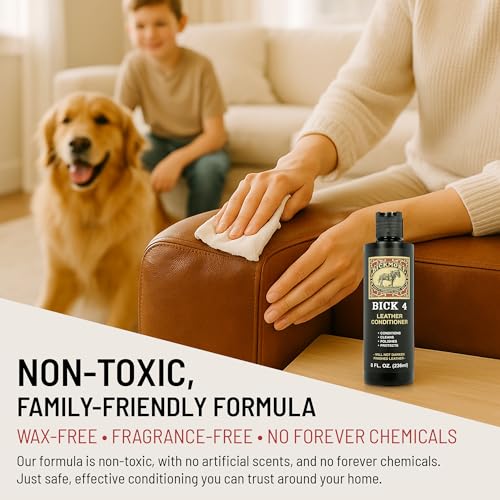
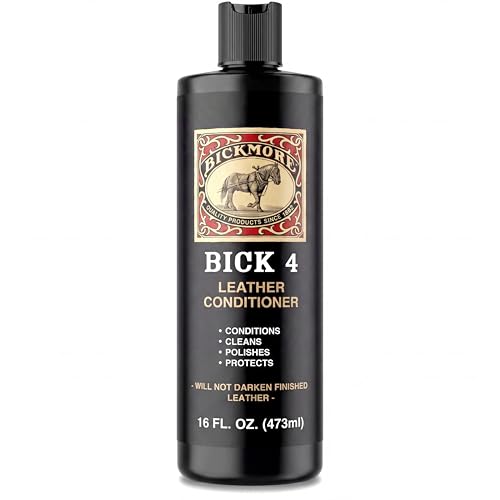
Bick 4 has been a staple in leather care for decades, and this 16 oz size gives serious value for owners with multiple leather items. The formula is built around not darkening leather, which makes it a go-to for light-colored jackets or vintage pieces where color shift is a real concern. On paper, it’s wax-free and breathable, which aligns with what leather experts recommend for long-term health, keeping pores open and avoiding buildup.
Owners consistently report that it cleans gently while conditioning, though it won’t revive severely dried leather like a heavier treatment might. It’s not the fastest-absorbing option, but for routine maintenance on jackets, bags, or furniture, it’s reliable and predictable. I’d pick this over darker-conditioning formulas if you own a tan or distressed leather jacket you want to keep looking original.
Product photos
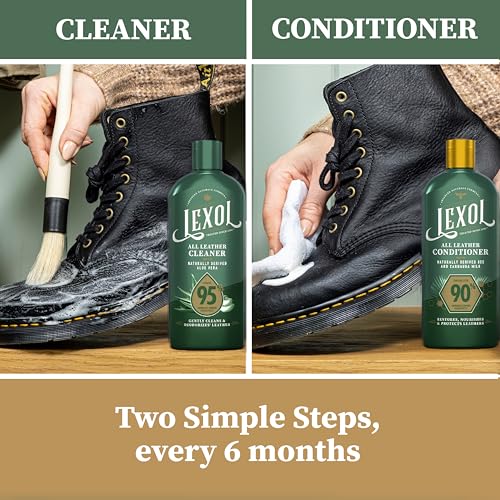
Lexol All Leather Conditioner 16.9 oz

Strengths
- Natural ingredients
- Silicone-free
- Safe for synthetic leather
Trade-offs
- Contains almond oil
- Mild conditioning
- Average performance
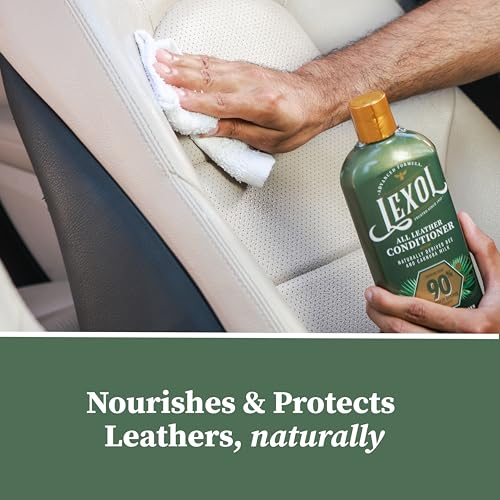
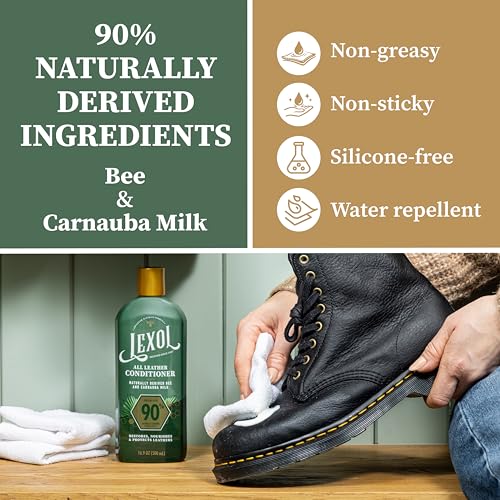
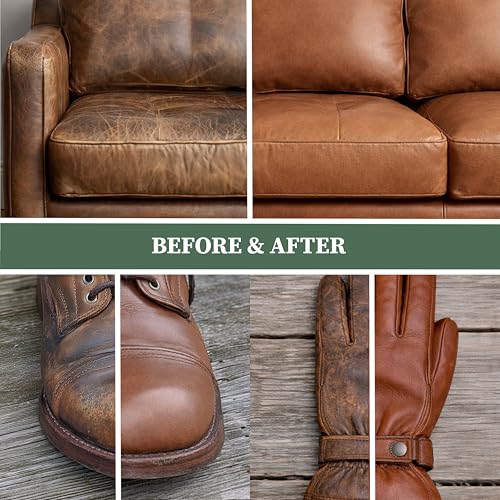
Lexol leans into natural ingredients with its bee and carnauba milk blend, and while the marketing sounds appealing, the performance sits in the middle of the pack. It conditions adequately and doesn’t leave a sticky residue, which is a win. The 90% naturally derived claim is a plus for eco-conscious buyers, though it doesn’t outperform synthetics in deep conditioning.
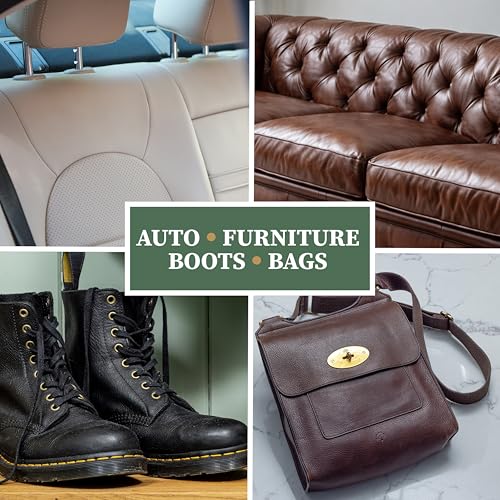
Owners note it works fine on jackets and car interiors but doesn’t stand out in cleaning power or longevity. The almond oil content is a red flag for those with allergies, though it’s not common knowledge. Compared to Weiman or Leather Honey, it’s gentler but less robust, fine for light maintenance, but not for revival jobs.
Product photos
Leather CPR Cleaner & Conditioner

Strengths
- Cleans and conditions
- No sticky residue
- Large 18 oz size
Trade-offs
- Can leave slight film
- Moderate conditioning
- Not for suede
Leather CPR markets itself as a one-step clean-and-condition formula, and owners confirm it handles both tasks reasonably well, especially on neglected jackets or car interiors. The water-based formula lifts oils and grime while replenishing moisture, which is a rare combo in this category. It’s particularly effective on leather that’s been exposed to sweat or UV, like motorcycle jackets or vintage furniture.
It dries to a natural matte finish, which many appreciate over the shiny look some conditioners leave behind. But it’s not the deepest conditioner out there, leather that’s cracked or brittle may need multiple passes. I’d rank it above average for convenience, especially if you hate juggling separate cleaner and conditioner bottles. Compared to Bick 4, it cleans better but conditions slightly less.
Product photos


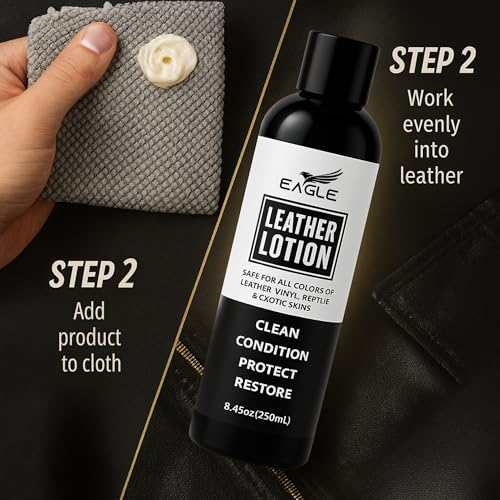
Eagle Leather Jacket Conditioner

Strengths
- Jacket-specific formula
- Includes application cloth
- Restores flexibility
Trade-offs
- Narrow focus
- Average for non-jackets
- Limited deep conditioning
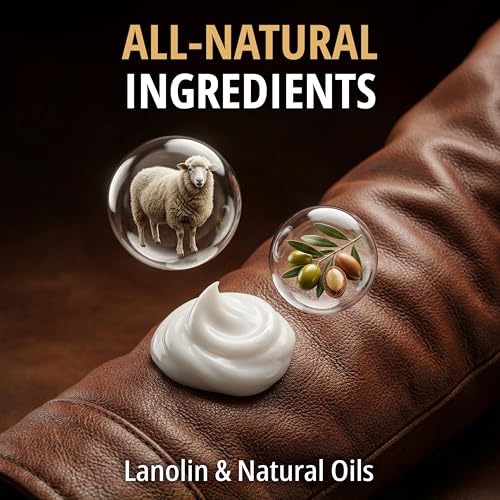
Eagle’s formula is specifically marketed for leather jackets, and it shows in the details, lanolin and natural oils target flexibility and scratch coverage, which matters for outerwear worn frequently. The included microfiber cloth is a nice touch, making application cleaner and more precise than finger-smeared methods.
Owners of motorcycle and bomber jackets report it keeps leather pliable and reduces cracking over time. It conditions well without over-darkening, though it’s not as heavy as Leather Honey. Where it falls short is versatility, while it works on bags or boots, it’s clearly designed for jackets first. If that’s your focus, this is a smart, targeted choice.
Product photos


How We Chose These leather conditioner for jackets
My approach to recommending leather conditioners, as the creator of LeatherGenesis.com, is rooted in understanding the material itself and how different products interact with it. Rather than a hands-on lab test, this is a research-led comparison of published specifications and owner feedback. I’ve analyzed product features, weighed owner reviews from various retailers, and consulted expert opinions within the leather care community to identify conditioners that consistently deliver results.
For leather jacket conditioners, three factors stood out as most crucial: the formula’s ability to restore suppleness without damaging the leather, the level of protection offered against cracking and fading (particularly UV resistance), and the overall longevity of the conditioning effect. A conditioner that merely masks dryness isn’t useful; the goal is to nourish the hide and prevent future degradation. Understanding these core needs heavily influenced my rankings.
Specifications reliably indicate the ingredients used and whether a formula is wax-free, silicone-free, or water-based – all important considerations for different leather types. However, judging the actual performance – how well a conditioner absorbs, if it truly restores softness, and whether it alters the leather’s color or texture – relies heavily on owner experiences. I paid close attention to reports of darkening, stickiness, and long-term effects. For those looking to work with leather beyond just conditioning, you might also find our reviews of the best leather sewing machines helpful.
How To Choose The leather conditioner for jackets
Finding the right leather conditioner isn’t just about making leather look nice; it’s about preserving a material that, with proper care, can last a lifetime.
Good leather conditioning involves replenishing oils lost through use and environmental exposure. A quality product will clean gently, moisturize deeply without leaving a sticky residue, and offer some level of protection against UV damage. Look for formulas appropriate for your leather type (finished vs. unfinished) and avoid products containing harsh chemicals or unnecessary additives.
Understanding Leather Types & Finishes
The first step is knowing what kind of leather your jacket is made from. Most jackets use finished leather, meaning it has a protective coating. These conditioners generally work across a wider range of colors and textures. However, if you have unfinished leather – like nubuck or suede – you’ll need a specialized product, and the conditioners we’re discussing here are not suitable. Using the wrong product can ruin the texture and appearance of these delicate leathers. It’s also crucial to consider the age of the leather; older pieces may benefit from more intensive conditioning treatments.
Assessing the Level of Protection Needed
Many conditioners, like Leather Honey, emphasize UV protection. This is particularly valuable if your jacket sees a lot of sunlight, as UV rays are a major contributor to fading and cracking. However, don’t assume UV protection automatically makes a conditioner superior. Think about where you wear the jacket. A daily commuter needs more UV defense than someone who only wears a jacket for evening outings. You might find that a basic, highly moisturizing conditioner, like Bick 4, is sufficient if UV exposure isn’t a primary concern.
Balancing Cost and Convenience
Conditioner prices vary significantly. While a larger, “value size” bottle, like the 16oz Bick 4, can seem appealing, consider how quickly you’ll use the product. Leather doesn’t require frequent conditioning; overdoing it can actually be detrimental. A smaller, more expensive bottle of a specialized formula might be a better long-term investment if it offers specific benefits tailored to your jacket’s needs. If you’re exploring options, you might want to read about our picks for the best leather conditioners to get a broader view of what’s available.
- A basic conditioner (like Bick 4) is a great starting point for routine maintenance.
- A product with UV protection (like Leather Honey) is worthwhile for frequently worn jackets exposed to sunlight.
- For deep restoration of very dry or neglected leather, a cleaner and conditioner combo (like Leather CPR) can be a time-saver and provide more thorough results.
A little goes a long way. Always test any new conditioner on an inconspicuous area of the jacket first to ensure compatibility and avoid unwanted discoloration.
Leather Conditioner for Jackets Compared
Here’s a comparison of key specifications for popular leather conditioners designed for jackets and other leather goods.
| Product Title | Size (oz) | Leather Types | UV Protection | Wax Free | Natural Oils | Key Features |
|---|---|---|---|---|---|---|
| Weiman Leather Cleaner & Cond. | N/A | All Finished Leather | Yes | N/A | Yes | Cleans, conditions, prevents cracking |
| Leather Honey Leather Cond. | N/A | All Types (excl. Suede) | Yes | N/A | N/A | Long-lasting, water-repellent |
| Bick 4 Leather Conditioner (2oz) | 2 | All Types | No | Yes | N/A | Won’t darken leather, wax-free |
| Bick 4 Leather Conditioner (16oz) | 16 | All Types | No | Yes | N/A | Cleans, polishes, restores, protects |
| Lexol All Leather Conditioner | 16.9 | Natural & Synthetic | No | N/A | Yes | Silicone-free, restores suppleness |
| Leather CPR Cleaner & Cond. | 18 | Finished Leather | No | N/A | N/A | Cleans & conditions in one step |
| Eagle Leather Jacket Cond. | N/A | All Types & Faux Leather | Yes | N/A | N/A | Specifically for jackets, revives leather |
Frequently Asked Questions
What’s the difference between a leather cleaner and a leather conditioner?
A cleaner removes dirt and grime from the leather’s surface, while a conditioner replenishes the natural oils the leather loses over time. Using both is often ideal; a cleaner prepares the leather to receive the conditioning treatment, leading to better absorption and longer-lasting results.
Can I use any leather conditioner on suede or nubuck jackets?
No, standard leather conditioners are generally not suitable for suede or nubuck. These leathers have a nap that requires specialized products designed to clean and protect without altering the texture, and using the wrong product will likely cause permanent damage.
How often should I condition my leather jacket?
Generally, conditioning every 6-12 months is sufficient for most jackets, but this depends on how frequently you wear it and the environment it’s exposed to. If you live in a dry climate or wear your jacket daily, you might need to condition it more often – perhaps every 3-6 months.
Will conditioning my jacket change its color?
Some conditioners can slightly darken the leather, particularly if it’s very dry. To avoid this, always test the conditioner on an inconspicuous area first. Wax-free formulas, like Bick 4, are less likely to cause darkening than those containing waxes or oils.
What does “wax-free” mean in a leather conditioner and why might I want that?
“Wax-free” means the formula doesn’t contain wax-based ingredients. This is preferable for some as wax can sometimes attract more dirt and potentially clog the leather’s pores over time, though it does offer a degree of protection. Wax-free conditioners often provide a more natural feel and appearance.
The Bottom Line
Choosing a leather conditioner ultimately comes down to balancing how much control you want over the process with how much effort you’re willing to expend. For the best overall results, consistently praised for its ability to restore and protect without altering the leather’s appearance, Bick 4 Leather Conditioner stands out. It requires a bit more manual effort than some all-in-one products, but the consistent positive feedback regarding its gentle yet effective formula is compelling.
If you’re looking for specific solutions, several conditioners excel in particular areas. For those needing a convenient cleaner and conditioner in one, Leather CPR Cleaner & Cond. is a strong choice. If UV protection is a priority, Leather Honey Leather Conditioner is well-regarded. And for those on a tighter budget, the smaller Bick 4 Leather Conditioner (2oz) provides an excellent entry point to proper leather care.
Ultimately, remember that the best conditioner is the one you’ll actually use. Consistent, gentle conditioning with a quality product is far more beneficial than infrequent treatments with the most expensive formula. Focusing on regular maintenance, understanding your leather type, and avoiding harsh chemicals will extend the life and beauty of your jacket for years to come.
