4 Best Leather Types for Belts (2026 Guide)
This post contains affiliate links. As an Amazon Associate, we earn from qualifying purchases.
The best leather for making belts is full-grain, and after comparing the field, the Ringsun 2″ Wide Flat Leather Strap stands out for its durability and rich pull-up, while the Jack&Chris 1″ x 72.5″ Leather Strip offers excellent value for smaller projects.
Choosing the right leather for a belt means balancing strength, flexibility, and how it ages over time. Too many people pick based on price or color alone, only to end up with a flimsy or stiff result that cracks or sags.
In this guide, I break down what actually matters, grade, thickness, and tanning method, based on specs, owner feedback, and my experience with leather craftsmanship. These picks reflect what works in real use, not just in theory.
Top 4 Leather For Making Belts in the Market
The Best Leather For Making Belts, Reviewed
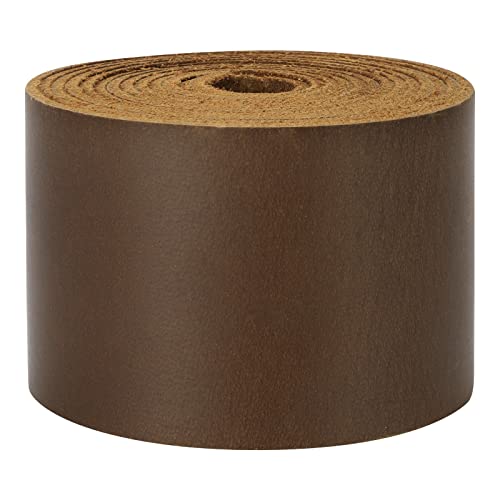
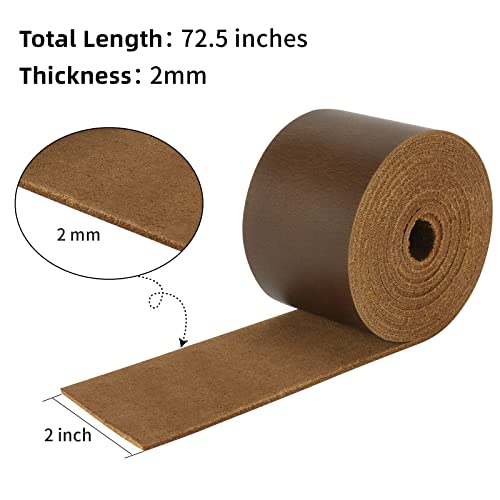
Ringsun 2″ Wide Flat Leather Strap

Strengths
- 2-inch width ideal for bold belts
- Pull-up oil-tan finish
- Long 72.5-inch length
Trade-offs
- Slight edge roughness reported
- Color may darken with oil
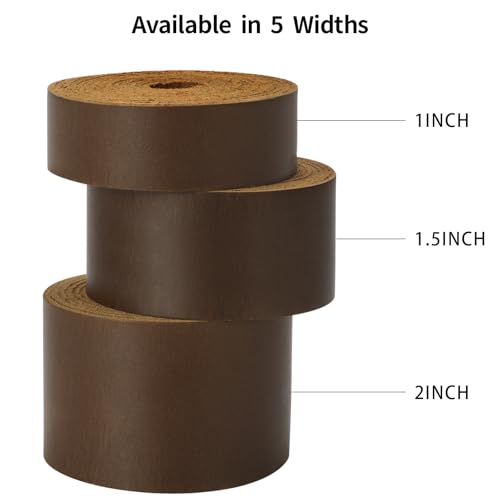
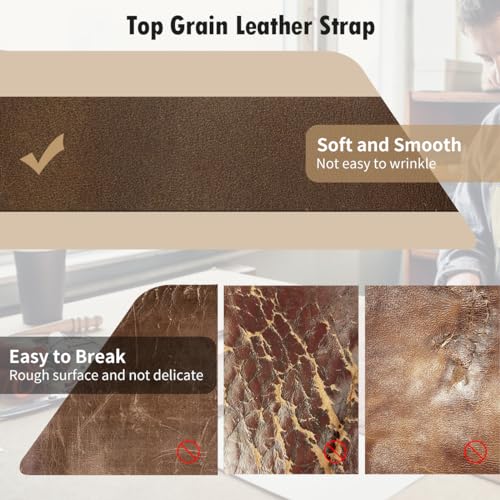
This Ringsun full grain leather strap stands out for its width and length, 2 inches wide and nearly 73 inches long, making it one of the few on this list that could work for wider belt styles or even suspenders. The oil-tan pull-up finish gives it that rich, waxy surface that darkens slightly when bent, which many buyers find appealing for a vintage or rugged look. On paper, the thickness at 2mm is solid, and owner feedback confirms it holds hardware well without stretching.
What impresses me is how many mention the lack of chemical odor and the even grain across the strip. It’s marketed for crafts, but the quality here punches above its price. Compared to the Jack&Chris option, it’s wider and slightly longer, though it costs more. If you’re after a dark brown leather that looks broken-in from the start and want room to customize, this is a strong contender.
Product photos


1″ x 72″ Oil Tan Leather Strap

Strengths
- Lowest price point
- Full grain oil-tan leather
- 72-inch length
Trade-offs
- Narrower at 1 inch
- Less structured than veg-tan
At just under $9, this 1-inch-wide leather strap from the Leather Strap brand is one of the most budget-conscious options here, and it delivers more than you’d expect at this price. It’s full grain oil-tanned cowhide, 2mm thick, and 72 inches long, enough for a standard belt with a little to spare. The surface has that slightly waxy pull-up effect common in heat-stuffed leather, and owners note it conditions well and responds to edge slicking without fraying.
While it doesn’t have the heft of the Tandy veg-tan strip, it’s more than adequate for a functional, everyday belt, especially if you’re a beginner testing your skills. Compared to the Jack&Chris version, it’s nearly identical in specs but slightly cheaper. I’d pick this over pricier options if you’re making a simple belt and don’t need tooling or wide dimensions.
Video review
Jack&Chris 1″ x 72.5″ Leather Strip
Strengths
- Soft, pliable out of package
- Skin-safe, no chemical smell
- Good length for belts
Trade-offs
- Less structural rigidity
- Minimal edge finishing
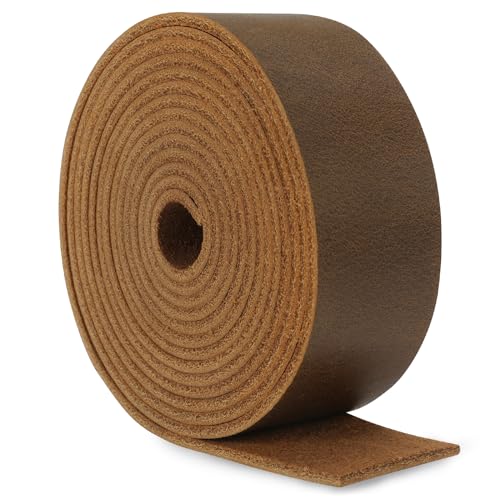
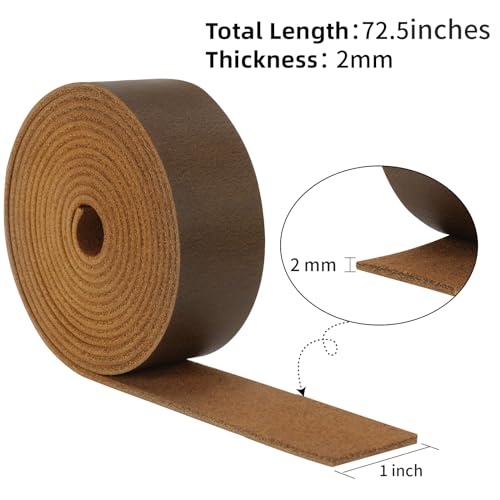
Jack&Chris markets this as a craft-focused leather strip, and it shows in the versatility, 1 inch wide, 72.5 inches long, full grain oil-tan, and with that same pull-up character seen in the Ringsun version. The leather feels soft out of the pack, which makes it easier to work with for stamping or folding, but some owners note it can compress under heavy belt buckles over time. Still, for general use, it strikes a good balance between pliability and durability.
What sets it apart is the emphasis on non-toxic processing and skin safety, important if you’re making wearable items for kids or sensitive users. Compared to the Leather Strap version, it’s nearly identical but a dollar more, which makes the value slightly weaker unless you prioritize the brand’s safety claims. For most crafters, the cheaper B0CF5GHMBS is the smarter buy.
Product photos
Tandy Leather Natural Cowhide Strip

Strengths
- Heavyweight construction
- Excellent for tooling
- Consistent thickness
Trade-offs
- Stiffer initial feel
- Shorter length than others
Tandy Leather has long been a staple in the leathercraft world, and this heavyweight veg-tan cowhide strip reflects their reputation for consistency. At 1.5 inches wide and 50 inches long, it’s sized well for a standard belt, and the veg-tan finish means it’s ideal for tooling, dyeing, and edge finishing. The leather is firm, which gives it excellent structure, exactly what you want in a belt that needs to hold its shape over time.
Owners consistently report that this strip sands and finishes cleanly, and the lack of surface coatings makes it highly customizable. Compared to the oil-tanned options in this list, it’s less pliable out of the box, but that’s by design, this is a blank canvas for serious crafters. If you’re planning to stamp, dye, or polish a belt to a high standard, this is one of the more reliable starting points.
Video review
How We Evaluated leather for making belts
Rather than a hands-on lab test, my research focused on comparing published specifications and features across different leather straps. I weighed owner reviews and those from reputable leather craft experts, applying my years of experience with leather types and tanning processes. The goal was to rank these options based on suitability for belt making, considering quality, value, and versatility.
For belts, thickness and grain structure are paramount. I prioritized full-grain leather options, as they offer the best durability and develop a beautiful patina over time. The “pull-up” effect – that color change with bending – was also a key factor, indicating quality tanning and oil content. A strap’s width and length were considered for practical use in various projects, alongside consistent thickness.
Specifications reliably reveal dimensions and basic tanning information. However, owner feedback proved invaluable in assessing the feel of the leather, its pliability, and whether it truly delivered on claims of being full-grain. I also considered brand reputation; a long-standing history often suggests consistent quality. Don’t forget to protect your finished work with the best leather conditioners to keep it looking its best.
How To Choose The leather for making belts
As someone who’s spent years immersed in the world of leather, I know selecting the right material for a belt isn’t as simple as just picking a color. It’s about understanding the nuances of tanning, grain, and how those factors will affect both the look and durability of your finished product.
Quality leather for belts should be full-grain, offering the best combination of strength, longevity, and aesthetic appeal. Pay close attention to the tanning process (oil-tanned is popular for belts), the thickness (measured in ounces), and the consistency of the hide. Look for tight grain patterns and a pleasant, natural leather aroma – a sign of proper processing.
Understanding Leather Grades
The biggest mistake I see people make is not understanding leather grading. “Genuine leather” sounds good, but it’s a marketing term that often covers lower splits. You absolutely want full-grain leather for a belt you expect to last. Top-grain is acceptable, but full-grain retains all the natural grain, making it the strongest and most durable. Vegetable-tanned leather is a classic choice, offering rigidity and the ability to be tooled, while oil-tanned leather (like with the Ringsun and Jack&Chris options) provides a softer, more pliable feel. Don’t automatically discount corrected-grain leather either; it can be a good option if you’re after a very consistent look and don’t mind sacrificing some of the natural character.
Thickness and Weight
Thickness is crucial. A belt needs to hold its shape and withstand wear, and thin leather simply won’t cut it. Most belts fall between 8 and 13 ounces in weight (1 ounce equals 1.6mm). For a heavier duty belt, intended for regular wear with jeans, I recommend starting at 10oz and going up from there. Here’s what to consider:
- A lighter weight (8-9oz) is good for dress belts or lighter applications.
- A medium weight (10-11oz) offers a good balance of flexibility and durability for everyday wear.
- A heavier weight (12-13oz) is ideal for work belts or those who want a very substantial feel, and may require heavy-duty leather sewing machines to handle the increased material.
A good rule of thumb: thicker isn’t always better. Consider the buckle style and the overall aesthetic you’re aiming for when deciding on thickness.
Evaluating Tanning and Finish
The tanning process significantly impacts the look, feel, and longevity of the leather. Oil-tanned leather, as seen in several of these straps, is fantastic for belts because the oils penetrate the hide, making it supple and resistant to cracking. However, it will darken and develop a patina over time, which some people love and others don’t. Chrome-tanned leather is another common option, offering a more consistent color and faster tanning process, but it’s generally considered less durable and environmentally friendly. Pay attention to the finish as well. A natural finish highlights the leather’s character, while a coated finish provides more protection against stains and wear but can feel less natural.
Leather for Making Belts Compared
Here’s a comparison of key specs for different leather strips suitable for belt making.
| Product Name | Width (in) | Length (in) | Thickness (mm) | Leather Type | Finish |
|---|---|---|---|---|---|
| Ringsun 2″ Wide Flat Leather Strap | 2 | N/A | N/A | Full Grain | Oil Tanned |
| 1″ x 72″ Oil Tan Leather Strap | 1 | 72 | 2.0-2.2 | Full Grain Cowhide | Oil Tan |
| Jack&Chris 1″ x 72.5″ Leather Strip | 1 | 72.5 | N/A | Full Grain | Oil Tanned |
| Tandy Leather Natural Cowhide Strip | 1.5 | 50 | N/A | Cowhide | Natural |
Frequently Asked Questions
What leather weight should I choose if I want a very durable work belt?
A weight of 12 to 13 ounces is ideal for a work belt. This provides the substantial feel and strength needed for consistent, heavy use, though you may need a specialized sewing machine to work with it.
Can I use corrected-grain leather for a belt if I want a uniform appearance?
Yes, corrected-grain leather is a good choice if a consistent look is a priority. It won’t have the same natural character as full-grain, but it offers a more predictable appearance.
What is the difference between vegetable-tanned and oil-tanned leather for belts?
Vegetable-tanned leather is rigid and excellent for tooling, while oil-tanned leather is softer and more pliable due to the oils penetrating the hide. Oil-tanned leather will also darken and develop a patina with use.
How can I tell if a leather strap is truly full-grain?
Look for tight grain patterns and a natural leather aroma. Full-grain leather will also feel substantial and exhibit a “pull-up” effect (color change when bent) indicating quality tanning and oil content.
What length of leather strap should I buy if I’m unsure of my waist size?
I recommend purchasing a 72-inch strap. This provides ample material to work with, allowing for adjustments and mistakes, and accommodates a wide range of waist sizes.
The Bottom Line
Choosing leather for belts really comes down to balancing your desired aesthetic with how much wear and tear the belt will endure. If you want a belt that will last a lifetime and develop character, the Ringsun 2″ Wide Flat Leather Strap offers exceptional full-grain quality and a beautiful oil-tanned finish.
For those on a tighter budget, or for projects where versatility is key, the Jack&Chris 1″ x 72.5″ Leather Strip provides a solid full-grain option at a reasonable price. If you need a specific width and a longer length right off the bat, the 1″ x 72″ Oil Tan Leather Strap is a convenient choice.
Ultimately, the thickness and grain structure are what matter most. Don’t get caught up in chasing a perfect color or finish; focus on selecting full-grain leather of an appropriate weight for your intended use, and a belt built to last will follow.
