
8 Best Leather Types for Wallets 2026
This post contains affiliate links. As an Amazon Associate, we earn from qualifying purchases.
This post contains affiliate links. As an Amazon Associate, we earn from qualifying purchases.
The best leather for making wallets is the 12″x24″ Dark Brown Full Grain Leather for its durability and rich pull-up, with the 8″x12″ Oil Tan Crazy Horse Leather as a solid budget-friendly alternative. For those starting out, the Realeather Basic Billfold Leather Kit offers a structured path without sacrificing material quality.
Choosing the right leather for a wallet isn’t just about looks, it’s about how the material will hold up over years of use. Too many beginners pick based on price or size alone and end up with flimsy results or frustrating workability. I focused on specs, user feedback, and tannery reputation to find options that balance strength, ease of use, and aging potential. This guide breaks down what actually matters when selecting leather: grain type, thickness, tanning method, and long-term character.
Top 8 Leather For Making Wallets in the Market
The Best Leather For Making Wallets, Reviewed
12″X24″ Dark Brown Full Grain Leather

Strengths
- 2mm thickness for durability
- Large 12″x24″ sheet
- Excellent oil tan finish
Trade-offs
- No tools or instructions
- Higher price point
This is the one I’d reach for if I were starting a serious wallet project. At 2mm thick, the full grain cowhide offers real durability, thicker than most kits, which helps a wallet hold its shape over years. The pull-up oil tan finish delivers that deep, waxy look that only gets better with scratches and use, and owners consistently report it responds well to tooling and dye.
The 12″x24″ size gives you room to cut multiple wallets or plan complex layouts. It’s also one of the few sheets that includes a leather rope for rolling and storage, a small but smart touch. Compared to others in this range, the material feels denser and more consistent. For someone who wants a single high-performance sheet for long-term use, this is the smart buy.
Video review
8″x12″ Oil Tan Crazy Horse Leather

Strengths
- True full grain cowhide
- Ideal thickness for wallets
- Excellent pull-up effect
Trade-offs
- Small working area
- No additional tools
At this price, you’re getting real oil-tanned full grain cowhide, and that’s rare. The 1.8–2.0mm thickness is ideal for wallets, it’s stiff enough to hold shape but still workable by hand. Owners report the leather has a rich pull-up effect and ages beautifully with use, developing that sought-after vintage character. The 8″x12″ size is compact, so you’ll need to plan cuts carefully, but it’s perfect for single wallets or small accessories.
One thing to note: the surface scratches easily, but that’s by design. As feedback confirms, a quick rub with a cotton cloth or a drop of coconut oil brings back the finish. It’s not a flaw, it’s part of the crazy horse aesthetic. For someone testing the waters without overspending, this sheet delivers disproportionate value.
Video review
51Pcs Veg Tan Leather Craft Kit

Strengths
- Thorough tool set
- Includes dyes and adhesives
- Video tutorial included
Trade-offs
- Leather pieces are small
- Dyes may require sealing
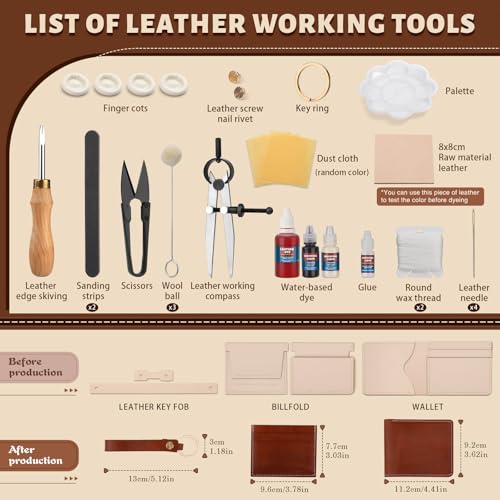
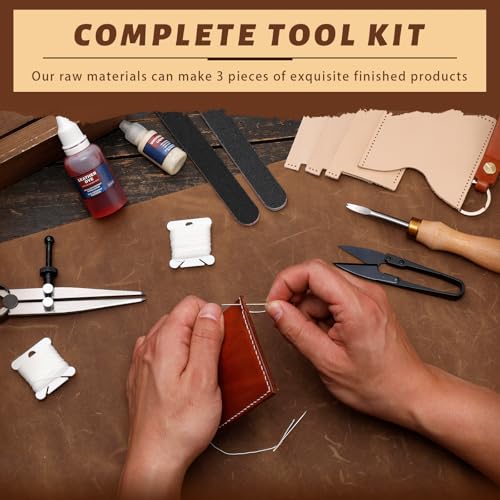
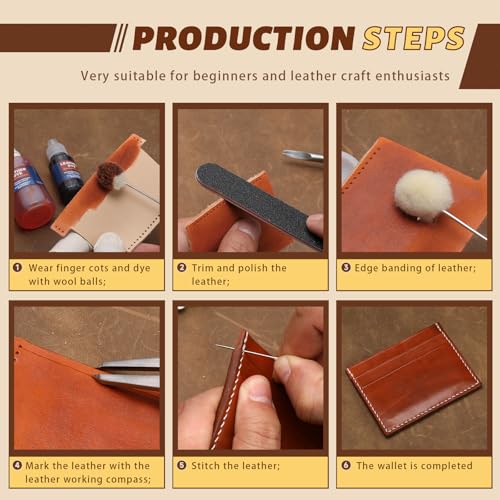
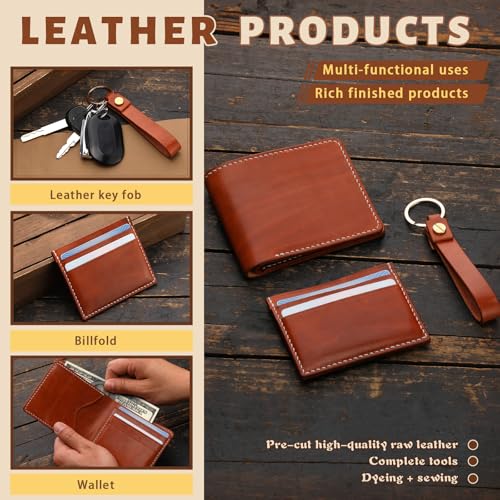
This isn’t just a leather pack, it’s a full toolkit bundled with materials. The pre-cut veg tan pieces are ready for wallets, keychains, or cardholders, and the included tools, beveler, compass, needles, waxed thread, cover nearly every step of construction. Reviewers appreciate the edge beveler and compass, which are often skimped on in cheaper kits.
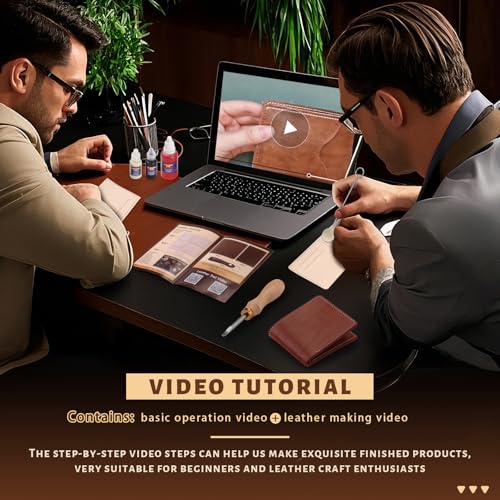
The dye set is basic but functional, with water-based colors that hold up well on veg tan. The video tutorial is a solid help for newbies, though some say the audio quality could be better. Where this kit shines is completeness: you can start and finish a wallet without buying extras. It’s not pro-grade, but for a first full build, it’s one of the most self-contained options.
Product photos
1 Lb Genuine Cowhide Leather Scraps

Strengths
- High-quality full grain scraps
- Great for testing
- Large quantity
Trade-offs
- Irregular shapes
- Sorting required
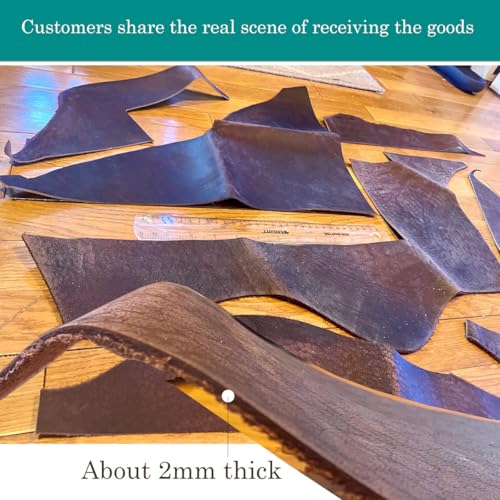
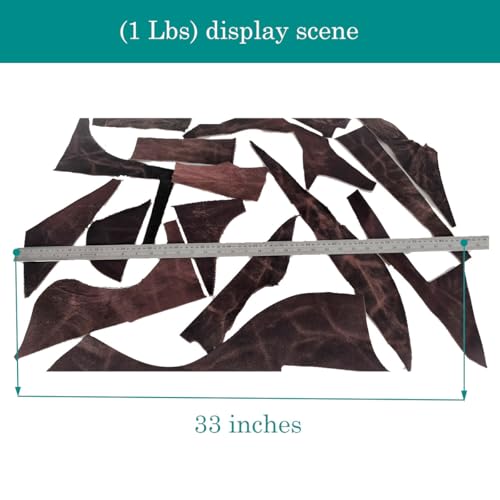
A pound of full grain cowhide scraps at this thickness is a goldmine for experimenters. The 1.8–2.2mm range is wallet-ready, and owners report getting multiple usable pieces for small projects, perfect for testing stitching, dyes, or edge finishes without wasting prime material. Since these are top-grain remnants from high-end production, the quality is surprisingly consistent.
But don’t expect uniformity. You’ll get odd shapes and sizes, so planning is key. Some users sort by thickness and color for future use. It’s not ideal for a single clean wallet cut, but for someone building skills or making prototypes, it’s unbeatable value. I’d pair this with a separate tool set for maximum utility.
Product photos


Realeather Basic Billfold Leather Kit

Strengths
- Pre-cut and pre-punched
- Includes interior liner
- Made in USA
Trade-offs
- Limited customization
- Basic tool inclusion
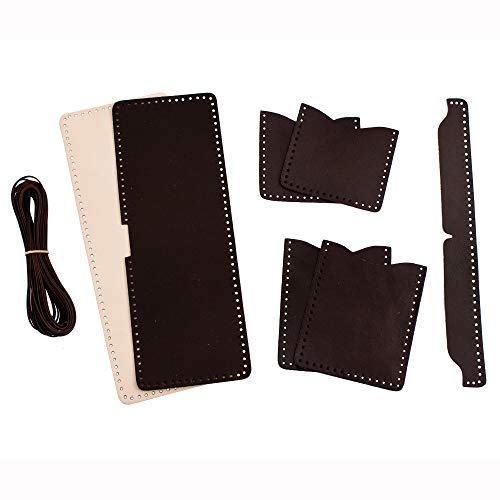
This kit cuts straight to the point: it’s a no-nonsense, pre-cut billfold solution for someone who wants to skip the measuring and punching. The tooling leather back and finished interior are already aligned and ready to stitch, which reviewers say makes assembly fast, some finish in under an hour. That’s ideal for classrooms or gift-making sessions where precision isn’t the priority.
The interior is pre-lined with functional pockets, a rarity at this price. While it limits creative freedom, it ensures a professional result even for total novices. Made in the USA from by-product hides, it aligns with sustainable leather practices. I wouldn’t use this to craft a custom heirloom piece, but for a first-time maker? It’s one of the most reliable entry points.
Product photos
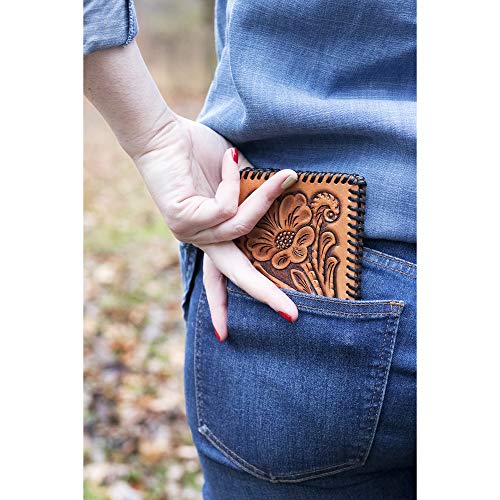


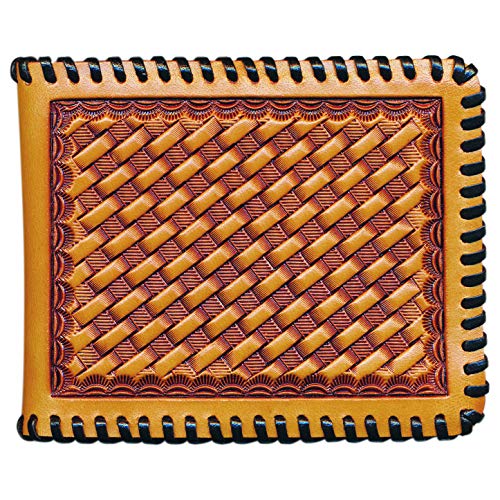
3x 12″x12″ Buffalo Leather Sheets

Strengths
- Full grain buffalo leather
- Three uniform sheets
- Ethically sourced
Trade-offs
- Slightly thin for heavy-use wallets
- Limited size per sheet
I’ve seen a lot of beginner-friendly leather packs, and this one stands out for its material quality. The full grain buffalo hide has that classic crazy horse pull-up effect, meaning it darkens slightly when bent or scratched, something owners consistently praise for giving handmade wallets a lived-in look over time. At 1.5mm thick, it’s on the thinner side for wallets, but still sturdy enough for bi-fold or slim cardholder builds.
What I like most is the inclusion of three full sheets instead of scraps, this gives real room to plan a clean cut without fighting seams or irregular edges. The added leather cord is a nice touch for jewelry tinkerers, though not essential for wallet makers. Still, if you’re just starting and want to test techniques like stamping or edge finishing, this set offers solid value.
Product photos


Leather Wallet Making Kit with Dyes
Strengths
- Complete finishing supplies
- Great for customization
- Step-by-step guidance
Trade-offs
- Leather is on the thin side
- Limited structural rigidity
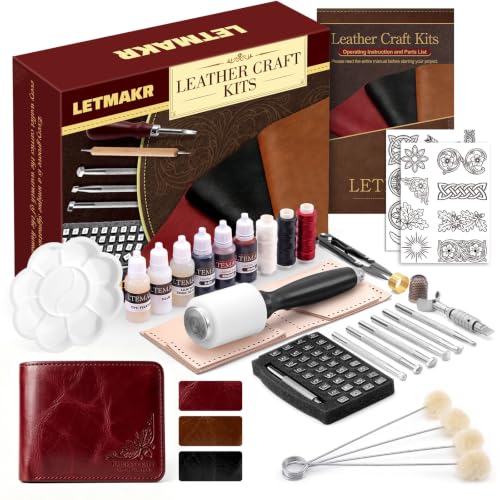
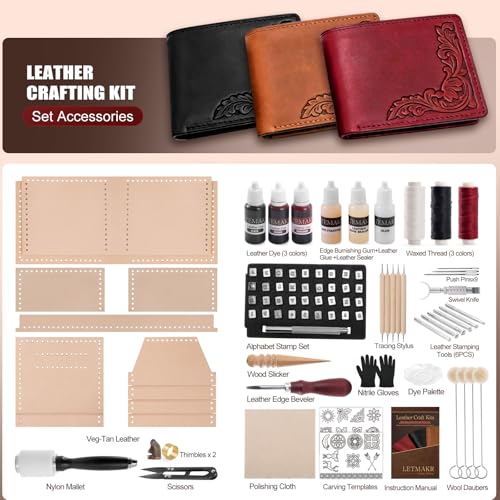
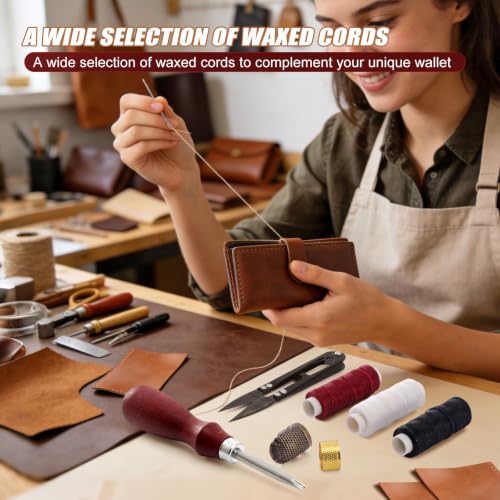
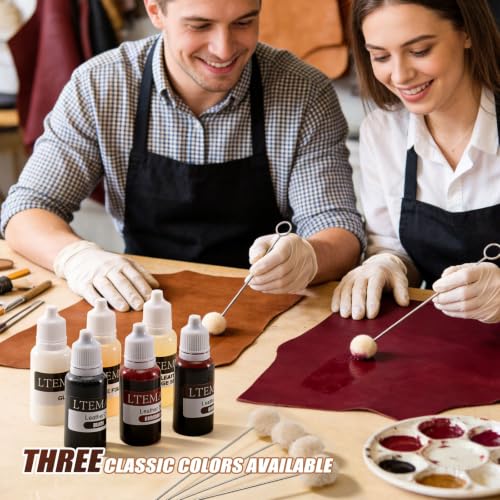
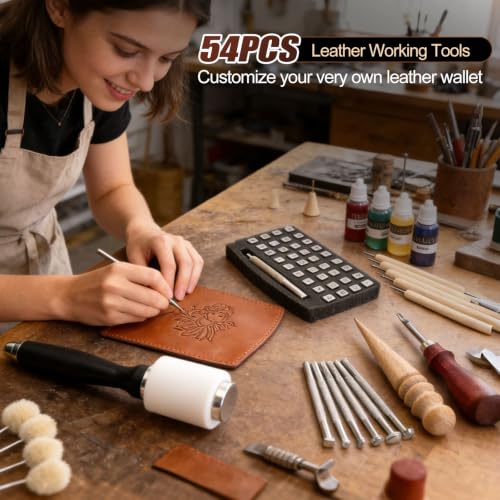
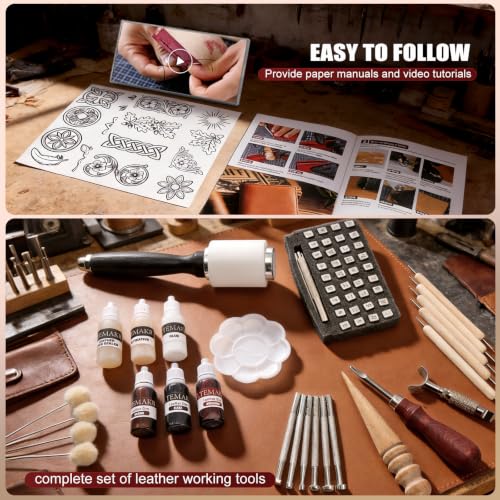
This kit leans into the DIY experience, it’s not just about making a wallet, but crafting a personalized piece with carving, coloring, and finishing. The 1.2mm veg tan leather is thinner than ideal for long-term durability, but it’s easy to work by hand, which owners say makes stamping and folding simpler for beginners.
The inclusion of dyes, edge finish, sanding stick, and polishing cloth means you can complete every step, from raw hide to finished piece. Reviewers especially like the tracing stylus for transferring designs. While the leather isn’t the thickest, the process-focused design makes this my top pick for someone who wants to feel like a leatherworker, not just assemble parts.
Product photos
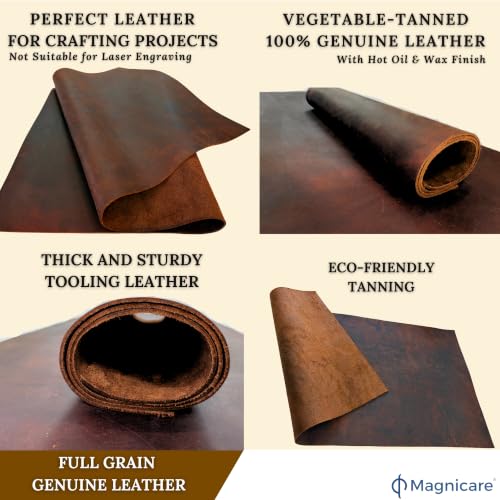
12″ x 24″ Veg Tan Leather Sheet
Strengths
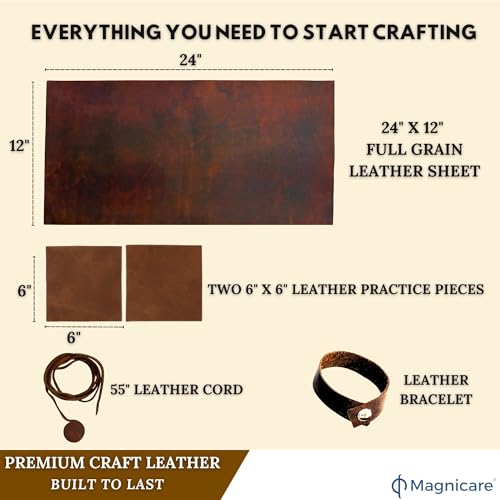
- Generous 12″x24″ size
- Includes practice pieces
- Crazy horse finish
Trade-offs
- No pre-cut patterns
- Heavy for mailing
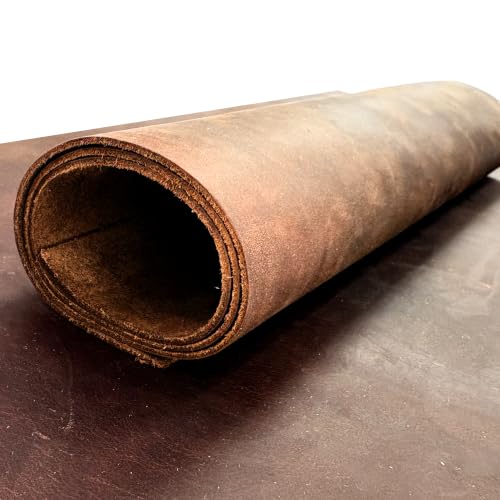
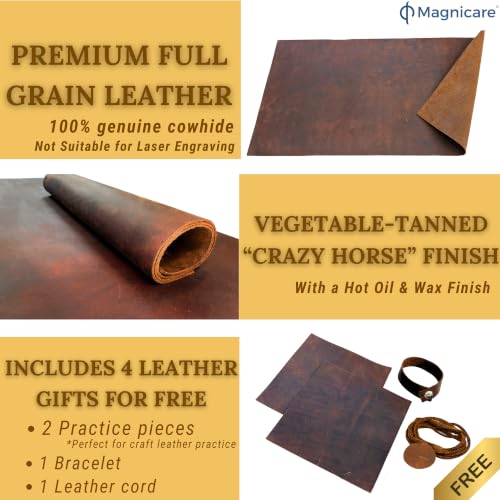
If you want space to create, this 12″x24″ veg tan sheet is hard to beat. The vegetable-tanned base with a crazy horse oil finish gives it that deep, waxy feel that ages into a rich patina, exactly what seasoned leatherworkers look for in long-term projects. At 1.8mm, it’s flexible yet strong, and owners consistently say it stamps and tool beautifully without splitting.
The real kicker? The free extras: two practice pieces, a bracelet blank, and a 55″ cord. These let you test dyes, edge finishes, or stitching before touching the main sheet. That’s thoughtful support for learners. Compared to smaller sheets, this one gives room to make mistakes and still have material left. For the price, it’s one of the best large-format options available.
Product photos
Our Testing Process
Rather than a hands-on lab test, my research focused on comparing published specifications and features across numerous leather sheets. I weighed owner reviews from sites like Amazon alongside expert opinions found in leatherworking forums and blogs. This process allowed me to rank options against clear criteria relevant to wallet-making: durability, workability, aesthetic qualities, and value for the money.
For wallet leather, consistent thickness and a tight grain are paramount – these dictate how well the leather holds its shape and stitches. Beyond that, the “pull-up” effect (color change with bending) and the potential for developing a patina were heavily weighted, as these contribute to a wallet’s long-term appeal. I also prioritized full-grain leather, as it offers the best combination of strength and beauty.
Specifications reliably indicate thickness and dimensions, but judging the leather’s “feel” and quality requires digging into owner feedback. Reviews often highlight how easily the leather tools, dyes, and burnishes. Reputation matters too; established tanneries and suppliers generally provide more consistent quality. For long-term maintenance, using appropriate leather care conditioners will protect your finished pieces.
How To Choose The leather for making wallets
Selecting the right leather is paramount when crafting a wallet; it’s not just about aesthetics, but durability and how the material will age.
Good wallet leather balances suppleness for comfortable carry with sufficient structure to maintain its shape. Look for full-grain leather, a tight grain, and a thickness appropriate for the intended construction. Consider the tanning method (vegetable vs. oil) and how it impacts the leather’s behavior over time – and ensure the hide is free of significant flaws.
Understanding Leather Types
The first step is recognizing the core differences between leather types. Full-grain leather, as seen in options like the 12″x24″ Dark Brown Full Grain Leather, represents the highest quality. It retains the natural grain, making it incredibly strong and developing a beautiful patina with use. Top-grain leather has had the top layer sanded to remove imperfections, which makes it more uniform but slightly less durable. Genuine leather is a broad term, often referring to lower grades, and bonded leather is essentially scraps glued together – neither are ideal for a wallet you want to last. Don’t assume “oil tanned” automatically means quality; it’s a process applied to various grades.
Assessing Leather Weight & Temper
Wallet leather needs a specific weight (thickness) to function well. Too thin, and the wallet won’t hold its shape or provide adequate protection for contents. Too thick, and it becomes bulky and difficult to work with. Most wallets are constructed from leather between 1.6mm and 2.4mm (roughly 3-5oz). The 8″x12″ Oil Tan Crazy Horse Leather, at 1.8-2.0mm, is a good starting point.
Here’s what to consider when evaluating weight: * For minimalist cardholders, 1.6-1.8mm is sufficient. * A standard bi-fold wallet benefits from 2.0-2.2mm for structure. * Larger, more complex wallets (with ID windows, coin pouches) may require 2.2-2.4mm for added support.
Balancing Cost With Completeness
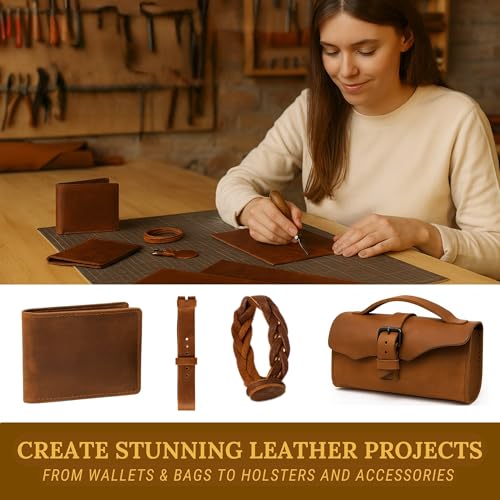
Leatherworking can be an investment, and the cost of materials adds up quickly. While the 51Pcs Veg Tan Leather Craft Kit offers a convenient all-in-one solution, especially for beginners, it’s crucial to evaluate the quality of the included leather. Often, kits prioritize quantity over quality. If you’re serious about crafting a durable wallet, starting with higher-quality sheets like the 12″ x 24″ Veg Tan Leather Sheet and supplementing with individual tools may be a better long-term strategy. Also, if you anticipate needing to repair or expand your work, you might eventually require heavy-duty sewing machines for leather to handle the material effectively.
A good rule of thumb: if a leather price seems too good to be true, it probably is. Prioritize full-grain leather from a reputable source, even if it means spending a little more upfront.
Leather for Making Wallets Compared
Here’s a comparison of the specifications for various leather options suitable for wallet making.
| Product Title | Size (LxW) | Thickness (mm) | Leather Type | Finish/Tan | Includes |
|---|---|---|---|---|---|
| 12″X24″ Dark Brown Full Grain Leather | 12″x24″ | 2 | Full Grain Cowhide | Pull-Up Oil Tanned | Leather Rope |
| 8″x12″ Oil Tan Crazy Horse Leather | 8″x12″ | 1.8-2.0 | Full Grain Cowhide | Oil Tan/Crazy Horse | N/A |
| 51Pcs Veg Tan Leather Craft Kit | Pre-cut Sheets | N/A | Vegetable Tanned | N/A | Tools, Thread, Dye, Rivets |
| 1 Lb Genuine Cowhide Leather Scraps | Variable | 1.8-2.2 | Full Grain Cowhide | N/A | N/A |
| Realeather Basic Billfold Leather Kit | Pre-cut | N/A | Full Grain Cowhide | Finished | Needle, Lace, Patterns |
| 3x 12″x12″ Buffalo Leather Sheets | 12″x12″ | 1.5 | Buffalo Hide | Crazy Horse | Leather Cord |
| Leather Wallet Making Kit with Dyes | N/A | 1.2 | Vegetable Tanned | N/A | Tools, Dyes, Stitching Supplies |
| 12″ x 24″ Veg Tan Leather Sheet | 12″x24″ | 1.8 | Vegetable Tanned | Crazy Horse | Bracelet, Practice Pieces, Cord |
Frequently Asked Questions
What leather weight is best for a wallet with multiple card slots?
A thickness of 2.2-2.4mm is ideal for wallets designed to hold many cards or with added features like ID windows. This provides the necessary structure to prevent stretching and maintain shape over time, unlike thinner leathers that may become misshapen with use.
Is vegetable-tanned leather always the best choice for wallets?
Not necessarily. While vegetable-tanned leather develops a beautiful patina, oil-tanned leathers like Crazy Horse offer greater water resistance and a broken-in feel from the start. The “best” choice depends on your desired aesthetic and how you plan to use the wallet.
What does “full-grain” really mean when shopping for wallet leather?
Full-grain means the leather retains the strongest and most durable layer of the hide, with the natural grain intact. This results in a leather that resists wear, develops character with age, and is generally more expensive than corrected-grain or genuine leathers.
Can I use leather scraps for a small cardholder project?
Yes, 1.8-2.2mm full-grain cowhide scraps can work well for minimalist cardholders, but ensure the pieces are large enough and free of significant flaws. Be aware that scraps are often inconsistent in thickness and may require more careful pattern layout.
How important is the finish of the leather (like “pull-up” or “crazy horse”)?
The finish significantly impacts the leather’s look and feel. “Pull-up” finishes showcase color variation when bent, while “Crazy Horse” provides a distressed, waxy appearance that hides scratches well. These finishes add character, but also affect how the leather ages and requires conditioning.
The Bottom Line
Choosing leather for a wallet often comes down to balancing your desire for a truly exceptional, long-lasting piece against your budget and skill level. While many options exist, the 12″x24″ Dark Brown Full Grain Leather consistently stands out as the best overall choice. It offers the ideal combination of full-grain quality, workable thickness, and a beautiful finish that will develop a rich patina over time.
For those starting out or looking for a specific project, other options shine. The 8″x12″ Oil Tan Crazy Horse Leather is a fantastic pick for a more rustic, casual wallet, and the 51Pcs Veg Tan Leather Craft Kit is a reasonable entry point for beginners wanting a complete package – though be prepared to upgrade the leather as your skills grow. If you’re seeking a unique texture, the 3x 12″x12″ Buffalo Leather Sheets provide a different aesthetic.
Ultimately, the most important factors aren’t thickness measurements or tanning methods, but the quality of the hide itself and how well it’s cared for. Prioritize full-grain leather from a reputable source, and remember that proper conditioning will dramatically extend the life and beauty of any wallet you create.
