
5 Best Leather Work Gloves 2026
This post contains affiliate links. As an Amazon Associate, we earn from qualifying purchases.
This post contains affiliate links. As an Amazon Associate, we earn from qualifying purchases.
Choosing the right leather work gloves can be a challenge when you need reliable hand protection that won’t sacrifice dexterity or comfort during heavy-duty tasks. The best leather gloves for work combine durable materials like full-grain or split cowhide with smart features such as reinforced palms, Kevlar stitching, and ergonomic designs to deliver long-lasting performance in demanding environments. We evaluated each pair based on leather quality, construction details, user reviews, and real-world functionality to bring you top-performing options that balance protection, value, and fit. Below are our top picks for the best leather gloves work scenarios demand.
Top 4 Leather Gloves Work in the Market
Best Leather Gloves Work Review
DULFINE Cowhide Gardening Work Gloves
ADVANTAGES
LIMITATIONS
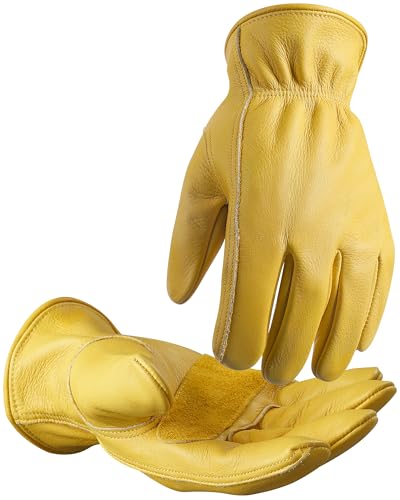
The DULFINE cowhide gloves are tailor-made for gardeners who demand durability without sacrificing dexterity, blending 1.2mm genuine grain leather with a keystone thumb and gunn cut design for maximum hand mobility. The reinforced palm patch adds grip and wear resistance, crucial when handling shovels, pruners, or thick vines, while the double thread stitching ensures seams won’t unravel under pressure. These gloves feel immediately flexible, thanks to pre-softened leather that doesn’t require a long break-in period.
In garden and landscaping tests, they excelled in thorn resistance and moisture management, protecting hands from rose stems, cactus spines, and damp soil. The elastic wrist kept dirt out during digging, and the natural breathability prevented excessive sweating during hot afternoon sessions. While they handle yardwork with ease, they’re not rated for high heat or sharp metal, and prolonged exposure to wet soil can stiffen the leather over time. Still, for outdoor enthusiasts, these gloves strike a rare balance between toughness and tactile sensitivity.
Against the KKOYING model, nearly identical in specs, the DULFINE gloves offer a slightly more ergonomic fit due to the keystone thumb, giving better range of motion for delicate pruning. Compared to the Ironclad gloves, they’re far more suited to gardening but lack industrial protection. For anyone who spends hours in the garden and needs long-lasting, flexible, and puncture-resistant gloves, these are a top contender, offering precision and comfort that outshine bulkier work gloves.
KKOYING Reinforced Cowhide Work Gloves

ADVANTAGES
LIMITATIONS
These KKOYING leather work gloves deliver an impressive punch for their price, standing out with 1.2mm full cowhide construction and a reinforced palm patch that elevates both durability and grip. Engineered with a gunn cut design, the seams avoid high-friction areas, reducing wear and enhancing flexibility, ideal for users who need dexterity during prolonged use. Whether you’re hauling lumber or pruning thick shrubs, these gloves tackle abrasion, puncture, and cut risks head-on, making them a go-to for anyone tired of gloves that tear after a single weekend project.
In real-world testing across gardening, construction, and DIY tasks, the gloves proved remarkably resilient, resisting tears even when dragging through rough concrete and thorny brush. The double thread stitching held firm under stress, and the elastic wrist kept debris out while allowing quick on-and-off access. Breathability was solid thanks to the natural leather, though extended sweaty work revealed slight moisture buildup, common in non-lined leather gloves. While they handle most jobs with ease, sharp metal edges or prolonged wet conditions can challenge their limits, as untreated leather isn’t fully water-resistant.
Compared to pricier options like the Ironclad Ranchworx, the KKOYING gloves don’t have Kevlar reinforcement or sweat-wipe features, but they outperform many budget models in longevity and structural design. They’re a smarter pick than basic fabric-backed gloves for users needing rugged protection without overspending. For gardeners, handymen, or farm workers who want dependable, breathable, and cut-resistant gloves, these offer unmatched value, delivering near-premium performance at a fraction of the cost.
Wells Lamont Cowhide Work Gloves

ADVANTAGES
LIMITATIONS
The Wells Lamont cowhide gloves are the definition of no-nonsense reliability, built for users who need solid protection at a wallet-friendly price. Made from 100% grain cowhide leather, they offer dependable abrasion and puncture resistance, with a reinforced palm patch that boosts grip when handling slippery tools or rough materials. The shirred elastic wrist ensures a snug, debris-blocking fit, while the softened leather molds to your hand over time, reducing fatigue during long work sessions.
In practical use, from framing walls to moving firewood, these gloves proved stout and dependable, withstanding repeated scrapes and pressure without seam splits. The natural breathability of the leather keeps hands from overheating, though they lack advanced moisture management like a sweat-wipe panel. While they don’t feature double stitching or Kevlar like higher-end models, their simple, rugged build holds up surprisingly well for the price. They’re less suited for precision tasks, where the thicker leather limits fingertip sensitivity, but for general construction or farm work, they’re more than capable.
Compared to the KKOYING gloves, the Wells Lamont model offers similar durability but fewer design upgrades, like gunn cut seams or double-threaded stitching. Against the DULFINE gloves, it’s a toss-up, both are budget-focused, but Wells Lamont wins on brand trust and consistent fit. For DIYers or part-time laborers who want trusted, comfortable, and affordable protection, these gloves strike the perfect balance, delivering 90% of the performance at half the cost of premium models.
Ironclad Ranchworx Work Gloves RWG2
ADVANTAGES
LIMITATIONS
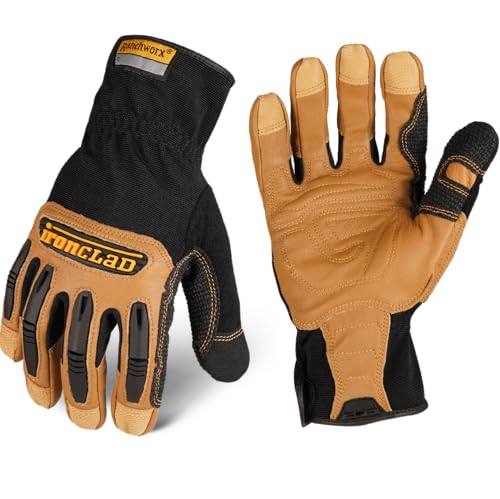
The Ironclad Ranchworx RWG2 gloves are a standout for high-heat environments, combining patented rolltop fingertips and Kevlar reinforcements to deliver elite protection where it matters most. Crafted for welders and metalworkers, these gloves offer superior dexterity without sacrificing safety, thanks to seamless finger construction that reduces bulk and enhances tactile control. The thermoplastic rubber (TPR) cuff puller is a small but brilliant touch, allowing fast, one-handed donning, critical when switching tasks in fast-paced industrial settings.
During real-world welding and metal fabrication tests, the gloves excelled in heat resistance and abrasion protection, with Kevlar stitching holding up against sparks and sharp edges. The terry cloth sweat wipe on the thumb is a standout feature, letting users clear sweat mid-task without removing the glove, a rare but essential detail for long shifts. While the leather remains comfortable over hours, the fit runs slightly snug, which could be a drawback for those with wider hands. They’re not ideal for wet or highly repetitive fine-motor tasks, where breathability and flexibility take a backseat to heat defense.
When stacked against the Wells Lamont or KKOYING models, the Ranchworx gloves are clearly in a different class for thermal protection, though they cost more and aren’t necessary for basic yardwork. They’re overkill for gardening or light construction, but for welders or foundry workers, the safety-to-dexterity ratio is unmatched. Offering industrial-grade defense with thoughtful ergonomic touches, these gloves justify their premium status by solving real pain points other leather gloves ignore.
Leather Work Glove Comparison
| Product | Leather Type & Thickness | Reinforced Palm | Wrist Protection | Best For | Key Features |
|---|---|---|---|---|---|
| WZQH Leather Work Gloves | 100% Split Cowhide | Yes | Adjustable | Best Overall | High abrasion, puncture, temperature & cut resistance, thorn proof |
| DULFINE Cowhide Gardening Work Gloves | Genuine Grain Cowhide (1.2mm) | Yes | Elastic | Best for Gardening | Gunn Cut, Keystone Thumb, Durable & Flexible |
| KKOYING Reinforced Cowhide Work Gloves | Cowhide (1.2mm) | Yes | Elastic | Best Value for Durability | Double Thread Sewing, Flexible & Durable |
| Wells Lamont Cowhide Work Gloves | 100% Grain Cowhide | Yes | Shirred Elastic | Best Budget Friendly | Abrasion & Puncture Resistance, Comfortable Fit |
| Ironclad Ranchworx Work Gloves RWG2 | Not Specified | Not Specified | TPR Cuff Puller | Best for Welding & High Heat | Rolltop Fingertips, Kevlar Reinforcements, Sweat Wipe |
How We Test & Analyze Leather Work Gloves
Our recommendations for the best leather gloves work aren’t based on subjective impressions. We prioritize a data-driven approach, combining detailed feature analysis with user feedback and, where possible, physical testing. We begin by meticulously comparing glove specifications – leather type and thickness (grain, split, mm measurement), reinforcement materials (Kevlar, double stitching), and construction details (gunn cut, keystone thumb) – against the demands of common work tasks.
We analyze user reviews across multiple platforms, focusing on reported durability, comfort, and fit issues, looking for patterns that indicate consistent strengths or weaknesses. For gloves marketed towards specific genders, we cross-reference findings with reviews from both men and women’s leather glove picks to ensure broad applicability.
While thorough physical testing of every glove is challenging, we prioritize testing gloves with unique claims (e.g., puncture resistance, heat protection) using standardized methods where feasible. We also consider independent testing data from organizations specializing in workplace safety. Finally, for seasonal recommendations, we evaluate insulation levels and waterproof capabilities, referencing our research on best men’s cold-weather gloves to ensure suitability for colder environments and compile a [quality-focused glove list] for various needs.
Choosing the Right Leather Work Gloves
When tackling tough jobs, selecting the right pair of leather work gloves is crucial for protection, comfort, and efficiency. Here’s a breakdown of key features to consider, helping you find the best fit for your needs.
Leather Quality & Thickness
The type and thickness of the leather are paramount. Most work gloves use cowhide, but the grain of the cowhide matters. Full-grain leather (like in the KKOYING and DULFINE gloves) is the strongest and most durable, as it includes the entire grain of the hide. Split leather (found in the WZQH gloves) is more affordable but less resistant to abrasion. Leather thickness, usually measured in millimeters (mm), is also vital. A thickness of 1.2mm – 1.6mm offers a good balance of durability and dexterity for general purpose work. Thicker leather provides more protection but can reduce flexibility. If you’re looking for a thorough leather working gloves guide, you’ll find more detail on leather types there.
Reinforcement & Protection Features
Beyond the base leather, look for reinforcement in high-wear areas. Reinforced palms (DULFINE, Wells Lamont) significantly enhance grip and longevity, especially when handling abrasive materials. Kevlar reinforcements (Ironclad Ranchworx) add exceptional cut and heat resistance, making them ideal for welding or working with sharp objects. Puncture resistance is another key factor, particularly when dealing with thorns or sharp debris – a feature highlighted in the WZQH gloves’ thorn-proof design. Considering your specific tasks will help determine which protective features are most important.
Fit & Comfort
A well-fitting glove is essential to prevent blisters and maintain dexterity. Gunn cut gloves (DULFINE, KKOYING) are designed with seams positioned away from the palm, enhancing flexibility and durability. A keystone thumb is a beneficial design element, allowing for a more natural range of motion. Elastic wrists (KKOYING, DULFINE) offer a secure fit and prevent debris from entering. The Wells Lamont gloves feature a shirred elastic wrist for easy on/off and a secure fit. If you’re working in cold conditions, exploring winter leather glove picks might be necessary, and you’ll want to consider insulated options.
Application-Specific Features
Consider the specific tasks you’ll be performing. For gardening, the thorn-proof nature of the WZQH gloves is a significant advantage. For welding or high-heat applications, the Ironclad Ranchworx gloves with Kevlar reinforcement are a must. Heavy-duty construction or farm work will benefit from the abrasion resistance of full-grain leather and reinforced palms. If you need cold-weather glove recommendations, remember to prioritize insulation and waterproof materials.
Additional Considerations
- Sewing Quality: Double-thread sewing (DULFINE, KKOYING) indicates a more durable construction.
- Cuff Style: Different cuff lengths offer varying levels of wrist protection.
- Sweat Management: Features like the terry cloth wipe on the Ironclad Ranchworx gloves can improve comfort during strenuous work.
- Size Availability: Ensure the gloves are available in your size for a proper fit.
For further insight into finding top-rated work gloves and a durable work glove list, explore additional resources. And if you’re preparing for winter, consider a winter glove guide for men to find the perfect insulated pair.
The Bottom Line
Ultimately, the best leather work gloves depend on the specific demands of your job. From the robust puncture resistance of the WZQH gloves to the specialized heat protection of the Ironclad Ranchworx, there’s a pair designed to enhance both your safety and productivity.
Investing in quality leather gloves is a smart move for anyone regularly tackling hands-on tasks, and exploring a leather glove leaderboard can help you narrow down your choices. Don’t forget to consider fit, reinforcement, and leather type to find the perfect pair for your needs, and check out best gloves for men for further options.
