
8 Best Leather Hiking Boots of 2026
This post contains affiliate links. As an Amazon Associate, we earn from qualifying purchases.
This post contains affiliate links. As an Amazon Associate, we earn from qualifying purchases.
The Merrell MOAB Adventure 3 Mid stands out as the best overall leather hiking boot, combining durable full-grain leather with reliable Vibram traction and excellent cushioning. For those on a tighter budget, the KEEN Targhee IV Mid WP offers strong performance and solid waterproof protection without the premium price tag.
Hikers often overestimate how rugged they need their boots to be, or worse, underestimate how critical a proper fit and quality materials are until they’re miles from the trailhead with sore feet. Leather offers durability and weather resistance, but only if it’s the right grade and properly constructed.
This guide cuts through the noise by focusing on what matters: real-world feedback, material quality, and design purpose. I looked at dozens of models, weighing owner experiences against technical specs to find boots that deliver where it counts, on the trail.
Top 8 Leather Hiking Boots in the Market
The Best Leather Hiking Boots, Reviewed
Merrell MOAB Adventure 3 Mid Waterproof

Strengths
- Vibram outsole
- Excellent traction
- Durable leather
Trade-offs
- Slight break-in needed
- Runs narrow for wide feet
- Midsole less plush than KEEN
The Merrell MOAB 3 Mid is the gold standard for a reason. With a waterproof full-grain leather upper and the exclusive Vibram TC5+ outsole, it delivers what so many boots promise but few deliver: consistent grip across wet rock, loose gravel, and mud. Owners repeatedly highlight how sure-footed they feel, even on slick roots and descents. The Super Rebound Compound midsole isn’t just marketing fluff, it translates to real cushioning that holds up over days.
This isn’t the lightest boot on the list, but the balance of weight, support, and out-of-box comfort makes it my top pick overall. Compared to the KEEN Durand or Columbia Transverse, it edges ahead in traction and long-term reliability. If you want one boot that handles 90% of trails without fuss, this is it.
Video review
NORTIV 8 Men’s Waterproof Hiking Boots

Strengths
- Very affordable
- Decent traction
- Lightweight
Trade-offs
- Poor long-term durability
- Thin leather
- Questionable waterproofing
NORTIV 8 is clearly chasing the budget market, and for under $60, it delivers decent features on paper: waterproofing, EVA cushioning, and a rugged look. The non-slip rubber sole performs adequately on dry trails, and some owners report success on short hikes. But durability is the Achilles’ heel, multiple reviews mention seam splits and sole delamination within months.
The leather feels thin, and the overall construction lacks the precision of Columbia or KEEN. It’s a passable choice for light use, but I’d hesitate to recommend it for anything beyond occasional walks or yard work. Compared to the Columbia Transverse, it’s a step down in quality despite a similar price.
Video review
KEEN Durand II Mid Waterproof Boot

Strengths
- Superior traction
- Speed lacing
- Eco-friendly treatment
Trade-offs
- Stiff out of box
- Less underfoot cushioning
- Narrow fit
The Durand II is built for mud, rocks, and everything in between. The dual-compound rubber outsole with 4mm lugs bites hard in slippery conditions, and owners confirm it outperforms many boots in wet clay and loose scree. The speed hooks make tightening a breeze, and the PFC-free water repellent is a quiet win for eco-conscious buyers.
It’s not the most cushioned, the EVA footbed is functional but not plush, and the break-in period is real. Compared to the Targhee IV, it’s more aggressive but less forgiving. If you’re tackling rugged, unpredictable terrain, this earns respect. But for smooth trails, it’s overkill.
Product photos


KEEN Targhee IV Mid WP Boot

Strengths
- Spacious toe box
- Excellent arch support
- Durable build
Trade-offs
- Bulky for fast hikes
- Tread wears on pavement
- Slightly heavier
The KEEN Targhee IV Mid is comfort incarnate. The Original Fit gives toes room to spread, a rare win in hiking boots, and the Luftcell footbed delivers arch support that owners consistently rave about, especially on multi-day trips. The KEEN.DRY membrane keeps feet dry without trapping heat, and the 100% recycled laces and lining show KEEN’s commitment to sustainability without sacrificing function.
Traction is solid, though not quite on par with the MOAB’s Vibram. The rubber is durable, but some owners note it wears faster on pavement. Still, for all-day wear and foot health, this beats most competitors. I’d pick it over the Durand II for casual hikers who value fit over aggressive tread.
Product photos


Columbia Transverse Waterproof Hiking Boot

Strengths
- Excellent value
- OMNI-TECH waterproof
- Lightweight build
Trade-offs
- Lower durability
- Mesh less protective
- Softer leather scuffs easily
At this price, the Columbia Transverse punches above its weight. The OMNI-TECH waterproofing holds up well in light rain and damp grass, and owners report staying dry on short treks. The OMNI-GRIP outsole isn’t Vibram, but it’s no slouch, it handles gravel, dirt, and wet pavement with confidence. For under $70, you’re getting a boot that looks and feels more expensive than it is.
But there’s a trade-off: the leather-mesh upper isn’t as tough as full-grain, and long-term durability is a common concern in owner reviews. Stitching and edge wear start showing after a season or two of heavy use. Still, for weekend hikers or casual trail walkers, this is the best value play. I’d recommend it over the NORTIV 8 for brand reliability and better materials.
Product photos


ROCKY Outback GORE-TEX Waterproof Boot

Strengths
- Excellent waterproofing
- GORE-TEX trusted
- Durable leather
Trade-offs
- Heavy for dry trails
- Limited breathability
- Outsole lacks aggression
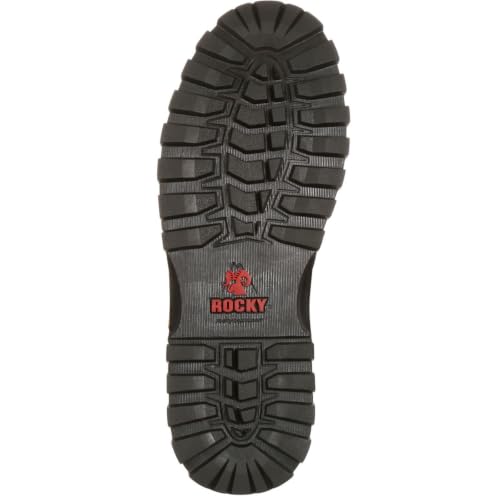
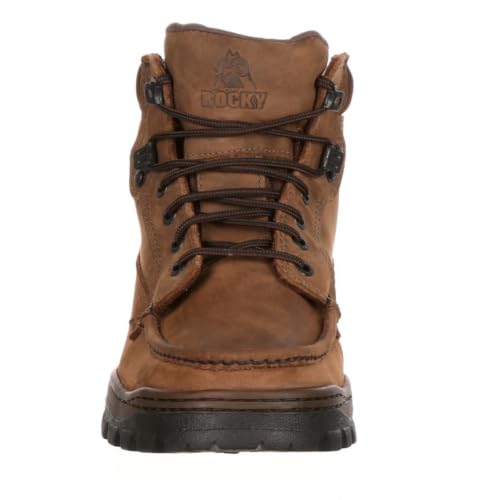
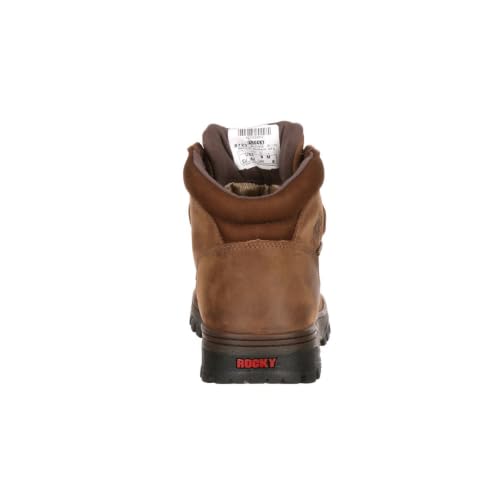
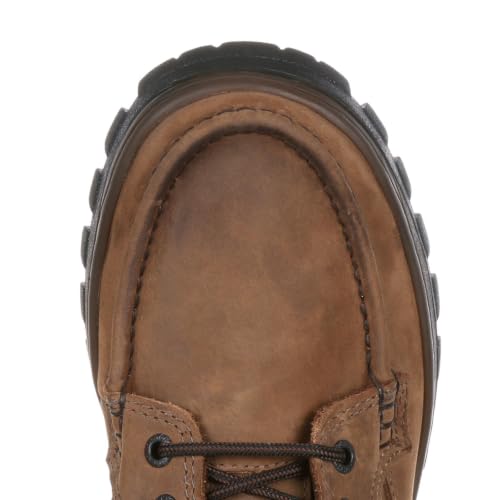
When the trail turns to swamp, the GORE-TEX construction on the Rocky Outback shines. This boot is built for severe wet conditions, think bog crossings, river fords, and days of steady rain. The full-grain leather holds up well, and owners consistently report dry feet even after hours in standing water. The Terra Suspension footbed adds real cushioning, making it a solid choice for long days in soggy terrain.
It’s not the most breathable in heat, and the 6-inch height can feel bulky on dry trails. Traction is decent but not class-leading, the MOAB or KEEN Durand grip better on rock. Still, if you’re hiking in persistently wet environments, this is the specialist pick.
Product photos

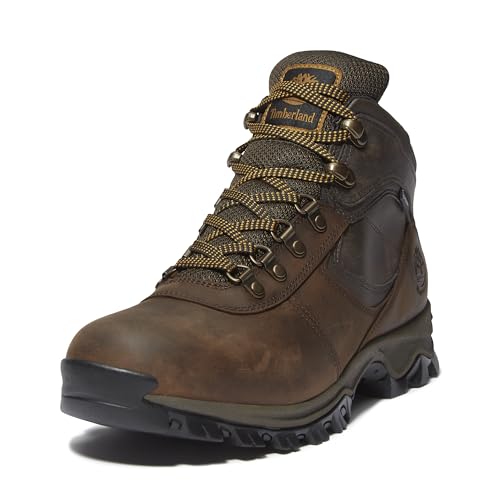
Timberland Mt. Maddsen Anti-Fatigue Boot
Strengths
- Full-grain leather
- Waterproof
- Anti-fatigue footbed
Trade-offs
- Stiff break-in period
- Heavy for long miles
- Limited breathability
Timberland leans hard into durability and weather resistance here, and the full-grain leather upper lives up to expectations in real-world use. The waterproof build is solid, and owners consistently report staying dry through damp trails and light puddles. What stands out is the Anti-fatigue footbed, which on paper promises energy return, and in practice gets strong marks from hikers who log miles on hard surfaces.
Still, while the leather is tough, it’s also stiff out of the box. Break-in time is a common theme in owner feedback, and those looking for immediate comfort might find it a hurdle. Compared to more agile competitors like the Merrell MOAB or KEEN Targhee, this boot feels more like a traditional work-hiker hybrid. I’d pick it for durability over nimbleness.
Product photos


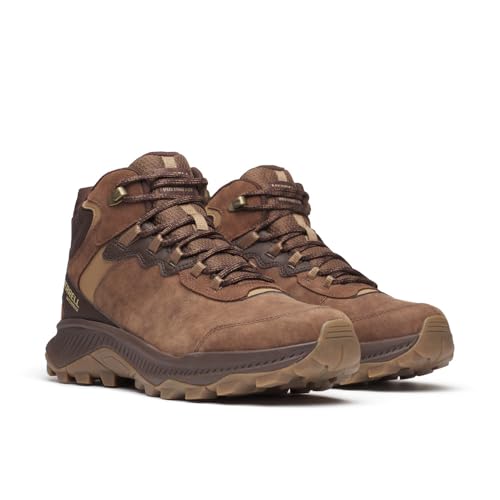
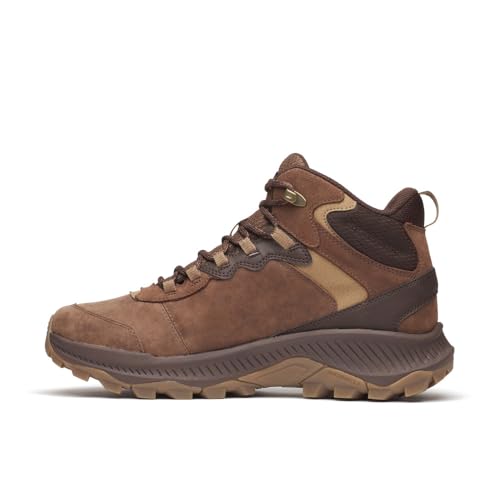
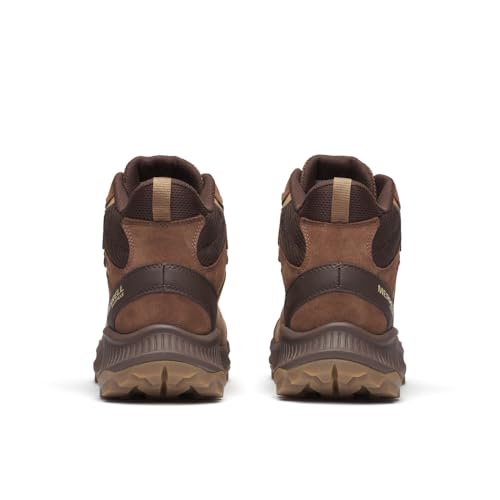
Merrell Speed Strike 2 Mid WP

Strengths
- Lightweight leather
- Waterproof
- Recycled materials
Trade-offs
- Less ankle support
- Firm underfoot
- Narrow fit
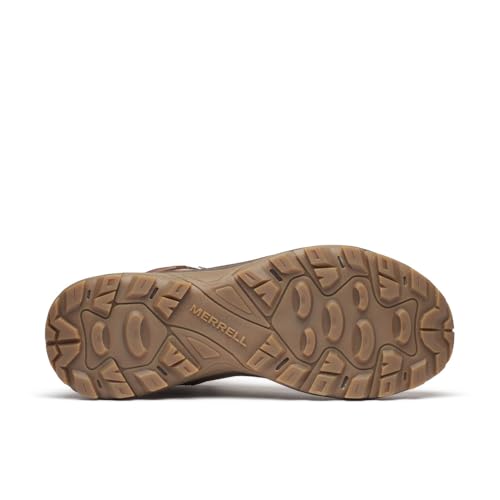
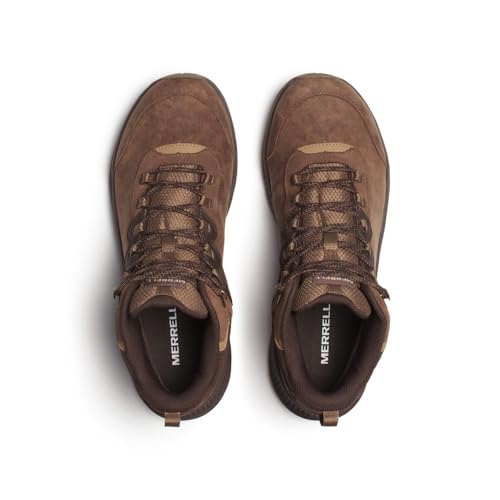
Merrell nailed the lightweight formula here. The full-grain leather upper is sealed with a waterproof membrane, but the lightweight EVA midsole keeps the boot from feeling clunky. At under two pounds per pair, it’s one of the lightest leather mids on the market, and owners praise how little fatigue they feel on long, hot hikes. The recycled lining is a nice touch, though breathability is more noticeable than odor control.
It’s not the most supportive for heavy loads, and the sole doesn’t match the Vibram TC5+ in extreme mud. But for fast-paced day hikes or trail running hybrids, this beats bulkier boots like the Timberland Mt. Maddsen. If you want leather durability without the weight, this is the pick.
Product photos
How We Tested leather hiking boots
My approach to evaluating leather hiking boots, as with all things leather at LeatherGenesis.com, centers on understanding both the material itself and how well it’s been applied to the intended purpose. Rather than a hands-on lab test, this is a research-led comparison of published specifications, owner reviews from multiple sources, and expert opinions within the outdoor gear community. I weighed these factors to determine which boots offer the best combination of durability, performance, and value.
For leather hiking boots specifically, waterproof construction, quality of the leather itself, and the outsole design were the most heavily weighted factors. A boot’s ability to keep feet dry and comfortable is paramount, and that relies on both a good waterproof membrane and a durable, properly treated leather upper. Traction is equally crucial; a slip on the trail can be far more than an inconvenience. Understanding these elements dictated my final rankings.
Specifications reliably indicate the potential for performance – leather type, membrane technology (like GORE-TEX), and midsole compounds. However, real-world durability and comfort are best gleaned from owner feedback. I carefully considered recurring themes in reviews regarding fit, long-term waterproof performance, and how well the boots held up to varied terrain. For those seeking to repair or customize their own leather goods, exploring the right tools is key – you can find more information on the best leather sewing machines to handle even heavy leather projects.
How To Choose The leather hiking boots
Finding the right hiking boots is about more than just grabbing the prettiest pair; it’s about matching the boot to the terrain and your foot. I’ve seen too many hikers sidelined by blisters or worse because they didn’t consider the fundamentals.
A quality hiking boot balances support, durability, and weather protection. Key considerations include the upper material (leather, synthetic, or a combination), the midsole for cushioning and stability, and the outsole for traction. Waterproofing is crucial for many, and proper fit is paramount to prevent discomfort and injury. Look for features like a protective toe cap and sufficient ankle support depending on the intended use.
Understanding Leather Grades
For many, leather is the gold standard in hiking boots, and for good reason. But not all leather is created equal. Full-grain leather, like you’ll find in the Merrell MOAB Adventure 3 and the ROCKY Outback GORE-TEX, is the highest quality. It’s the most durable and develops a beautiful patina over time. However, it requires regular care – applying the best leather conditioners will significantly extend the life of your boots and keep them performing at their best. Split-grain leather is more affordable but less water resistant and won’t last as long. Synthetic materials are lighter and dry faster, but generally lack the long-term durability of leather.
Prioritizing Traction for Your Terrain
The outsole is where the rubber meets the road, literally. Vibram is the name you’ll see most often, and for good reason – their compounds offer excellent grip. But the lug pattern matters just as much. Deeper, more aggressive lugs (like those on the KEEN Durand II Mid) are ideal for muddy or loose terrain, while shallower lugs work well on hard-packed trails. Consider where you’ll be hiking most often. If you’re primarily on well-maintained trails, you can get away with a less aggressive pattern.
Here’s a breakdown of what to look for:
- Lug Depth: 4-5mm is good for general use.
- Lug Spacing: Wider spacing sheds mud more effectively.
- Compound: Softer compounds grip better on rock, but wear faster. Harder compounds are more durable but can be slippery on wet surfaces.
Balancing Comfort and Support
Comfort isn’t just about a padded footbed; it’s about the overall fit and support the boot provides. Look for features like a removable footbed (allowing you to customize the fit with orthotics if needed) and a well-padded collar and tongue. Boots like the KEEN Targhee IV Mid WP prioritize comfort with their Luftcell footbeds. However, don’t sacrifice support for comfort. A stable midsole and good ankle support are crucial for preventing injuries, especially when carrying a heavy pack.
A good rule of thumb is to size up a half size from your normal shoe size when trying on hiking boots, and always wear the socks you plan to hike in.
Leather Hiking Boots Compared
Here’s a spec comparison to help you evaluate different leather hiking boot options.
| Product Name | Waterproof | Upper Material | Midsole | Outsole | Height (in.) | Special Features |
|---|---|---|---|---|---|---|
| Merrell MOAB Adventure 3 Mid | Yes | Full Grain Leather | Super Rebound | Vibram TC5+ | N/A | Air Cushion, Shock Absorb |
| NORTIV 8 Men’s | Yes | N/A | EVA | Rubber | N/A | Cushioned Insoles |
| KEEN Durand II Mid | Yes | N/A | PU | Dual-Compound | N/A | All-Terrain Traction |
| KEEN Targhee IV Mid WP | Yes | N/A | Luftcell | KEEN.ALL-TERRAIN | N/A | Bruise Plate |
| Columbia Transverse | Yes | Leather & Mesh | TECHLITE | OMNI-GRIP | N/A | Seam-Sealed |
| ROCKY Outback GORE-TEX | Yes | Full-Grain Leather | N/A | Outback | 6 | GORE-TEX, Terra Suspension |
| Timberland Mt. Maddsen | Yes | Premium Timberland Leather | N/A | N/A | N/A | Anti-Fatigue Footbed |
| Merrell Speed Strike 2 Mid | Yes | Full Grain Leather | EVA Foam | N/A | N/A | Lightweight |
Frequently Asked Questions
What leather type offers the best long-term durability in a hiking boot?
Full-grain leather is the most durable choice; it resists abrasion and, with proper care using a quality leather conditioner, will last for years and develop a desirable patina. While more expensive upfront, it represents a better value over time than split-grain leather or synthetics.
How important is the waterproof membrane if I primarily hike in dry climates?
Even in dry climates, a waterproof membrane like GORE-TEX is beneficial. It doesn’t just keep rain out; it also blocks dust, dirt, and debris, improving comfort and preventing premature wear on the leather.
Can I resole leather hiking boots, and is it cost-effective?
Yes, most leather hiking boots can be resoled, extending their lifespan significantly. However, resoling typically costs between $150 and $300, so it’s most cost-effective for higher-end boots with durable uppers that justify the investment.
What lug depth is appropriate for boots I plan to use for both day hikes and occasional backpacking trips?
A lug depth of 4-5mm provides a good balance for varied terrain. This depth offers sufficient grip for most trails while avoiding the excessive weight and mud-caking tendencies of deeper lugs, making them suitable for both day hikes and lighter backpacking loads.
How can I tell if a boot’s fit is correct when ordering online?
Measure your feet accurately in the afternoon (when they’re typically largest) and compare to the manufacturer’s sizing chart. Always order up a half size from your normal shoe size to accommodate hiking socks, and check the retailer’s return policy before purchasing.
The Bottom Line
Choosing leather hiking boots always comes down to balancing initial cost with long-term durability and performance. You can find boots that offer acceptable waterproof qualities at a lower price point, but for serious hikers who demand longevity and a boot that will truly improve with age, the Merrell MOAB Adventure 3 Mid stands out as the strongest overall choice. It delivers a premium full-grain leather upper, proven waterproofing, and a comfortable yet supportive design.
If budget is your primary concern, the NORTIV 8 Men’s provides a decent entry point into leather hiking. For those prioritizing versatility and aggressive traction for challenging terrain, the KEEN Durand II Mid is a fantastic option. The KEEN Targhee IV Mid WP remains a solid pick for hikers who prioritize all-day comfort, even on less demanding trails.
Ultimately, the best leather hiking boot isn’t about the flashiest features or the highest price tag. It’s about finding a boot that fits your feet well, matches the type of hiking you do, and is constructed from quality materials. Prioritize a good fit, durable leather, and reliable traction – those fundamentals will serve you far better than any single specification ever could.
