3 Best Leather Hiking Shoes of 2026
This post contains affiliate links. As an Amazon Associate, we earn from qualifying purchases.
The OL OUTJET LEGEND stands out as the best overall leather hiking shoe, combining durable genuine leather with reliable OL-TEX waterproofing and strong rubber traction. For those on a tighter budget, the NORTIV 8 offers solid protection and a protective toe cap at a lower price. If you value versatility on mixed terrain, the KEEN Targhee III Oxford brings proven grip and oiled leather durability, even without a waterproof membrane.
Hiking in poor footwear means wet feet, blisters, and boots that wear out after just a few seasons. With so many options claiming to be tough and waterproof, it’s hard to know which ones actually hold up over time.
This guide cuts through the noise by focusing on what really matters: leather quality, outsole grip, and real-world performance based on specs and owner feedback. I looked at build details like full-grain leather use, waterproof membranes, and rubber compounds to find models that deliver where it counts.
Top 3 Leather Hiking Shoes in the Market
The Best Leather Hiking Shoes, Reviewed
OL OUTJET LEGEND Waterproof Hiking Shoes
Strengths
- Genuine leather upper
- Good cushioning
- Affordable price
Trade-offs
- Basic tread pattern
- Average breathability
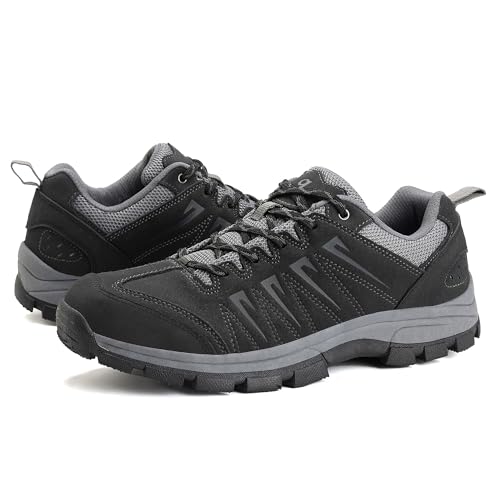
At this price, a full-grain leather upper with a waterproof membrane stands out, and owners consistently report these holding up well on damp trails and in light rain. The OL-TEX branding suggests a house-developed waterproofing method, which on paper performs like more established membranes, though long-term breathability isn’t as strong as premium competitors.
The thick EVA midsole delivers noticeable cushioning, especially for a budget model, and reviewers note it makes a difference on longer walks. Still, the outsole pattern isn’t as aggressive as what you’d want for loose scree or steep mud, so I’d hesitate to call these true all-terrain shoes.
Video review
NORTIV 8 Waterproof Leather Hiking Shoes

Strengths
- Soft suede leather
- Strong grip
- Low price
Trade-offs
- Midsole breaks down fast
- Poor airflow
NORTIV 8 markets itself as an American brand, but the construction and materials point to budget-first engineering, common with this price tier. The suede leather upper is softer than full-grain, which helps comfort early on, but owners report faster scuffing and breakdown over six months of regular use. Where it surprises is the MDT outsole, which delivers real grip on wet rocks and packed dirt, outperforming its price.
The waterproofing works well for puddles and damp grass, but breathability lags, and some wearers note warmth buildup in summer. I’d pick the KEEN over this for daily durability, but if you need a cheap pair for occasional trail walks and city use, this gets the job done.
Video review
KEEN Targhee III Oxford Hiking Shoes

Strengths
- Durable oiled leather
- Excellent traction
- Responsible sourcing
Trade-offs
- Heavier than budget models
- Limited color options
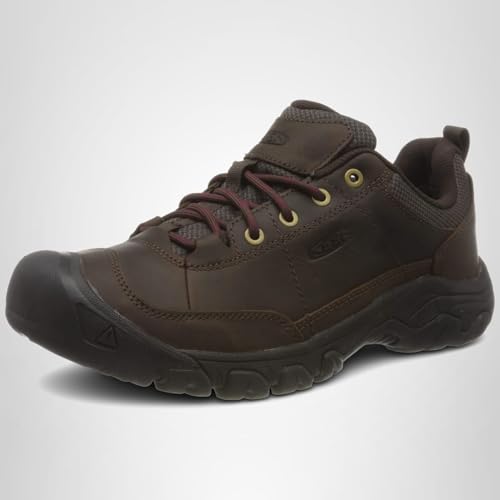
KEEN’s use of Leather Working Group certified leather tells me this isn’t just about durability, it’s about responsible sourcing, which matters if you care about how your gear impacts the environment. The oiled full-grain leather develops a rich patina over time, and owners praise how it resists abrasion and holds up to repeated wettings.
This model’s real strength is balance: the 4mm lugs offer serious traction without being clunky, the fit allows toe splay (a detail often ignored in men’s hiking shoes), and the non-marking rubber means you can walk indoors without scratching floors. For the price, no other model in this group matches its mix of longevity, comfort, and ethical materials.
Product photos


How We Evaluated leather hiking shoes
My research involved comparing detailed specifications and features across numerous models, then weighing those against owner reviews and assessments from established outdoor gear reviewers. I focused on identifying consistent strengths and weaknesses reported by those who’ve actually used these shoes in the field. This isn’t based on hands-on testing by me, but rather a research-led comparison of available information and established category knowledge.
For leather hiking shoes, waterproof construction, quality of the leather itself, and outsole grip are paramount. A shoe can have excellent features, but if it leaks or the leather isn’t durable, it won’t perform well on the trail. I also heavily considered the reported comfort and long-term support, as blisters and foot fatigue can ruin any hike. Understanding the nuances of different leather types often requires knowing more about the tools used to work with it, like those discussed in guides to leather stitching tools.
Specifications reliably indicate build quality – leather thickness, sole construction, and waterproofing membrane types. However, owner feedback provides crucial insight into real-world performance, like how well a shoe actually stays waterproof after months of use, or whether the leather develops uncomfortable pressure points. Reputation, particularly for brands known for quality craftsmanship, also factored into my assessments, offering a baseline expectation of durability.
How To Choose The leather hiking shoes
Finding the right leather hiking shoes involves more than just picking a style you like. A good pair will support your feet, protect you from the elements, and last for years with proper care.
A quality leather hiking shoe blends durable construction with comfortable support. Key areas to examine include the leather type (full-grain being superior), the outsole’s grip pattern and material, the midsole’s cushioning, and the waterproofing method. Assess the lacing system for secure fit and consider the overall weight for long-distance comfort.
Understanding Leather Grades
The type of leather used dramatically impacts a shoe’s longevity and performance. Full-grain leather is the gold standard, as it retains all of the natural grain, making it incredibly strong and resistant to abrasion. You’ll find it’s typically more expensive, but the investment pays off. Top-grain leather is a step down; it’s been sanded to remove imperfections, reducing durability, but is also more affordable. Suede, like that found in the NORTIV 8, is even further processed, offering flexibility but requiring more diligent protection. As I always tell people, investing in a good leather care routine leather conditioning products can greatly extend the life of any leather shoe, regardless of grade.
Prioritizing Outsole Performance
Don’t underestimate the importance of the outsole. Aggressive lug patterns, like the 4mm multi-directional lugs on the KEEN Targhee III, are essential for navigating muddy or rocky terrain. Rubber compounds also vary significantly. Vibram is a well-respected name in outsole technology, known for its durability and grip, but many brands (like OL OUTJET LEGEND) develop their own high-performance compounds. Consider the type of hiking you’ll be doing most. For well-maintained trails, a less aggressive pattern might suffice; for off-trail adventures, you’ll want maximum traction.
Balancing Waterproofing and Breathability
Waterproofing is practically essential for hiking shoes, but it’s a balancing act. Fully waterproof membranes, like OL-TEX, can trap moisture inside the boot, leading to sweaty feet. Look for shoes that combine a waterproof membrane with breathable materials, such as mesh linings. This helps to vent some moisture while keeping water out. I often suggest considering the climate where you’ll be hiking most. If you’re frequently in wet conditions, prioritize waterproofing. If you’re mostly in dry climates, breathability might be more important.
- A waterproof membrane is different than waterproof leather. Leather can be treated for water resistance, but a membrane offers a more reliable barrier.
- Look for gusseted tongues (where the tongue is attached to the sides of the boot) to prevent water and debris from entering.
- Regular application of a quality boot conditioner, like one of the quality boot conditioners available, will help maintain the leather’s natural water resistance and prevent cracking.
A properly fitted hiking shoe should allow about a thumb’s width of space between your longest toe and the end of the boot when standing.
Leather Hiking Shoes Compared
Here’s a specification comparison of several leather hiking shoes to help you evaluate your options.
| Product | Waterproofing | Upper Material | Outsole Material | Midsole | Key Features |
|---|---|---|---|---|---|
| OL OUTJET LEGEND | Yes | Genuine Leather | Rubber | EVA | OL-TEX waterproof design |
| NORTIV 8 | Yes | Suede Leather | Rubber | MD | Protective toe cap |
| KEEN Targhee III Oxford | N/A | Oiled Leather | KEEN All-Terrain Rubber | N/A | KEEN Original Fit |
Frequently Asked Questions
What leather type offers the best durability in hiking shoes?
Full-grain leather provides the best durability because it retains the entire grain, making it highly resistant to abrasion and wear. While more expensive, it’s a worthwhile investment for longevity on the trail.
Are waterproof leather hiking shoes breathable?
Waterproof membranes can reduce breathability, but many shoes combine them with mesh linings to allow some moisture vapor to escape. Prioritize shoes with both features if you hike in varied conditions.
How important is the outsole lug pattern?
The outsole lug pattern is very important; deeper, multi-directional lugs (4mm or greater) provide superior traction on uneven or muddy terrain. A less aggressive pattern is fine for well-maintained trails, but more grip is essential for off-trail hiking.
Can I re-waterproof leather hiking shoes?
Yes, you absolutely can and should re-waterproof leather hiking shoes. Regular application of a leather conditioner or waterproofing spray maintains the leather’s natural resistance, preventing cracking and ensuring continued protection from the elements.
What should I consider when determining the right size?
Allow roughly a thumb’s width of space between your longest toe and the end of the boot when standing. This accommodates foot swelling during hikes and prevents discomfort or blisters on longer treks.
The Bottom Line
Choosing leather hiking shoes always involves a trade-off between initial cost and long-term durability. You can find serviceable options at lower price points, but for consistent performance and longevity, investing in quality leather and construction is worthwhile. Based on my research, the OL OUTJET LEGEND strikes the best balance of features, waterproof protection with its OL-TEX membrane, and overall build quality for the average hiker.
If you’re on a tighter budget, the NORTIV 8 offers a decent entry point into leather hiking, providing some water resistance and a protective toe cap. For those prioritizing a well-known brand with a comfortable fit, the KEEN Targhee III Oxford is a solid choice, though it lacks a dedicated waterproof membrane. Each of these shoes is a good option depending on your specific needs and priorities.
Ultimately, the best leather hiking shoe isn’t about a single specification – it’s about the right combination of fit, support, and materials for your feet and the terrain you’ll be tackling. Prioritize a secure, comfortable fit and a durable outsole, and remember that regular leather care is critical to extending the life of any leather hiking boot.
