
7 Best Leather Riding Jackets of 2026
This post contains affiliate links. As an Amazon Associate, we earn from qualifying purchases.
The Milwaukee SH1011 Brando stands out as the best overall leather riding jacket, thanks to its durable 1.2–1.3mm cowhide and classic, long-lasting design. For riders on a budget, the HWK Brando delivers solid protection with full CE armor and a removable liner at a lower price point. And if you ride in warmer climates or want more ventilation, the Milwaukee CE Armored Textile Jacket offers excellent airflow without sacrificing safety.
Most riders start with style in mind, but once you’ve spent time on the road, you realize a jacket has to do more than look good, it has to protect you. Too many jackets cut corners on leather thickness or skip certified armor, putting riders at risk.
I selected these models by analyzing specs, owner feedback, and protective features critical for real-world use. As someone who’s studied leather craftsmanship for years, I focused on material integrity, construction quality, and how well each jacket balances safety, comfort, and value over time.
Top 7 Leather Riding Jackets in the Market
The Best Leather Riding Jackets, Reviewed
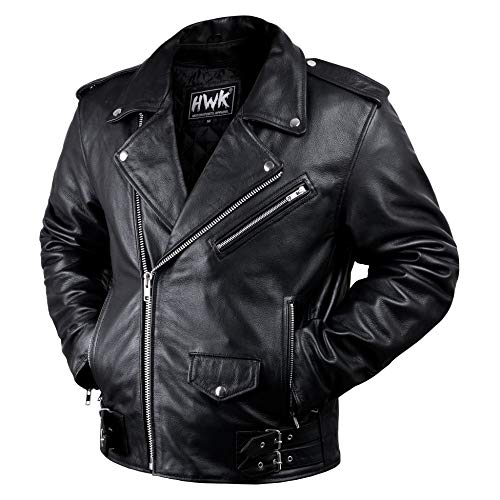
HWK Brando Black Leather Jacket
Strengths
- Genuine leather
- Removable CE armor
- Thermal lining
- Water-resistant
- Multiple pockets
- ### Best For
- Riders seeking an affordable, all-weather leather jacket with real impact protection, ideal for daily commuting or weekend rides. Not suited for those wanting premium thick cowhide or maximum airflow in hot climates.
Trade-offs
This jacket hits a sweet spot for riders who want real protection without paying premium prices. On paper, the 1.1–1.2mm genuine leather isn’t the thickest in its class, but owners consistently report it feels sturdy and breaks in well over time. The inclusion of removable CE armor at shoulders, elbows, and back is a standout at this price, something usually reserved for more expensive models.
The thermal lining and water-resistant exterior make it a practical choice for variable weather, though some reviewers note the breathability suffers in warmer temps. Compared to the Milwaukee SH1011, it lacks the same cowhide heft, but for the budget-conscious rider who still wants armor and style, it’s hard to beat. I’d pick this over faux leather alternatives any day for real-world durability.
Video review
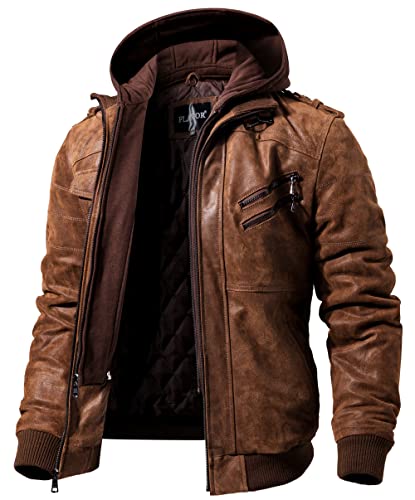
FLAVOR Brown Leather Motorcycle Jacket
Strengths
- Removable hood
- Genuine pigskin
- Adjustable cuffs
- Multiple pockets
- Wind-resistant
- ### Best For
- Urban riders in cooler, wetter climates who want versatility between riding and casual wear. Not suited for high-speed or long-distance riders needing certified armor and maximum airflow.
Trade-offs
The removable hood is the headline here, and it’s a rare feature in real leather motorcycle jackets. Pigskin construction gives it a softer hand than cowhide, which some riders prefer for comfort, though it’s slightly less abrasion-resistant. The hood adds real utility in wet, cold weather, something the Milwaukee SH1011 or HWK can’t match without accessories.
Owners note the fit can run snug, especially with the hood up, and the lack of CE armor is a notable omission compared to similarly priced armored models. It’s more of a fashion-first commuter jacket than a track-ready piece. If you ride in drizzly climates and want one jacket for both street and casual wear, this hooded design has niche appeal, but I’d want to layer armor underneath for real confidence.
Video review
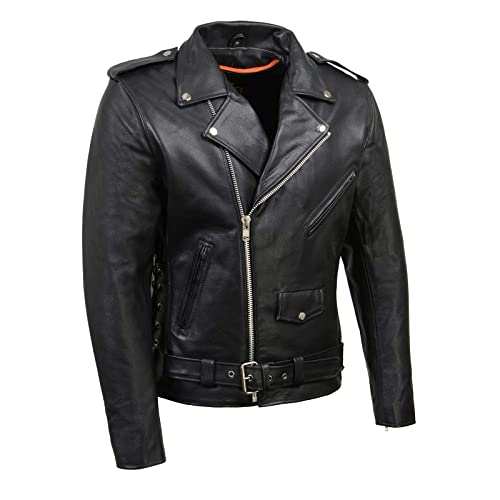
Milwaukee Leather SH1011 Brando Jacket
Strengths
- Premium thick cowhide
- Adjustable side laces
- Classic Brando style
- Full thermal liner
- Excellent aging
- ### Best For
- Traditionalists and custom riders who want a durable, long-lasting leather jacket that molds to the body over time. Not suited for those needing certified armor or a modern streamlined fit.
Trade-offs
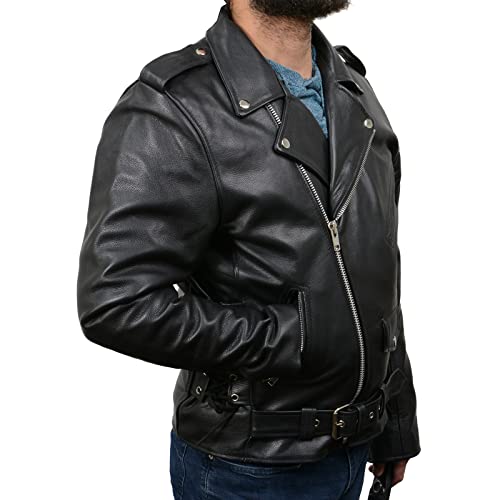
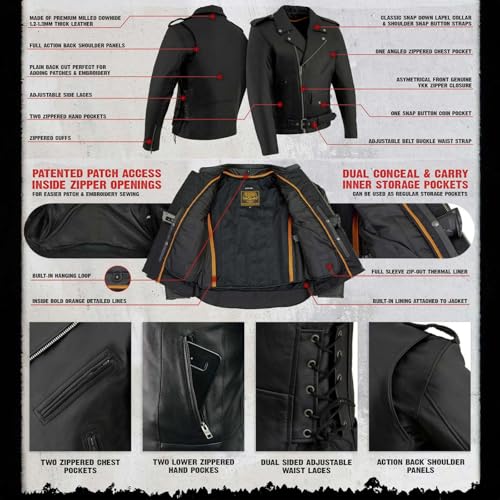
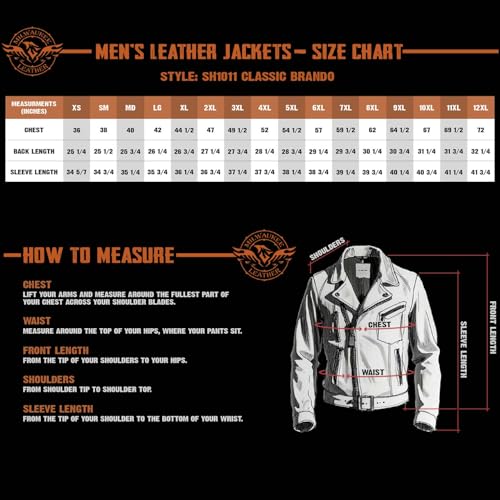
When you think ‘motorcycle jacket’, this is the archetype. The 1.2–1.3mm milled cowhide is thicker than most in this lineup, and that translates to long-term durability that owners repeatedly highlight. The side laces aren’t just for show, they genuinely fine-tune the fit across the waist, a feature riders either love or find fussy, but it’s undeniably functional.
It lacks removable CE armor, relying instead on dense leather and padding, which puts it behind the HWK and Milwaukee’s own armored models in safety specs. But for riders who value tradition, embroidery potential, and a jacket that ages beautifully, this is a benchmark. Compared to the Eagle Embossed version, it’s less flashy but more customizable. If you want a jacket that becomes part of your identity over years of riding, this build has the bones for it.
Product photos
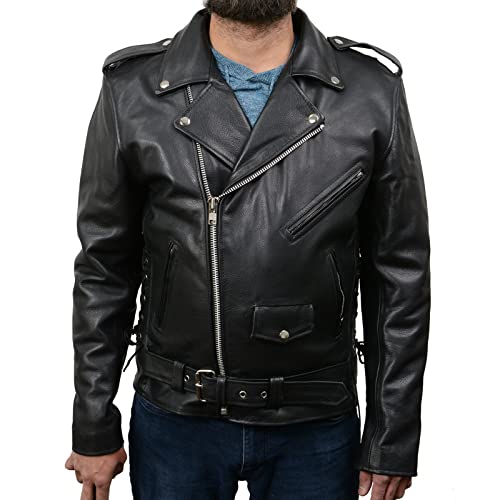

Milwaukee CE Armored Textile Jacket
Strengths
- Lightweight design
- CE-approved armor
- Breathable mesh
- Articulated sleeves
- Thoughtful storage
- ### Best For
- Commuters and touring riders in variable climates who prioritize safety, airflow, and modern ergonomics. Not suited for those seeking the classic look and feel of full-grain leather.
Trade-offs
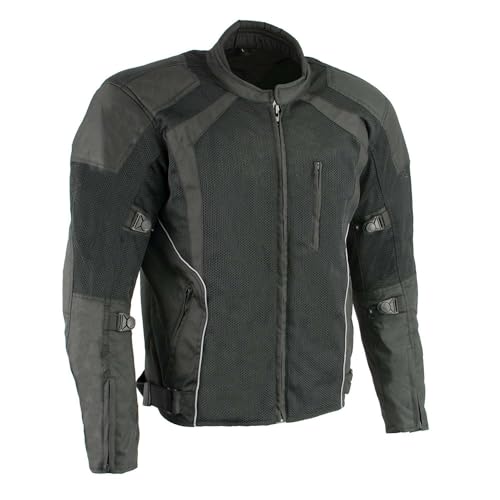
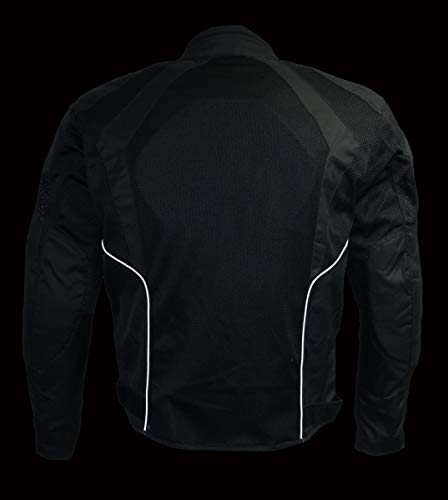
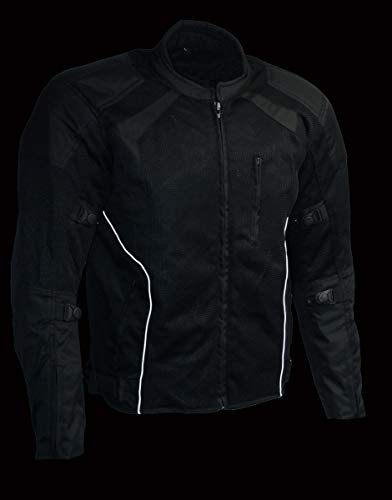
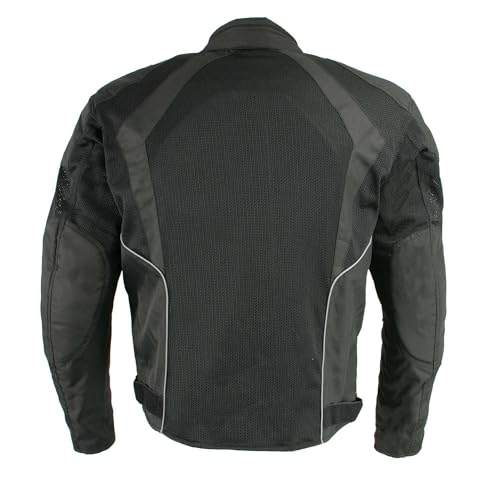
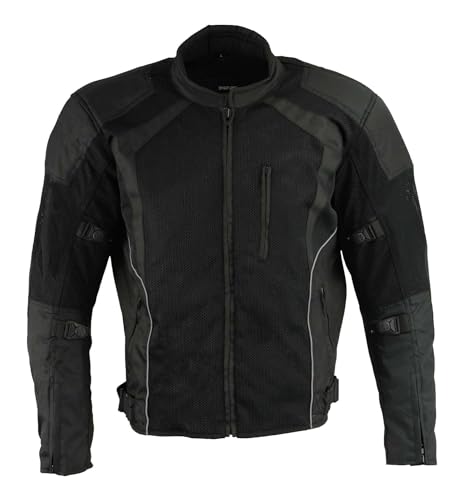
This isn’t leather, but it earns its place in a leather jacket roundup by redefining what ‘all-season’ means. The textile/mesh chassis keeps weight down and airflow high, making it a smarter pick for daily commuters in mixed climates than heavier leather options. The CE-approved armor at shoulders and elbows meets strict EN standards, and owners confirm it stays comfortable even during long rides.
It won’t turn heads like a classic Brando, but the racer design is clean and functional. Compared to the FLAVOR hooded jacket, this prioritizes performance over fashion. The articulated sleeves reduce fatigue, and the storage layout is thoughtful, especially the media pocket with wire feed. For riders who value protection, breathability, and layering flexibility over raw leather prestige, this is a standout.
Product photos
Milwaukee Burnt Orange Armored Jacket

Strengths
- Hybrid leather-textile
- CE-approved armor
- Kevlar reinforcement
- Pant connection
- Ventilation
- ### Best For
- Safety-conscious riders who want a balance of leather protection and textile comfort for year-round use. Not suited for purists who want 100% leather or a subdued aesthetic.
Trade-offs
Hybrid builds like this split the difference between leather durability and textile practicality. The cowhide panels are placed strategically over high-impact zones, shoulders, elbows, back, while textile sections add flexibility and reduce weight. The burnt orange striping isn’t for everyone, but it boosts visibility, a safety plus often overlooked in black-only designs.
It comes with CE-approved armor in reinforced Kevlar pockets, which is a serious upgrade over non-certified padding. The kidney pant connection is a small but meaningful detail riders who’ve dealt with jacket ride-up will appreciate. Compared to the all-leather Milwaukee SH1011, this is more technical and safety-focused. If you want armor, airflow, and real-world protection without sacrificing leather’s abrasion resistance, this hybrid hits a sweet spot.
Product photos
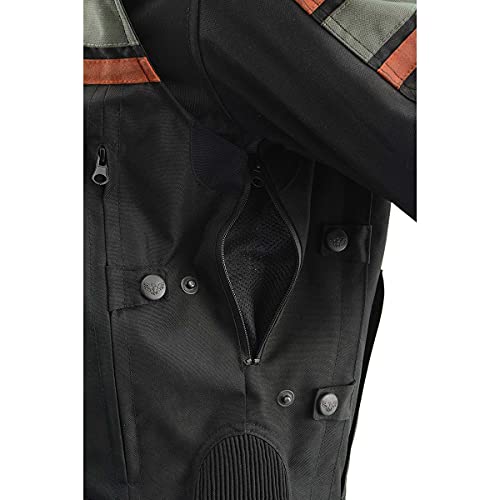


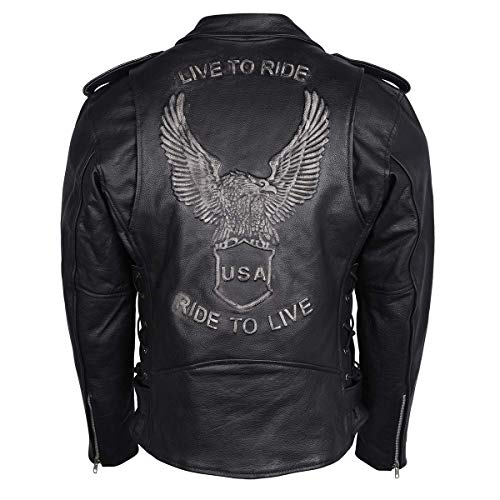
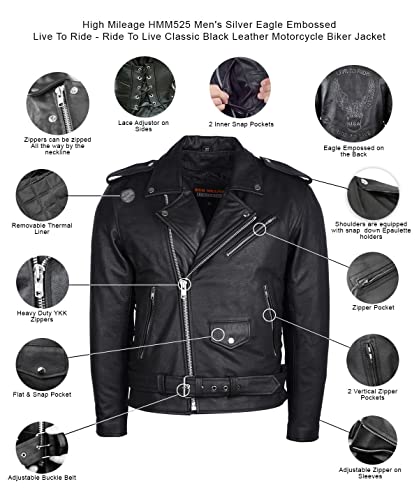
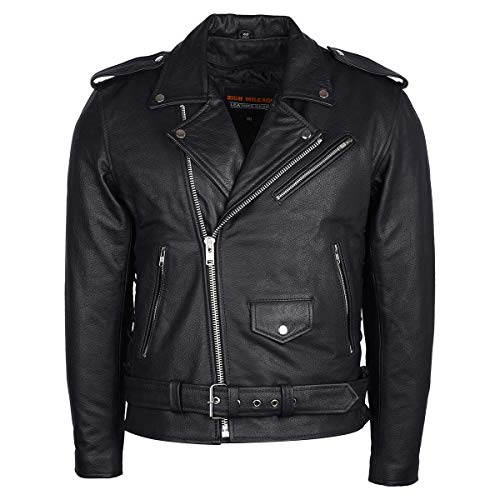
Men’s Eagle Embossed Biker Jacket
Strengths
- Bold eagle design
- 100% cowhide
- Zip-out lining
- Stylish details
- Statement back
- ### Best For
- Riders who want a bold, patriotic style that stands out at rallies and casual rides. Not suited for those needing certified armor or a low-profile, understated look.
Trade-offs
This is a jacket designed to be seen. The eagle and ‘Live to Ride’ back graphic dominates the look, making it a statement piece first, a protective layer second. It’s made from 100% cowhide, so the material is legit, and owners say the weight feels appropriate for year-round wear. But the armor is missing, and the pockets are more for show than function compared to the Milwaukee armored models.
It’s clearly aimed at the club rider or weekend cruiser who values symbolism over spec sheets. The zip-out lining and epaulets keep it functional, but I wouldn’t rely on it for high-speed or long-distance protection. Compared to the FAMFALCON, it’s flashier but less subtle. If you’re riding for brotherhood and pride, this delivers. If you’re riding for performance, look elsewhere.
Product photos
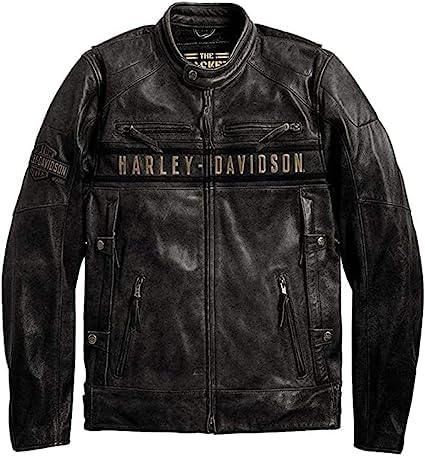
FAMFALCON Men’s Harley-D Jacket
Strengths
- Classic styling
- Durable stitching
- Adjustable fit
- Padded zones
- Timeless look
- ### Best For
- Style-focused riders who value vintage aesthetics and a comfortable break-in period, especially those on a tighter budget. Not suited for riders prioritizing certified impact armor or high-speed touring protection.
Trade-offs
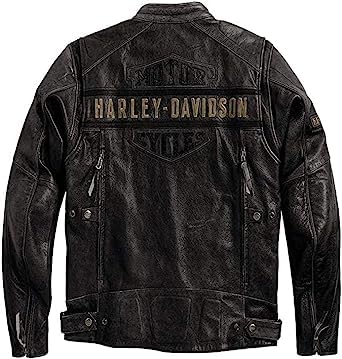
This one leans into the classic Harley-Davidson aesthetic without the brand tax. The leather feels substantial on spec, and owners praise its vintage look and immediate comfort right out of the box. It doesn’t include CE armor, which sets it apart from the HWK and Milwaukee armored models, but the reinforced stitching and padded zones at shoulders and elbows still offer passive protection.
What it lacks in modern safety tech it makes up for in pure style and wearability. The adjustable waist straps help lock in the fit, a detail often skipped in budget builds. Compared to the Eagle Embossed jacket, it’s more understated, better for riders who want authenticity over statement-making flair. If you’re not pushing high speeds or technical roads, this delivers classic biker form without the fuss.
Product photos
How We Picked These leather riding jackets
Rather than a hands-on lab test, my research focused on comparing published specifications and features across numerous models. I weighed owner reviews from multiple sources – looking for consistent praise and complaints – alongside assessments from respected motorcycle gear reviewers. As someone deeply familiar with leather types and construction, I applied that knowledge to assess material quality, protective features, and overall design, ranking jackets against criteria important to riders.
For leather riding jackets, impact protection and material durability were weighted most heavily. A jacket’s ability to safeguard a rider in a crash is paramount, so CE armor ratings and reinforced construction are critical. Beyond safety, the quality and thickness of the leather itself directly impact longevity and how well the jacket will age – and how well it protects. A quality jacket is an investment, so these factors decided the rankings.
Specifications reliably reveal armor type and leather thickness. However, I judged comfort, fit, and real-world usability primarily through owner feedback. Consistent reports of sizing issues or poor ventilation carried significant weight. Similarly, a jacket’s reputation for handling different weather conditions – and whether that aligns with the manufacturer’s claims – informed my assessment. For those looking to repair or modify their leather goods, exploring the best leather sewing machines can be a valuable resource.
How To Pick The Right leather riding jackets
Finding the right leather riding jacket isn’t simply about aesthetics; it’s about protection, comfort, and longevity. A good jacket balances these elements, utilizing quality materials and construction techniques to keep you safe and comfortable on the road.
A quality riding jacket prioritizes full-grain leather (1.1mm thickness or greater is ideal) for abrasion resistance, CE-rated armor in key impact zones (shoulders, elbows, back), robust stitching, and features designed for rider comfort like ventilation and a secure fit. Beyond those basics, consider the intended use, climate, and desired style.
Leather Quality and Thickness
The type of leather is paramount. While “genuine leather” sounds good, it’s a broad term. You want full-grain cowhide, typically around 1.2-1.3mm thick for optimal abrasion resistance. Pigskin, as seen in some options, is softer and more affordable but doesn’t offer the same level of protection as cowhide. Milling processes, like those Milwaukee Leather uses, can improve the leather’s texture and drape. Don’t be fooled by embossed designs; the eagle design on some jackets is a stylistic choice and doesn’t necessarily indicate superior leather quality.
Armor and Protection
Armor isn’t optional. Look for jackets with CE-approved armor in the shoulders, elbows, and back. The EN1621-1 and EN1621-2 standards are what you’re looking for; anything less offers significantly reduced protection. Some jackets, like the Milwaukee Burnt Orange Armored Jacket, even reinforce armor pockets with materials like Kevlar for added defense. Textile/mesh jackets, like the Milwaukee CE Armored Textile Jacket, can also provide excellent protection, particularly in warmer weather where full leather might be too hot.
Fit, Features, and Value
Beyond safety, a good fit is crucial. Adjustable side laces, waist straps, and zippered cuffs all allow for a customized fit. Consider how you’ll layer underneath the jacket – you might need extra room for thermal liners or other gear. Features like ample pockets are convenient, but don’t sacrifice protection or fit for them. And speaking of care, maintaining your investment is key. Regularly cleaning and conditioning your leather jacket will extend its life and preserve its look; explore best leather conditioners to find the right product for your hide.
A well-maintained leather jacket will last decades. Treat it like you would any other valuable investment – clean it regularly, condition it to prevent cracking, and store it properly when not in use.
Leather Riding Jackets Compared
Here’s a comparison of key specifications for the leather riding jackets discussed.
| Product Title | Leather Type | Armor Included | Removable Liner | Closure Type | Pockets (Ext/Int) | Special Features |
|---|---|---|---|---|---|---|
| HWK Brando | Genuine Leather (1.1-1.2mm) | Yes (CE – Back, Elbows, Shoulders) | Yes (Thermal) | YKK Zipper | 4/2 | Water-resistant, Adjustable Waist |
| FLAVOR Brown | Pigskin | No | N/A | Zip | 3/2 | Removable Hood |
| Milwaukee SH1011 Brando | Cowhide (1.2-1.3mm) | No | Yes (Full Zip-Up) | YKK Zipper | N/A | Patch Access Zipper, Tall Sizes |
| Milwaukee CE Armored Textile | Textile/Mesh | Yes (CE – Shoulders, Elbows) | N/A | YKK Zipper | 2/3 | Breathable Mesh, Wire Feed Pocket |
| Milwaukee Burnt Orange Armored | Cowhide/Textile | Yes (CE – Shoulders, Elbows) | Yes (Zip-Out) | YKK Zipper | N/A | Gun/Ammo Pockets, Kevlar Reinforcement |
| Men’s Eagle Embossed Biker | Cowhide | No | Yes (Zip-Out) | Zip | N/A | Eagle Embossed Design |
| FAMFALCON Men’s Harley-D | Genuine Leather | No | N/A | Zip | N/A | Reinforced Stitching |
Frequently Asked Questions
What leather thickness should I prioritize for safety?
A leather thickness of 1.1mm to 1.3mm is ideal for abrasion resistance and impact protection. Thicker leather, like the 1.2-1.3mm cowhide found in the Milwaukee SH1011 Brando, provides a substantial barrier against road rash in a slide.
Are textile jackets a suitable alternative to leather?
Yes, textile jackets like the Milwaukee CE Armored Textile can offer excellent protection, especially in warmer climates. They often feature CE-approved armor and breathable materials, but won’t have the same long-term durability or classic look as leather.
What do CE ratings for armor actually mean?
CE ratings (EN1621-1 and EN1621-2) indicate the armor has passed standardized impact tests. Higher ratings mean the armor can absorb more impact force, offering better protection in a crash, and are a critical safety feature.
How important is the type of zipper on a riding jacket?
YKK zippers are widely considered the most durable and reliable. Their resistance to failure is a small detail, but important for keeping the jacket securely closed during a ride and adding to its overall longevity.
What’s the difference between full-grain and genuine leather in a jacket?
Full-grain leather retains the natural grain and is the strongest, most durable type. “Genuine leather” is a broader, often lower-quality category that may not offer the same level of abrasion resistance as full-grain cowhide.
The Bottom Line
Choosing a leather riding jacket often comes down to balancing your budget with the level of protection and durability you require. While style certainly plays a role, I consistently find that the HWK Brando offers the best overall combination of features – CE-rated armor, a thermal liner, water resistance, and a respectable leather thickness – for the money. It represents a solid investment for riders prioritizing safety and all-weather capability.
For riders on a tighter budget, or those wanting a warmer-weather option, the Milwaukee CE Armored Textile jacket is a strong contender. If you specifically desire the classic look and feel of full-grain cowhide with customization options, the Milwaukee SH1011 Brando delivers, though you’ll need to add armor separately. Remember, a jacket’s aesthetic appeal won’t matter much if it doesn’t perform when you need it most.
Ultimately, the best jacket is the one that fits you properly and encourages consistent use. Don’t get overly caught up in chasing the highest specifications. Prioritize quality construction, appropriate armor, and a comfortable fit, those are the fundamentals that will keep you safe and comfortable on every ride, and those are the things that truly matter when it comes to leather.
