
Learn How to Protect Leather Furniture With Expert Methods
This post contains affiliate links. As an Amazon Associate, we earn from qualifying purchases.
To protect leather furniture, you need a multi-step approach: identify the leather type, clean with pH-neutral solutions, nourish with a pure conditioner, apply a compatible protector, and manage the environment (light, heat, humidity). Skipping any step, especially conditioning before protecting, leaves the leather vulnerable to drying, staining, and accelerated aging.
That framework is simple on paper. The real difficulty is in the specifics: using a product designed for top-grain leather on an aniline piece can cloud the surface permanently, while skipping conditioning before a protector leaves the leather starved under a temporary shield. The difference between a preserved heirloom and a cracked, stained seat comes down to matching the right substance to the right surface.
This guide walks through each step, grounding recommendations in manufacturer standards. You’ll get a clear plan, product examples that work, and warnings for the most common missteps that shorten a sofa’s life.
Key Takeaways
- Leather type dictates everything. Using a protector designed for finished leather on porous aniline leather can cause permanent blotchiness. Conditioning is essential before applying any protector. A protector seals in the leather’s current state; sealing in dryness accelerates cracking.
- Environmental controls, keeping furniture 12+ inches from heat sources and out of direct sunlight, prevent more long-term damage than any after-the-fact treatment.
- Universal protectors are a red flag. Look for products specifically formulated for your leather’s category (aniline, nubuck, finished).
- Physical barriers like throws and slipcovers are a legitimate, often overlooked layer of defense against pets, spills, and UV damage.
What Kind of Leather Do You Have?
Your sofa isn’t just “leather.” That label covers a range of materials with vastly different care needs. Using the wrong protector here isn’t just ineffective, it can ruin the finish.
Full-grain and top-grain aniline leathers are the most porous and natural. They absorb conditioners and protectors deeply, which is good, but they also absorb spills and dyes instantly. A protector for these needs to be breathable; silicone-based sprays will sit on top, feel sticky, and potentially discolor the leather. Coated or finished leathers (often called “protected leather”) have a polymer topcoat. This makes them more stain-resistant out of the box, but it also means conditioners and protectors can’t penetrate. Using a heavy oil here just creates a greasy film on the plastic-like surface.
Technical Snippet: Aniline leather is dyed with soluble dyes without a covering pigment layer, leaving the natural grain visible and the surface highly porous. Finished leather incorporates a polymer coating containing pigments and binders, creating a uniform, protective surface that is less permeable to oils and stains.
Nubuck and suede are mechanically buffed to raise a soft nap. Standard liquid protectors will mat and stiffen that nap. They require specific spray-on protectors designed for nubuck that dry without altering the texture.
If you don’t know your leather type, check the manufacturer’s tag or website. No information? Perform a simple water test. Place a single drop of water on an inconspicuous spot. On aniline leather, it will darken the spot immediately as it’s absorbed. On a finished leather, the bead will sit on the surface for a minute or more before slowly soaking in. This tells you everything about what kind of products you should use.
The 5-Step Protection Plan
Think of protecting leather like building a sauce with a 24-hour cure time between layers, as rushing it makes a gummy mess. This sequence works for most household furniture.
1. Clean
Start with a completely clean surface. Dust and skin oils block conditioner absorption. Use a soft brush attachment on your vacuum to remove grit. For grime, a damp microfiber cloth with a drop of pH-neutral soap (like Dr. Bronner’s diluted) works. Wipe in one direction, not circles, to avoid streaking. Let it dry completely. Any moisture trapped under the next steps can cause mildew.
2. Condition
This is the nourishment step. Leather is skin; it dries out and loses its natural oils. A conditioner like Bickmore Bick 4 or Leather Honey (for darker leathers) replaces those oils. Apply a thin coat with a clean, lint-free cloth, rubbing it in thoroughly. Let it absorb fully, overnight is best. A protector applied over wet conditioner will just slide around and cure unevenly.
3. Protect
Now you add the protective barrier. The key is compatibility. For aniline leathers, look for breathable, non-silicone protectors like Nikwax Leather Protector. For finished leathers, a wider range of spray protectors, including some from Scotchgard, can be suitable. For nubuck or suede, you need a dedicated nubuck protector spray. Apply in a well-ventilated area, using light, even sprays from about 6 inches away. Two thin coats are better than one heavy one.
4. Maintain
Protection isn’t permanent. Your plan should include reapplication. For most homes, conditioning every 6-12 months and reapplying protector every 12-18 months is sufficient. High-use or sun-exposed pieces need it more often.
5. Shield
This is the physical defense layer. Use protective slipcovers during chaotic family gatherings or when pets have the run of the house. Place a throw blanket over the back and arms where people often lean, this is where hair oils and sunscreen transfer happens.
| Leather Type | Ideal Conditioner | Ideal Protector | Reapplication Frequency |
|---|---|---|---|
| Aniline/Full-Grain | Light, penetrating oil (Bickmore Bick 4) | Breathable, water-based protector (Nikwax) | Condition: 6–12 mo. / Protect: 12 mo. |
| Finished/Top-Grain | Light cream or spray conditioner | Silicone or acrylic-based spray (many commercial brands) | Condition: 12 mo. / Protect: 18–24 mo. |
| Nubuck/Suede | Specialist nubuck conditioner (optional) | Nubuck/suede protector spray | Protect: 6–12 mo. (conditioner rarely needed) |
Choosing Your Products: A Real-World Comparison
You don’t need a cabinet full of potions, but you do need the right one or two. Let’s compare approaches for different scenarios.
If you have a modern, finished leather sofa in a sunny room, your main threat is UV fading and heat cracking. A UV-inhibiting leather conditioner followed by a furniture protector with UV blockers makes sense. The conditioner keeps the substrate supple, and the protector shields the color and topcoat.
For a vintage aniline leather chair, the goal is to preserve its patina and breathability. Here, a pure neatsfoot oil or a very light conditioner like Bick 4 is the play. Follow it with a protector like Nikwax that claims to be “breathable.” Avoid anything labeled “waterproof” for indoor furniture, it’s overkill and will alter the hand-feel.
Pet owners face a unique challenge. You need a protector that guards against scratches and neutralizes enzymes in pet saliva that can break down leather. For them, a dedicated leather protector for cats or dogs that includes enzyme resistance is worth seeking out. Always condition first, as these protectors can be drying.
Where this goes sideways: Applying a wax-based waterproofing product (like Otter Wax) to a living room sofa. The wax will melt under body heat, transfer to clothing, and attract dust, creating a sticky, grimy surface within weeks.
The Environmental Controls You’re Probably Missing
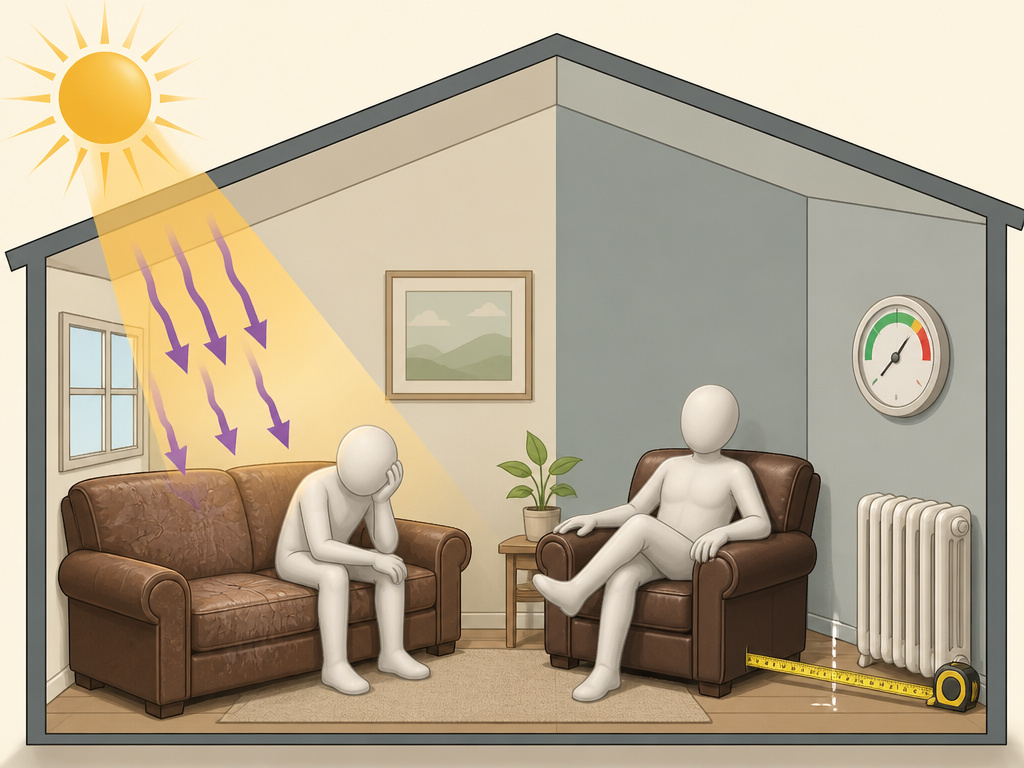 Products are secondary. The single biggest factor in leather longevity is its environment. You can condition perfectly, but if the sofa sits in a daily sunbeam, it will fail.
Light: Direct UV radiation is leather’s worst enemy. It breaks down dyes and dries out the fibers. If you can’t move the furniture, use UV-filtering window film. Rotate cushions if possible.
Heat: Place leather furniture at least 12 inches from radiators, fireplaces, or heating vents. Sustained dry heat pulls moisture from the leather faster than any conditioner can replace it. That faint cracking sound you hear when you sit on an old, dry sofa? That’s the finish and fibers giving up.
Humidity: Aim for a relative humidity between 40% and 50%. Air that’s too dry (common in winter with central heating) wicks moisture from the leather. Air that’s too damp encourages mold growth. A simple hygrometer can tell you if you need a humidifier or dehumidifier.
These controls require no product, just a bit of forethought. They prevent damage that no protector can fully reverse.
Common Mistakes and Quick Fixes
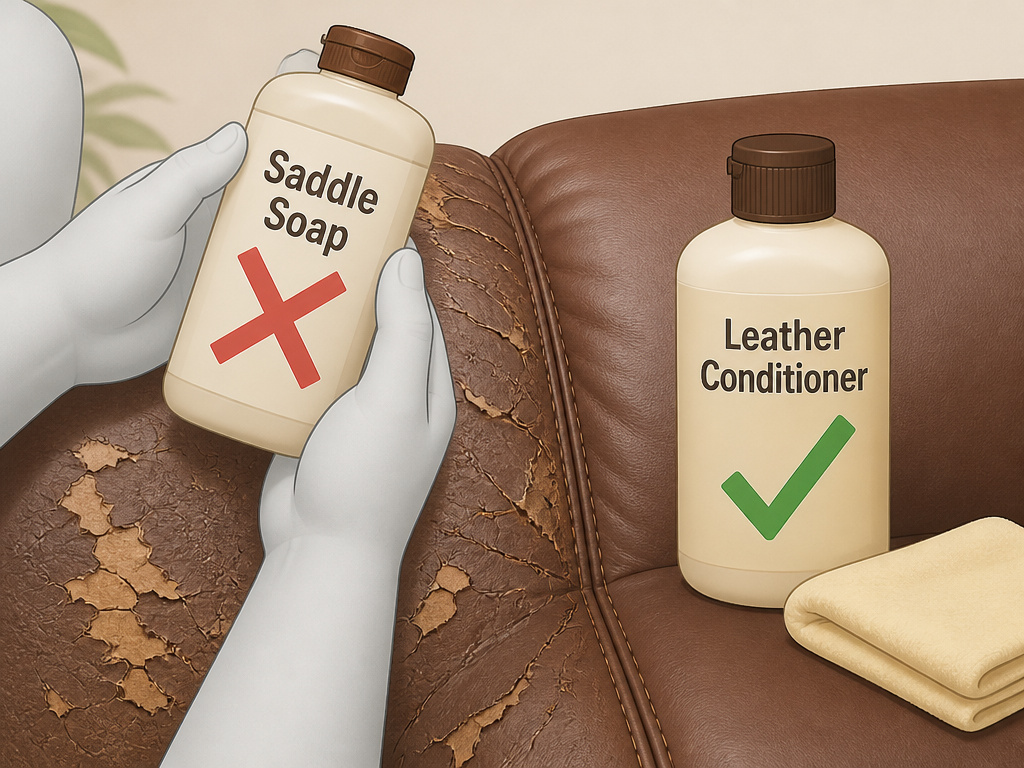 Most leather damage comes from good intentions executed poorly. Let me share what I’ve learned from seeing these patterns repeat.
- Using saddle soap on furniture. This is for saddles, thick, vegetable-tanned leather exposed to sweat and weather. Its alkaline pH and deep cleaners are too harsh for thin, dyed furniture leather, leading to overdrying and color stripping.
- Skipping the conditioner. People see a “protector” spray and think it’s a one-step solution. A protector is a sealant. If you seal in dry, brittle leather, you’ve just locked in its demise. The protector will wear off in high-contact areas, revealing leather that’s now even drier and more prone to cracking.
- Over-applying product. More is not better. A thick layer of conditioner won’t absorb; it will sit on top, attract dirt, and turn gummy. A heavy coat of protector can dry white or sticky. Thin, even, absorbed layers are the goal.
- Using universal cleaners/protectors on specialty leathers. I’ve seen multiple cases where people mistake the need for special care. That “one product for all leathers” will cloud aniline leather and stiffen nubuck. Know your material.
If you’ve already made a mistake, all is not lost. For a sticky residue from over-application, lightly dab the area with a cloth dampened with distilled water and a tiny drop of pH-neutral soap. Wipe, then dry thoroughly. For a whitish haze from a protector, sometimes buffing vigorously with a clean, dry microfiber cloth can break it up. If a product has caused discoloration, stop. Further DIY attempts often make it worse; a professional leather restorer is your next call.
Frequently Asked Questions
Can I use a waterproofing spray on my leather sofa?
For most indoor furniture, no. Waterproofing sprays are designed for jackets or boots facing prolonged rain. They often contain heavy waxes or silicones that can feel sticky, alter the leather’s natural texture, and trap moisture from the air inside the leather, potentially causing mildew. Use a protector formulated specifically for furniture.
How often should I reapply leather protector?
It depends on use and leather type. A finished leather sofa in a formal, low-use room might need reapplication every two years. An aniline leather chair in a daily-use family room likely needs it annually. High-wear areas (armrests, seat center) will show you when it’s time, water will start to soak in instead of beading.
Will a leather protector make my sofa stain-proof?
No protector is truly stain-proof. The best furniture protectors are stain-resistant. They buy you time, 30 seconds to a few minutes, to blot up a spill before it soaks in. Nothing will stop a permanent ink or dye spill if left unattended.
Can I protect white or light-colored leather?
Yes, but with extra caution. Always test any cleaner, conditioner, or protector in a hidden area first (like under a cushion). Some products can cause slight darkening or yellowing over time on very light leathers. Look for products labeled as safe for light-colored leather.
What’s the difference between a conditioner and a protector?
Conditioner nourishes the leather fibers with oils to maintain flexibility. A protector creates a topical barrier against spills, UV light, and dirt. Conditioner is food; protector is armor. You need both for long-term health.
Before You Go
Protecting leather furniture isn’t about a magic spray. It’s a system: know your material, feed it first, shield it second, and control its environment always. The most common error is reaching for a can of “leather protector” as step one. That’s like putting a clear coat on parched wood, it might look okay for a while, but the underlying problem only gets worse.
If you take one action this week, make it the identification step. Find out what kind of leather you own. That single fact dictates every product choice that follows and is the difference between a method that works and one that damages.
For general upkeep, integrate our broader leather care principles into your routine. And if pets are your primary concern, a targeted leather protector for cats will serve you better than a general-purpose option. The leather will tell you what it needs, your job is to listen and match the solution to the problem.
