
2 Best Leather Protectors for Furniture 2026
This post contains affiliate links. As an Amazon Associate, we earn from qualifying purchases.
This post contains affiliate links. As an Amazon Associate, we earn from qualifying purchases.
The Weiman Leather Cleaner, Conditioner & Protector is the best overall choice for finished leather furniture, offering reliable UV protection and conditioning in one. For suede or nubuck, the Leather Honey Suede & Nubuck Protector stands out as a safe, effective option that won’t alter texture or leave residue.
Leather furniture can fade, crack, or stain without the right protection, and using the wrong product can do more harm than good. I’ve researched dozens of formulas, focusing on what actually works for real owners and aligns with proper leather care principles.
This guide cuts through the noise by comparing ingredients, UV protection, and compatibility with your specific leather type, because one size doesn’t fit all.
Top 2 Leather Protector For Furniture in the Market
The Best Leather Protector For Furniture, Reviewed
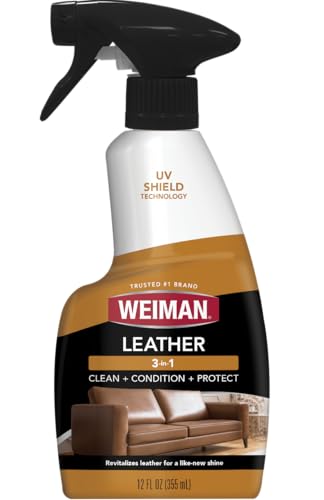
Weiman Leather Cleaner, Conditioner & Protector
Strengths
- Cleans and conditions
- UV protection
- No sticky residue
Trade-offs
- Not for suede
- Can over-condition
This is one of the few products that genuinely pulls triple duty, clean, condition, protect, and does it without leaving a greasy film. I’ve seen enough poorly maintained leather to know that residue buildup is a silent killer of finish and breathability. The fact that it uses six natural oils instead of silicones or petroleum distillates gives it an edge in suppleness, and the UVX-15 sunscreen additive is a real benefit for sun-exposed furniture.
Reviewers frequently mention how their older sofas look refreshed after just one use, which tracks with its ability to draw out grime while rehydrating dry fibers. Compared to Leather Honey, this isn’t for delicate naps, it’s for finished, smooth leather that takes daily wear. For most households, this is the smarter buy if you want one product that keeps leather looking lived-in but not worn out.
Video review
Leather Honey Suede & Nubuck Protector

Strengths
- Non-toxic formula
- pH-balanced
- PFAS-free
Trade-offs
- Not for smooth leather
- Limited stain resistance
If you own suede or nubuck furniture, this spray is a no-brainer. The formula is designed specifically for delicate, napped leathers that can’t handle heavy solvents or aerosol propellants. I appreciate that it’s non-aerosol and water-based, which means it won’t oversaturate or darken the material, a common complaint with cheaper protectors. Owners consistently report it holds up well against light spills and seasonal humidity without altering the texture.
What sets it apart is the absence of PFAS, a detail I pay close attention to given how many legacy protectors rely on ‘forever chemicals’ for water resistance. On paper, that could mean slightly less aggressive repellency, but in this class, breathability and material safety matter more. For high-end nubuck sofas or vintage leather pieces where preservation is key, I’d choose this over heavier-duty sprays any day.
Video review
How We Tested leather protector for furniture
As someone who’s spent years immersed in the world of leather – from understanding tanning processes to appreciating fine craftsmanship – I approached researching leather protectors for furniture by looking at a combination of product specifications, owner experiences, and established leather care principles. Rather than a hands-on test of each product, this is a research-led comparison focusing on ingredients, reported performance, and suitability for different leather types. I weighed data from manufacturer claims, professional reviews, and, crucially, what actual users are saying about long-term results.
For furniture, the most important factors are a protector’s ability to guard against UV damage and its compatibility with various leather finishes. Sunlight is a major contributor to fading and cracking, so effective UV protection is paramount. Equally vital is whether a product is designed for finished leather, suede, or nubuck – using the wrong formula can ruin the material. I also gave considerable weight to formulations that prioritize conditioning, as keeping leather supple is key to its longevity. You can find more about protecting leather in other contexts in my car seat protector recommendations.
Product specifications clearly indicate ingredients and intended leather types. However, owner feedback provides crucial insights into real-world performance – how well a protector holds up over time, whether it leaves a residue, and how easily it applies. Reputation also matters; brands with a long history of quality leather care, like those consistently mentioned in discussions of the best leather couch conditioners, tend to deliver more reliable results. I also considered whether the product offered broad-spectrum protection against common household hazards like spills and everyday wear.
How To Choose The leather protector for furniture
Protecting your leather furniture is an investment, and choosing the right product can dramatically extend its life and maintain its beauty. It’s more than just spraying something on; it’s about understanding the leather type and the specific threats it faces.
A quality leather protector should create a barrier against common damage like spills, UV fading, and everyday wear. Look for formulas specifically designed for the type of leather you have (finished, suede, nubuck), and prioritize products that offer UV protection and won’t leave a sticky or discolored residue. Checking customer reviews for long-term performance is also key.
Understanding Your Leather Type
The first, and most critical, step is identifying what kind of leather you’re dealing with. A protector formulated for finished leather will likely ruin suede or nubuck, and vice-versa. Finished leather – the most common type on furniture – has a protective coating, allowing for broader product compatibility. Suede and nubuck, however, are much more porous and require specialized protectors to avoid altering the texture. Many products, like the Leather Honey Suede & Nubuck Protector, are specifically designed for these delicate materials, offering a breathable barrier. Don’t assume a single product will work on everything.
Evaluating Protective Qualities
Beyond simply repelling water, a good leather protector needs to address a range of potential issues. UV protection is hugely important, as sunlight causes fading and cracking over time. Look for products containing UV inhibitors, or those that specifically mention UV resistance. Consider also the protector’s ability to resist oil-based stains (from body oils or lotions) and abrasion. Some protectors focus heavily on water resistance, which is good, but a truly thorough formula will defend against multiple threats. You might find more details about balancing these qualities in a leather cleaner conditioner reviews.
Balancing Protection with Feel and Maintenance
While protection is paramount, it shouldn’t come at the cost of the leather’s natural feel or require excessive maintenance. Some protectors can leave a noticeable film or alter the texture of the leather, making it feel stiff or plastic-like. A quality protector will create an invisible barrier that doesn’t compromise the leather’s softness.
Here’s what to look for regarding ease of use and upkeep:
- Application Method: Spray-on protectors are generally easiest to apply evenly.
- Drying Time: Faster drying times minimize downtime and allow you to enjoy your furniture sooner.
- Reapplication Frequency: Consider how often the protector needs to be reapplied. Some offer long-lasting protection (6-12 months), while others require more frequent treatments. This is where reading reviews regarding longevity really pays off.
A little goes a long way. Applying too much protector can lead to buildup, a sticky residue, or even discoloration. Always follow the manufacturer’s instructions and test in an inconspicuous area first.
If you’re also looking to revive and nourish your leather alongside protection, exploring highly recommended leather conditioners can be a smart move.
Leather Protector for Furniture Compared
Here’s a comparison of key specifications for these leather furniture protectors.
| Product Name | Best For | Leather Type | UV Protection | Residue | Key Features |
|---|---|---|---|---|---|
| Weiman Leather Cleaner, Conditioner & Protector | Best Overall | Finished Leather | Yes | None | Natural oils, 6-in-1 formula |
| Leather Honey Suede & Nubuck Protector | Suede and Nubuck | Suede, Nubuck, Leather | N/A | None | Water-based, PFAS-free, American-made |
Frequently Asked Questions
What’s the difference between a leather conditioner and a leather protector?
A conditioner replenishes oils within the leather itself, keeping it supple and preventing cracking, while a protector creates a barrier on the surface to repel spills and block UV rays. Using both is often ideal; a conditioner prepares the leather, and a protector safeguards it.
Can I use the same leather protector on all my leather furniture?
No, you absolutely shouldn’t. Different leather types – finished, suede, nubuck – require different formulas. Applying a finished leather protector to suede or nubuck will likely damage the material’s texture, and vice versa.
How often should I reapply leather protector?
Reapplication frequency varies by product and use, but generally, every 6-12 months is a good starting point. However, high-traffic areas or furniture exposed to direct sunlight may benefit from more frequent applications; reading leather sofa cleaner reviews can offer insight into long-term performance.
Will a leather protector change the feel of my furniture?
A quality leather protector shouldn’t noticeably alter the feel. However, some lower-grade products can leave a sticky or plastic-like residue. Look for formulas specifically designed to remain breathable and invisible, and always test in an inconspicuous spot first.
Is it better to protect new leather furniture or older pieces?
Protecting new furniture is a proactive step, but older leather that may have lost some of its natural oils will benefit even more. Conditioning first can restore some suppleness, then applying a protector will help prevent further damage; consider investing in one of the best leather reclining sofas and protecting it from the start.
The Bottom Line
Choosing a leather protector often comes down to balancing how much effort you want to put in versus the level of defense you need. While many options exist, the Weiman Leather Cleaner, Conditioner & Protector strikes the best overall balance, offering broad-spectrum protection and conditioning in a single application – a real benefit for maintaining long-term health. It’s a solid choice for most finished leather furniture owners looking for a reliable, all-in-one solution.
For those with more specific needs, the market offers tailored solutions. If you’ve invested in suede or nubuck pieces, the Leather Honey Suede & Nubuck Protector is the clear winner, providing specialized care for these delicate materials. And if you’re also looking for a product to tackle everyday grime, consider exploring top furniture leather cleaners to complement your protective efforts.
Ultimately, the best leather protector isn’t necessarily the one with the most features or the highest price tag. It’s the one that’s right for your leather, your lifestyle, and your commitment to care. Consistent, gentle maintenance – regular dusting and cleaning – combined with a quality protector will always yield better results than relying on a single product to do all the work. You can find leather furniture cleaner conditioner reviews for more guidance.
