
How to Soften a Leather Dog Collar | The 24-Hour Oil Soak
This post contains affiliate links. As an Amazon Associate, we earn from qualifying purchases.
To soften a leather dog collar, apply a thin, even coat of a leather conditioner, oil, cream, or balm, designed for animal contact. Let it absorb fully, which can take from 10 minutes to 24 hours, then buff off any excess. The process rehydrates the fibers, restoring flexibility and preventing cracks.
That timeline isn’t a guess. Hermès, which includes a specific oil with its dog gear, instructs owners to let the first treatment permeate for a full 24 hours in a ventilated room. Most of us don’t have that kind of patience, but the principle is solid: leather absorbs conditioner slowly. Rushing it by applying thick globs or putting the collar back on a dog while it’s still tacky doesn’t work. It just creates a greasy mess that attracts dirt.
What follows is the physical process: how to pick a conditioner with a pH-neutral formula, the exact steps to work it in, and the common mistakes that leave a collar stiff, greasy, or damaged. We’ll also cover why collars stiffen in the first place and how to keep them soft for the long haul.
Key Takeaways
- Use a conditioner formulated for vegetable-tanned or full-grain leather; avoid products with silicone, petroleum, or heavy waxes.
- For a severely stiff or new collar, a leather oil (like neatsfoot oil blend) applied in a thin coat and given 20-24 hours to absorb works best.
- Never use saddle soap as a regular cleaner; it strips natural oils and is a leading cause of dryness and stiffness.
- Always remove the collar before swimming or bathing; repeated water exposure is the fastest way to dry out and harden leather.
- Store collars flat or hanging in a dry, ventilated area; coiling them tightly or storing them wet guarantees stiffness.
Why Leather Collars Get Stiff
Leather is a reactive material, being skin that responds to its environment. Stiffness usually indicates moisture loss.The collagen fibers inside the hide need a certain amount of natural oils and fatliquors (added during tanning) to slide against each other. When those lubricants evaporate or get washed out, the fibers bind together. The collar feels rigid, and if you bend it, you might hear a faint creaking or see tiny white stress lines appear along the grain.
The usual suspects are sun, salt, and simple neglect. Ultraviolet light breaks down the oils. Salt from sweat or winter roads acts as a desiccant, pulling moisture out. But the biggest culprit is often well-intentioned cleaning. Using a damp cloth is fine. Using saddle soap every week is not.
Common mistake: Reaching for saddle soap for routine cleaning. It’s an aggressive cleaner meant for deeply soiled work gear. Used regularly on a dog collar, it strips the essential fats leather needs to stay flexible, leading to a dry, board-like feel within a few months.
Water itself is a problem if it’s not managed. A collar that gets soaked in a lake and then dries on a dog’s neck will stiffen as it tightens around the fibers. This is why brands like Riparo Collars explicitly state their products are not for swimming. Chlorine and saltwater are even worse, leaving behind crystals that abrade the leather from the inside.
The Right Conditioner: Oils, Creams, and Balms
All conditioners aim to replenish lost oils, but they work at different speeds and depths. Your choice depends on how stiff the collar is and how often you’re willing to do the work.
Oils penetrate the deepest. They’re the go-to for reviving seriously parched leather or for the initial break-in of a stiff new collar. A neatsfoot oil blend, like the one Kegdog sells, is a classic because it closely matches leather’s natural fats. The trade-off is time; oils need longer to soak in. Kegdog recommends 20 minutes, but for a thorough treatment on dry leather, giving it several hours or even overnight is better.
Creams and balms are thicker. They contain oils and waxes, sitting more on the surface to provide a protective layer while slowly sinking in. They’re ideal for monthly maintenance on a collar that’s already broken in. PAWD recommends this approach every 4–6 weeks, letting the product absorb for about 10 minutes before buffing.
Here’s the breakdown:
| Product Type | Best For | Absorption Time | Key Trait |
|---|---|---|---|
| Oil (e.g., Neatsfoot Blend) | Severely dry, new, or stiff collars | 20 minutes to 24 hours | Deep penetration, best for restoration |
| Cream/Balm | Regular maintenance (monthly) | 5–10 minutes | Surface protection + moderate conditioning |
| Brand-Specific Oil (e.g., Hermès) | Initial treatment of premium collars | 24 hours (per manufacturer) | Formulated for direct animal contact |
The one category to avoid entirely is anything containing silicone or petroleum. These ingredients don’t nourish; they coat the leather in a plastic-like layer that blocks its pores. Over time, the leather underneath still dries out and cracks, but you can’t get conditioner to it through the seal. The product feels slick, but the leather is dying underneath.
What You’ll Need (Beyond the Bottle)
Conditioning isn’t just about the product. The right tools prevent waste and ensure an even application that actually soaks in.
You need a clean, soft, lint-free cloth. An old cotton t-shirt works perfectly. For oils, some prefer a natural-bristle brush (like a clean horsehair dauber) to work the conditioner into the grain without using too much. Have a second dry cloth ready for buffing.
The environment matters. Don’t try to do this in direct sunlight or next to a heater. Work at room temperature in a well-ventilated area. This gives the conditioner time to penetrate evenly without drying too fast or becoming sticky.
Finally, you need the collar itself, removed from the dog. Check the hardware first. Make sure the D-ring is secure and the stitching is intact. Conditioning a damaged collar is pointless; the structural weakness remains. If the metal is rusty, address that separately with a light rub of a dry cloth before you start.
Step-by-Step Softening Process
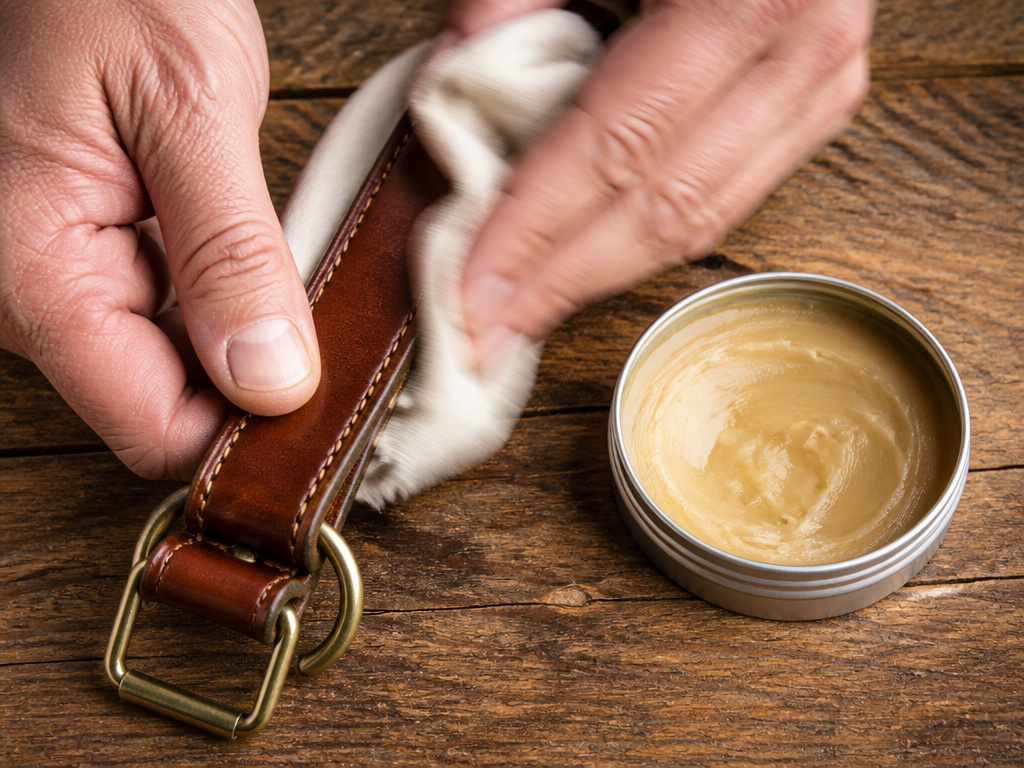 This is where patience pays off. Rushing leads to a greasy collar that attracts every piece of dust in the yard.
1. Clean the Collar (But Gently). You can’t condition over dirt. Wipe the entire surface with a barely damp cloth to remove loose dirt and hair. For grime in the crevices, a soft brush works. If you must use a cleaner, make it a specific leather cleaner for finished goods, and test it on the inside of the collar first. Avoid household soaps and wipes.
**2. Let it Dry Completely.This is essential. Applying conditioner to damp leather traps water inside, which can cause mildew and rot the fibers from within. Lay the collar flat on a clean towel for a few hours. If it was soaked, this may take a full day.
3. Apply the Conditioner Sparingly. Less is more. Put a small amount of your chosen oil or cream on your cloth or brush. Rub it into the leather using small, circular motions, covering every surface, front, back, and especially the edges. Pay extra attention to the area under the buckle and the inside, which gets the most wear and sweat. You should see the leather darken as it drinks it in.
4. Wait. Then Wait Some More. This is the step everyone skips. Walk away. Let the collar sit for the full recommended absorption time. For a cream, that’s 10 minutes. For an oil on a stiff collar, think in hours. This waiting period is when the softening actually happens.
5. Buff Off the Excess. After the waiting period, take your dry cloth and buff the collar vigorously. You’re removing any conditioner that didn’t absorb, leaving a soft, matte finish. If the collar still feels tacky, it means you used too much or didn’t wait long enough. Buff it again.
6. Final Dry Before Use. Don’t put it back on your dog immediately. Let it sit for another hour or two to ensure everything has settled. Then you can reattach tags and buckle it on.
What Not to Do: Shortcuts That Backfire
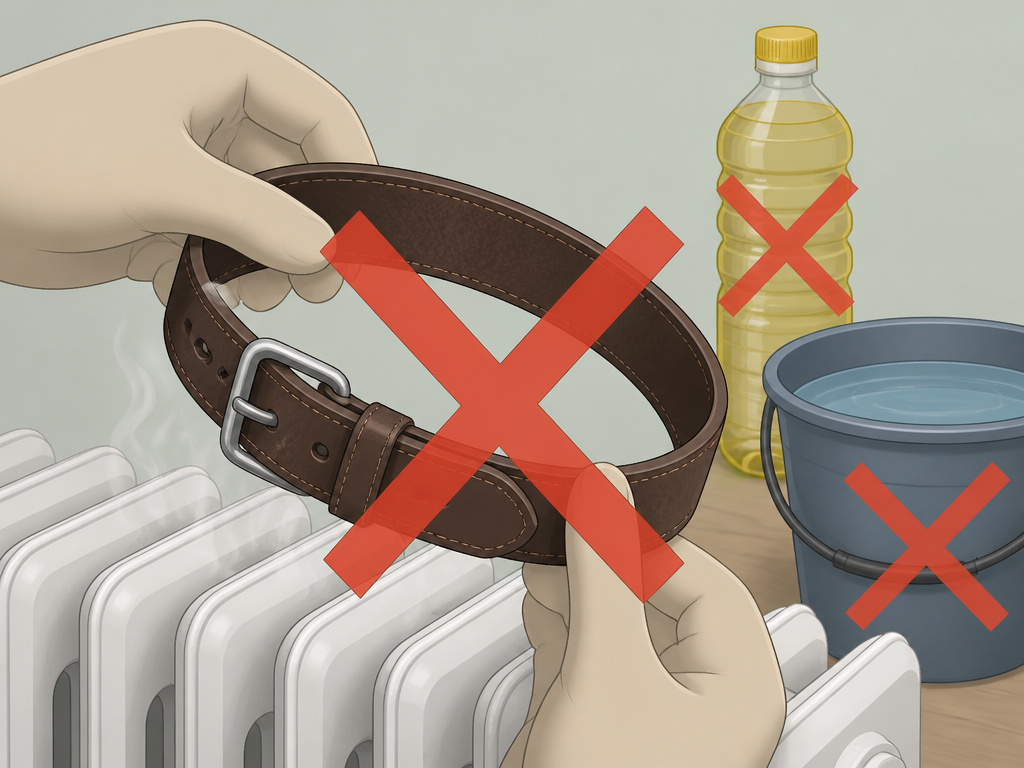 Softening leather is straightforward, but it’s easy to derail with a bad shortcut. These aren’t just minor mistakes; they cause permanent damage.
Don’t use heat. Placing a stiff collar on a radiator, using a hair dryer, or leaving it in a hot car seems logical. Heat does make leather pliable, temporarily. As Riparo Collars warns, high heat causes the fibers to contract and the natural oils to bake out. The leather will stiffen again as it cools, often becoming even more brittle and prone to cracking. The correct method is slow, ambient air drying.
Don’t soak it. Submerging a collar in water or oil might seem like a fast track to flexibility. Soaking swells the fibers unpredictably, can weaken stitching, and will almost certainly ruin any finish or dye. It also takes days to dry properly, with a high risk of mildew. The controlled, surface-level application of conditioner is the only safe method.
Don’t condition a dirty or wet collar. This seals in grime and moisture. Always clean and dry first.
Don’t use the wrong product. Cooking oils, furniture polish, and general-purpose moisturizers will go rancid, attract pests, or create a gummy residue. Stick to products made for leather.
How to Keep It Soft: Maintenance Beats Repair
A one-time conditioning fixes the immediate problem, but collar care is a habit. Build these three routines and you’ll rarely deal with a stiff collar again.
First, adopt a monthly check. Feel the leather. If it’s starting to feel dry or look dusty, give it a quick wipe with a dry cloth and a light application of cream conditioner. This takes five minutes and maintains the baseline suppleness.
Second, be militant about water. Take the collar off before baths, swims, or play in deep snow. If it does get wet, blot it with a towel and let it air-dry flat, away from heat, before putting it back on. This single habit extends a collar’s soft life by years.
Third, store it correctly. When not in use, hang the collar by the buckle or lay it flat in a drawer. Don’t coil it tightly or toss it in a sealed plastic bag. Leather needs to breathe. A dry, room-temperature environment prevents moisture buildup and keeps the fibers relaxed.
Where this goes sideways: Storing a collar in a garage or car trunk. Temperature swings and humidity cause leather to constantly expand and contract, exhausting its natural flexibility. The collar will be stiff every time you take it out.
Frequently Asked Questions
Can I use coconut oil to soften my dog’s leather collar?
I wouldn’t. Coconut oil can go rancid, attract bacteria, and may not penetrate leather correctly. It’s a food product, not a leather preservative. For a bit more money, a neatsfoot oil blend from a brand like Fiebing’s or a dedicated leather conditioner is formulated to nourish the fibers without spoiling or making a mess.
How often should I condition a leather dog collar?
For a collar in regular use, a light conditioning every 4 to 6 weeks is perfect. If your dog is very active, swims often (with the collar off), or you live in a dry climate, you might need to do it every 3 weeks. Let the leather tell you, if it looks dry or feels stiff, it’s time.
Will conditioning darken my light-colored leather collar?
It often will, at least temporarily. Oils and some balms darken leather as they soak in. This is usually a rich, attractive patina, but on a very light tan or white collar, the change can be pronounced. Always test any new conditioner on a small, hidden spot like the inside of the collar first to see the effect.
My collar is still stiff after conditioning. What now?
It might need a second, heavier application. Apply another thin coat of oil, let it absorb for a full 24 hours in a cool place, then buff. If it’s still board-like, the leather may be of very low quality (“genuine leather” grade) with a heavy plastic coating that prevents absorption. In that case, softening has physical limits, and replacement with a vegetable-tanned, full-grain collar is the better path.
Is it safe for my dog if I use leather conditioner?
Yes, provided you use a product intended for dog gear. Brands like Hermès formulate their care oil specifically for direct animal contact. For any conditioner, the key is to buff off all excess so there’s no greasy residue for your dog to lick. Once fully absorbed and buffed, the conditioner is locked into the leather fibers and poses no risk.
Before You Go
The real secret to a soft collar is simply removing it before your dog jumps in the water. That single action prevents about 80% of the drying and stiffening that leads people to search for a solution.
If you’re buying a new collar, start this relationship right. A vegetable-tanned collar from a maker like Loyal Canine or a skilled Etsy artisan will break in beautifully and respond well to care. Budget for a conditioner like Bickmore 4, the Bickmore 4 Leather Conditioner or a pure neatsfoot oil blend, and apply it before the first use. That initial 24-hour investment pays off in a collar that’s comfortable from day one and stays that way.
Leather rewards consistency. A quick wipe after a muddy walk, a monthly conditioning session, and proper storage are the small rituals that keep a functional object beautiful and soft for the long run.
