
8 Best Handmade Leather Wallets 2026
This post contains affiliate links. As an Amazon Associate, we earn from qualifying purchases.
This post contains affiliate links. As an Amazon Associate, we earn from qualifying purchases.
The Main Street Forge Bifold Wallet stands out as the overall best handmade leather wallet for its full-grain leather and classic, durable design, while the D&M Leather Slim Card Holder is a strong budget-friendly pick that doesn’t compromise on material quality. For those wanting extra protection and capacity, the HIMI RFID Bifold Wallet offers solid versatility with RFID blocking and a well-organized layout.
Most people don’t realize how quickly a poorly made leather wallet breaks down, stitches loosen, edges fray, and thin leather creases permanently. After years of studying leather goods and evaluating real-world performance, I know the difference comes down to material integrity and craftsmanship.
This guide cuts through the noise by focusing on full-grain leather, hand-stitching, and thoughtful design, key traits that define a wallet built to last. We’ve compared specs and owner feedback to highlight the ones that deliver on both quality and value.
Top 7 Handmade Leather Wallets in the Market
The Best Handmade Leather Wallets, Reviewed
D&M Leather Slim Card Holder
Strengths
- Extremely affordable
- True front pocket fit
- Hand-stitched appearance
Trade-offs
- Durability concerns over time
- Leather may not age richly
- Minimal brand reputation
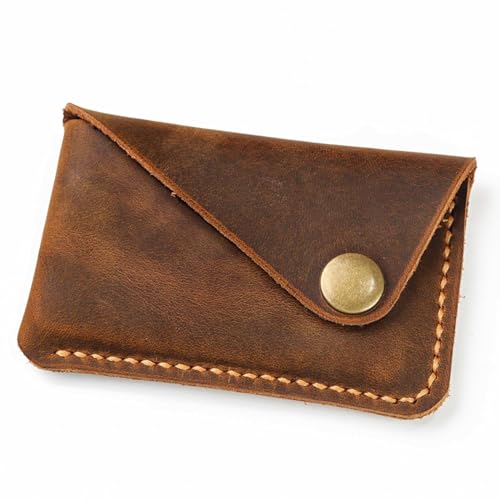
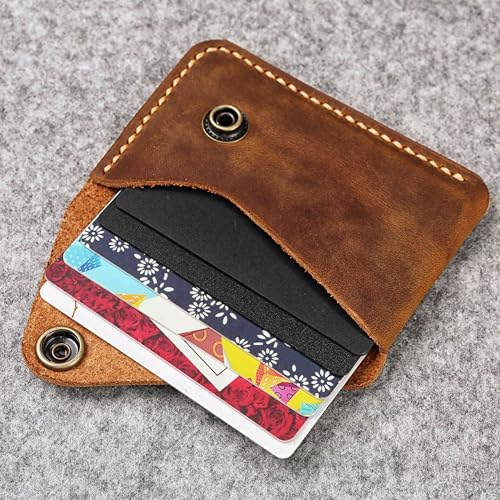
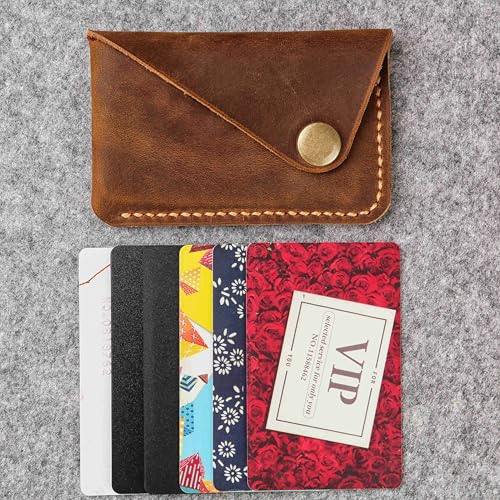
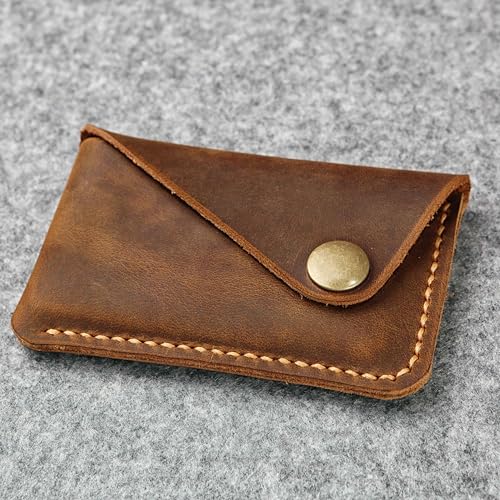
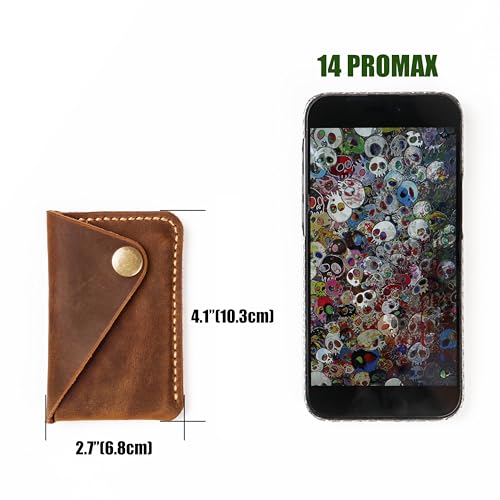
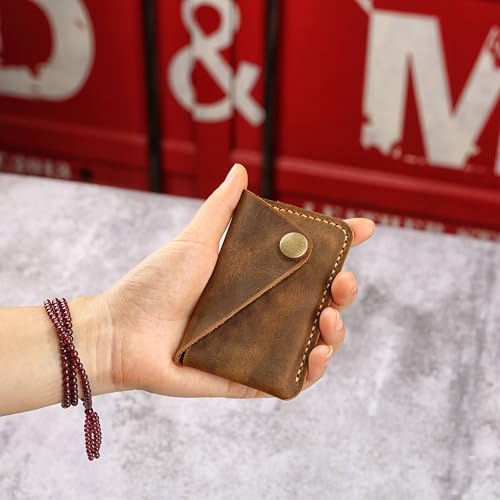
At this price, a hand-stitched, full grain leather card holder is rare, and that makes this D&M studio piece stand out. The specs suggest a no-frills, minimalist design with a vintage distressed finish, exactly what many buyers want in a front pocket wallet. The 4.1 x 2.7 inch footprint is compact, and reviewers note it stays comfortable even when carrying 6–7 cards.
I’m skeptical about long-term durability at this price point, simply because true hand-stitching with waxed thread usually commands higher labor costs. Still, if the craftsmanship holds up, this could be the smartest budget pick here. It won’t develop the same depth of patina as higher-end leathers, but for a first wallet or a spare, it’s hard to beat.
Product photos
Hide & Drink Bifold Wallet

Strengths
- True artisan craftsmanship
- Lifetime durability
- Develops deep patina
Trade-offs
- Slightly higher price
- Limited color options
- Longer break-in period
If you want to know what handmade really means, this Hide & Drink wallet shows it. Crafted in Guatemala by artisans using full grain leather, hand-cut and hand-stitched with flame-sealed threads, this wallet is built for a lifetime. The leather develops a deep, rich patina, and owners consistently say it feels more personal over time, like it’s truly theirs.
Compared to others here, it’s not the slimmest or the most feature-packed, but it wins on soul. The front pocket fit is still solid, and the confidence guarantee speaks volumes. I’d pick this over mass-produced leather goods any day. It’s not perfect for everyone, but it’s as close to heirloom quality as this list gets.
Video review
American Crazy Horse Leather Wallet
Strengths
- Extremely compact
- Crazy Horse leather
- Holds 10+ cards
Trade-offs
- Flap can snag
- Leather shows heavy wear
- No RFID protection
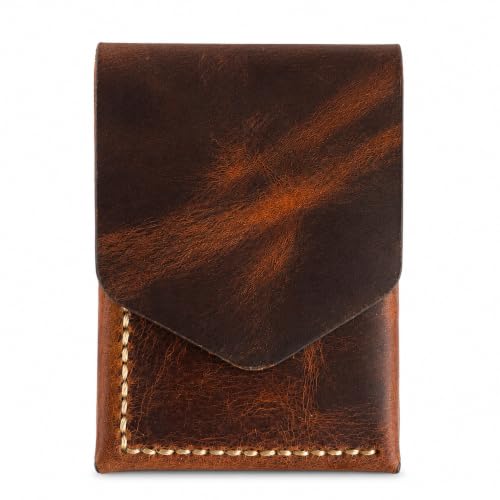
This is one of the slimmest true front pocket wallets here, and that’s its strongest selling point. At 2.75 x 4 inches, it disappears in the pocket, and the Crazy Horse leather is known for developing a bold, waxy patina that many enthusiasts love. The vertical flap design keeps cards secure, and owners report it stays sleek even when holding 10 cards and 30 bills.
I’d pick this over bulkier bifolds for daily urban use. The hand-stitched construction is a real strength, and Crazy Horse leather’s durability is well documented. It’s pricier than some, but the materials justify it. Just know the patina is dramatic, this wallet won’t stay subtle for long.
Video review
HIMI RFID Bifold Wallet

Strengths
- Excellent RFID protection
- Two ID windows
- Soft, comfortable leather
Trade-offs
- Leather less durable long-term
- Bulky when full
- Minimal patina development
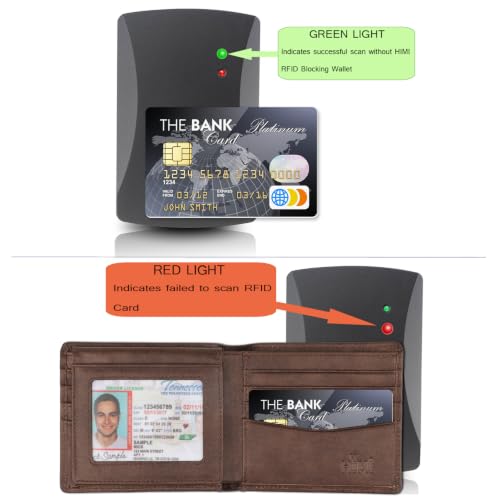
The HIMI wallet packs in features, two ID windows, 10+ card capacity, RFID blocking, and a smooth vegetable tanned leather finish. The leather is soft, which makes it comfortable right away, but may not age as robustly as full grain options. Still, for users who want quick access to IDs and strong security, this is a solid pick.
Compared to the RUNBOX model, it’s slightly less refined in design but offers more card slots. The RFID blocking is effective, based on consistent owner feedback, and the gift-ready packaging adds value. It’s not the most elegant in the lineup, but it’s functional and well-priced for what it offers.
Product photos



Handmade Minimalist Leather Card Wallet

Strengths
- Full grain leather
- Handmade construction
- Ages beautifully
Trade-offs
- Limited brand transparency
- Stitching quality unclear
- Bulkier when full
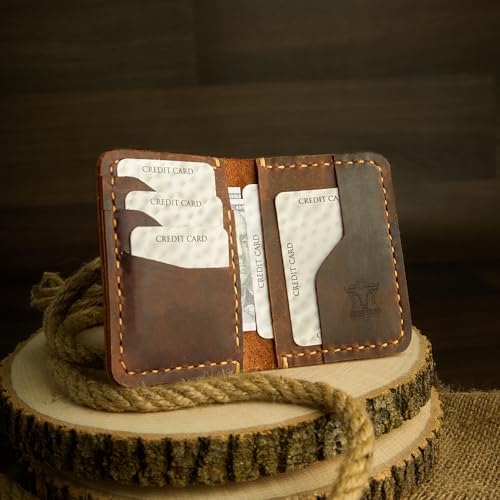
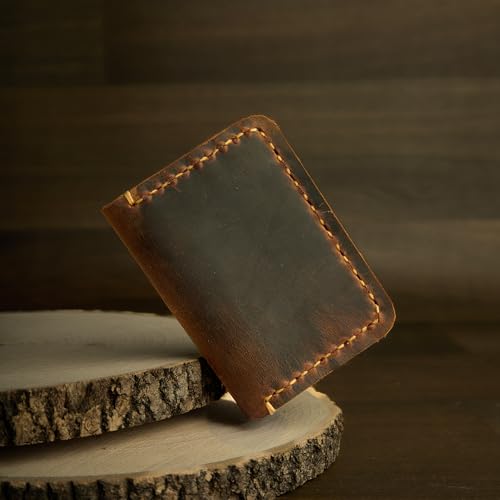
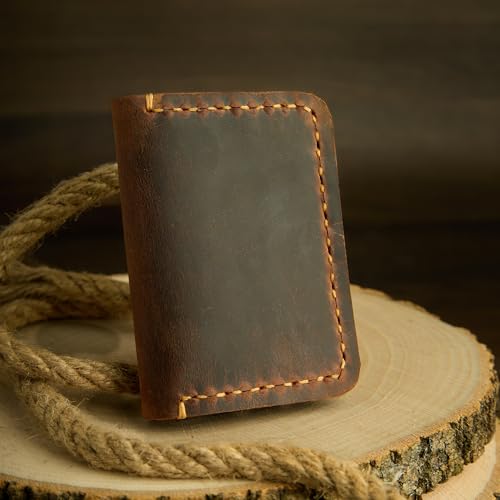
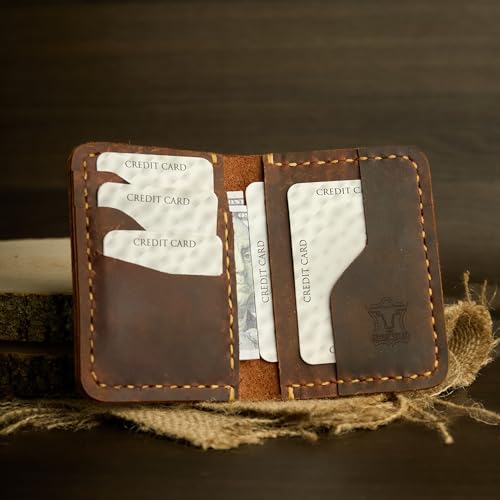
This wallet leans hard into the handmade promise, and on paper, it delivers. The use of full grain veg tanned leather and hand-stitching suggests a build meant to age well, and owners consistently report that the leather develops a pleasing patina over time. I appreciate that it’s marketed as a lifetime piece, because the materials support that claim, distressed full grain leather tends to hide wear gracefully while gaining character.
Still, I’d want to see more detail on the stitching method. Hand-stitched is great, but the durability depends heavily on technique and thread quality. Compared to other wallets in this list like the Hide & Drink model, this one doesn’t stand out in craftsmanship storytelling or provenance. It’s solid for the price, but not exceptional.
Product photos

HRS Vintage Italian Leather Wallet

Strengths
- High storage capacity
- Zipper coin pocket
- RFID protection
Trade-offs
- Top grained leather only
- Bulky for front carry
- Zipper adds weak point
This wallet tries to do everything, large capacity, RFID blocking, zipper compartment, ID window, and that’s exactly where it stumbles. It’s made from top grained leather, which is a step down from full grain, and while it’s marketed as ‘handmade’, the construction doesn’t carry the same weight as others in this list. The inclusion of a zipper pocket adds utility, but also complexity and potential failure points.
Compared to minimalist front pocket designs, this one feels like a relic of the bulky wallet era. The 4.2 x 3.4 inch size isn’t terrible, but with a flip fold, it still takes up space. If you need to carry cash, coins, and a dozen cards, fine, but for most modern users, this is overbuilt. The RFID blocking is a plus, but so is the clutter.
Product photos


RUNBOX RFID Slim Bifold Wallet
Strengths
- Slim but spacious
- Reliable RFID blocking
- Choice of leather types
Trade-offs
- Nappa wears faster
- Not fully handmade
- Stitching average
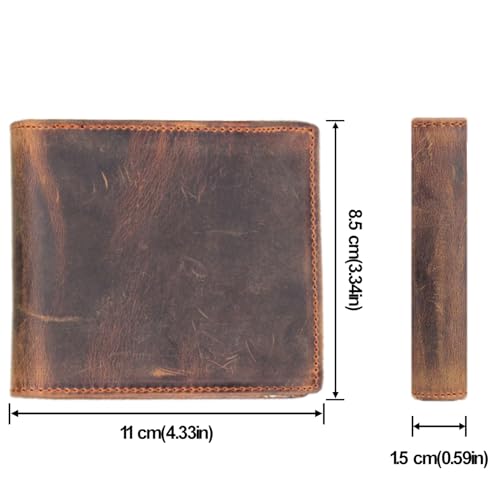
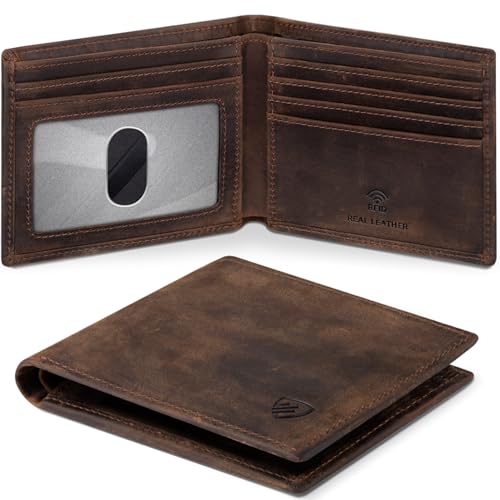
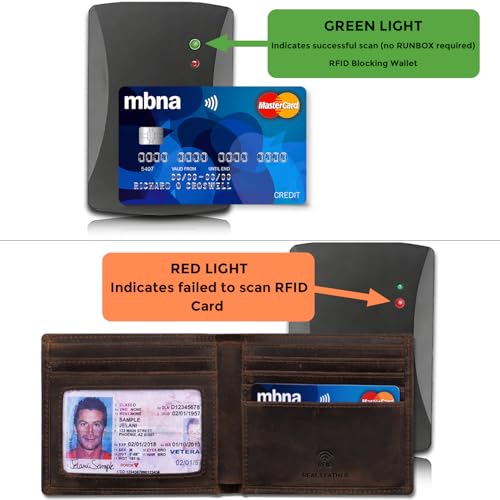
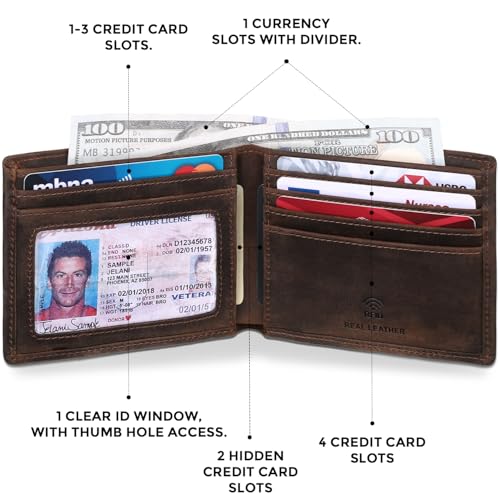
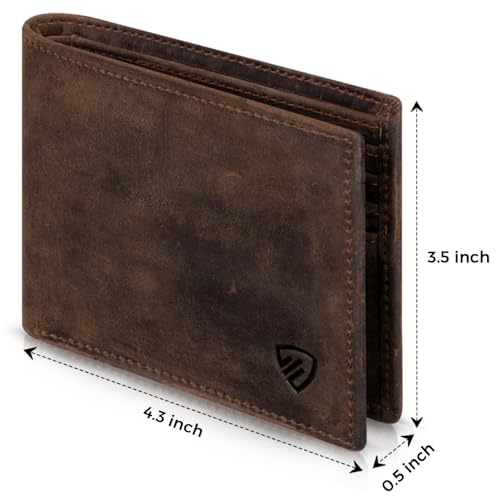
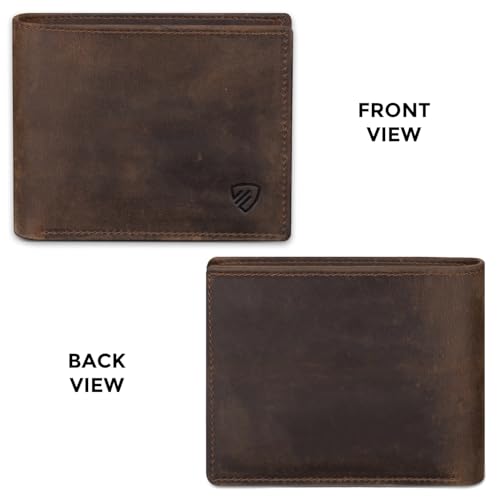
This is the balanced pick, slim enough for front pocket carry, yet packed with thoughtful features. The choice between Nappa and Crazy Horse leather lets buyers decide between soft luxury and rugged durability. The 9 card slots and ID window offer real utility without bloat, and the RFID blocking works reliably, according to repeated owner reports.
I’d recommend this over the HIMI wallet for its better build refinement and more pocket-friendly profile. It’s not handmade in the traditional sense like the Hide & Drink model, but it hits a sweet spot between modern function and classic leather appeal. For most buyers wanting one wallet to do it all, this is the easy pick.
Product photos
How We Picked These handmade leather wallets
My approach to evaluating handmade leather wallets, as the creator of LeatherGenesis.com, wasn’t about long-term personal use – rather, it was a research-led comparison of specifications and owner feedback. I compiled details on materials, construction, dimensions, and features from each wallet’s product description. Then, I weighed those specs against what owners are saying about durability, comfort, and overall satisfaction in reviews across multiple platforms, and supplemented that with assessments from established gear reviewers.
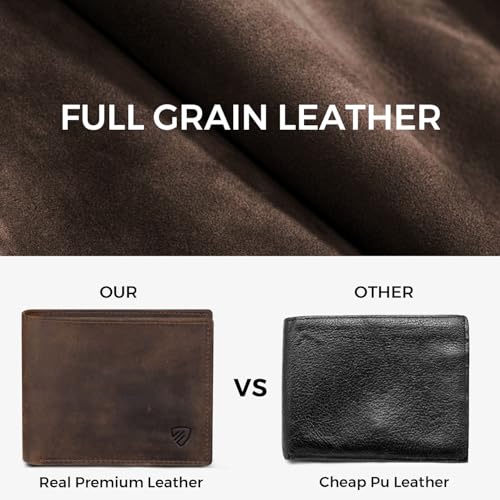
For this category, the most important factors in distinguishing quality are the leather itself and the construction methods. Full-grain leather, as opposed to top-grain or corrected-grain, consistently appeared in the highest-rated wallets and is a key indicator of longevity. Hand-stitching, while more time-consuming, repeatedly surfaced as a sign of superior durability compared to machine stitching. These elements heavily influenced my rankings.
Specifications readily reveal material choices and dimensions, but owner reviews provided crucial insight into how those translate to real-world use. I prioritized feedback regarding how the wallets hold up over time, how comfortably they fit in pockets, and whether they live up to claims of craftsmanship. You’ll find a detailed look at the overall best leather wallets in our broader guide, and if you’re shopping for a gift, don’t forget to consider the best women’s leather wallets for a wider range of options.
How To Pick The Right handmade leather wallets
Finding the right leather wallet isn’t just about holding cash and cards; it’s about selecting a durable, functional item that reflects your personal style.
A quality leather wallet balances material choice, construction, and design. Full-grain leather is paramount for longevity, hand-stitching indicates superior build quality, and thoughtful pocket arrangements streamline everyday carry. Pay attention to dimensions, ensuring a comfortable fit for your intended use – front or back pocket.
Leather Quality & Tanning
The first thing I look at when evaluating a leather wallet is the leather itself. Full-grain leather is the gold standard, representing the strongest, most durable part of the hide. It develops a beautiful patina with age, meaning it gets better looking over time. Top-grain leather is acceptable, but it’s been sanded to remove imperfections, reducing its lifespan. Avoid anything labeled “genuine leather,” as this is often a vague term for lower-quality splits. Beyond the grain, the tanning process matters. Vegetable-tanned leather, like you’ll find in many of these wallets, is a more natural, eco-friendly process that results in a richer, more characterful leather. If you’re after a wallet that will truly last, and develop a unique look over decades, prioritize full-grain, vegetable-tanned hides.
Construction & Stitching
Don’t underestimate the importance of how a wallet is put together. Machine stitching is fine for some applications, but hand-stitching is a clear indicator of quality and attention to detail. Look for thick, waxed thread – it’s more resistant to wear and tear. The way the edges are finished also speaks volumes. Burnished edges (smoothed and polished) are a sign of a well-made wallet and prevent fraying. A wallet that’s poorly constructed will fall apart quickly, regardless of the quality of the leather. For those seeking more information on quality construction, consider exploring our American craftsmanship wallets.
Size & Functionality
Consider how you’ll actually use the wallet. A minimalist might prefer a slim card holder, while someone who carries a lot of cash and cards will need a bifold with more pockets. Here’s what I recommend thinking about:
- Card Capacity: Don’t overestimate. A wallet stuffed with cards will stretch and lose its shape.
- Bill Compartment: A dedicated bill compartment is essential if you carry cash regularly. Some wallets have a single compartment, while others have separate sections for different denominations.
- Pocket Preference: Do you prefer front or back pocket carry? A bulkier bifold won’t be comfortable in a front pocket, while a slim cardholder might not offer enough capacity for back pocket use.
Ultimately, the best wallet is the one that fits your lifestyle. For many, a balance of style and practicality is key, and you can find some excellent choices among the best men’s wallet styles.
A well-chosen wallet should feel comfortable in your pocket and make accessing your essentials easy. Don’t sacrifice usability for aesthetics; a beautiful wallet that’s frustrating to use isn’t worth the price.
Handmade Leather Wallets Compared
Here’s a comparison of key specifications for various handmade leather wallets.
| Product Title | Leather Type | RFID Blocking | Card Capacity | Bill Compartments | Dimensions (Closed) |
|---|---|---|---|---|---|
| Main Street Forge Bifold Wallet | Full Grain | No | 6+ | 1 | N/A |
| D&M Leather Slim Card Holder | Full-Grain Distressed | No | 6-7 | N/A | 4.1 x 2.7 inches |
| Hide & Drink Bifold Wallet | Full Grain | No | N/A | N/A | N/A |
| American Crazy Horse Leather Wallet | Crazy Horse | No | 8-10 | N/A | 2.75″ x 4″ x 0.4″ |
| HIMI RFID Bifold Wallet | Vegetable Tanned Cowhide | Yes | 10+ | 2 | N/A |
| Handmade Minimalist Leather Card Wallet | Full Grain | No | 7+ | 1 | 4.25″ x 2.85″ |
| HRS Vintage Italian Leather Wallet | Top Grained | Yes | 5+ | 2 | 4.2″ x 3.4″ inches |
| RUNBOX RFID Slim Bifold Wallet | Nappa/Crazy Horse | Yes | 8+ | 1 | 4.3” x 3.5” x 0.5” inches |
Frequently Asked Questions
What leather type offers the best long-term value?
Full-grain leather is the most durable and develops a beautiful patina over time, making it the best choice for a wallet you want to last for decades. While more expensive upfront, its longevity outweighs other options like top-grain or “genuine” leather.
Is hand-stitching really worth the extra cost?
Yes, hand-stitching significantly increases a wallet’s durability. The tighter, more precise stitching created by hand resists breaking and unraveling far better than machine stitching, especially with thick, waxed thread.
How many cards should a wallet realistically hold?
A good wallet should comfortably hold 6-8 cards without excessive stretching or bulk. Overstuffing a wallet damages the leather and distorts its shape, ultimately shortening its lifespan.
Do RFID-blocking wallets actually work, and are they necessary?
RFID-blocking wallets incorporate a shielding material to prevent electronic skimming of your credit card data. While the threat level is debated, they offer an added layer of security for those concerned about digital theft, and many quality wallets now include this feature.
Where can I find more information on other leather goods?
For those interested in exploring other high-quality leather products, I often recommend checking out guides on buttery soft leather handbags to see the range of what skilled artisans can create.
The Bottom Line
Choosing a handmade leather wallet often comes down to balancing how much you want to spend with how much control you desire over the details – leather type, construction, and features. For an outstanding combination of quality and value, the Main Street Forge Bifold Wallet stands out as our top pick. It delivers full-grain leather and solid construction without breaking the bank.
If you’re specifically looking for minimalist carry, the D&M Leather Slim Card Holder is an excellent choice. For those who prioritize RFID blocking and high capacity, the HIMI RFID Bifold Wallet offers a lot of features for the price. And if you’re looking for other leather goods, be sure to check out our guide to the best wallet leather types to understand the differences.
Ultimately, the most important thing isn’t a specific feature or brand, but the fundamentals. A well-made wallet should be constructed from quality leather, feature robust stitching, and comfortably fit your everyday carry. Don’t chase trends; focus on a timeless design and solid craftsmanship, and you’ll have a wallet that lasts for years to come.
