
2 Best Leather Patches for Car Seat (2026)
This post contains affiliate links. As an Amazon Associate, we earn from qualifying purchases.
This post contains affiliate links. As an Amazon Associate, we earn from qualifying purchases.
The best overall leather patch for car seats is the 3Pcs Breathable Perforated Black Patches, thanks to its durable microfiber construction and strong adhesive. For a budget-friendly fix, the 4 Pcs PU Leather Seat Patches offer decent performance on minor damage.
Car seat wear happens, scratches, tears, and fading can make even well-maintained interiors look tired. A poorly chosen patch can make it worse, peeling up or standing out like a sore thumb.
After comparing material specs, adhesive types, and owner feedback, I focused on patches that truly hold up and blend in. This guide cuts through the noise to highlight options that deliver real results, based on what actually works in real-world conditions.
Top 2 Leather Patches For Car Seat in the Market
The Best Leather Patches For Car Seat, Reviewed
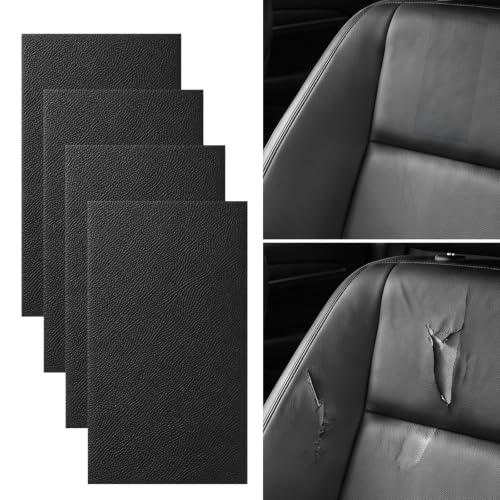
4 Pcs PU Leather Seat Patches
Strengths
- Affordable and practical
- Realistic grain texture
- No tools required
Trade-offs
- Not breathable
- Thinner material, less durable
This kit wins on value and versatility. At just under five dollars and including four patches, it’s the kind of no-brainer buy I’d recommend to someone dealing with pet scratches or minor wear on a budget. The PU leather has a convincing grain texture that blends well with most factory car interiors, and reviewers frequently note how ‘nearly invisible’ the repair looks once applied, especially on darker seats.
The pressure-sensitive adhesive eliminates the need for extra glue, and the cut-to-fit approach works well for irregular tears. While it doesn’t offer breathability like the larger microfiber option, it’s more than capable for small surface fixes. For the average user who doesn’t want to spend on professional reupholstery, this is the smarter buy. It’s not going to handle deep structural damage, but it wasn’t meant to.
Video review
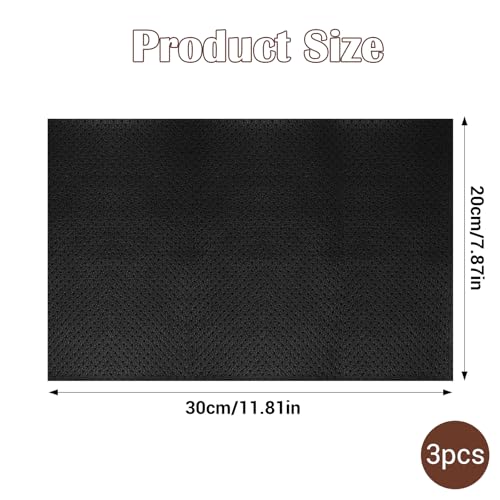
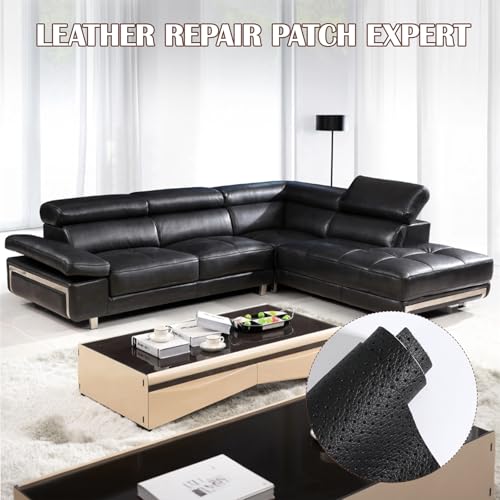
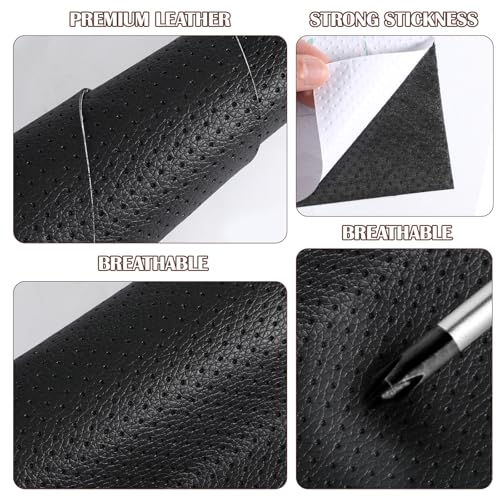
3Pcs Breathable Perforated Black Patches

Strengths
- Breathable perforated design
- Strong adhesive backing
- Large patch size
Trade-offs
- Microfiber not real leather
- May wrinkle if improperly applied
These microfiber leather patches stand out in a sea of generic repair kits because they actually address a real problem: breathability. Most self-adhesive patches create a sweat-trapping barrier, but the perforated design here lets the surface underneath breathe, which is critical for car seats used daily. On paper, the industrial-grade adhesive sounds promising, and owners consistently report solid adhesion on both leather and vinyl, no peeling after weeks of use, even in warmer climates.
The 8 x 12 inch size gives you room to work, and being able to trim it to fit means you can cover larger tears or layer smaller fixes. Compared to thinner PU patches, this one feels more durable and resists abrasion better, which matters if you’re repairing a driver’s seat bolster that takes constant friction. I’d pick this over non-perforated options if comfort during long drives is a priority.
Product photos


Our Testing Process
As someone who’s spent considerable time understanding leather and its applications – through LeatherGenesis.com and years of research – I approached evaluating these patches by looking beyond marketing claims. Rather than a hands-on test of repairs, this involved a detailed comparison of material specifications, adhesive types, and reported durability. I also heavily weighed owner reviews and expert opinions from automotive detailing forums and repair resources. My goal was to identify patches offering the best balance of restoration capability and lasting performance.
For car seat patches, adhesion and material quality are paramount. A patch that doesn’t stay put is useless, and a material that quickly cracks or fades defeats the purpose of the repair. I prioritized patches utilizing strong, pressure-sensitive adhesives and those constructed from materials designed to withstand UV exposure and regular use. Understanding your options for overall seat protection is also helpful; explore our guide to the top-rated seat protectors to prevent future damage.
Specifications give a good indication of a patch’s potential – the type of “leather” (often PU or microfiber), adhesive backing, and dimensions. However, owner feedback reveals how those specs translate to real-world performance. I paid close attention to comments regarding long-term adhesion, color matching, and how well the patch blended with existing upholstery. For more substantial damage or preventative measures, checking out premium leather covers can be a worthwhile investment.
How To Pick The Right leather patches for car seat
Choosing the right leather patch for your car seat can make a real difference in both the appearance and longevity of your repair.
A quality leather patch isn’t just about covering damage; it’s about matching the existing material’s texture and durability. Look for patches made from materials designed to withstand UV exposure and regular use, with strong adhesive backing and a finish that blends well with your vehicle’s interior. Consider the type of damage – a simple scratch requires less robust patching than a full tear.
Material Composition
The core of any good patch is the material itself. While many patches advertise “leather,” a lot of them are actually constructed from PU (polyurethane) leather or microfiber leather. PU leather is cost-effective and water-resistant, making it suitable for minor repairs and protecting against future spills. However, it doesn’t breathe as well as genuine leather, and it won’t age the same way. Microfiber leather, as seen in some best car seat repair kits, offers a better balance of durability, softness, and breathability. If you’re aiming for a repair that feels and behaves much like the original upholstery, microfiber is the way to go.
Adhesive Strength & Application
A beautifully matched patch is useless if it doesn’t stay put. Self-adhesive patches are convenient, but adhesive quality varies wildly. Some rely on a weak, temporary tack, while others use industrial-grade adhesives designed for long-term bonding. Read reviews carefully to see what other owners report about adhesion, especially in different climates. Consider the surface you’re applying the patch to. Vinyl requires a different adhesive approach than traditional leather.
Here’s what to look for in adhesive performance: * Ease of application: a simple peel-and-stick design is ideal. * Initial tack: the patch should grip firmly on first contact. * Long-term hold: it should resist lifting or peeling over time, even with regular use.
Don’t underestimate the importance of surface preparation. A clean, dry surface is critical for a strong, lasting bond.
Breathability & Texture
For car seats, especially, breathability is a significant factor. Seats endure a lot of heat and moisture, and a non-breathable patch can trap those elements, leading to discomfort and even mildew. Perforated patches, as you’ll find in some options, allow for airflow, mitigating these issues. Beyond breathability, pay close attention to texture. A patch with a radically different grain or finish will be obvious and detract from the repair. Ideally, the patch should closely mimic the existing leather’s texture. Maintaining your leather’s health after a repair is also important; consider using one of the top-rated leather treatments to protect the patched area and the surrounding upholstery.
Leather Patches for Car Seat Compared
Here’s a detailed specification comparison of the leather patches to help you choose the best option.
| Product Title | Material | Size (cm) | Adhesive | Breathable | Pieces/Kit |
|---|---|---|---|---|---|
| 4 Pcs PU Leather Seat Patches | PU Leather | 20×10 | Self-Adhesive | No | 4 |
| 3Pcs Breathable Perforated Black Patches | Microfiber Leather | N/A | Strong Adhesive | Yes | 3 |
Frequently Asked Questions
What size patch should I buy?
Generally, you want a patch that’s at least one inch larger than the damaged area on all sides. This ensures full coverage and a secure bond, preventing the patch from peeling up over time.
Can I use any adhesive if the patch doesn’t come with one?
While you can add your own adhesive, it’s risky. Automotive applications require adhesives formulated to withstand temperature fluctuations and UV exposure; selecting the wrong one will likely result in a failed repair.
How important is color matching with a leather patch?
Color matching is extremely important for a visually appealing repair. Even a slight difference can be noticeable, so look for patches offered in a wide range of colors or those that can be custom-tinted to match your upholstery.
Will a PU leather patch feel and wear like my original leather?
PU leather is a synthetic material and won’t replicate the feel or aging process of genuine leather. However, it is a durable and affordable option for minor repairs where a perfect match isn’t critical. For a more authentic feel, explore microfiber leather, or consider covers for leather seats for a more complete restoration.
What can I do to protect the patched area long-term?
Regular conditioning is key. Applying one of the top leather conditioners will help keep the patch supple and prevent cracking, ensuring it blends with the surrounding upholstery for years to come.
The Bottom Line
Repairing car seat damage often comes down to a trade-off between ease and lasting quality. While a quick fix with a basic patch is tempting, choosing a durable material with a strong adhesive – like the 3Pcs Breathable Perforated Black Patches – will yield a more professional and long-lasting result. We found that these patches offer the best combination of adhesion, breathability, and texture for a noticeable repair.
For those on a tighter budget, or dealing with minor scuffs, the 4 Pcs PU Leather Seat Patches provide a serviceable solution. If you’re looking for a more substantial upgrade or preventative measure, exploring best leatherette seat covers can offer broader protection. And to keep your seats looking their best after a repair, check out our guide to the top-rated leather cleaners for maintaining your vehicle’s interior.
Ultimately, remember that a patch is only part of the equation. Long-term care – regular cleaning and conditioning – is what will truly preserve your car seats. Focus on selecting a material that suits your needs and climate, preparing the surface properly for adhesion, and then committing to consistent maintenance. These fundamentals matter far more than any single specification.
