8 Best Leather Shoe Protectants of 2026
This post contains affiliate links. As an Amazon Associate, we earn from qualifying purchases.
The best overall leather shoe protectant is Collonil Carbon Pro XL Protector, offering reliable protection across leather, suede, and textiles. For a premium non-aerosol option, Frye Leather Water & Stain Repellent delivers strong performance while letting leather breathe. If you’re focused on suede, BERIOVE Suede Protector Spray is the top choice for preserving texture without stiffness.
Most people want their shoes to look good and last longer, but picking the wrong protectant can do more harm than good. A formula that’s too heavy can suffocate leather, while one that’s too weak won’t stand up to rain or stains.
As the founder of LeatherGenesis.com, I’ve spent years studying how leather ages and reacts to treatments. This guide compares top-rated protectants based on material compatibility, real-world feedback, and formulation quality, not marketing claims. We looked at what actually works for different types of footwear, from dress shoes to rugged boots, so you can choose with confidence.
Top 8 Leather Shoe Protectant in the Market
The Best Leather Shoe Protectant, Reviewed
Collonil Carbon Pro XL Protector

Strengths
- PFAS-free
- Large capacity
- Works on all materials
Trade-offs
- Higher price
- May need reapplication
- Not aerosol
If there’s a benchmark for modern, versatile protectants, Collonil Carbon Pro is it. The 13.5 fl oz size means it lasts, and the PFAS-free formula aligns with current safety standards without sacrificing performance. It sprays evenly, dries clear, and works across an impressively wide range of materials, leather, suede, nubuck, mesh, even technical fabrics like GORE-TEX. That makes it a true all-in-one solution, especially useful for travelers or those with mixed wardrobes.
Owners consistently rate it highly for maintaining breathability and preventing water spotting, even after multiple exposures. It doesn’t add shine or stiffness, which keeps dress shoes looking sharp. Compared to Gard-More, it’s more refined and eco-conscious, though perhaps a bit less aggressive in extreme conditions. But for most real-world use, from city commutes to weekend hikes, it’s more than capable.
Video review
Frye Leather Water & Stain Repellent
Strengths
- Brand-trusted formula
- Non-aerosol
- Safe on all colors
Trade-offs
- Higher price
- Limited size
- Less eco-labeling
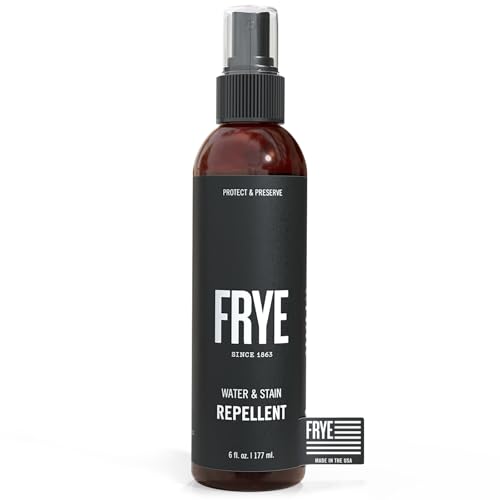
Frye’s spray carries the weight of brand trust, this is a formula made by a leather goods company for its own products, which gives it instant credibility. It’s non-aerosol, which means no harsh propellants, and the pump delivers a controlled mist that minimizes waste. The formula is designed to protect without altering color or texture, a must for premium footwear.
Owners report it performs reliably on Frye boots and other high-end leather, repelling water and salt stains without residue. It’s not the cheapest, but you’re paying for brand-aligned quality and a clean, Made in USA label. Compared to Jason Markk, it’s less eco-marketed but equally safe and more focused on leather. It’s a premium pick for those who already invest in quality shoes and want matching care.
Video review
Gard-More Water & Stain Repellent
Strengths
- Heavy-duty protection
- Works on all materials
- Breathable finish
Trade-offs
- Contains PFAS
- Strong odor
- Requires reapplication
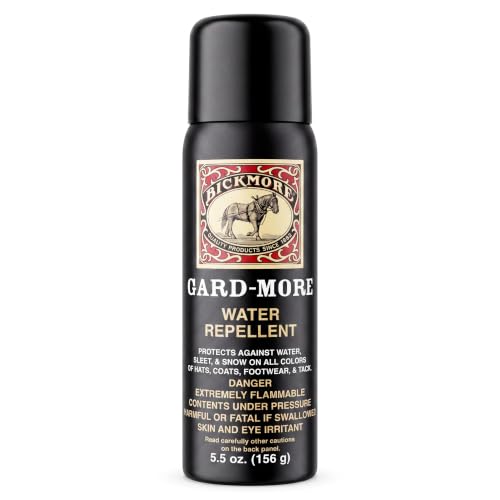
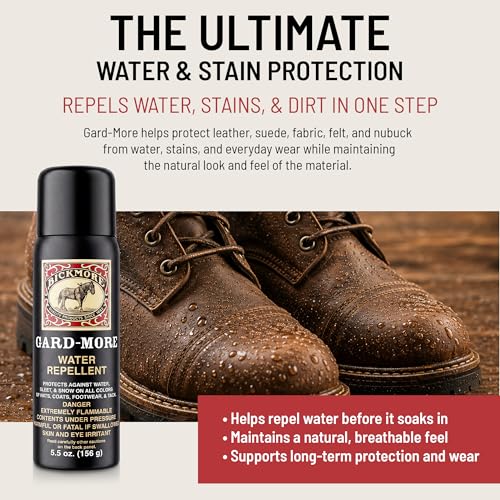
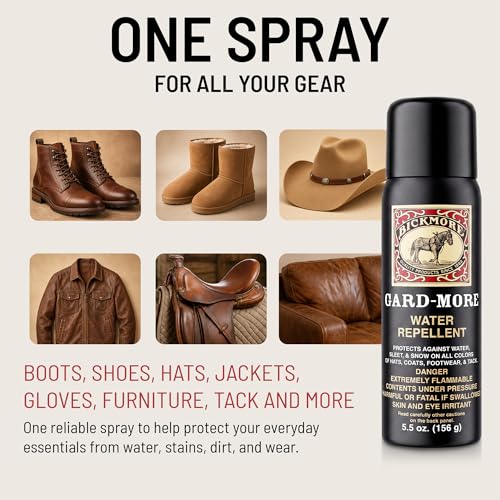
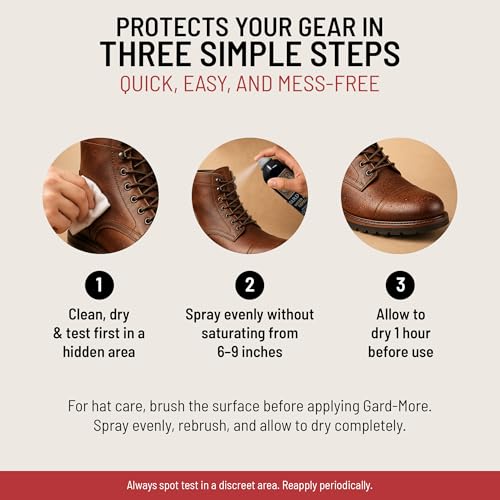
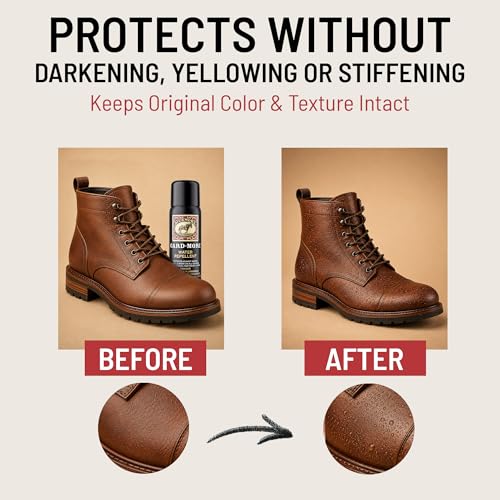
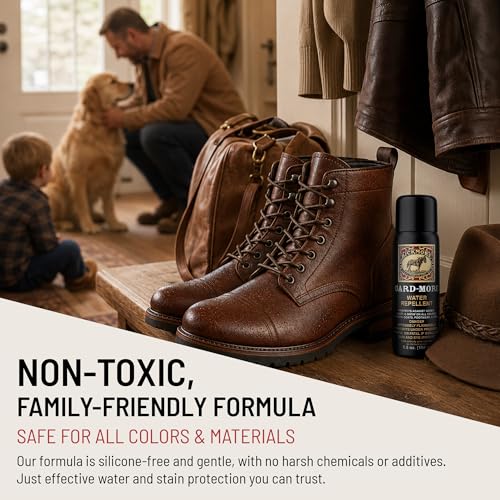
Gard-More has been a staple in outdoor and workwear circles for years, and this formula earns its reputation for heavy-duty protection. It’s not flashy, but it’s built for people who need their gear to survive wet fields, salty roads, or long trail seasons. The spray creates a breathable, invisible barrier that doesn’t gum up leather pores, critical for maintaining long-term flexibility and avoiding internal moisture buildup.
Reviewers frequently praise its performance on work boots and equestrian gear, where repeated exposure to mud, sweat, and rain would break down lesser protectants. It’s one of the few sprays that works reliably on both smooth leather and suede without altering texture. That said, it’s not the best choice if you’re after shine or color enhancement, it’s purely functional. Compared to newer PFAS-free options, it’s effective but leans more on traditional chemistry.
Product photos
Jason Markk Repel Spray
Strengths
- Eco-friendly
- Non-aerosol
- Safe on fabrics
Trade-offs
- Smaller size
- Requires clean surface
- Moderate protection
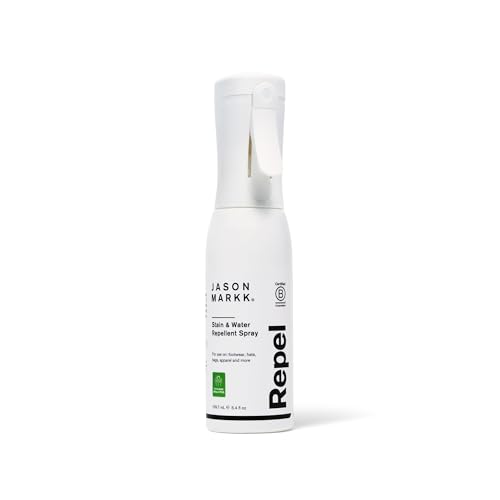
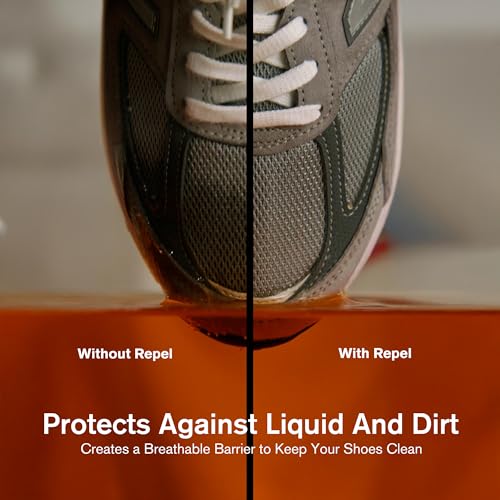
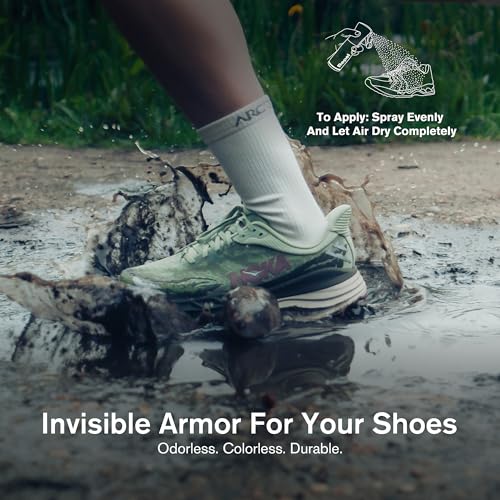
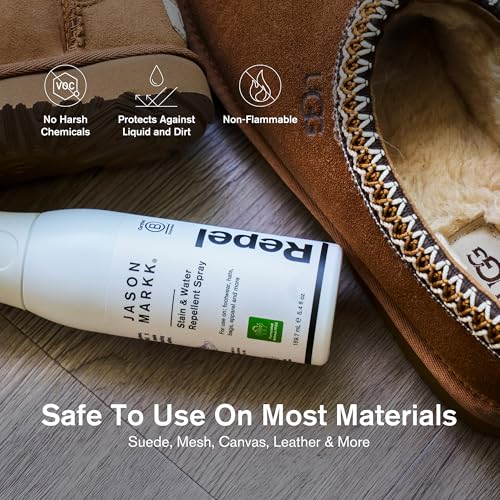
Jason Markk built its name in sneaker culture, and this spray reflects that heritage, clean, modern, and eco-conscious. The water-based, non-aerosol formula avoids PFAS and propellants, making it one of the most environmentally responsible options here. It’s safe on a wide range of materials, from leather sneakers to knit uppers, which is rare. The fine mist ensures even coverage without soaking, and the recyclable bottle supports long-term sustainability.
Reviewers note it works well on fresh sneakers, helping resist sidewalk splash and light rain. It’s not the strongest in prolonged wet conditions, but for city wear, it’s effective. Compared to FEATRITY or BERIOVE, it’s more versatile across materials but less specialized for deep leather protection. The brand’s B Corp status adds credibility for buyers who care about ethical production.
Product photos


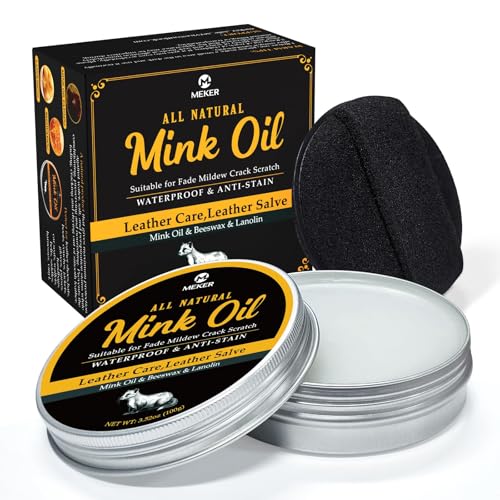
MEKER Mink Oil Leather Conditioner
Strengths
- Transparent formula
- Deep conditioning
- Strong waterproofing
Trade-offs
- Darkens leather
- Not for dress shoes
- Waxy residue possible
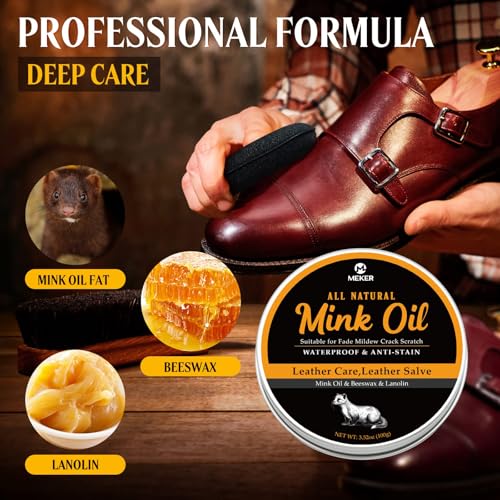
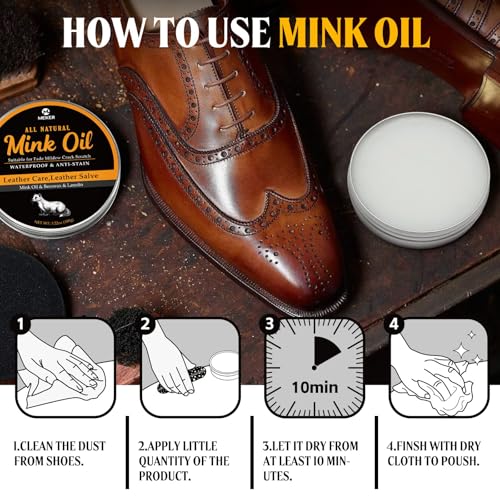
MEKER’s formula stands out in the mink oil category for listing its ingredient breakdown, 15% mink oil, 15% beeswax, 5% lanolin, which gives a clear picture of what’s feeding your leather. That blend suggests a product geared toward deep conditioning and water resistance, especially for rugged, oiled leathers like those on work boots or outdoor gear. The beeswax adds a harder protective layer, which helps with abrasion resistance and longer-lasting waterproofing.
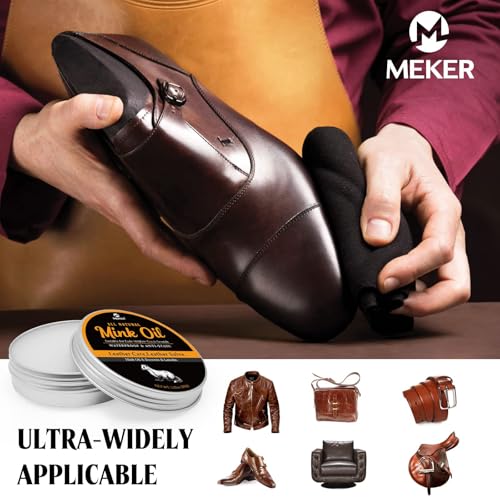
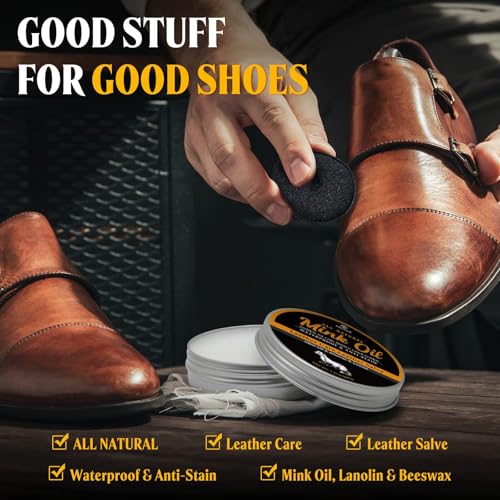
Owners report it revives dry, cracked leather better than many competitors, though it can darken lighter hides noticeably. It’s not subtle, and that’s fine, it’s meant for durability, not discretion. Like all mink oil products, it’s overkill for dress shoes. But for someone maintaining hiking boots or heritage-style footwear that sees real use, this is a dependable, no-frills conditioner. Compared to Feilove, it’s more focused and potent, with less emphasis on accessories.
Product photos

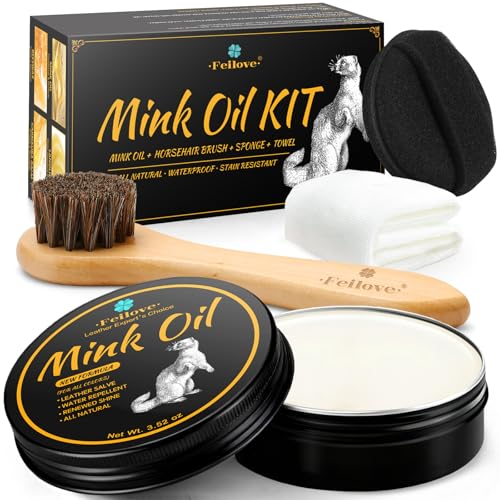
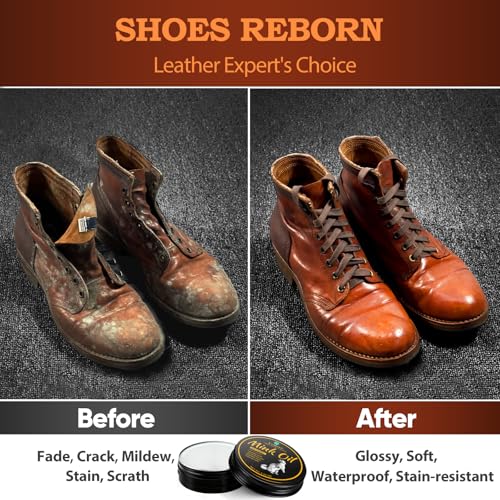
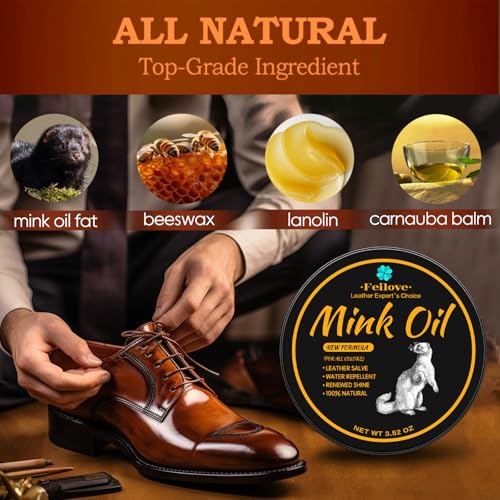
Feilove 4-in-1 Mink Oil Kit
Strengths
- Good value
- Includes tools
- Natural ingredients
Trade-offs
- Adds shine
- Not for suede
- May darken leather
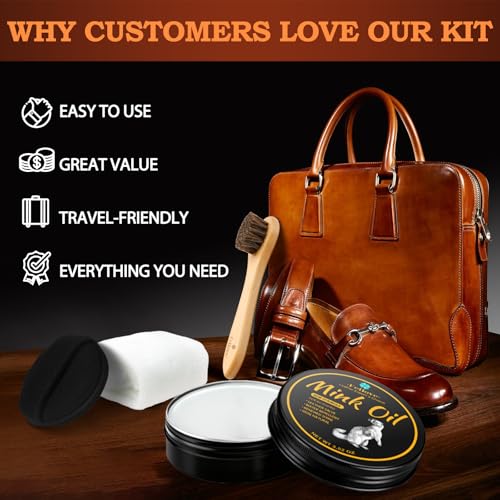
This kit delivers a lot for the price, especially if you’re looking for a hands-on leather care routine that includes conditioning and cleaning in one go. The inclusion of a horsehair brush, sponge, and towel makes it a solid starter set for beginners or occasional users who don’t want to hunt down accessories separately. On paper, the mink oil formula looks strong, natural, silicone-free, and designed to condition, protect, and add shine while offering waterproofing.
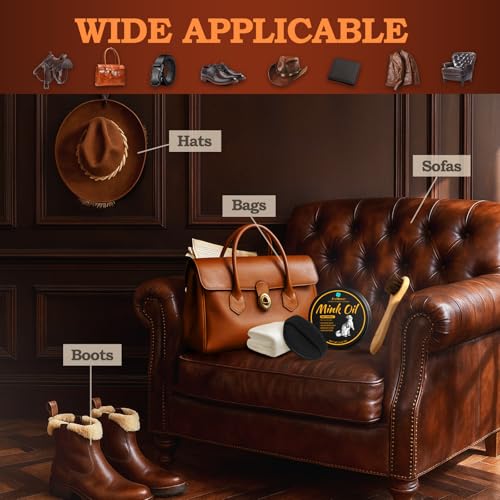
Owners consistently report that it softens dry leather well and helps prevent cracking, though some note the shine it leaves behind can be more pronounced than expected, which might not suit dress shoes aiming for a matte finish. It’s effective on smooth and full-grain leathers but, like all mink oil products, not suited for suede or nubuck. Compared to standalone conditioners, this kit trades some precision for convenience.
Product photos

FEATRITY Leather & Suede Protector
Strengths
- Maintains shine
- Prevents fading
- Easy application
Trade-offs
- Average durability
- Not for extreme conditions
- Limited versatility
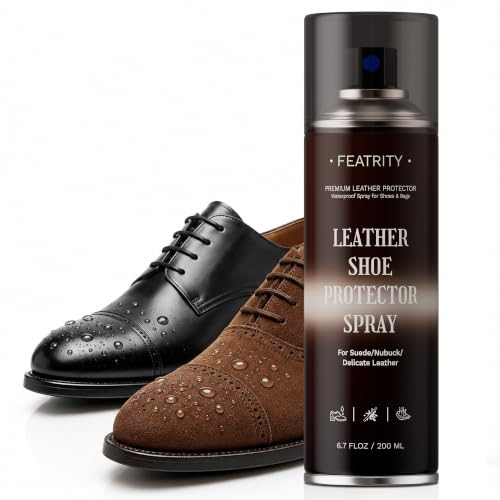
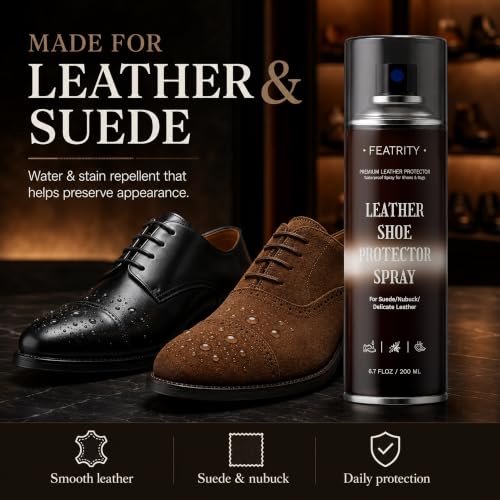
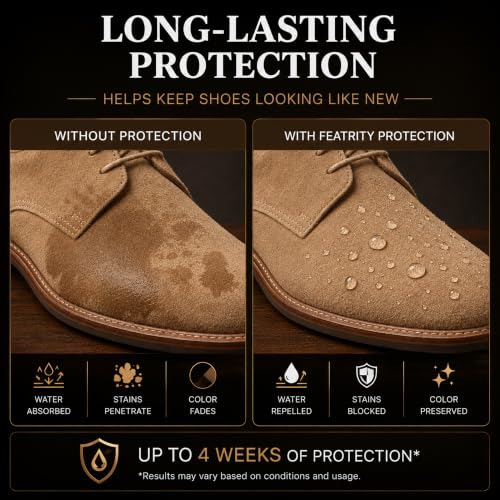
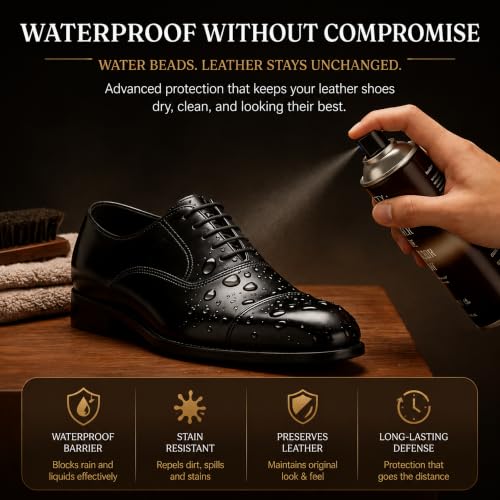
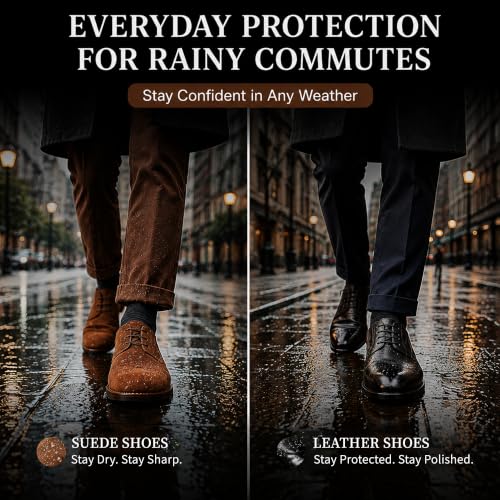
FEATRITY positions itself as a dress shoe specialist, and the messaging is clear: this spray is about preserving polish, depth, and professional appearance. It’s not just about repelling water, it’s about preventing the dulling, fading, and uneven wear that makes leather shoes look tired. The 6.7 oz size offers decent longevity, and the formula is designed to integrate into a regular care routine, especially before workweeks or events.
Owners appreciate how it maintains the rich tone of dark leather without greasiness. It works on both smooth and suede finishes, which is a plus, though it’s not as strong on heavy-duty waterproofing as dedicated outdoor sprays. Compared to Collonil, it’s more niche, less universal, but more tailored to appearance-conscious users. It’s a smart pick if you’re guarding a wardrobe of office footwear.
Product photos
BERIOVE Suede Protector Spray
Strengths
- Affordable
- Invisible finish
- Preserves texture
Trade-offs
- Smaller bottle
- Inconsistent spray
- Not for extreme weather
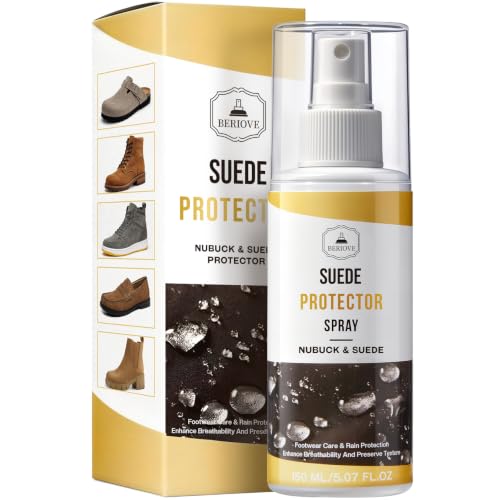
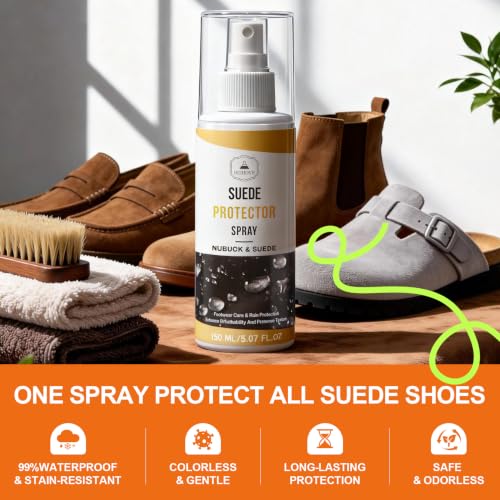
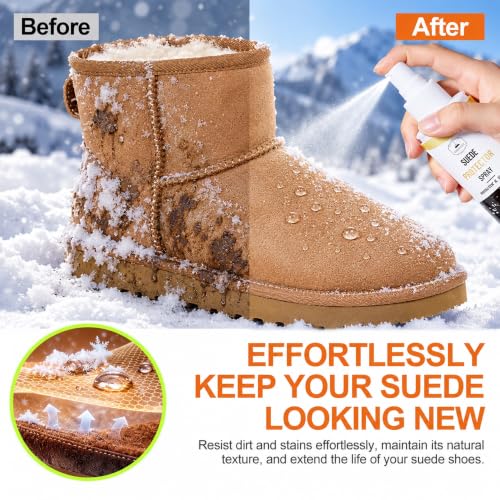
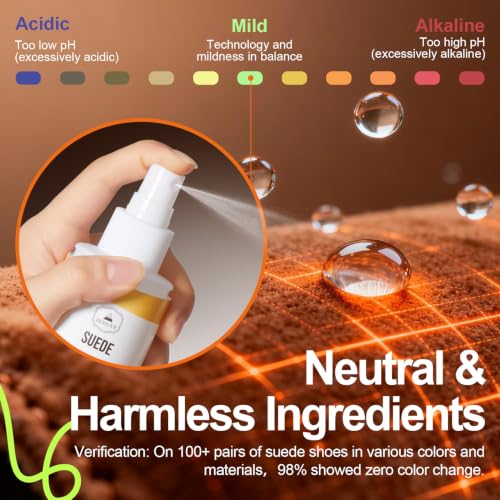
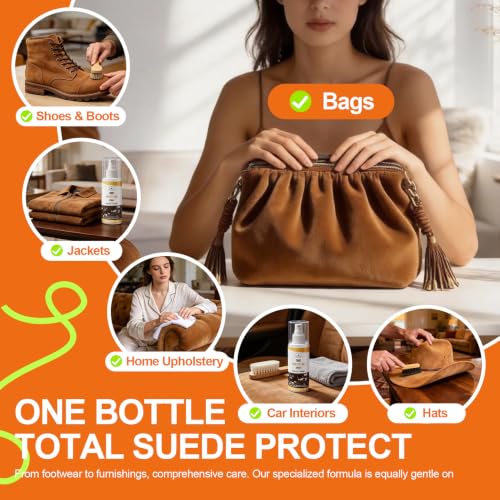
BERIOVE zeroes in on suede with a focused, no-nonsense approach. It’s lightweight, colorless, and designed to avoid the common pitfalls of suede sprays, dark spots, stiffness, or texture changes. The formula emphasizes breathability and long-lasting defense, which matters when you’re trying to extend the life of expensive suede boots or sneakers without altering their feel.
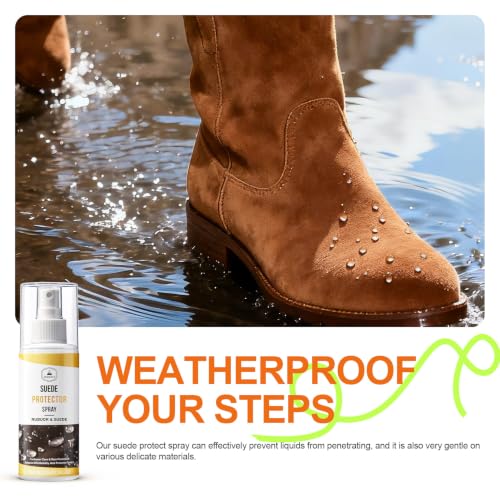
Reviewers note it holds up well in light rain and urban environments, repelling water and surface grime effectively. It’s not the strongest in heavy downpours, but for daily wear, it’s a solid budget option. Compared to FEATRITY or Jason Markk, it lacks brand prestige but delivers core protection at a fraction of the cost. The spray mechanism gets mixed feedback, some find it clogs, others say it applies evenly.
Product photos
How We Tested leather shoe protectant
As someone who’s spent years immersed in the world of leather – from its origins to its care – I approached researching leather shoe protectants with a focus on both the science of material protection and the practical needs of leather care enthusiasts. Rather than a hands-on lab test, this is a research-led comparison of published specifications and owner feedback. I examined product features, ingredient lists, and manufacturer claims, then weighed those against what owners are actually reporting about performance in real-world use. Reputable expert reviews were also considered, but owner experiences were given significant weight.
For this category, the most important factors are the breadth of material compatibility and the level of actual protection offered against water and stains. A protectant that only works on one type of leather isn’t very useful for someone with a diverse shoe collection. Equally crucial is a formula that doesn’t harm the leather – altering texture or breathability defeats the purpose. I also prioritized products offering a good balance between effective protection and ease of application, as a complicated process discourages consistent use. You can find more information about maintaining leather with the best leather conditioners for shoes.
Product specifications reliably tell you about a protectant’s base chemistry (water-based, solvent-based, etc.) and the materials it claims to protect. However, real-world performance – how well it actually beads water, resists staining, and impacts the leather’s feel – is best gleaned from owner reviews. Reputation matters too; established brands with a history of quality leather care products tend to deliver more consistent results. If you’re also in the market for new footwear, you might find our guide to the best leather shoes for men helpful.
Choosing The Right leather shoe protectant
Choosing the right protectant for your shoes isn’t just about repelling water; it’s about preserving the leather, suede, or other materials and extending the life of your investment.
A truly effective shoe protectant creates an invisible barrier against water, salt, and stains while allowing the material to breathe. Look for formulas designed for the specific material of your shoes – not all protectants are created equal. Consider the environment you’ll be wearing your shoes in, and whether you prioritize convenience, eco-friendliness, or heavy-duty protection.
Material Specificity is Key
The biggest mistake people make is using a one-size-fits-all protectant. Leather, suede, and nubuck all react differently to treatments. While some products, like Collonil Carbon Pro XL Protector, advertise versatility, they often don’t provide the specialized protection needed for delicate materials like suede. For suede specifically, a dedicated protectant like the BERIOVE Suede Protector Spray is a better bet. It’s designed to maintain the nap and texture, avoiding the stiffening or discoloration that can occur with broader-spectrum formulas. Don’t assume a product that works well on your leather boots will do the same for your suede sneakers.
Formulation and Application Method
The formulation significantly impacts performance and ease of use. Aerosol sprays offer convenience, but non-aerosol options, like the Frye Leather Water & Stain Repellent, are gaining popularity because they’re considered safer for both the user and the environment. Pump sprays deliver a more controlled application, reducing overspray and waste. However, even the best formulation needs proper application.
Here’s what to consider:
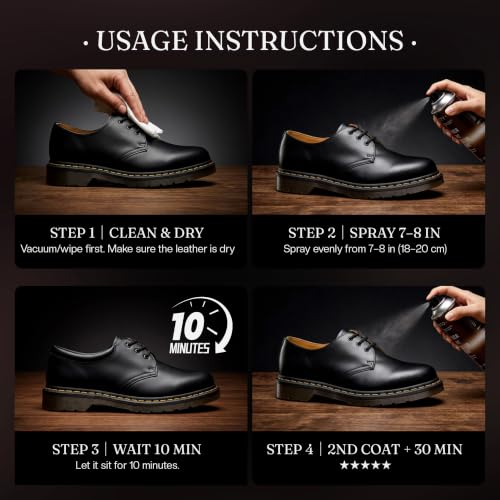
- Coverage: A light, even coat is crucial. Too much product can clog pores and alter the material’s appearance.
- Drying Time: Allow adequate drying time (often 24 hours) before exposing the shoes to the elements.
- Reapplication: Most protectants require regular reapplication – usually every few weeks with heavy use – to maintain their effectiveness. Consider how often you’re willing to reapply when choosing a product.
Balancing Protection with Breathability & Maintenance
A powerful water repellent isn’t always the best choice. Some formulations, particularly those with high silicone content, create a barrier that prevents the leather from breathing, leading to cracking and premature wear. If you’re investing in high-quality leather shoes, maintaining their natural breathability is paramount. If you’re meticulous about care, regular cleaning and conditioning with products like those in our six best shoe polishes will go a long way toward preventing damage and reducing the need for heavy-duty waterproofing. Furthermore, consider pairing your protectant with regular cleaning using one of the top-rated shoe cleaners to keep your shoes looking their best.
A good rule of thumb: if you can’t feel the material breathing after applying the protectant, it’s likely too thick.
Leather Shoe Protectant Compared
Here’s a comparison of key specifications for several leather shoe protectants to help you choose the right product.
| Product Title | Best For | Materials Protected | Waterproofing | Eco-Friendly | Key Features |
|---|---|---|---|---|---|
| Collonil Carbon Pro XL Protector | Best Overall | Suede, Leather, Mesh, Textiles, Gore-Tex | Yes | No | All-purpose, breathable, long-lasting |
| Frye Leather Water & Stain Repellent | Best Premium Brand Protection | Leather, Suede, Nubuck | Yes | Yes (Non-Aerosol) | Invisible shield, allows leather to breathe |
| Gard-More Water & Stain Repellent | Best for Heavy-Duty Outdoor Use | Leather, Suede, Nubuck, Fabric | Yes | No | Heavy-duty, breathable, stain repellent |
| Jason Markk Repel Spray | Best Eco-Friendly Formula | Leather, Suede, Nubuck, Canvas, Nylon | Yes | Yes (Water-based, PFAS-free) | Recyclable packaging, non-aerosol |
| MEKER Mink Oil Leather Conditioner | Best for Conditioning & Waterproofing | Oiled & Natural Leather | Yes | No | Natural formula, conditions & protects |
| Feilove 4-in-1 Mink Oil Kit | Best Value Kit | Leather | Yes | No | Includes brush & towel, conditions & protects |
| FEATRITY Leather & Suede Protector | Best for Dress Shoes | Suede, Leather | Yes | No | Anti-deterioration, prevents water marks |
| BERIOVE Suede Protector Spray | Best for Suede Footwear | Suede, Nubuck | Yes | No | Invisible barrier, maintains texture |
Frequently Asked Questions
What’s the difference between a water repellent and a waterproofing spray?
A water repellent creates a barrier that causes water to bead up and roll off, while a waterproofing spray aims for complete water resistance, preventing any water from penetrating the material. Repellents are generally better for maintaining breathability, while waterproofing is suited for harsh conditions, though it can sometimes compromise how well the leather breathes.
Can I use the same protectant on all my leather shoes?
No, you shouldn’t. Different leather types (smooth, suede, nubuck) require different formulas for optimal protection and to avoid damage. Using a protectant designed for smooth leather on suede, for example, can cause discoloration or stiffness – a dedicated suede protector is best for those materials.
How often should I reapply a leather shoe protectant?
Reapplication frequency depends on how often you wear the shoes and the conditions they’re exposed to. Generally, every 2-4 weeks with regular use is a good guideline, but more frequent applications are needed in wet or harsh environments. Look for signs of water no longer beading on the surface as an indicator it’s time to reapply.
Will a protectant affect the color or texture of my shoes?
High-quality protectants are designed to be invisible and shouldn’t alter the appearance of your shoes. However, some cheaper formulas or improper application can cause discoloration or a change in texture, especially on delicate materials like suede. Always test in an inconspicuous area first.
Are there eco-friendly leather shoe protectant options available?
Yes, water-based and non-aerosol formulas are becoming increasingly popular as eco-friendly alternatives. These options reduce the release of volatile organic compounds (VOCs) into the atmosphere and often come in recyclable packaging. If you’re looking for environmentally conscious choices, consider options like Jason Markk Repel Spray or look for products that specifically state they are PFAS-free. Finding the best leather shoes is a great start, but protecting them is equally important.
The Bottom Line
Ultimately, choosing a leather shoe protectant comes down to balancing how much control you want over the process against how much effort you’re willing to put in. While a versatile option like Collonil Carbon Pro XL Protector offers broad coverage, I believe prioritizing a product specifically formulated for your shoe’s material will yield the best, longest-lasting results. For those serious about preserving their leather investments, a dedicated approach is always worthwhile.
If you’re primarily concerned with protecting a diverse collection, the Collonil Carbon Pro XL Protector remains an excellent choice. For suede specifically, the BERIOVE Suede Protector Spray is a standout, and for those seeking a premium brand experience focused on breathability, the Frye Leather Water & Stain Repellent is a strong contender. And if budget is a primary factor, the Feilove 4-in-1 Mink Oil Kit provides a complete solution at a very accessible price point.
At the end of the day, remember that no protectant can fully compensate for neglecting basic leather care. Consistent cleaning, conditioning with one of the best leather conditioners for boots, and regular application of a quality protectant, alongside choosing the right leather polish rankings, are the cornerstones of preserving your leather footwear – far more important than any single product’s specifications.
