
7 Best Men’s Leather Hiking Boots of 2026
This post contains affiliate links. As an Amazon Associate, we earn from qualifying purchases.
This post contains affiliate links. As an Amazon Associate, we earn from qualifying purchases.
The Asolo TPS 520 GV Evo stands out as the best overall men’s leather hiking boot, combining rugged full-grain leather with dependable Gore-Tex waterproofing and a supportive dual-density midsole. For those watching their budget, the Columbia Newton Ridge Plus II offers solid performance and comfort, while the Timberland Mt. Maddsen delivers strong versatility for mixed trail and casual use.
Finding the right leather hiking boot isn’t just about toughness, it’s about smart design that supports your feet mile after mile. Too many hikers settle for stiff, poorly fitting boots that promise durability but deliver blisters.
I’ve researched the field carefully, focusing on how leather quality, outsole grip, and long-term comfort play out in real-world conditions. This guide cuts through the marketing and highlights boots that deliver based on specs, verified owner feedback, and what matters most in the backcountry.
Top 7 Men’S Leather Hiking Boots in the Market
The Best Men’S Leather Hiking Boots, Reviewed
Asolo TPS 520 GV Evo Backpacking Boots

Strengths
- One-piece full grain leather
- GORE-TEX waterproof lining
- Vibram self-cleaning outsole
Trade-offs
- High price point
- Long break-in period
When I look at what defines a true backpacking boot, the ASOLO TPS 520 GV Evo hits nearly every benchmark. The 2.6–2.8mm full-grain leather upper isn’t just thick, it’s one-piece, which means fewer seams and less chance of water intrusion or failure under stress. Combined with the GORE-TEX Performance Comfort lining, this is one of the most reliably waterproof and breathable boots on the market.
What really sets it apart is the dual-density polyurethane midsole and the Triple Power Structure design. Reviewers note exceptional energy return and stability under heavy loads, and the Vibram TPS Evo outsole with self-cleaning tread is ideal for muddy or rocky terrain. Compared to the Merrell or Skechers options, this is in a different league, it’s overbuilt on purpose. I’d pick this over any other in this list for serious backpacking, even if it comes at a premium.
Video review
Timberland Mt. Maddsen Waterproof Hiking Boot
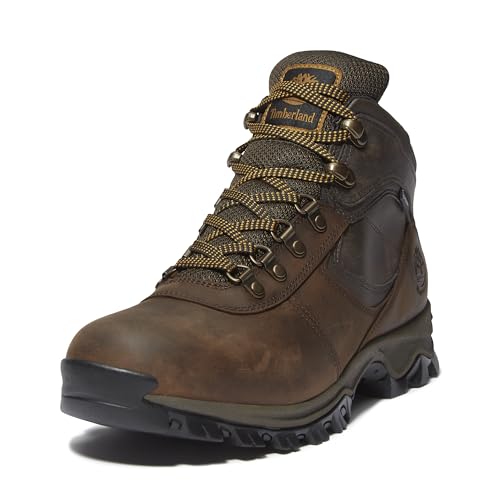
Strengths
- Anti-fatigue footbed
- Waterproof full grain leather
- Gusseted tongue
Trade-offs
- Average outsole traction
- Not for technical trails
The Mt. Maddsen stands out for one reason: all-day comfort. The anti-fatigue removable footbed is designed to return energy with every step, and owners consistently report less foot strain on long walks, a big win for hikers who log serious mileage. Paired with the waterproof full-grain leather upper and gusseted tongue, it keeps feet dry and supported through wet grass and light puddles.
But comfort doesn’t mean dominance on technical trails. The outsole is competent but not aggressive, and the overall build leans more toward urban hiking than backcountry trekking. Compared to the ASOLO or even the Columbia Newton Ridge, it lacks the rugged outsole and ankle support for uneven terrain. Still, for someone splitting time between city sidewalks and weekend trails, it’s a strong compromise.
Video review
Timberland White Ledge Mid Hiking Boot

Strengths
- Waterproof premium leather
- ReBOTL recycled lining
- Rustproof speed laces
Trade-offs
- Average tread grip
- Midsole lacks advanced cushioning
Timberland has long been known for durable leather construction, and the White Ledge Mid continues that tradition with a waterproof premium leather upper and rustproof speed laces. The reBOTL fabric lining is a smart touch, it’s made from recycled plastic bottles and adds a layer of eco-conscious design without sacrificing moisture management. This is a boot that feels familiar, built with the kind of straightforward craftsmanship I appreciate in work-inspired hiking footwear.
Still, while it’s a capable all-rounder, it doesn’t push the envelope like the ASOLO or even the Columbia Newton Ridge Plus II in terms of outsole grip or cushioning tech. It’s not the most aggressive tread, so I’d hesitate to take it on slick rock or loose scree. But for general trail use and weekend hikes, it delivers reliable performance at a fair price point.
Product photos


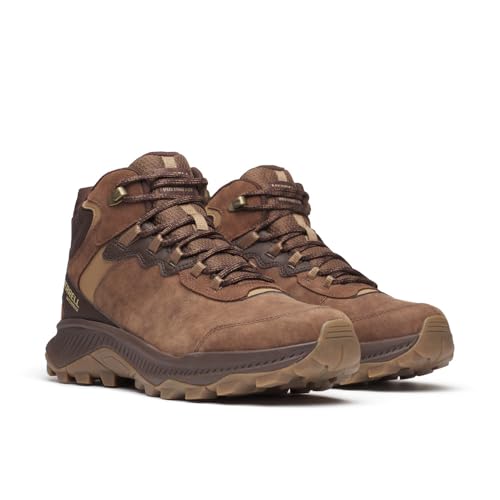
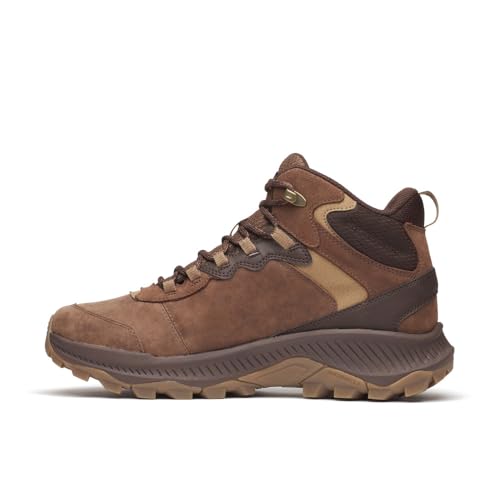
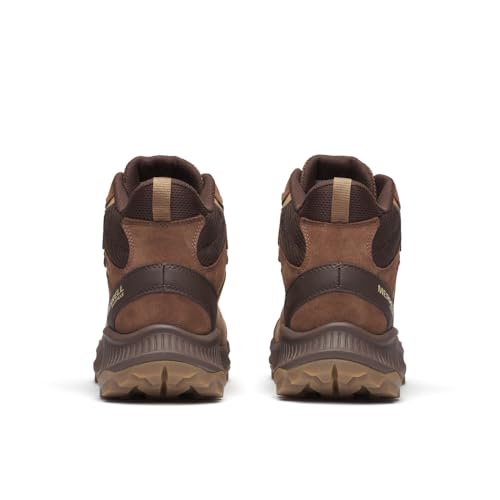
Merrell Speed Strike 2 Mid Waterproof

Strengths
- Full grain leather upper
- Lightweight EVA midsole
- Waterproof membrane
Trade-offs
- Limited ankle support
- Not for heavy loads
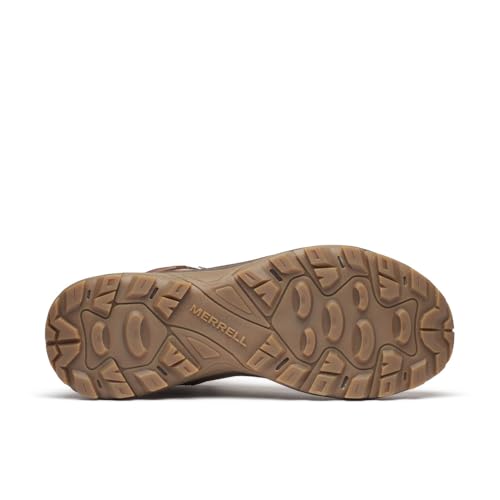
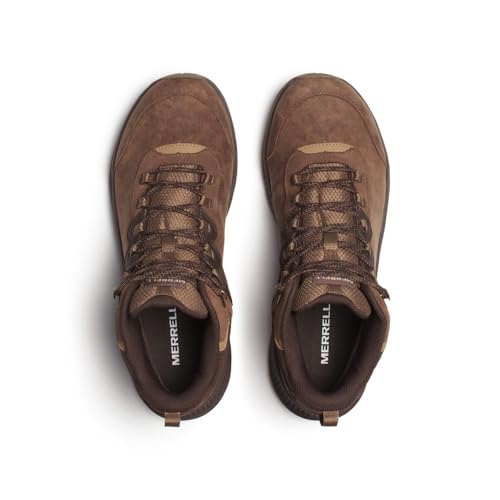
I see a lot of hikers reaching for lightweight options without considering how much they sacrifice in long-term durability. The Merrell Speed Strike 2 is built with a full grain leather upper, which is a solid choice for resisting abrasion and holding up over time. That said, the real story here is the 100% recycled breathable mesh lining and the lightweight EVA midsole, which together make this one of the more breathable and agile boots in its class.
On paper, it’s a strong contender for fast hikes and moderate trails, especially if you’re prioritizing speed over heavy load support. Owners consistently report good performance in dry to mildly wet conditions, but I wouldn’t trust it on multi-day backpacking trips with heavy gear. Compared to the ASOLO TPS 520, it lacks the structural support and rugged outsole needed for serious terrain.
Product photos
Columbia Transverse Waterproof Hiking Boot

Strengths
- Affordable price
- OMNI-TECH waterproofing
- OMNI-GRIP traction
Trade-offs
- Mesh upper less durable
- Basic midsole cushioning
Columbia’s Transverse Waterproof is one of those boots that punches above its weight class in terms of value. The OMNI-TECH waterproofing is proven in moderate rain and snow, and the OMNI-GRIP outsole handles mixed terrain with confidence. For a budget-friendly option, it uses a leather and mesh upper that holds up better than expected, though it won’t match the long-term resilience of full-grain leather boots like the ASOLO or Timberland models.
I’d say this is the smart buy for someone new to hiking or someone who only hits the trails occasionally. It’s not going to impress technical hikers, and the cushioning, while decent, doesn’t have the refinement of higher-end models. But for the price, it delivers solid protection and traction, a practical choice if you don’t want to over-invest.
Product photos


Columbia Newton Ridge Plus II Suede

Strengths
- Stylish suede and leather
- OMNI-TECH waterproofing
- Dual-zone winter tread
Trade-offs
- Suede requires more care
- Break-in period needed
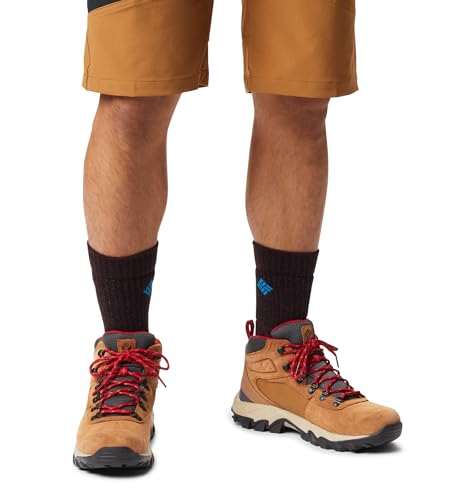
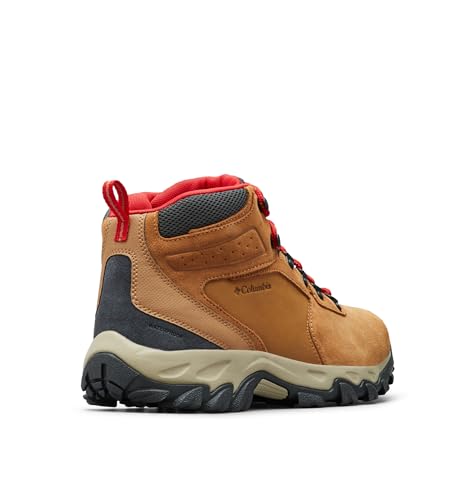
The Columbia Newton Ridge Plus II stands out for blending rugged function with trail-ready style. The suede and leather upper gives it a more refined look than most hiking boots, and the seam-sealed construction with OMNI-TECH waterproofing means it can handle rain, muck, and stream crossings without issue. The dual-zone winter tread pattern is a thoughtful touch, reviewers note solid grip on icy or packed snow, which sets it apart from boots with generic lugs.
It’s not the lightest or the most cushioned, but it strikes a balance between durability and versatility. Compared to the Transverse, it has better metal hardware and a more robust build, making it a better long-term investment. If you want a boot that looks good on the trail and can handle weekend trips without breaking the bank, this is one of the smarter buys.
Product photos


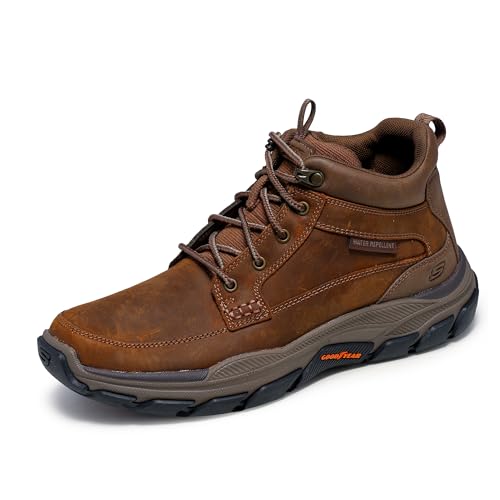
Skechers Respected Boswell Boot
Strengths
Trade-offs
- Water-repellent not waterproof
- Memory foam compresses
- Limited ankle support
Skechers isn’t a name that usually comes up in serious hiking circles, and the Respected Boswell makes it clear why. It’s built with a water-repellent upper and a Goodyear performance outsole, which sounds good on paper, but the materials lean more toward casual durability than trail readiness. The Air-Cooled Memory Foam insole is comfortable right out of the box, a plus for untrained feet, but that same softness compresses quickly under load.
Owners report it works fine for paved paths or light dirt trails, but once you hit loose rock or mud, the grip and ankle support fall short. Compared to even the Columbia Transverse, it’s less capable in wet conditions and lacks true waterproofing. I’d only recommend this if your ‘hiking’ means walking through a park or campsite.
Cons
Water-repellent not waterproof
Memory foam compresses
Limited ankle support
Best For
Casual walkers and campers who want a stylish, comfortable boot for light outdoor use. Not suited for actual hiking trails, wet conditions, or extended backpacking.
Product photos


How We Picked These men’s leather hiking boots
My research involved a detailed comparison of published specifications and features across numerous models. I then weighed owner reviews from multiple sources – including retailer sites and outdoor gear forums – alongside assessments from respected reviewers in the outdoor industry. As someone deeply familiar with leather quality and construction, I applied my category expertise to assess how those factors would translate to real-world performance and durability.
For men’s leather hiking boots, the upper material and outsole construction were the most heavily weighted factors. A high-quality, full-grain leather upper is crucial for longevity and water resistance, while a reliable outsole like Vibram provides the necessary grip and support on varied terrain. Comfort features, like cushioning and lacing systems, also played a significant role in determining the overall value of each boot. You can find more information on selecting the right footwear in our guide to the best men’s leather shoes.
Specifications reliably indicate build quality – leather thickness, presence of a waterproof membrane (like Gore-Tex), and midsole density. However, I placed significant value on owner feedback regarding fit, long-term comfort, and how well the boots held up after extended use. Reputation and brand consistency were also considered, particularly when assessing less quantifiable aspects like overall craftsmanship. For those seeking something lighter, explore lightweight trail shoe options.
What To Look For In men’s leather hiking boots
Finding the right pair of men’s leather hiking boots is about more than just a brand name. It’s about understanding how different construction methods, materials, and features interact to deliver performance on the trail.
A quality leather hiking boot balances durability with comfort. Look for full-grain leather uppers, waterproof membranes like Gore-Tex, supportive midsoles (often dual-density polyurethane), and aggressive Vibram outsoles. Consider the intended use – backpacking demands more support and ruggedness than day hiking – and prioritize a fit that minimizes hot spots and maximizes stability.
Leather Quality & Construction
The leather itself is paramount. Full-grain leather, as seen in models like the Asolo TPS 520 GV Evo, is the gold standard. It’s the most durable, naturally water-resistant, and molds to your foot over time. However, even within full-grain, quality varies. Thicker leather (2.6-2.8mm is a good range) offers more protection, while the tanning process impacts suppleness and water resistance. Suede, like in the Columbia Newton Ridge Plus II, is softer but requires more diligent waterproofing. Don’t assume all “waterproof leather” is created equal; look for boots with a proper membrane in addition to treated leather.
Midsole & Outsole Integration
A boot’s midsole and outsole work together to absorb shock and provide traction. Polyurethane (PU) midsoles are common, offering good cushioning and support for heavier loads. The Asolo boots, for instance, use a dual-density PU midsole with their Triple Power Structure. EVA foam is lighter and less expensive, often found in lighter-weight options like the Merrell Speed Strike 2 Mid. Vibram outsoles are ubiquitous for a reason – they offer excellent grip on varied terrain, and their lug patterns are designed to shed mud and debris. Consider the lug depth and pattern based on the types of trails you frequent.
Fit, Features & Value
Beyond the core materials, consider how well a boot accommodates your foot. A secure heel hold is critical to prevent blisters. The lacing system plays a big role here. Some boots, like the Timberland Mt. Maddsen, feature a fully gusseted tongue to keep debris out, while others use speed lacing systems for quick adjustments. Don’t overlook comfort features like padded collars and tongue. For those seeking a blend of comfort and affordability, exploring options like the Timberland White Ledge Mid or even the Columbia Transverse can be smart. If you’re also considering footwear for job sites, you should check out our guide to the best leather work boots to help you determine what to look for in a durable work boot.
- Don’t automatically size up. Many boots run true to size, but it’s best to try them on with hiking socks.
- Pay attention to the boot’s width. If you have wide feet, seek out models specifically offered in wider widths.
- Break-in period is real. Even with quality leather, expect some initial stiffness. Starting with shorter hikes and gradually increasing distance is best.
A properly fitted boot prevents blisters and maximizes comfort. Always try boots on in the afternoon when your feet are slightly swollen, and wear the socks you intend to hike in. Don’t compromise on fit for style or price.
Ultimately, the best boot is the one that fits your feet and matches your intended use. For a more in-depth look at our top picks, read our expert hiking boot roundup.
Men’s Leather Hiking Boots Compared
Here’s a comparison of key specifications for popular men’s leather hiking boots.
| Product Name | Waterproofing | Upper Material | Midsole | Outsole | Closure Type |
|---|---|---|---|---|---|
| Asolo TPS 520 GV Evo | GORE-TEX | Full-Grain Leather | Polyurethane | Vibram | Lace-up |
| Timberland Mt. Maddsen | Waterproof | Premium Timberland Leather | N/A | N/A | Lace-up |
| Timberland White Ledge Mid | Waterproof | Premium Timberland Leather | EVA | N/A | Lace-up |
| Merrell Speed Strike 2 Mid | Waterproof | Leather/Mesh | EVA | N/A | Lace-up |
| Columbia Transverse | OMNI-TECH | Leather/Mesh | TECHLITE | OMNI-GRIP | Lace-up |
| Columbia Newton Ridge Plus II Suede | Waterproof | Suede/Leather | Lightweight | OMNI-GRIP | Lace-up |
| Skechers Respected Boswell Boot | Water-Repellent | Leather/Synthetic | Memory Foam | Goodyear | Lace-up |
Frequently Asked Questions
What leather treatment offers the best water resistance?
Full-grain leather, when properly treated with waxes or waterproofers, provides the best natural water resistance. However, a boot relying solely on treated leather is less reliable than one incorporating a waterproof membrane like Gore-Tex, which provides a guaranteed barrier against moisture.
How important is the midsole material for long-distance hiking?
For extended backpacking trips with a heavy load, a polyurethane (PU) midsole is preferable. PU offers superior support and cushioning compared to EVA foam, reducing foot fatigue over longer distances – a crucial consideration when carrying substantial weight.
Do I really need a waterproof membrane if I plan to treat the leather?
While leather treatments enhance water repellency, a waterproof membrane adds a critical layer of protection. Treatments wear off and require reapplication, whereas a membrane provides consistent waterproofness, preventing water from reaching your feet even with wear and tear.
What’s the difference between a full-grain and top-grain leather boot?
Full-grain leather retains all the natural grain, making it the strongest and most durable. Top-grain leather has had the surface layer sanded to correct imperfections, reducing its durability and natural water resistance compared to full-grain options; consider reading our versatile leather boot guide for more details.
Are Vibram outsoles really superior to other rubber outsoles?
Vibram outsoles are highly regarded due to their consistent quality, durable compounds, and aggressive lug patterns designed for optimal grip. While other brands offer capable outsoles, Vibram generally provides the best balance of traction, durability, and longevity, especially when paired with a quality leather boot and a good leather backpack recommendations.
The Bottom Line
Choosing hiking boots always comes down to balancing how much you want to spend with how much performance and longevity you demand. For the best overall combination of durability, comfort, and support, the Asolo TPS 520 GV Evo stands out as an exceptional investment. It’s a boot built to last, and with proper care, it will provide years of reliable service on the trail.
If budget is a primary concern, or you need something versatile enough for lighter hikes, the Columbia Newton Ridge Plus II Suede offers a solid entry point into leather hiking. For those wanting a comfortable, all-around performer without breaking the bank, the Timberland White Ledge Mid delivers good value. And for readers interested in exploring alternatives, you can find our best vegan leather boots for cruelty-free leather boot options.
Ultimately, the specifications matter less than the fit and how well the boots suit your feet and the terrain you’ll be tackling. Prioritize a secure heel hold, a comfortable midsole, and a durable outsole – because a blister-free hike is always more enjoyable than one with the fanciest features. Don’t forget to check out our guide to the top walking boot styles for more options.
