
How to Soften Leather Gloves for Deerskin, Cowhide & Dress
This post contains affiliate links. As an Amazon Associate, we earn from qualifying purchases.
To soften leather gloves, you need to match the method to the leather type, use a conditioner with lanolin or beeswax sparingly, and apply consistent, gentle pressure through wear, not force.** The goal is suppleness, not a complete loss of structure. Skipping a cleaning with saddle soap first is the most common mistake; dirt and sweat block the leather’s pores, preventing any conditioner from being absorbed.
The difference between a glove that’s broken in and one that’s just worn out comes down to the fibers inside the hide. Cowhide has tight, parallel fibers that resist movement, while deerskin has a looser, multidirectional weave that yields faster. Your approach needs to account for that. Trying to rush the process with heat or soaking doesn’t just fail; it actively damages the leather’s integrity, leaving it brittle or misshapen.
What follows is a leather-specific breakdown: which gloves soften naturally, which need help, the step-by-step process that works, and the exact mistakes that ruin good gloves. You’ll know which product to reach for and when to just wear them.
Key Takeaways
- **Clean before you condition.Dirt and salt block absorption; a quick wash with diluted saddle soap or a damp cloth is essential.
- Leather type dictates the timeline. Deerskin gloves can feel supple in 10-20 wears; quality cowhide may need 50+ wears or consistent off-hand use.
- Less is more with oils. A light, even coat of a dedicated leather conditioner or mink oil is all you need, saturating the leather makes it too soft too fast and can weaken seams.
- Wear is the best tool. The single most effective method is wearing the gloves during everyday activities, not just their intended use, to flex the leather in varied directions.
- Never force-dry with heat. Always air-dry gloves flat and away from direct heat; a dryer or heater will cook the leather, making it stiff and prone to cracking.
Why Some Leather Gloves Are Stiff to Begin With
New leather gloves aren’t supposed to feel like a second skin right out of the box. That resistance is often a sign of quality. Full-grain leather, especially vegetable-tanned cowhide used in durable work gloves, starts stiff because its fibers are densely packed and the tannins haven’t fully settled. A cheap, corrected-grain glove might feel softer initially because the top layer has been sanded and coated, but it won’t develop a patina or last as long.
The technical reason: Vegetable tanning uses natural tannins from tree bark, which bond tightly with the collagen fibers in the hide. This creates a stiff, moldable leather that softens gradually with use and care. Chrome-tanned leather, common in fashion gloves, is softer from the start due to a faster chemical process, but it doesn’t age as characteristically.
The leather’s thickness and purpose are your guides. A thin deerskin driving glove from Chester Jefferies is designed for dexterity and will soften relatively quickly. A thick, lined cowhide winter glove from Hestra is built for insulation and abrasion resistance, its break-in is a longer, more deliberate project. Expecting the latter to feel like the former after a weekend is misunderstanding the material.
The Step-by-Step Softening Process
This isn’t a single trick. It’s a sequence that respects the material. Rushing any step risks a bad result.
1. Clean the Gloves
This is the step almost everyone skips, and it’s why their conditioning attempts fail. Sweat, dirt, and skin oils sit on the surface and in the pores, creating a barrier. You need a clean slate. – Mix a small amount of saddle soap (like Fiebing’s) or mild, oil-based soap with warm water. – Using a soft cloth, gently wipe down the entire exterior of the glove. Focus on the palm and finger areas. – Rinse the cloth thoroughly and wipe away all soap residue. It may take a few passes. – Gently squeeze out excess water, never wring. Then, blot with a dry towel.
2. Condition (The Right Way)
Now the leather can drink. The goal is to replenish natural oils lost in tanning and drying, not to drown it. .### Choosing Your Conditioner – For general softening: A dedicated leather conditioner like Bickmore Bick 4 or Lexol Leather Conditioner. They’re designed to nourish without darkening. – For water resistance and a faster break-in: A tiny amount of mink oil or a beeswax-based product (like Otter Wax). Be warned: these will darken the leather significantly. – What to avoid: Petroleum jelly, silicone sprays, or any “magic” softener. They sit on top, clog pores, and can degrade stitching over time.
Common mistake: Applying conditioner to the palms of motorcycle or work gloves. This can ruin your grip. Condition the back of the hand and fingers only, leaving the palm to develop its own wear pattern.
3. Work the Leather
Conditioning alone isn’t enough. You need to introduce movement. – Wear them off-bike/off-duty: This is the golden rule. Wear the gloves while driving, doing light chores, or working at your desk. The varied, subtle movements of your hands in daily life flex the leather in dozens of tiny ways a single activity doesn’t. – Manual flexing: Sit and gently bend the glove at the knuckles, fold the fingers, and twist the wrist area. Do this for a few minutes a day. Listen for the leather, a soft, creaking sound is good; a sharp cracking noise is bad. – The ball method (for shaping): For baseball gloves or to help form a pocket, placing a ball inside and wrapping the glove with rubber bands overnight can guide the softening into a specific shape. For other gloves, it’s less useful.
4. Dry and Store Correctly
If you’ve cleaned them, drying is critical. Never put leather gloves in a bag, drawer, or worse, a clothes dryer while damp. – Stuff the fingers and palm with a dry washcloth or paper towels to help them hold their shape. – Lay them flat on a towel in a well-ventilated area, away from direct sunlight or heaters. – Let them dry completely, which can take 2-3 days. Patience here prevents stiff, curled fingers.
| Step | Key Action | What Happens If You Skip It |
|---|---|---|
| 1. Clean | Remove surface debris with damp cloth/diluted soap. | Conditioner sits on top, never absorbs; dirt grinds into leather, causing wear. |
| 2. Condition | Apply thin, even coat of appropriate product. | Leather stays dry and brittle; repeated flexing can cause micro-cracks. |
| 3. Work | Wear during daily activities & manually flex. | Leather softens unevenly; stiff spots remain, causing discomfort and blisters. |
| 4. Dry/Store | Air-dry flat, stuff with cloth, store open. | Gloves dry misshapen, fingers curl, leather becomes stiff and can mildew. |
Leather-Specific Softening Guides
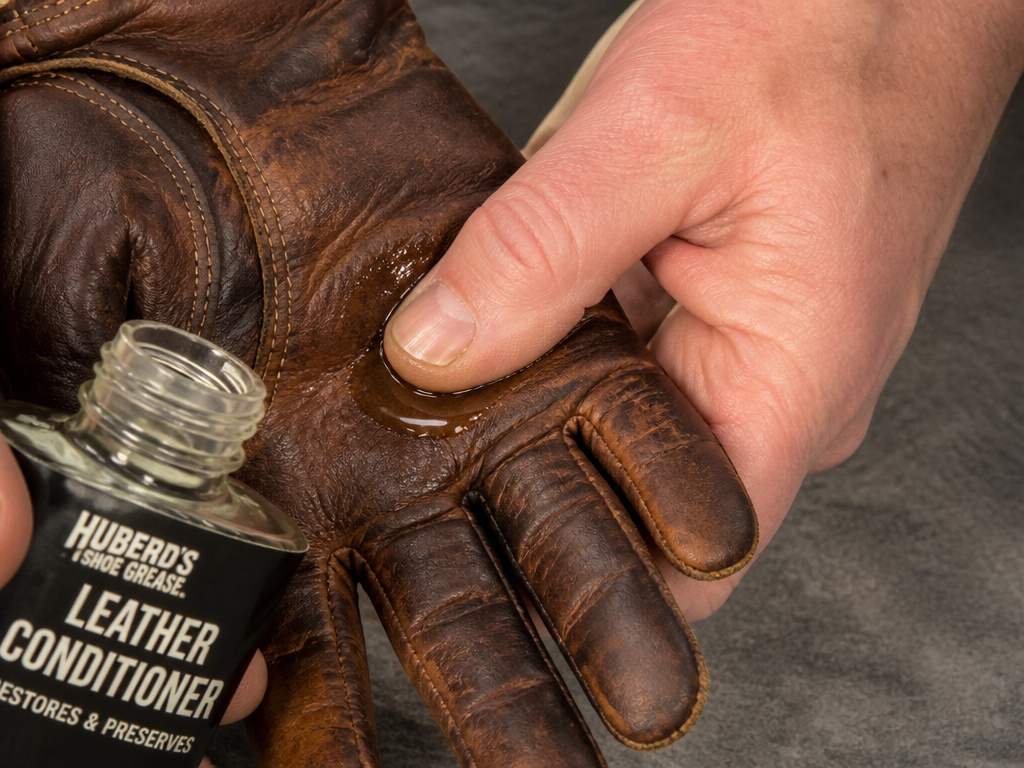 Not all leathers respond the same. Your strategy should change based on what you’re holding.
Deerskin Gloves
Deerskin is the luxury performance leather. It’s naturally oil-rich and has a multidirectional fiber structure. It wants to soften. – Timeline: You’ll notice a significant difference after 5-10 wears. Full break-in happens in 15-20 wears. – Method: Wear is 90% of the process. A single, light conditioning before the first wear can help. Avoid heavy oils; deerskin’s own oils do most of the work. – Feels like when done: Like a supple, thin second skin with incredible breathability.
Cowhide Leather Gloves
This is the workhorse. Dense, durable, and initially unforgiving. – Timeline: Budget for a long game. 50+ wears is common for thick work gloves. Consistent off-hand wear speeds this up dramatically. – Method: Conditioning is more important here. Apply Lexol Leather Conditioner.com/best-leather-softeners/) every few weeks during the initial break-in period. Combine with consistent manual flexing and wear. – Feels like when done: Softer and more flexible, but will always retain more structure and heft than deerskin. The palm will mold to your grip.
Dress Gloves (Lambskin, Calfskin)
Fragile by design. The goal is gentle suppleness, not rugged flexibility. – Timeline: A few careful wears. – Method: Avoid most conditioners. Instead, wear them gently. If they are very stiff, a minuscule amount of a specialized, light conditioner like Saphir Médaille d’Or Pommadier Cream can be applied with a fingertip. – Feels like when done: Silky and smooth, with a delicate drape.
Where this goes sideways: Using mink oil on light-colored dress gloves. It will darken them dramatically and unevenly, turning a cream-colored glove into a blotchy tan one. That change is permanent.
Common Mistakes and How to Avoid Them
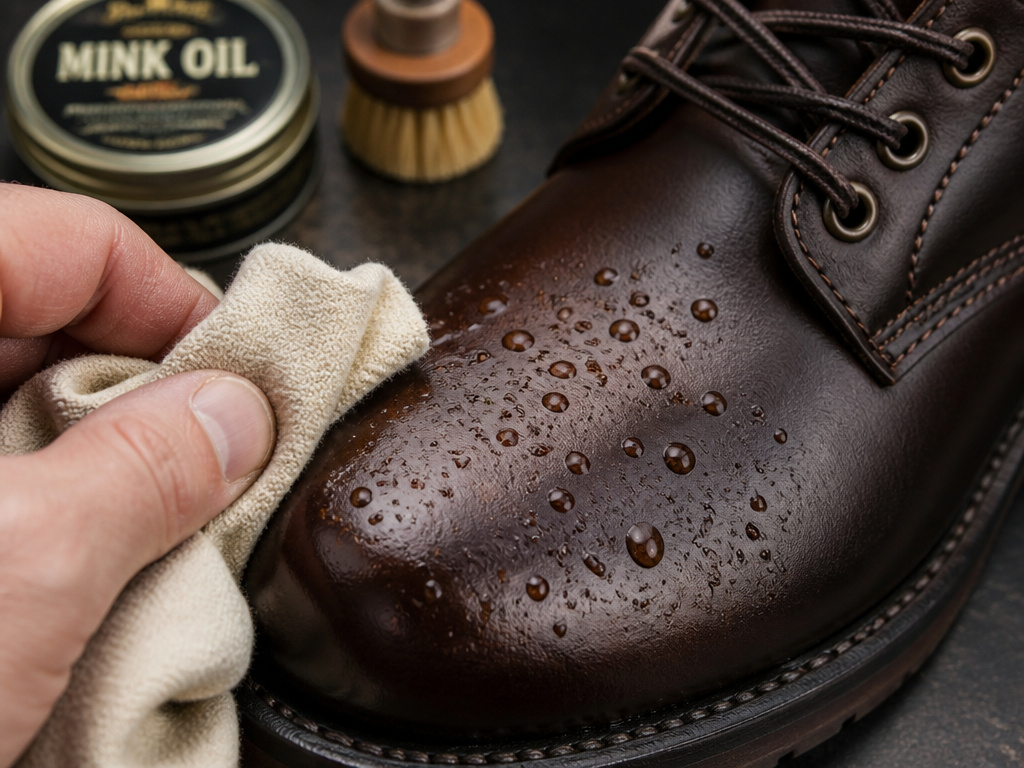 I’ve seen gloves ruined by enthusiasm. Here’s what to steer clear of.
Using Heat (Oven, Hair Dryer, Hot Water)
This is the fastest way to ruin good leather. Heat rapidly dries out the natural oils and moisture, causing the fibers to contract and become brittle. The glove might feel softer for a day, but it will soon feel like stiff cardboard and is prone to cracking. The damage is irreversible.
Over-Conditioning
More is not better. Saturating leather weakens its fiber structure. It can make the leather too soft, causing it to stretch out of shape and lose its protective qualities. Stitching can also rot if soaked in oil. A pea-sized amount of conditioner for both gloves is often sufficient.
Wearing Them Soaking Wet
The old trick of wearing gloves in the shower or a rainstorm to stretch them is a disaster. As the waterlogged leather dries on your hand, it tightens and can shrink. It also places immense stress on the seams, which are the first point of failure. I’ve seen multiple bags where the strap attachment points failed not from wear, but from being stitched with thread that was too weak for the load. The same principle applies to gloves; wet leather stretches the material but not the thread, leading to torn seams.
Using the Wrong Products
Silicone sprays, petroleum jelly, and household cleaners strip or clog the leather’s pores. They create a superficial shine or softness that doesn’t last and often prevents any future proper conditioning from penetrating. Stick to products made for fine leather care.
| Mistake | Why It’s Bad | The Correct Alternative |
|---|---|---|
| Applying conditioner to dirty gloves | Creates a greasy, dirt-trapping barrier. | Always clean with a damp cloth first. |
| Using heat to accelerate drying | Makes leather brittle and prone to cracks. | Air-dry flat, away from direct heat. |
| Soaking gloves to stretch/soften | Stresses seams, causes shrinkage, distorts shape. | For tight gloves, use a dedicated stretching spray and wear off-duty. |
| Storing damp gloves crumpled up | Causes mildew, permanent creases, and stiffness. | Stuff with paper, lay flat to dry, then store open. |
How to Tell When Your Gloves Are Perfectly Softened
You’re not aiming for a limp rag. A well-softened glove still has memory and returns to its shape. – The fold test: Gently pinch the leather on the back of the hand. It should fold smoothly with minimal resistance, leaving a soft crease that slowly relaxes out, not a sharp, white line. – The feel: They should feel comfortable immediately upon putting them on, with no pinching or pressure points. The leather will feel warm and pliable, not cold and rigid. – The performance: You have full dexterity. You can make a fist, grip a steering wheel, or handle tools without fighting the material. The glove moves with you, not against you.
If your gloves reach this state, your job shifts from softening to maintenance. A light conditioning every 4-6 months, depending on use, and proper storage will keep them that way for years.
Frequently Asked Questions
Can I use mink oil to soften new leather gloves?
Very light application can help, but use restraint. Mink oil darkens leather significantly and can over-soften delicate leathers like deerskin if used heavily. For most gloves, a dedicated leather conditioner like Bick 4 is a safer first choice. Reserve mink oil for gloves where added water resistance is a priority.
How long does it take to soften leather gloves naturally?
It depends entirely on the leather. Deerskin gloves can feel supple within a week or two of regular wear. Thick cowhide work gloves might take a month or more of consistent use. The “natural” method, simply wearing them, is always the safest and most effective in the long run.
Will saddle soap soften my gloves?
No. Saddle soap is a cleaner. Its purpose is to remove dirt, sweat, and old polish. It can slightly hydrate the surface, but it does not contain the oils and fats needed to soften and nourish the leather fibers. You should use saddle soap to clean before you apply a conditioner designed to soften leather.com/how-to-soften-leather/).
What’s the difference between softening and stretching gloves?
Softening is about making the leather material itself more pliable and flexible. Stretching is about physically increasing the dimensions of the glove. You often need to do both for tight gloves. Always soften the leather first with conditioning and wear; then, if they’re still too snug, use a gentle stretching spray or wear them with thin liner socks to incrementally stretch leather gloves to size.
My gloves got stiff after getting wet. How do I fix this?
This is usually due to mineral deposits from hard water or soap residue. Clean them again with a damp cloth and a tiny bit of vinegar diluted in water to dissolve the deposits. Let them dry completely, then apply a conditioner. The stiffness should subside. To prevent this, always waterproof leather gloves with a protector containing fluoropolymers before exposing them to the elements.
Can I use these methods on other leather goods?
Absolutely. The same principles of clean, condition, and gentle manipulation apply to soften leather shoes, soften leather boots, and soften a leather jacket. The main difference will be the frequency of conditioning and the specific products recommended for different types of leather and finishes.
The Bottom Line
Softening leather gloves is a test of patience, not force. The right sequence, clean, condition, wear, dry properly, always beats any shortcut.
If you take one thing away, let it be this: never condition dirty gloves. That single misstep is the reason most people’s softening efforts fail. Get that right, and the rest is just consistent, gentle care. Your gloves will mold to your hands, not the other way around.
