
8 Best Chamois Leathers of 2026
This post contains affiliate links. As an Amazon Associate, we earn from qualifying purchases.
This post contains affiliate links. As an Amazon Associate, we earn from qualifying purchases.
The SHEEPSKIN ELITE XL stands out as the best overall chamois leather for its unmatched absorbency and generous 24″ x 36″ size, making it ideal for cars and boats. For a more budget-friendly option, the Chamois Towel 15″x25″ delivers solid performance on smaller jobs, while the RIVERLAKE 35″x23.6″ offers a unique deerskin alternative prized for softness and durability.
Choosing the right chamois can be frustrating, many claim to be premium, but only genuine, traditionally tanned leather delivers that perfect blend of water-holding power and scratch-free softness. As someone who’s spent years studying leather at LeatherGenesis.com, I know the difference comes down to material, tanning method, and care.
This guide cuts through the noise by focusing on what actually matters: real absorbency, long-term durability, and proper maintenance. Our picks are based on a deep explore product specs, owner feedback, and tanning practices, not marketing claims.
Top 8 Chamois Leather in the Market
The Best Chamois Leather, Reviewed
SHEEPSKIN ELITE XL Mega Size Chamois
Strengths
- Maximum coverage
- Durable sheepskin
- Superior water retention
Trade-offs
- Bulky when wet
- Slight fish smell initially
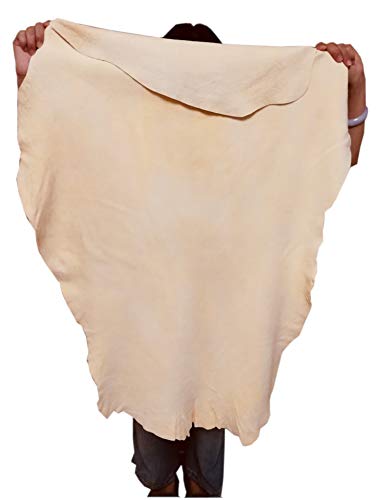
This is the largest sheepskin chamois in the lineup, and for good reason, it’s the most balanced option for serious users. At 5.7 sq ft, it covers wide panels in fewer swipes than smaller models, and owners consistently say it feels thicker and more resilient than average. The cod oil tanning gives it that classic softness and water-holding power, and it maintains shape well over time.
Compared to the 5 sq ft version from the same brand, this one adds just enough extra surface to justify the slight bump in price. It’s not quite as nimble as the midsize options, but for full-sized vehicles, I’d pick this over smaller ones every time. Just make sure you have space to dry it flat and out of sunlight.
Video review
MAQIHAN Extra Large 23.6″x35.4″ Chamois

Strengths
- Exceptional value
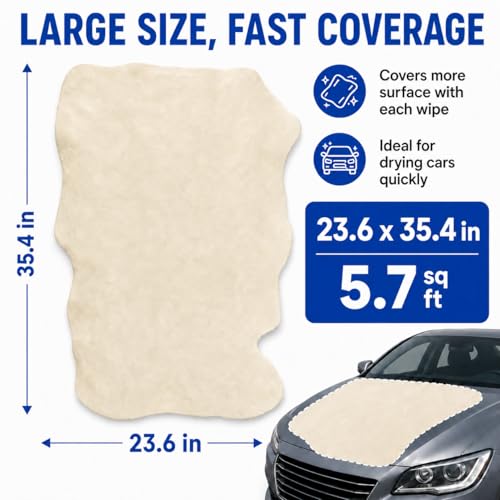
- Large 5.7 sq ft size
- Genuine sheepskin
Trade-offs
- Durability varies
- Fishy odor on arrival
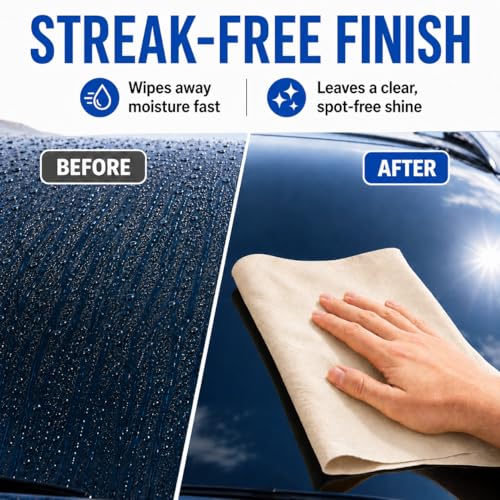
At 5.7 sq ft and priced under $10, this MAQIHAN chamois is a value bomb. It matches the size and material specs of premium models but costs a fraction. Reviewers are surprised by how well it performs straight out of the package, soft, absorbent, and gentle on paint. The sheepskin is tanned traditionally, so expect the same mild fish scent, but it washes out quickly.
What’s striking is how many owners say it rivals chamois twice its price. The only caveat? Longevity reports are mixed, some get years of use, others notice thinning after heavy cycles. Still, for the price, it’s hard to fault. If you’re skeptical about investing in leather, this is the safest way to test the waters.
Product photos



XamPro English Premium Natural Chamois
Strengths
- Superior craftsmanship
- Excellent softness
- Eco-conscious tanning
Trade-offs
- Higher price point
- Limited size options
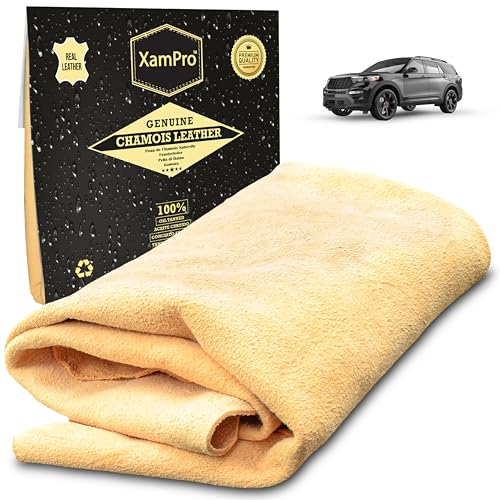
This UK-made chamois feels like it’s in a different class. At 4.5 sq ft, it’s not the largest, but the craftsmanship is noticeably better. Made using traditional European methods, it’s softer, more consistent in thickness, and holds water like a sponge without feeling sloppy. Reviewers often say it “feels more expensive”, and it is.
Compared to mass-market sheepskin chamois, this one resists tearing and maintains its texture over time. The natural shape reduces waste and improves grip, and the absence of harsh chemicals in tanning makes it more eco-friendly. If you’re a detailer or enthusiast who values longevity and precision, this is worth the premium.
Video review
Chamois Cloth 2 Pack 24″x16″

Strengths
- Two for the price of one
- Real leather
- Good for small jobs
Trade-offs
- Still small for full drying
- Durability not long-term
A two-pack of real leather chamois at this price is rare, and that’s the main draw here. Each cloth is 2.58 sq ft, slightly larger than the solo budget model, and made from genuine sheepskin with the expected fishy scent on arrival. Owners appreciate having a spare, especially if they rotate drying and washing.
The performance is on par with other entry-level leather chamois: good initial absorbency, soft on paint, but not as durable as premium options. Since they’re smaller, they’re better suited for windows, trim, or small cars. I’d recommend this set for casual users who want to try leather without commitment.
Product photos


Chamois Towel 15″x25″

Strengths
- Low cost
- Compact and portable
- Genuine leather
Trade-offs
- Too small for full cars
- Less absorbent per pass
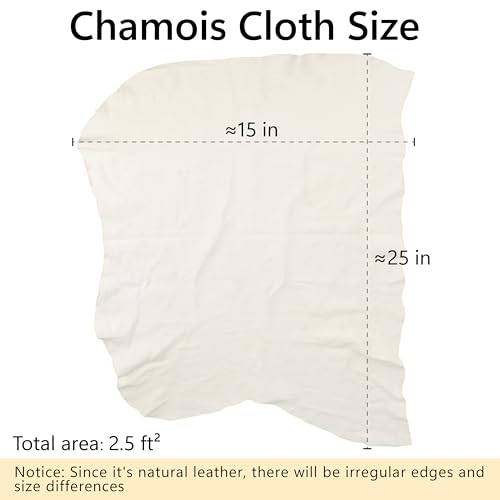
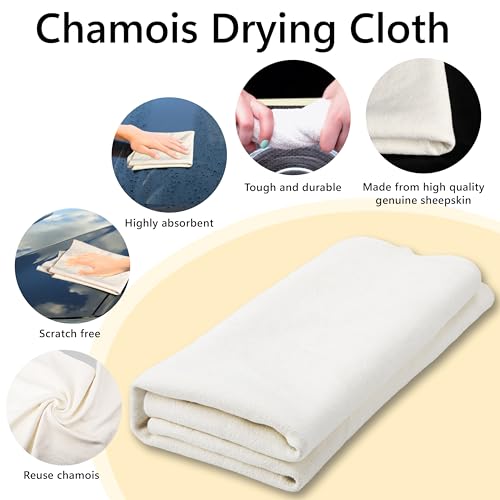
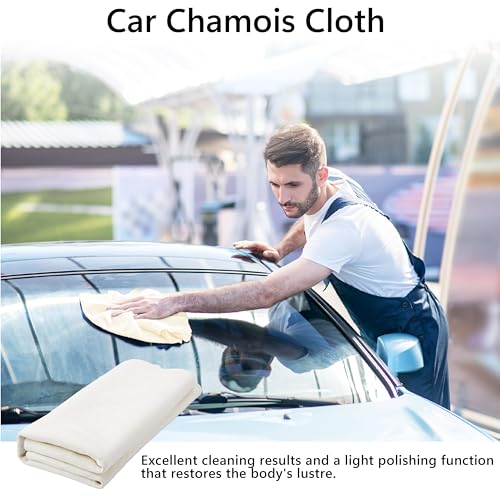
This is the smallest chamois here, and it shows. At just 2.5 sq ft, it’s best for spot drying, windows, or small cars. The sheepskin is real and tanned with deep sea fish oil, so it absorbs well for its size, but you’ll need multiple passes on anything larger than a hatchback.
Owners who use it for motorcycles, bikes, or detailing interiors love the compact size. But if you’re drying a full sedan, you’ll be swapping and wringing constantly. It’s also the thinnest in the group, so it dries fast but doesn’t hold as much water per pass. For the price, it’s a solid entry-level pick, just don’t expect full-body efficiency.
Product photos

SHEEPSKIN ELITE 3.7-4.2 sq ft Chamois

Strengths
- Genuine sheepskin leather
- Good absorbency
- Easy to handle size
Trade-offs
- Fishy odor initially
- Slight size variance
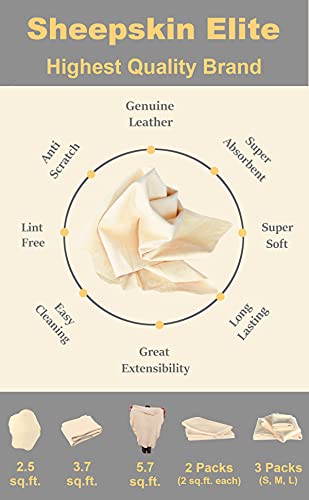
This mid-size chamois hits the sweet spot for most car owners who want real leather performance without wrestling with a giant sheet. The 3.7–4.2 sq ft size is manageable and covers enough surface area to dry a sedan or coupe efficiently. Owners consistently report that the deep sea cod oil tanning gives it a soft hand feel and strong water pull, though the initial fishy smell is real, but fades fast with proper washing.
On paper, it’s identical in material and care to other SHEEPSKIN ELITE models, just scaled down. If you’re working on smaller vehicles or prefer more control during drying, this is a smarter pick than the larger versions. I’d still recommend pre-washing it thoroughly to clear the tanning residue, as reviewers note this step makes a big difference in performance.
Product photos


RIVERLAKE 35″x23.6″ Natural Chamois

Strengths
- Deerskin leather
- Excellent absorbency
- Large, cuttable size
Trade-offs
- More fragile than sheepskin
- Requires careful drying
This deerskin chamois stands out in a field dominated by sheepskin, and that’s a big deal. Deerskin is naturally more porous and stretchy, which translates to even better absorbency and conformability over curved panels. At 35” x 23.6”, it’s one of the largest single pieces here, making it a favorite among owners with big rigs or boats.
Reviewers praise its ability to cling to surfaces and pull water like a magnet, though it demands more careful drying than sheepskin, deerskin is thinner and more delicate if mishandled. The irregular shape is a plus for custom cutting, but it won’t appeal to those who like uniform edges. If you’re after maximum water lift and don’t mind extra care, this is a dark horse contender.
Product photos


SHEEPSKIN ELITE 5 sq ft Chamois

Strengths
- Larger drying surface
- High absorbency
- Genuine leather
Trade-offs
- Less maneuverable
- Initial odor present
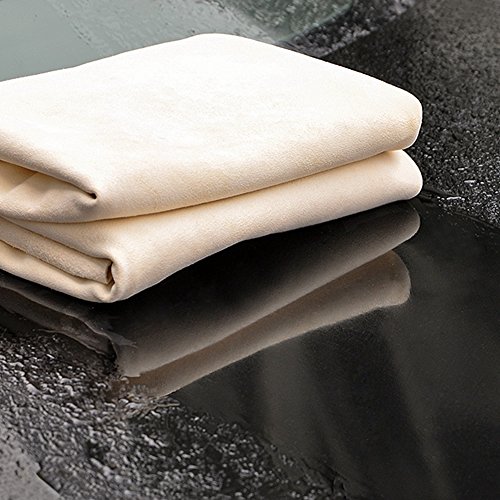
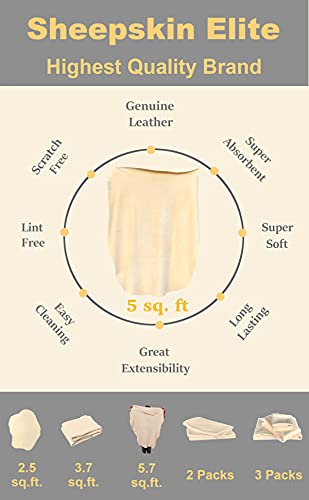
At 5 sq ft, this chamois is built for speed. The extra surface area means fewer passes over a large hood or roof, which is exactly why owners of trucks and SUVs lean toward this size. The material is the same high-grade sheepskin tanned with deep sea cod oil, so you get that classic chamois softness and water-lifting ability.
Compared to the smaller 3.7 sq ft version, this one reduces drying time noticeably, assuming you can manage the flapping fabric on a windy day. Some reviewers mention it takes a bit more finesse to wring without tearing, but durability feedback is solid if cared for properly. If you’re drying full-sized vehicles regularly, stepping up here makes sense.
Product photos

How We Tested chamois leather
As someone deeply involved in understanding leather – from tanning processes to finished goods – I approached researching chamois leather by first compiling specifications from numerous manufacturers. I compared advertised absorbency rates, dimensions, and tanning methods. Beyond the technical details, I then weighed owner reviews from across multiple retail sites, alongside professional detailing guides, to assess real-world performance and durability. This research-led comparison wasn’t a hands-on test, but a careful analysis of available information.
For chamois, absorbency and softness are paramount. I prioritized these factors because they directly impact the cloth’s effectiveness at drying surfaces without scratching, and its ability to hold a significant amount of water. Size also proved critical; larger chamois are obviously more efficient for larger vehicles, while smaller sizes offer more precision for detailed work. Ultimately, a chamois’s value hinges on its ability to perform these core functions reliably.
Specifications reliably indicate size and material composition (genuine sheepskin versus synthetic alternatives). However, owner feedback proved essential in gauging the lingering “fish smell” associated with traditional cod oil tanning, and the initial shedding some experience. Reputation, particularly among auto detailing enthusiasts, offered insights into long-term durability and how well a chamois holds up to repeated washing and use. If you’re also considering leather for smaller goods, you might find our guide to the best leather for wallets helpful.
How To Pick The Right chamois leather
As someone who has spent years immersed in the world of leather at LeatherGenesis.com, I’ve seen a lot of changes in how these materials are used and cared for. Choosing a chamois, specifically, requires understanding that you’re dealing with a natural product, and not every chamois is created equal.
A truly good chamois cloth is made from genuine sheepskin, tanned using traditional methods, often with cod oil, resulting in exceptional absorbency, a soft texture that won’t scratch surfaces, and a degree of pliability that synthetic alternatives struggle to match. Buyers should prioritize natural materials, consider the size needed for their typical applications, and be prepared for proper care to maintain performance.
Size and Application
The size of the chamois you need is directly tied to what you’ll be using it for. Smaller chamois (around 15″ x 25″) are fine for spot cleaning or detailing, but quickly become frustrating if you’re trying to dry an entire vehicle. Larger sizes, like the 24″ x 36″ options, are much more efficient for cars, boats, or even larger household surfaces. Don’t automatically assume bigger is better; if you only need to clean eyeglasses or camera lenses, a smaller piece that can be easily managed is ideal.
Tanning and Oil Content
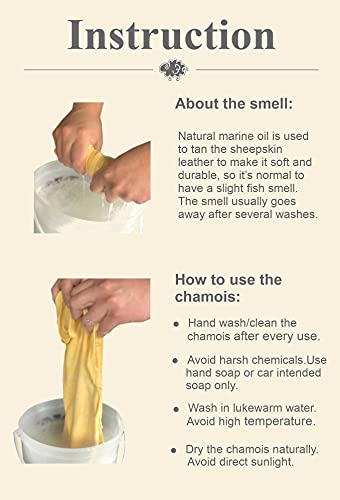
The tanning process dramatically impacts a chamois’s quality. Traditional tanning, using fish oils, creates a remarkably soft and absorbent material. However, this also means a new chamois will often have a slight odor (some describe it as fishy) and may release some yellowish residue during its first few uses. This isn’t a defect; it’s a sign of genuine tanning. Thorough washing with warm, mild soapy water before initial use is essential to remove excess oil and debris. Properly cared for, this initial prep work results in a chamois that will last for years.
Care and Longevity
A chamois isn’t a “throw-away” product, but it does require consistent care. Unlike microfiber cloths, which can simply be machine washed, chamois need a bit more attention. Here’s what to keep in mind:
- Initial Wash: a thorough wash with warm soapy water is necessary before first use.
- Regular Cleaning: After every use, rinse the chamois with clean water and wash gently with mild soap. Avoid harsh chemicals or detergents.
- Drying & Storage: Wring out excess water (but don’t twist aggressively) and hang to air dry away from direct sunlight or heat. Proper drying helps maintain its pliability.
A well-maintained chamois, even one that’s seen years of use, will outperform a new synthetic alternative every time.
If you’re looking for the best options to use on your vehicle, check out our car chamois picks for detailed reviews. And remember, keeping any leather product properly conditioned will extend its life – browse our best leather treatments to discover the right products for all your leather goods.
Chamois Leather Compared
Here’s a comparison of key specifications for different chamois leather products.
| Product Name | Size (approx.) | Sq Ft | Material | Fish Smell | Care Instructions |
|---|---|---|---|---|---|
| SHEEPSKIN ELITE XL | 24″ x 36″ | 5.7 | Sheepskin | Yes | Wash with warm soapy water |
| MAQIHAN Extra Large | 23.6″ x 35.4″ | 5.7 | Sheepskin | N/A | Washable & Reusable |
| XamPro English Premium | N/A | N/A | Sheepskin | N/A | Read instructions |
| Chamois Cloth 2 Pack | 24″ x 16″ | N/A | Sheepskin | Yes | Wash by hand |
| Chamois Towel 15″x25″ | 15″ x 25″ | 2.5 | Sheepskin | Yes | Warm water wash |
| SHEEPSKIN ELITE 3.7-4.2 sq ft | 20″ x 28″ | 3.7-4.2 | Sheepskin | Yes | Wash with warm soapy water |
| RIVERLAKE 35″x23.6″ | 35″ x 23.6″ | N/A | Deerskin | N/A | Mild soap & water |
| SHEEPSKIN ELITE 5 sq ft | 22″ x 34″ | 5 | Sheepskin | N/A | Avoid harsh chemicals |
Frequently Asked Questions
What’s the difference between a chamois and a microfiber cloth?
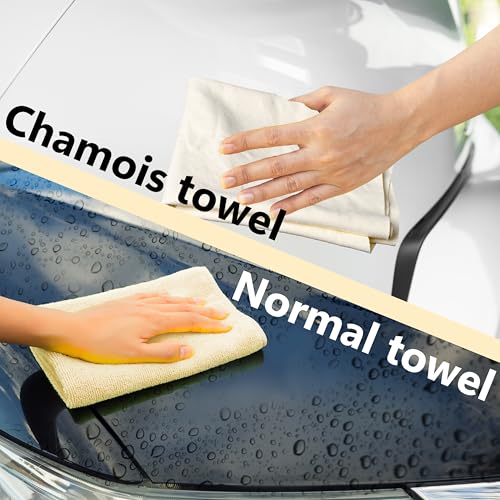
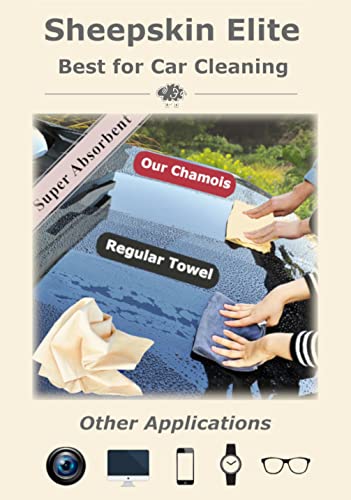
A genuine chamois, traditionally made from sheepskin, offers superior absorbency and a natural softness that minimizes the risk of scratching delicate surfaces, unlike most microfiber cloths. While microfiber is excellent for dust, a chamois excels at drying and is especially favored for automotive applications where swirl marks are a concern.
Will a chamois cloth leave a yellowish residue on my car?
Some initial shedding or a slight yellowish residue is normal with traditionally tanned chamois, particularly those using cod oil. This is excess oil and debris from the tanning process, and it’s easily removed by thoroughly washing the chamois with warm, mild soapy water before its first use.
Are deerskin chamois better than sheepskin?
Deerskin chamois, like the RIVERLAKE option, offer excellent durability and a slightly different texture than sheepskin. However, sheepskin generally provides superior absorbency due to its finer fibers, and is the classic choice for applications requiring maximum water uptake.
How can I remove the “fish smell” from a new chamois?
The fishy odor is a characteristic of traditional cod oil tanning and indicates a genuine, highly absorbent chamois. Multiple washes with warm, mild soapy water are the most effective way to neutralize the smell; repeated use will also diminish it over time. For more information on maintaining your leather goods, explore our best leather care products.
How often should I replace my chamois cloth?
With proper care, a high-quality sheepskin chamois can last for years. Unlike disposable cloths, a well-maintained chamois can be reconditioned and continue to perform effectively. To keep all your leather in top shape, don’t forget about top car leather care routines.
The Bottom Line
Choosing a chamois is fundamentally a balance between the convenience of synthetic materials and the superior performance of genuine sheepskin. While synthetics have their place, for those who truly value absorbency, softness, and longevity – particularly for auto detailing or delicate surfaces – the SHEEPSKIN ELITE XL stands out as the best overall choice. It offers a generous size and, based on owner feedback, delivers the classic chamois experience you’d expect.
For specific needs, the RIVERLAKE chamois is an excellent option if you’re looking for a deerskin alternative, while the Chamois Towel 15″x25″ provides a more manageable size for smaller jobs. If you’re interested in maintaining other leather goods, you might also explore our guide to the best leather sectionals to ensure all your leather investments are well-cared for. And for those seeking the finest tools for blade maintenance, our recommendations for best leather strops provide a great starting point.
Ultimately, the best chamois isn’t defined by a single specification, but by the quality of the sheepskin, the traditional tanning process, and – most importantly – your willingness to provide proper care. A well-maintained natural chamois will consistently outperform synthetic options, offering years of reliable service and a level of performance that’s hard to match.
