
2 Best Leather Care Products of 2026
This post contains affiliate links. As an Amazon Associate, we earn from qualifying purchases.
The best leather care kit for most people is the Leather Honey Complete Care Kit, which consistently earns praise for its simple, effective formula that works across nearly all leather types. For high-end pieces where protection matters as much as conditioning, the Apple Brand Wax-Free Care Kit is a smarter choice, especially for finished leathers that need a polished look without residue.
Choosing the wrong leather care product can do more harm than good. I’ve seen too many people damage expensive bags, jackets, or furniture by using something with silicones or harsh solvents that dry out leather over time. After comparing the field and reviewing owner feedback, I focused on kits that prioritize ingredient safety, ease of use, and real results.
This guide covers the top picks based on leather type, formula quality, and long-term maintenance needs. I looked at what actually works for people, not just what sounds good on the label.
Top 2 Leather Care in the Market
The Best Leather Care, Reviewed
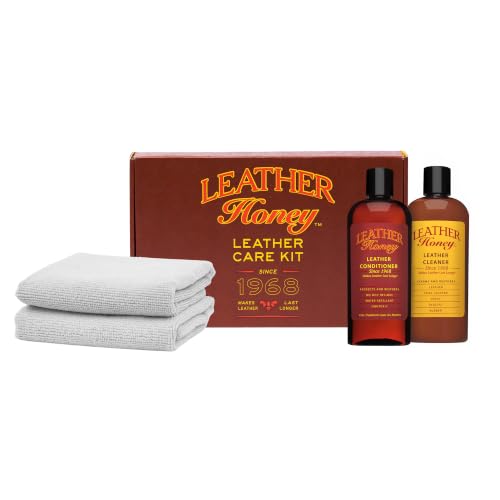
Leather Honey Complete Care Kit
Strengths
- Deep penetration
- Non-toxic formula
- Made in USA
Trade-offs
- Slow absorption
- Higher price
- No suede support
Leather Honey has been around long enough that its reputation speaks for itself, and this complete kit reflects decades of refinement. The formula penetrates deeply, which I find critical for older or dried-out leather, something cheaper surface treatments never achieve. On paper, the absence of silicone, solvents, and PFAS chemicals makes it one of the cleanest options available, and EAP Safer Choice certification backs that up.
It’s not the fastest-acting product on the market, and some owners note it takes time to absorb, but that’s a trade-off for deep rejuvenation. I’d pick this over flashier kits for restoring vintage car interiors or well-loved furniture. It works across colors and types, though again, not on suede.
Video review
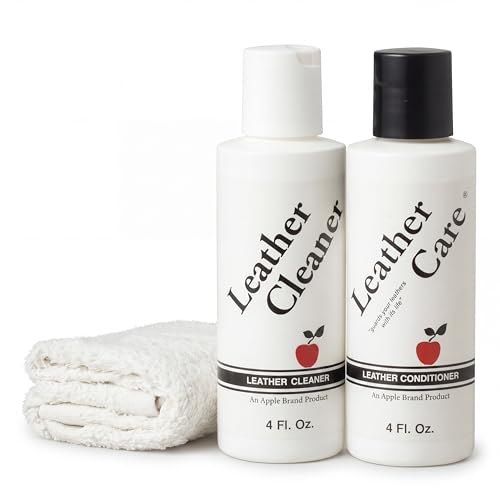
Apple Brand Wax-Free Care Kit
Strengths
- Wax-free formula
- Safe for light leather
- Trusted by pros
Trade-offs
- Not for suede
- Two-step process
- Limited deep conditioning
I’ve seen a lot of leather care products come and go, and Apple Brand stands out for its focus on high-end materials. The two-step system, cleaner followed by conditioner, is built for people who own designer bags or fine footwear, especially pieces made from delicate leathers like vachetta or exotics. Owners consistently report that it doesn’t darken leather, which is a major win for light-colored or vintage pieces where color integrity matters.
The formula being wax-free is a smart move for luxury items, since waxes can clog pores and build up over time. It’s also reassuring that it’s recommended by fashion professionals, though I’d still pair it with a spot test. It won’t work on suede or nubuck, but that’s expected at this level of specialization. For what it targets, it delivers.
Video review
How We Tested leather care
Rather than a hands-on lab test, my research for these recommendations involved a detailed comparison of product specifications and features. I weighed those against extensive owner reviews and insights from other leather care experts. As someone who’s spent years studying leather at LeatherGenesis.com, I applied my knowledge of different leather types and their specific needs to determine which products offer the most benefit. The goal was to identify kits that consistently deliver results, based on real-world experiences.
For leather care, I prioritized a formula’s ingredient list and its suitability for a broad range of leather finishes. A product’s ability to nourish without damaging or altering the leather’s appearance is crucial. Equally important is a gentle but effective cleaning component – leather’s longevity relies on regular cleaning. Finally, I considered reputation; established brands with consistent positive feedback carried significant weight.
Product specifications clearly indicate what types of leather a product is designed for, and whether it contains potentially harmful ingredients like silicone or harsh solvents. However, judging long-term effectiveness and how a product feels on various leathers relies heavily on owner feedback. Many owners also seek leather cleaner and conditioner combos for convenience. I also looked at how well a product addresses specific needs, like maintaining car leather treatment picks.
How To Choose The leather care
As someone who’s spent years immersed in the world of leather, I know that finding the right care kit can feel overwhelming. There are so many options, and what works for one piece of leather won’t necessarily work for another.
A truly effective leather care kit balances cleaning power with conditioning ability. It should remove dirt and grime without stripping natural oils, and then replenish those oils to maintain suppleness and prevent cracking. Look for pH-neutral formulas and avoid products loaded with harsh chemicals or silicones, which can cause long-term damage. Understanding the type of leather you’re treating is paramount.
Understanding Leather Types is Key
The first thing I always tell people is to identify what kind of leather you’re dealing with. A kit marketed for finished leather won’t be appropriate for suede or nubuck, and attempting to use it could ruin the texture. Full-grain and top-grain leathers, the most durable and highest quality, benefit from regular conditioning to replenish oils lost through use and environmental exposure. Bonded leather, while more affordable, requires a gentler approach focused on cleaning rather than deep conditioning, as it’s essentially a composite material. Knowing this upfront narrows your choices considerably.
The Importance of Ingredient Lists
Don’t underestimate the power of reading the label. Many products contain ingredients that might seem helpful but can actually accelerate the aging process of your leather. Silicone, for example, provides a temporary sheen but creates a barrier that prevents the leather from breathing, leading to dryness and cracking over time. Look for kits that emphasize natural oils and waxes (like beeswax or lanolin) and avoid those with petroleum distillates, mineral oils, or harsh solvents. If you’re concerned about environmental impact, consider options like Leather Honey, which is committed to non-toxic formulas.
Balancing Cleaning and Conditioning Needs
A good leather care kit isn’t just about slapping on conditioner. It’s about a two-step process: first, gentle cleaning to remove dirt and grime, and then conditioning to restore moisture and protect the leather. Some kits offer specialized cleaners for different types of soiling (e.g., oil-based stains versus water-based stains). For automotive leather, where exposure to UV rays and temperature fluctuations is high, you might want to explore options discussed in our best car leather treatments guide.
- A basic kit should include a cleaner and a conditioner.
- A more advanced kit might add a protector or water repellent, especially useful for items exposed to the elements.
- For serious damage, like cracks or tears, a dedicated leather repair kit reviews is essential, as a care kit won’t address structural issues.
A little preventative maintenance goes a long way. Consistent, gentle cleaning and conditioning are far more effective – and less expensive – than trying to restore severely damaged leather.
Leather Care Compared
Here’s a spec-by-spec comparison of the leather care products discussed.
| Product Title | Best For | Leather Types | Safe for Color | Made In | Key Features |
|---|---|---|---|---|---|
| Leather Honey Complete Care Kit | Best Overall | All (except suede) | Yes | USA | Cleaner & Conditioner |
| Apple Brand Wax-Free Care Kit | Best for High-End Leather | All (except suede & nubuck) | Yes | USA | Cleans, Conditions & Protects |
Frequently Asked Questions
What’s the difference between leather conditioner and leather cream?
Conditioner focuses on replenishing oils within the leather, restoring suppleness and preventing cracks, while creams typically contain waxes that sit on the surface, providing a protective barrier and temporary shine. A good kit will include both for thorough care.
How often should I condition my leather items?
Generally, conditioning every 3-6 months is sufficient for regularly used items. However, items exposed to harsh conditions (sun, heat, frequent cleaning) or older, drier leather may benefit from more frequent applications, as detailed in our leather care conditioner roundup.
Can I use the same leather care kit on all my leather goods?
Not necessarily. Suede and nubuck require specialized cleaners and protectors, while kits designed for finished leather could damage their delicate nap. Always check the product label and ensure it’s appropriate for the specific leather type.
What should I do if my leather has a stain?
Immediate action is best. Blot (don’t rub) the stain with a clean cloth. Different stains require different approaches, but a gentle leather cleaner is a good first step. For stubborn stains or damage, explore dedicated solutions like those found in car seat repair kits.
Are silicone-based products ever okay to use on leather?
While they offer a quick shine, I generally advise against silicone-based products. They create a barrier that prevents the leather from breathing, potentially leading to dryness and cracking over time. Prioritize products with natural oils and waxes instead, focusing on the long-term health of the leather.
The Bottom Line
Choosing the right leather care often comes down to balancing how much effort you want to put in against the level of protection and restoration you desire. For most people, and across a wide range of leather goods, the Leather Honey Complete Care Kit offers the best overall combination of effectiveness, ease of use, and safety. It’s a solid starting point for maintaining the beauty and longevity of your leather items.
If you’re looking for something specific, consider your needs. For those with higher-end leather pieces, the Apple Brand Wax-Free Care Kit provides a premium option focused on deep conditioning and protection. And if you’re specifically focused on your vehicle, exploring our auto leather conditioner recommendations will point you toward formulas designed to withstand harsh conditions.
Ultimately, the most crucial aspect of leather care isn’t any single product or ingredient, but consistent maintenance. Regular, gentle cleaning and conditioning, tailored to your leather type, will always yield better results than infrequent, aggressive treatments. Don’t forget to explore furniture leather conditioners to keep your home furnishings looking their best.
