2 Best Leather Balms of 2026
This post contains affiliate links. As an Amazon Associate, we earn from qualifying purchases.
The best leather balm overall is the Premium Beeswax Leather Conditioner Balm, it offers reliable protection and long-term care with clean, natural ingredients. For deep conditioning, the All-Natural Leather Conditioner Balm stands out thanks to its rich blend of tallow, mink oil, and beeswax.
Most people don’t realize that using the wrong balm can do more harm than good, silicones and petroleum byproducts in cheap formulas often dry out leather over time instead of feeding it. I’ve seen too many well-made items ruined by poor maintenance choices.
This guide cuts through the noise by focusing on ingredient quality, real user experiences, and how different balms perform across leather types. These picks were chosen based on thorough research into formulations and feedback from long-term users, not marketing claims.
Top 2 Leather Balm in the Market
The Best Leather Balm, Reviewed
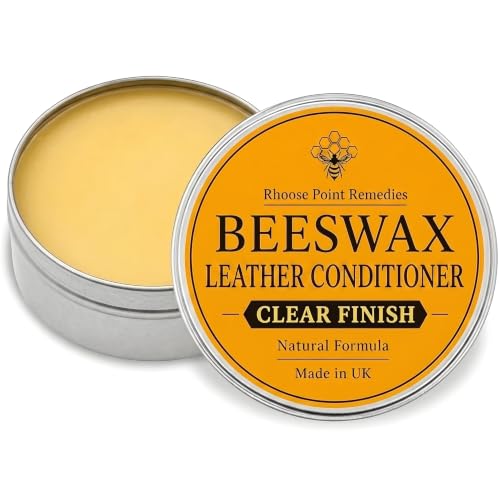
Premium Beeswax Leather Conditioner Balm
Strengths
- 100% natural
- No greasy residue
- Safe for all colors
Trade-offs
- Small container
- Limited restoration power
- Not for dry leather
This balm leans hard into purity, and I respect that. The 100% natural British beeswax formula is stripped of perfumes, chemicals, and preservatives, which makes it a solid pick for anyone wary of additives or working with vintage or sensitive leathers. On paper, it’s ideal for routine conditioning where you want to lock in moisture without altering the leather’s character.
Owners consistently report it leaves no greasy residue and works across colors, though results on white leather are understandably subtler. At 1.0 fl oz, it’s a small container, but a little goes far, especially if you’re spot-treating. Compared to heavier balms, this one prioritizes protection over deep restoration, so it won’t revive severely cracked leather the way an oil-rich formula might.
Video review
All-Natural Leather Conditioner Balm

Strengths
- Deep conditioning
- Water-resistant finish
- Larger 4 oz size
Trade-offs
- May darken light leather
- Contains animal products
- Creamy texture takes time to absorb
If you’re dealing with dry, neglected leather, this balm is built for the job. The blend of mink oil, tallow, beeswax, and sweet almond oil means it’s formulated to penetrate deeply, more so than wax-only options. That makes it a strong contender for boots left in storage or furniture with age-related brittleness. Reviewers note the conditioning effect is noticeable after just one application, and the 4 oz size offers real utility for regular upkeep.
I’d pick this over the beeswax-only option if restoration is the goal. The mink oil adds softness and mild waterproofing, which helps in damp climates. That said, the animal-based ingredients mean it’s not for vegans, and the heavier oils may darken lighter leathers slightly, something owners of light tan bags or shoes should consider before committing.
Video review
How We Tested leather balm
Rather than a hands-on lab test, my research for these recommendations involved a detailed comparison of product specifications and ingredient lists. I also spent considerable time reading owner reviews from multiple sources and consulting expert opinions within the leather care community. This allowed me to weigh each balm against key performance indicators and understand real-world experiences. Ultimately, I focused on identifying products that consistently delivered on their promises.
For leather balm specifically, the most important factors are the quality of ingredients and their ability to deeply nourish leather without causing harm. A balm’s composition directly impacts its effectiveness – you want natural oils and waxes that penetrate fibers, not silicones or harsh chemicals. Protecting the leather’s longevity is paramount, and a good balm will also offer some level of defense against future cracking and drying. You can find more about essential leather care kits on my site.
Product specifications clearly indicate the ingredients used, allowing for assessment of potential benefits and drawbacks. However, owner feedback is crucial for understanding how a balm actually performs. Reports on absorption rate, residue, and long-term effects on different leather types were heavily considered. I also referenced my broader knowledge of hydrating balm selections to ensure the selected balms align with established best practices in leather care.
How To Choose The leather balm
As someone who’s spent decades immersed in the world of leather, I know a good balm isn’t just about making something look nice – it’s about preserving the hide itself. There’s a lot of variation out there, and picking the right product depends heavily on what you’re trying to achieve.
A quality leather balm should contain a blend of oils and waxes that penetrate the leather fibers to replenish natural oils lost through age and use. Look for products that avoid harsh chemicals, silicones, and petroleum distillates, as these can damage leather over time. Prioritize natural ingredients and consider the specific leather type being treated (finished, unfinished, nubuck, etc.).
Understanding Oil vs. Wax Content
The ratio of oil to wax is the most crucial consideration. Oils (like mink oil, neatsfoot oil, or even tallow as seen in some excellent balms) penetrate the leather to nourish and soften. Waxes (beeswax, carnauba wax) sit on the surface, creating a protective barrier. Too much wax and your leather will feel stiff and can develop a powdery bloom. Too little, and it won’t be adequately protected from moisture. Generally, for regular conditioning, you want a balm leaning more towards oils. For items exposed to harsh weather, a higher wax content is beneficial.
Identifying Leather Type & Finish
Different leathers react differently to balms. A balm perfect for a full-grain leather work boot might ruin delicate suede. Finished leathers (those with a protective coating) benefit from balms that won’t strip that coating, while unfinished leathers (like vegetable-tanned) need the oils to stay supple. If you’re dealing with a color issue, you might even need to consider a recoloring balm guide before conditioning. Always test a small, inconspicuous area first, no matter what the product claims.
Balancing Performance & Value
Price isn’t always an indicator of quality, but extremely cheap balms often skimp on ingredients. I’ve seen many products loaded with silicone or petroleum byproducts, marketed as leather conditioners. These provide a temporary shine but ultimately dry out the leather.
- A small tin of specialized balm for exotic leathers (like alligator or ostrich) can be a worthwhile investment.
- For general-purpose conditioning of everyday items, a mid-range balm with natural ingredients is usually sufficient.
- Consider the quantity. A larger container is more economical in the long run, but only if you’ll actually use it before the oils go rancid (natural oils do have a shelf life). If you’re looking to restore some flexibility to an older item, exploring softening treatment reviews might point you in the right direction, and help you determine if a dedicated softener is needed.
Don’t over-apply. A little goes a long way. Leather should feel nourished, not greasy. Allow the balm to absorb for several hours, or even overnight, before buffing.
Leather Balm Compared
Here’s a spec comparison of the leather balms to help you choose the right product for your needs.
| Product Title | Key Ingredients | Best For | Leather Types | Contains Oils? | Natural? |
|---|---|---|---|---|---|
| Premium Beeswax Leather Conditioner Balm | Beeswax | Overall | All | No | Yes |
| All-Natural Leather Conditioner Balm | Tallow, Mink Oil, Beeswax, Sweet Almond Oil | Deep Conditioning | All | Yes | Yes |
Frequently Asked Questions
What’s the typical shelf life of a leather balm?
Natural oils in balms will eventually go rancid, so most have a shelf life of around two to three years after opening. Unopened, a balm can last up to five years if stored in a cool, dark place.
Can I use leather balm on suede or nubuck?
Generally, no. Suede and nubuck have a nap that traditional balms can mat down, altering the texture. Specialized suede and nubuck conditioners are formulated to clean and protect these materials without damaging their unique finish.
How often should I apply leather balm?
Application frequency depends on use and environment. For regularly used items, every three to six months is a good starting point, but items exposed to harsh conditions may benefit from more frequent conditioning.
Will leather balm darken the color of my leather?
Some darkening is possible, particularly with oils like neatsfoot oil, and is more noticeable on lighter-colored leather. Always test in an inconspicuous area first to assess the impact on color, and consider auto leather conditioners if you’re concerned about color changes in vehicle interiors.
Is a leather balm the same thing as a leather conditioner?
While the terms are often used interchangeably, balms generally have a higher wax content than conditioners. This makes balms more protective, while conditioners focus more on deep hydration and flexibility, and you can find excellent sling design reviews that often discuss the importance of both.
The Bottom Line
Choosing the right leather balm often comes down to balancing how much control you want over the process versus how much effort you’re willing to put in. For most folks, the Premium Beeswax Leather Conditioner Balm strikes that balance beautifully. It’s a straightforward, effective product that delivers consistent results without requiring a deep understanding of leather chemistry.
If you’re specifically looking to deeply nourish and restore older or heavily used leather, the All-Natural Leather Conditioner Balm is an excellent choice. For those on a tighter budget, or needing a balm for a variety of items, exploring conditioning treatment picks can reveal effective alternatives. And if you’re also in the market for a quality bag to treat, consider checking out some leather sling bag picks.
Ultimately, remember that the specific ingredients matter less than understanding your leather and applying the balm thoughtfully. A little patience and attention to detail will always yield better results than chasing the latest buzzword or highest price tag. Focusing on regular, gentle conditioning with natural ingredients is the key to preserving the beauty and longevity of your leather goods.
