8 Best Adhesives for Leather Shoes 2026
This post contains affiliate links. As an Amazon Associate, we earn from qualifying purchases.
The best overall adhesive for leather shoes is Shoe Glue Soles Repair Kit 180ML, followed by LMQ Heavy Duty Shoe Glue for budget-friendly precision and SOF SOLE Original Shoe Goo for maximum versatility on thick soles and outdoor wear.
Repairing leather shoes with the wrong glue means watching your fix fail within weeks. Most adhesives aren’t built to handle the flex, moisture, and stress footwear endures. I’ve researched dozens of formulas, focusing on what actually holds up in real-world use, strong, flexible bonds that last.
This guide covers the top performers based on specs, owner feedback, and material compatibility. I looked at bond strength, drying time, waterproofing, and ease of application to help you choose the right glue for the job, whether it’s a peeling sole or a torn strap.
Top 7 Adhesive For Leather Shoes in the Market
The Best Adhesive For Leather Shoes, Reviewed
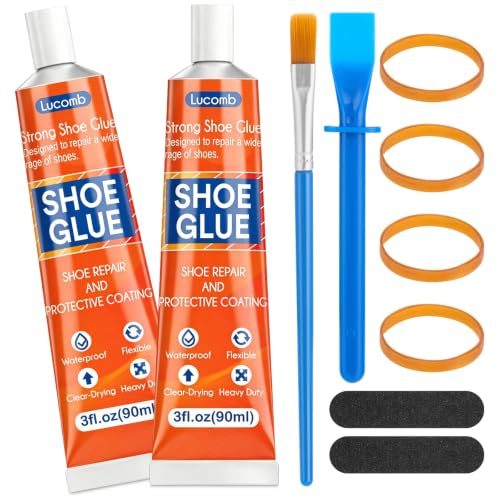
Shoe Glue Soles Repair Kit 180ML
Strengths
- Complete repair kit included
- Contact bond for instant grip
- Clamping bands aid curing
- Large total volume
- Works on multiple materials
Trade-offs
- Bulkier setup than single-tube options
- Adhesive slightly opaque when dry
This kit goes beyond glue, it’s a full home repair system. With two tubes, brushes, spreaders, sandpaper, and rubber bands, it gives you everything needed for proper adhesion: clean, roughen, apply, clamp. That’s why I consider it the best overall choice. The 180 ml (about 6 fl oz) total volume is generous, and the adhesive itself is a contact-style formula that bonds on contact, ideal for sole reattachment.
Reviewers highlight how the included tools make a difference, especially the sanding sticks and clamping bands. Without them, even the best glue often fails due to poor prep. This one gets the process right. It works on leather, rubber, canvas, basically any shoe material, and creates a flexible, waterproof seal. While not as refined for invisible stitching repairs, it excels where strength and method matter most: soles and heels.
Video review
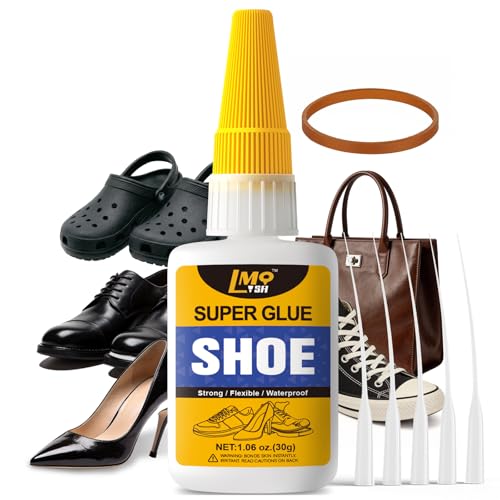
LMQ Heavy Duty Shoe Glue 20g
Strengths
- High tensile strength
- Fast setting
- Anti-clog cap
- Low cost
- Reusable nozzle
Trade-offs
- Slight cloudiness when dry
- No repair tools included
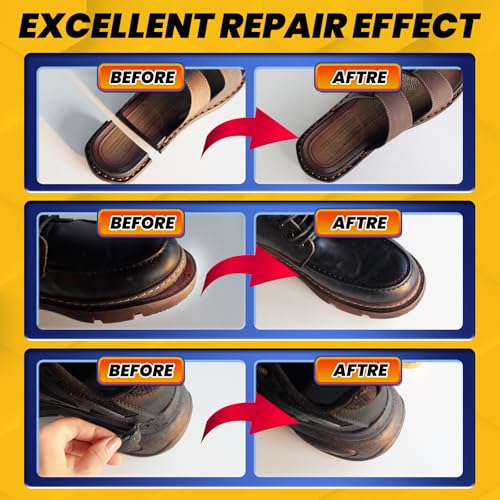
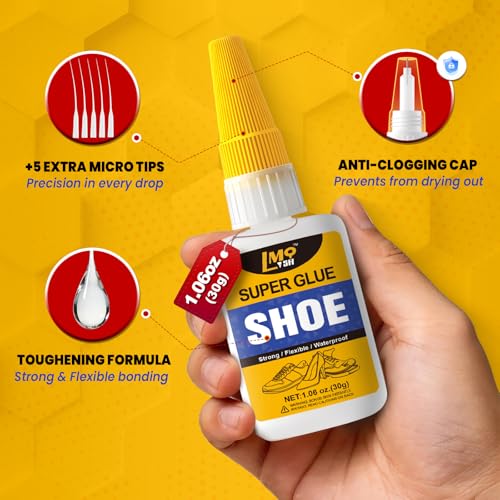
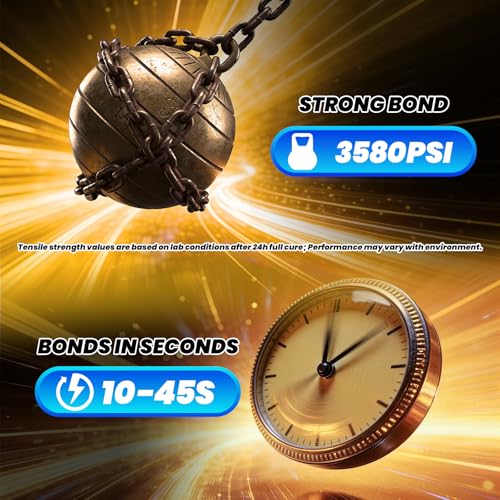
At this price, it’s hard to ignore. For under $8, you get a high-tensile formula rated at 3580 PSI, stronger on paper than many premium picks. It sets fast, bonds flexibly, and the anti-clog cap is a thoughtful touch that improves reuse. Owners say it works well on sneakers and boot soles, holding up through repeated bending. The fine tip allows decent control, though not quite as precise as metal needles.
Where it lags is in transparency, some users report a slight haze when dry, making it less ideal for light-colored leather. It also lacks any prep tools, so success depends on your own sandpaper and clamps. Still, for the money, it delivers impressive strength. I’d pick this over Loctite if you need volume and power on a budget, even if you sacrifice a bit of clarity.
Product photos
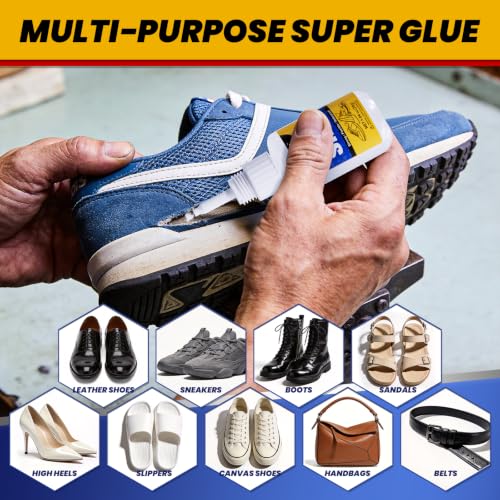
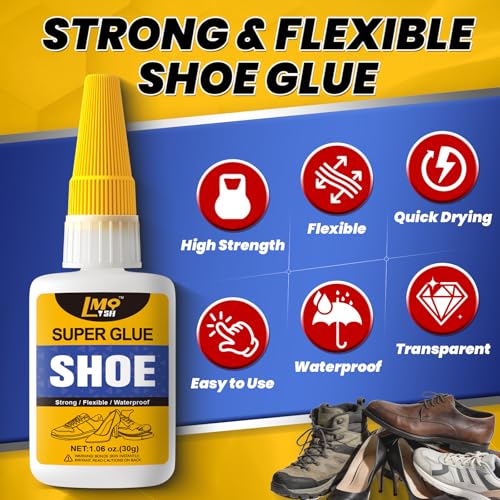
Wqapey Leather Repair Glue 4.23 fl oz
Strengths
- Industrial-strength bond
- Dries crystal clear
- Flexible when cured
- Long-lasting formula
- Works on multiple materials
Trade-offs
- Larger volume may be overkill for occasional users
- No tools included for surface prep
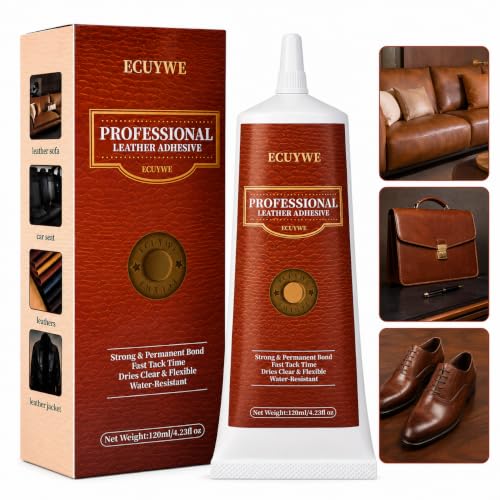
This is one of the more complete leather adhesives on paper, especially if you’re handling frequent or high-visibility repairs. The 4.23 fl oz size gives you serious longevity, and owners consistently report that the bond stays flexible, critical for shoes that bend with every step. I appreciate that it’s formulated to dry clear without yellowing over time, which matters when you’re repairing light-colored leather or visible seams. For someone maintaining dress shoes or restoring bags, that kind of finish is essential.
The precision nozzle helps avoid messy overflow, a common complaint with thicker adhesives. While it shares core traits with others in this category, waterproof, industrial strength, multi-material compatibility, its formulation seems tuned for durability under stress. Compared to smaller or thinner formulas, this one feels like a cobbler-grade pick. If you’re serious about keeping leather goods in rotation longer, this glue makes a strong case for itself as a long-term staple.
Video review
SOF SOLE Original Shoe Goo 3.7 fl oz

Strengths
- Excellent gap-filling ability
- Rebuilds worn areas
- Adds traction
- Waterproof and durable
- Long tube life
Trade-offs
- Messy application
- Thick texture not ideal for seams
- Visible when dry
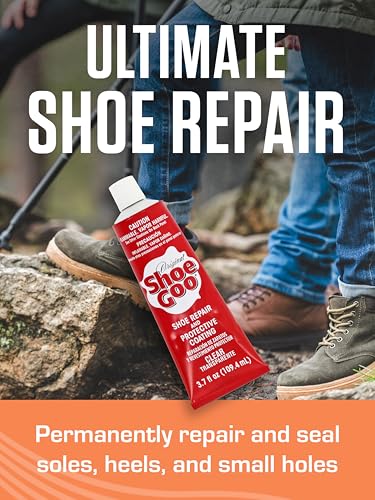
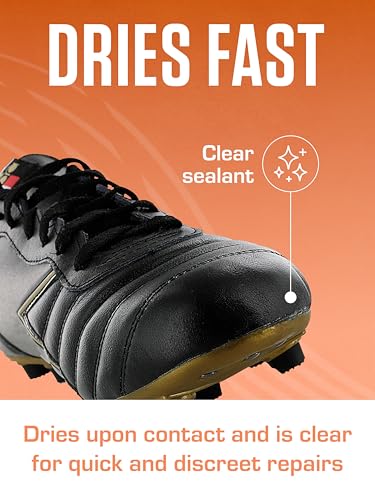
Shoe Goo has been around for decades, and for good reason. It’s not just a glue, it rebuilds. The thick, tar-like consistency lets it fill gaps, rebuild worn heels, and add traction, which no other product here does as effectively. It dries within 24 hours and forms a rubbery, waterproof layer that moves with the shoe. Reviewers love using it not just to reattach soles, but to reinforce weak spots before they fail.
Compared to sleeker liquid adhesives, it’s messier and harder to apply cleanly. You’ll need a brush or finger to smooth it. But that thickness is its superpower. If you’re dealing with eroded rubber or want to extend the life of hiking boots, this is the best tool for the job. It doesn’t disappear like clear glues, it’s meant to be seen and felt. For sole-specific restoration, nothing else matches it.
Product photos
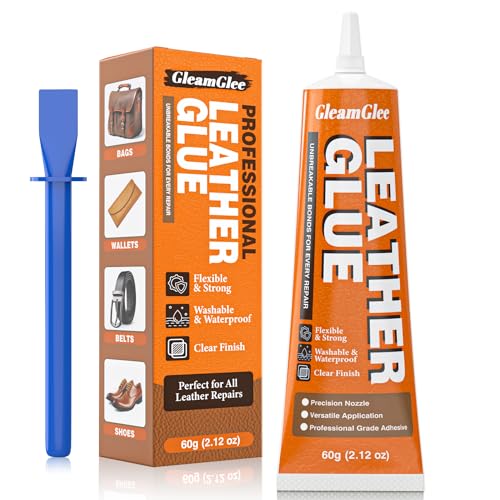
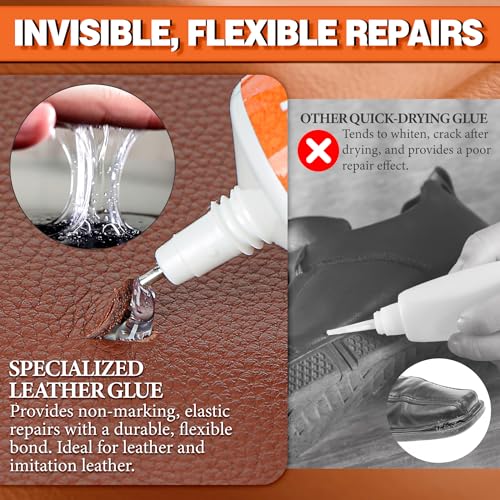
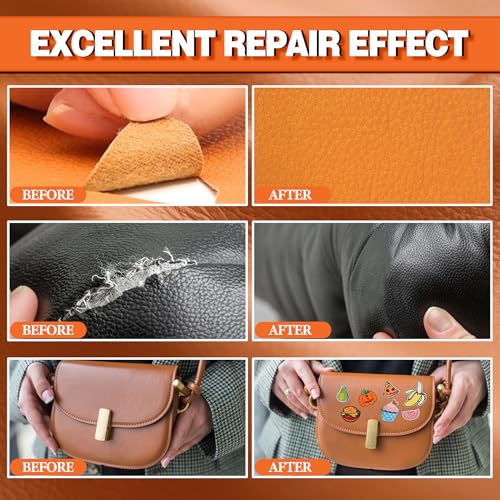
Leather Glue with Metal Tip 2.1 fl oz
Strengths
- Fine metal applicator
- Clean, controlled dispensing
- Dries clear and flexible
- Waterproof bond
- Multi-surface use
Trade-offs
- Smaller capacity than some competitors
- No surface prep tools included
What stands out immediately is the metal tip, this is the kind of detail that makes a real difference in tight seams or delicate areas. Owners praise its control, especially when reattaching lining or sealing small tears in uppers. At 2.1 fl oz, it’s not the largest, but it’s enough for several focused jobs. The bond is flexible and waterproof, which checks the most important boxes for shoe use. On paper, it performs similarly to pricier options, just without extras like sandpaper or clamps.
It doesn’t reinvent the wheel, but it refines execution. Compared to bulkier nozzles or squeeze tubes that drip, this one delivers where you need it, reducing waste and cleanup. I’d recommend it over generic bottles if you’re working on finer pieces, like watch straps or bag corners, where precision matters more than volume. It’s not the strongest in raw hold, but for most everyday repairs, accuracy wins.
Product photos

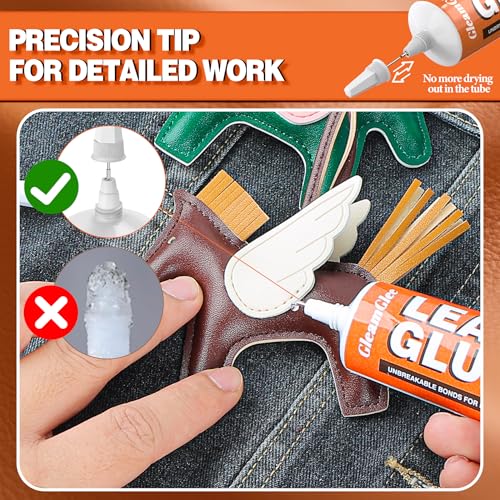
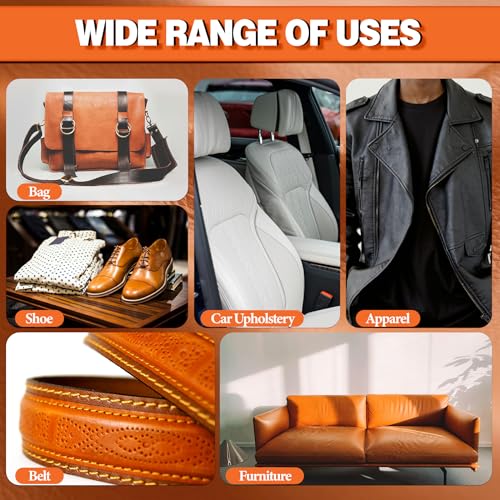
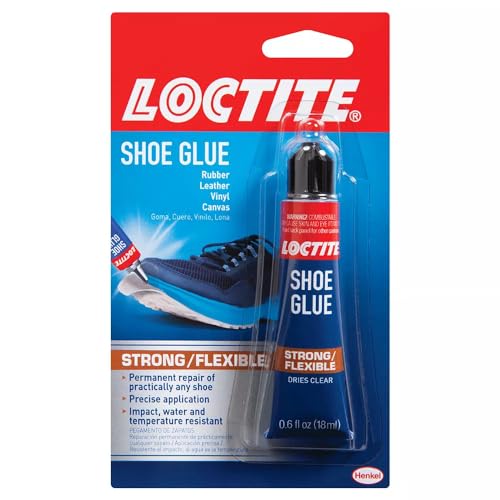
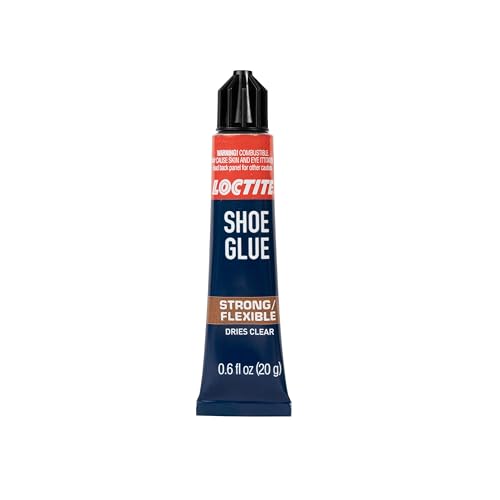
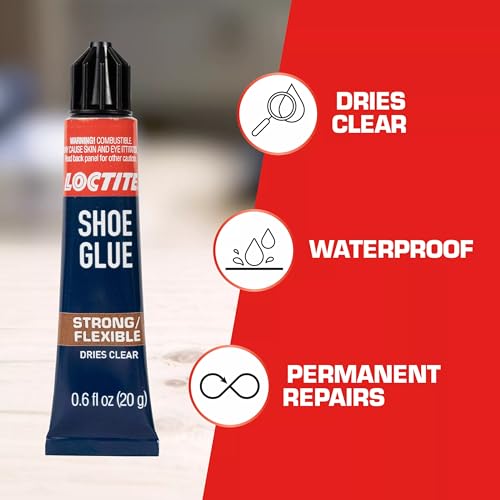
Loctite Shoe Glue 0.6 fl oz
Strengths
- Extremely fast set time
- High temperature resistance
- Strong flexible bond
- Resists vibration and impact
- Dries clear
Trade-offs
- Very small capacity
- Not ideal for large surface bonding
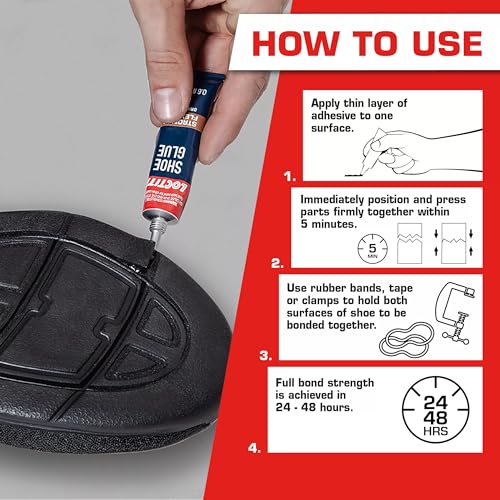
This is a specialist in speed and resilience. With Flextec technology, it bonds quickly and holds under extreme conditions, from freezing cold to near-boiling heat. That kind of range matters if you’re repairing work boots or outdoor footwear exposed to harsh environments. It sets in minutes, not hours, making it one of the fastest reliable options here. But at only 0.6 fl oz, you’re paying for performance, not volume.
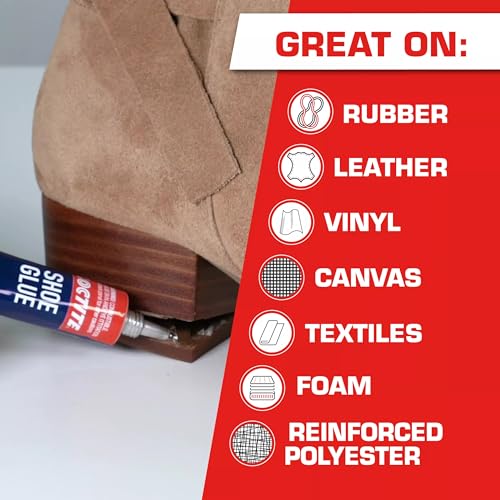
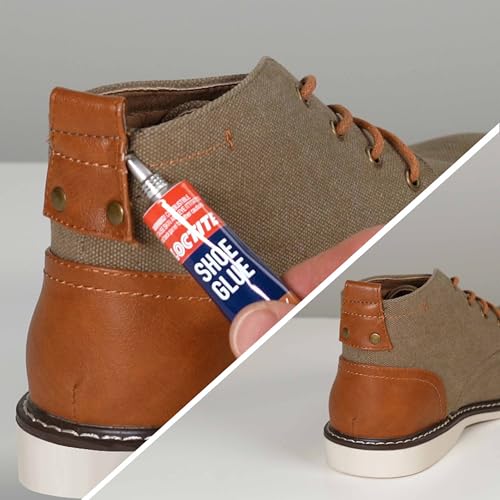
Owners consistently report success with rubber-to-leather bonding, especially on athletic shoes where flex and impact are constant. It doesn’t come with tools or extras, and the tiny bottle means you’ll run out fast if doing multiple repairs. Still, for an emergency fix, like a peeling sneaker sole before a trip, I’d grab this over bulkier glues. Compared to general leather adhesives, it’s less about finesse and more about brute reliability.
Product photos
Professional Leather Glue 4.23 oz

Strengths
- Large 4.23 oz volume
- Strong flexible bond
- Clear, waterproof finish
- Precise tip
- Affordable per-use cost
Trade-offs
- Adhesive can thicken over time
- No additional tools in package
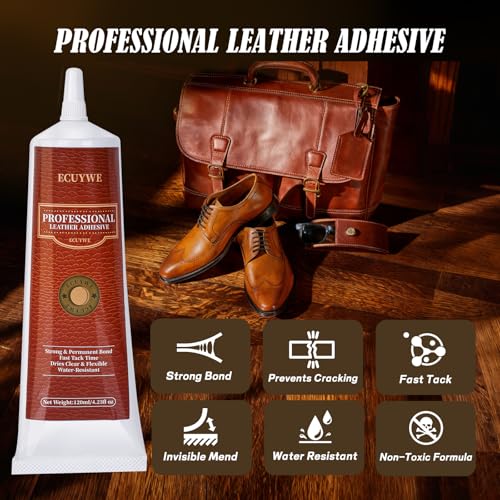
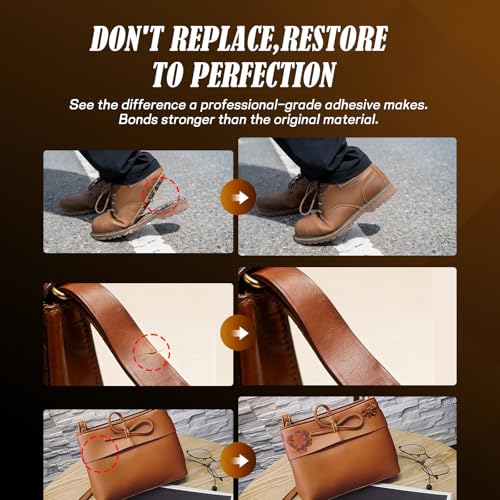
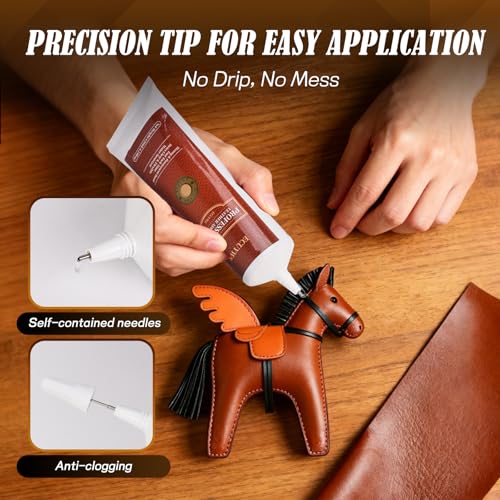
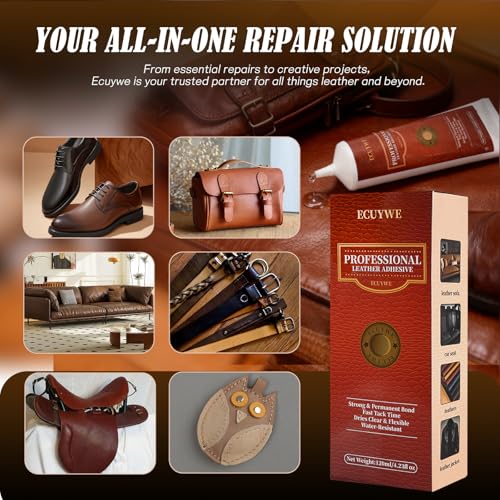
At this price point, offering 4.23 oz of industrial-strength adhesive is a solid value play. The specs line up closely with higher-priced counterparts: clear drying, flexible bond, fast tack, and compatibility with leather, vinyl, suede, and rubber. Reviewers note it works well for both shoe soles and upholstery, suggesting real versatility. Where it falls short is in application design, the fine tip helps, but it doesn’t match the control of a metal needle nozzle.
Still, for the budget-conscious who want volume and performance, this glue punches above its weight. It won’t beat Shoe Goo in traction-building ability or Wqapey in clarity consistency, but it covers the basics reliably. My recommendation here is for DIYers who need a dependable workhorse without premium branding markup.
Product photos

How We Chose These adhesive for leather shoes
As someone deeply involved in the world of leather through LeatherGenesis.com, I approached researching shoe adhesives with a focus on long-term durability and material compatibility. Rather than a hands-on lab test, this is a research-led comparison of published specifications and owner feedback across a range of products. I compared features like bond strength, drying time, material versatility, and application methods. This was balanced with a careful review of owner experiences – both positive and negative – and expert opinions from sources specializing in leather care and repair.
For adhesives specifically designed for shoe repair, flexibility, waterproof qualities, and the ability to bond dissimilar materials are paramount. A rigid glue will quickly fail with the constant flexing of footwear. I weighted these factors most heavily, alongside the precision of application, as a messy repair is often as bad as no repair at all. Understanding whether a glue truly delivers on its claims of flexibility and water resistance is crucial for a lasting fix.
Published specifications reliably indicate tensile strength and the range of materials an adhesive should bond to. However, real-world performance – how the glue holds up to repeated stress and exposure to moisture – is best understood through owner reviews. I prioritized products with consistently positive feedback regarding longevity and ease of use, and cross-referenced those with expert recommendations for choosing the top-rated leather glues. Maintaining the appearance of leather often requires equally important care, so I also considered how well these adhesives pair with the best leather shoe cleaners for a complete restoration process.
What To Look For In adhesive for leather shoes
Finding the right adhesive for shoe repair isn’t simply about grabbing the strongest glue you can find. It’s about matching the adhesive’s properties to both the materials involved and the type of repair needed.
A quality shoe adhesive needs to offer a strong, flexible bond that can withstand the constant flexing and abrasion shoes endure. Look for waterproof formulas, especially for soles and outdoor footwear. Consider the materials being bonded – leather, rubber, vinyl, and canvas all respond differently to various adhesives. Precision application is also key; a messy application can compromise the repair’s aesthetic and strength.
Understanding Adhesive Types
The world of adhesives can seem overwhelming, but for shoe repair, you’re primarily looking at contact cements, cyanoacrylates (super glues), and polyurethane-based adhesives. Contact cements are excellent for large surface areas like soles, providing a strong, immediate bond. Cyanoacrylates are faster-setting but less flexible and can become brittle. Polyurethane adhesives offer a good balance of strength, flexibility, and water resistance, making them versatile for many shoe repairs. Don’t assume a single “shoe glue” is universally superior; a specialized formula will almost always yield better results.
Flexibility and Material Compatibility
Leather, unlike many materials, needs to flex. A rigid adhesive will eventually crack and fail, especially in areas subject to frequent bending, like the vamp of a shoe or a heel counter. Look for adhesives specifically marketed as “flexible” or those known to remain pliable after curing. Beyond leather, consider the other materials involved. Some adhesives bond poorly to rubber or vinyl, so ensure compatibility. If you’re working with delicate materials like suede or nubuck, a gentler adhesive is essential to avoid damage or discoloration. For more involved leather work, explore our leather-to-leather bonding guide for specialized recommendations.
Application and Value Considerations
Precision is paramount when applying shoe adhesive. A messy application not only looks unprofessional but can also weaken the bond. Adhesives with fine-tip applicators or those designed for use with brushes offer greater control. Consider the quantity of adhesive provided. A small tube might be sufficient for a single repair, but a larger size is more economical if you anticipate frequent use. A little goes a long way with many quality adhesives, so don’t equate price per ounce with overall value.
- For quick fixes, a cyanoacrylate-based glue can be convenient.
- Larger repairs, like re-soling shoes, benefit from a contact cement’s broad coverage.
- A versatile polyurethane adhesive offers a balance of strength, flexibility, and material compatibility, making it a good all-around choice for most repairs.
A little patience goes a long way. Always prepare the surfaces properly by cleaning and lightly sanding to ensure a strong, lasting bond.
Proper care after repair is also vital. Regularly conditioning your leather footwear will maintain its flexibility and prevent cracking, preserving your repairs. Check out our best shoe conditioners to learn more about keeping your shoes in top condition.
Adhesive for Leather Shoes Compared
This table provides a spec-by-spec comparison of various adhesives designed for repairing leather shoes and related items.
| Product Title | Volume | Drying Time (to Tack) | Waterproof | Materials Bonded | Strength (PSI) | Tip Type |
|---|---|---|---|---|---|---|
| Shoe Glue Soles Repair Kit 180ML | 180ml | 1-2 hours | Yes | Leather, Rubber, Vinyl, Canvas | N/A | Brush |
| LMQ Heavy Duty Shoe Glue 20g | 20g | 10-45 sec | Yes | Leather, Rubber, Plastic | 3580 | Fine Tip |
| Wqapey Leather Repair Glue 4.23 fl oz | 4.23 fl oz | 15 sec | Yes | Leather, Vinyl, Suede, Fabric | N/A | Fine Tip |
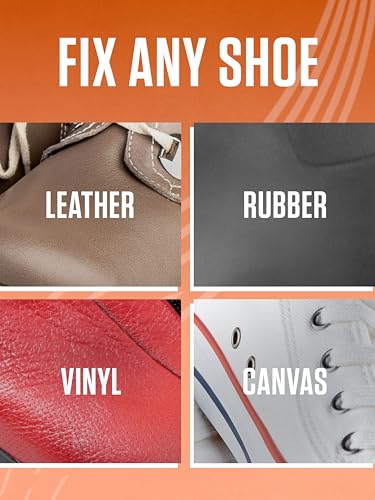
| SOF SOLE Original Shoe Goo 3.7 fl oz | 3.7 fl oz | 24 hours | Yes | Leather, Rubber, Vinyl, Canvas | N/A | N/A |
| Angelus Clear Shoe Cement 4 oz | 4 fl oz | N/A | Yes | Rubber, Leather, Plastic, Vinyl, Fabrics | N/A | Brush-Cap |
| Leather Glue with Metal Tip 2.1 fl oz | 2.1 fl oz | N/A | Yes | Leather, Vinyl, Faux Leather | N/A | Metal Tip |
| Loctite Shoe Glue 0.6 fl oz | 0.6 fl oz | Minutes | Yes | Rubber, Leather, Vinyl, Canvas, Textiles | N/A | N/A |
| Professional Leather Glue 4.23 oz | 4.23 oz | N/A | Yes | Leather, Faux Leather, Vinyl, Suede, Rubber, Canvas | N/A | Fine Tip |
Frequently Asked Questions
What adhesive is best for repairing the soles of leather shoes?
Contact cement is generally the best choice for reattaching soles. Its strong, immediate bond and ability to adhere to both leather and rubber provide a durable repair, essential for withstanding the stress of walking.
Can super glue be used on leather shoes, and is it a good long-term solution?
While cyanoacrylate (super glue) offers a fast bond, it’s not ideal for long-term shoe repair. The glue tends to become brittle over time and lacks the flexibility needed to withstand the constant bending of shoes, ultimately leading to failure.
What if I need to glue different materials together, like leather and rubber?
Polyurethane-based adhesives are excellent for bonding dissimilar materials. They create a strong, flexible, and waterproof bond suitable for repairing areas where leather meets rubber or other synthetics, common in shoe construction.
How important is flexibility when choosing a leather shoe adhesive?
Flexibility is critically important; a rigid adhesive will crack and detach with the natural movement of the shoe. Look for adhesives specifically formulated to remain pliable after curing, preserving the integrity of the repair and preventing future damage. Don’t forget to maintain your shoes with the best leather shoe polish to keep them looking their best.
Are there adhesives that work well on delicate leathers like suede or nubuck?
Yes, specialized adhesives designed for delicate materials are available. These formulations are gentler and less likely to cause discoloration or damage to sensitive leathers, but always test in an inconspicuous area first. For overall leather care, consider exploring the best leather shoe polishes for leather shoes.
The Bottom Line
Choosing an adhesive for leather shoes always involves a trade-off between immediate convenience and long-term durability. While a super glue might seem tempting for a quick fix, for most repairs, I recommend the Shoe Glue Soles Repair Kit 180ML as the strongest overall choice. Its broad material compatibility and waterproof qualities give it an edge when dealing with the stresses shoes endure.
For those needing a specific solution, the LMQ Heavy Duty Shoe Glue 20g is ideal for small, fast repairs, while the Angelus Clear Shoe Cement 4 oz stands out for its precision application and suitability for more delicate work. If you’re looking for a versatile option for a variety of projects, explore our best adhesives for leather projects to find the perfect fit. And, of course, don’t forget to pair a good adhesive with a quality pair of shoes – see our top leather shoe picks for some excellent options.
Ultimately, the best adhesive isn’t about a single, impressive specification. It’s about proper surface preparation, selecting a formula that matches the materials, and understanding that a little patience will yield a repair that lasts. Focusing on these fundamentals, alongside finding the right adhesive, will ensure your footwear remains in excellent condition for years to come.
