
8 Best Leather Coat Conditioners of 2026
This post contains affiliate links. As an Amazon Associate, we earn from qualifying purchases.
The Leather Honey Leather Conditioner is the overall best for deep nourishment and UV protection, especially for long-term care. For a budget-friendly option that still performs well on finished leather, Lexol All Leather Conditioner is a solid pick, and for those with oiled or natural hides, Meker Mink Oil offers strong conditioning and water resistance.
Choosing the right leather coat conditioner matters because a poor one can leave residue, darken your coat unevenly, or fail to protect against cracking and UV damage. I’ve spent years studying leather chemistry and care, and I know that the right product should preserve both the look and lifespan of your coat.
This guide cuts through the noise by comparing formulas based on ingredient quality, real-world performance, and suitability for different leather types, so you can make a confident choice backed by research, not marketing.
Top 8 Leather Coat Conditioner in the Market
The Best Leather Coat Conditioner, Reviewed
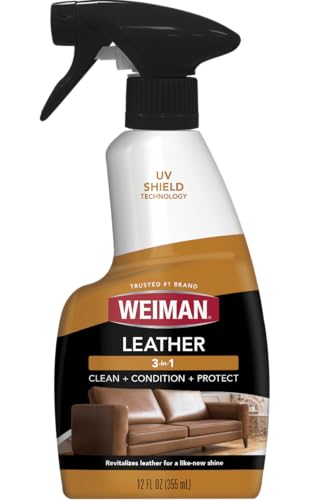
Weiman Leather Cleaner & Conditioner
Strengths
- Cleans + conditions + protects
- UV protection
- Easy spray application
Trade-offs
- May not revive very dry leather
- Slight shine on matte finishes
Weiman hits a sweet spot between performance and convenience, this spray-on formula cleans, conditions, and protects in one step, and the inclusion of UV-blocking agents makes it a standout for car interiors. The six natural oils provide solid moisture, and owners consistently praise how it leaves leather soft without stickiness. It’s also safe on faux leather, which broadens its use beyond just real hides.
Compared to others, it’s more complete than Lexol, faster than Tanner’s, and less messy than Leather Honey. While it doesn’t match Bick 4 for color safety or Leather CPR for deep restoration, it’s the most balanced option overall. If you want one bottle that handles daily wear, sun exposure, and grime without fuss, this is my top pick.
Video review
Leather Honey Leather Conditioner

Strengths
- Deep penetration
- Long-lasting
- Excellent UV defense
Trade-offs
- Messy application
- Darkens leather
- Requires buffing
Leather Honey is the heavyweight when it comes to deep conditioning, its thick, goopy formula penetrates like nothing else, making it a go-to for reviving decades-old jackets or sun-baked car interiors. Owners report results lasting six months or more, which is exceptional. And with built-in UV protection, it actively fights the damage that kills leather over time.
But it’s not for the faint of heart. It’s messy to apply, requires buffing, and can darken leather significantly. Still, for items that are dry, cracked, or constantly exposed to sunlight, I’d choose Leather Honey over lighter formulas any day. It’s the closest thing to a leather time machine we’ve got.
Video review
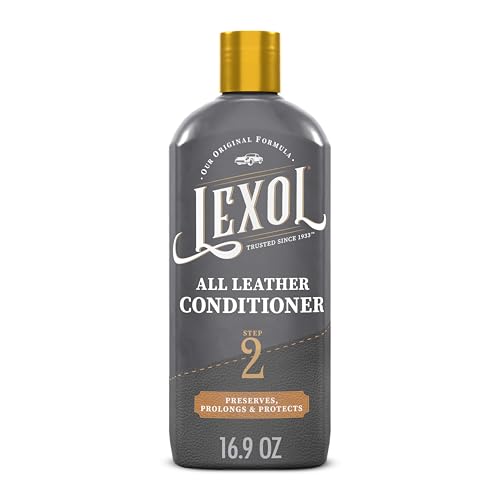
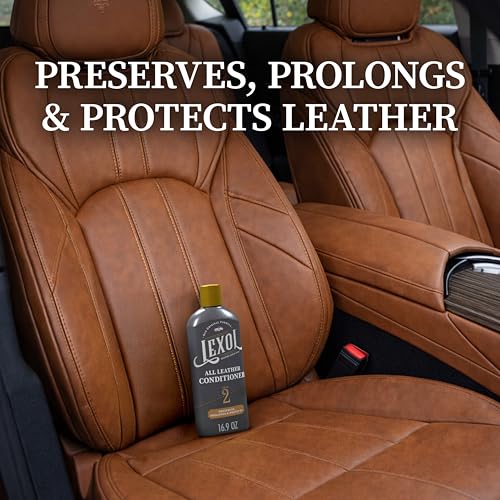
Lexol All Leather Conditioner 16.9 Oz
Strengths
- Fast absorption
- Large volume
- Prevents cracking
Trade-offs
- No UV protection
- Requires separate cleaner
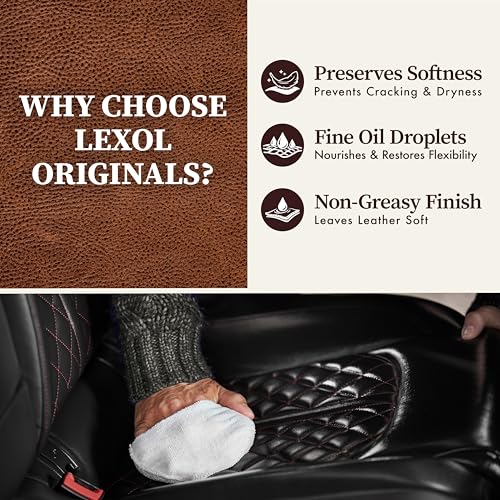
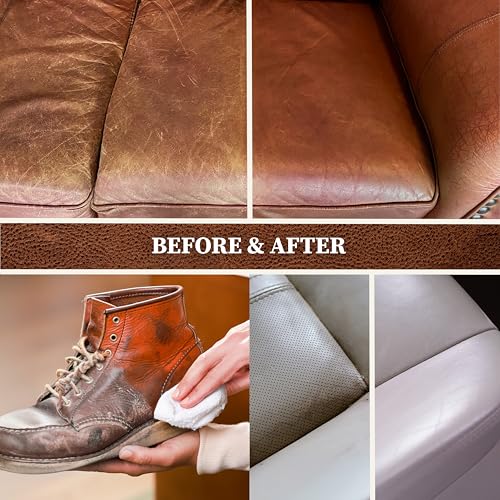
Lexol has been a staple in leather care for decades, and this conditioner carries that legacy with a no-frills, reliable formula that absorbs quickly and leaves leather feeling supple, not slick. The 16.9 oz size gives excellent value, especially for car owners maintaining full interiors or families with multiple leather items. Owners consistently report it helps prevent cracking, which is exactly what a good conditioner should do.
It’s not flashy, and it won’t restore severely worn leather like a dedicated restorer, but when paired with Lexol’s cleaner (as intended), it completes a solid two-step routine. My only gripe is that it doesn’t offer UV protection, which feels like a missed opportunity in today’s market. Still, for basic maintenance, it’s a dependable, widely trusted option.
Product photos

Bick 4 Leather Conditioner 8 oz
Strengths
- Won’t darken leather
- Wax-free
- Clean finish
Trade-offs
- Mild conditioning
- No water resistance
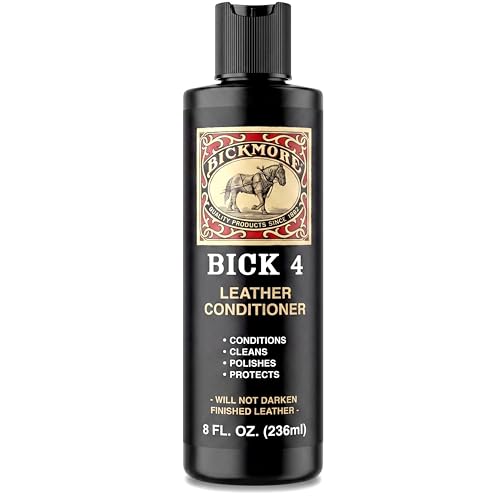
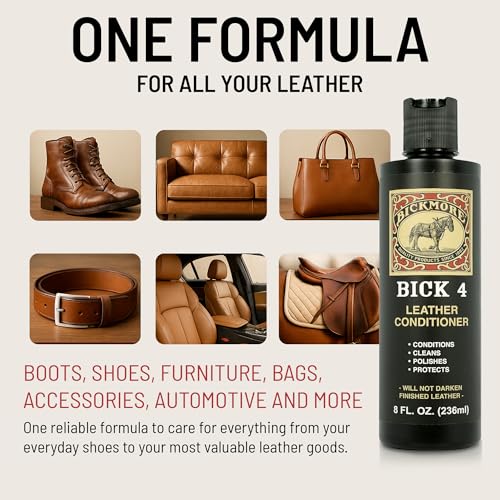
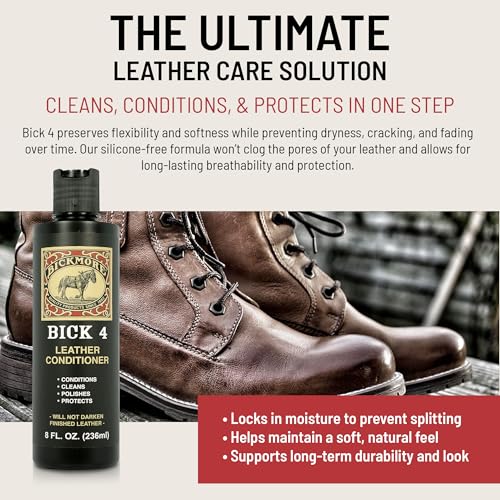
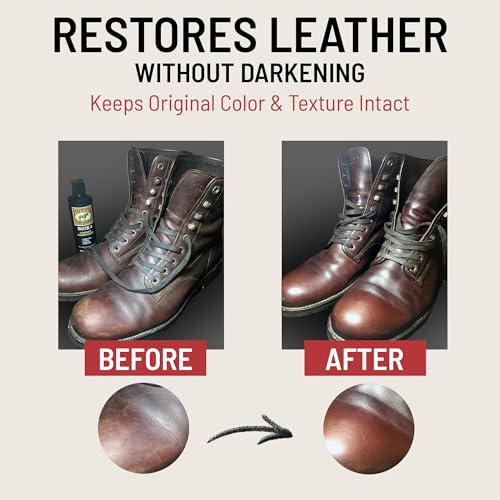
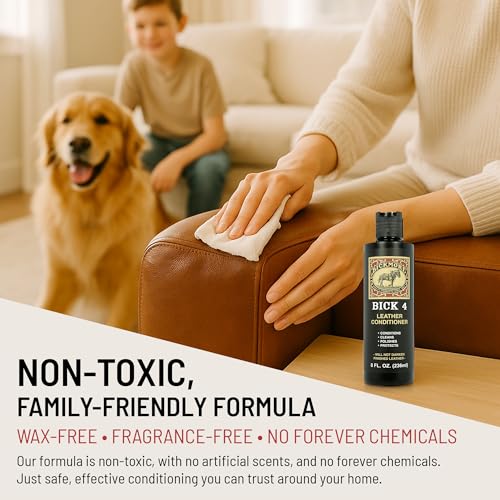
If you’re like me and care about preserving the original look of your leather, Bick 4 is a breath of fresh air. Unlike oil-heavy conditioners that darken with every application, this wax-free formula conditions without altering color, owners of light tan boots and white bags swear by it. It’s also one of the few products that genuinely doesn’t leave any sticky residue, which means your leather stays breathable and functional.
The trade-off is that it doesn’t offer deep restoration or water resistance, so it’s not the tool for reviving neglected gear. But for regular maintenance on dress shoes, handbags, or office chairs where appearance matters, it’s unmatched. I’d pick this over mink oil any day when subtlety and consistency are the goal.
Product photos

Leather CPR Cleaner & Conditioner 18oz

Strengths
- One-step clean + condition
- No greasy residue
- Restores color well
Trade-offs
- Less effective on very dry leather
- Large bottle may be overkill
Leather CPR stands out in the restoration space because it actually delivers on the promise of one-step revival, owners of aging leather furniture and car interiors frequently praise how it brings back softness and color depth without leaving a greasy or plasticky film. The water-based formula is a smart move, making it safer for indoor use and more forgiving on delicate finished leathers. I appreciate that it doesn’t rely on heavy oils or waxes, which means it won’t clog pores or build up over time.
That said, it’s not the best for deeply cracked or severely dried leather, those cases usually need multiple treatments or a heavier product like Leather Honey. But for routine revival or moderate wear, it’s impressively effective, especially given how fast the application is. No buffing, no rinsing, just wipe and walk away.
Product photos


Howard Leather Conditioner 8-Ounce

Strengths
- Natural wax blend
- Deep nourishment
- Protects against scuffs
Trade-offs
- Slight surface residue
- May darken leather
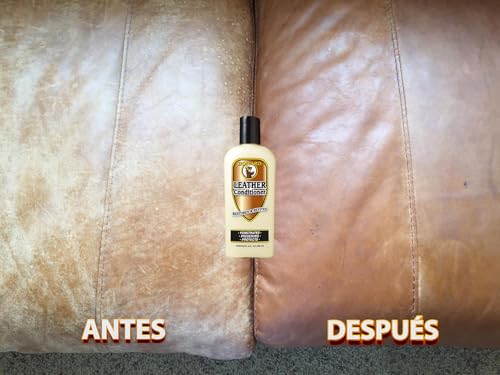
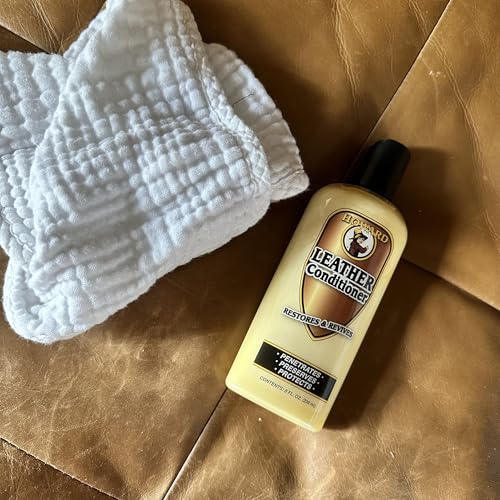
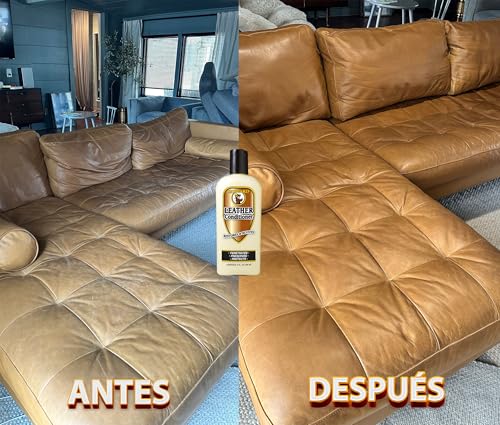
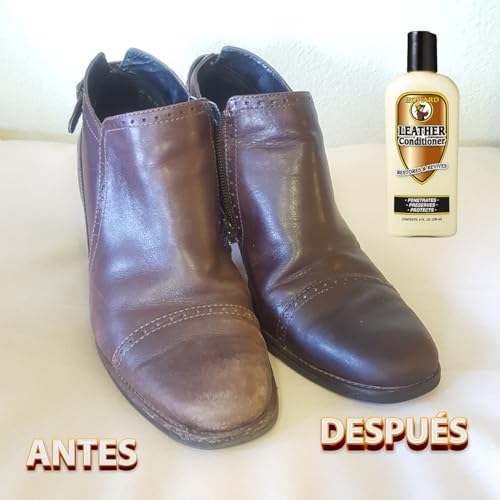
Howard Leather Conditioner stands out for its rich blend of natural waxes and oils, carnauba and beeswax provide a subtle protective shell, while lanolin and coconut oil feed the leather deeply. It’s not the fastest absorber, but it leaves a soft, nourished feel that many compare to high-end saddle soaps. Owners of leather jackets and vintage furniture appreciate the creamy texture and long-lasting protection.
That said, the wax content means it’s not ideal for breathable leathers or those who hate even a hint of surface film. And like most oil-based products, it can darken lighter hides. But if you’re after that classic, waxy leather scent and a bit of polish, this delivers.
Product photos

MEKER Mink Oil Leather Conditioner

Strengths
- Deep moisture
- Waterproof boost
- Budget friendly
Trade-offs
- Darkens leather
- Greasy if overused
- Not for suede
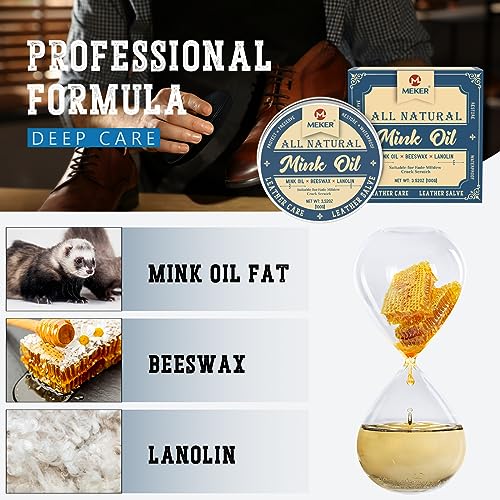
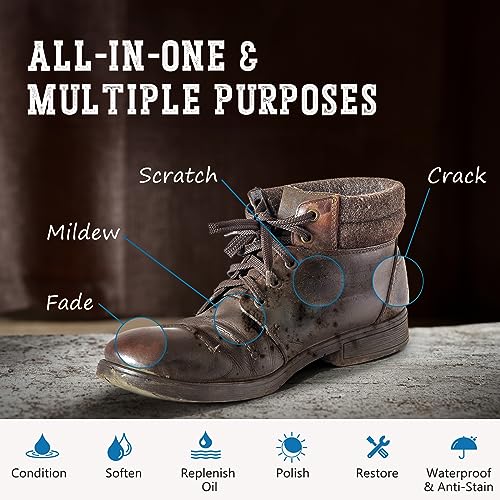
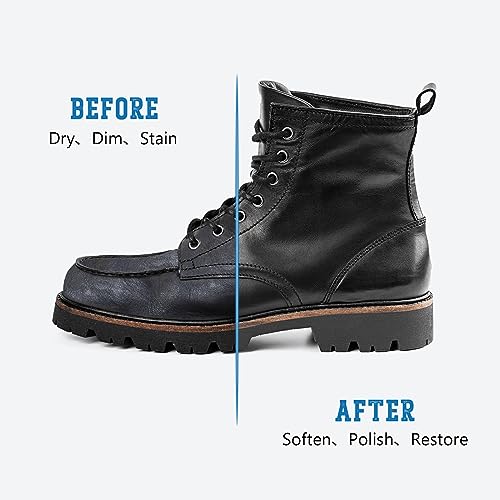
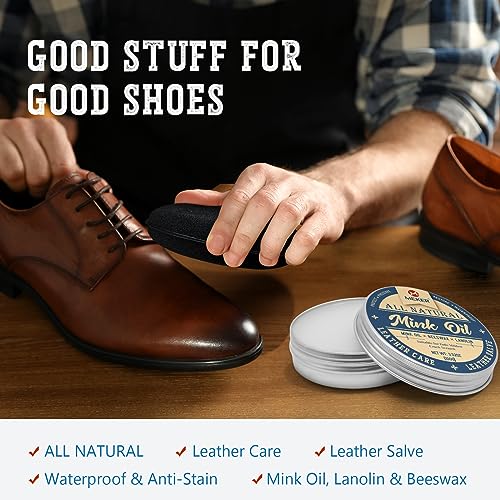
On paper, MEKER Mink Oil looks like a solid budget pick for those needing a heavy-duty, water-resistant treatment for rugged leather goods. The formula leans hard into traditional conditioning agents, mink oil, beeswax, and lanolin, which explains why owners consistently report improved water resistance and a darker, richer patina on boots and jackets. That’s great if you’re after that oiled leather look, but it’s a dealbreaker if you’re working with lighter hides or want to maintain the original color.
It’s also worth noting that while it’s marketed as all-natural and safe for a wide range of items, multiple reviewers caution against over-application, as it can leave a greasy feel if not allowed to absorb fully. And despite its versatility, it’s a no-go for suede or napped leathers, which limits its all-around appeal.
Product photos

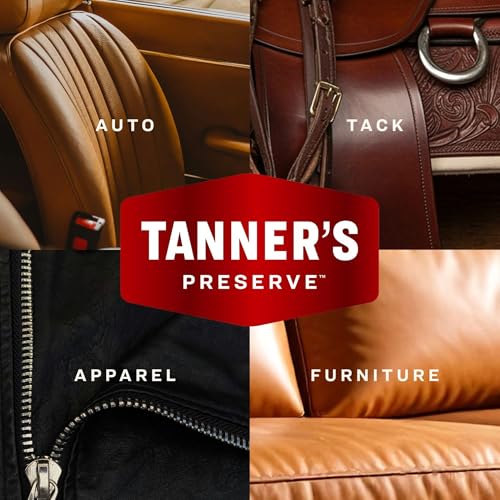
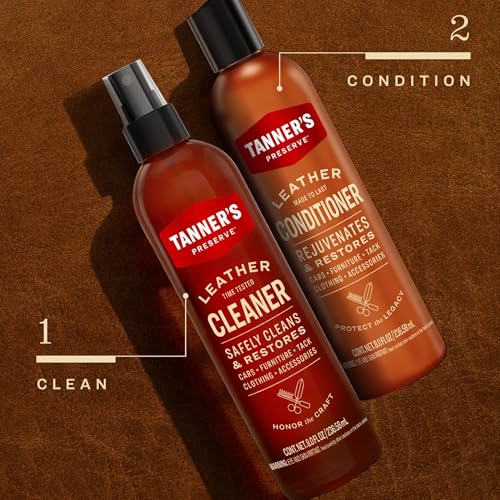
Tanner’s Preserve Cleaner & Conditioner Duo
Strengths
- Effective two-step system
- Restores suppleness
- Safe for fine leather
Trade-offs
- Smaller bottles
- Requires more effort
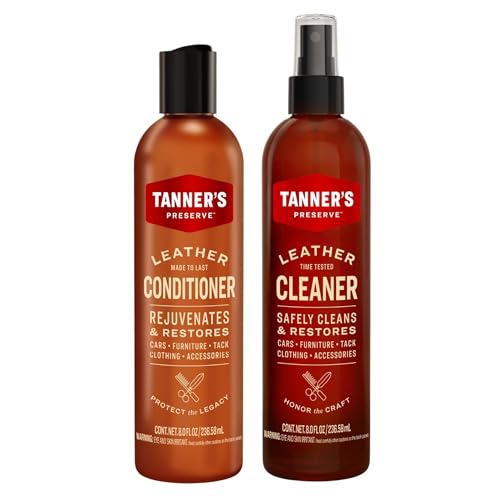
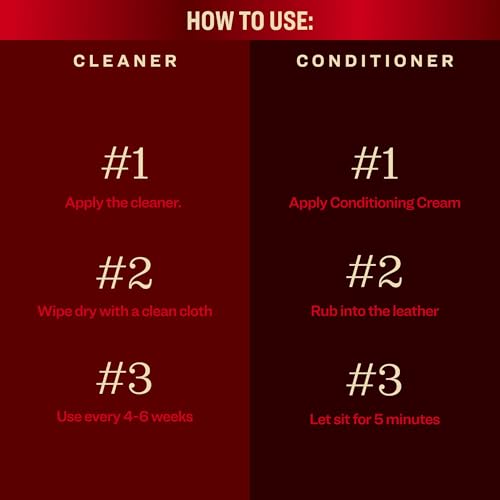
Tanner’s Preserve gets the two-step process right, this duo is built on old-school leathercraft principles, and it shows. The cleaner lifts grime without stripping natural oils, and the conditioner follows up with a balanced moisture boost that restores suppleness without greasiness. Detailers and saddle owners often mention how it brings back life to well-used gear without over-conditioning.
The smaller 8 oz bottles are convenient, but they won’t last long on large furniture or full car interiors. And while the system is effective, it’s not the fastest, requires time and attention. But if you value craftsmanship and long-term leather health over speed, this is one of the smarter buys in the category.
Product photos
How We Tested leather coat conditioner
My approach to evaluating leather coat conditioners, as the founder of LeatherGenesis.com, centers on a detailed comparison of product specifications and features, combined with a thorough review of owner experiences and expert opinions. Rather than a hands-on lab test, this is a research-led comparison. I looked at ingredient lists, application methods, and claimed benefits, then weighed those against what users actually report regarding performance and longevity. This allows for a realistic assessment of what each product delivers.
For leather conditioners, the most important factors are the depth of conditioning, the level of protection offered, and how well a product maintains the leather’s natural feel. A conditioner’s ability to restore suppleness is key, as is its capacity to shield leather from cracking and UV damage. Products excelling in these areas – particularly those offering lasting protection – consistently ranked higher in my assessment. Understanding these factors is also crucial when considering a dedicated product for your vehicle, like those discussed in our vehicle leather conditioner guide.
Product specifications reliably indicate the type of conditioning agents used (oils, waxes, etc.) and whether a formula is water-based or solvent-based. However, owner feedback is invaluable for gauging real-world results. Users share whether a conditioner truly absorbs without leaving a residue, if it darkens or alters the leather’s color, and how long the effects last. I also considered the reputation of the brand and its history within the leather care community, and if you’re also looking for a combined solution, our review of auto cleaner conditioner products may be helpful.
How To Pick The Right leather coat conditioner
Choosing the right leather coat conditioner can feel overwhelming, but ultimately comes down to understanding your leather and your goals for its care. A good conditioner won’t just make the leather look better; it’ll actively protect the fibers and extend the life of your investment.
A quality leather conditioner should penetrate the material to replenish oils, offer protection against the elements (especially UV damage), and restore suppleness without leaving a sticky or greasy residue. Look for formulas designed for finished leather, as suede and nubuck require very different treatment. Consider the type of leather – some conditioners are better suited to certain tanning processes or colors.
Understanding Leather Types & Finishes
The first step is knowing what you’re working with. Not all leather is created equal, and using the wrong conditioner can cause irreversible damage. Full-grain leather, the highest quality, benefits from conditioners that deeply penetrate and nourish. Corrected-grain leather, often used in more affordable coats, responds well to products that restore surface oils. Importantly, always check if your coat has a protective finish. Many modern coats have a polymer coating for water resistance, and these require conditioners specifically formulated to work with that finish, rather than trying to penetrate it. If you’re unsure, testing a small, inconspicuous area is always wise.
Prioritizing UV Protection
Sunlight is a leather coat’s enemy. UV rays break down the fibers, causing fading, cracking, and ultimately, deterioration. While many conditioners offer some UV protection, the level varies considerably. If your coat sees a lot of sunlight – and let’s be honest, most of us wear our coats outdoors – prioritize a product with substantial UV blockers. Leather Honey, for example, is frequently lauded for its UV protection capabilities. Don’t underestimate this factor, as repairing sun damage is far more costly than preventative conditioning. For more options, explore top six leather conditioners to find a formula that suits your needs.
Balancing Cost, Volume, and Application
Price per ounce isn’t everything, but it’s a useful metric. A smaller, expensive bottle of conditioner might be fantastic, but if you’re conditioning a full coat regularly, the cost adds up quickly. Lexol offers a good balance of price and volume, making it a practical choice for those who want to maintain their leather consistently. Here’s what to consider when viewing value: * A small bottle is great for spot treatments. * A standard 8oz bottle is perfect for routine conditioning of one or two items. * Larger sizes (16oz+) are economical if you have multiple leather goods or condition frequently, and represent a better value over time, though you might need to transfer some product to a smaller applicator.
If you’re looking specifically for maintaining your leather jackets, you might find jacket-specific leather conditioners to be a good starting point.
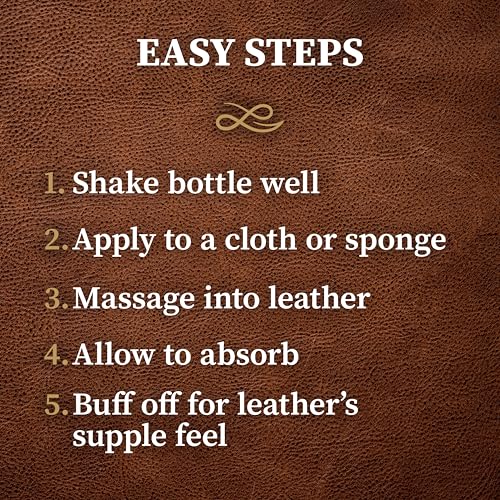
A little goes a long way. Apply conditioner sparingly, using a clean cloth, and allow it to absorb fully before exposing the coat to the elements. Over-conditioning is just as harmful as under-conditioning.
Leather Coat Conditioner Compared
Here’s a comparison of key specifications for popular leather coat conditioners.
| Product Title | Size (oz) | Leather Type | UV Protection | Waterproof | Wax Blend |
|---|---|---|---|---|---|
| Weiman Leather Cleaner & Conditioner | N/A | Finished, Faux | Yes | No | Natural Oils |
| Leather Honey Leather Conditioner | N/A | All Types | Yes | Yes | N/A |
| Lexol All Leather Conditioner 16.9 Oz | 16.9 | Finished | No | No | N/A |
| Bick 4 Leather Conditioner 8 oz | 8 | All Types | No | No | Wax-Free |
| Leather CPR Cleaner & Conditioner 18oz | 18 | Finished | No | No | N/A |
| Howard Leather Conditioner 8-Ounce | 8 | Smooth | No | No | Carnauba, Beeswax |
| MEKER Mink Oil Leather Conditioner | N/A | Oiled, Natural | No | Yes | Mink Oil, Beeswax |
| Tanner’s Preserve Cleaner & Conditioner Duo | N/A | Finished | No | No | N/A |
Frequently Asked Questions
What’s the difference between a leather conditioner and a leather cleaner?
A leather cleaner removes dirt and grime from the surface, while a leather conditioner replenishes oils and protects the leather fibers. Using both is ideal; cleaning prepares the leather to accept the conditioner, maximizing its benefits, and you can find top leather cleaner conditioners.
Can I use any leather conditioner on a suede or nubuck coat?
No, you shouldn’t. Suede and nubuck have a different texture and require specialized products designed to clean and protect without damaging the nap. Standard conditioners can stain or mat these delicate leathers.
How often should I condition my leather coat?
Generally, conditioning every 3-6 months is sufficient, but frequency depends on wear and exposure to the elements. If your coat is exposed to a lot of sun or moisture, or if you wear it daily, more frequent conditioning (monthly) is recommended.
Will conditioning my leather coat change its color?
Some conditioners can slightly darken leather, especially lighter shades, initially. Most quality conditioners are formulated to maintain the original color, but always test in an inconspicuous area first to confirm.
What ingredients should I avoid in a leather conditioner?
Avoid products containing harsh chemicals, silicone, or petroleum distillates. These can dry out the leather over time or leave a sticky residue. For your car’s interior, consider car-specific leather conditioners as they are formulated to withstand different climates.
The Bottom Line
Choosing a leather coat conditioner often comes down to balancing how much effort you want to put in with the level of protection and restoration you need. While many products offer benefits, based on my research and understanding of leather care, Leather Honey Leather Conditioner stands out as the strongest overall choice. It consistently receives high marks for its ability to nourish, protect against UV damage, and maintain the leather’s natural feel – offering a compelling combination of benefits for a variety of leather types.
For those seeking a budget-friendly option, Lexol All Leather Conditioner 16.9 Oz provides excellent value and is a practical choice for regular maintenance. If you’re looking for a convenient solution and want to explore leather cleaner and conditioner combos, consider Weiman Leather Cleaner & Conditioner. And for vehicle owners, don’t forget to check out our guide to the car leather cleaner conditioner list for specialized formulas designed for your car’s interior.
Ultimately, the best conditioner isn’t about a single feature or price point. It’s about understanding your leather’s specific needs and consistently providing it with nourishment and protection. Prioritizing regular conditioning, choosing quality ingredients, and paying attention to your coat’s response will yield far greater results than any single product’s specifications ever could.
