
8 Best Leather Color Restorers of 2026
This post contains affiliate links. As an Amazon Associate, we earn from qualifying purchases.
The Leather Honey Black Recoloring Balm stands out as the best overall leather colour restorer for its reliable colour match and no-transfer formula, followed by the UP22YOU Black Leather Recoloring Balm as a solid budget pick and the Furniture Clinic Dark Brown Leather Balm for those needing professional-grade results on larger jobs.
Leather fades. Sunlight, wear, and age take their toll, leaving furniture, car seats, or bags looking tired and worn. Many people reach for a quick fix that ends up smearing, rubbing off on clothes, or failing after a few weeks.
This guide cuts through the noise. I looked at dozens of products, weighing formulas, owner feedback, and real-world performance to find restorers that actually bond with leather instead of just coating it. You’ll learn what to look for based on your leather type, the extent of damage, and how to avoid common mistakes that ruin good material.
Top 8 Leather Colour Restorer in the Market
The Best Leather Colour Restorer, Reviewed
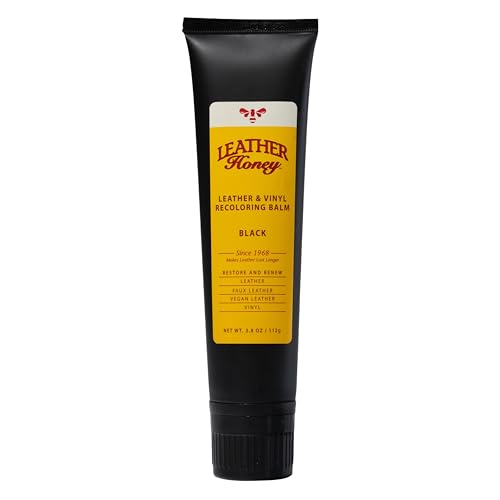
Leather Honey Black Recoloring Balm
Strengths
- No color transfer
- Non-toxic
- Built-in applicator
Trade-offs
- Higher cost
- Limited to black
- Slight learning curve
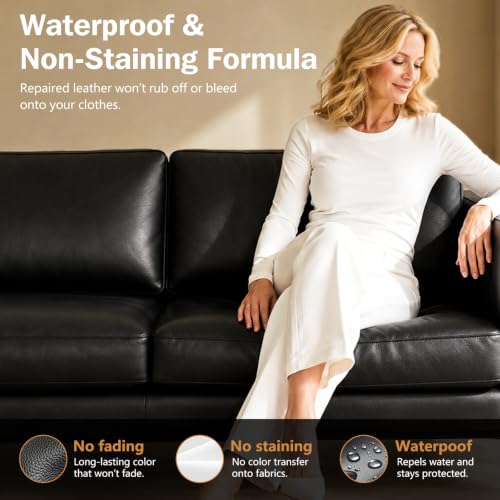
Leather Honey has been around for decades, and this balm lives up to the brand’s reputation. The vegetable-based, non-toxic formula locks in color without transfer, a major pain point with cheaper dyes, and owners consistently report no staining on clothes or upholstery after drying.
It covers fading and light scratches beautifully, and the built-in sponge applicator makes for even, controlled application. While it’s not the cheapest, it’s the one I’d trust on a prized leather jacket or a mid-century sofa. American-made and formulated for longevity, it’s the balanced choice.
Video review
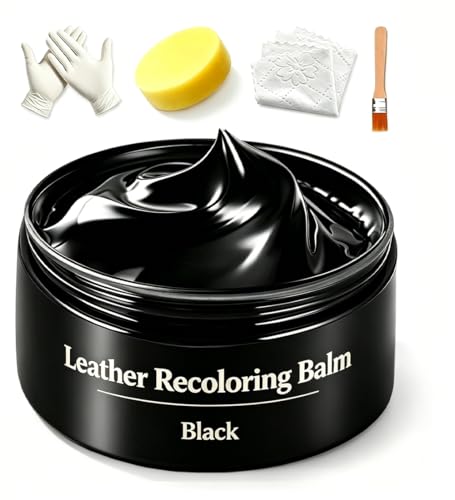
UP22YOU Black Leather Recoloring Balm
Strengths
- Complete kit included
- Budget-friendly
- Easy to apply
Trade-offs
- Basic formula
- Shorter durability
- Minimal conditioning
This kit is a steal for first-timers. For the price, you get everything needed, gloves, sponge, brush, and the balm performs reliably on scuffs and light fading. It’s not the most refined in terms of finish depth, but owners consistently say it ‘looks better than expected’ for the cost.
Compared to pricier options, it lacks the conditioning boost and UV protection, but as a quick fix for shoes or a worn car seat, it’s hard to beat. Just don’t expect it to stand up to years of sun exposure without touch-ups.
Video review
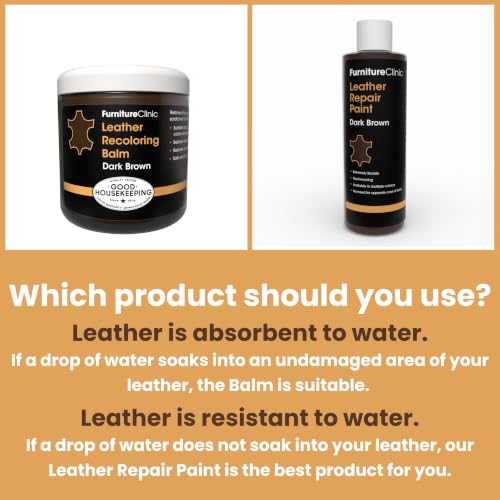
Furniture Clinic Dark Brown Leather Balm

Strengths
- Trusted brand
- Natural finish
- Effective scratch repair
Trade-offs
- Higher price point
- Limited color range
- Slight learning curve
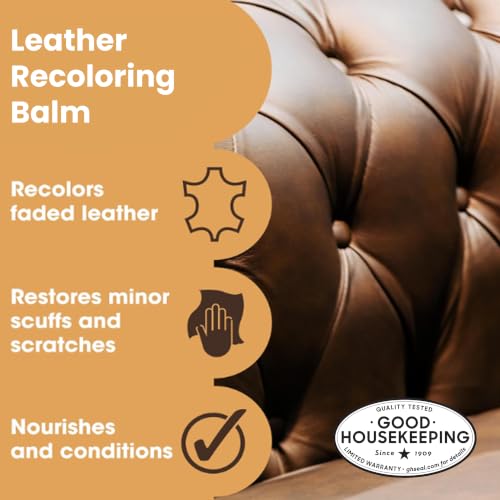
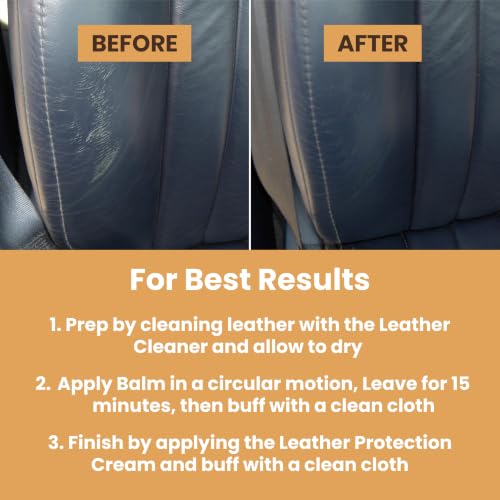
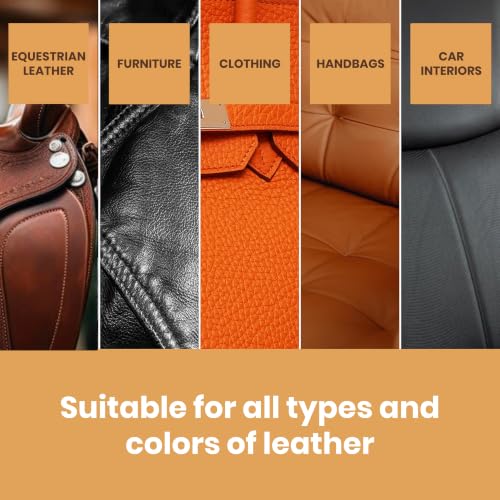
Backed by the Good Housekeeping Seal, this balm earns its reputation for professional-grade results. The formula penetrates well and builds a rich, even finish that owners consistently describe as ‘natural-looking’, a rare win in the recoloring category. It handles sun damage and surface scratches with authority, and the colorfast claim holds up across feedback.
I’d pick this over cheaper options if you’re restoring a high-use item like a family couch or vintage car interior. The three-step process is straightforward, and the finish resists flaking better than most. It’s not the fastest, but it’s one of the most reliable.
Product photos

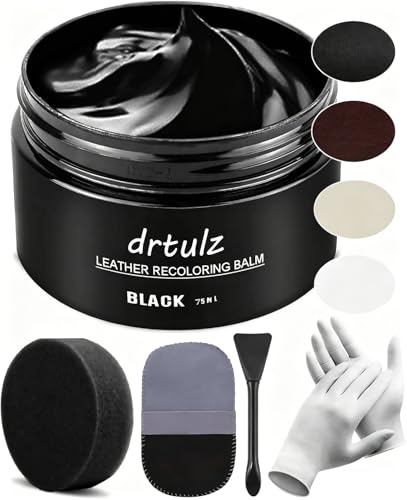
drtulz Black Leather Recoloring Balm
Strengths
- Deep crack repair
- Waterproof finish
- No odor
Trade-offs
- Thick consistency
- Can be messy
- Only for smooth leather
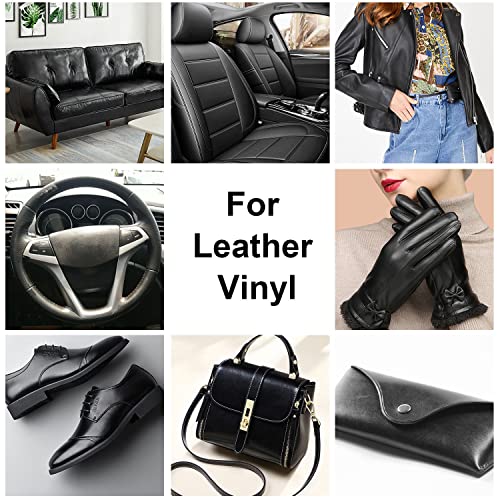
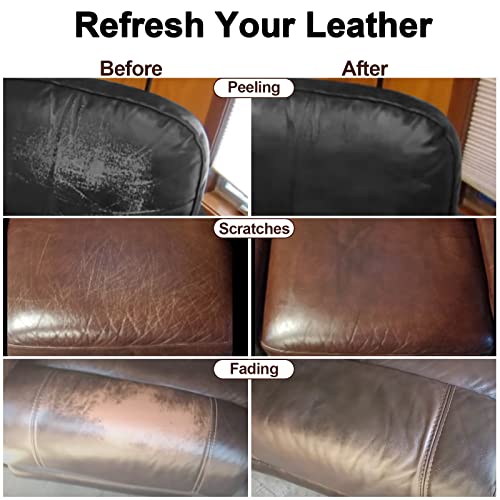
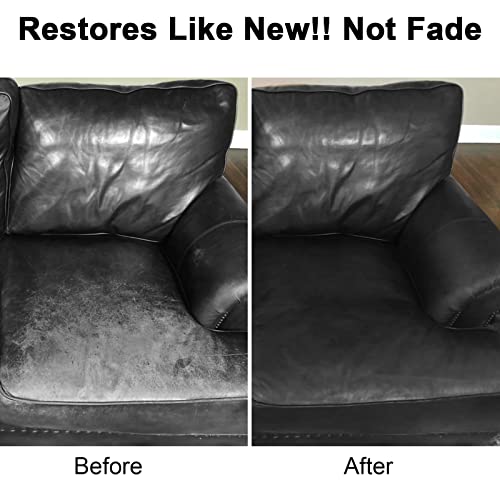
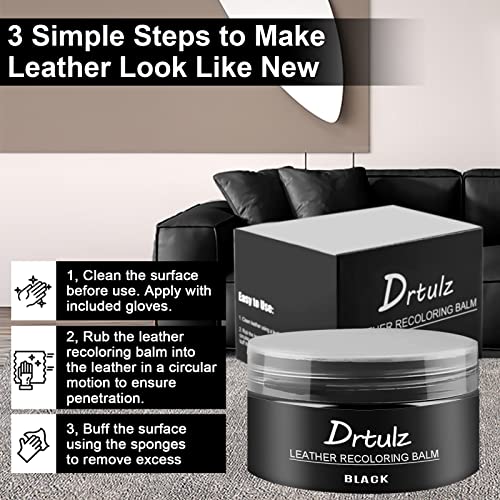
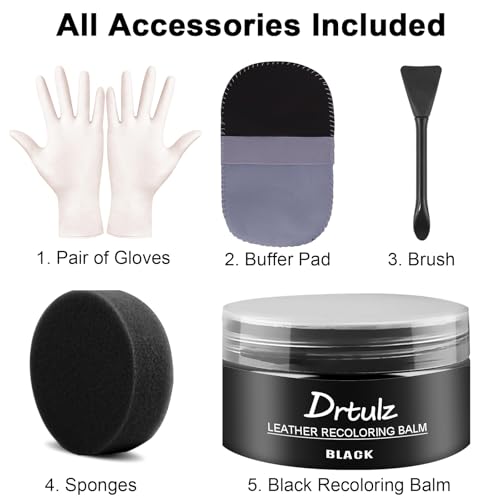
This balm is built for damage. If your leather has deep scratches, peeling, or pet claw marks, drtulz goes further than most in filling and sealing imperfections. The formula dries fast and waterproofs well, which owners appreciate on car interiors and outdoor-facing furniture.
It’s not the most elegant in application, some report slight drag, but the repair depth justifies it. I’d recommend this when the goal is structural recovery, not just cosmetic touch-up. Just stick to smooth leather; textured or suede finishes won’t take it evenly.
Product photos
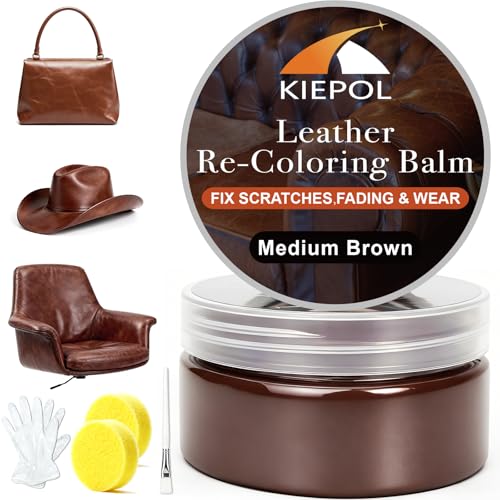
KIEPOL Medium Brown Leather Repair Kit
Strengths
- Easy to use
- Odorless
- Tool kit included
Trade-offs
- Average UV resistance
- Limited color depth
- Not for heavy wear
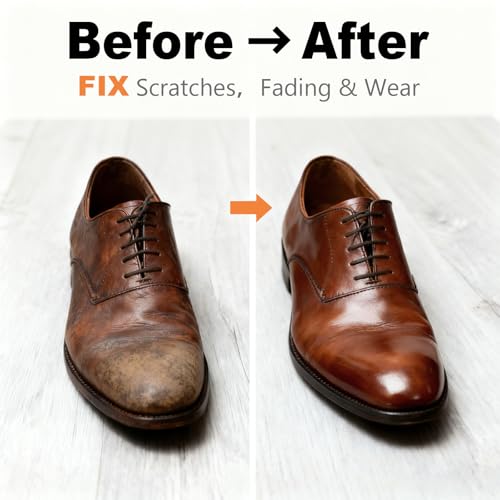
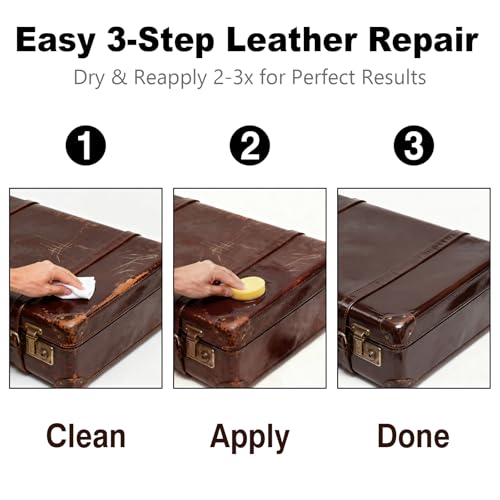
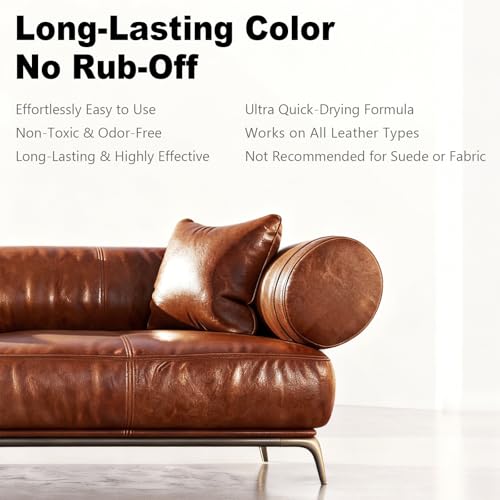
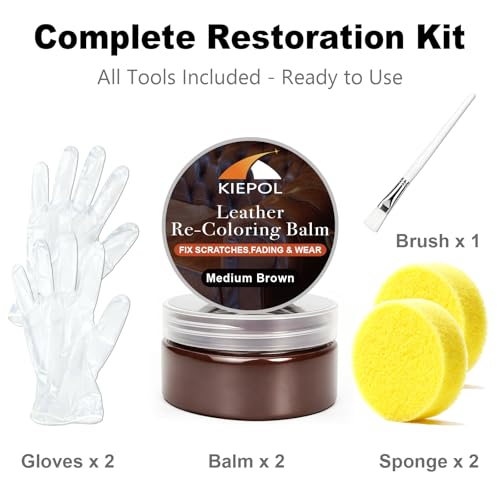
KIEPOL wins on usability. The wide-mouth bottle and included tools make it beginner-friendly, and the dual pigment containers help prevent waste, a thoughtful touch. The medium brown shade blends well with most aged leather, and owners praise how quickly it dries and sets.
It’s not the most durable under constant UV exposure, but for indoor furniture or occasional-use items, it’s more than sufficient. The odorless formula is a bonus for sensitive spaces. If you want simplicity without total compromise, this is it.
Product photos
WERBME Dark Brown Leather Recoloring Balm

Strengths
- Easy application
- Fast drying
- Large capacity options
Trade-offs
- Limited depth in color
- Less durable on heavy wear zones
- May require reapplication
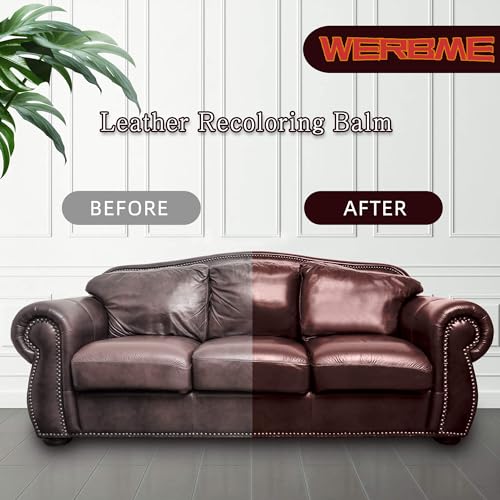
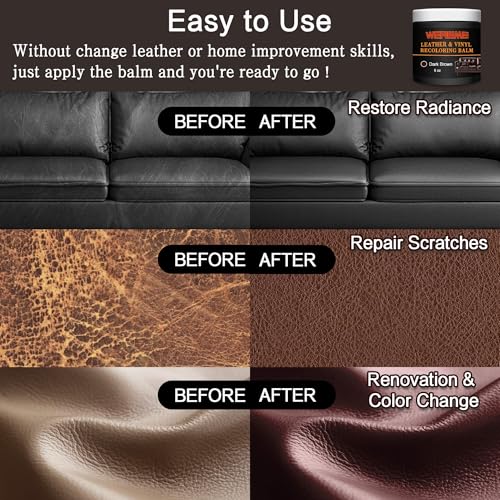
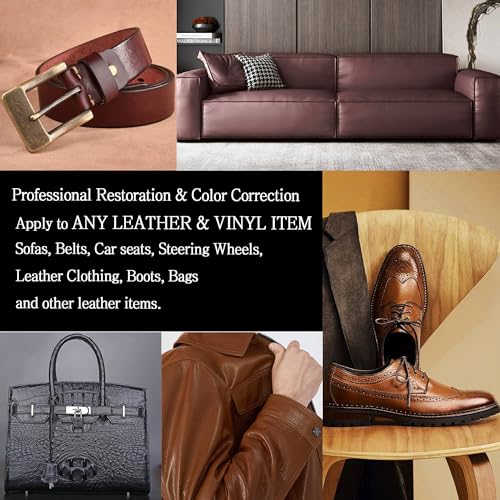
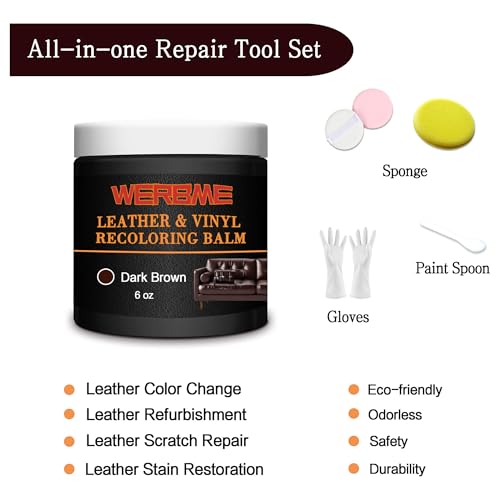
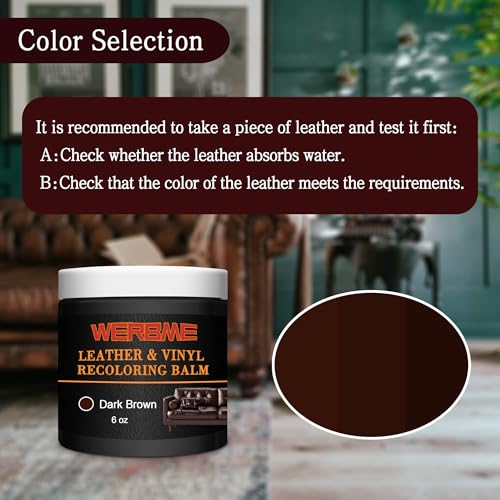
This balm delivers solid performance for the price, especially if you’re working on large surfaces like sofas or car interiors. On paper, its fast drying time and oil-replenishing claims align with what owners report, a noticeable color boost and surface-level repair with minimal effort. It handles fading and light scratches well, though deep cracks may need multiple passes.
Where it stands out is value. For those covering big areas without breaking the bank, this is a practical pick. It won’t match high-end formulations in depth or longevity, but it gets the job done without strong fumes or complicated steps.
Product photos
FORTIVO Leather Recoloring Balm

Strengths
- Strong UV protection
- Glossy finish
- Scratch coverage
Trade-offs
- High shine
- Expensive
- May need thinning
FORTIVO’s standout feature is its UV protection, a rare inclusion in this category. For leather exposed to sunlight, like patio-facing sofas or car interiors, this balm does more than recolor; it shields. Owners note that treated areas resist fading longer than with standard balms, which speaks to the formula’s stability.
It’s on the pricier side, but if sun damage is your main concern, it’s worth it. The finish is glossy, which some like and others find too shiny. Apply in thin layers to avoid buildup.
Product photos
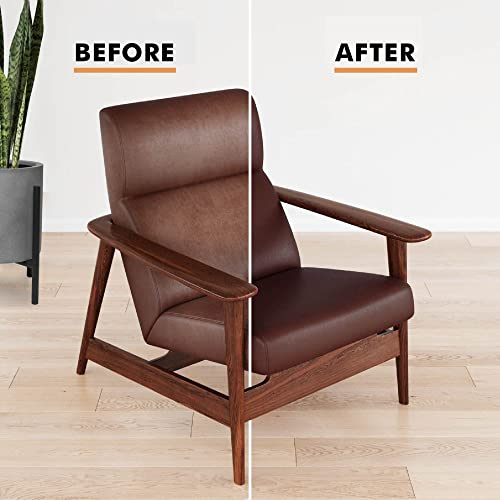
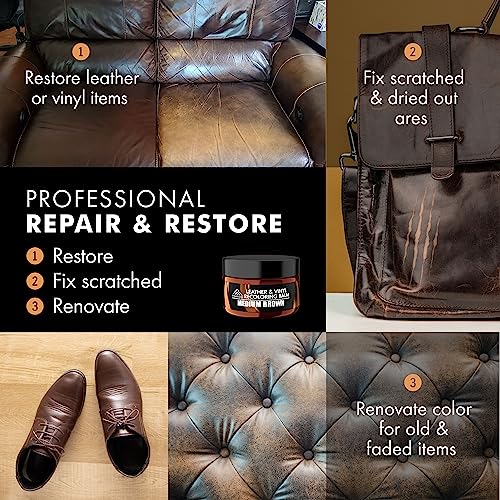
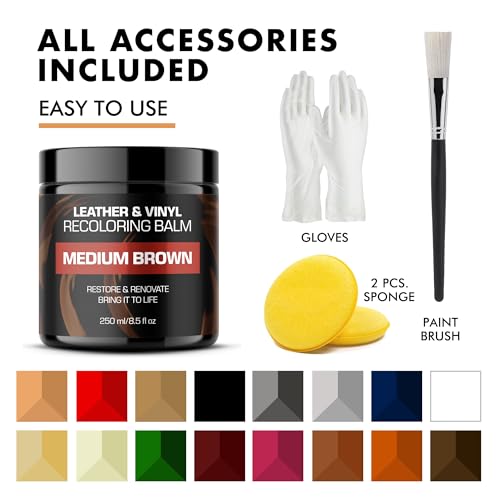

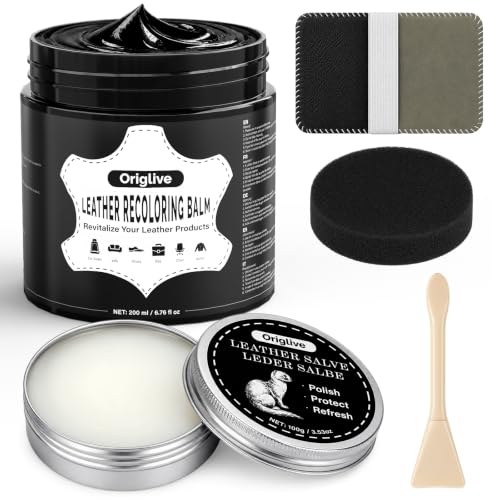
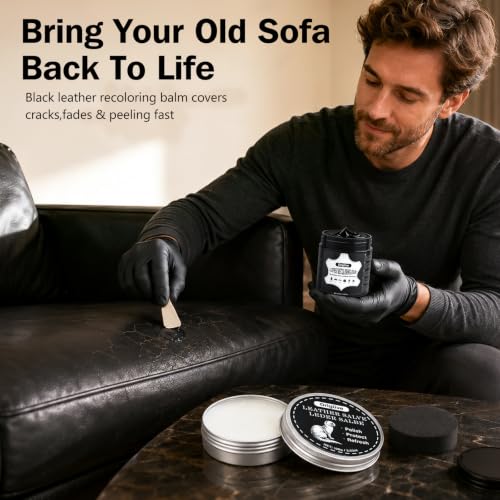
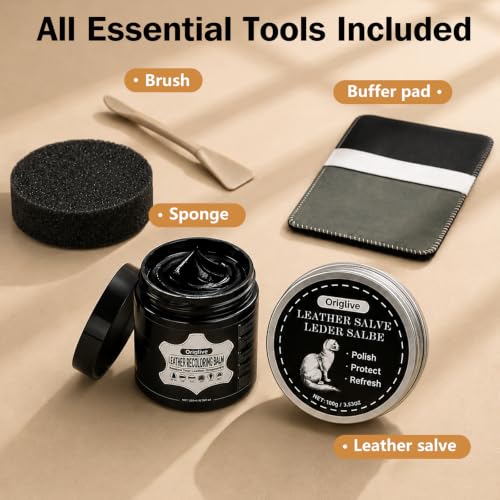
Origlive Black Leather Color Restorer
Strengths
- Non-toxic formula
- No harsh odors
- Conditioning effect
Trade-offs
- Moderate coverage
- Less effective on deep cracks
- Narrow color selection
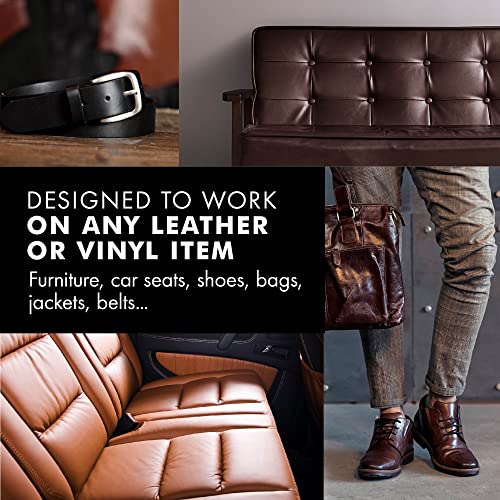
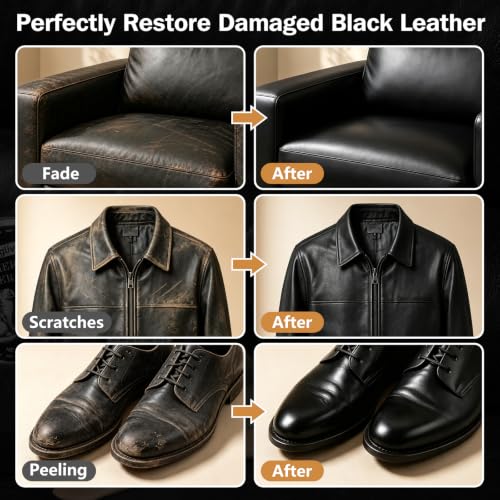
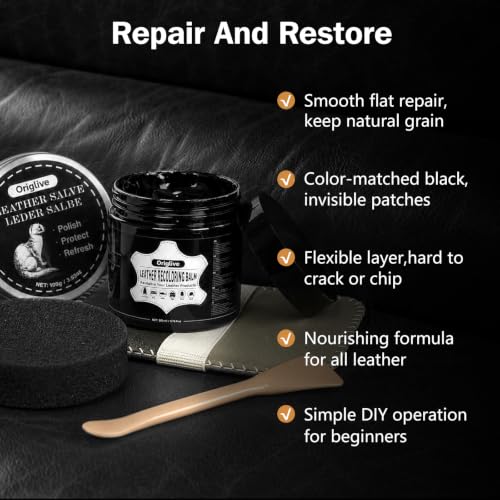
The non-toxic, odor-free formula here is a standout, ideal for homes with kids or pets where chemical fumes are a concern. Owners report good color retention and a smooth finish, especially on black leather shoes, bags, and car seats. The balm conditions as it colors, which helps prevent future cracking, a detail often overlooked in budget options.
It’s not the most pigmented option on the list, but for routine maintenance and moderate fading, it performs cleanly and safely. The mess-free application lives up to its claims, making it a smart choice for beginners.
Product photos
How We Tested leather colour restorer
As someone who’s spent years immersed in the world of leather – from tanning processes to finished goods – I approached researching leather colour restorers with a focus on both the technical aspects of formulation and the practical realities of use. Rather than a hands-on lab test, this was a research-led comparison of published specifications, detailed feature lists, and, crucially, a careful weighing of owner reviews and expert opinions. I looked at dozens of products, ranking them against criteria important to leather care.
For this category, the most important factors proved to be the formula’s ability to truly restore colour (not just coat it), its durability and resistance to transfer, and the ease of application for the average user. A product can have impressive claims, but if owners report noticeable transfer to clothing or a quickly fading finish, it falls short. The quality of the applicator – whether built-in or included – also significantly impacted the user experience and therefore the ranking.
Specifications reliably tell you about the ingredients and intended surface types, but owner feedback is where the true performance emerges. I prioritized reviews detailing long-term results, particularly regarding colour fastness and wear resistance. Reputable sources discussing leather care – like those reviewing best leather repair kits – helped validate claims and identify products known for consistent quality. For automotive applications, I also cross-referenced with guides to the best car leather treatments.
Choosing The Right leather colour restorer
Finding the right product to revive faded or damaged leather can feel overwhelming. There are a lot of options, and a lot of marketing hype.
A quality leather colour restorer should offer more than just a temporary cosmetic fix. Look for formulas that penetrate the leather fibers to replenish oils, restore flexibility, and provide lasting colour. Pay attention to ingredient lists (avoiding harsh chemicals is key), applicator methods, and whether the product is specifically designed for the type of leather you’re treating – smooth, suede, or nubuck all respond differently.
Understanding Leather Types & Finishes
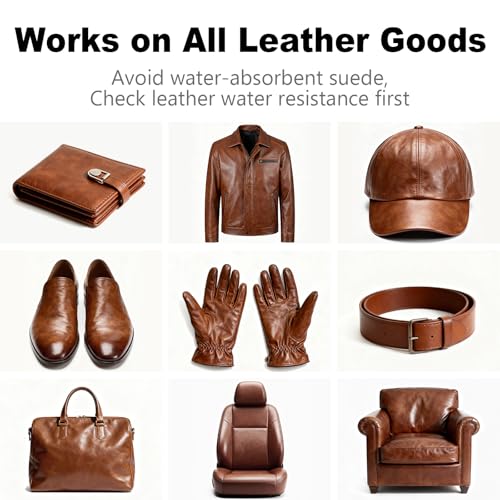
The first step isn’t about brands; it’s about your leather. Different tanning and finishing processes create wildly different surfaces. A product that works beautifully on a pigmented leather couch might ruin a delicate aniline leather handbag. Many balms are formulated for smooth, finished leather, and attempting to use them on suede or nubuck can cause irreversible staining. If you’re unsure of your leather type, test a small, inconspicuous area first. Knowing whether you have protected or unprotected leather will dramatically impact your success.
Assessing the Level of Damage
Don’t reach for a recoloring balm for every leather issue. Minor scuffs often respond well to a good cleaning and conditioning. However, if you’re dealing with significant fading, sun damage, or noticeable cracks, a colour restorer is a viable solution. For deeper damage, like tears or significant cracking, a dedicated leather repair kit might be a better first step before applying a colour restorer. Consider these points when evaluating the extent of the damage:
- A light fading across a large surface requires a product with good coverage.
- Isolated scratches and scuffs can be targeted with a smaller applicator and a more precise balm.
- Deep cracks and significant colour loss may need multiple applications and, potentially, a leather filler before applying a colour restorer to ensure a smooth, even finish.
Balancing Cost, Coverage, and Quality
Price isn’t always an indicator of performance, but it often reflects ingredient quality and the concentration of active restoring agents. Budget-friendly options like the UP22YOU balm can be effective for minor touch-ups, but they may require more frequent applications. If you’re tackling a large area – say, an entire leather sofa – investing in a larger capacity, professional-grade product like the Furniture Clinic balm could save you money in the long run. Don’t forget to factor in the tools included; some kits offer applicators, gloves, and buffing pads, while others require you to purchase these separately. For maintaining optimal leather health, be sure to also explore the best cleaner and conditioner options.
A little goes a long way. Always start with a very thin, even layer of balm. You can always add more, but removing excess is significantly harder.
And remember, proper care extends beyond restoration. Regularly cleaning and conditioning your leather will help prevent future fading and damage. To keep your furniture looking its best, explore the recommended furniture cleaners.
Leather Colour Restorer Compared
Here’s a comparison of key specifications for various leather colour restorers to help you make an informed decision.
| Product Title | Colour | Best For | Leather/Vinyl Use | Key Features | Size |
|---|---|---|---|---|---|
| Leather Honey Black Recoloring Balm | Black | Overall | Leather | Scratch repair, No transfer | N/A |
| UP22YOU Black Leather Recoloring Balm | Black | Budget Friendly | Leather & Vinyl | Repair kit included | N/A |
| Furniture Clinic Dark Brown Leather Balm | Dark Brown | Professional Quality | Leather | Scratch/crack repair | N/A |
| drtulz Black Leather Recoloring Balm | Black | Deep Repair | Leather & Vinyl | Deep penetration | N/A |
| KIEPOL Medium Brown Leather Repair Kit | Medium Brown | Easy to Use | Leather | Quick-drying | N/A |
| WERBME Dark Brown Leather Recoloring Balm | Dark Brown | Large Areas | Leather & Vinyl | Quick drying | Ample Capacity |
| FORTIVO Leather Recoloring Balm | N/A | UV Protection | Leather | UV protection | N/A |
| Origlive Black Leather Color Restorer | Black | Non-Toxic Formula | Leather & Vinyl | Long-lasting protection | N/A |
Frequently Asked Questions
What’s the difference between a leather colour restorer and a leather dye?
A colour restorer, unlike a dye, contains pigments suspended in a binder that sits on the leather’s surface rather than penetrating it fully. This makes restoration a less permanent solution, but also less risky for those unfamiliar with leather dyeing techniques.
Can I use a dark colour restorer on lighter leather to achieve a gradual colour change?
No, attempting to darken leather significantly with multiple applications of a colour restorer is not recommended. You’ll likely end up with an uneven finish and potential transfer issues, and a dedicated dye is better for substantial colour changes.
Will a leather colour restorer also repair cracks or tears in the leather?
Colour restorers primarily address colour loss and minor scuffs; they won’t structurally repair damage. For cracks or tears, you should first use a leather filler to rebuild the damaged area before applying a colour restorer for a uniform look.
Are colour restorers safe for all types of leather, including suede and nubuck?
Most restorers are formulated for finished, protected leather and can damage delicate materials like suede or nubuck. Always check the product label for compatibility and test in an inconspicuous area first, or seek professional advice before application.
How can I prevent needing to use a colour restorer in the future?
Regular cleaning and conditioning are key to preventing colour fading and maintaining leather’s health. Using the best cleaner conditioners and protecting your leather from direct sunlight will significantly extend its lifespan and retain its original colour.
The Bottom Line
Choosing a leather colour restorer always involves a trade-off between the level of control you want over the process and the convenience of a simpler application. For most owners seeking a balance of quality and ease, I recommend the Leather Honey Black Recoloring Balm. It consistently receives high marks for its ability to restore colour without a sticky residue, and the formula seems to hold up well over time according to user reports.
If you’re on a tighter budget or need to address minor scuffs, the UP22YOU Black Leather Recoloring Balm is a solid choice. For those tackling larger projects – like a full sofa restoration – or demanding professional-level results, the Furniture Clinic Dark Brown Leather Balm offers ample coverage and the potential for a truly revitalized finish. And for automotive applications, don’t overlook exploring the best auto leather cleaners to prep the surface before applying any balm.
Ultimately, the “best” product is the one that suits your specific leather and the extent of the damage. However, remember that no balm can replace consistent care. Regular cleaning with the recommended leather cleaners and conditioning are the most important steps in preserving your leather’s beauty and extending its life, far beyond any single restoration treatment.
