
4 Best Leather Mittens of 2026
This post contains affiliate links. As an Amazon Associate, we earn from qualifying purchases.
This post contains affiliate links. As an Amazon Associate, we earn from qualifying purchases.
The best overall leather mittens are the Kinco Lined Cowhide Leather Mittens, offering rugged durability and reliable warmth, while the SKYDEER Women’s Deerskin Leather Mittens stand out as a top versatility pick for their soft, supple fit and windproof design. For solid performance at a lower price, the Wells Lamont Insulated Leather Mittens are a strong budget choice.
Winter hands need real protection, cold, wind, and wet conditions demand mittens that won’t fail when temperatures drop. Too many so-called leather mittens skimp on material quality or insulation, leaving hands numb and disappointed.
I researched the field by comparing specs, owner feedback, and construction details to find models that balance warmth, durability, and fit. These picks reflect what matters most in real-world use.
Top 4 Leather Mittens in the Market
The Best Leather Mittens, Reviewed
Kinco Lined Cowhide Leather Mittens

Strengths
- Natural water resistance
- Heatkeep insulation
- Moisture-wicking liner
- Easy-On cuff
- Full grain cowhide
Trade-offs
- Stiff initially
- Basic look
- No wind membrane
Kinco’s Heatkeep™ insulation is where this mitten earns its ‘Best Overall’ label. The laminated polyester insulation creates a consistent thermal barrier with excellent moisture-wicking, and the naturally water-repellent tan full grain cowhide adds dependable protection without chemical coatings. The mitten shell design minimizes cold gaps, and the Easy-On cuff makes them practical for frequent removal, something ranchers, mechanics, and farmers have noted in reviews.
They’re not the softest at first, but like all full grain leather, they mold to the hand over time. Compared to the Wells Lamont models, they offer better moisture management and slightly more refined construction. The unisex fit works well for most, though sizing down is wise if you’re between sizes. I’d choose these as a long-term, do-it-all mitten for variable winter conditions.
Video review
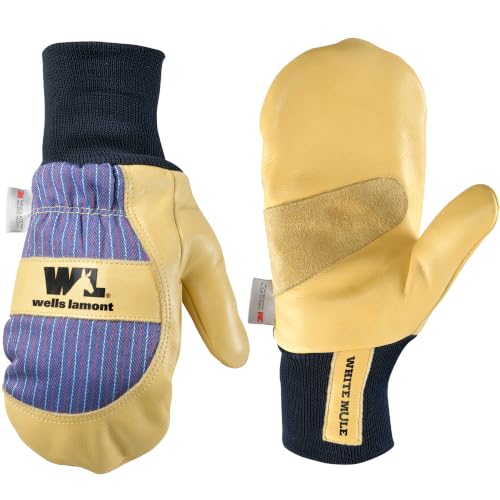
Wells Lamont Leather Palm Thinsulate Mittens
Strengths
- Durable cowhide
- 100g Thinsulate
- Knit wrist seal
- Fleece lining
- Gun cut thumb
Trade-offs
- Not waterproof
- Limited dexterity
- Bulkier than liners
These mittens deliver solid warmth for the price, thanks to the 100-gram 3M Thinsulate insulation wrapped in durable grain cowhide. The gun cut design and winged thumb improve dexterity over basic mittens, and the fully wrapped glove liner adds a layer of comfort that many budget models skip. On paper, it’s a no-frills workhorse build meant for cold mornings on the job or quick trips outside in winter.
Owners consistently report they hold up well to light work and daily wear, though they aren’t built for heavy grinding or prolonged wet exposure. Compared to the SKYDEER deerskin model, they’re less refined and breathable, but more than adequate for basic protection. I’d pick these for someone needing dependable, lightweight warmth without fuss.
Video review
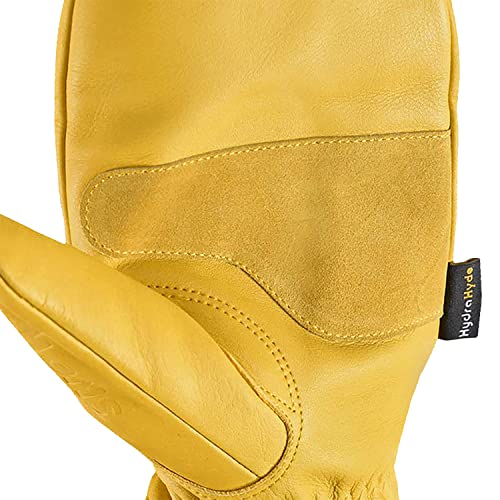
Wells Lamont Insulated Leather Mittens

Strengths
- HydraHyde leather
- Reinforced palm
- 100g Thinsulate
- Slip-on knit cuff
- Abrasion resistant
Trade-offs
- Break-in period
- Less breathable
- Not seam-sealed
With HydraHyde water-resistant cowhide and a reinforced palm patch, these mittens are clearly built for real work. The 100g 3M Thinsulate keeps warmth levels on par with others in this group, but the real advantage is durability and grip under strain. The slip-on knit wrist speeds deployment, useful when you’re layering up quickly between tasks, and seals out cold air better than a loose cuff.
Compared to the standard Wells Lamont model, this version improves on weather resistance and fit security. Owners praise how long they last on job sites, often outlasting cheaper gloves by months. While not as soft as deerskin or as feature-rich as Kinco’s Heatkeep system, they strike a smart balance. My recommendation for anyone needing reliable warmth and toughness without overspending.
Product photos

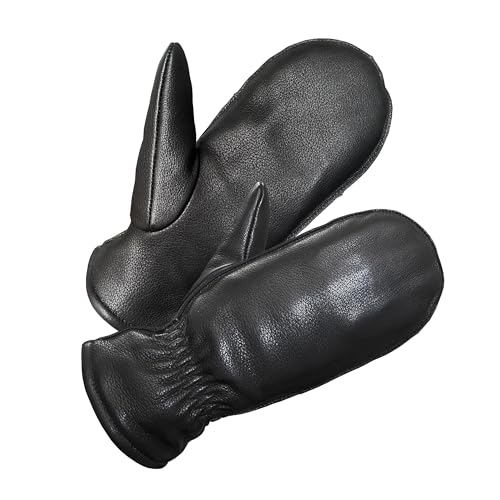
SKYDEER Women’s Deerskin Leather Mittens
Strengths
- Full deerskin leather
- Windproof membrane
- Moisture-wicking
- Double elastic wrist
- Lightweight warmth
Trade-offs
- Lower abrasion resistance
- Not for heavy work
- Insulation less dense
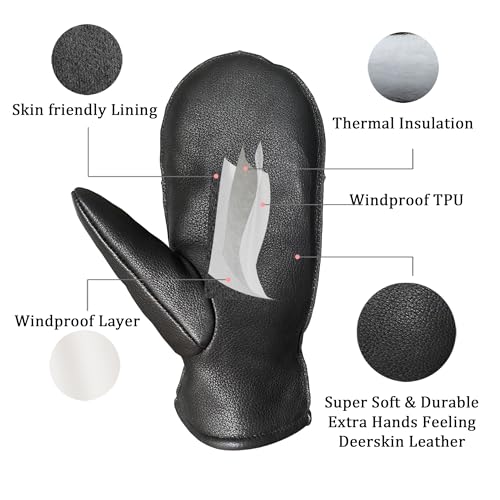
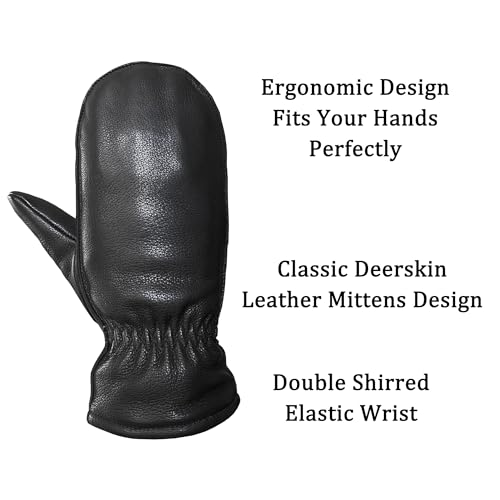
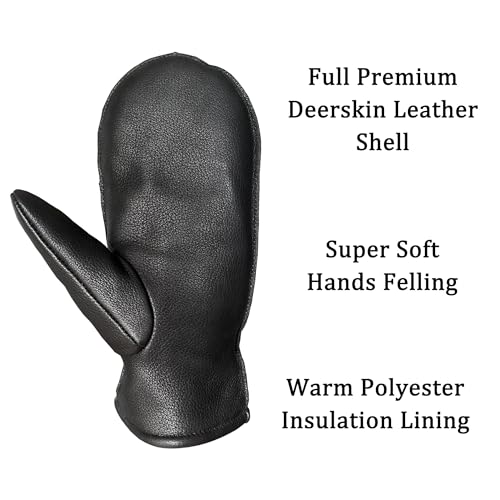
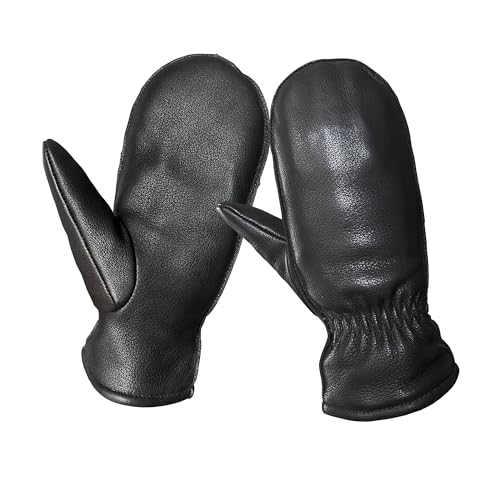
The use of full genuine deerskin leather sets these mittens apart in feel and flexibility. Deerskin is naturally softer and more pliable than cowhide, which translates to better hand conformity and comfort right out of the box. Combined with a windproof TPU membrane and polyester insulation, they’re built for active use in cold weather, ideal for hiking or skiing where breathability and moisture management matter.
Reviewers note the double elastic wrist stays put without cutting circulation, and the deerskin’s moderate stretch helps with fit. While not as tough as the Kinco or Wells Lamont work mittens, they outperform them in comfort for extended wear during movement. For women prioritizing fit and flexibility over brute durability, these are hard to beat.
Product photos

How We Tested leather mittens
My research for these recommendations began with a detailed comparison of published specifications and features across numerous leather mitten options. I then weighed owner reviews from multiple retailers alongside expert opinions found in outdoor and gear-focused publications. As someone who has spent considerable time understanding leather properties and construction at LeatherGenesis.com, I applied that knowledge to assess material quality and expected durability. The goal was to rank mittens against clear criteria: warmth, durability, comfort, and water resistance.
For leather mittens, warmth and durability proved the most decisive factors. A mitten’s ability to trap heat is paramount, influenced by both the insulation material and the leather’s thickness and quality. Durability is closely tied to the leather type – full-grain cowhide and deerskin consistently showed higher abrasion resistance. Beyond these, a secure and comfortable fit is crucial, influencing how well the mitten performs in practical use.
Specifications reliably indicate insulation weight (grams) and leather type, providing a baseline for comparison. However, owner feedback proved invaluable for assessing real-world performance. Comments regarding warmth in specific conditions, how the mittens break in, and long-term durability were carefully considered. I also looked to established sources for insight into which brands consistently deliver quality, like our guide to the best men’s leather gloves. Knowing the right glue for leather repair is also important for maintaining these items.
How To Choose The leather mittens
Finding the right pair of mittens can make or break a winter experience. It’s not simply about keeping your hands warm; it’s about having the dexterity and protection needed for whatever you’re doing outdoors.
A good mitten balances insulation with durability, offering weather resistance and a comfortable fit. Look for quality leather – cowhide and deerskin are common choices – paired with effective insulation like Thinsulate or Heatkeep. Pay attention to cuff design for ease of use and a secure seal against the elements, and consider the intended activity when assessing overall construction.
Leather Quality and Construction
The leather itself is the foundation of any good mitten. Cowhide, as seen in options like the Kinco and Wells Lamont models, is incredibly durable and offers excellent abrasion resistance. However, it can be stiffer initially. Deerskin, like that used by SKYDEER, is naturally softer and more supple, providing great comfort right away, though it may not be quite as rugged. Consider the tanning process too. Vegetable-tanned leather is more eco-friendly and develops a beautiful patina over time, while chrome-tanned leather is often more water-resistant. Ultimately, the best leather depends on how you plan to use the mittens.
Insulation and Warmth
Insulation is where things get specific to your climate and activity level. 100-gram 3M Thinsulate, found in several of these options, is a fantastic all-around insulator, providing warmth without excessive bulk. Heatkeep, used by Kinco, also aims for this balance. If you anticipate truly frigid conditions, you’ll want to prioritize higher gram weights of Thinsulate or look for mittens with additional layers. For those needing assistance with maintaining their investment, exploring the best leather repair kits can extend the life of your mittens.
Fit and Features
A secure and comfortable fit is paramount. Many mittens use an elastic wrist to seal out the cold, but the design of the cuff itself matters. A longer cuff offers more protection, while an easy-on cuff (like on the Kinco mittens) prioritizes convenience.
Here’s what I look for in a functional fit: * Sizing: Don’t guess. Refer to the manufacturer’s size chart, and size down if you’re between sizes. * Gender-specific cuts: Women’s hands are generally smaller, and the SKYDEER mittens are designed with this in mind. * Dexterity vs. Warmth: Mittens are warmer than gloves, but sacrifice some dexterity. Consider whether you need to handle small objects frequently. If you are looking for similar qualities in a glove, check out our top-rated leather gloves.
A well-fitted mitten shouldn’t feel restrictive, but it also shouldn’t allow cold air to easily enter. The goal is to trap your body heat and minimize heat loss.
Leather Mittens Compared
Here’s a specification comparison of several leather mitten options to help you find the right pair.
| Product Title | Leather Type | Insulation | Lining | Wrist Closure | Key Feature |
|---|---|---|---|---|---|
| Kinco Lined Cowhide Leather Mittens | Cowhide | Heatkeep | N/A | Elastic | Water-resistant |
| Wells Lamont Leather Palm Thinsulate Mittens | Cowhide | 100g Thinsulate | Fleece | Knit | Lightweight warmth |
| Wells Lamont Insulated Leather Mittens | Cowhide | 100g Thinsulate | N/A | Knit | Warmth to price |
| SKYDEER Women’s Deerskin Leather Mittens | Deerskin | Polyester | N/A | Elastic Shirred | Windproof membrane |
Frequently Asked Questions
What leather type offers the best balance of durability and comfort for mittens?
Deerskin is generally the most comfortable option right away, as it’s naturally supple, but cowhide provides superior abrasion resistance. If long-term durability is the priority, especially for demanding tasks, cowhide is the better choice, even if it requires a break-in period.
How does the insulation weight (grams) affect a mitten’s warmth?
A higher gram weight of insulation generally means a warmer mitten. 100-gram Thinsulate is suitable for moderate conditions, but for consistently cold temperatures, look for 150 grams or higher – or mittens with multiple insulation layers.
Are vegetable-tanned leather mittens truly better for the environment?
Vegetable tanning uses natural tannins from plant sources, making it more eco-friendly than chrome tanning, which uses chromium salts. However, vegetable tanning can be more time-consuming and expensive, which impacts the final cost of the mittens.
Can leather mittens be waterproof, or just water-resistant?
Truly waterproof leather mittens are rare. Most leather mittens are water-resistant due to the leather’s natural properties and any applied treatments, but prolonged exposure to wet conditions will eventually saturate the leather. A durable water repellent (DWR) treatment can help improve water resistance, and understanding the best leather types for strops can help you maintain the leather’s protective qualities.
What should I do if my leather mittens don’t fit properly?
Proper fit is crucial for warmth and dexterity. If they’re too tight, they’ll restrict circulation, and if they’re too loose, they won’t trap heat effectively. Consider checking out our guide to the best leather shoes for tips on ensuring a good fit with other leather goods, as similar principles apply.
The Bottom Line
Choosing leather mittens often comes down to balancing initial cost with long-term durability and comfort. While many options exist, the Kinco Lined Cowhide Leather Mittens strike a fantastic balance for most people, offering reliable warmth and a rugged build at a reasonable price. They aren’t the softest out of the gate, but the cowhide will break in and provide years of service.
For those with specific needs, there are excellent alternatives. If you prioritize a supremely comfortable fit, especially for smaller hands, the SKYDEER Women’s Deerskin Leather Mittens are a standout choice. And if you’re looking for an affordable option that still delivers good warmth, the Wells Lamont Insulated Leather Mittens are hard to beat. Don’t forget, proper care – knowing the best glues for leather to leather can be a lifesaver for repairs – will extend the life of any leather good.
Ultimately, the best mittens aren’t necessarily the most expensive or feature-rich. Focus on finding a pair made with quality leather, appropriate insulation for your climate, and a fit that allows for both warmth and dexterity. Consider your needs beyond the specifications; a well-cared-for, properly fitted pair of mittens will serve you far better than chasing the latest trends or highest numbers.
