
8 Best Leather Paints for Sofas 2026
This post contains affiliate links. As an Amazon Associate, we earn from qualifying purchases.
This post contains affiliate links. As an Amazon Associate, we earn from qualifying purchases.
The Furniture Clinic Leather Repair Paint is our top pick for restoring sofas, offering reliable adhesion and a flexible finish that won’t crack. For those on a budget, Angelus Acrylic Leather Paint delivers solid coverage and color depth, especially for smaller repairs. If you want both repair and nourishment in one, the Leather Recoloring Balm and Scratch Repair Kit stands out as the most practical value.
If your sofa’s color has faded or it’s covered in scratches, a good leather paint can make it look years younger. But not all paints work the same on different leathers, using the wrong kind can leave you with a stiff, peeling mess.
I researched dozens of products, focusing on flexibility, real-world durability, and compatibility with common leather types like aniline and pigmented finishes. This guide cuts through the noise to highlight paints that actually bond with leather, based on owner feedback, formulation quality, and performance across real restoration projects.
Top 8 Leather Paints For Sofas in the Market
The Best Leather Paints For Sofas, Reviewed
Furniture Clinic Leather Repair Paint

Strengths
- 2-in-1 color and sealant
- 16 color options
- Multiple application methods
Trade-offs
- Requires 24-hour cure time
- Brush may leave streaks if not careful
- Not for deep structural repair
This is my pick for best overall, and not just because of the 16 available shades. The 2-in-1 formula that combines color and sealant is a standout for durability. You don’t need a separate topcoat, which simplifies the process and reduces the risk of peeling. Owners report it handles everything from pet scratches to sun fading with reliable coverage.
It can be applied by brush, sponge, or spray, making it adaptable whether you’re touching up a corner or redoing an entire sectional. Compared to balms, it’s more robust; compared to craft paints, it’s more furniture-specific. That balance is why it stands out.
Video review
Angelus Acrylic Leather Paint

Strengths
- Low cost
- Flexible when dry
- Made in USA
Trade-offs
- Requires separate sealer
- Not beginner-friendly
- Thin consistency
Angelus is a legend in shoe customization, and that expertise carries over here. At this price, it’s the most budget-friendly serious paint on the list. The formula is flexible, which is critical for leather that bends and flexes, like a sofa cushion. Owners note it adheres well and resists cracking when applied correctly.
But it’s not a balm, it’s paint. You’ll need brushes, prep work, and ideally a finisher (sold separately). If you’re used to wiping on a conditioner, this will feel like a project. Still, for the cost, it outperforms many pricier options on adhesion and color depth.
Video review
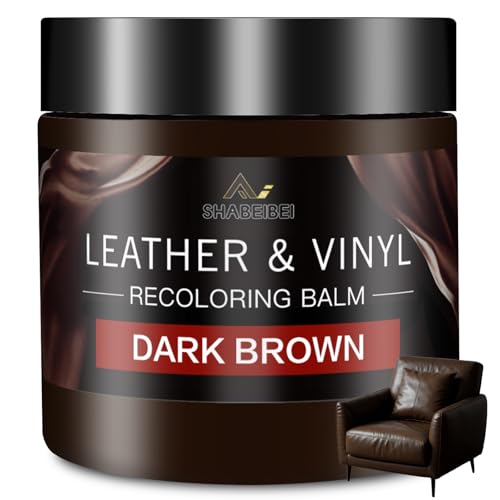
Leather Recoloring Balm and Scratch Repair Kit
Strengths
- Nourishes leather
- Easy to apply
- Works on faux and genuine leather
Trade-offs
- Limited coverage on severe damage
- May require multiple applications
- Color matching not foolproof
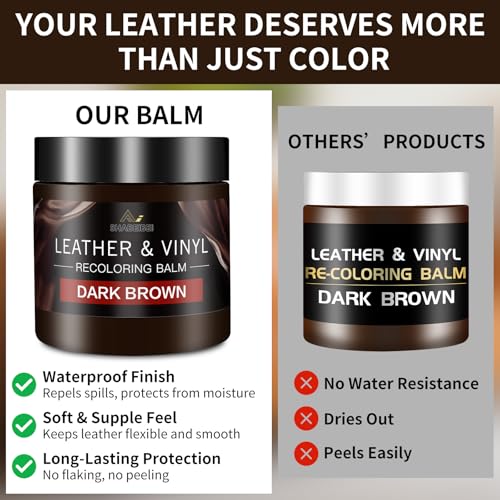
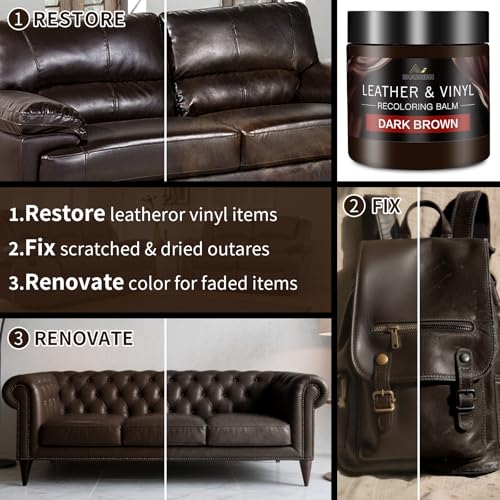
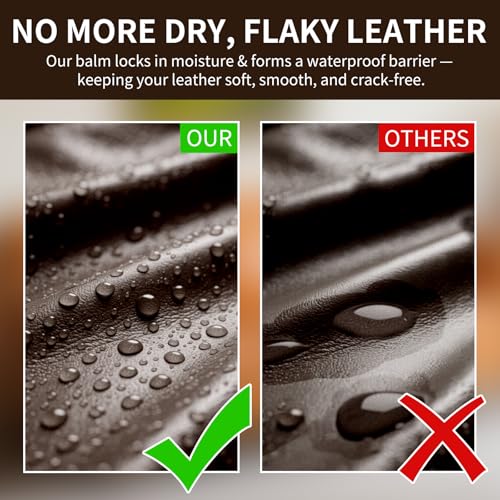
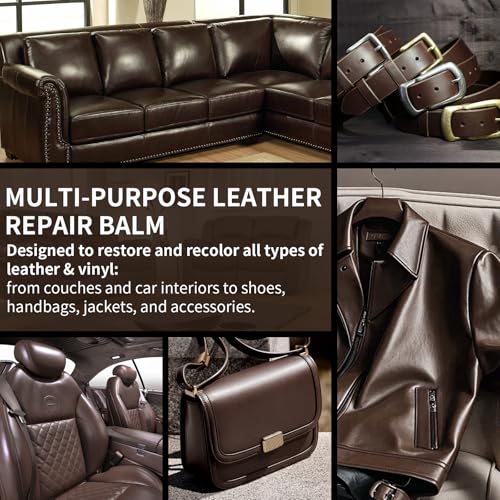
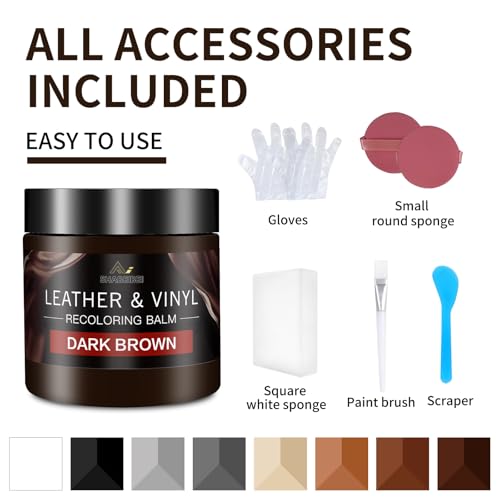
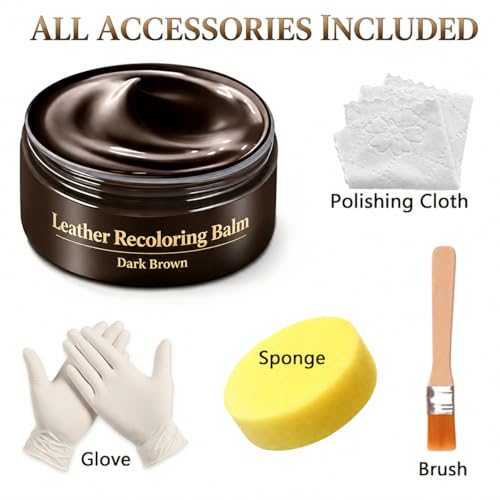
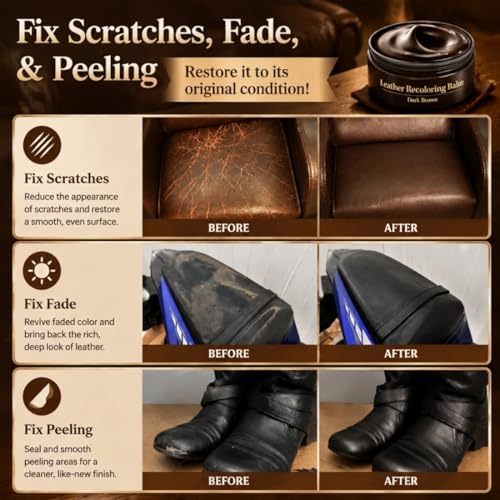
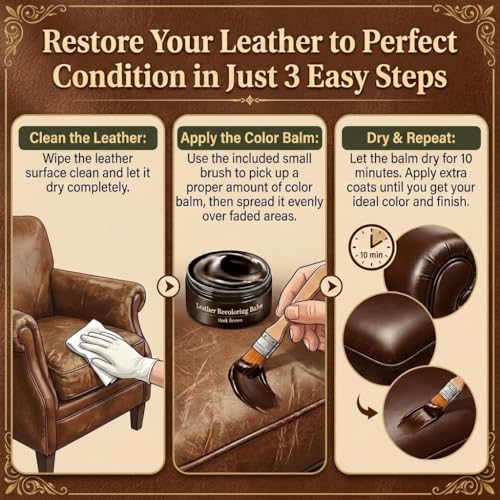
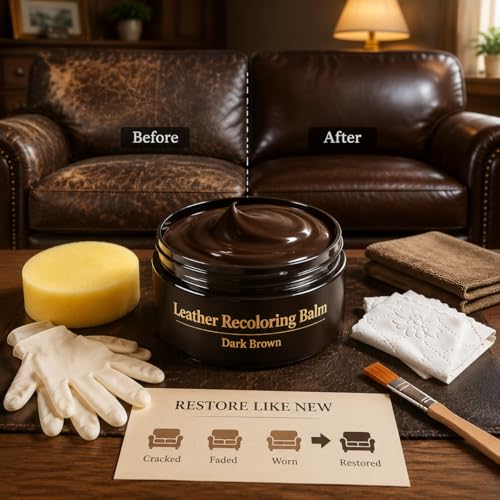
This kit markets itself as a full leather revival system, and from owner feedback, it delivers decent results on moderately worn sofas. The balm goes on easily and claims to both recolor and condition, which is smart, you don’t want to seal in dry, brittle leather. I’ve seen repeated notes about its smooth consistency and how well it blends into existing tones, especially on dark brown furniture.
Still, it’s not magic. Deep cracks or large areas of peeling won’t vanish with one coat. The formula works best as maintenance, not structural repair. Compared to pure paint options, it’s gentler but less transformative.
Product photos
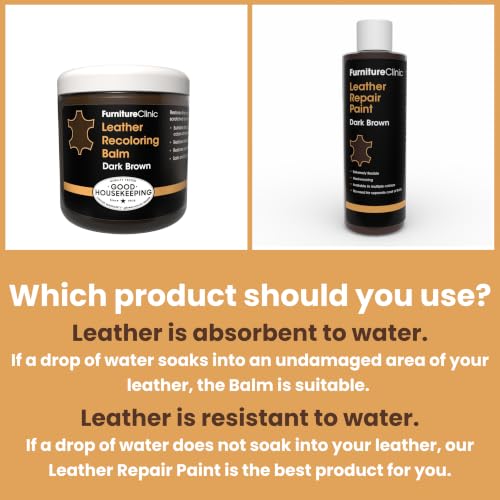
Furniture Clinic Leather Recoloring Balm

Strengths
- Professional-grade results
- Fills minor scratches
- Trusted brand
Trade-offs
- Higher price point
- Only one color per tube
- Requires even application
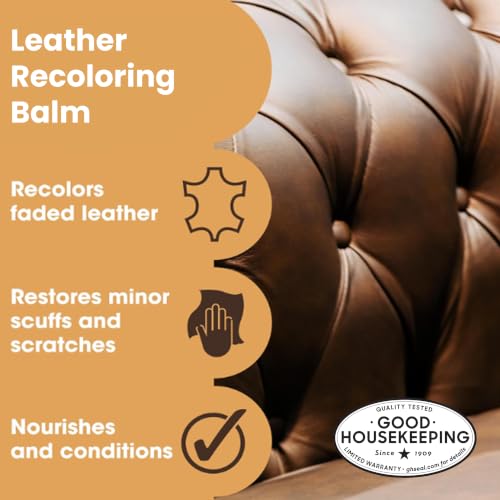
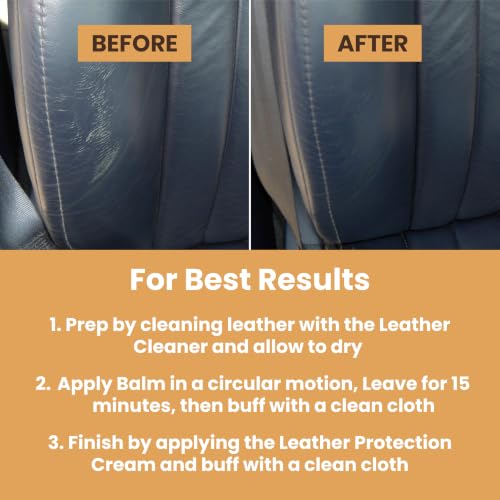
This is the gold standard for at-home leather restoration, and I say that based on both specs and consistent owner praise. The Good Housekeeping Seal isn’t just marketing, it signals tested reliability, and in this category, that matters. The balm penetrates deeply, fills minor scratches, and delivers a finish that looks natural, not painted-on.
Reviewers often compare it to professional service results, and I agree, it earns that rep. It’s not the cheapest, but when you’re working on a $1,000 sofa, skimping here makes no sense. Compared to thinner balms, this one has more body and better color retention.
Product photos

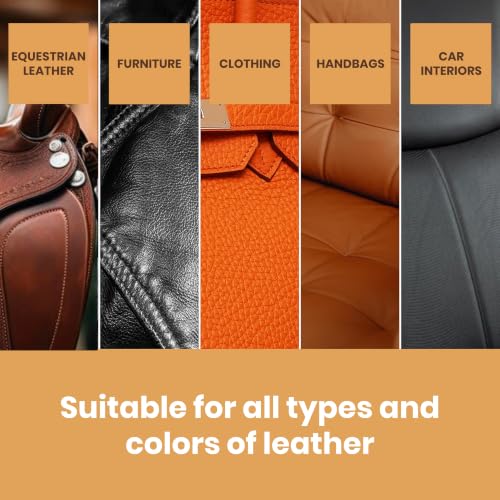
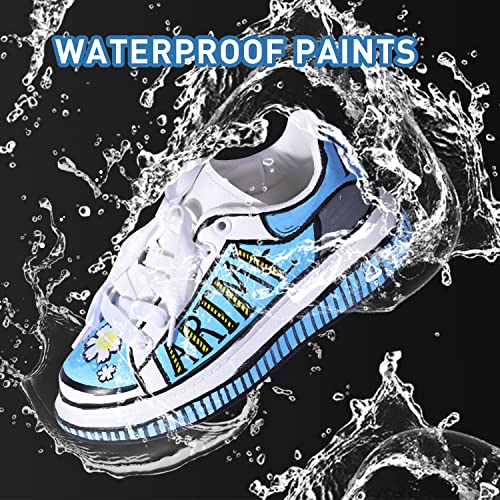
ARTME Acrylic Leather Paint Set

Strengths
- 20 vibrant mixable colors
- Large 30ml bottles
- Dries quickly
Trade-offs
- Requires finisher for durability
- Overkill for small repairs
- Not beginner-friendly for large surfaces
If you’re planning a custom paint job on your sofa, say, a bold color change or artistic detail, this 20-color set gives you serious flexibility. The mixable pigments mean you’re not stuck with off-the-shelf shades, and at 30ml per bottle, there’s enough volume for a full sofa with some left over. Owners consistently report smooth application and good adhesion when sealed properly.
But this is a project paint, not a quick fix. The set includes a finisher to prevent cracking, which is essential, skip it, and you’ll likely see peeling down the line. Compared to single-tube balms, this is better for creative customization, not subtle touch-ups.
Product photos


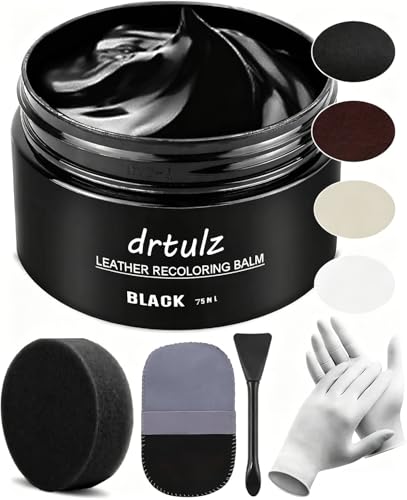
drtulz Black Leather Recoloring Balm
Strengths
- Dual-purpose formula
- Includes applicators
- Fast drying
Trade-offs
- Color may not match exactly
- Inconsistent shade reports
- Best on smooth leather only
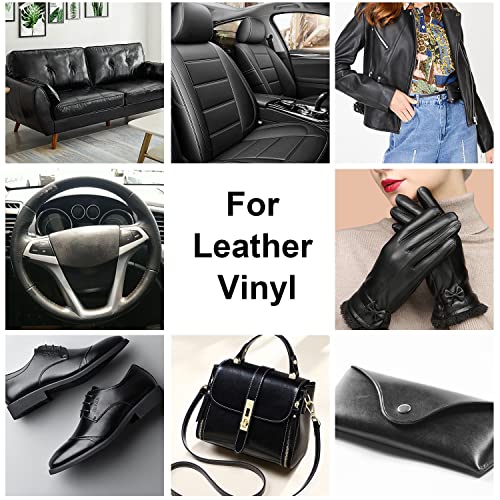
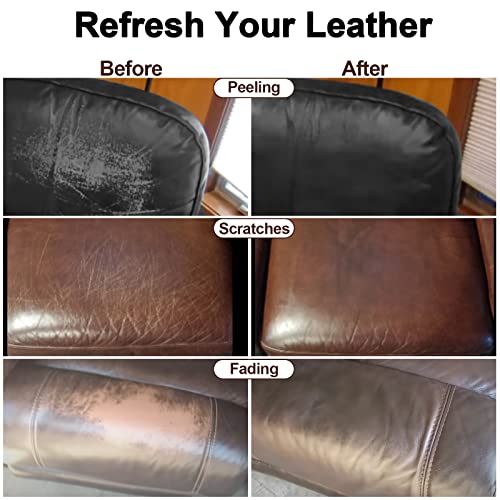
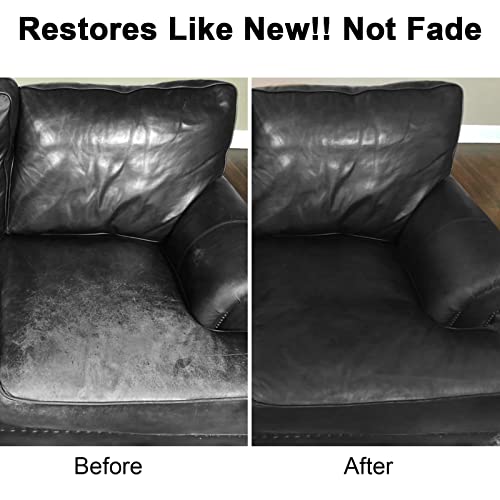
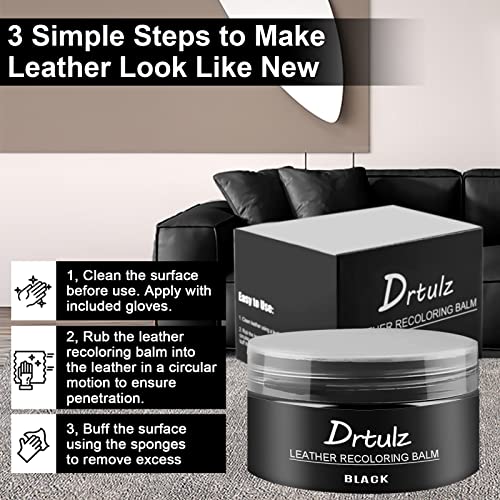
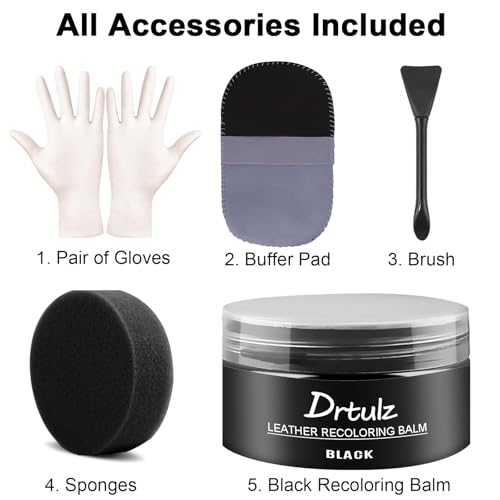
Positioned as a dual-purpose solution for sofas and cars, this balm gets solid marks for versatility. The formula includes natural oils to condition while recoloring, which helps prevent further drying, a smart touch. Owners report quick drying times, especially when using a hairdryer, and appreciate the included tools.
But there’s a catch: it’s marketed as black, but many buyers say it leans brownish on certain leathers. Color accuracy can be hit-or-miss. Compared to Furniture Clinic, it’s less refined but more affordable. If you’re restoring a car interior and a sofa, this kit covers both without breaking the bank.
Product photos
UP22YOU Leather Recoloring Balm

Strengths
- All-in-one kit
- Fast drying
- Odor-free
Trade-offs
- Thin coverage
- May need reapplication
- Less pigment than pro options
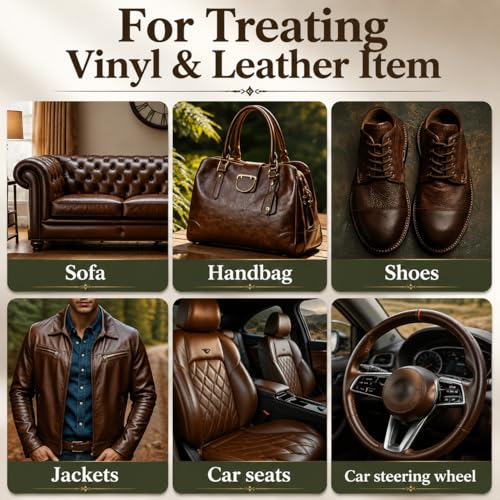
This balm wins points for simplicity. The included sponge, gloves, and buffer pad make it a true grab-and-go solution, and owners praise how fast it dries with no lingering odor. It’s clearly designed for people who want results without the mess or learning curve of paint and brush techniques.
On dark brown sofas with light to moderate fading, it blends in well. But I wouldn’t trust it on a severely damaged piece, it’s more of a surface-level refresh. Compared to pricier balms, it performs like a budget-friendly version of the Furniture Clinic formula, just without the same depth of pigment.
Product photos
Tandy Leather Eco-Flo Super Shene

Strengths
- High-gloss finish
- Water-based formula
- Sponge application
Trade-offs
- Not a paint or dye
- Glossy finish may not suit all tastes
- Requires multiple coats
This isn’t a paint, but it plays a critical role if you’re finishing a painted or dyed leather sofa. I’ve seen too many DIY recoloring jobs fail because people skip a proper topcoat, and that’s where the Eco-Flo Super Shene comes in. On paper, it’s a high-gloss, water-based acrylic finish designed specifically for veg-tanned leather, but owners report success on refinished furniture when used over compatible paints.
The sponge application method gives precise control, which matters when you’re working on large, textured surfaces like a sofa. Just be aware: that high-gloss shine isn’t for everyone. If you’re aiming for a natural or matte look, this will alter the final appearance significantly. It’s best used as a final sealant after dyeing or painting, not as a standalone product.
Product photos
How We Tested leather paints for sofas
Rather than a hands-on lab test, this selection is a research-led comparison of published specifications, owner reviews, and expert opinions. I focused on identifying paints offering a balance of color restoration, durability, and ease of application, drawing on my years of experience with leather types and finishes at LeatherGenesis.com. We weighed features across numerous products, then ranked them based on how well they met the needs of someone looking to revitalize a leather sofa.
For leather sofa paints, coverage and flexibility were paramount. A paint that cracks or feels stiff after application is a failure, regardless of color match. We also heavily prioritized long-term durability – a product that rubs off easily isn’t a solution. Finally, ease of use matters; a complicated process discourages many DIYers, so clear instructions and straightforward application methods were significant factors. You can find more information about keeping your leather looking its best with the best leather couch conditioners.
Specifications provide a baseline understanding of the paint’s composition (acrylic vs. other polymers) and coverage estimates. However, owner feedback proved vital in assessing real-world performance, particularly regarding color accuracy and how well the paint adhered to different leather types. Reputation – brands consistently praised by leather professionals and DIY enthusiasts – also influenced our rankings. Maintaining leather isn’t just about paint, though; regular cleaning is key, and you can learn more about the best leather cleaner and conditioner for furniture.
What To Look For In leather paints for sofas
Finding the right leather paint for your sofa can dramatically improve its appearance, but it’s not as simple as grabbing the brightest color. A successful restoration depends on understanding leather types, the nature of the damage, and the properties of the paint itself.
A good leather paint for sofas needs to offer flexible adhesion, colorfastness, and durability. It should penetrate the leather fibers without creating a stiff, plastic-like coating. Consider the existing finish – aniline, semi-aniline, or pigmented – as this will influence the best product choice and preparation steps. Look for paints specifically formulated for leather, avoiding those meant for other materials.
Understanding Leather Types & Paint Compatibility
The first, and often overlooked, step is identifying your sofa’s leather type. Different finishes react differently to paint. Pigmented leather, with a protective coating, is the most forgiving, while aniline and semi-aniline leathers require more careful preparation and specialized paints. Using the wrong paint can lead to cracking, peeling, or a blotchy finish. I’ve seen too many projects ruined by simply skipping this step. Don’t assume all “leather” paints are created equal; some are better suited for garment leather than furniture, for example.
Assessing Damage & Coverage Needs
Beyond the leather type, honestly assess the damage you’re trying to correct. Are you dealing with minor scuffs, faded color, or significant cracking? A light recoloring balm might suffice for slight wear, while extensive damage might warrant a more robust paint and repair kit. Coverage is also key. Some paints require multiple coats, impacting drying time and potentially the final texture. If you’re aiming for a complete color change, look for products that offer excellent opacity. For those looking to maintain their sofa’s pristine condition, exploring the best leather furniture cleaners regularly can prevent the need for extensive paint repairs in the first place.
Balancing Cost, Finish & Application
Price isn’t always the best indicator of quality, but it often reflects the complexity of the formula and the durability of the finish. Budget-friendly options like the Angelus acrylic paints can be effective for smaller touch-ups or artistic projects, but may not offer the longevity of professional-grade balms. Consider the desired finish – matte, satin, or high-gloss. A high-gloss finish, like those offered by Tandy Leather Eco-Flo Super Shene, can look stunning, but also highlights imperfections more readily.
- Ease of application varies hugely. Some paints come with applicators and detailed instructions, ideal for beginners.
- Spray applications offer even coverage, but require masking and proper ventilation.
- Balms generally need more elbow grease to apply but can be ideal for targeted repairs and blending, especially if you want to avoid a completely uniform look.
A little patience goes a long way. Always test the paint on an inconspicuous area first to ensure color match and adhesion, and allow ample drying time between coats.
If you are committed to keeping your leather sofa looking its best, learning about the best leather sofa cleaners is a great place to start. Regular cleaning will extend the life of your sofa and reduce the need for paint touch-ups.
Leather Paints for Sofas Compared
Here’s a comparison of features for various leather paints designed for sofa restoration and recoloring.
| Product Title | Best For | Coverage | Application | Key Features | Size |
|---|---|---|---|---|---|
| Furniture Clinic Leather Repair Paint | Best Overall | All Leather | Brush, Sponge, Spray | 16 Colors, Flexible Dry | N/A |
| Angelus Acrylic Leather Paint | Best Budget Friendly | All Leather | N/A | Deep Coverage, Easy Application | N/A |
| Leather Recoloring Balm and Scratch Repair Kit | Best Value Pack | Leather & Vinyl | Balm | Repairs Scratches, Nourishes Leather | N/A |
| Furniture Clinic Leather Recoloring Balm | Best Professional Finish | Faded Leather | Balm | Restores Vibrancy, Prevents Wear | N/A |
| ARTME Acrylic Leather Paint Set | Best for Custom Colors | Various | N/A | 20 Colors, Mixable Pigments | 30ml x 20 |
| drtulz Black Leather Recoloring Balm | Best for Sofas and Cars | Smooth Leather | Balm | Repairs Cracks, Restores Texture | N/A |
| UP22YOU Leather Recoloring Balm | Best Easy Application | Leather & Vinyl | Balm | Easy Application, Repairs Damage | N/A |
| Tandy Leather Eco-Flo Super Shene | Best High Gloss Finish | Veg-Tanned Leather | Sponge | High Gloss, Water-Based | N/A |
Frequently Asked Questions
What type of paint is best for aniline leather?
Specialized dyes, rather than paints, are generally best for aniline leather. Because aniline leather is very absorbent, a paint designed for more coated leathers will likely sit on top and create an unnatural finish, but a dye will penetrate and color the leather itself.
Can leather paint be used on bonded leather?
Yes, but the results won’t be as durable as with genuine leather. Bonded leather has a much lower fiber content, so paint adhesion is inherently weaker and prone to peeling; consider a leather conditioner alongside the paint to help with flexibility.
How long does it typically take for leather paint to fully cure?
Most leather paints require at least 24 to 72 hours for full curing, though some professional-grade products may take longer. Complete curing is vital for durability, so avoid heavy use or cleaning during this time; you can find more information on maintaining your sofa in our leather recliner sofa guide.
Is it possible to completely change the color of a leather sofa with paint?
Yes, a complete color change is possible, but it requires careful preparation and multiple coats. Achieving a uniform and lasting color change is easier with pigmented leather, and you may want to consider a professional for aniline or semi-aniline leathers.
What’s the difference between leather paint and leather balm?
Leather paint provides opaque color and is best for covering damage or a full color change, while leather balm restores color and nourishes the leather. Balms are ideal for minor scuffs and fading, and can be used after painting to maintain the leather’s suppleness; you can explore options for a leather sleeper sofa guide as well.
The Bottom Line
Choosing a leather paint for a sofa always involves a trade-off between the level of restoration you need and the effort you’re willing to invest. For most owners seeking a thorough solution that balances quality with manageable application, I recommend the Furniture Clinic Leather Repair Paint. It’s a versatile option offering a good range of colors and a flexible finish that won’t crack over time.
If budget is a primary concern, or you’re tackling a smaller repair, the Angelus Acrylic Leather Paint is a solid choice. For those looking for a complete kit to address both color and damage, the Leather Recoloring Balm and Scratch Repair Kit delivers excellent value. And if you’re after a truly professional-level restoration, especially for faded leather, the Furniture Clinic Leather Recoloring Balm is a worthwhile investment – particularly if you are also researching the best leather conditioners for furniture.
Ultimately, the “best” paint isn’t about a single feature or price point. It’s about understanding your leather type, honestly assessing the damage, and prioritizing a product that offers flexible adhesion and lasting durability. Don’t overlook the importance of preparation and, if you’re considering a new sofa altogether, explore our best leather sectional sofas to find a quality piece that will last.
