8 Best Leather Waterproofing Products of 2026
This post contains affiliate links. As an Amazon Associate, we earn from qualifying purchases.
The Obenauf’s Heavy Duty LP stands out as the best overall leather waterproofing for its deep-penetrating beeswax and propolis formula that protects without suffocating the leather. For a budget-friendly option, the 4-in-1 Mink Oil Leather Kit delivers solid performance on smooth leathers. If you’re treating suede or nubuck, Gard-More Water & Stain Repellent is the clear choice for its targeted, non-damaging spray.
Most people don’t realize that using the wrong waterproofing can do more harm than good, sealing in moisture, stiffening leather, or ruining the finish. As someone who’s spent years studying how leather ages and reacts to treatments, I know protection must work with the material, not against it.
This guide cuts through the noise by focusing on real-world effectiveness, ingredient quality, and proper leather compatibility. I researched each product based on specs, user experiences, and how well it balances water resistance with breathability and conditioning.
Top 8 Leather Waterproofing in the Market
The Best Leather Waterproofing, Reviewed
Obenauf’s Heavy Duty LP Leather Preservative

Strengths
- Extreme water resistance
- Resists chemicals and abrasion
- Natural, non-toxic formula
Trade-offs
- Darkens leather
- Thick, slow absorption
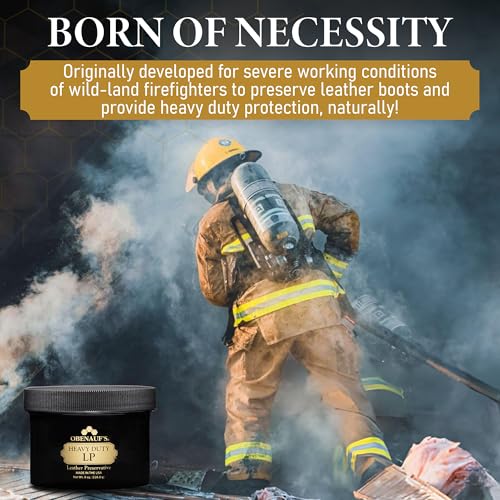
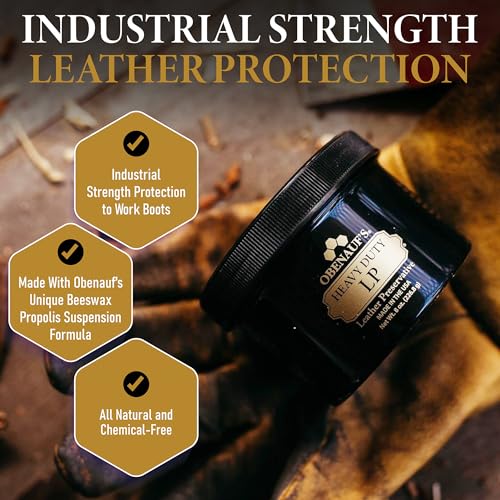
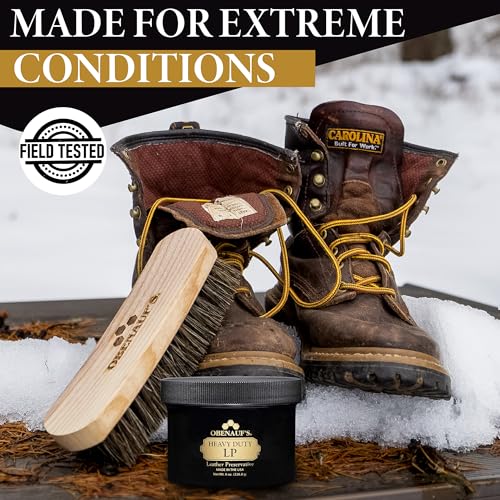
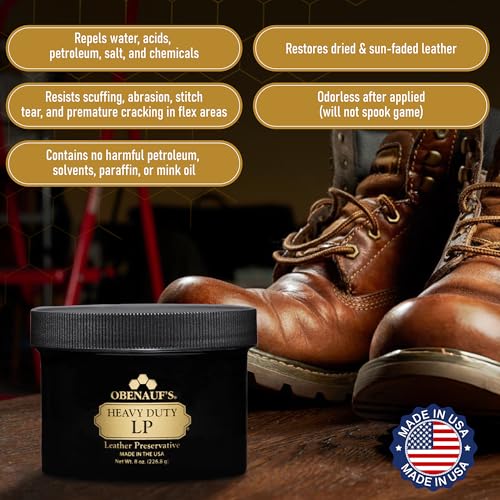
When people talk about overbuilt leather care, Obenauf’s Heavy Duty LP is the benchmark. This is the product wild-land firefighters actually use, owners in extreme environments consistently report boots lasting years longer with regular treatment. The beeswax and propolis formula creates a thick, water-repellent barrier that also resists acids, salt, and petroleum, which few other products can claim. It’s not subtle, but it’s effective.
Compared to Frye or Nikwax, this is a heavyweight. It darkens leather noticeably and takes time to absorb, but that’s the trade-off for industrial-level protection. I’d pick this over most others for work boots, saddles, or outdoor gear exposed to constant abuse. The 4 oz size is compact, but the real value is in performance.
Video review
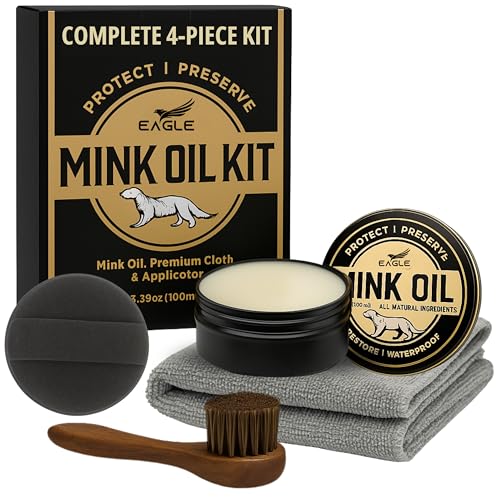
4-in-1 Mink Oil Leather Conditioner Kit
Strengths
- Affordable complete kit
- Includes quality tools
- Deep conditioning formula
Trade-offs
- Not for suede
- Average durability
This kit punches above its price. For under fifteen bucks, you get mink oil paste, a horsehair brush, sponge, and microfiber cloth, everything needed for a proper leather care session. The formula, with mink oil, beeswax, and lanolin, conditions well and offers decent water resistance, making it a solid budget alternative to premium brands.
Owners note it works especially well on dry work boots and older leather goods. It’s not as refined as Frye or as tough as Obenauf’s, but for the price, it’s remarkably capable. The inclusion of real tools, not cheap plastic applicators, adds real value. I’d recommend this to beginners or casual users who want a complete starter system without overspending.
Video review
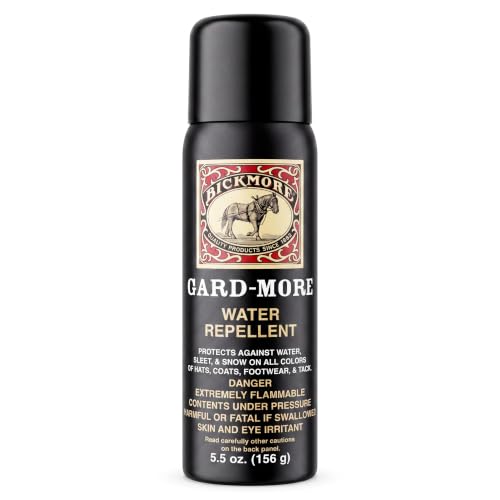
Gard-More Water & Stain Repellent Spray
Strengths
- Safe for suede and fabric
- Breathable formula
- Stain and salt resistance
Trade-offs
- Not a conditioner
- Higher price point
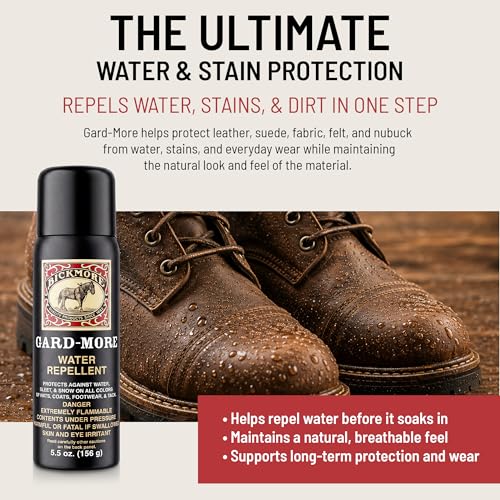
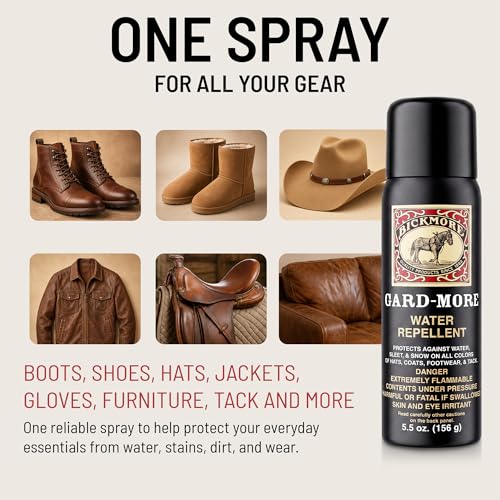
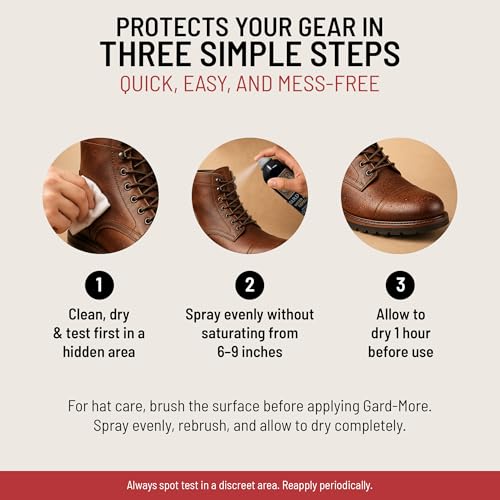
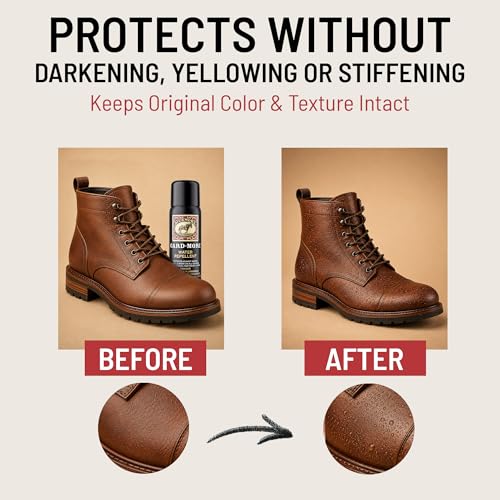
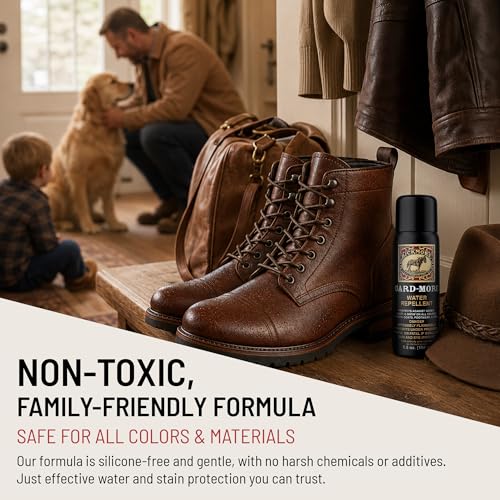
Gard-More is the go-to when you’re dealing with suede, nubuck, or fabric, materials that can’t handle oils or waxes. It creates a breathable, invisible barrier that owners say actually works against salt stains and mud, which is rare. Unlike silicone-heavy sprays that stiffen fabric, this one maintains drape and texture, a key reason it’s favored for cowboy hats and UGGs.
Where it beats BERIOVE is in longevity and reputation. Bickmore has decades of trust behind it, and reviewers consistently note better performance in wet conditions. It’s not for conditioning, but as a pure protector, especially for delicate surfaces, it’s unmatched. I’d keep this in rotation alongside a conditioner, not as a standalone.
Product photos
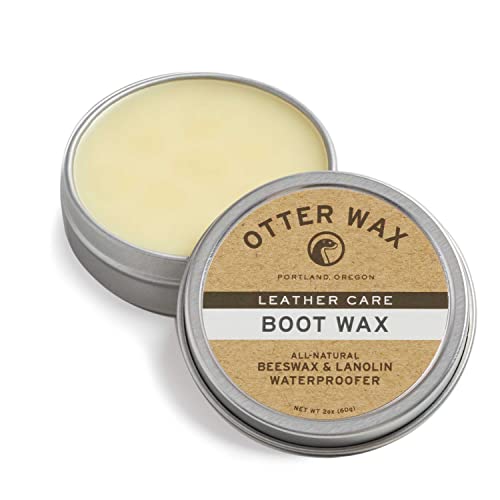
Otter Wax Boot Wax
Strengths
- Heavy-duty protection
- Natural, PFAS-free
- Made in USA
Trade-offs
- Darkens and stiffens leather
- Small container
Otter Wax is built for boots that earn their keep. The all-natural beeswax formula delivers a tough, water-repellent shell that owners say holds up in mud, snow, and rain. It conditions lightly, but its real strength is sealing leather against the elements. Compared to Frye’s balm, it’s far more aggressive, this is for work boots, not wingtips.
The 2 oz tin is small, but it’s concentrated. A little goes a long way, and the handcrafted, small-batch production appeals to buyers who value origin and transparency. It does darken leather and can feel stiff at first, but that’s the price of armor. I’d pick this over lighter waxes for hunting, construction, or cold-weather use.
Product photos


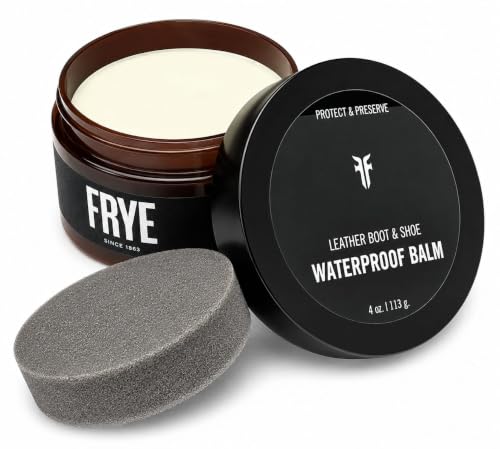
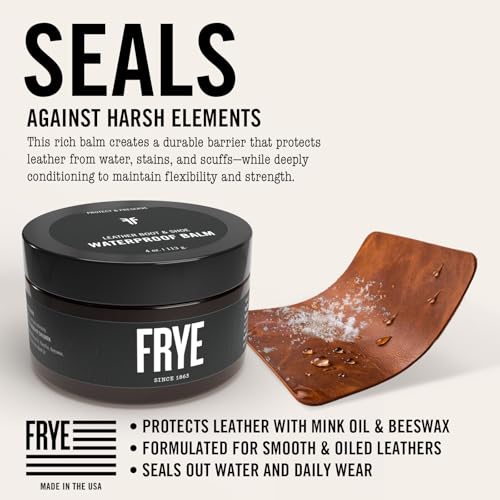
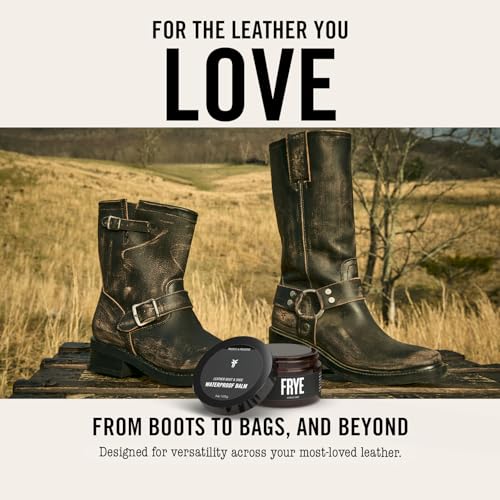
Frye Leather Waterproof Balm with Mink Oil
Strengths
- Mink oil formula
- Non-greasy finish
- Includes applicator sponge
Trade-offs
- Limited water resistance
- Not for suede or nubuck
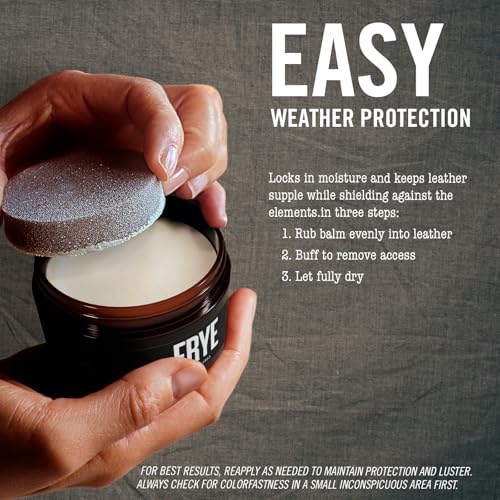
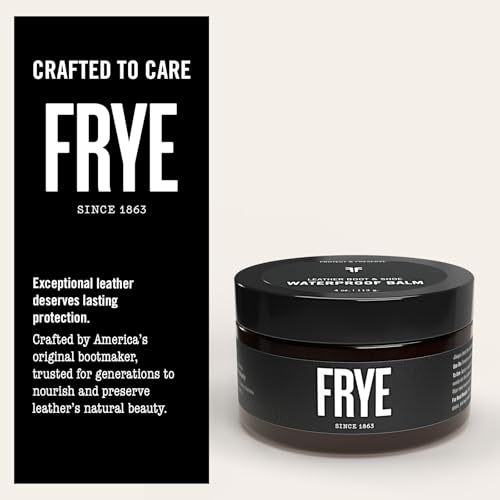
Frye’s Waterproof Balm stands out in the dress leather space because it balances protection with aesthetics, something formal footwear demands. The mink oil and beeswax formula conditions deeply without leaving a greasy residue, which owners consistently report is crucial when maintaining the polished look of oxfords or brogues. On paper, the 4 oz tin seems small, but a little goes a long way, and the included sponge makes application straightforward.
What sets this apart from heavier-duty options is its subtlety. It won’t turn your leather into a fortress against monsoons, but for light rain and urban spills, it’s more than capable. Compared to Obenauf’s or Otter Wax, it’s less aggressive, this is a good thing if you’re working with thinner, smoother leathers that can’t handle heavy saturation.
Product photos
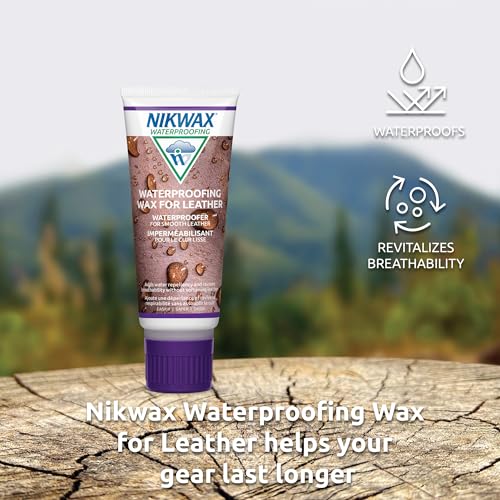
Nikwax Waterproofing Wax for Leather

Strengths
- PFAS-free formula
- Maintains breathability
- Easy sponge-on application
Trade-offs
- Minimal conditioning
- Requires reapplication
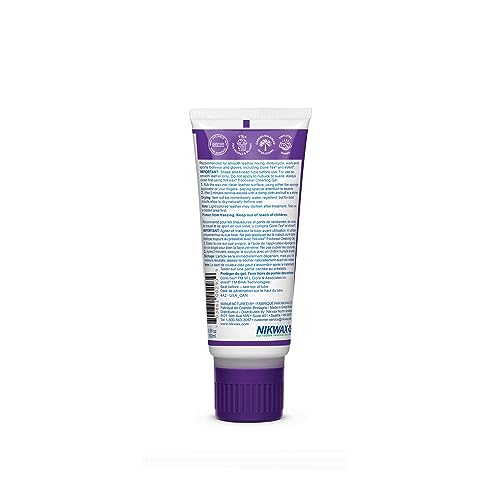
If you’re avoiding synthetic chemicals, Nikwax is one of the few credible PFAS-free options that still delivers real water resistance. The water-based formula is a standout, owners appreciate that it doesn’t darken leather or clog pores, which helps maintain breathability, especially in lined boots like those with GORE-TEX. It’s not a deep conditioner, but that’s not its job. Instead, it adds a breathable shield, which makes it a smart follow-up after conditioning with an oil-based product.
I’d pair this with a heavier conditioner like Obenauf’s for full protection. Alone, it won’t revive dry leather, but as a maintenance step, it’s excellent. Compared to wax-heavy formulas, it’s lighter and easier to reapply, which matters for frequent use.
Product photos
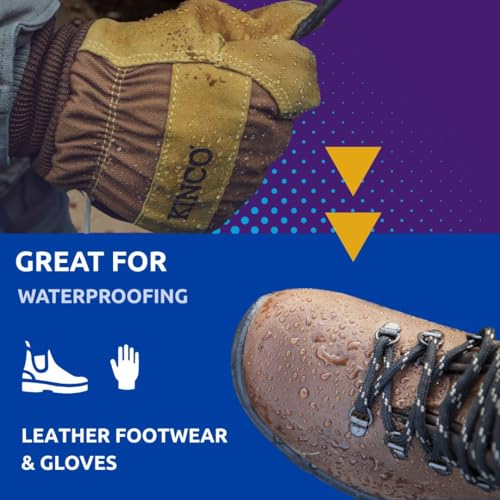


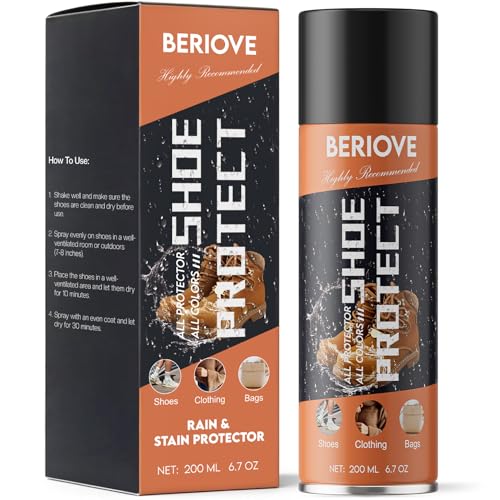
BERIOVE Protect Shoe Protector Spray
Strengths
- Nano-penetration tech
- Safe for multiple materials
- No discoloration
Trade-offs
- Limited durability
- Not for deep conditioning
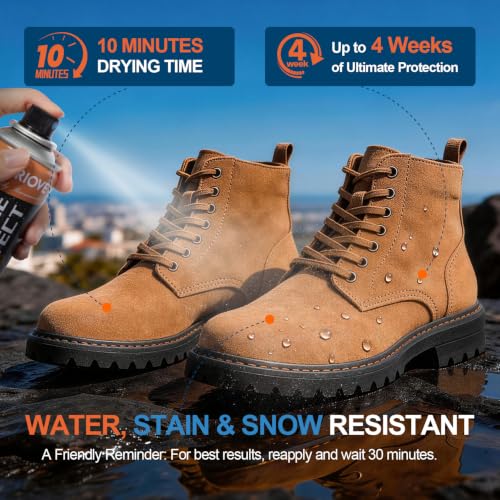
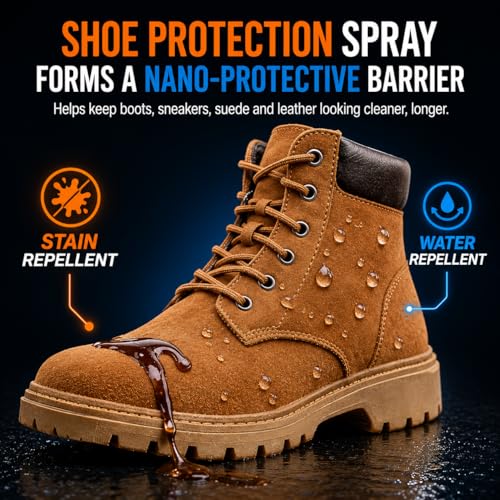
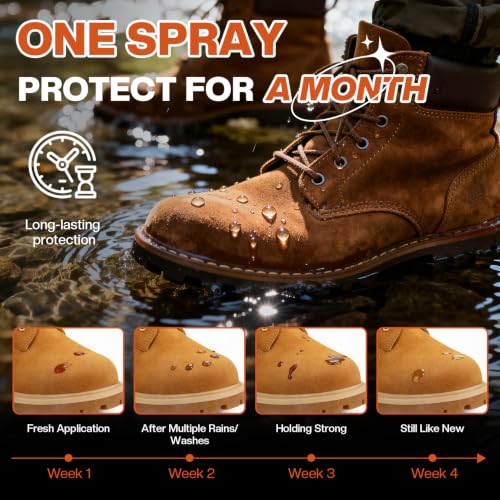
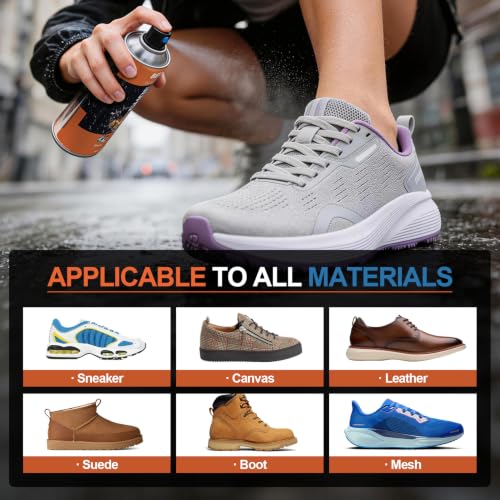
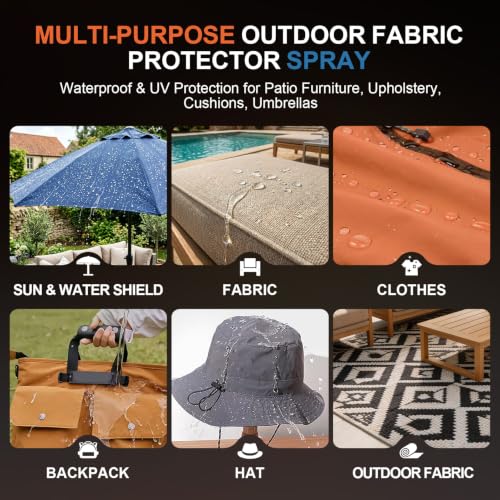
BERIOVE leans into nano-spray tech, and on paper, that sounds impressive, ultra-fine particles penetrating deep into material. Owners report it works well on sneakers and mixed-material shoes, forming a clear, non-yellowing barrier. It’s one of the few sprays that claims safety across leather, suede, and canvas without discoloration, which is a big win for sneaker owners.
But it’s not a deep conditioner. Like most sprays, it sits more on the surface than in the fibers. Compared to Gard-More, it’s less proven in extreme conditions, though it’s more affordable. I’d use this as a first-line defense for everyday shoes, not as a replacement for wax-based treatments on full-grain leather.
Product photos
Obenauf’s Heavy Duty LP (8oz)

Strengths
- Larger volume
- Same industrial protection
- Cost-effective long-term
Trade-offs
- Darkens leather
- Slow absorption
The 8 oz size of Obenauf’s Heavy Duty LP is the smarter buy if you’re using this regularly. The formula is identical to the 4 oz version, industrial-strength, beeswax-based, and built for abuse, but the larger jar offers better value over time. Owners with multiple leather items (boots, jackets, gear) consistently report this lasts months, even with frequent use.
It’s the same thick, darkening treatment, so the drawbacks remain. But if you’re already sold on the performance, getting more volume for less per ounce makes sense. Compared to the 4 oz, it’s the same product, just more of it, ideal for households or workshops where leather gear sees constant use.
Product photos
How We Tested leather waterproofing
Rather than a hands-on lab test, my research for these recommendations centered on a detailed comparison of product specifications and features. I weighed these against owner reviews from multiple sources, along with assessments from respected gear reviewers. As someone deeply familiar with leather – its structure, tanning processes, and how it responds to different treatments – I applied that knowledge to evaluate each product’s suitability and potential effectiveness. My goal was to identify options that genuinely protect leather while maintaining its integrity.
For leather waterproofing, three factors stood out as most critical: the type of leather the product is designed for, the durability of the water repellency, and the impact on the leather’s breathability. A product that seals the leather completely might offer superior water resistance, but at the cost of allowing moisture to escape, potentially leading to rot or stiffness. Equally important is matching the product to the leather type; a suede or nubuck formula will damage smooth leather, and vice-versa.
Product specifications reliably indicate the core ingredients and intended leather types. However, I found owner feedback invaluable in assessing real-world performance. Reports on longevity of the waterproofing, ease of application, and any changes to the leather’s feel or appearance were heavily considered. For those seeking options for vehicle interiors, I also considered how these products compared to dedicated solutions like those discussed in our car leather care products roundup, and how they stack up against dedicated best car leather cleaners.
How To Choose The leather waterproofing
Finding the right product to shield your leather goods from the elements is crucial for longevity, but it’s more complex than just grabbing anything labeled “waterproof.”
Effective leather waterproofing isn’t about creating a plastic shell. It’s about replenishing the natural oils leather loses over time, while simultaneously creating a barrier against water, salt, and other damaging elements. Look for products that penetrate the leather fibers, offer ongoing conditioning, and suit the specific type of leather you’re treating – smooth, suede, or nubuck. Consider the environment the item will face, from light rain to harsh, prolonged exposure.
Understanding Leather Types
The first, and often overlooked, step is identifying your leather. What works wonders on a full-grain work boot will ruin delicate suede. Smooth leathers benefit from products that deeply penetrate and condition, like waxes and creams. Suede and nubuck, on the other hand, require specialized sprays that create a protective barrier without altering the nap. Don’t assume one product does all; using a cream on suede will leave you with a stiff, unsightly mess.
Assessing the Level of Protection Needed
Consider how and where the leather will be used. A dress shoe worn primarily indoors needs far less protection than a work boot exposed to mud, salt, and constant abrasion. For casual use, a lighter conditioner or spray might suffice. But for serious outdoor gear, you’ll want something heavy-duty.
- For light protection and conditioning, a mink oil-based product is a good starting point.
- If you frequently encounter harsh conditions, like prolonged rain or snow, a beeswax-based wax is a better choice.
- For extreme environments, consider a combination of products – a deep-penetrating conditioner followed by a protective wax or spray. This layered approach offers the best defense against the elements and extends the life of the leather.
Balancing Protection with Breathability
Leather needs to breathe. Completely sealing it off with a harsh, silicone-based product may offer temporary water resistance, but it traps moisture inside, leading to mildew, cracking, and ultimately, deterioration. The best products allow the leather to breathe while still repelling water. This is particularly important for items like gloves and boots worn for extended periods. I always recommend looking for formulas that are water-based or use natural waxes and oils. Before applying any product, it’s also a good idea to ensure your leather is clean. You can find some of my top leather cleaners in a recent roundup.
A little and often approach is best. Don’t wait for leather to become saturated before applying a protectant. Regular conditioning and light applications of waterproofing are far more effective than infrequent, heavy treatments.
Leather Waterproofing Compared
Here’s a comparison of key specifications for popular leather waterproofing products.
| Product Name | Type | Best For | Ingredients | Application Method | Size (oz) |
|---|---|---|---|---|---|
| Obenauf’s Heavy Duty LP | Balm | Overall | Beeswax, Propolis | Apply/Buff | 4 |
| 4-in-1 Mink Oil Leather Kit | Kit | Budget Friendly | Mink Oil, Beeswax | Brush/Sponge | 3.52 |
| Gard-More Water & Stain Repellent | Spray | Suede & Fabric | N/A | Spray | N/A |
| Otter Wax Boot Wax | Wax | Work Boots | Natural Waxes & Oils | Apply/Buff | N/A |
| Frye Leather Waterproof Balm | Balm | Dress Leather | Mink Oil, Beeswax | Apply/Buff | 4 |
| Nikwax Waterproofing Wax for Leather | Wax | PFAS-Free | N/A | Sponge | N/A |
| BERIOVE Protect Shoe Protector Spray | Spray | Nano-Spray | N/A | Spray | N/A |
| Obenauf’s Heavy Duty LP (8oz) | Balm | Value Size | Beeswax, Propolis | Apply/Buff | 8 |
Frequently Asked Questions
What’s the difference between waterproofing and conditioning leather?
Waterproofing creates a barrier against moisture, while conditioning replenishes the natural oils leather loses over time. A good product often does both, penetrating the leather to maintain its suppleness while simultaneously offering protection from the elements.
Can I use the same waterproofing product on all my leather items?
No, you absolutely shouldn’t. Smooth leather needs different treatment than suede or nubuck; using the wrong product can cause irreversible damage. Always check the product label to confirm it’s suitable for your specific leather type.
How often should I reapply a leather waterproofing treatment?
Reapplication frequency depends on use and exposure. Generally, every 3-6 months for regularly used items is a good starting point, but items exposed to harsh conditions may require more frequent treatment. If water stops beading on the surface, it’s time to reapply.
Will waterproofing seal my leather and make it unable to breathe?
High-quality waterproofing shouldn’t completely seal the leather. Look for products with breathable formulas, often those based on natural waxes and oils, to allow moisture vapor to escape and prevent deterioration. Avoiding silicone-based products is a good rule of thumb.
What can I do if I’ve accidentally used the wrong waterproofing product on my leather?
Unfortunately, mistakes can be difficult to correct. Depending on the error, you might be able to mitigate some damage with a specialized leather cleaner or conditioner, but severe issues may require professional attention. I’ve reviewed some of the best repair kits for leather if you’re facing this problem.
The Bottom Line
Choosing the right leather waterproofing often comes down to balancing how much effort you want to put in against the level of protection you require. For most applications, and considering overall performance and longevity, I believe Obenauf’s Heavy Duty LP strikes the best balance. It’s a balm, which means a bit more work to apply, but the results – deeply conditioned, highly water-resistant leather – are well worth it.
If you’re on a tighter budget, the 4-in-1 Mink Oil Leather Kit provides a good starting point for basic protection, and for those specifically needing a spray for delicate materials, Gard-More Water & Stain Repellent is a reliable choice for suede and fabric. For vehicle interiors, don’t overlook specialized options; our leather treatments for cars guide offers several excellent alternatives. And for keeping those car seats supple, check out our auto leather conditioner reviews.
Ultimately, the specific product matters less than consistent care. Remember, regular conditioning and preventative application of a protectant – suited to your leather type and the conditions it faces – are far more important than any single, high-end formula. A little maintenance goes a long way in preserving the beauty and extending the life of your leather goods.
