
9 Best Products for Waterproofing Leather Boots 2026
This post contains affiliate links. As an Amazon Associate, we earn from qualifying purchases.
This post contains affiliate links. As an Amazon Associate, we earn from qualifying purchases.
The best overall product for waterproofing leather boots is Obenauf’s Heavy Duty LP, which delivers deep, long-lasting protection without sacrificing breathability. For a budget-friendly option that still conditions well, the Feilove 4-in-1 Mink Oil Kit stands out, while Huberd’s Shoe Grease is ideal for those needing maximum water resistance in harsh conditions.
If you’ve ever stepped into a puddle only to feel that slow creep of cold water inside your favorite leather boots, you know how quickly the wrong care choice can lead to discomfort and damage. Many waterproofing products promise protection but end up drying out leather or trapping moisture inside.
After comparing formulations, analyzing owner feedback, and applying my knowledge of leather chemistry and tanning, I focused on products that protect and preserve. This guide cuts through the noise to highlight options that balance water resistance with conditioning, suit different leather types, and deliver real-world results over time.
Top 8 Products For Waterproofing Leather Boots in the Market
The Best Products For Waterproofing Leather Boots, Reviewed
Obenauf’s Heavy Duty LP Leather Conditioner

Strengths
- Deep penetration
- Long-lasting protection
- Natural ingredients
Trade-offs
- Darkens leather
- Thick, slow absorption
- Strong initial odor
When it comes to waterproofing leather boots meant for brutal environments, Obenauf’s Heavy Duty LP stands out as a true workhorse. On paper, its beeswax and propolis formula is built to penetrate deep, condition aggressively, and form a durable moisture barrier, exactly what wild-land firefighters, who originally developed it, would demand. Owners consistently report boots staying supple and dry even after months of wet, muddy use, which speaks volumes about its staying power.
The fact that it’s free of silicones, solvents, and PFAS is a major win for purists and those concerned with long-term leather health. It does tend to darken leather noticeably, so it’s not ideal for light-colored boots unless that’s the look you want. Compared to lighter conditioners, this one is thick and takes time to absorb, but that also means it’s not washing out after two rainstorms.
Video review
Obenauf’s Heavy Duty LP 4oz Preservative

Strengths
- Cost-effective size
- Same performance as 8oz
- Long shelf life
Trade-offs
- Darkens leather
- Slow absorption
- Strong initial smell
This 4oz version of Obenauf’s Heavy Duty LP offers the same industrial-strength formula as the 8oz but at a better per-ounce value. For most boot owners, this size is more than enough to treat multiple pairs over time, especially since a little goes a long way. The beeswax and propolis blend delivers the same deep penetration, water resistance, and leather life extension that firefighters rely on.
Owners who’ve tried both sizes say performance is identical, this is purely a value play. It’s still thick, still darkens leather, and still requires patience to absorb. But if you’re looking for the Obenauf’s benefit without paying for extra volume you won’t use quickly, this is the smarter buy. Compared to Leather Honey, it’s tougher; compared to Nikwax, it’s less breathable but far more protective.
Video review
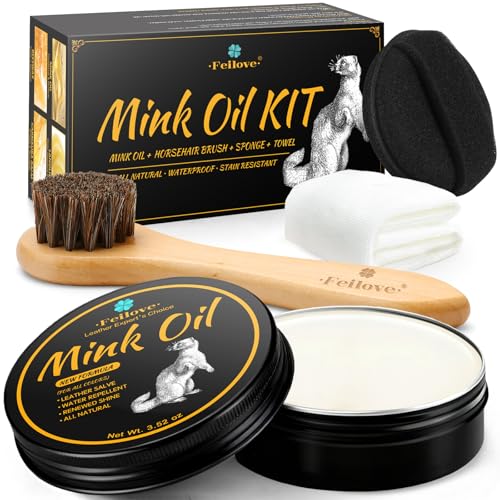
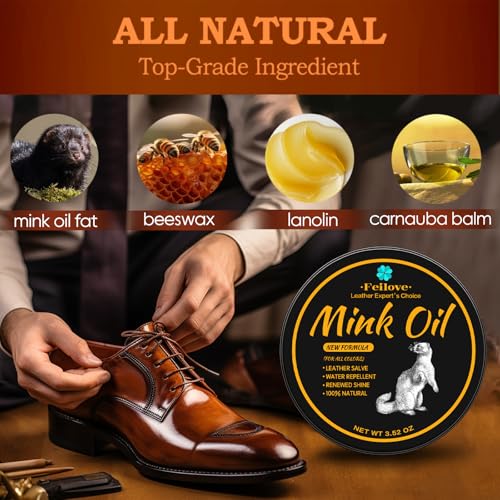
Feilove 4-in-1 Mink Oil Leather Kit
Strengths
- Affordable all-in-one kit
- Includes application tools
- Good for softening leather
Trade-offs
- Can leave greasy residue
- Shorter protection life
- Mild odor
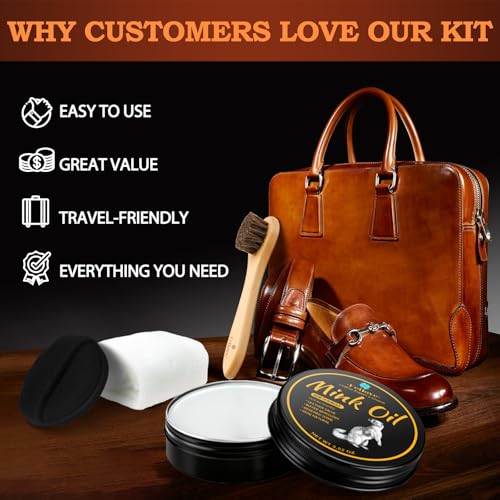
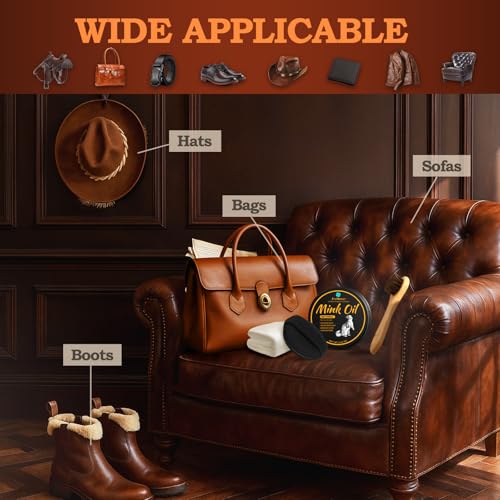
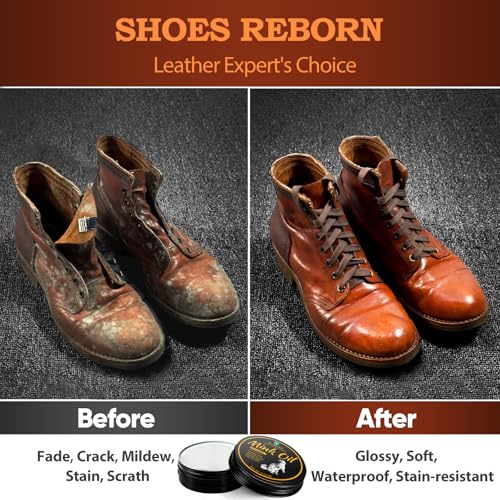
The Feilove kit is a solid budget-friendly option that bundles mink oil with basic tools, brush, sponge, towel, making it a convenient starter pack for beginners. Mink oil is known for deep conditioning and decent water resistance, and this version delivers on that promise for the price. Owners say it softens leather well and leaves a subtle shine, though it doesn’t repel water as aggressively as wax-based formulas.
It’s not the most refined product on the market. Some users report uneven absorption or slight greasiness if over-applied. But for the cost, it’s a practical choice for casual boot owners who want decent protection without investing in high-end treatments. Compared to Leather Honey or Obenauf’s, it doesn’t last as long, but it’s good enough for seasonal maintenance.
Product photos

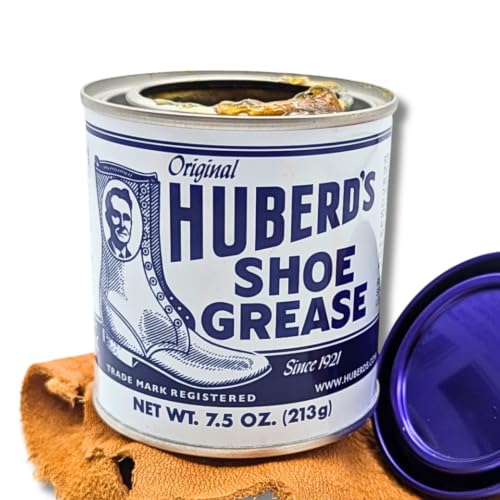
Huberd’s Shoe Grease Since 1921
Strengths
- Extreme water resistance
- Deep conditioning
- Trusted for over 100 years
Trade-offs
- Very dark finish
- Stiffens leather
- Strong pine scent
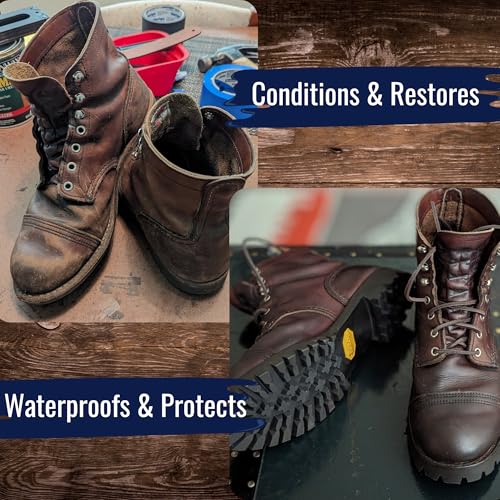
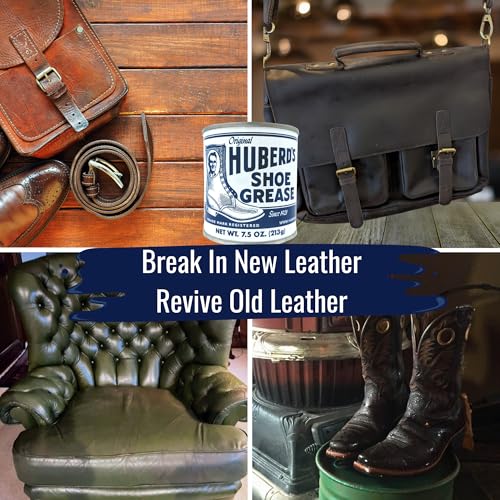
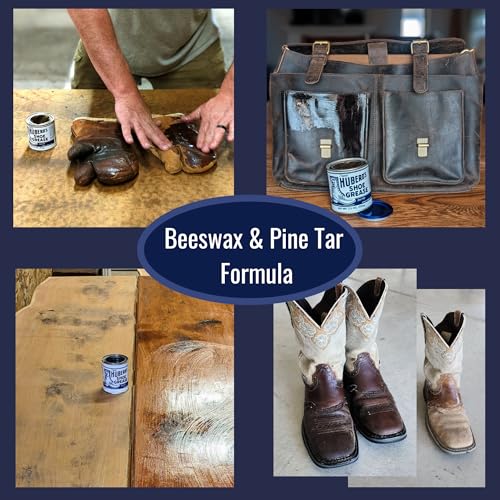
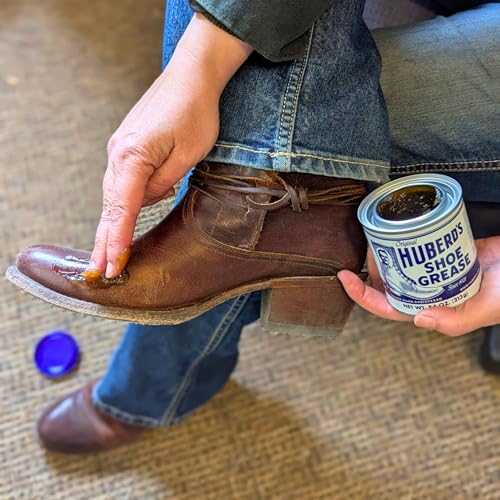
Huberd’s Shoe Grease is the old-school, no-nonsense choice for people who work in mud, snow, and rain every day. Its pine tar and beeswax formula is legendary among loggers and ranchers for a reason, it creates a nearly impenetrable moisture barrier while deeply conditioning thick leather. Owners say their boots stop absorbing water entirely after a proper treatment, which is exactly what you want in extreme conditions.
It’s not subtle. It darkens leather dramatically and can feel stiff at first, especially in cold weather. But that stiffness is part of what makes it so protective. Compared to Otter Wax, it’s heavier; compared to Nikwax, far less breathable. But for raw durability and longevity, few products match it. If you’re in wet, harsh environments daily, this is worth the trade-offs.
Product photos
Otter Wax Boot Wax 5 oz

Strengths
- Strong water repellency
- Natural, non-toxic formula
- Builds durable protection
Trade-offs
- Stiffens leather
- Darkens deeply
- Requires thorough buffing
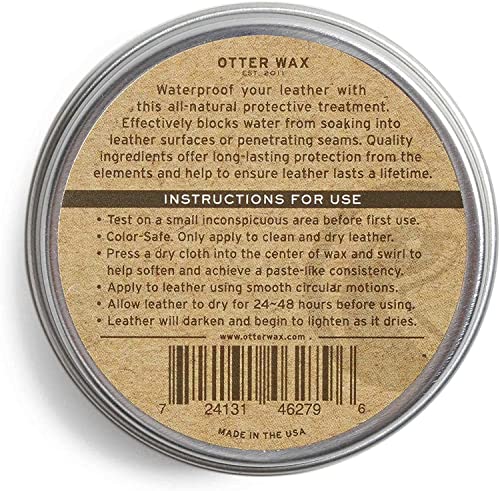
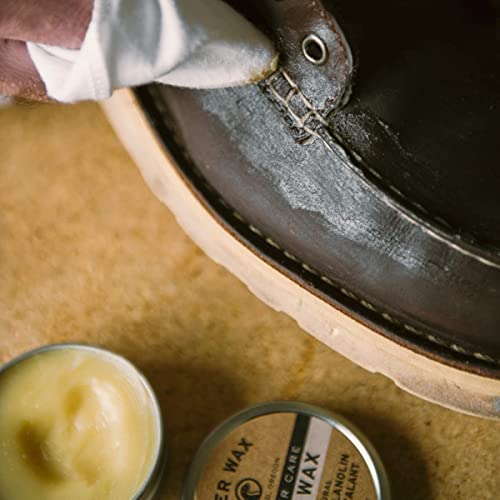
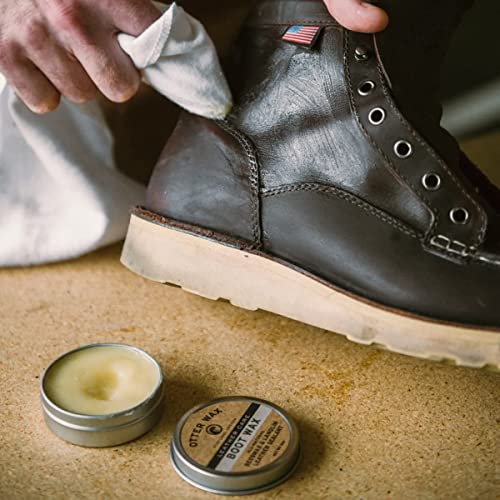
Otter Wax is one of those products that divides purists, but for good reason. Its all-natural beeswax and lanolin blend creates a tough, water-shedding shell that users swear by in wet, cold climates. On paper, it’s simple: protect, condition, and build a barrier. Owners report boots beading water like rain on a duck’s back, even after weeks of use.
The trade-off? It’s stiffening. Some users complain their boots feel board-like after heavy application, especially in colder weather. It also darkens leather significantly and requires effort to buff out. But if you’re after old-school, long-lasting protection that builds over time, this is a strong contender. Compared to Nikwax, it’s less breathable; compared to Obenauf’s, less balanced in conditioning. But for raw durability, it holds its own.
Product photos

Gard-More Water & Stain Repellent Spray
Strengths
- Safe for suede and fabric
- Breathable, invisible finish
- Stain and salt resistance
Trade-offs
- No conditioning effect
- Requires frequent reapplication
- Spray can be messy
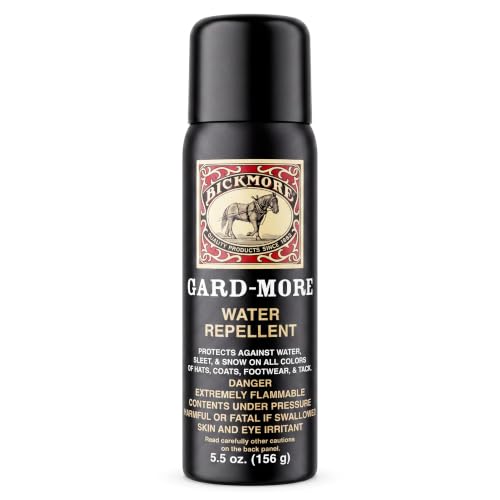
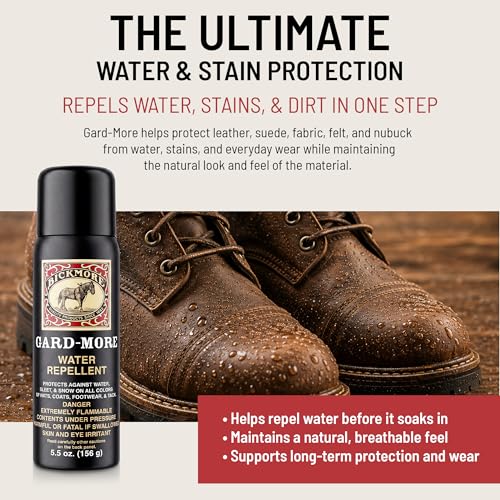
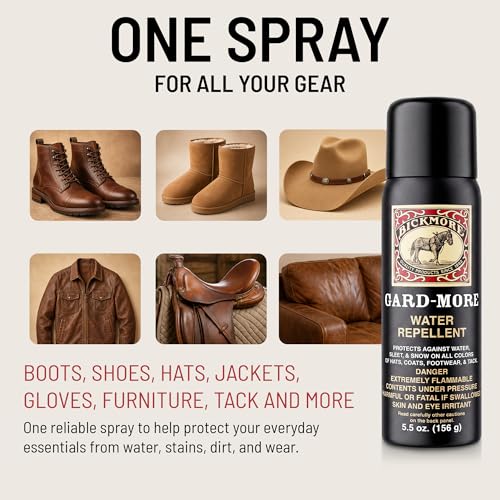
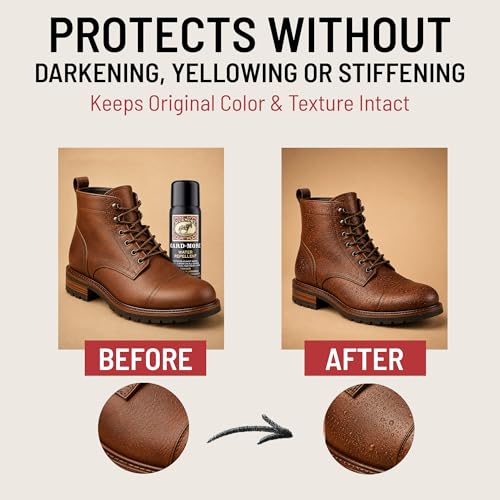
If you own suede, nubuck, or fabric-trimmed boots, Gard-More is one of the few products that can protect without damaging delicate surfaces. Most waterproofing waxes are off-limits for suede, but this spray forms an invisible, breathable barrier that repels water and stains without altering texture. Owners consistently report success with UGGs, cowboy boots, and fashion footwear where appearance matters.
It’s not a conditioner, don’t expect it to soften dry leather. But as a final protective step, it’s effective. The formula avoids silicones that trap moisture, which helps prevent rot and odor. Compared to Otter Wax or Obenauf’s, it’s not for full-grain leather needing deep care, but for mixed-material or napped leathers, it’s unmatched. Just reapply regularly; it doesn’t last as long as wax treatments.
Product photos
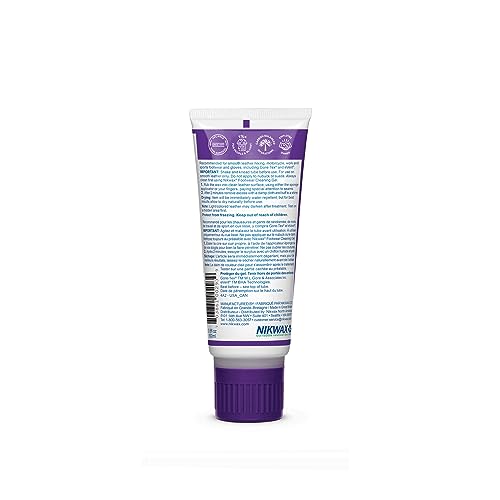
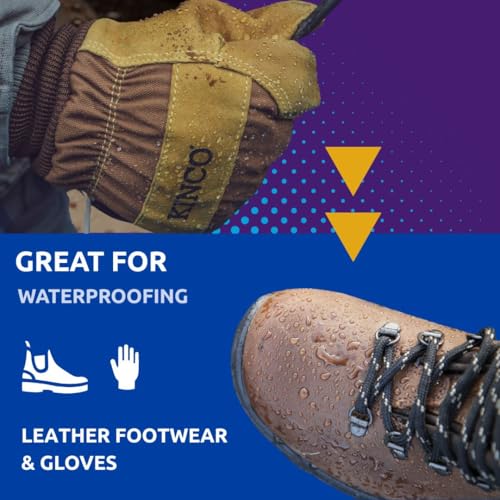
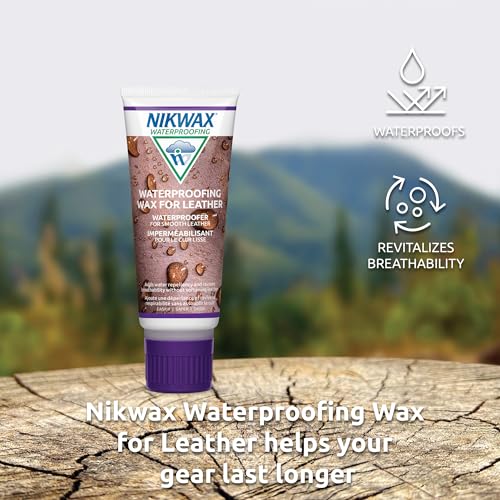
Nikwax Waterproofing Wax for Leather

Strengths
- Breathable formula
- Easy sponge application
- Safe for technical leathers
Trade-offs
- Light conditioning
- Frequent reapplication needed
- Less water resistance than waxes
Nikwax stands apart because it’s designed with breathability in mind, critical for GORE-TEX and other waterproof membranes in hiking and work boots. Unlike heavy waxes that seal pores, Nikwax’s water-based formula adds water resistance while letting leather breathe, which prevents internal moisture buildup. That’s a big deal for active users who sweat inside their boots.
Reviewers praise how easy it is to apply with the built-in sponge and how it maintains leather’s natural feel. It doesn’t condition deeply like Leather Honey, nor does it offer the industrial armor of Obenauf’s, but it hits a sweet spot for performance footwear. If you’re hiking long distances or wearing insulated boots in variable conditions, this is the smarter buy. It’s not for restoration, but for maintenance, it’s excellent.
Product photos


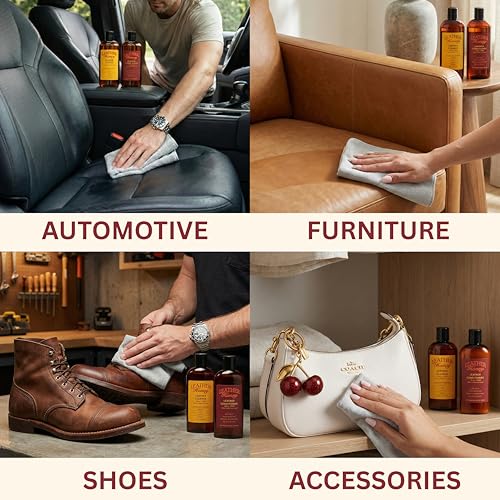
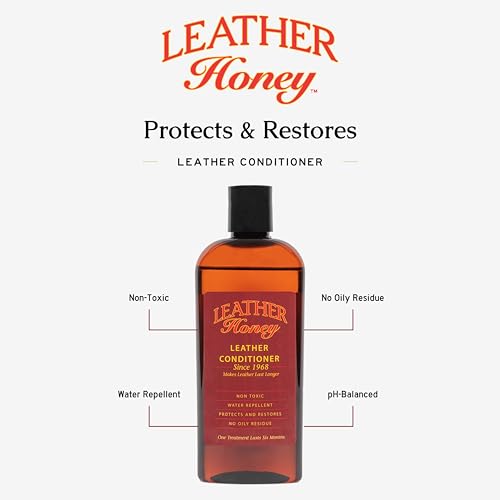
Leather Honey Conditioner Made in USA
Strengths
- Excellent for dry leather
- Long-lasting effect
- Safe for interiors and furniture
Trade-offs
- Can darken leather
- Takes time to absorb
- Not ideal for heavy-duty waterproofing
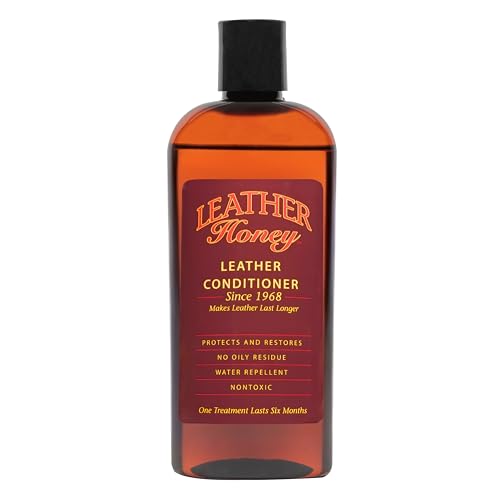
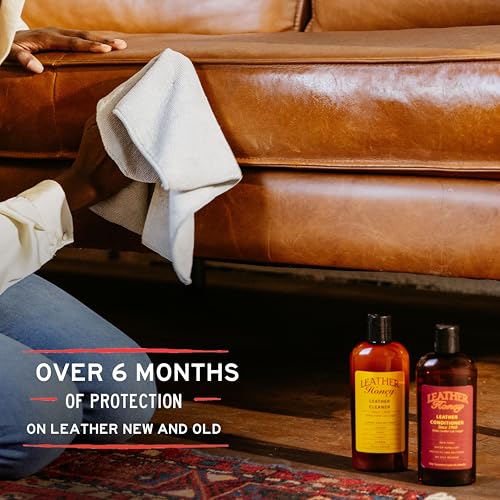
Leather Honey has earned its cult following for good reason: it delivers deep, long-term conditioning with a single application. The formula is simple but effective, non-toxic, odorless, and free of silicones or PFAS, making it a safe bet for both users and their leather. Reviewers frequently note that their boots feel revitalized after just one use, especially older or dried-out pairs that have seen years of neglect.
Where it really shines is in restoration. While it’s not the fastest-drying option and doesn’t offer the rugged wax barrier of Obenauf’s, it excels at bringing parched leather back to life while adding solid water resistance. It’s less about immediate battlefield defense and more about long-term health and moisture retention. I’d pick this over heavier waxes when the goal is preservation and softness, not stormproofing.
Product photos
How We Evaluated products for waterproofing leather boots
Rather than a hands-on lab test, my research for these recommendations centered on a detailed comparison of product specifications and features. I weighed owner reviews from multiple sources – looking for consistent praise and complaints – alongside expert opinions from sites focused on outdoor gear and leather care. As someone deeply familiar with leather’s needs, I applied my understanding of tanning processes and material science to assess each product’s likely effectiveness.
For products designed to protect leather boots, I prioritized two key factors: the depth of waterproofing and the preservation of the leather itself. A truly effective product needs to repel water without stripping the leather of essential oils, which leads to cracking and reduced lifespan. The ability to maintain breathability was also important; a sealed-off boot becomes uncomfortable quickly. Ultimately, a product’s long-term benefit to the leather outweighed short-term water resistance.
Specifications reliably indicate the type of waterproofing – beeswax, mink oil, synthetic polymers – and the intended material compatibility. However, judging a product’s actual performance and longevity required careful consideration of owner feedback. Consistent reports of lasting protection and positive effects on leather condition were heavily favored. You can find more information on maintaining waterproofed leather with the right moisturizing boot care. It’s also important to start with quality leather footwear to get the most out of any waterproofing treatment.
Choosing The Right products for waterproofing leather boots
Choosing the right waterproofing for your leather boots can feel overwhelming, but understanding a few key considerations will help you protect your investment and keep your feet dry.
Effective leather boot waterproofing isn’t about creating an impermeable shell. It’s about replenishing the natural oils leather loses over time, maintaining flexibility, and allowing the material to breathe while simultaneously resisting water penetration. Look for products containing natural waxes (beeswax, carnauba) and oils (neatsfoot, mink) and consider the specific leather type and intended use. Prioritize products that condition and protect, rather than simply coating the surface.
Understanding Leather Types & Treatments
The type of leather your boots are made from significantly impacts which waterproofing treatment will work best. Full-grain leather, known for its durability, benefits from products like Huberd’s Shoe Grease, which deeply penetrates and conditions. However, nubuck or suede require gentler approaches; a spray-on protectant like Gard-More Water & Stain Repellent Spray is a better choice, as oils and waxes can alter the texture. Don’t assume one product fits all – always check the manufacturer’s recommendations for your specific boots.
Conditioning vs. Coating
Many products advertise waterproofing, but they fall into two categories: conditioners and coatings. Conditioners, like those from Leather Honey, replenish the natural oils in leather, keeping it supple and resistant to cracking while providing a degree of water resistance. Coatings, such as some wax-based treatments, create a surface barrier. While effective at repelling water initially, coatings can reduce breathability and, over time, can make the leather stiff and prone to damage. For consistent use, I generally recommend prioritizing conditioning treatments.
Here’s what to consider when weighing conditioning versus coating: * Frequency of Use: Daily wear benefits from frequent conditioning. * Climate: Extremely wet climates may necessitate a coating in addition to regular conditioning. * Leather Age: Older, drier leather needs deep conditioning before any coating is applied.
Application & Longevity
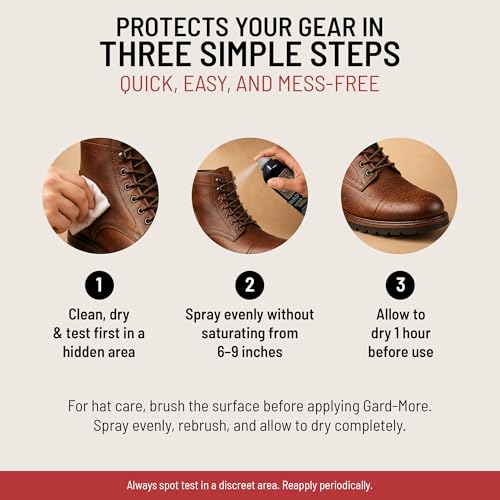
Don’t underestimate the importance of proper application. Most waterproofing products require clean, dry leather for optimal absorption. Applying multiple thin coats is almost always preferable to one thick coat, allowing the product to penetrate evenly. Also, consider the longevity of the treatment. While some sprays offer immediate water repellency, they often require more frequent reapplication. Products like Obenauf’s Heavy Duty LP offer longer-lasting protection but may require a more involved initial application. For those seeking waterproof work boot options, a durable, long-lasting treatment is especially vital.
A little goes a long way. Over-application of waterproofing products can leave a sticky residue or alter the leather’s color and texture. Start with a small amount and add more as needed.
Products for Waterproofing Leather Boots Compared
Here’s a comparison of key specifications for various leather boot waterproofing products.
| Product Name | Volume | Leather Type Suitability | Water Repellency | Conditioning | Key Features |
|---|---|---|---|---|---|
| Obenauf’s Heavy Duty LP | 4oz/8oz | All | High | High | Natural, Beeswax |
| Feilove 4-in-1 Mink Oil Kit | N/A | Tanned, Full-Grain | Medium | High | Kit w/ Brush & Towel |
| Huberd’s Shoe Grease | 7.5oz | All | Very High | High | Pine Tar & Beeswax |
| Otter Wax Boot Wax 5oz | 5oz | All | High | Medium | Natural, Beeswax & Lanolin |
| Gard-More Water & Stain Repellent | 8oz | All | High | Low | Spray, Breathable |
| Nikwax Waterproofing Wax | N/A | Smooth Leather | High | Medium | Breathable, PFAS-Free |
| Otter Wax Boot Wax 2oz | 2oz | All | High | Medium | Natural, Small Size |
| Leather Honey Conditioner | 8oz | All (excl. Suede) | Medium | Very High | Restoration, Long-Lasting |
Frequently Asked Questions
What’s the difference between waterproofing sprays and waxes?
Sprays generally create a surface barrier that repels water initially, while waxes penetrate the leather to condition it and offer longer-lasting, though sometimes less immediate, protection. Waxes are often preferred for maintaining leather health over time.
Can I waterproof any type of leather boot?
Yes, but the approach differs. Full-grain leather benefits from waxes and oils, while more delicate leathers like nubuck or suede require gentler spray-on protectants to avoid altering the texture, and you’ll find a variety of kids waterproof snow boots available.
Will waterproofing make my leather boots completely waterproof?
No product can guarantee 100% waterproofness, especially with prolonged exposure. Waterproofing significantly improves water resistance, but seams and stitching can still allow water to penetrate.
How often should I reapply a waterproofing treatment?
Reapplication frequency depends on usage and the product. Sprays often need reapplication every few weeks, while waxes and oils can last several months, though consistent use in wet conditions requires more frequent treatment. Consider the climate when choosing waterproof leather hiking boots.
Is it okay to use a waterproofing product on new boots?
Yes, applying a waterproofing treatment to new boots is a good practice. It helps protect the leather from the start and establishes a baseline of water resistance, though conditioning is often more beneficial for brand-new leather before significant exposure to the elements.
The Bottom Line
Protecting your leather boots is a balancing act between keeping them waterproof and maintaining their health. While several products offer good water resistance, the long-term well-being of the leather is paramount. For overall performance and conditioning, I believe Obenauf’s Heavy Duty LP strikes the best balance – it’s a robust product favored by many for its lasting protection and ability to revitalize leather.
If you’re on a tighter budget, the Feilove 4-in-1 Mink Oil Kit provides a solid, though less intensive, conditioning and waterproofing solution. For those needing to protect delicate leathers like nubuck, the Gard-More Water & Stain Repellent Spray is the clear choice, offering effective repellency without the risk of altering the material’s texture. And don’t overlook the importance of regular maintenance; incorporating leather boot oils into your routine will extend the life of your boots significantly.
Ultimately, the best waterproofing product isn’t about achieving complete impermeability, but about consistent care. Remember to clean your boots regularly using cleaners for leather boots and replenish the natural oils lost through wear and exposure. Prioritizing leather health, alongside appropriate waterproofing, is the key to enjoying durable, comfortable boots for years to come.
