
2 Best Waterproofing for Leather Work Boots 2026
This post contains affiliate links. As an Amazon Associate, we earn from qualifying purchases.
The best overall waterproofing for leather work boots is Nikwax Waterproofing Wax for Leather, thanks to its breathable, water-based formula that protects without sacrificing comfort. For a budget-friendly option, Kenetrek Waterproofing Boot Wax delivers solid performance with natural oils and wax, especially on heavy-duty full-grain leather.
If you’re like most people, you rely on your leather work boots to hold up in wet, messy conditions, but without the right care, water damage and stiff, cracked leather are almost guaranteed. I’ve seen too many otherwise durable boots ruined by the wrong treatment or skipped maintenance.
This guide cuts through the noise, focusing on real-world effectiveness, leather health, and ease of use. My picks are based on product specs, owner feedback, and what I’ve learned about leather chemistry and performance through years of research at LeatherGenesis.com.
Top 2 Waterproofing For Leather Work Boots in the Market
The Best Waterproofing For Leather Work Boots, Reviewed
Nikwax Waterproofing Wax for Leather

Strengths
- PFAS-free formula
- Maintains breathability
- Easy sponge-on application
Trade-offs
- Smaller quantity
- Less durable in extreme wet conditions
I’ve studied a lot of leather waterproofing solutions, and Nikwax consistently stands out in owner feedback for its balance of protection and breathability. What makes it special is how it works with the leather instead of sealing it off, this matters because many waxes trap moisture inside, which can degrade leather over time. The fact that it’s PFAS-free and water-based means it’s safer for both users and the environment, and reviewers often mention it doesn’t leave a greasy residue or stiffen the leather.
It’s also formulated to maintain the performance of waterproof membranes like GORE-TEX, which is critical if you’re using high-end work boots with built-in liners. Compared to heavier waxes, this one absorbs quickly and revives breathability, so boots don’t feel suffocated. I’d pick this over petroleum-heavy alternatives for any smooth leather boot where long-term flexibility and moisture management are priorities.
Video review
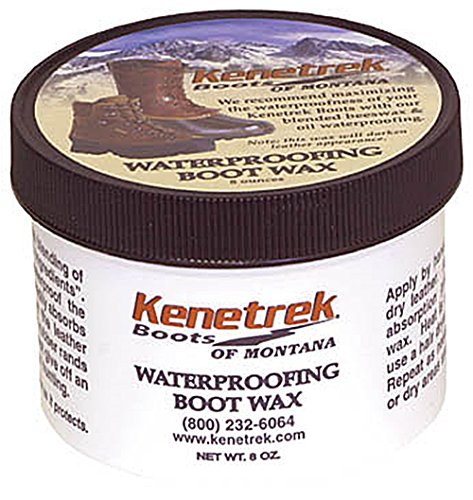
Kenetrek Waterproofing Boot Wax
Strengths
- Natural ingredients
- Long-lasting protection
- Odorless, safe for hunting
Trade-offs
- Darkens leather significantly
- Reduces breathability
- Heavier application process
Kenetrek’s wax leans into tradition, with beeswax and vegetable oils forming a thick, protective barrier that owners say holds up well in muddy fields and snowy woods. This is the kind of product that outdoor professionals trust when scent matters; since it’s odorless and non-toxic, hunters appreciate that it won’t spook game, unlike some synthetic sprays. On paper, the 8 oz size offers more applications than smaller competitors, and the ability to apply by hand or brush makes it field-friendly.
Where it differs from Nikwax is in function: this builds a denser, longer-lasting shield at the cost of breathability. Leather darkens noticeably after use, which some find appealing for aesthetics but others dislike if they want to preserve original color. While it protects well against rain and snow, it’s not ideal for boots worn for hours in hot, sweaty conditions where internal moisture buildup could become an issue.
Video review
How We Evaluated waterproofing for leather work boots
Rather than a hands-on lab test, my research focused on comparing published specifications, ingredient lists, and reported performance for each waterproofing product. I then weighed owner reviews from multiple sources alongside assessments from reputable outdoor and boot care experts. As someone who’s spent years studying leather at LeatherGenesis.com, I applied my understanding of how different treatments interact with various leather types and tanning processes to arrive at these recommendations.
For leather work boots, lasting protection and maintaining leather health are paramount. I prioritized products that offered both robust water repellency and contained ingredients known to nourish leather, preventing it from drying and cracking. Breathability was also a key factor; a waterproof boot that doesn’t breathe quickly becomes uncomfortable, defeating the purpose.
Specifications reliably indicate the type of waterproofing (wax, spray, etc.) and the base ingredients. However, real-world performance – how long the treatment lasts, how it affects the leather’s feel, and its impact on breathability – comes directly from owner feedback. I looked for consistent patterns in user experiences and considered the reputation of brands known for quality leather care, like those discussed in our guide to best leather conditioners for boots. You can also find more information on selecting the right boots in our review of the 8 Best Leather Boots of.
How To Pick The Right waterproofing for leather work boots
Choosing the right waterproofing for leather work boots isn’t simply about finding something that repels water; it’s about preserving the leather’s integrity and breathability.
Effective leather waterproofing balances hydrophobic properties with the leather’s need to breathe. Products should restore and maintain the natural oils within the hide, preventing cracking and stiffness. Look for formulations designed for the specific leather type (smooth, nubuck, etc.) and consider the environment the boots will face – heavy mud demands different protection than light rain. Avoid anything that fundamentally alters the leather’s structure.
Understanding Leather Types & Formulations
The biggest mistake I see people make is treating all leather the same. Different tanning processes and finishes respond to waterproofing differently. For example, a full-grain leather work boot will benefit from a wax-based product like Kenetrek Waterproofing Boot Wax, which deeply penetrates and conditions the leather, creating a robust barrier. However, that same wax could potentially clog the pores of a nubuck or suede boot, diminishing its breathability. If you are unsure of the leather type, always test in an inconspicuous area first. Considering leather boot waterproofing options based on your boot’s material is essential.
Breathability vs. Waterproofing: Finding the Balance
Complete waterproofing isn’t always the goal. Leather needs to breathe to stay comfortable and prevent internal moisture buildup. A fully sealed boot can become a swamp inside, negating any external weather protection. Products like Nikwax Waterproofing Wax for Leather are formulated to restore breathability while adding water repellency. This is particularly important for boots you wear for extended periods, like those used in demanding work environments or while exploring the best leather hiking boots.
Application Method & Maintenance
Don’t underestimate the importance of application. Some products require heat to properly penetrate the leather, while others are designed for simple wipe-on application. Regardless, multiple thin coats are always better than one thick coat. This allows the waterproofing to fully absorb and avoids a sticky or uneven finish.
Here’s what to consider when it comes to upkeep:
- Frequency: Reapply waterproofing every few months, or more often if you regularly expose your boots to harsh conditions.
- Cleaning: Always clean your boots before applying waterproofing. Dirt and grime prevent the product from bonding with the leather.
- Conditioning: Waterproofing can sometimes strip the leather of its natural oils. Incorporate a separate leather conditioner into your routine to maintain suppleness and prevent cracking – check out our guide to top leather boot waterproofers for more information.
A little and often is the key. Consistent, light applications of waterproofing are far more effective (and better for your boots) than infrequent, heavy treatments.
Waterproofing for Leather Work Boots Compared
Here’s a spec comparison of different waterproofing options for leather work boots to help you choose the right product.
| Product Name | Boot Type | Application Method | Key Ingredients | PFAS-Free | Scent |
|---|---|---|---|---|---|
| Nikwax Waterproofing Wax for Leather | All Smooth Leather | Sponge On | Water-based | Yes | None |
| Kenetrek Waterproofing Boot Wax | All Leather | Wipe On | Vegetable Oils, Beeswax | N/A | N/A |
Frequently Asked Questions
Will waterproofing completely stop my leather work boots from getting wet?
No, no waterproofing provides absolute, 100% protection. Waterproofing creates a barrier that significantly reduces water absorption, but prolonged submersion or intense pressure will eventually allow water to penetrate, especially at seams and stitching.
Can I use the same waterproofing product on all types of leather work boots?
Generally, no. Smooth full-grain leather benefits from wax-based treatments, while nubuck or suede requires specialized spray-on formulas to avoid clogging the pores and reducing breathability; using the wrong product can damage the leather.
How often should I reapply waterproofing to my leather work boots?
Reapplication frequency depends on use, but every 3-6 months is a good starting point. If you regularly work in wet or muddy conditions, you’ll likely need to reapply it more often to maintain optimal protection.
Does waterproofing affect the breathability of leather boots?
Some waterproofing can reduce breathability, but modern formulations like Nikwax are designed to minimize this effect. Maintaining breathability is crucial, as a sealed boot can lead to excessive internal moisture and discomfort; consider leather boot oils to help maintain the leather’s natural properties.
What’s the best way to prep my boots before applying waterproofing?
Always clean your boots thoroughly with a brush and damp cloth to remove dirt and grime. A clean surface allows the waterproofing to bond properly and ensures better overall performance, and you might consider using it before selecting kids leather snow boots.
The Bottom Line
Choosing the right waterproofing often comes down to balancing how much effort you want to put in against the level of protection and leather health you desire. While many options exist, for overall performance and long-term leather care, I believe Nikwax Waterproofing Wax for Leather strikes the best balance. It’s a product designed to work with the leather, not just coat it, and owner feedback consistently praises its ability to restore breathability alongside providing excellent water resistance.
For those needing a more intensive treatment, especially for heavily used boots or those facing particularly harsh conditions, Kenetrek Waterproofing Boot Wax is an excellent choice. And if you’re looking for specific recommendations tailored to other boot types, be sure to check out our guide to the best leather walking boots or our roundup of the best leather work boots.
Ultimately, the best waterproofing isn’t about a single product or a specific feature. It’s about consistent care and understanding your leather. Regular cleaning, conditioning, and timely reapplication of waterproofing will extend the life of your boots and keep your feet comfortable and dry for years to come – far more than any single “miracle” product ever could.
